By Oliver Namusisi | Project Leader
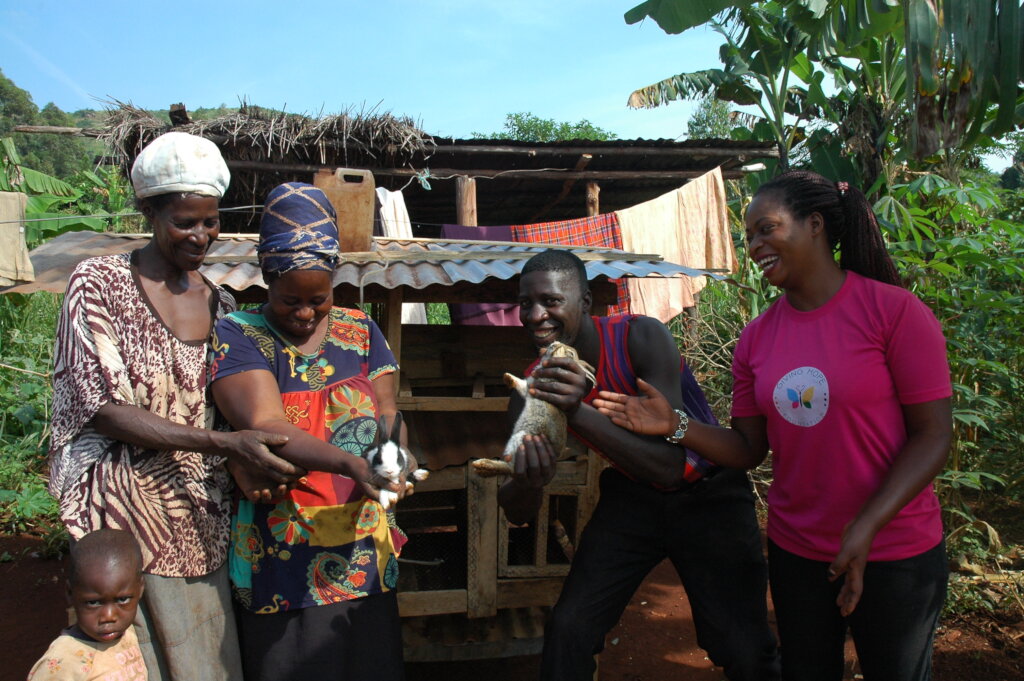
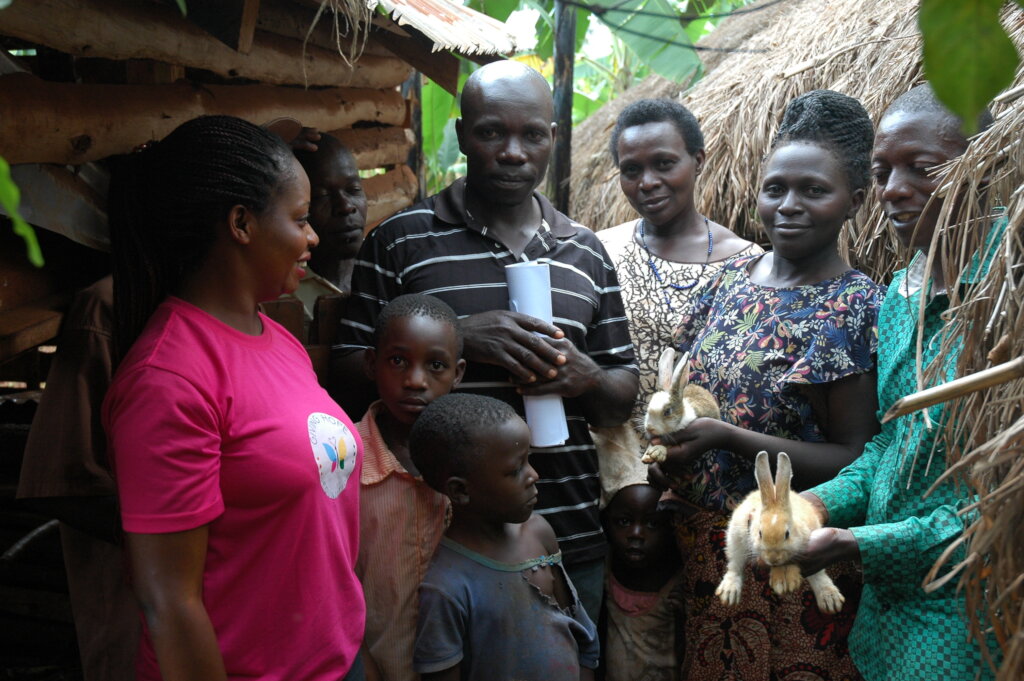
The Rabbit Project has been an exciting journey towards sustainable agriculture and income generation for smallholder farmers with significant challenges. The primary challenge was high mortality rate among baby rabbits (bunnies) which created setbacks in meeting the project’s goal of expanding rabbit populations among farmers to promote sustainable benefits such as manure production and income generation.
Understanding the gravity of challenge, we have been engaging experts in rabbit rearing as well as organizing trainings for farmers in order to address the challenge. Unfortunately, in September 2025 we lost all the bunnies and rabbits which faced us change from rabbitry to piggery.
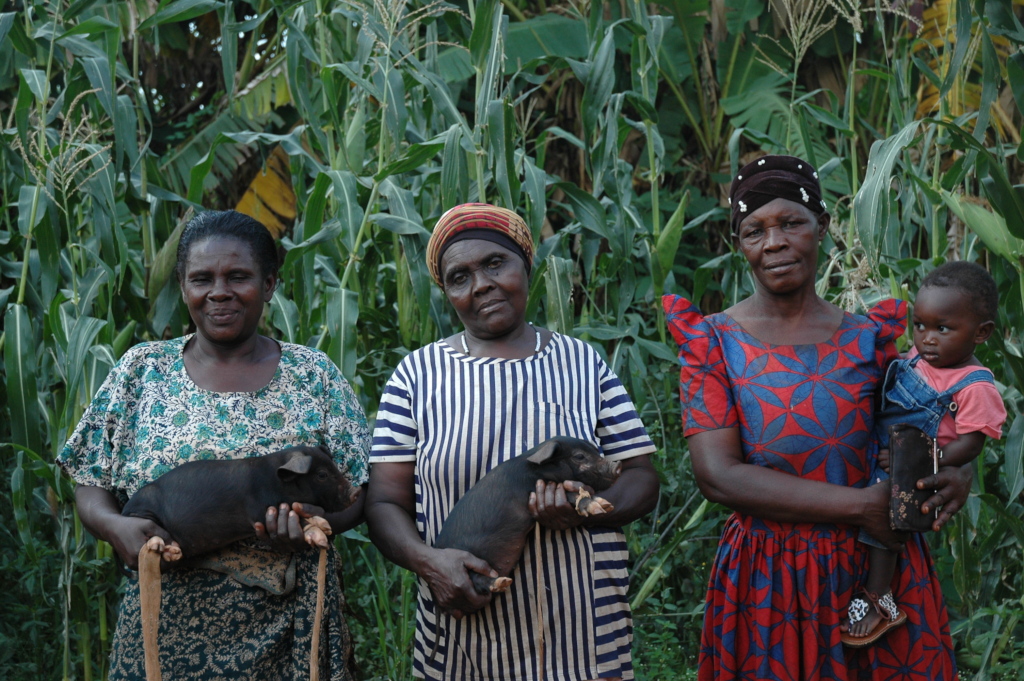
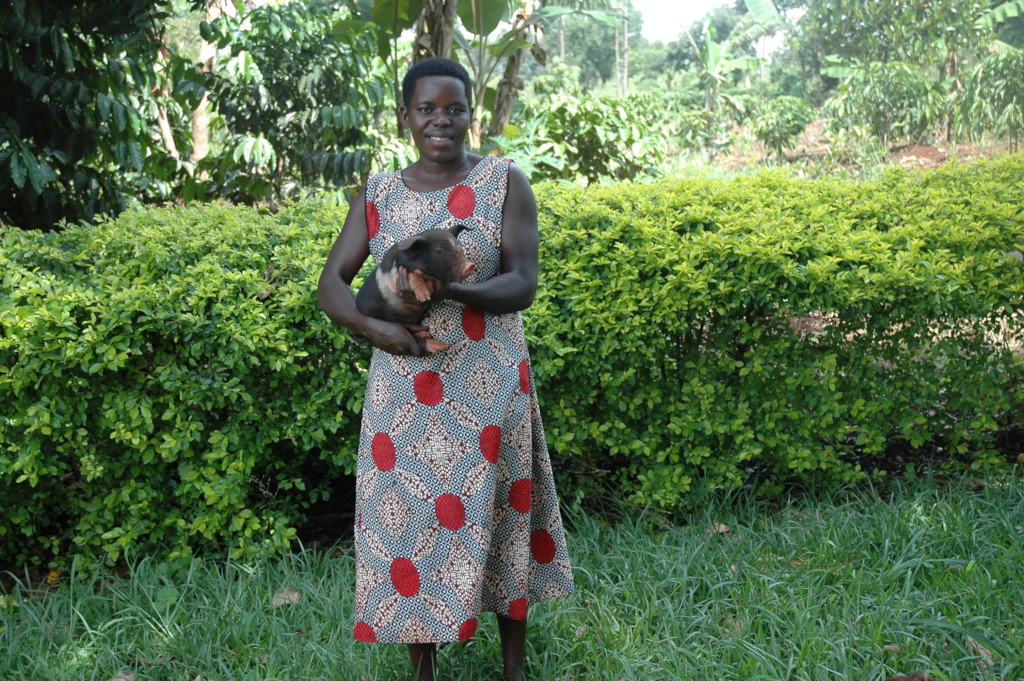
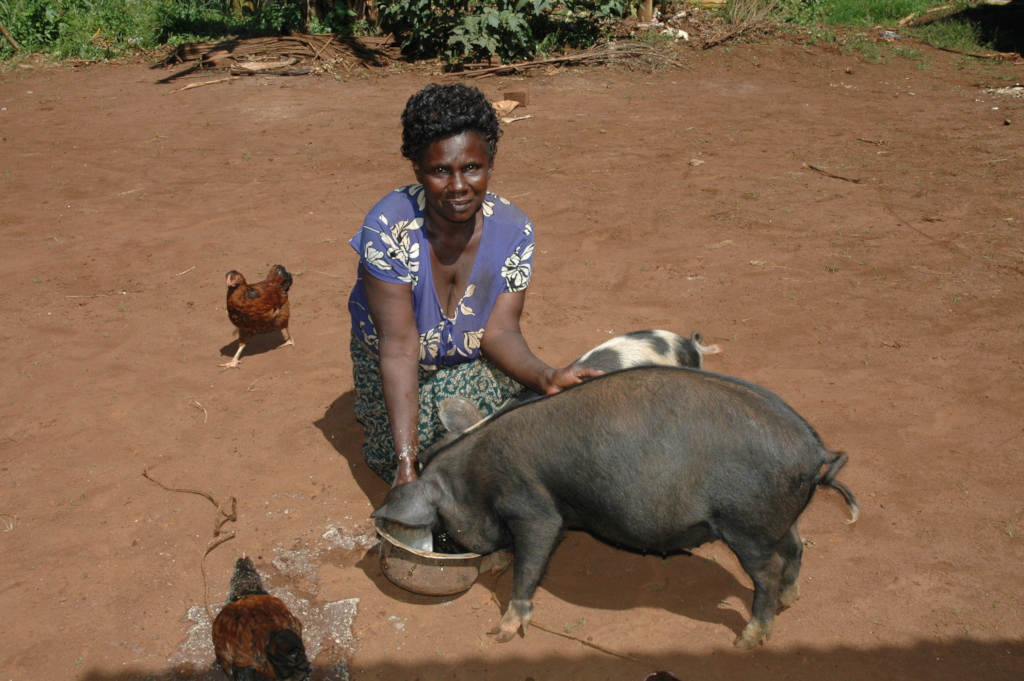
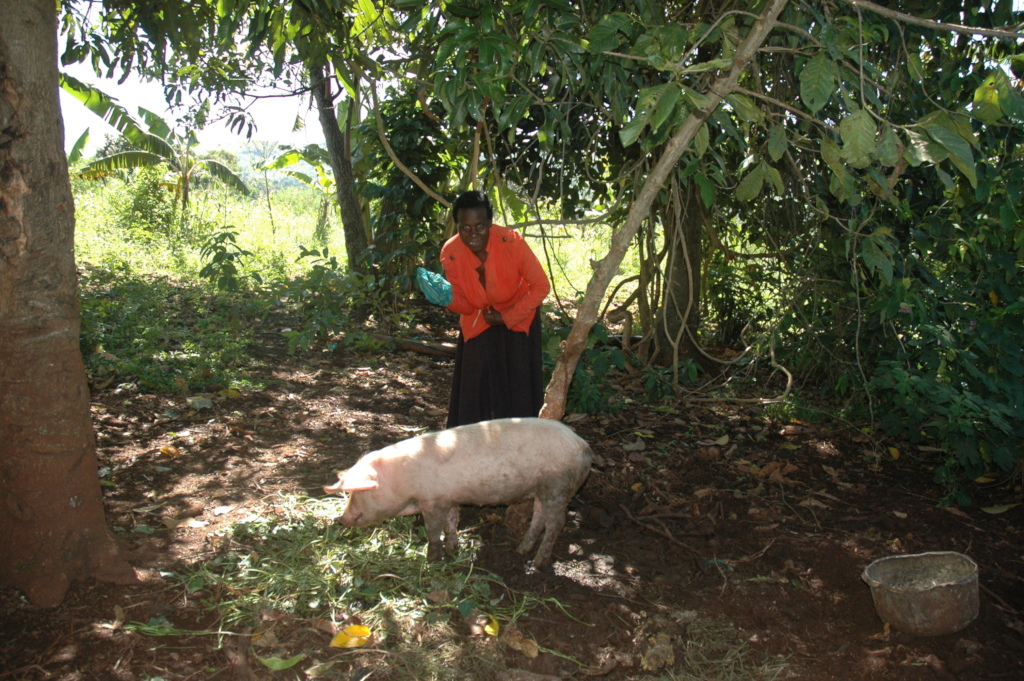
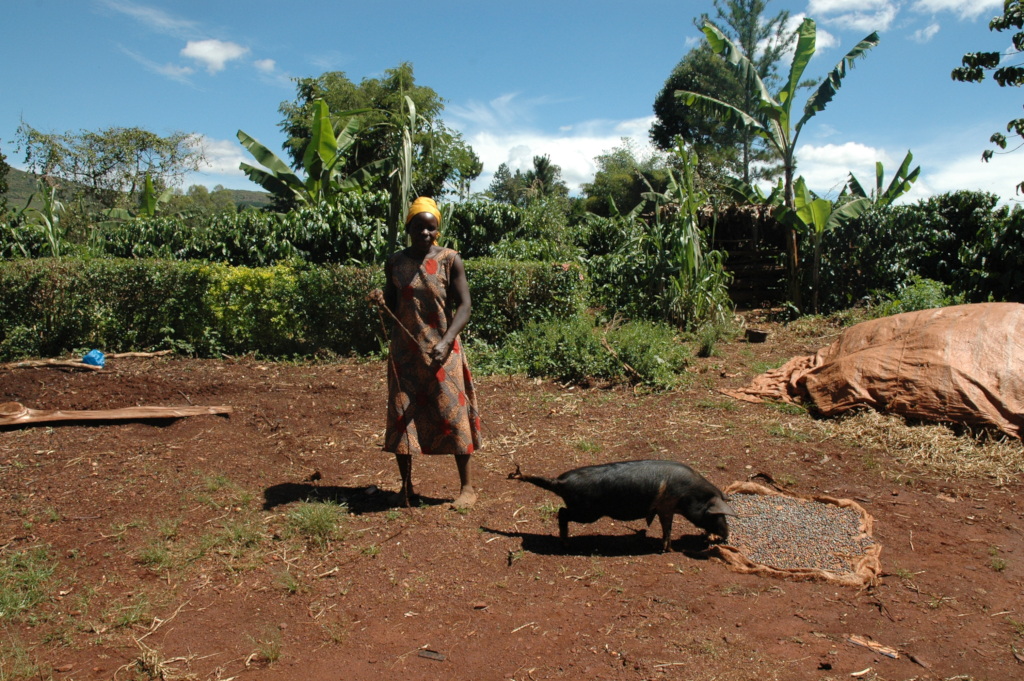
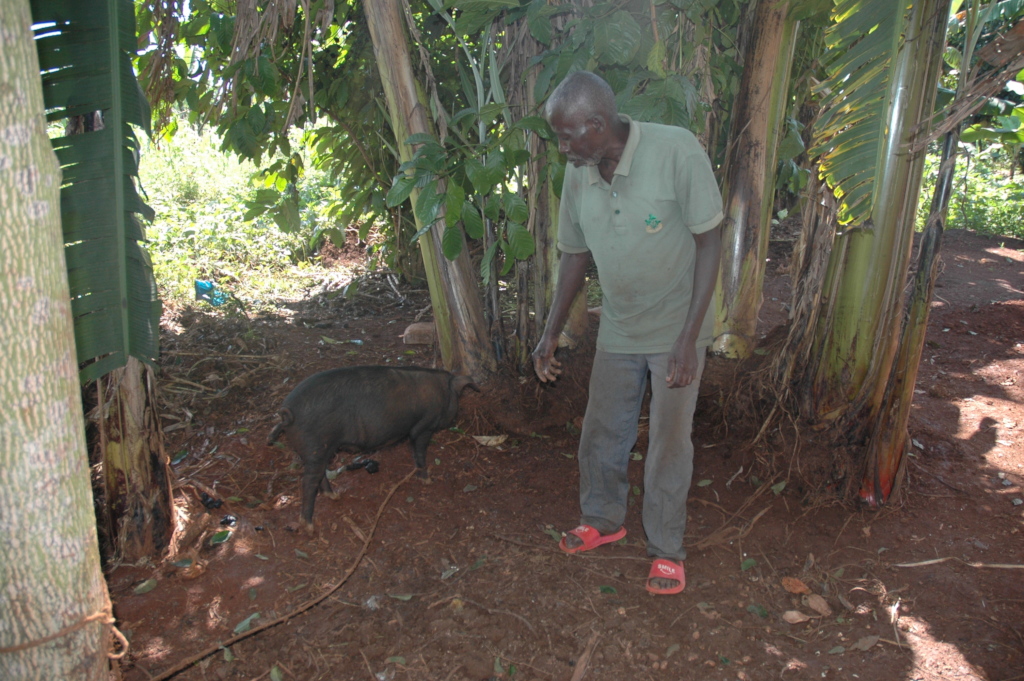
The change from rabbitry to piggery is driven the advantages of piggery over rabbitry. Piggery has high profitability, pigs have faster growth and market-ready time, efficient feed conversion and wider market appeal, making it a more attractive venture despite potential challenges like diseases and biosecurity.
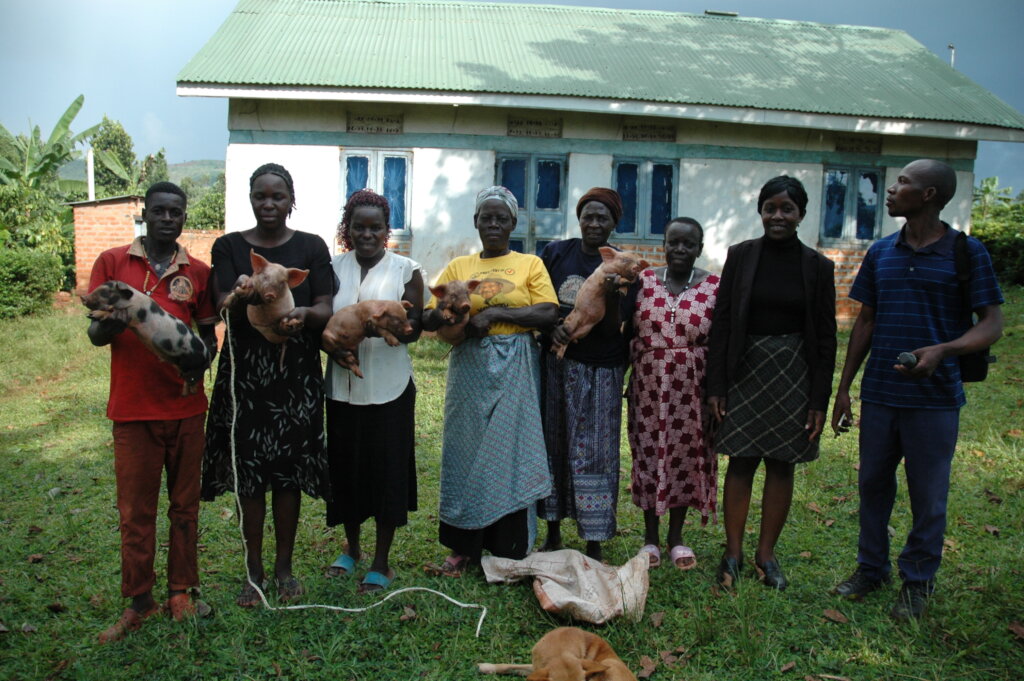
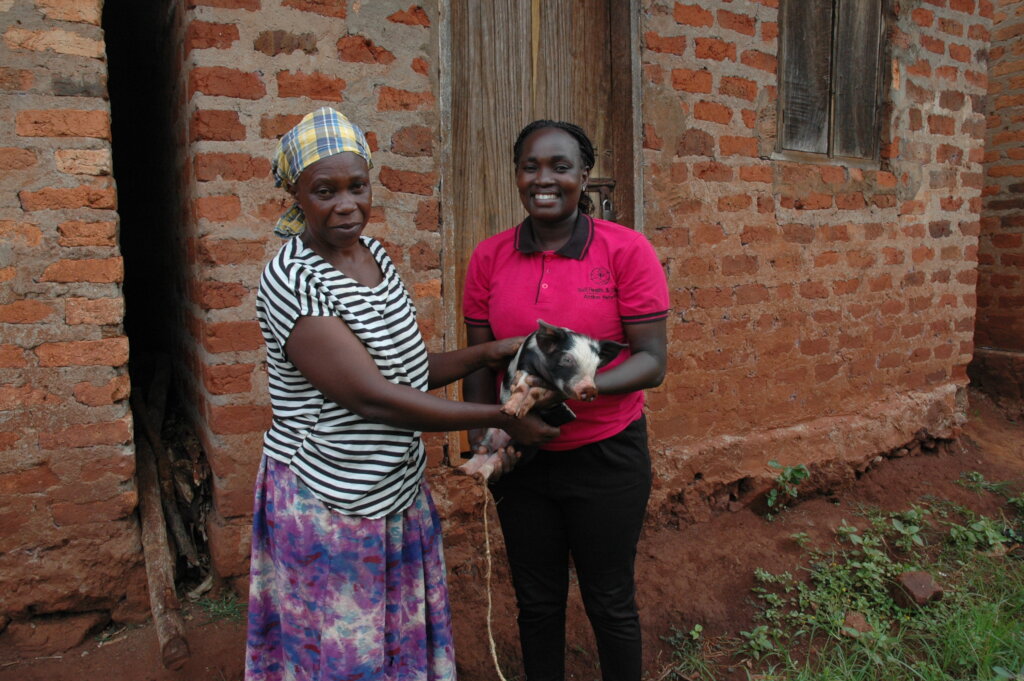
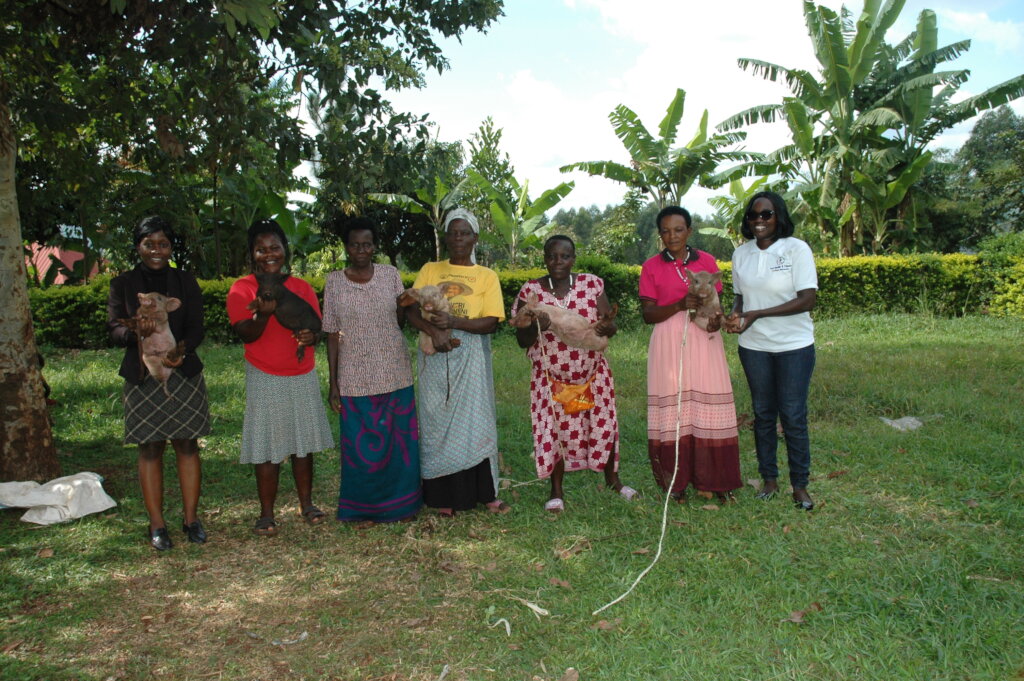
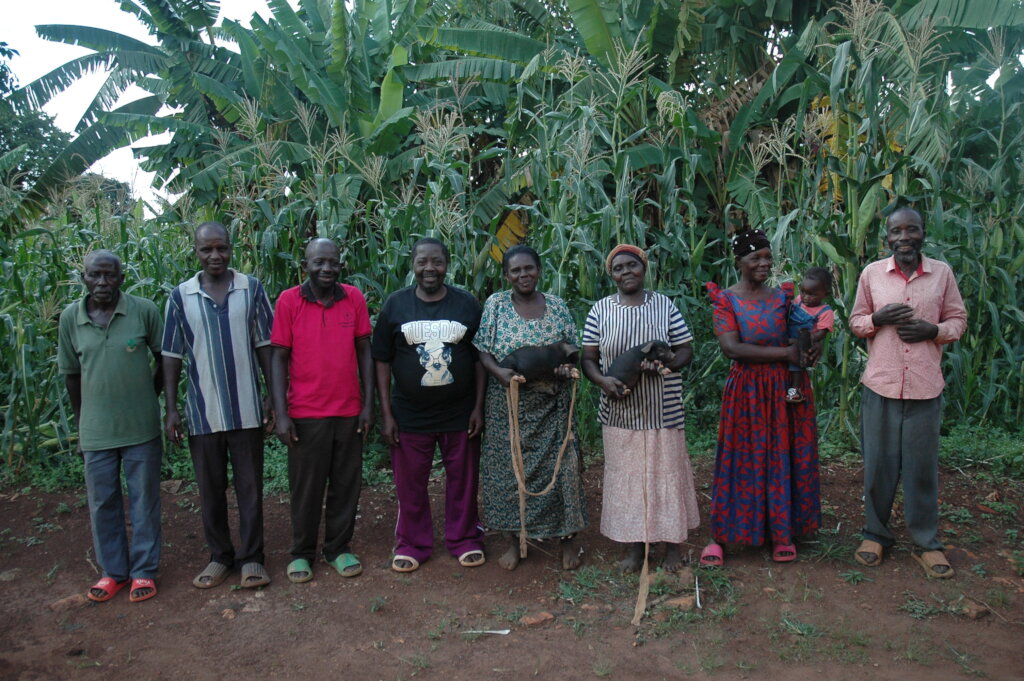
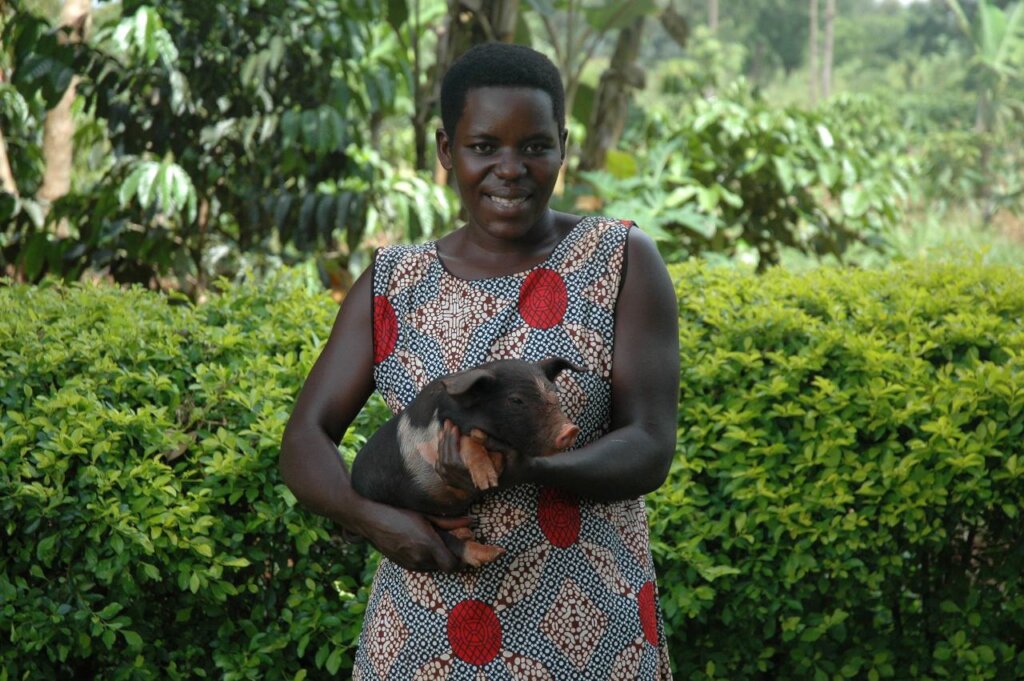
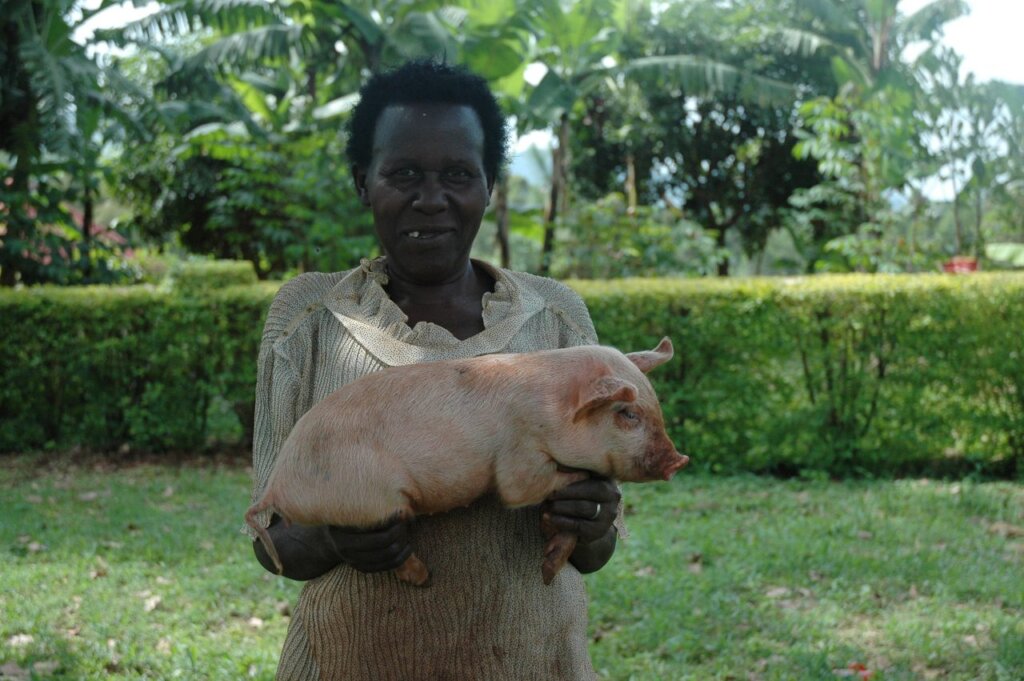
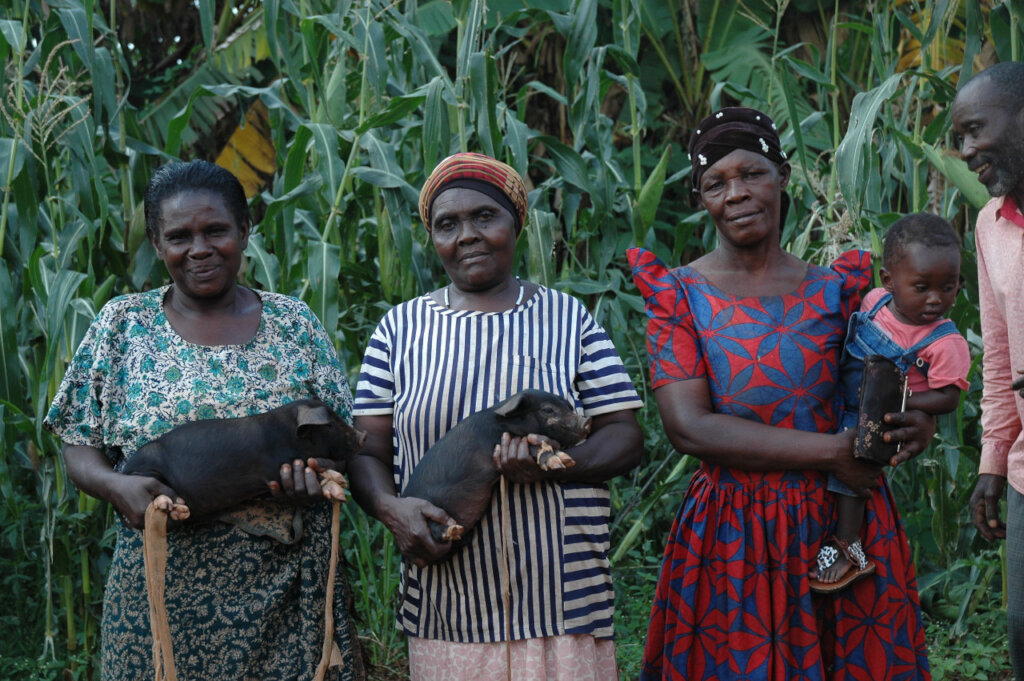
We gaveout 4 piglet lets to 2 groups of smallholder farmers in Hoima and now the pigs for 5 months. This piggery project will operate through Pay-It-Forward System where each farmer will passes on an offspring to another person in the group. This will to promote sustainable empowerment and continuous community development.
We are grateful to your generous support in community development. Piggery shows high potential of growth and serving the purpose of enhance economic development among rural smallholder farmers of Kitoba-Hoima.
Project reports on GlobalGiving are posted directly to globalgiving.org by Project Leaders as they are completed, generally every 3-4 months. To protect the integrity of these documents, GlobalGiving does not alter them; therefore you may find some language or formatting issues.
If you donate to this project or have donated to this project, you can receive an email when this project posts a report. You can also subscribe for reports without donating.



Support this important cause by creating a personalized fundraising page.
Start a Fundraiser