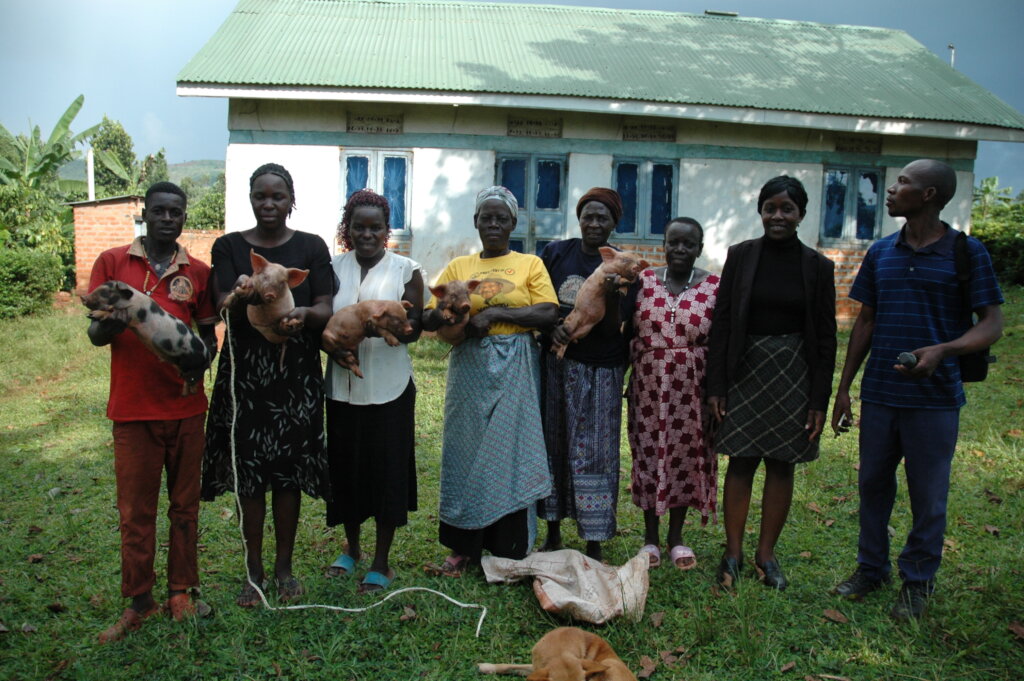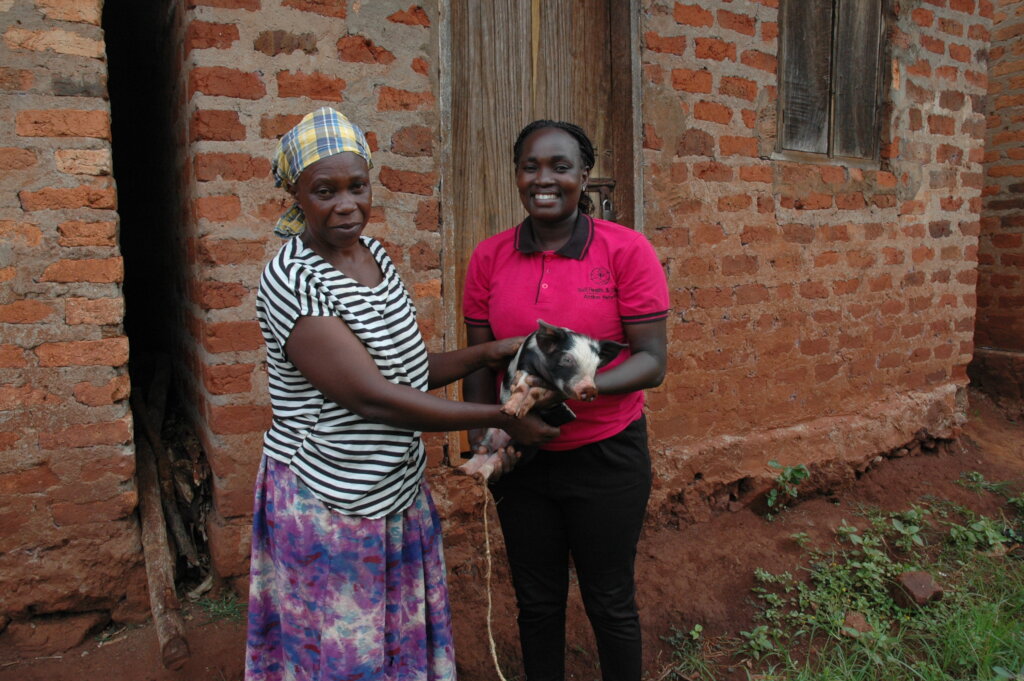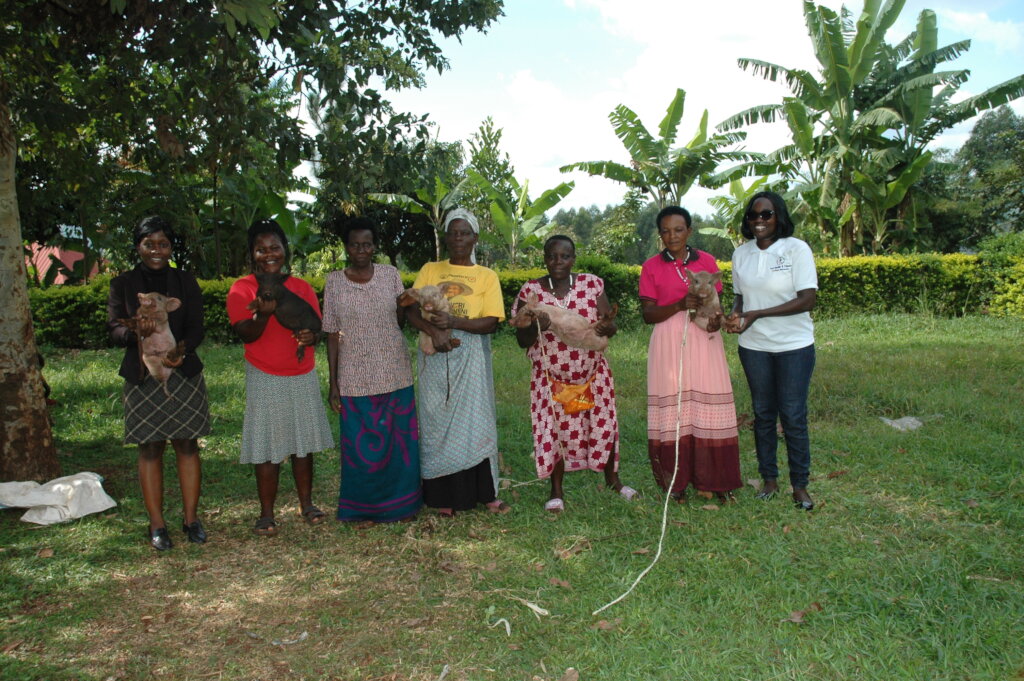
Enhancing Livelihoods through Sustainable Piggery

by Soil Health & Climate Action Network (SHCAN)
Enhancing Livelihoods through Sustainable Piggery

Project Report | Dec 26, 2024
Addressing Challenges in Baby Rabbit Survival

By Nolbert Muhumuza | Founder | Giving Hope Foundation

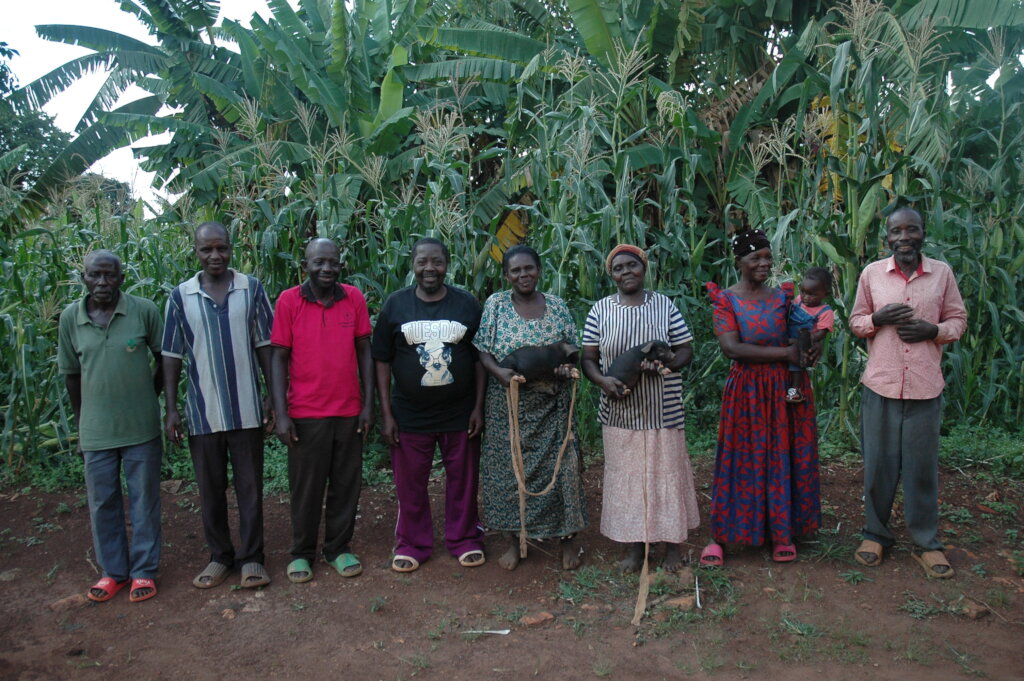
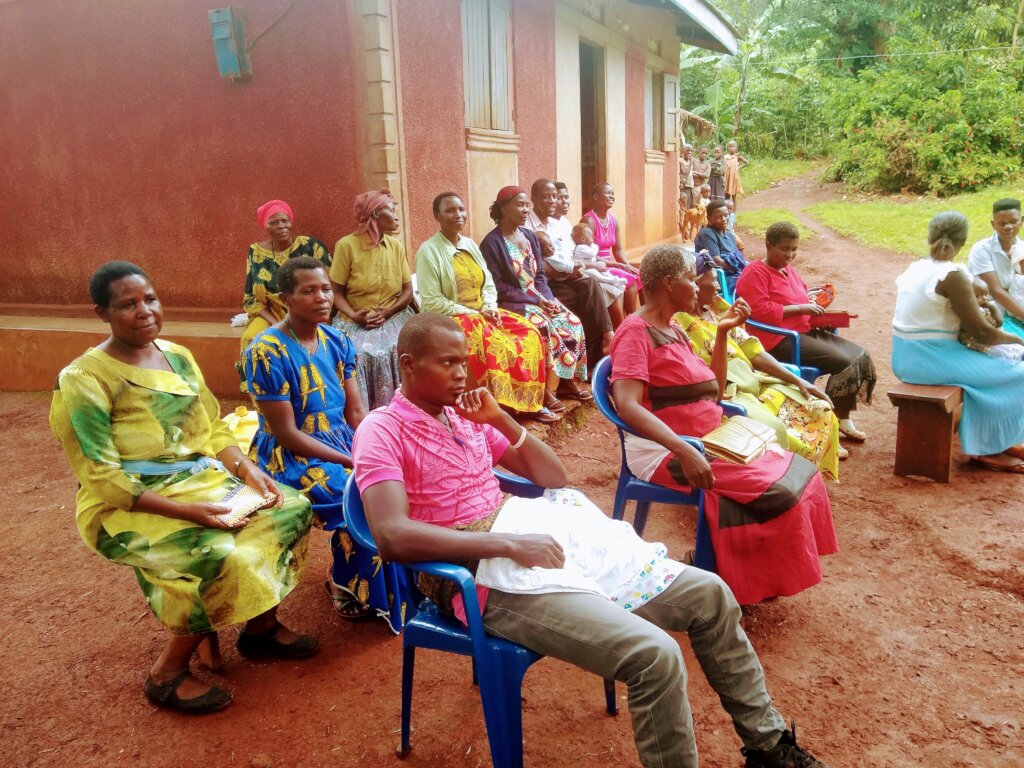
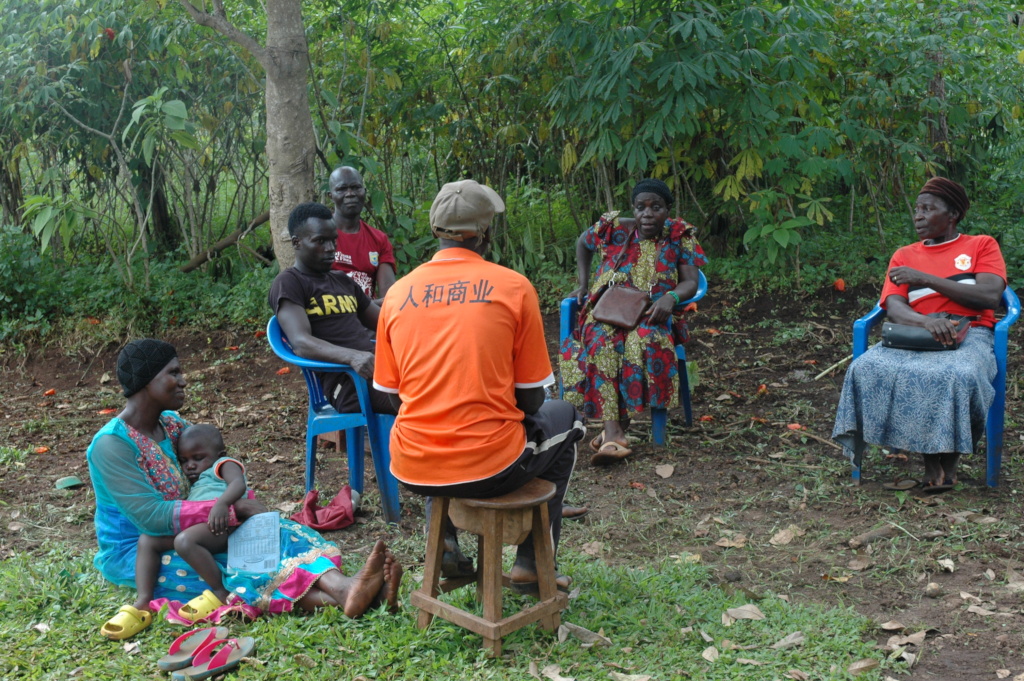
Farmers during the refresher training

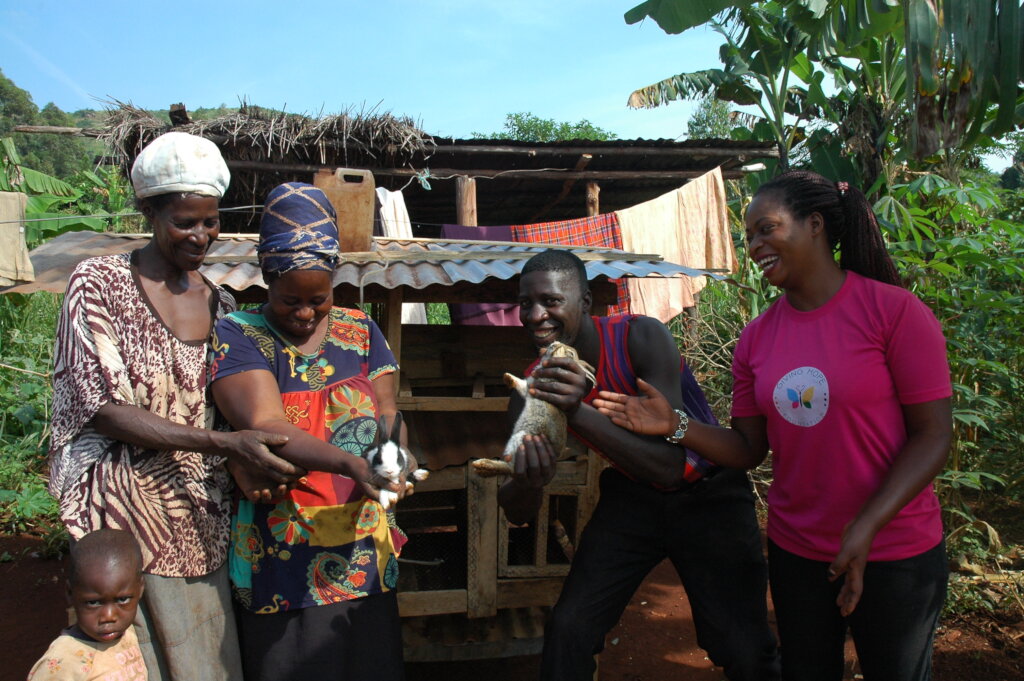
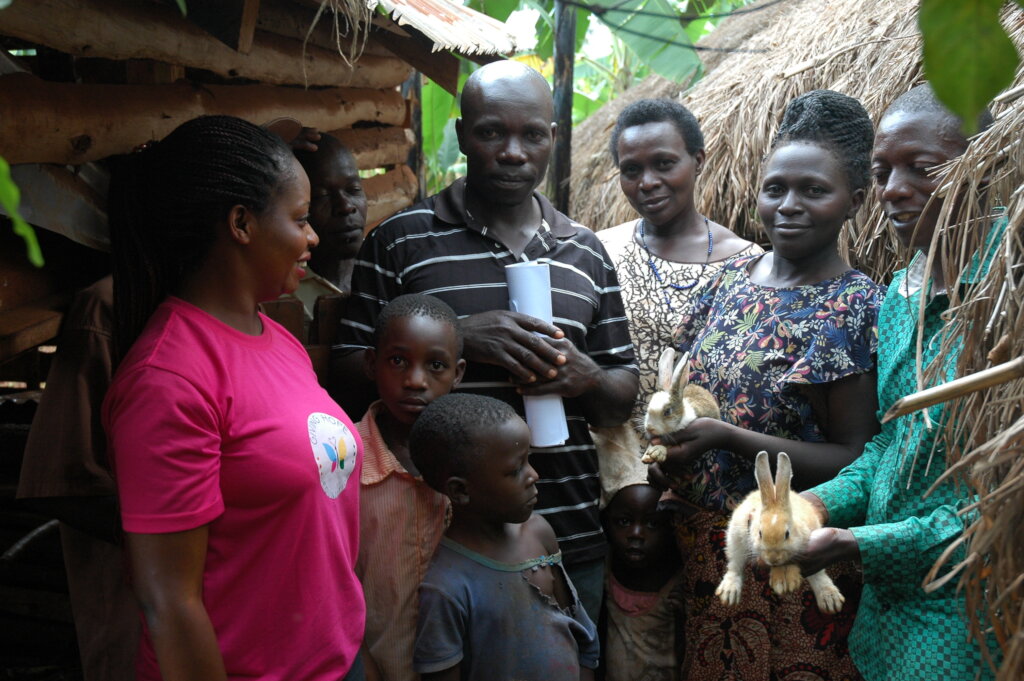
The Rabbit Project has been an exciting journey towards sustainable agriculture and income generation for smallholder farmers. While the project has shown potential, we are facing significant challenges that need to be addressed for the initiative to reach its full impact.

High Mortality Rate Among Baby Rabbits
One of the primary challenges has been the frequent loss of baby rabbits. Despite the efforts of our farmers and ongoing monitoring by our team, the survival rate of baby rabbits remains low. This issue has created setbacks in meeting the project’s goal of expanding rabbit populations among farmers to promote sustainable benefits such as manure production and income generation.

Engaging Experts for Support
Recognizing the gravity of the challenge, we sought the assistance of an expert in rabbit rearing. In October 2024, a series of refresher trainings were organized to address the following key areas:

  1. Ensuring that rabbit housing provides adequate protection from predators, extreme weather, and overcrowding.
  2. Identifying early signs of common rabbit illnesses and implementing preventative measures.
  3. Understanding the dietary needs of nursing mothers and young rabbits to promote growth and immunity.
  4. Managing male and female rabbits during critical periods to prevent injuries to baby rabbits.

Outcome of Training
While the training sessions were well-received, the changes in baby rabbit survival have been minimal. Farmers report ongoing challenges, including baby rabbits are highly susceptible to infections and other health problems, wild cats attacking the rabbits and some mother rabbits not waiting to breastfeed their young ones.

Given the persistent challenges, we are taking the following steps to address the situation:

  1. Our team will work closely with farmers to provide hands-on support and identify gaps in practice that could affect rabbit survival.
  2. Encouraging farmers with higher success rates to share insights and best practices with their peers.
  3. Creating tailored and practical resources to address specific challenges faced by farmers.

It is important to note that, despite these difficulties, the farmers have shown incredible resilience and determination to make the project work. Their willingness to learn, adapt, and persevere through challenges is commendable.

We are grateful for the continued support of our stakeholders and will keep you updated as we work towards overcoming these challenges.

Share on Twitter Share on Facebook

About Project Reports

Project reports on GlobalGiving are posted directly to globalgiving.org by Project Leaders as they are completed, generally every 3-4 months. To protect the integrity of these documents, GlobalGiving does not alter them; therefore you may find some language or formatting issues.

If you donate to this project or have donated to this project, you can receive an email when this project posts a report. You can also subscribe for reports without donating.


Sign up for updates

Organization Information

Soil Health & Climate Action Network (SHCAN)

Location: Hoima, WE - Uganda
Website:
Facebook: Facebook Page
Project Leader:
Nolbert Muhumuza
Kampala , WE Uganda

Learn more about GlobalGiving

Teenage Science Students
Vetting +
Due Diligence

Snorkeler
Our
Impact

Woman Holding a Gift Card
Give
Gift Cards

Young Girl with a Bicycle
GlobalGiving
Guarantee

Get incredible stories, promotions, and matching offers in your inbox

WARNING: Javascript is currently disabled or is not available in your browser. GlobalGiving makes extensive use of Javascript and will not function properly with Javascript disabled. Please enable Javascript and refresh this page.