By Nolbert Muhumuza | Founder | Giving Hope Foundation
We are delighted to bring you an inspiring update on our farmers' progress in adopting more sustainable agricultural practices. This story is about how our farmers, using their initiative and resourcefulness, are transforming their farming methods for a greener and more cost-effective future.
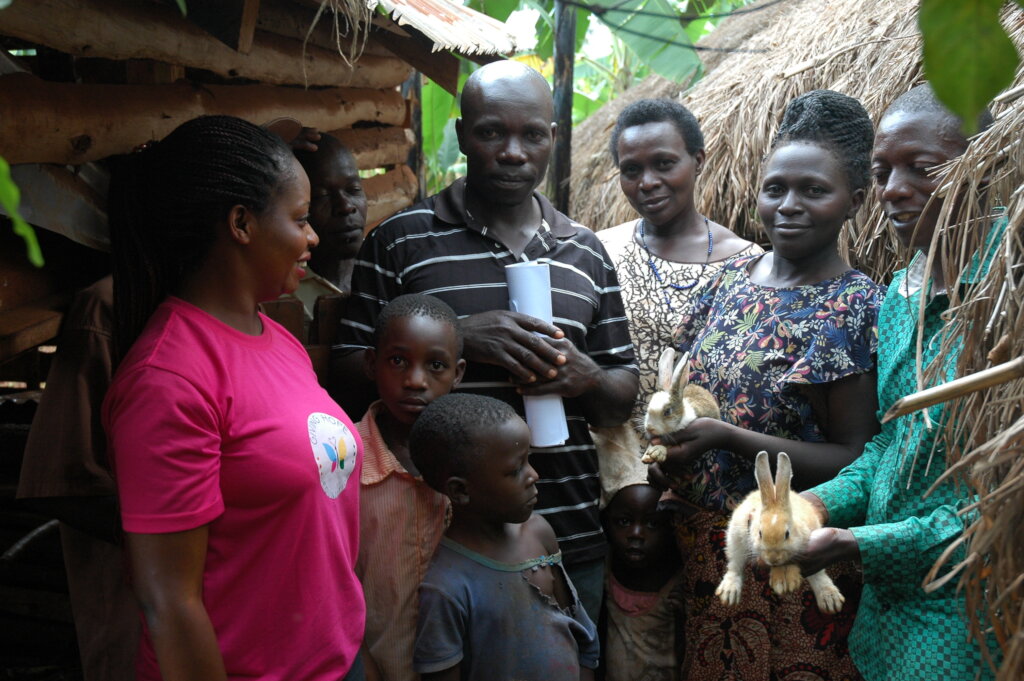
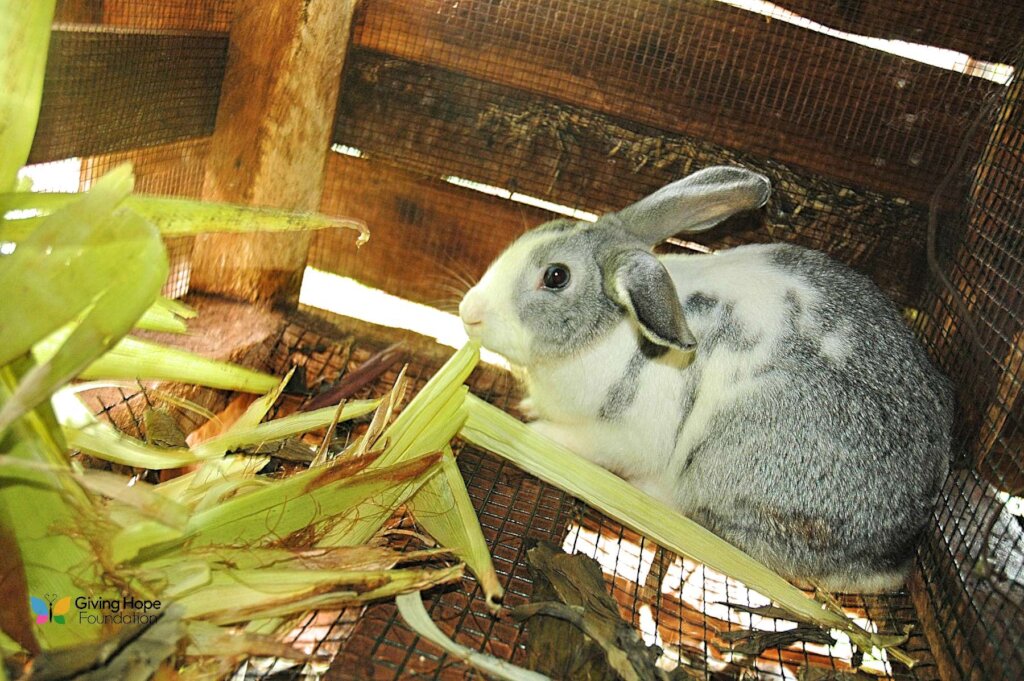
In the last two seasons, our farmers have made a conscious decision to shift away from traditional fertilizers, which are not only costly but can also contribute to long-term soil degradation. Instead, they’ve turned to a surprising yet effective alternative: rabbit urine. This decision wasn't prompted by us or any external suggestion; it was a choice the farmers made on their own, driven by a desire to embrace sustainable farming methods and cut down on expenses.
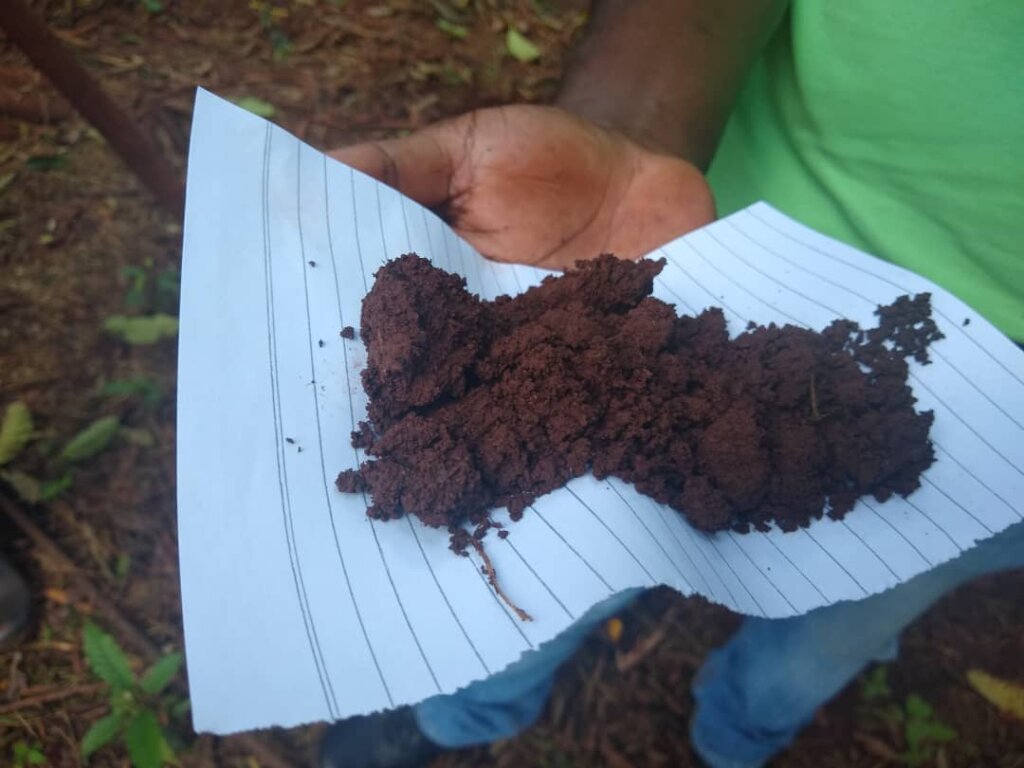
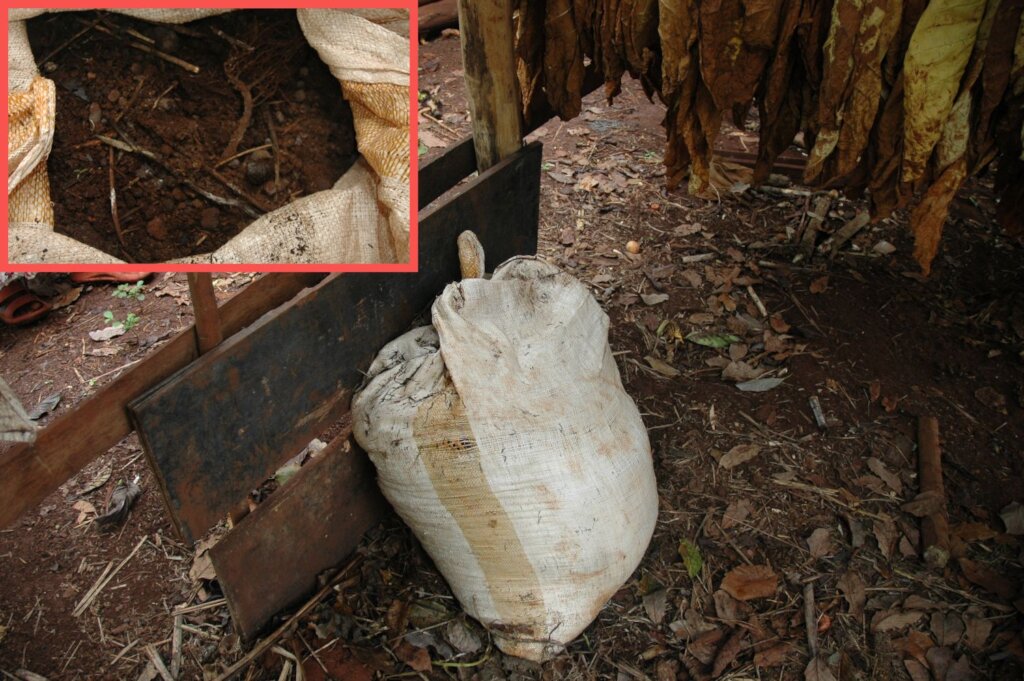
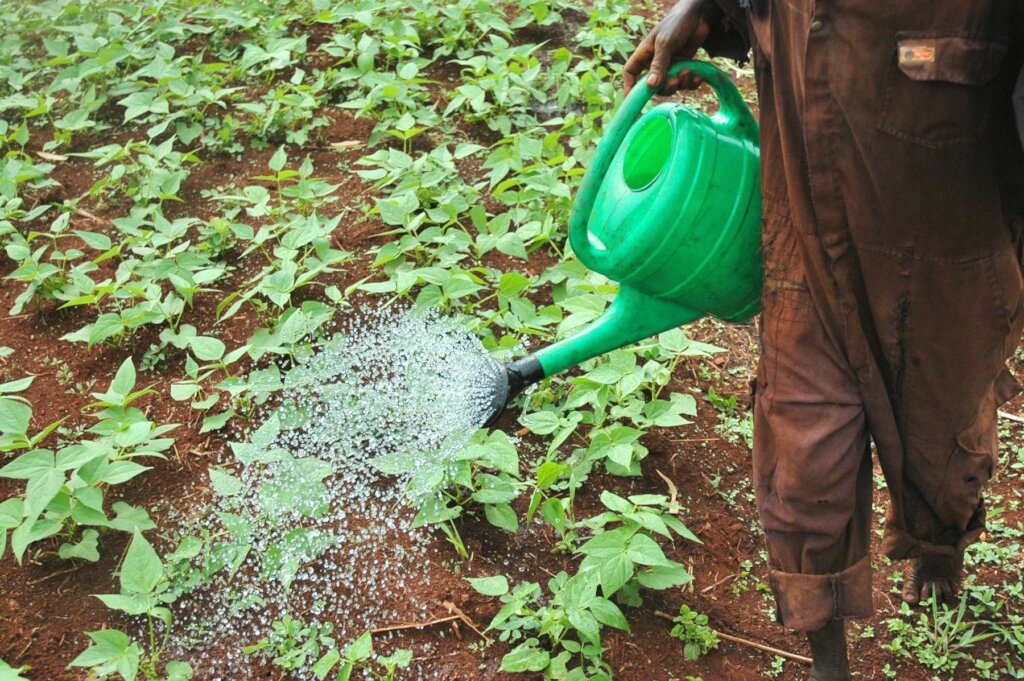
Recognizing the nutrient-rich nature of rabbit urine, which is high in nitrogen, farmers started collecting and applying it to their crops as a natural fertilizer. This organic approach has the dual benefit of being environmentally friendly and cost-efficient. Inspired by the positive early results, they took this practice one step further by collecting rabbit manure and using it to enrich their soils. Rabbit manure is known to be an excellent source of essential nutrients and beneficial microorganisms that improve soil health and fertility.
A New Approach: Seed Inputs Only
With growing confidence in their natural fertilization methods, the farmers made a significant decision last season. They requested that they only be provided with input seeds, opting out of processed organic fertilizers altogether. They planned to rely solely on rabbit urine and manure to nourish their crops. This bold move demonstrated not only their commitment to sustainability but also their trust in the effectiveness of natural fertilization.
Harvest Results
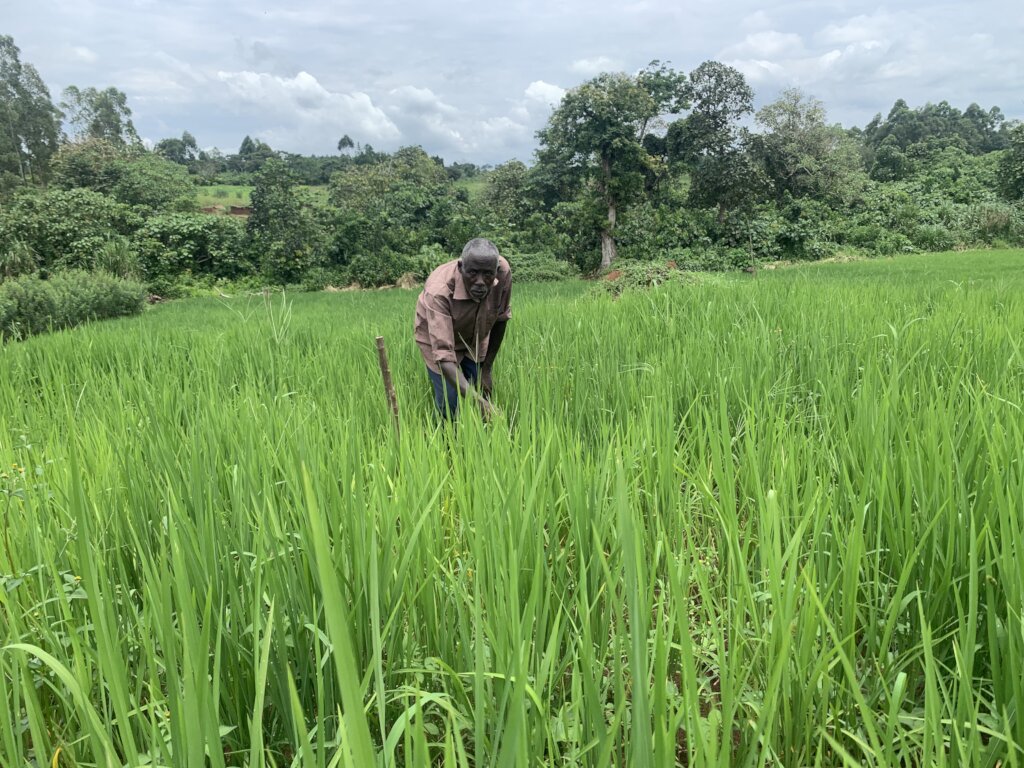
The true test of any agricultural innovation is in the harvest, and we’re thrilled to share the results! Data collected from last season’s harvest showed that the farmers achieved yields almost identical to those when using processed organic fertilizers. This finding is a testament to the effectiveness of rabbit urine and manure as viable alternatives to synthetic fertilizers. The crops were healthy, and the soil quality remained intact
Healthier Soils, Healthier Communities
By reducing their reliance on synthetic fertilizers, our farmers are not only cutting costs but also enhancing the long-term health of their soils. Organic fertilizers like rabbit urine and manure help build soil structure, increase water retention, and promote biodiversity. These benefits contribute to the resilience of the farming ecosystem, making it better equipped to withstand climate variations and other environmental challenges.
Moreover, the shift towards natural fertilizers aligns with our broader goals of promoting eco-friendly practices that benefit both the environment and the local community. Healthier soils lead to healthier crops, which in turn lead to healthier communities. This sustainable approach is a win-win for everyone involved.
We’re excited to see how these practices evolve and what other innovative ideas our farmers will come up with next. Their success with rabbit urine and manure as natural fertilizers is a powerful example of how grassroots initiatives can lead to significant positive change.
To all our partners, supporters, and friends, thank you for believing in our mission and helping us make these sustainable practices possible. Your support is crucial in empowering our farmers and fostering a more sustainable future for everyone.
Links:
Project reports on GlobalGiving are posted directly to globalgiving.org by Project Leaders as they are completed, generally every 3-4 months. To protect the integrity of these documents, GlobalGiving does not alter them; therefore you may find some language or formatting issues.
If you donate to this project or have donated to this project, you can receive an email when this project posts a report. You can also subscribe for reports without donating.



Support this important cause by creating a personalized fundraising page.
Start a Fundraiser