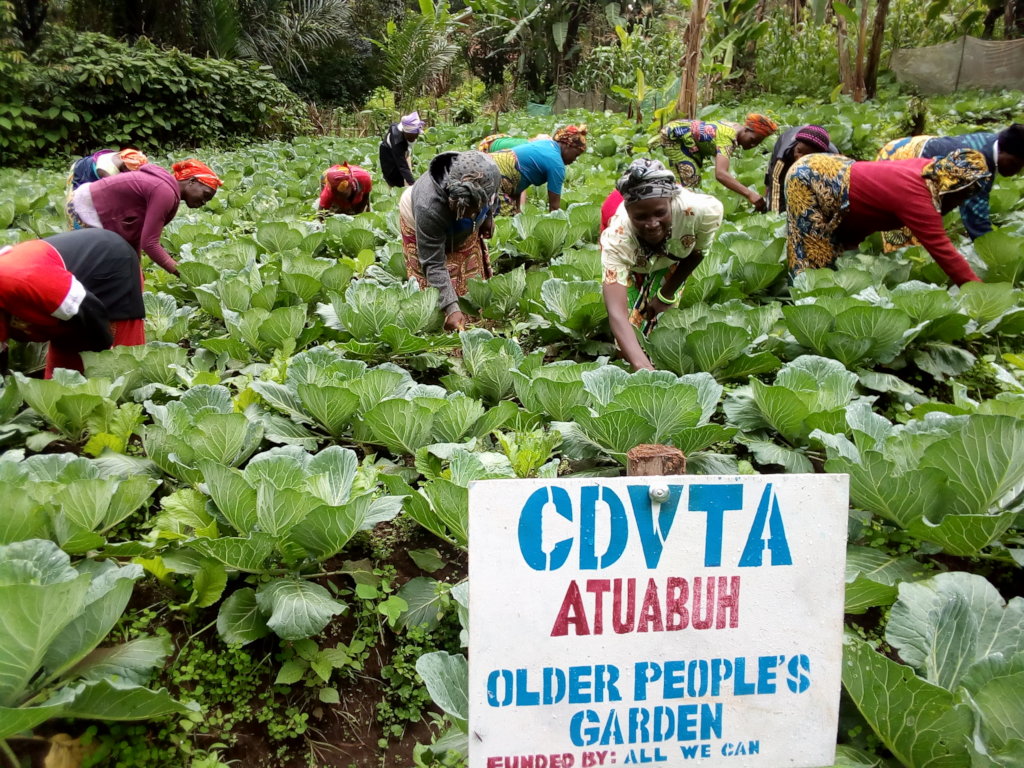
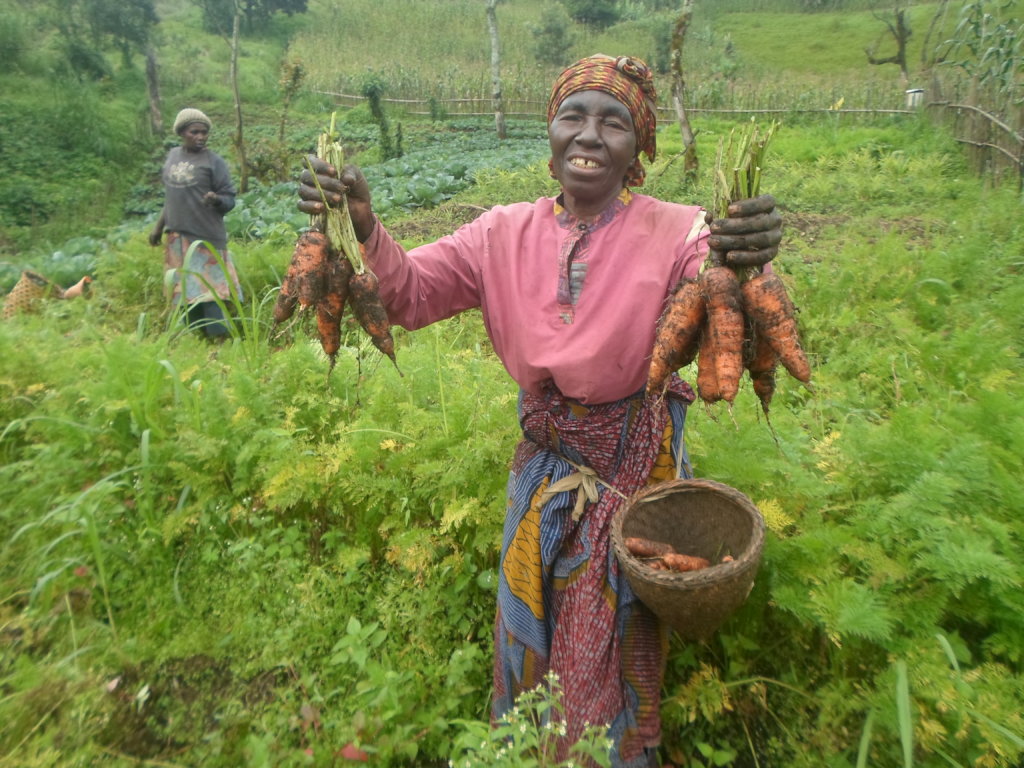
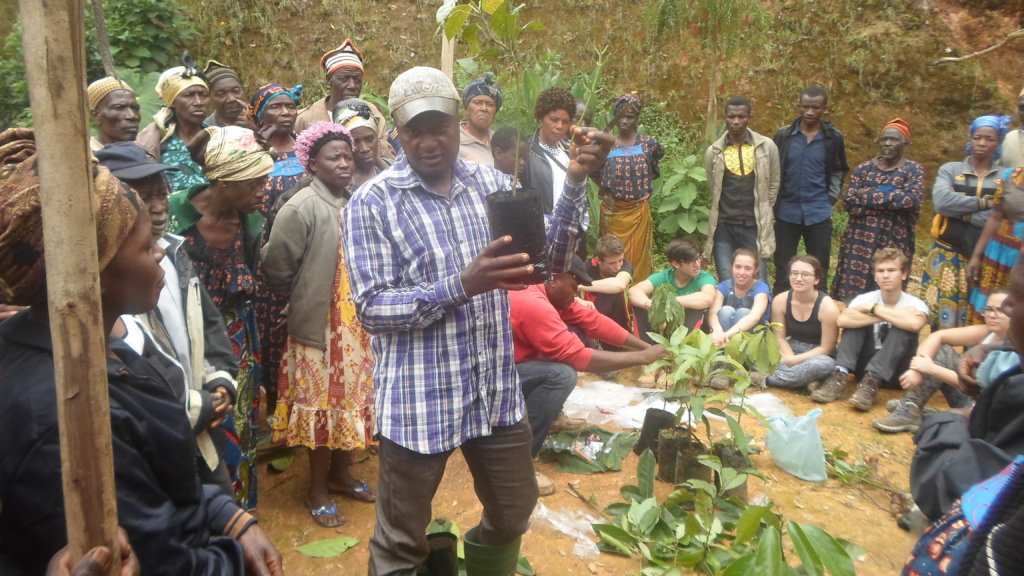
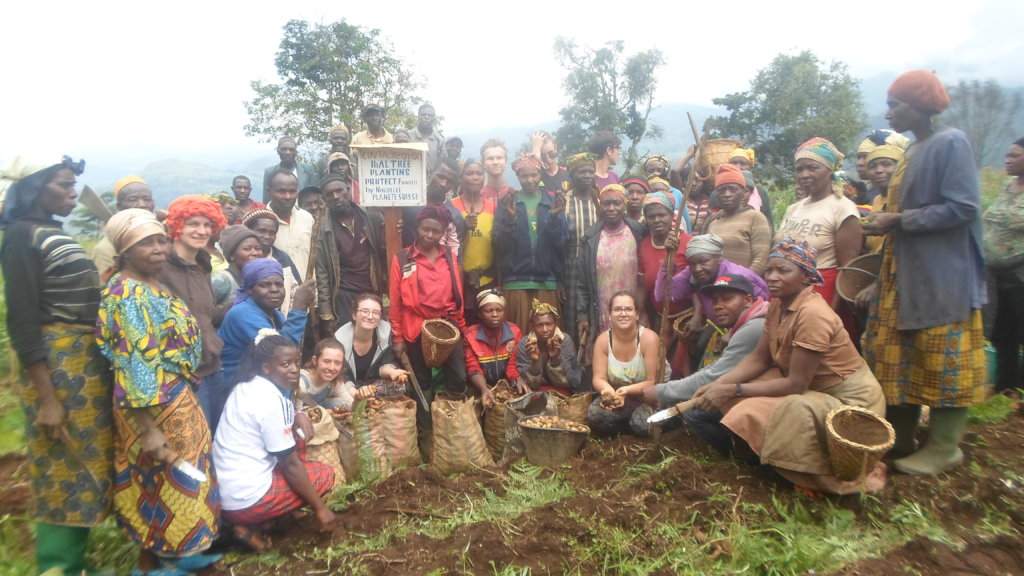
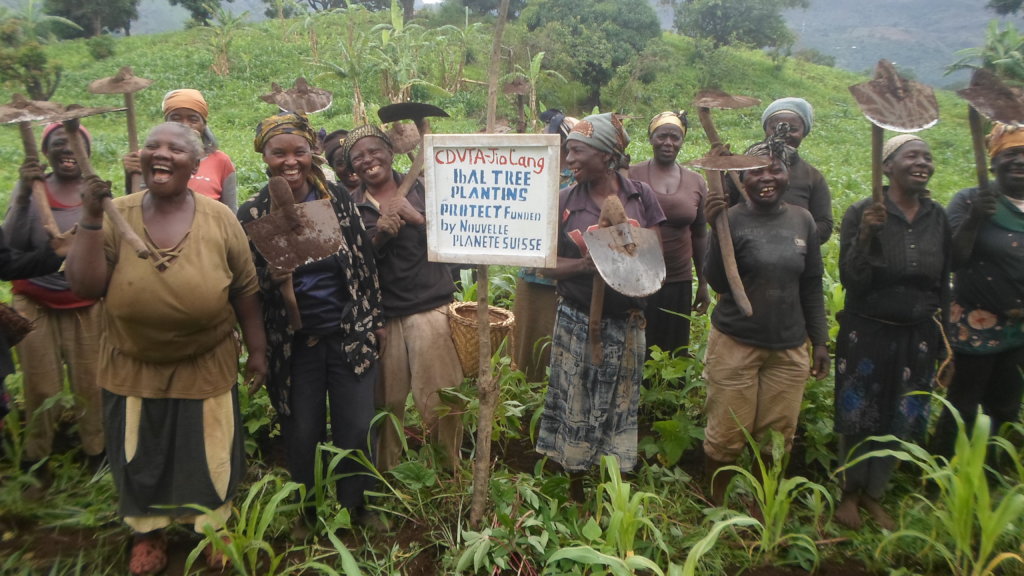
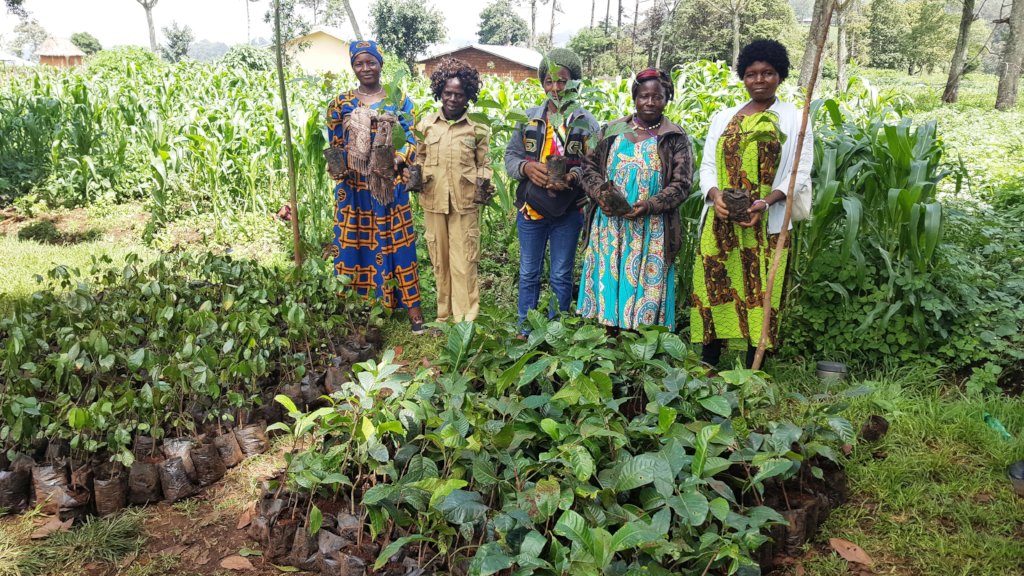
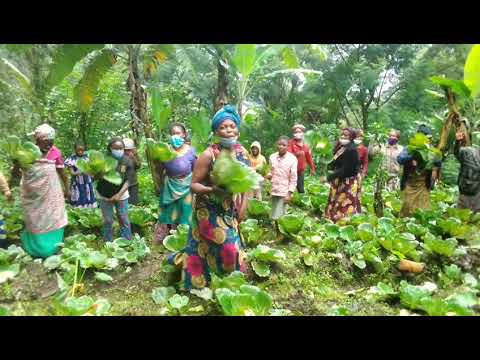
CDVTA plans to engage 1000 rural women farmers on climate-adapted resilient food systems in Cameroon. Project will train 720 women through innovative crop farming necessary for improved food security, increased income and natural ecosystem preservation. Project will use vegetative methods to empower farmers on tree production, while protecting dry farmlands and fighting climate change. Project will be participatory with farmers able to adapt and develop their own local farming best practices
According to the World Bank, poverty in Cameroon has increased in rural areas from 52.1% to 56.8%. One way to reduce extreme poverty in these areas is to improve rural livelihoods by increased farm yields for food security and increased income. With climate change causing massive loss of agricultural biodiversity, this project will provide solutions to these agricultural challenges while preserving natural ecosystems
The project will empower and improve livelihoods for 1000 rural forest-dependent women on resilient climate-adapted farming best practices and increase the role they play in supporting their households. It will reduce the gender gap between male and female income, ensuring that society gains from improved food systems and conservation methods. Skills and knowledge will be acquired through trainings and network exchanges among rural women farmer groups
The project will benefit 1000 rural women farmers directly and 5000 farmer household members indirectly. Trainings and dissemination of knowledge on resilient food systems with multiplier effects is anticipated to indirectly reach 10000 farmer households in the next 3 years. The project will improve livelihoods for 1000 women, their households and forest-dependent people, increase food security and conserve natural resources. Women's revenue will improve as a result of this project
This project has provided additional documentation in a Microsoft Excel file (projdoc.xls).