By Stella Kyobutungi | Project Leader
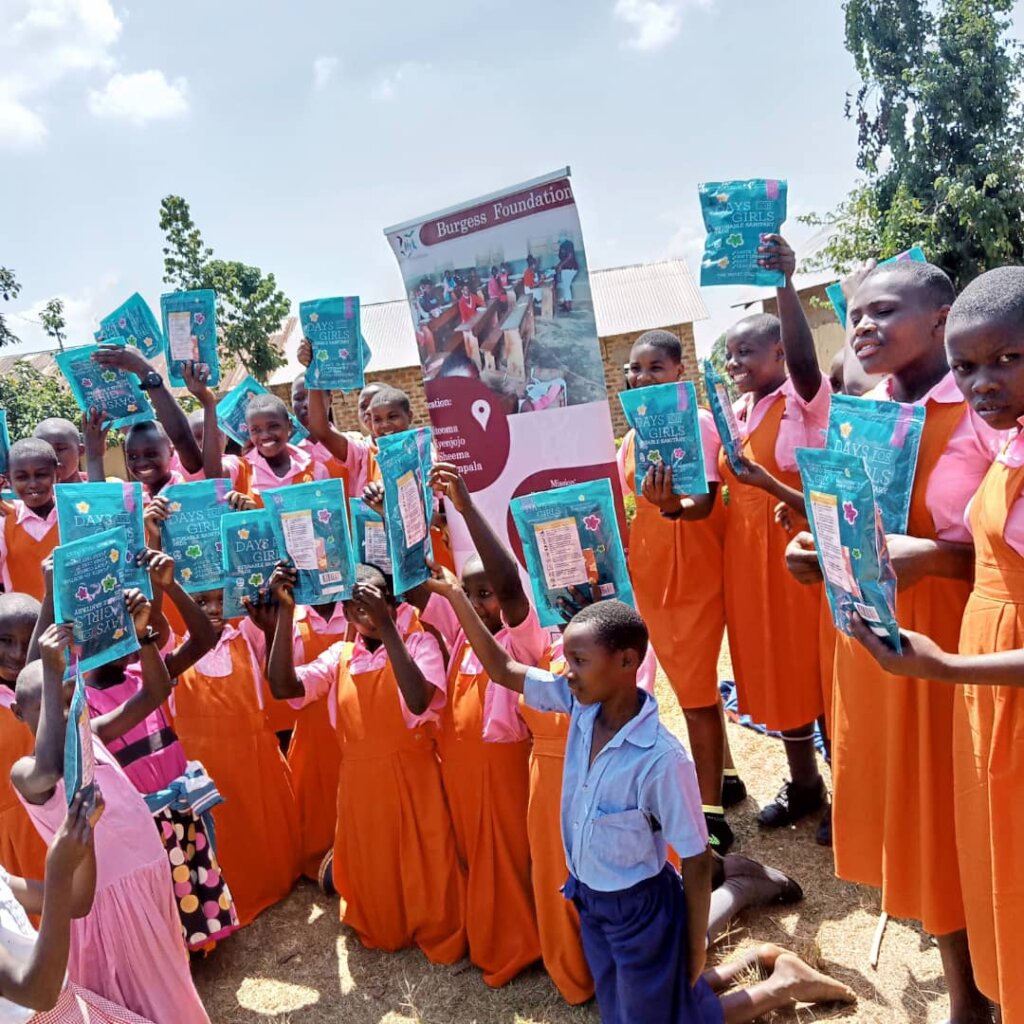
Over the past six months, the project "Enhancing MHM in Kinawataka and Mitooma" has made substantial progress in Mitooma through various impactful activities aimed at empowering young girls, educating communities, and improving health outcomes. Below is a summary of the key engagements and achievements during this period.
Menstrual hygiene and management education
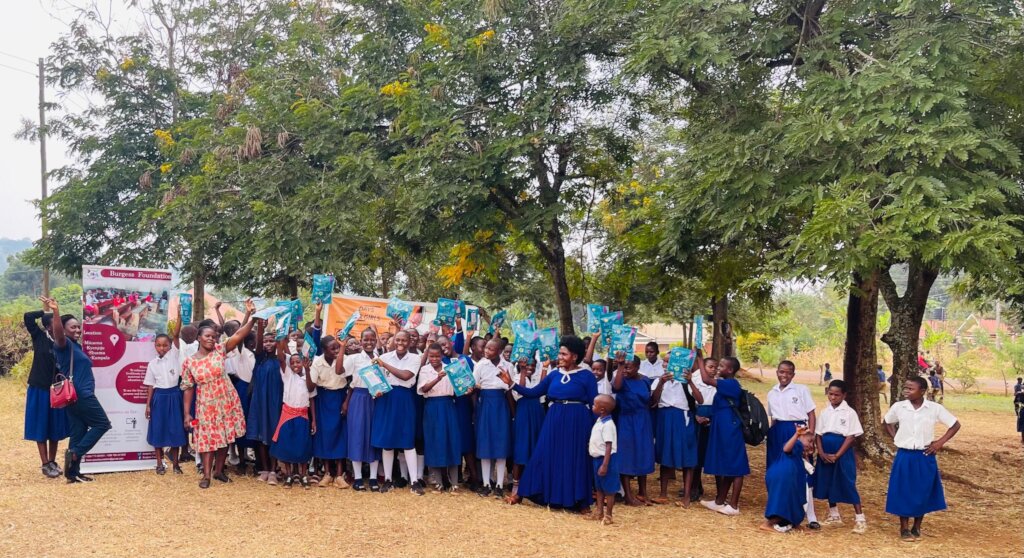
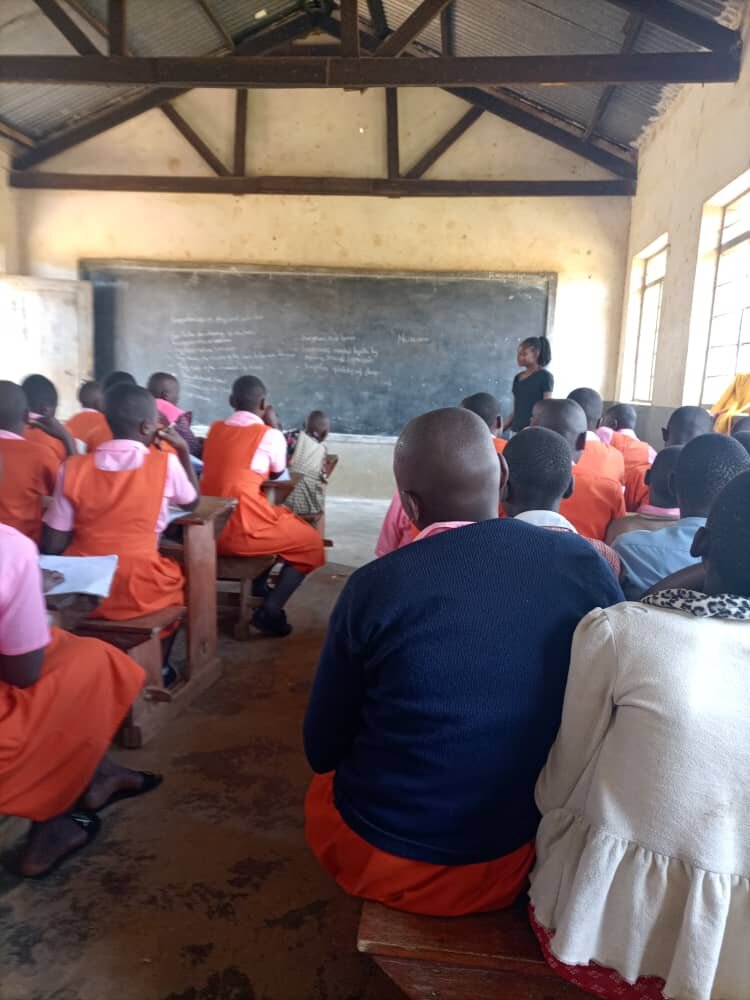
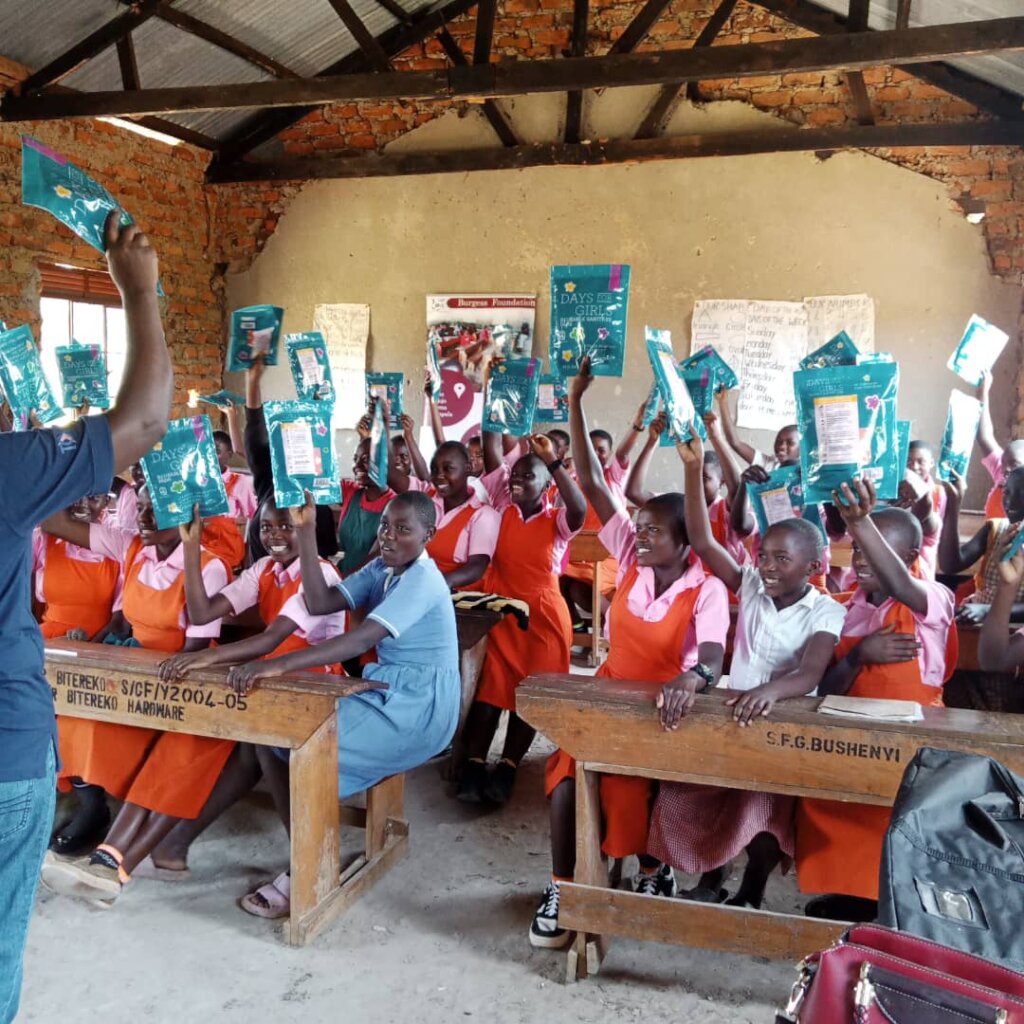
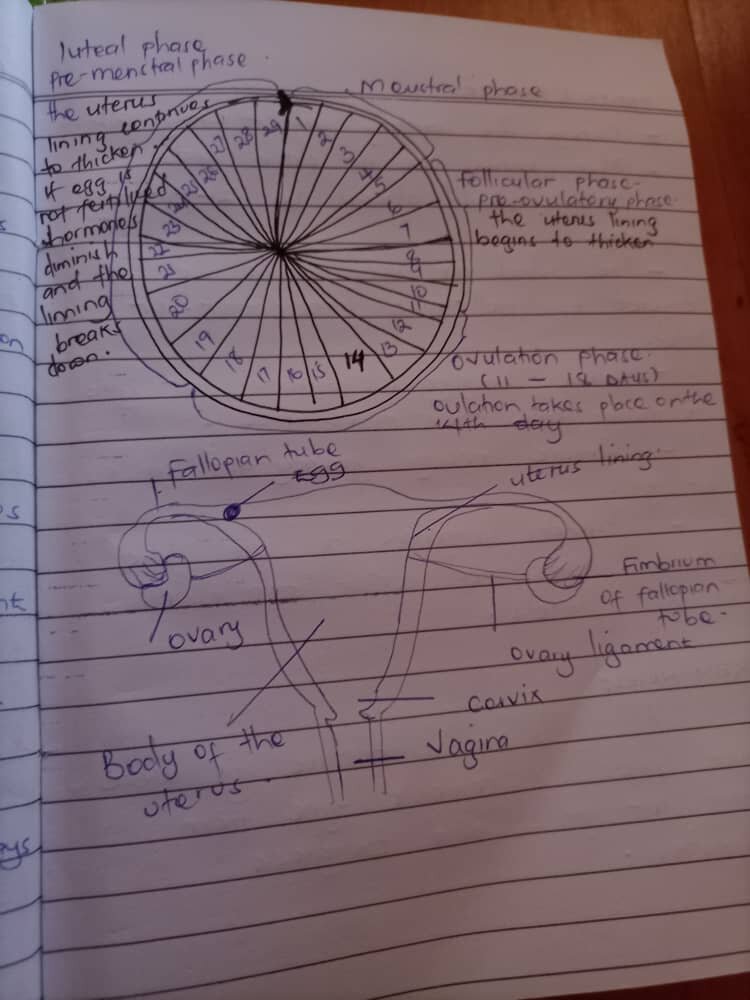
Significant efforts were dedicated to equipping girls in schools with knowledge about menstrual hygiene and body changes. For example, at Nyakashojwa Primary School, interactive sessions on menstruation, its stages, challenges, and remedies were conducted. These sessions also covered hygiene practices and defense mechanisms, enabling the 74 participating girls from P5 to P7, along with two teachers, to better understand and manage menstruation confidently. The training, facilitated by Agnes and Emma from Days for Girls, was participatory and well-received, with the students expressing enthusiasm for the knowledge shared.
Community health education
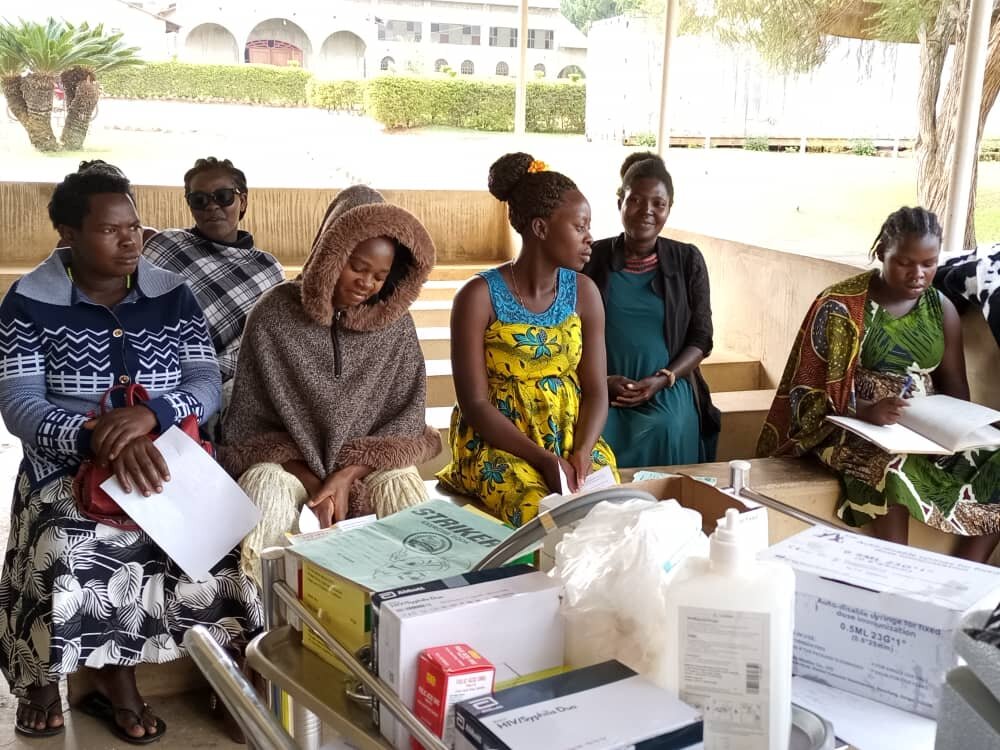
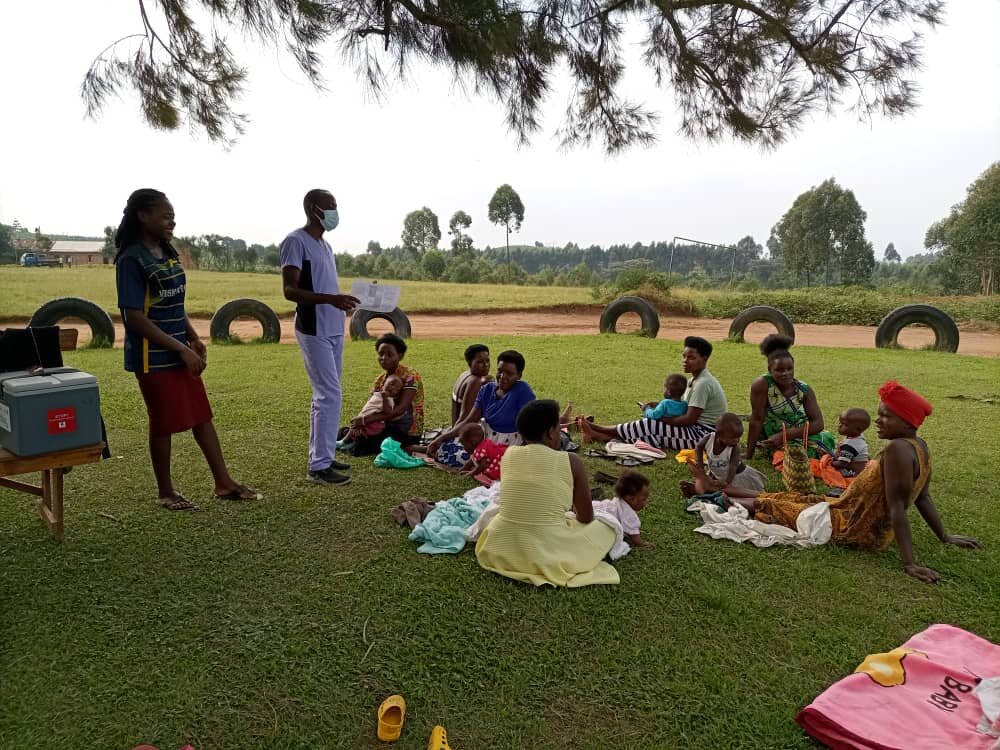
In collaboration with Nyakatsiro Health Center III, several community talks were organized to address a range of health topics:
Addressing child health concerns
A key focus was placed on combating malaria among children under five and pregnant mothers. The discussions covered signs and symptoms of malaria, the dangers of self-medication, prevention strategies, and the proper use of insecticide-treated mosquito nets. This initiative aimed to reduce the prevalence of malaria and promote healthier practices within the community.
Hygiene and Sanitation
Hygiene and sanitation sessions at Nyakatsiro Health Center III and schools focused on fostering better practices among community members. These talks addressed the importance of personal hygiene, safe water practices, and maintaining clean surroundings to prevent illnesses, especially in schools and health facilities.
Additional school-based initiatives
At Nyakashojwa Primary School, supplementary sessions included discussions on the importance and types of physical activities, nutrition, and preventing food poisoning. These topics were introduced to promote overall health and well-being among students.
Participatory training and capacity building
The project emphasized participatory learning approaches, as seen during training sessions at Kivubuka Primary School on July 5, 2024. Students engaged actively in discussions on menstruation, body changes, health, and hygiene. The training fostered confidence and strengthened the girls’ understanding of essential health practices.
Conclusion
The six months of activity in Mitooma have demonstrated tangible progress in addressing menstrual hygiene management and related health challenges. Through school-based education, community health talks, and participatory training, the project has reached diverse groups, including young girls, teachers, pregnant mothers, and broader community members. These efforts have not only empowered individuals with essential knowledge and skills but have also contributed to building healthier and more informed communities. The positive reception and active participation in these activities highlight the project's ongoing success and the potential for even greater impact in the future.
Project reports on GlobalGiving are posted directly to globalgiving.org by Project Leaders as they are completed, generally every 3-4 months. To protect the integrity of these documents, GlobalGiving does not alter them; therefore you may find some language or formatting issues.
If you donate to this project or have donated to this project, you can receive an email when this project posts a report. You can also subscribe for reports without donating.