This project aims to empower young girls by addressing barriers to effective MHM. Through initiatives such as reusable pad-making workshops, capacity building on MHM, and behavior change campaigns, the project seeks to improve WASH infrastructure and promote sustainable practices. By tackling cultural taboos and enhancing access to menstrual products and education, it aims to reduce period poverty, empower girls, and foster gender equality in education and community health.
In Kinawataka and Mitooma, menstruation management poses a critical challenge, notably for girls in low-income families, exacerbated by the COVID-19 pandemic. Limited access to sanitary products and inadequate WASH infrastructure result in health risks. Cultural taboos hinder open discourse and education, leading to educational gaps and gender inequality. This project will directly benefits 500+ individuals, providing essential knowledge and resources for effective menstrual hygiene management.
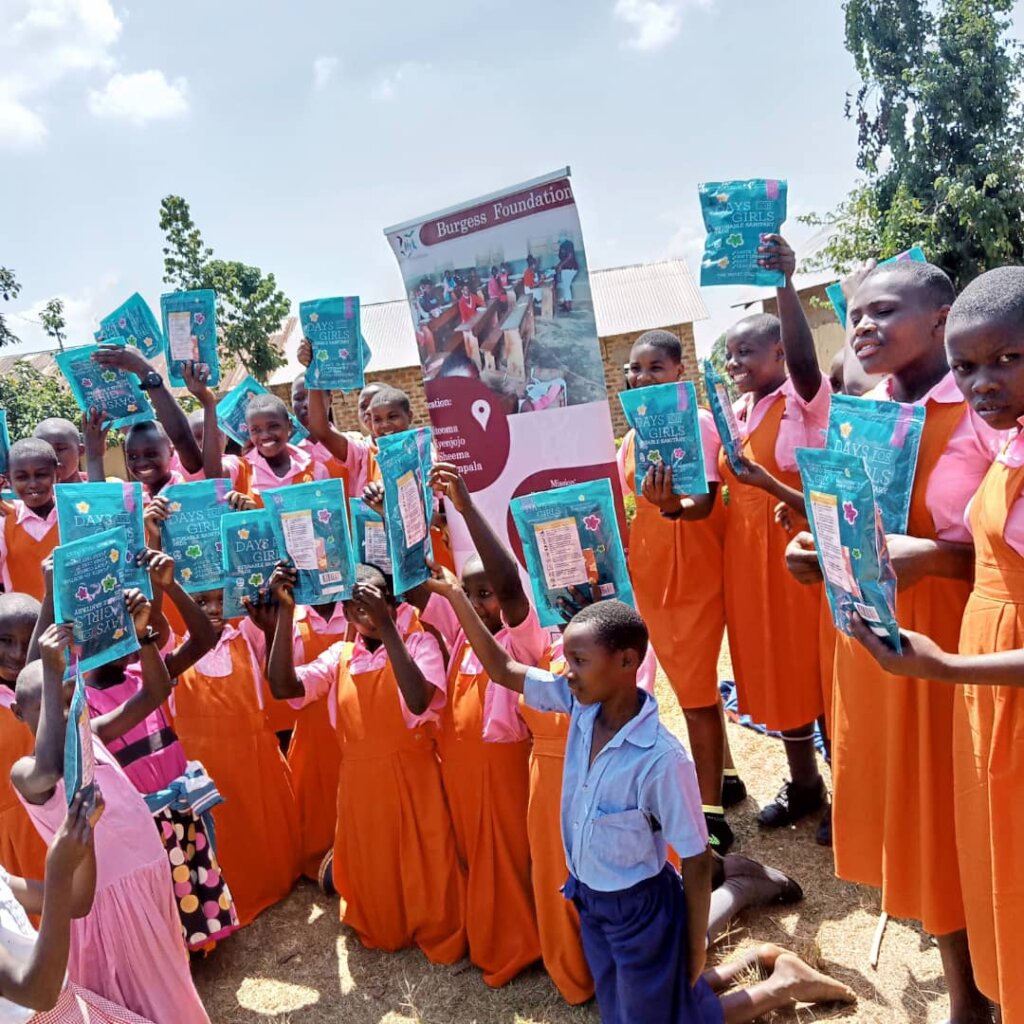
The project will provide practical skills and knowledge to empower young girls to manage their menstrual hygiene effectively. This includes conducting reusable pad making workshops, MHM training, and behavior change campaigns. The project will challenge cultural taboos surrounding menstruation, fostering open dialogue and education about proper MHM practices. The support will provides quality washable pads, reproductive health education, and safe spaces for girls.
The project will provide over 500 individuals with sustainable access to menstrual hygiene products, reducing health risks associated with makeshift alternatives. It will also empower girls with education, fostering informed decision-making and reducing absenteeism, thus narrowing the gender education gap. The project will challenge cultural taboos, promoting open dialogue and reducing shame surrounding menstruation, ultimately creating a more inclusive and supportive community.