By Godfrey Okumu | Programs Coordinator
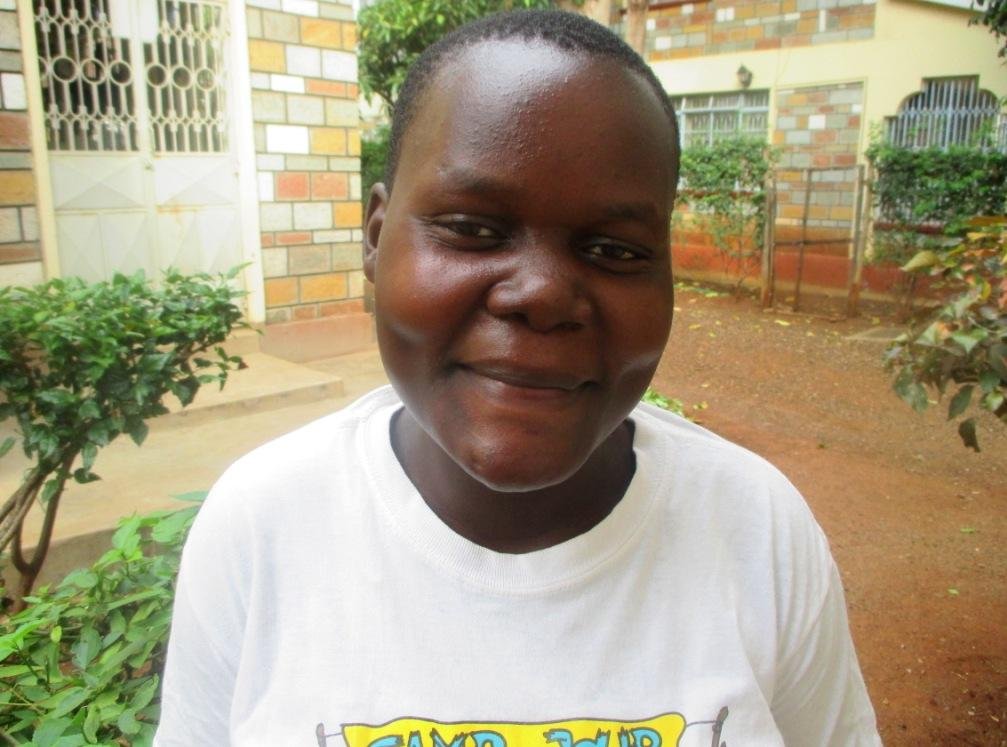
“I sat my KCPE in 1997, and scored 498 out of 700.Can you imagine receiving calling letters from both Lwak Girls and Nyakach Girls (National schools) and not being able to go because your father believes you do not deserve it because you are a girl?” reports a NIGEE girls' mentor.
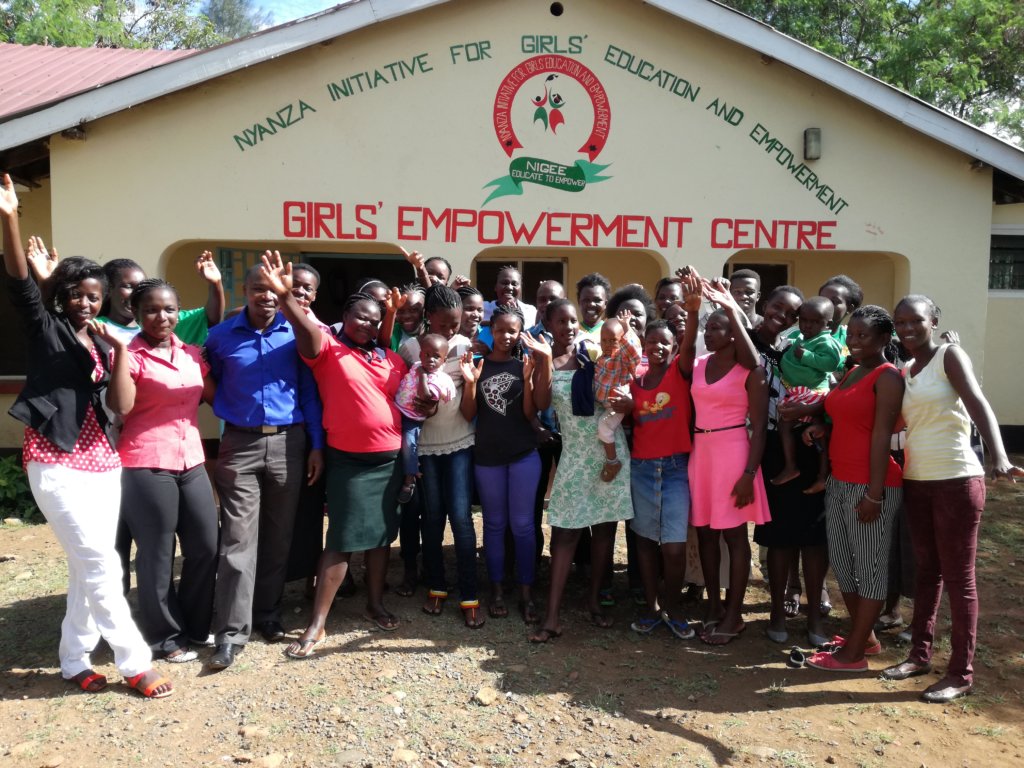
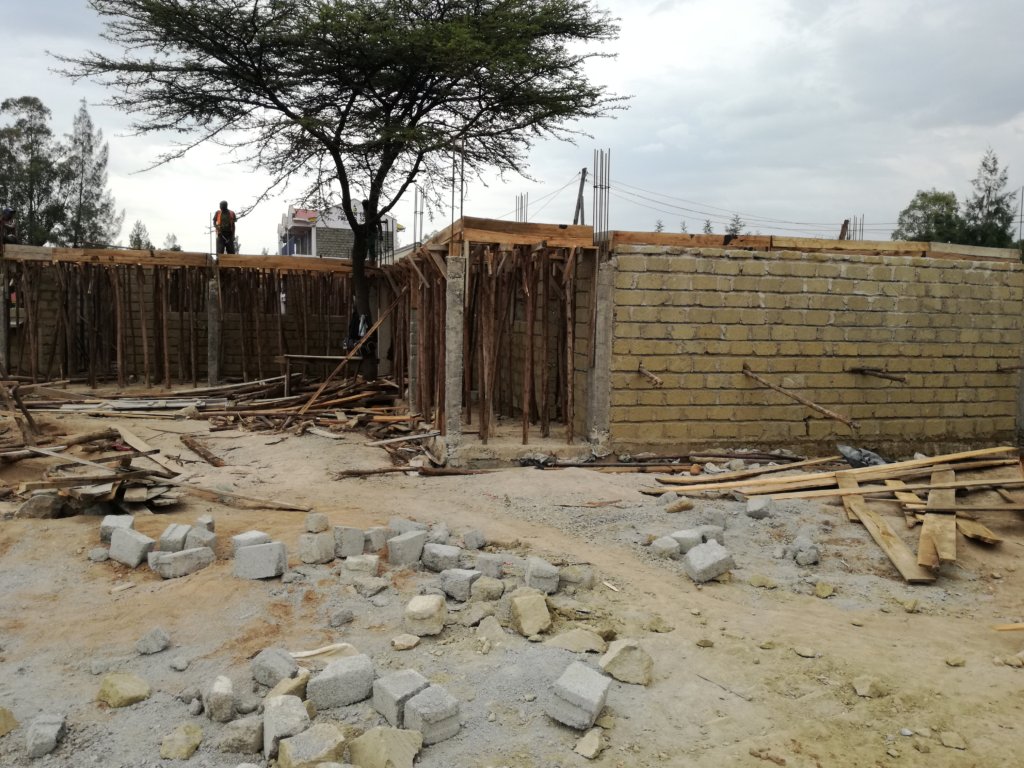
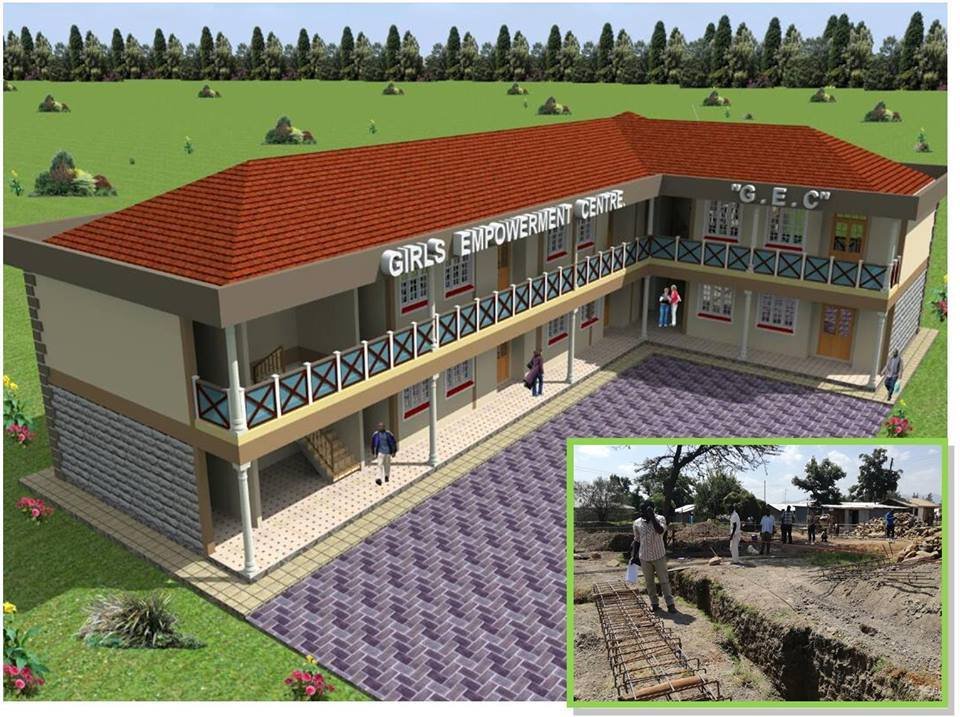
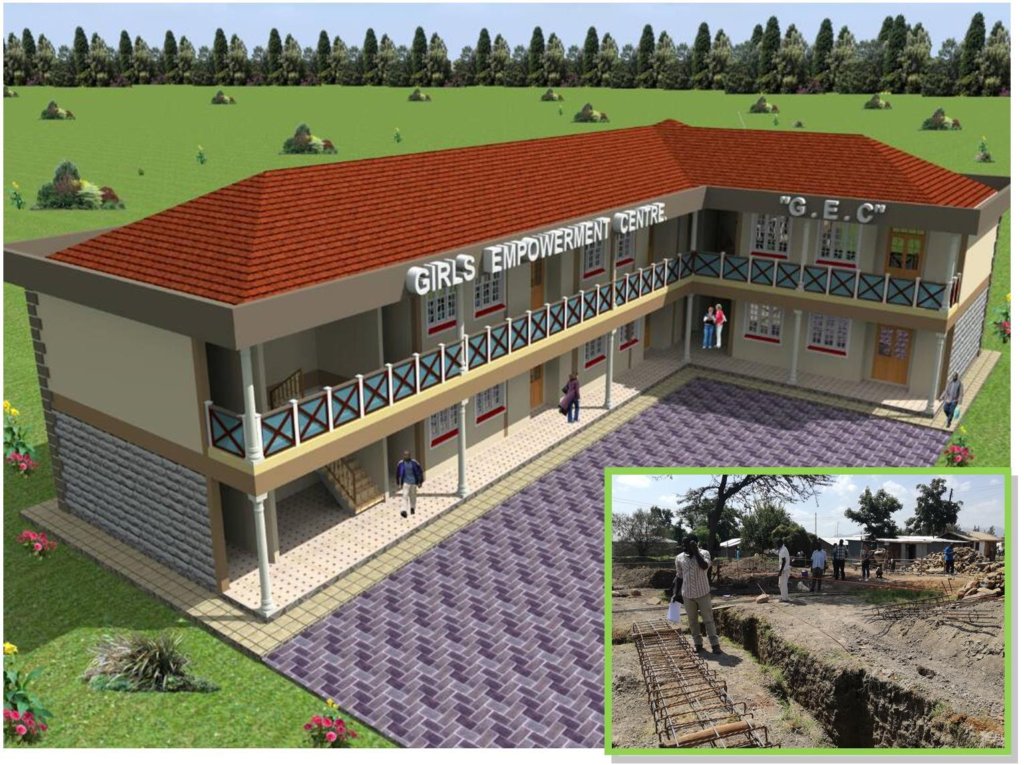
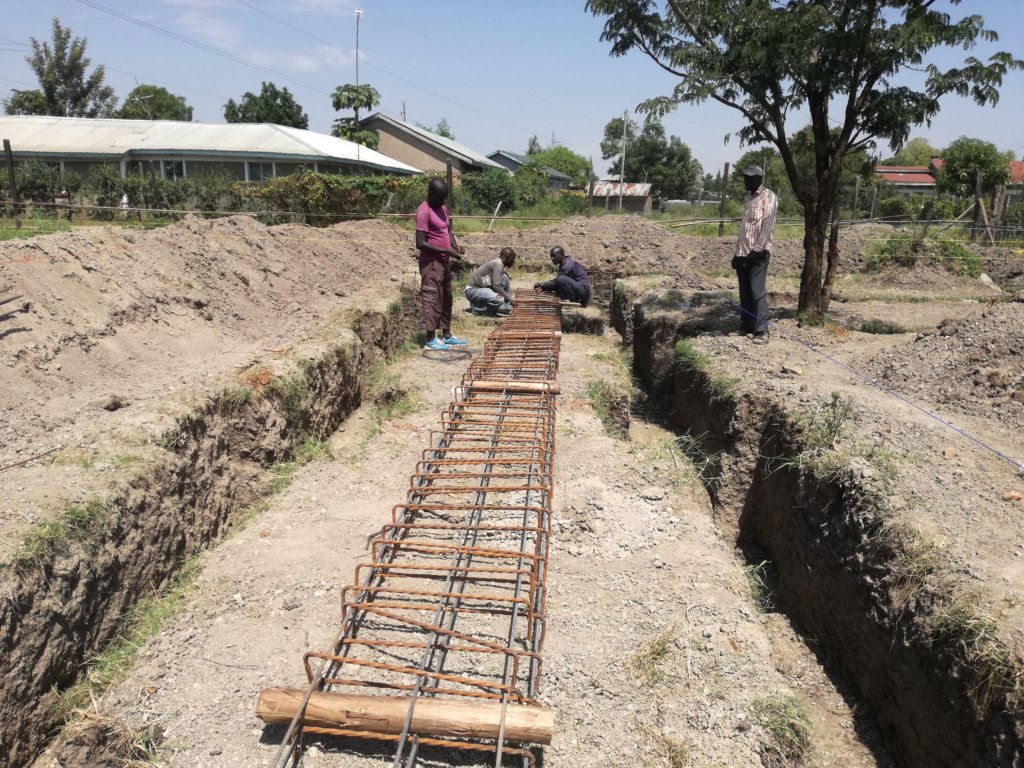
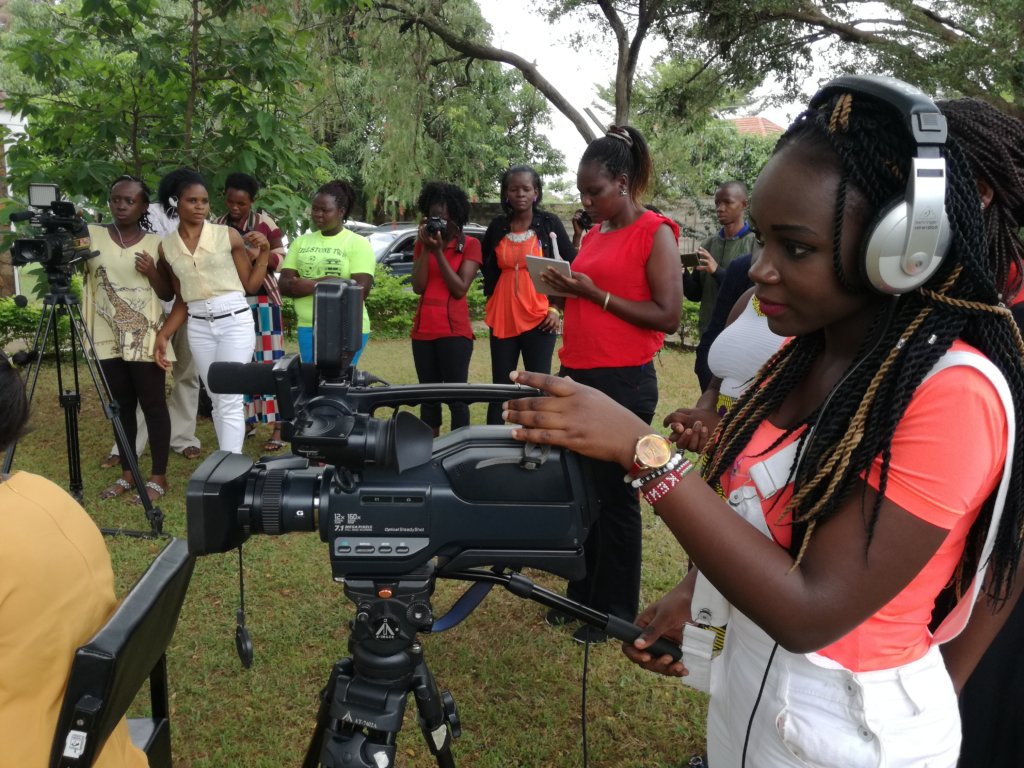
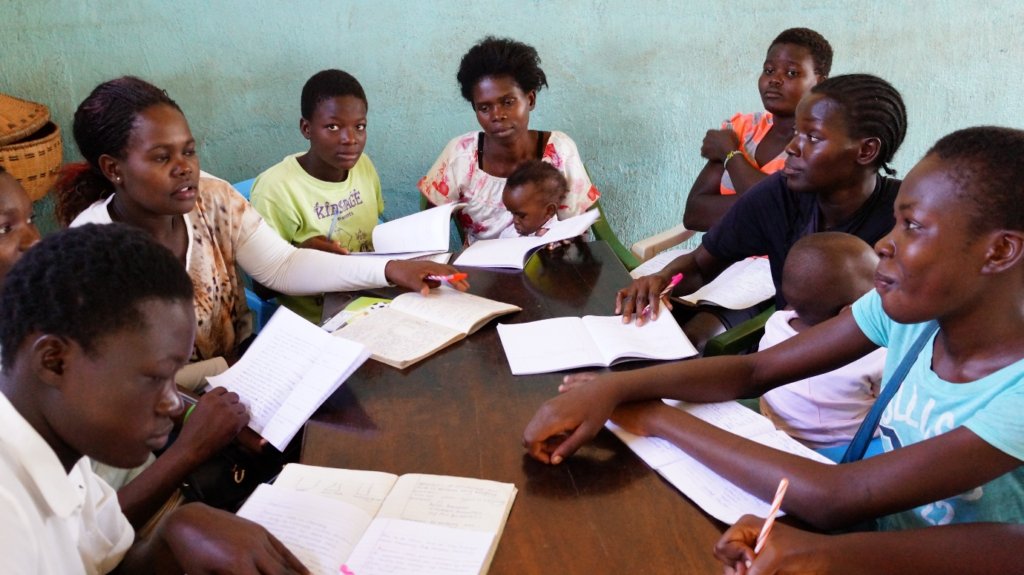
It has been yet again an action-packed quarter with beneficiaries accessing training at the GEC, bringing with them new ideas and energy to our activities and classes. Our girls’ babies continue to enjoy nutritious porridge provided daily, thanks to our donors! Most importantly, construction of our very own (not rental!!) Girls Empowerment Centre commenced in June and we are all excited to see this HUGE dream kick off.
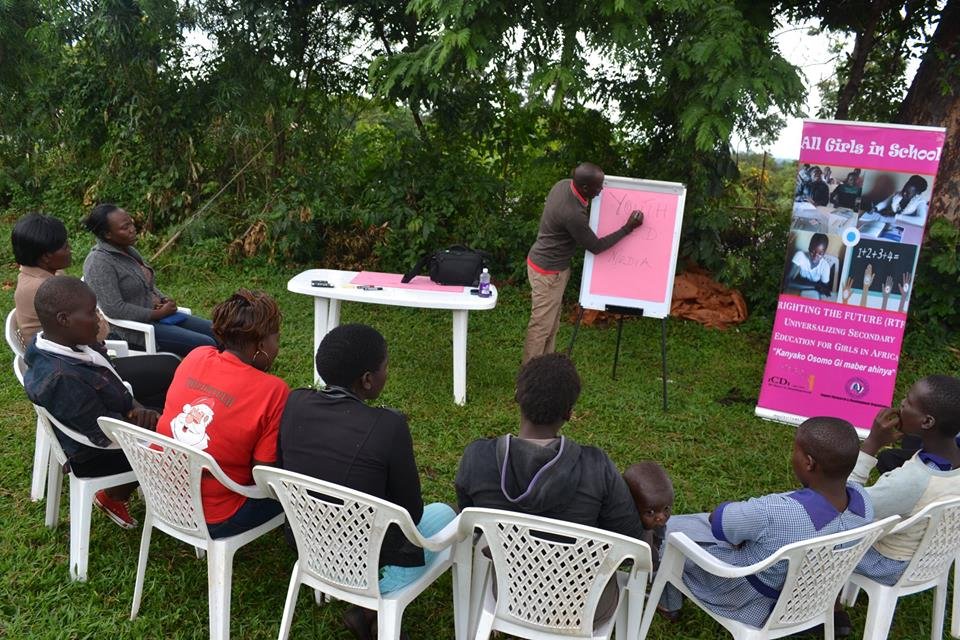
During the period of April to June 2017 NIGEE continued to advance activities at the GEC:
One Mentor’s story
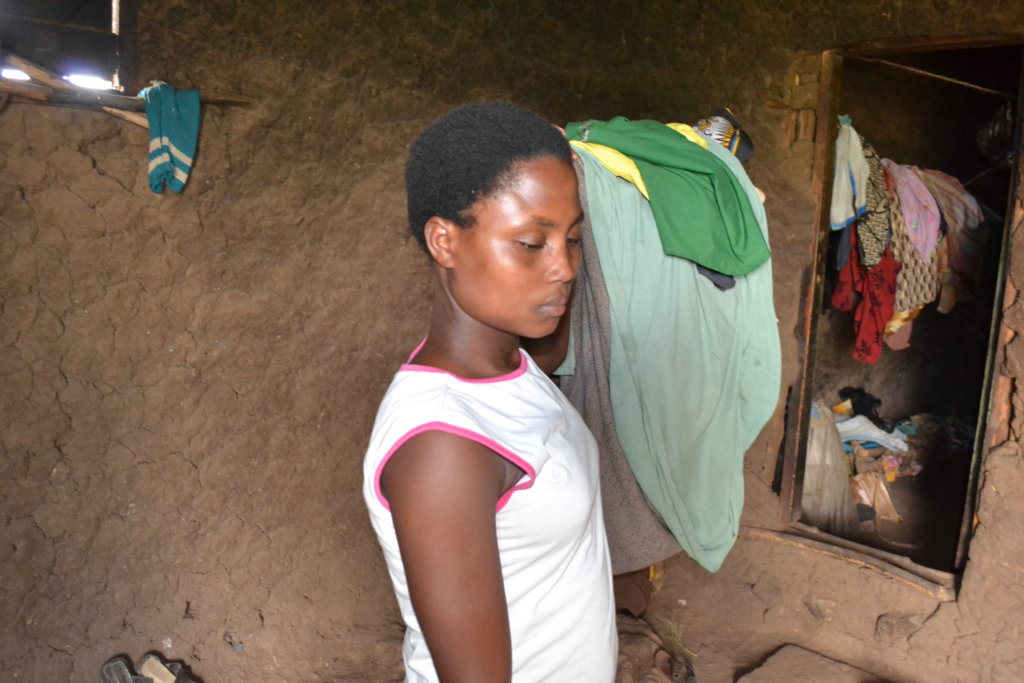
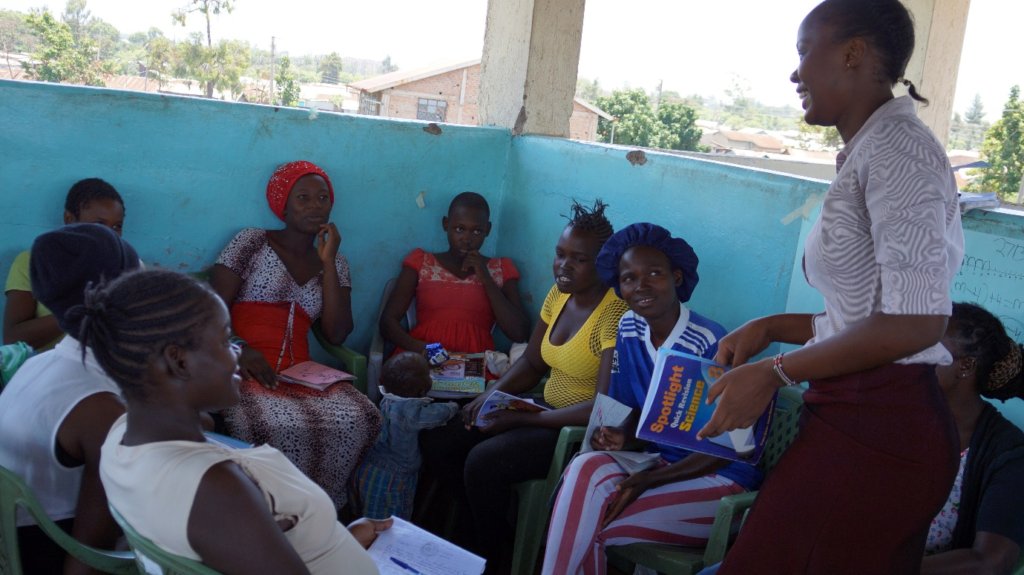
NIGEE has set up bridge centres in two densely populated informal settlements in Kisumu City (in Obunga and Manyatta). We recently set up another one in a rural setting (Seme) which currently has 3 teen mothers. These centres serve as hubs for young teen mothers who would like to resume formal learning. They participate in sessions where they share their experiences both as young mothers and students, to encourage and support each other in their journey back to and through school.
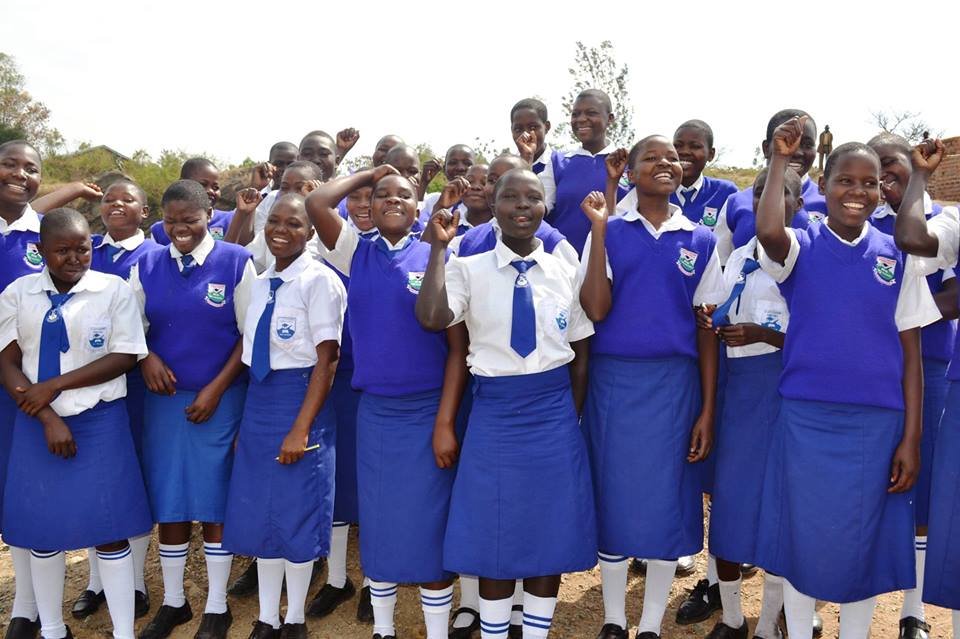
Mentors guide and encourage young girls in the pursuit for quality education and in bridge centres, their involvement inspires these girls to keep up with their studies. They incorporate their personal narratives to inspire girls and young mothers to resume school, proving to them that it can be done.
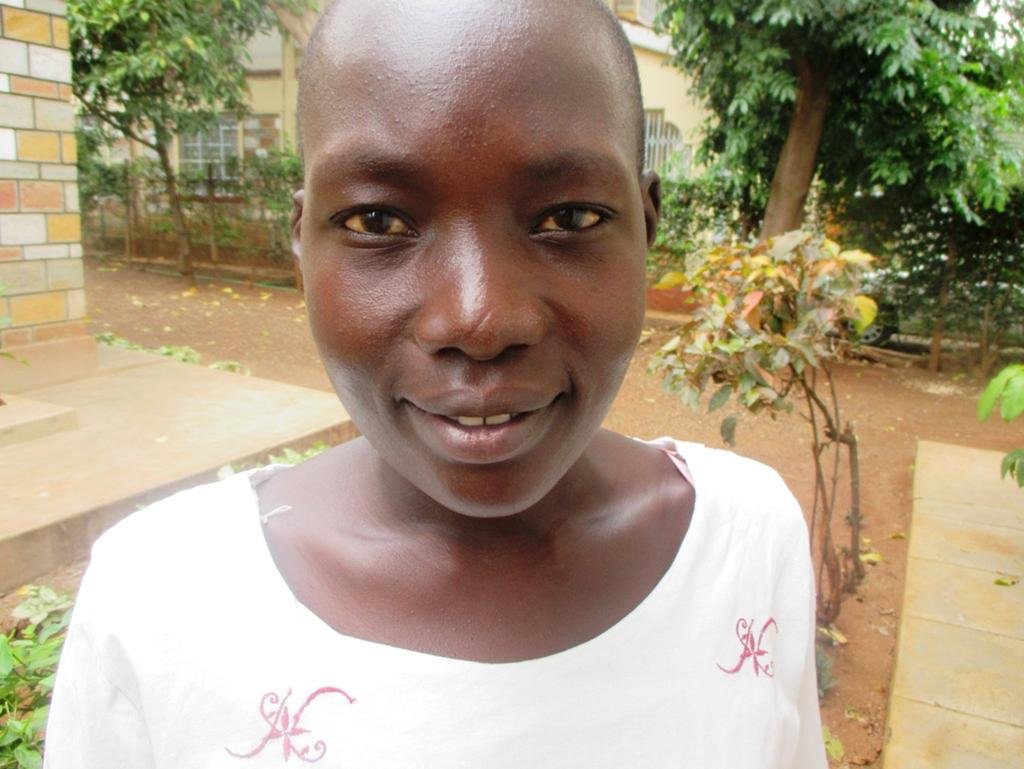
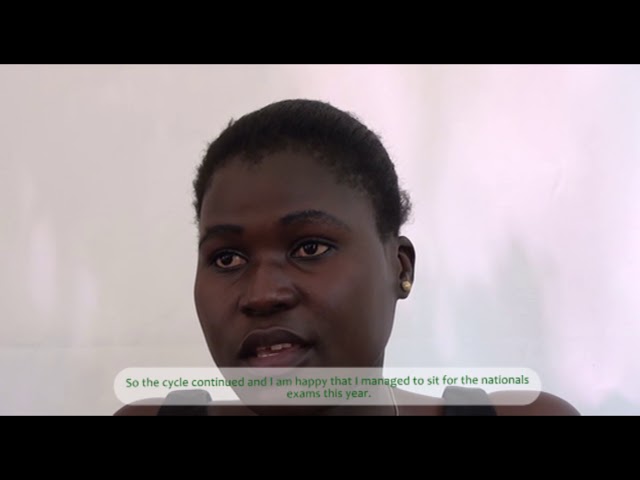
In Seme, we came across Judith who scored C+ in her national secondary school exams (KSCE) last year and is a mother of 5 children. Her eldest son will be sitting the same exams (KSCE) this year, the second born will sit the same exams next year and the third born the year after. The fourth born is in Grade 7, and the youngest in Grade 5.
Judith knows the struggles a young teen mother faces in resuming formal learning, because she was married at the age of 13. She spent ten years out of school and then resumed, only to face isolation and more challenges at school.
When she talks about her Father, her hands tremble a bit and she keeps her eyes trained on the television screen in her house. Her children are watching a Nigerian movie, and she looks on and then says, “After I had sat for my national primary school exams (KCPE) and passed, my father clearly told me that he would never choose to educate me over his sons and if it hurt so much, that I could kill myself for all he cared.”
The Deputy Head Teacher of her primary school had been the one trying to persuade her father to take her to school and when they could not get through to him, the deputy promised that he would pay for her education. She was happy but that was until she heard his condition: he would pay for her education only if she got married to him, and by then she was 12. She refused and sought admission at a local school and stayed on for only two terms before she dropped out due to lack of tuition fees. She relocated to Seme and that’s when she got married.
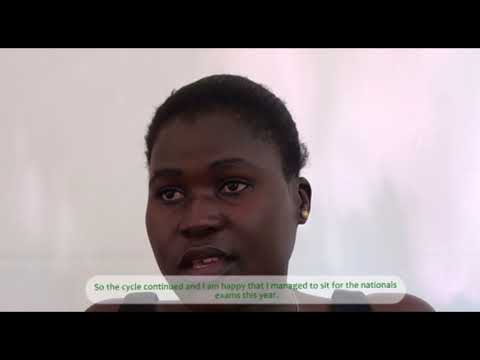
At this, she turns and asks, “I sat my KCPE in 1997, and scored 498 out of 700. Can you imagine receiving calling letters from both Lwak Girls and Nyakach Girls (both national schools) and not being able to go because your father believes you do not deserve it because you are a girl?”
Judith knows she will get admission into the University however her priority at the moment is to support her three children who are in secondary school. She admits that having a supportive husband helped her resume her studies and she now encourages young girls who are in school to focus on their studies first. She says that education opens up someone’s mind to what is happening in the world. She wants her children to get the best education and to use their knowledge and experiences to live a better life than she led.
In terms of profession, she is looking forward to pursuing teacher education and believes she would be an understanding teacher as it would give her an opportunity to encourage young girls to stay in school and complete their studies.
As a Mentor of other girls, she feels that young girls at this time and age have many more opportunities to seek for help and guidance in achieving their dreams. Parents are more aware of the value of the girl child, but she wants the girls to know their worth and value first. She mentors the three teen mothers at the Seme Bridge Centre, and is mobilizing more to join.
Project reports on GlobalGiving are posted directly to globalgiving.org by Project Leaders as they are completed, generally every 3-4 months. To protect the integrity of these documents, GlobalGiving does not alter them; therefore you may find some language or formatting issues.
If you donate to this project or have donated to this project, you can receive an email when this project posts a report. You can also subscribe for reports without donating.



Support this important cause by creating a personalized fundraising page.
Start a Fundraiser