By Sue Lawther-Brown | CEO
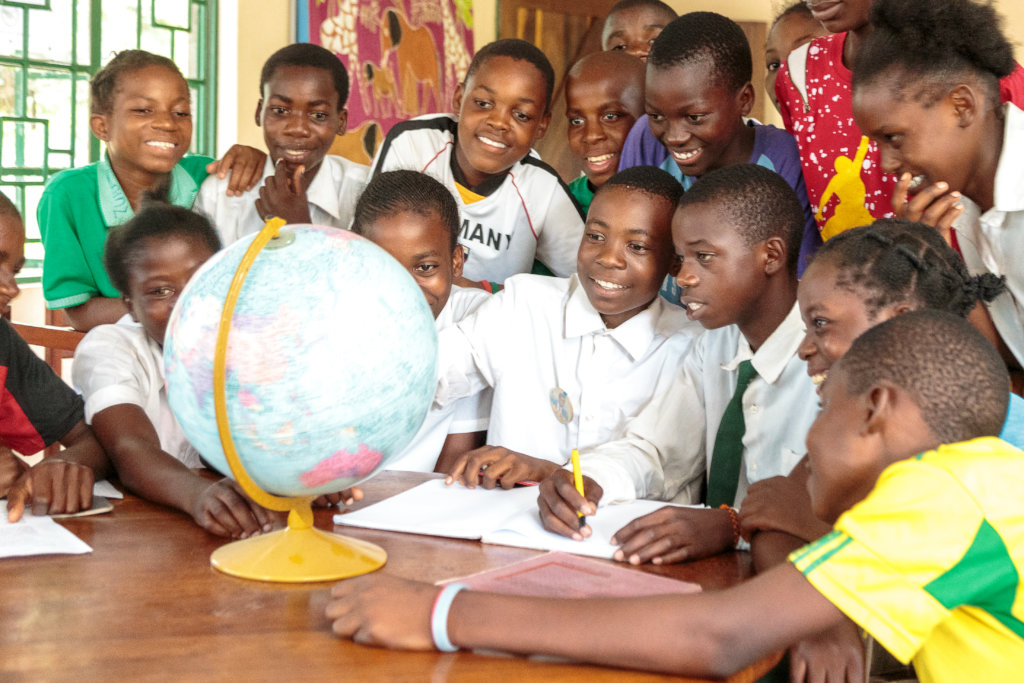
Chipembele Wildlife Education Trust has been educating and inspiring young people in Zambia about wildlife conservation and environmental protection for 25 years. We have supported over 1500 students through secondary education sponsorship and many of these have pursued tertiary education and careers in conservation fields, emerging as 'eco-leaders' across the country.
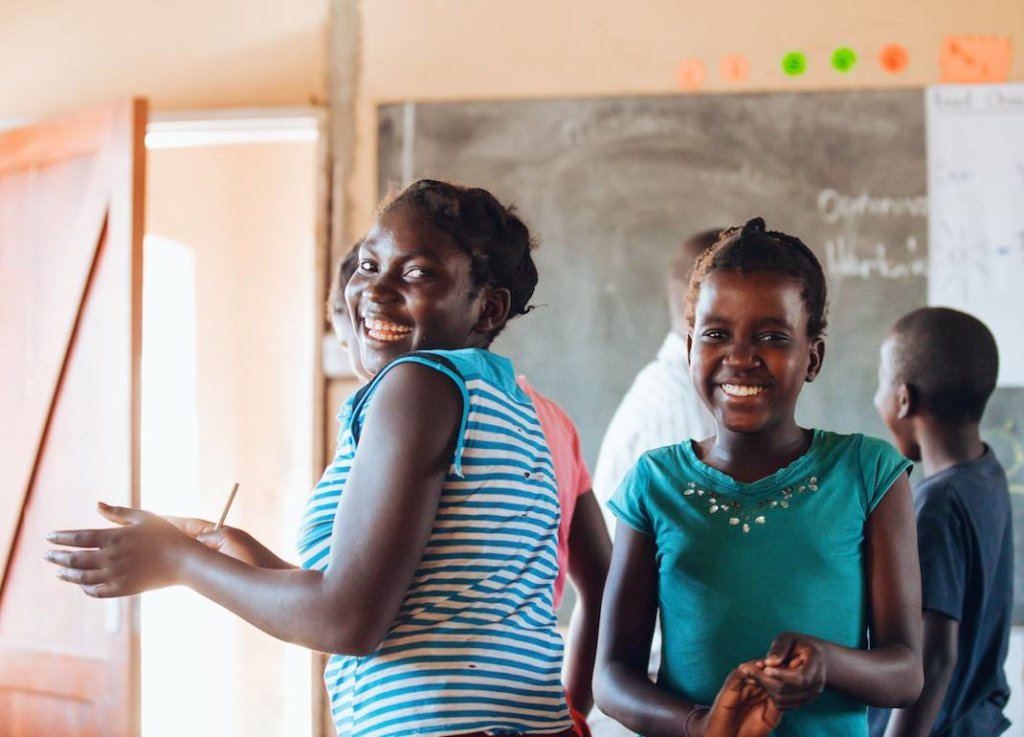
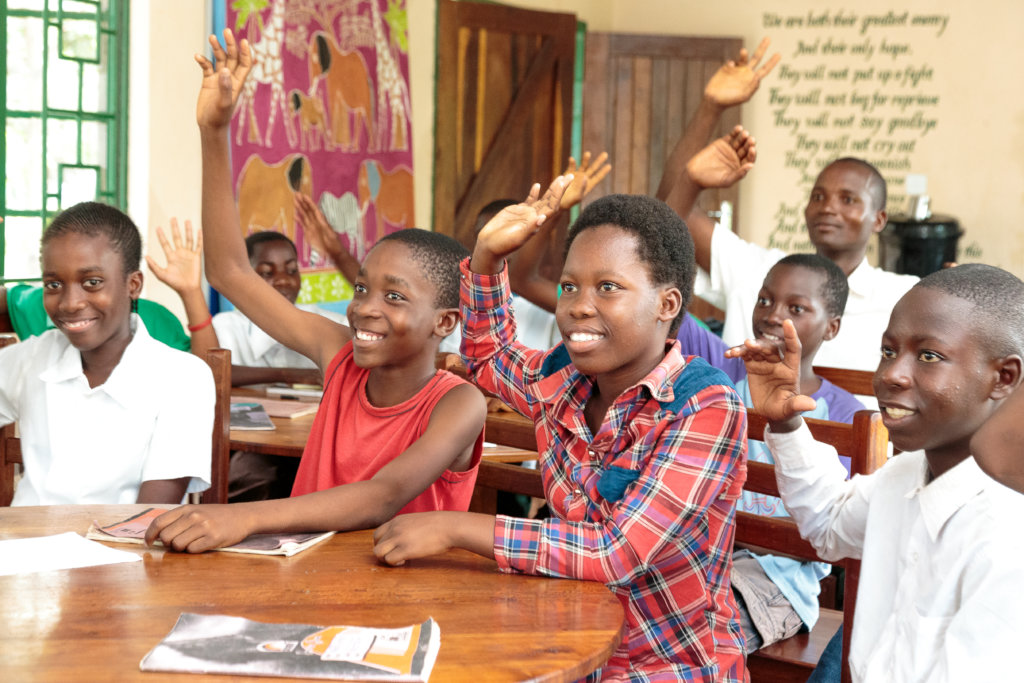
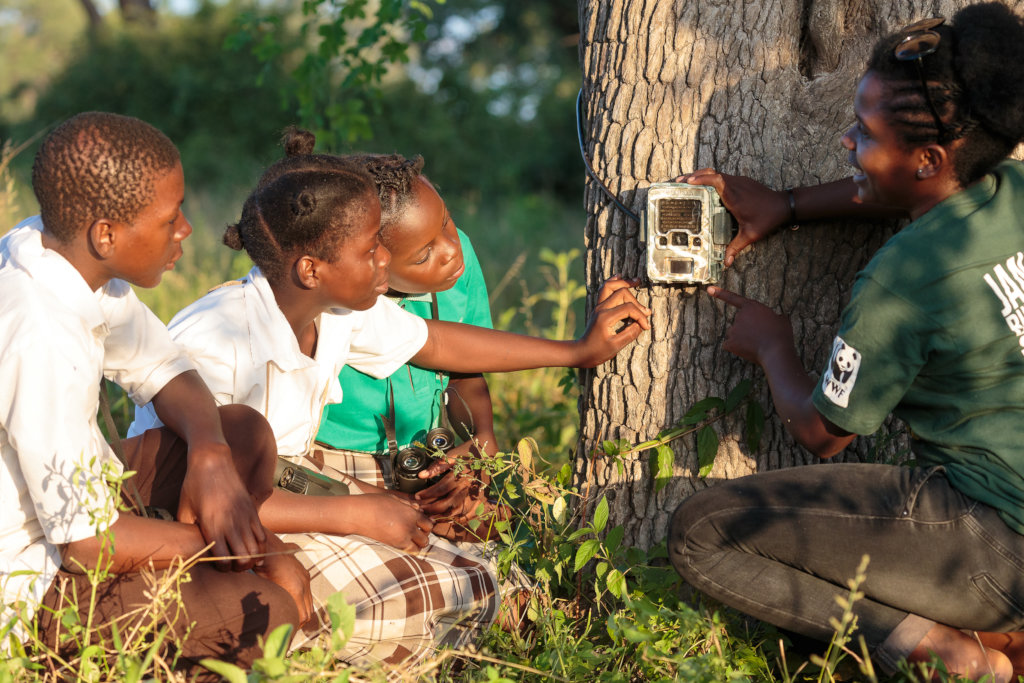
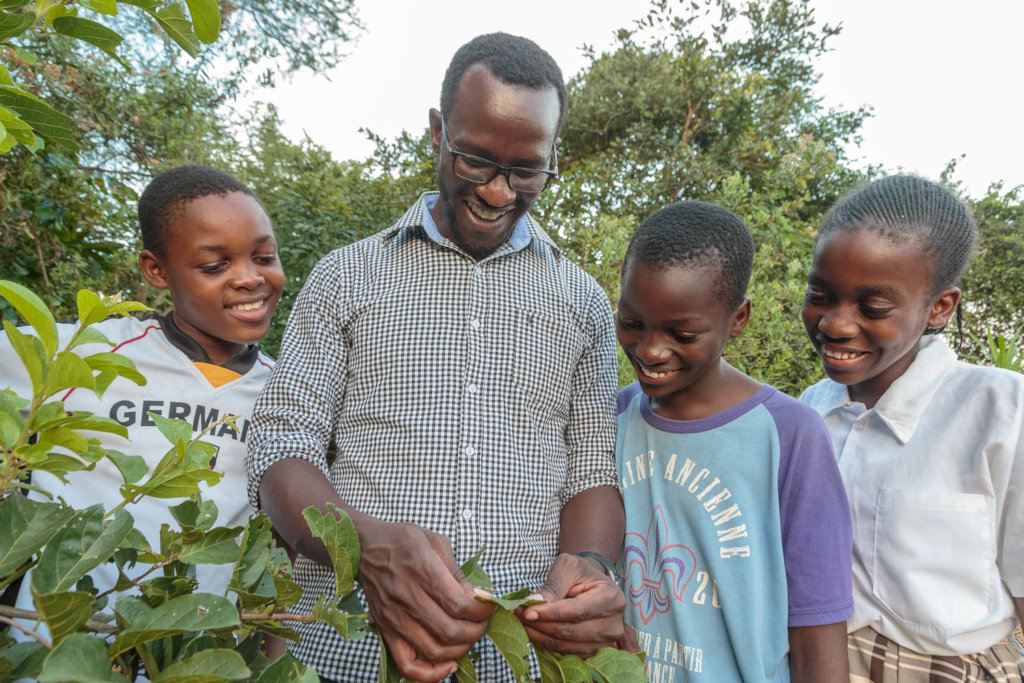
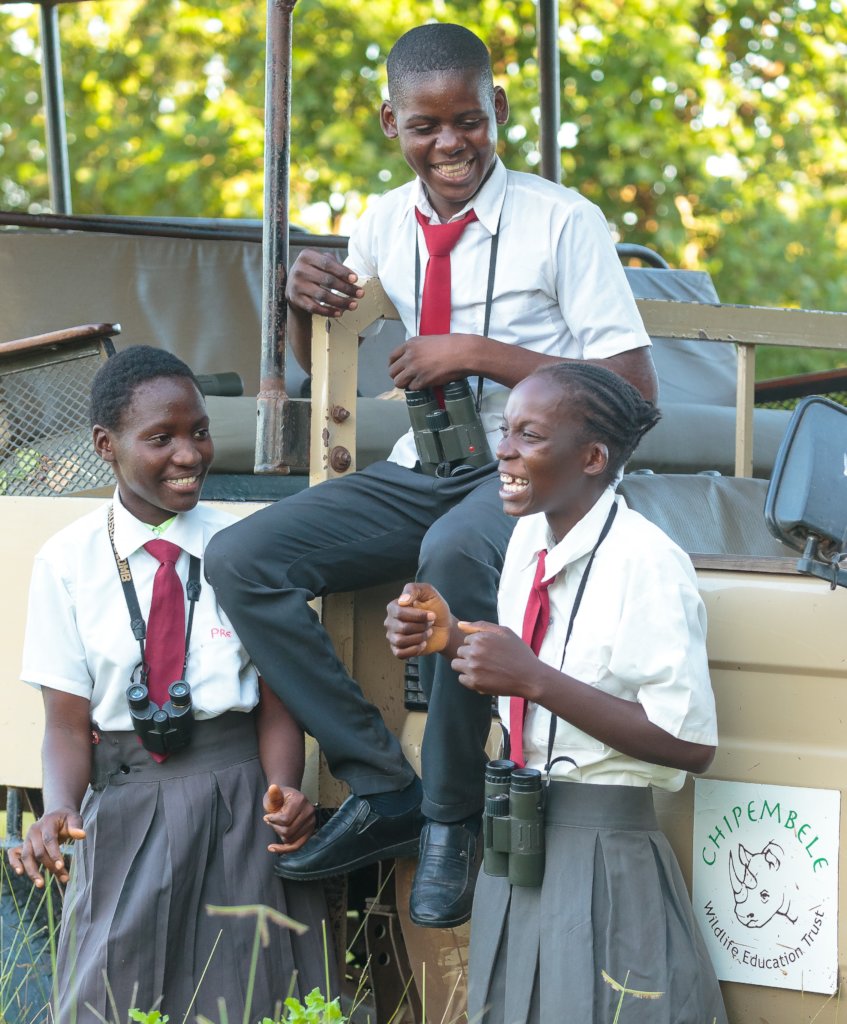
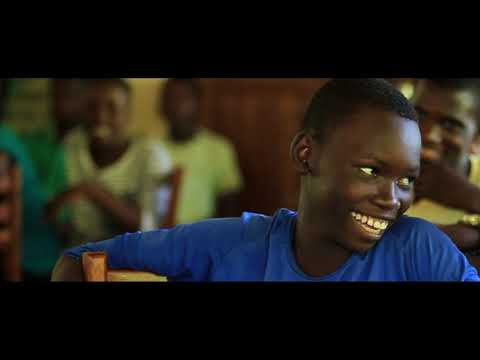
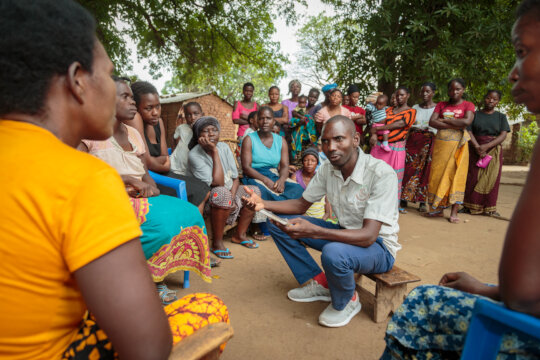
At the heart of our programme are the Conservation Clubs, held in local schools and led by our team of five Community Conservation Educators (CCEs). When they are not leading after schools clubs, our hard-working CCEs hold community meetings or join existing community groups to spread the conservation message. All the children sponsored through us are members of a Conservation Club.
The generosity of our GlobalGiving donors enables us to continue with our mission. Without this funding, we simply cannot continue with this life-changing work. Every day we see the impact of our programmes – on children, teenagers, young adults and their families – as we go out into the communities and meet people that have ‘grown up’ with Chipembele in their lives. So many of them are now in further education, working in the tourism industry or a secondary support industry, or developing their own businesses. Education is the key to transforming lives here in Zambia; combining the conservation mission with education opportunities is a powerful way to improve the future for wildlife and for people.
Almost all of the students we engage with are from impoverished rural backgrounds, residing in communities near the renowned South Luangwa National Park. Most people from these communities do not have access to the national park, as it requires a suitable vehicle; many children from rural communities have never even taken a ride in a car!
Consequently, children often grow up with negative perceptions of wildlife, viewing them as threats that pilfer their food or ravage family crops, or as potential sources of meat. For instance, a herd of elephants can decimate a family's maize crop, which serves as their sustenance for the ensuing year, in just one night.
In addition to human-wildlife conflicts, significant challenges such as poaching, deforestation, bushfires, overfishing, improper waste disposal, and habitat loss plague the region. With the population rapidly expanding, there is an escalating demand for agricultural land, firewood, timber, and protein.
In December 2023 a serious cholera epidemic in Zambia kept schools closed from Christmas through to February 2024 .Our Conservation Education teams have now returned to work in schools once again. We were pleased to be able to distribute additional hand-washing stations (with soap) to schools as we held stakeholder meetings at the beginning of March. Through the year 2023, we worked with 63 conservation clubs in 47 schools, equating to a total 25,233 attendances. We conducted 38 student field trip visits to the South Luangwa National Park, sponsored 39 high school students and 14 tertiary education students. We also had total of 48 School Conservation Club members attend the holiday Nature Nights programme.
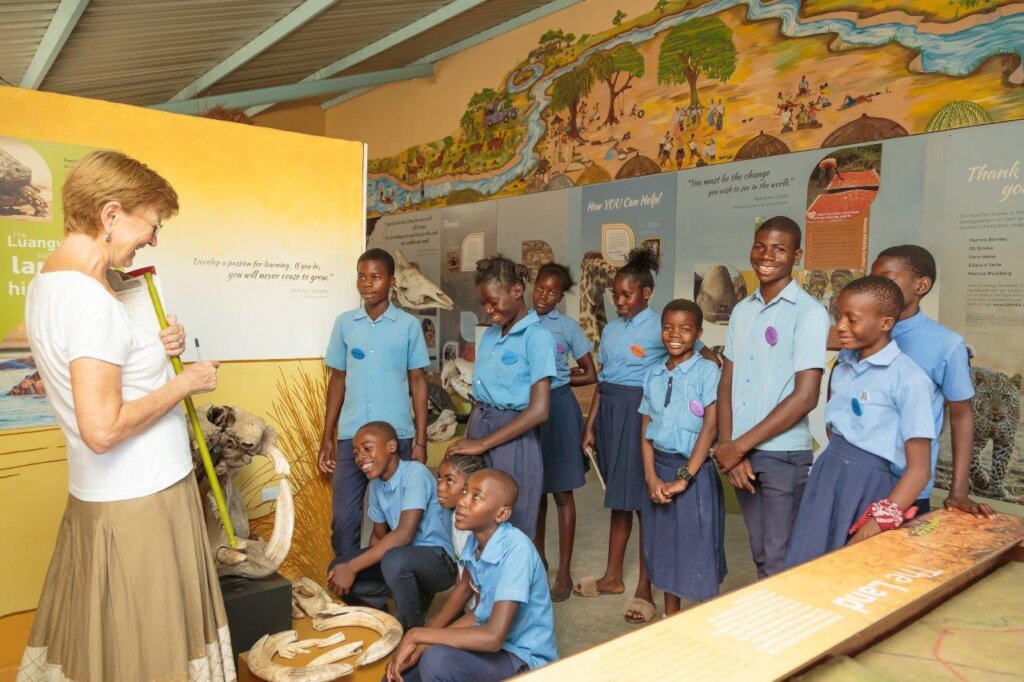
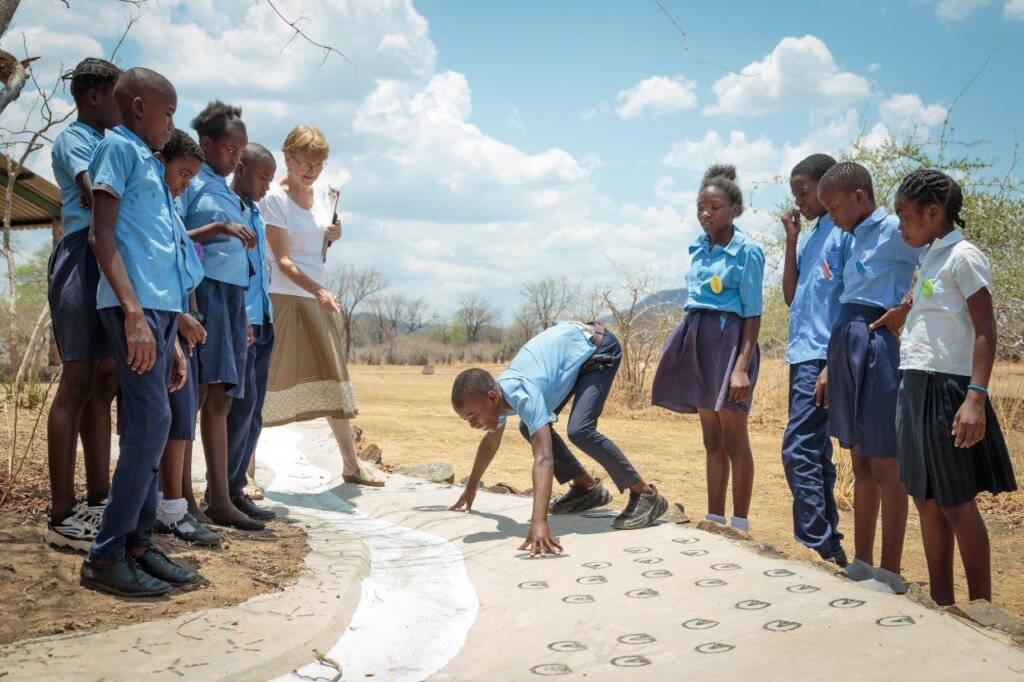
In 2023, we took 812 learners and 41 teachers to Chipembele’s Conservation Education Centre from 7 schools (Nsefu Day Secondary, Kawaza Primary, Mfuwe Day secondary, Chiwawatala Primary, Mfuwe Primary, Yosefe Primary and Yosefe Day Secondary School). Learners were exposed to an exciting outdoor learning experience that focused on creative and visual lesson learning.
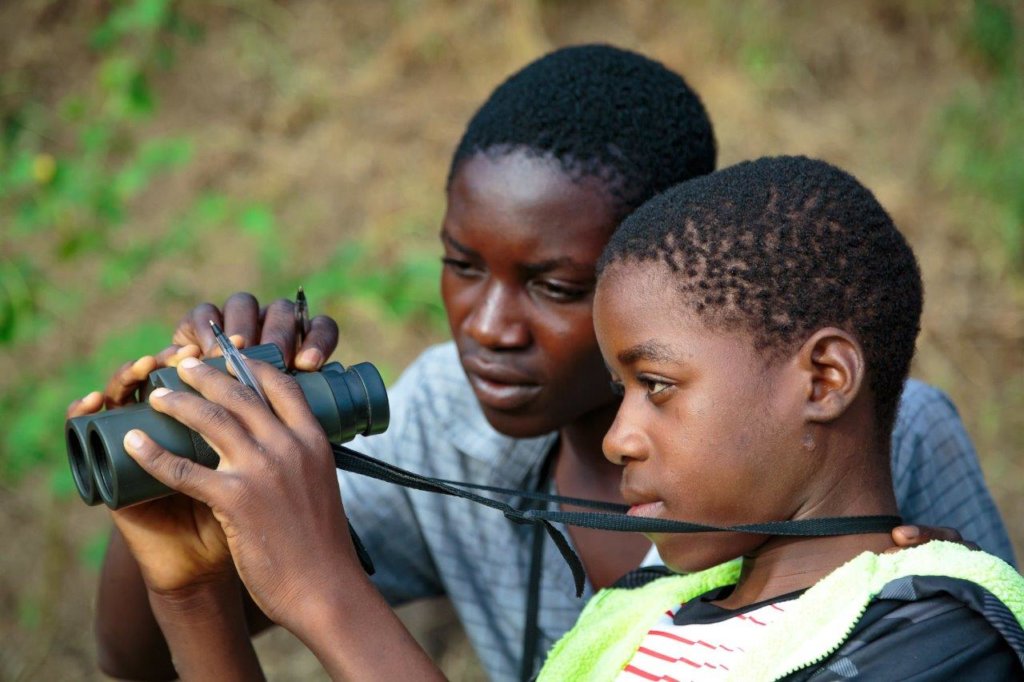
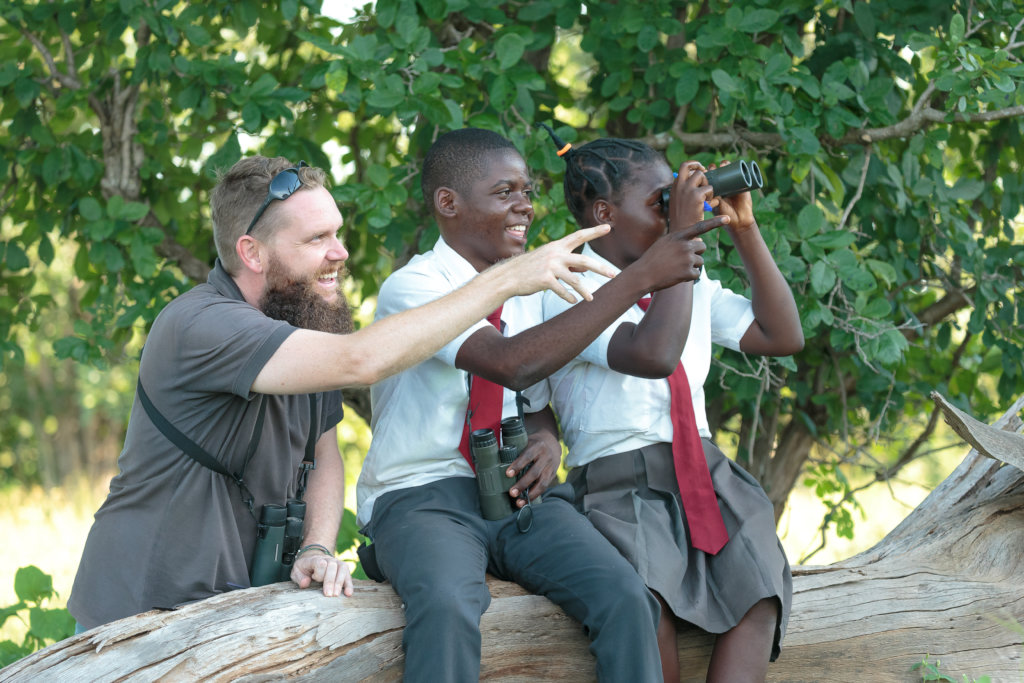
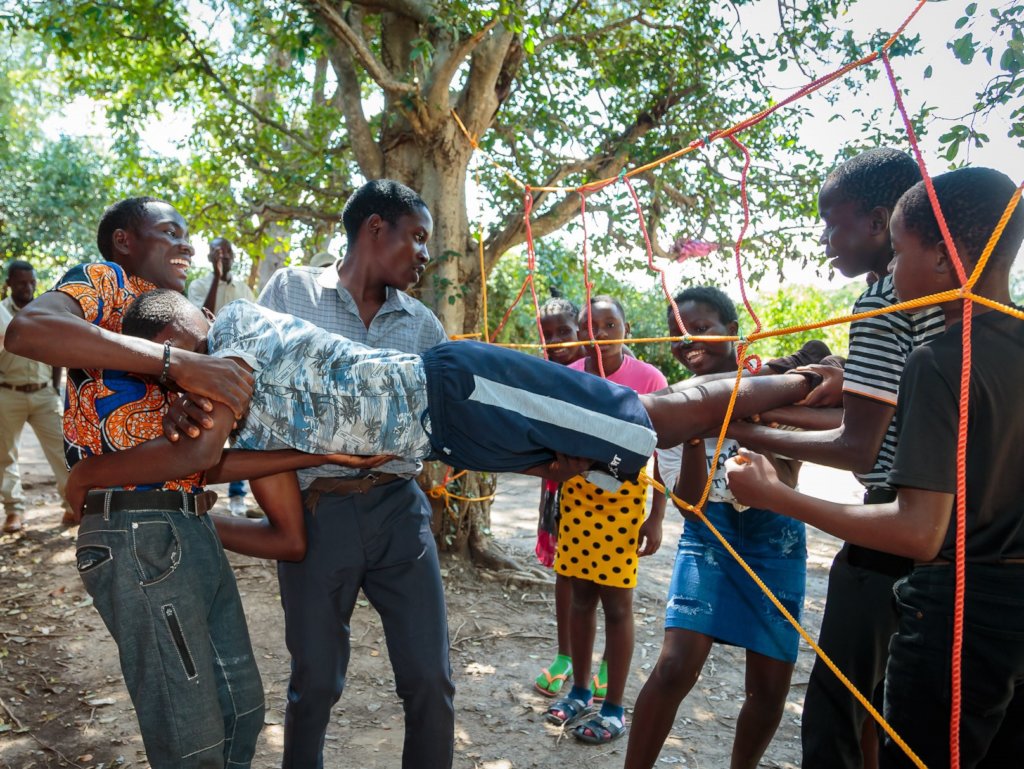
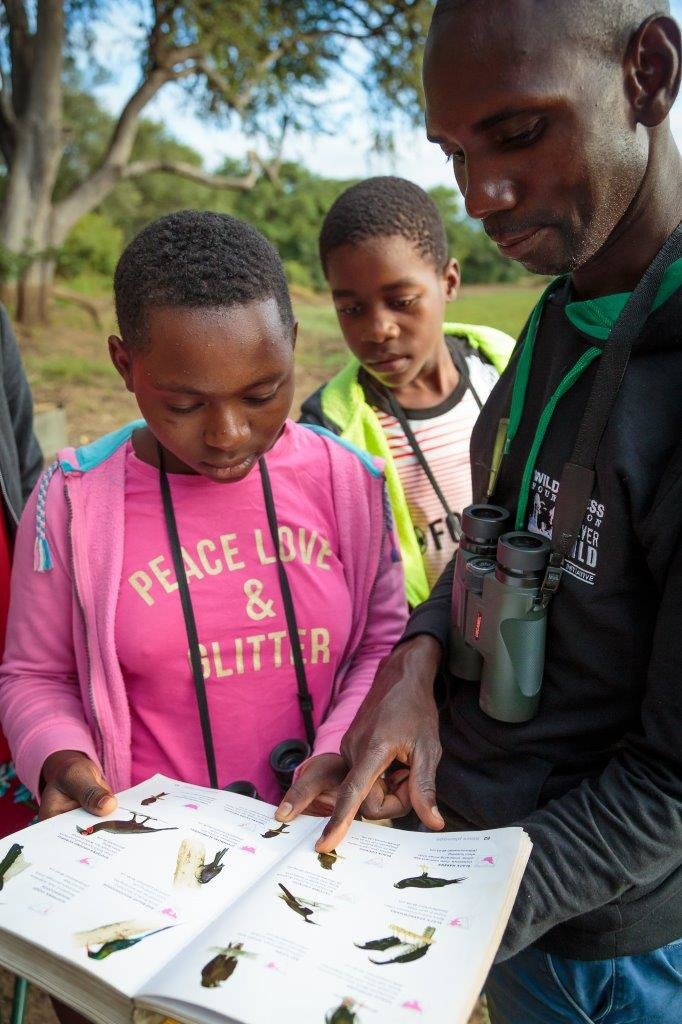
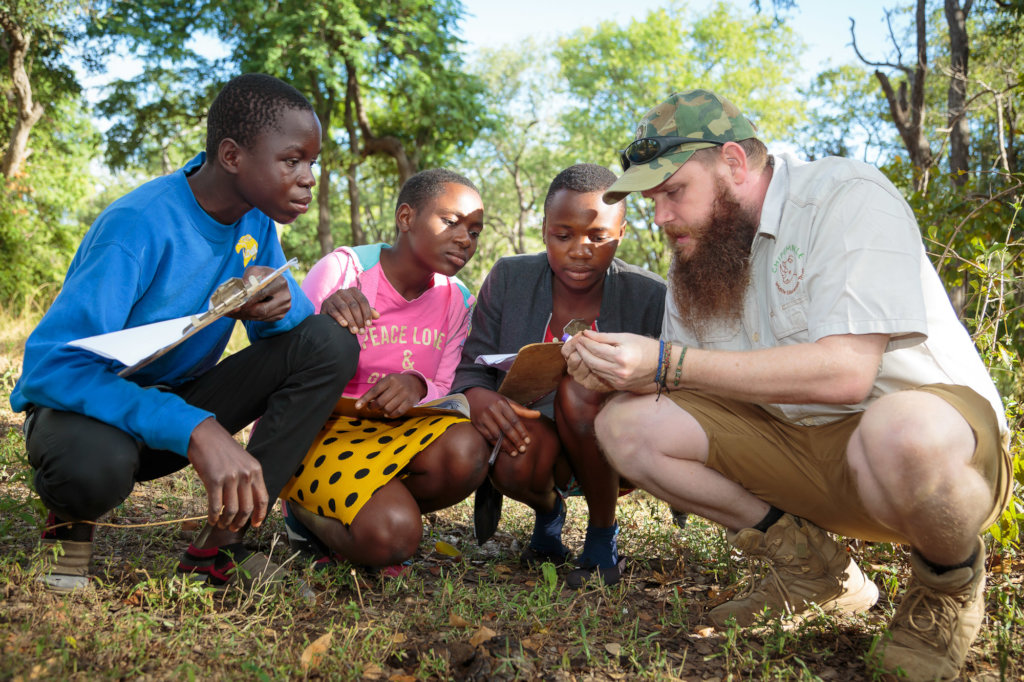
During the school holidays we took a total of 48 students for camping expeditions in the Lupande Game Management Area. Each group of 12 learners spent two nights camping.The excursions were attended by a professional safari guide, Chipembele staff, the teachers from the schools who chaperoned, and an armed scout who accompanied them during their stay for safety reasons. They learnt a series of skills such as communication, leadership, critical thinking, teamwork, plant and bird identification, astronomy, and bush survival.
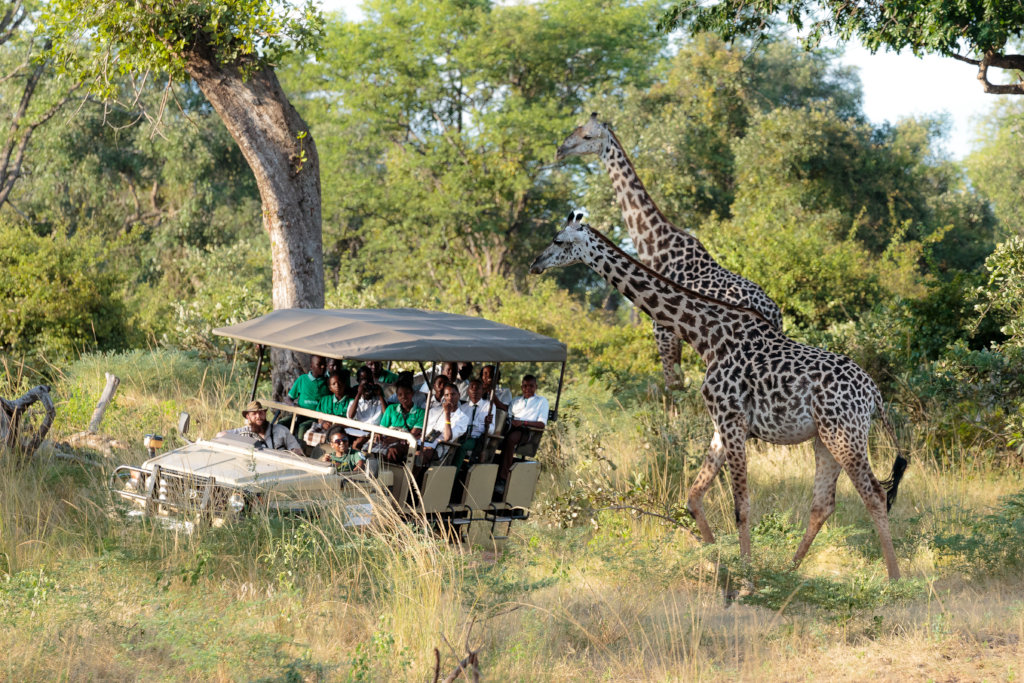
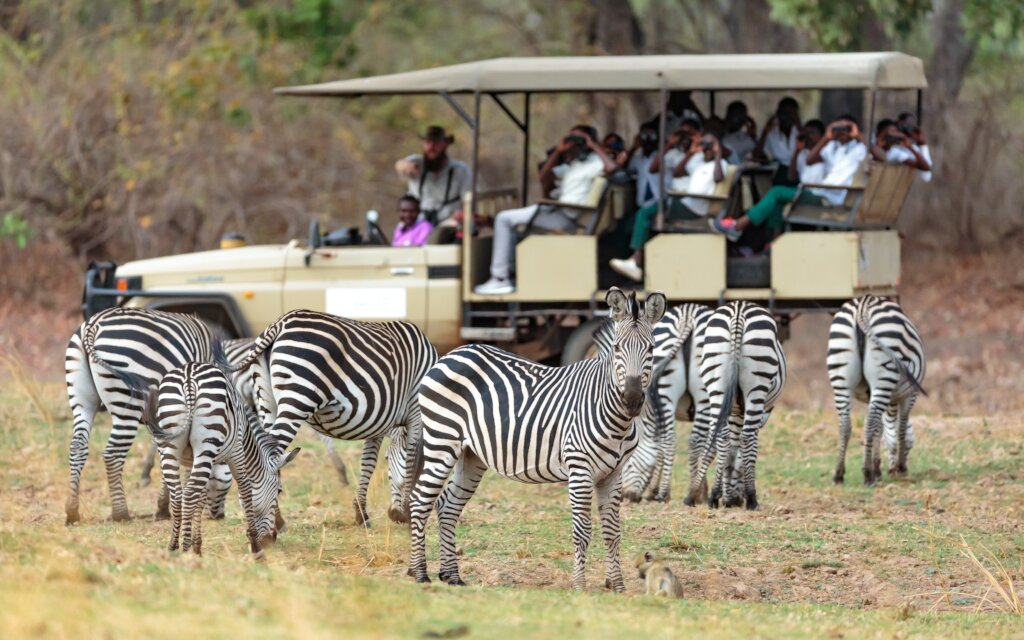
In addition, we took 257 male and 265 female students, (a total of 522 learners) into the South Luangwa National Park under the Chipembele Wildlife Education Trust field trip programme. Students learnt and connected these park visits to the lessons that were taught in the classes such as evolution, geology, river systems, adaptation habitats, species identifications and many more.
In 2023 we printed 4 editions of Kalata for Kids magazines, and in March 2024 we released Issue 11, which focuses on Owls. A total of 14,000 magazines were printed, of which 11,000 of were distributed to school children within Mambwe District. The other 3,000 were distributed to school children in other parts of Zambia.
We believe it's vital to ensure that women and girls have agency in their lives and that someone's gender should not limit their opportunities. We work hard to ensure that girls are included in all our programmes on an equal footing with boys, despite the cultural challenges they face in education. Our Gender Equality and Life Skills Programme provided 180 Conservation Club students with additional learning and support during the school holidays.
Thank you once again for your generous donations. Wherever you are in the world, you are making a difference in this small corner of Zambia where the wildlife is stunning but needs protection, and where the people are warm and willing but need your support. Together we can ensure a bright future for all of them.
Project reports on GlobalGiving are posted directly to globalgiving.org by Project Leaders as they are completed, generally every 3-4 months. To protect the integrity of these documents, GlobalGiving does not alter them; therefore you may find some language or formatting issues.
If you donate to this project or have donated to this project, you can receive an email when this project posts a report. You can also subscribe for reports without donating.