By Anna Tolan | Founding Director
Chipembele’s 2025 Student Led Climate Change Campaign: Empowering Students to be Climate Justice Leaders
Mambwe District, Zambia – June & July 2025
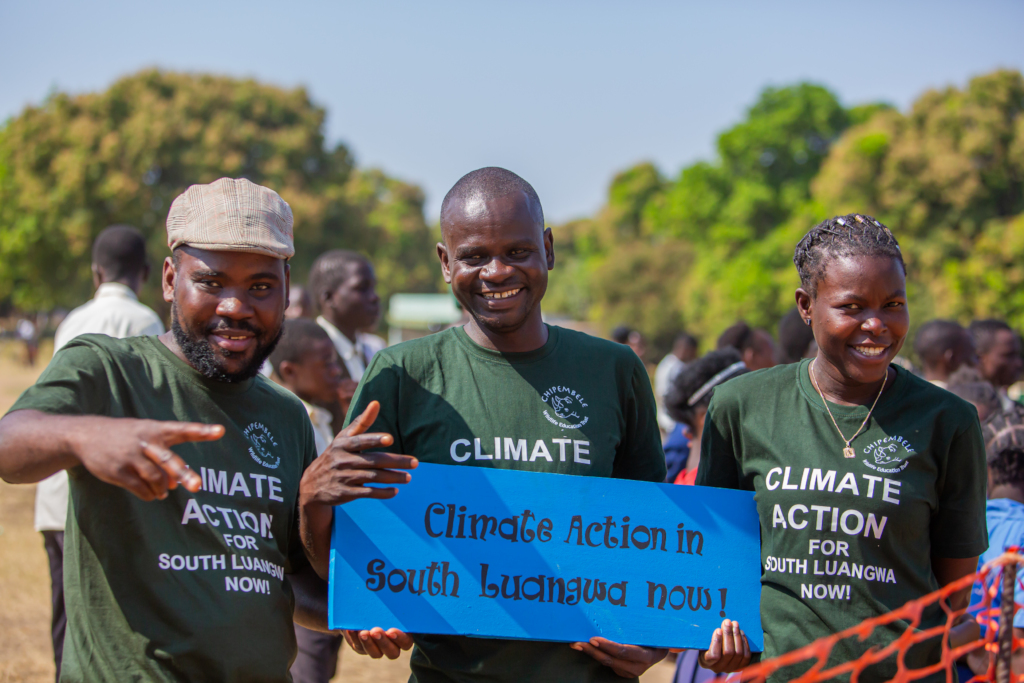
This year’s Annual Environmental Campaign under Chipembele Wildlife Education Trust was a vibrant and unifying call to action, centered on the urgent theme of climate change. Spanning two months of activities across Mambwe District, the campaign culminated in a large, energetic community event on 26th July in Mnkhanya Zone, drawing together schools, community members, NGOs, government officials, and traditional leadership.
At its heart, the campaign highlighted the critical need for sustainability, reinforced the urgency of climate resilience, and celebrated the power of collective action.
A Campaign Rooted in Community and Driven by Students
Climate change is no longer a distant concern for the South Luangwa region. Communities are experiencing rising temperatures, erratic rainfall, crop failures, and intensified human–wildlife conflict. Against this backdrop, Chipembele designed the 2025 campaign to:
Raise awareness of climate impacts and solutions.
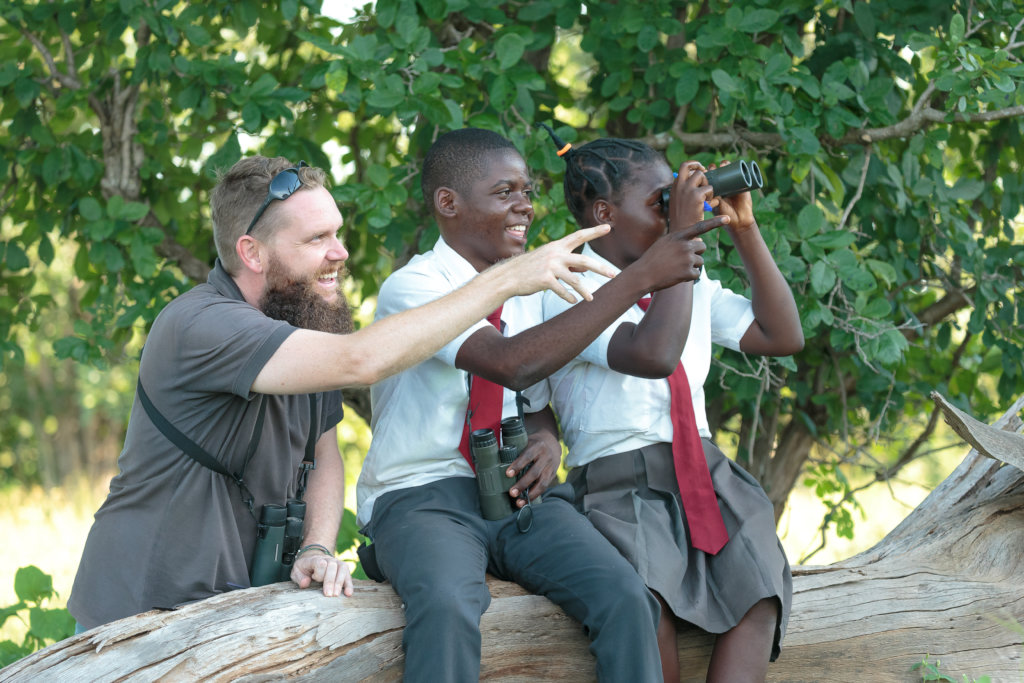
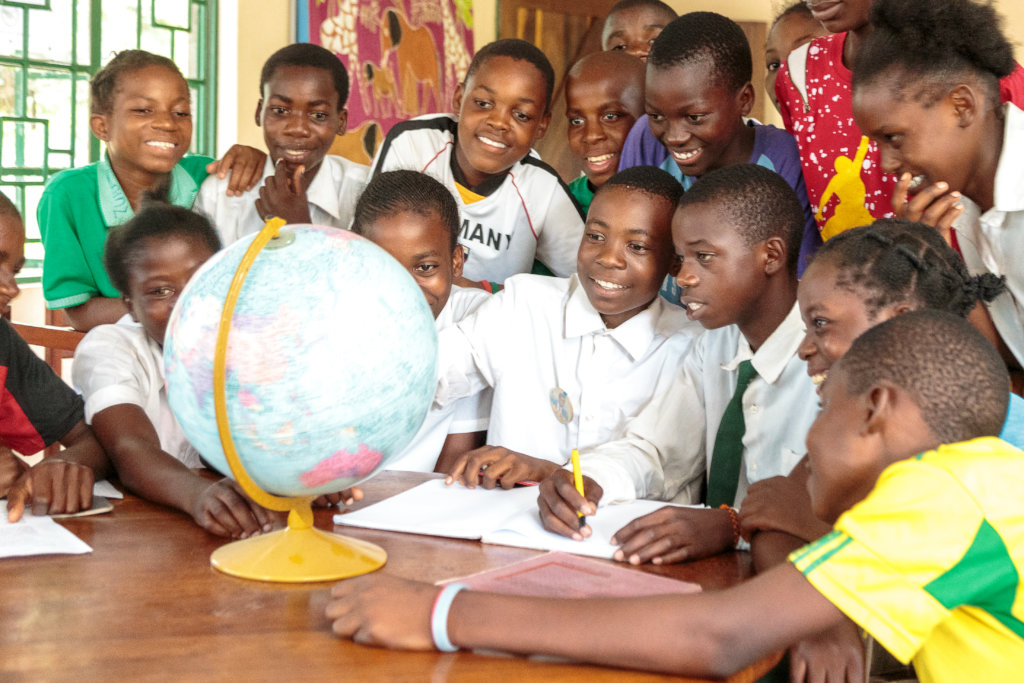
Engage youth as leaders through school conservation clubs.
Mobilize communities to adopt climate-friendly practices.
Strengthen partnerships among government, NGOs, and traditional leadership.
The campaign was rolled out in satellite events across all operational zones. These localized activities ensured inclusivity and gave each community the opportunity to learn, share, and prepare for the climactic celebration in Mnkhanya.
Satellite Events: Building Momentum
In June and July, Chipembele and its partners facilitated a series of interactive activities across the district:
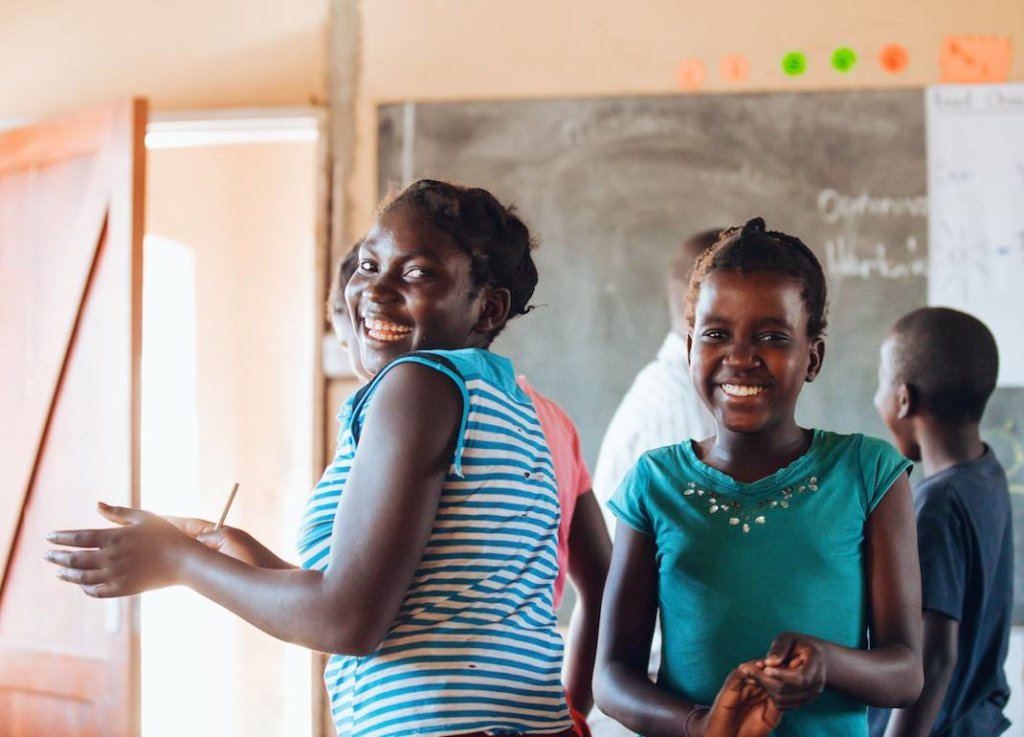
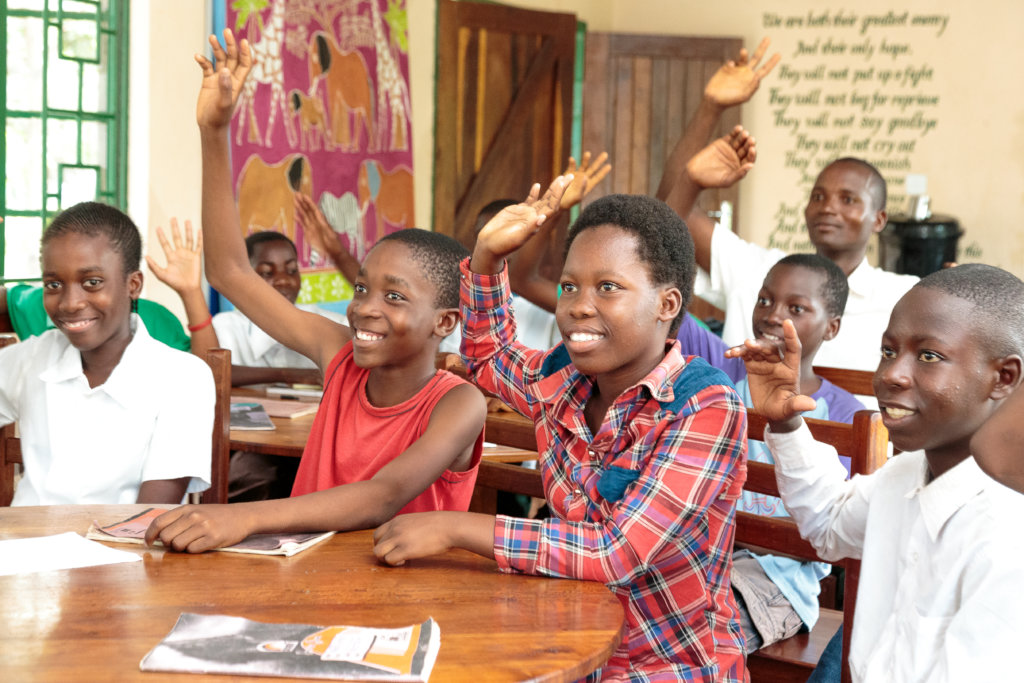
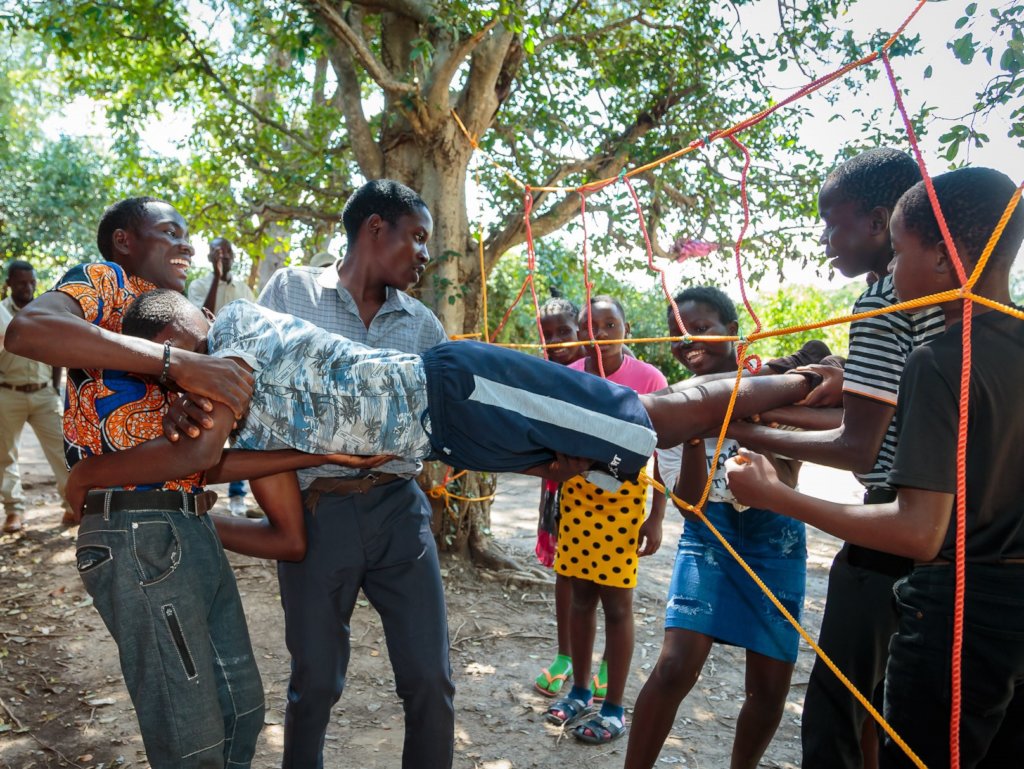
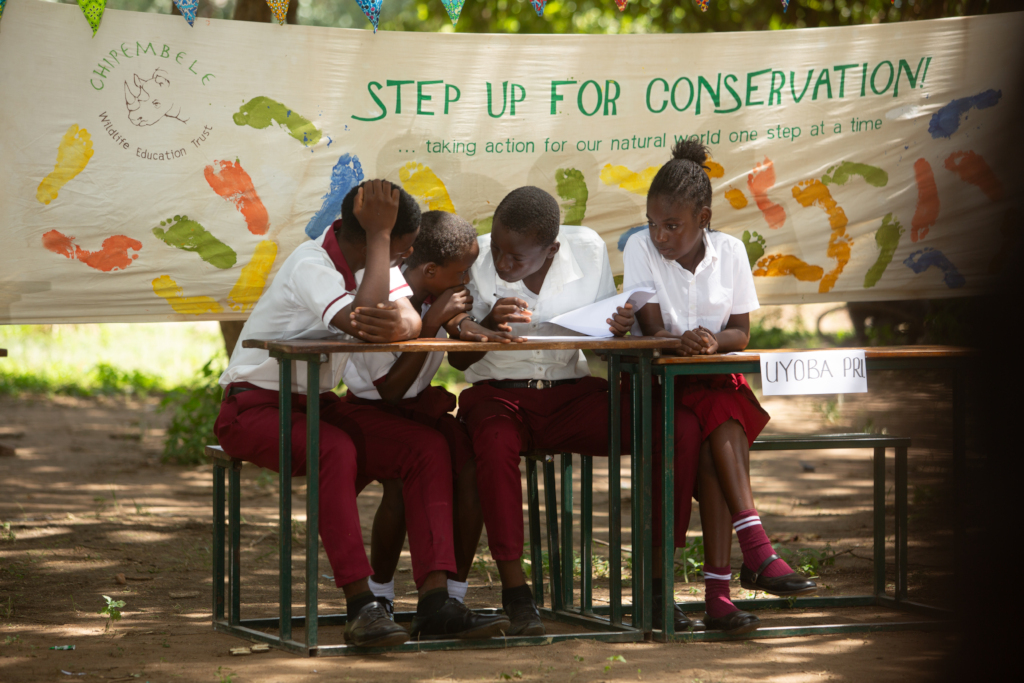
School Club Presentations – Drama, poetry, debates, and song performances brought climate challenges to life while showcasing creative solutions.
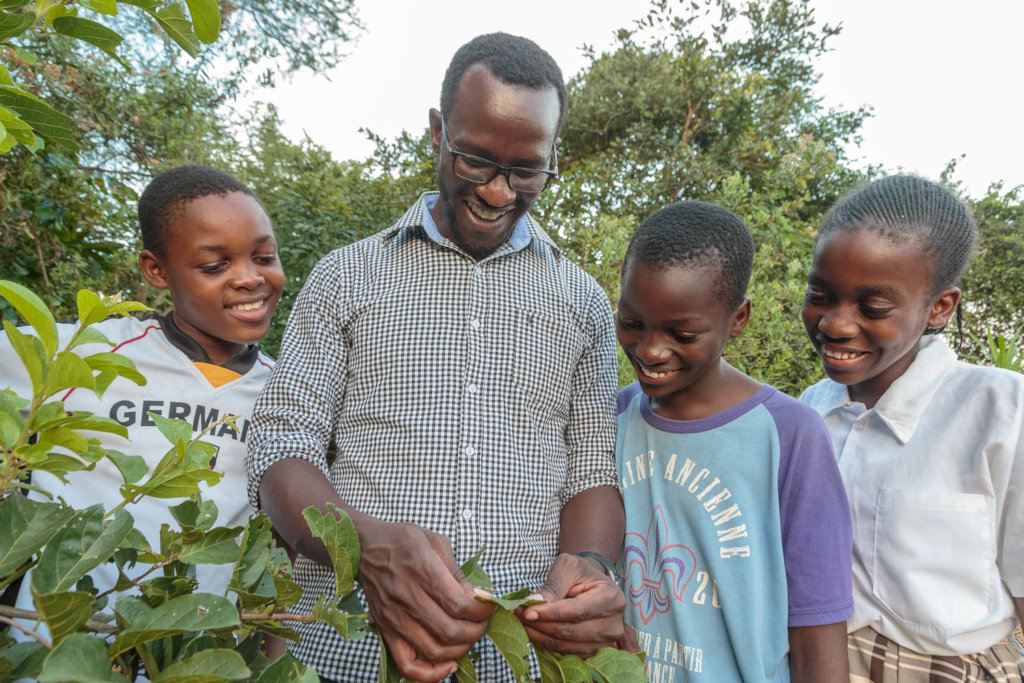
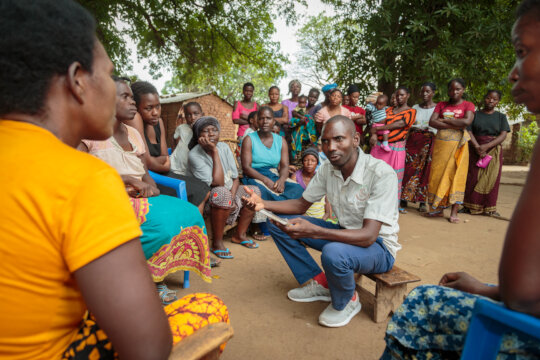
Workshops and Discussions – Communities explored local issues such as deforestation, crop failure, and water shortages, with facilitators translating global climate concepts into accessible, relatable terms.
Practical Demonstrations – From climate-smart farming to the use of fuel-efficient stoves, participants saw first-hand how small, tangible actions can contribute to long-term resilience.
These activities deepened understanding while building anticipation for the final gathering. Youth at the Forefront
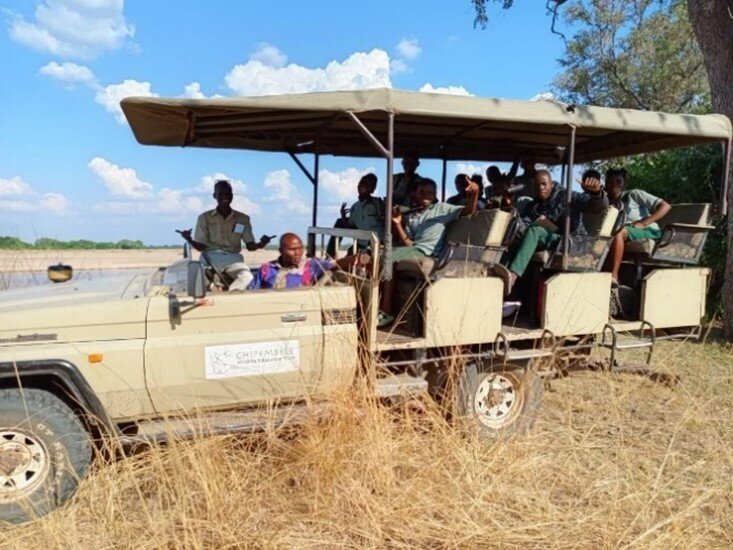
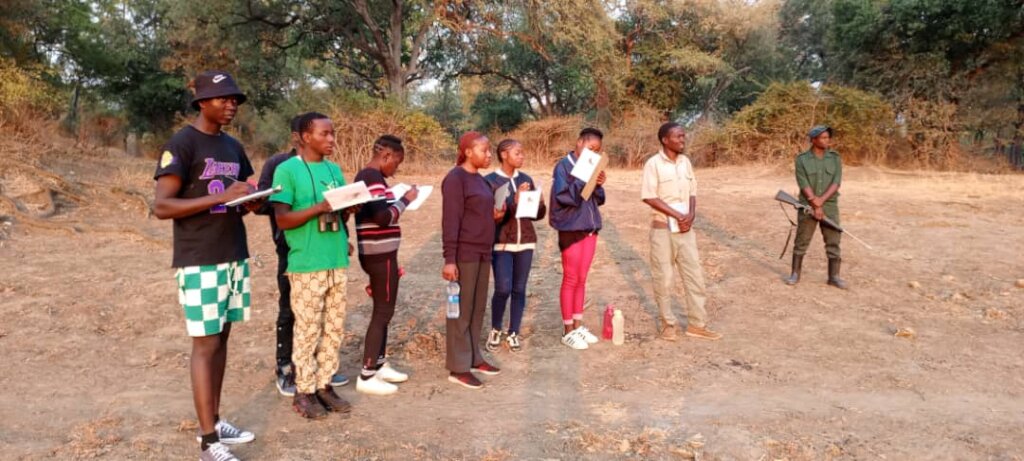
School conservation clubs played a central role, turning knowledge into action. Over two months, students:
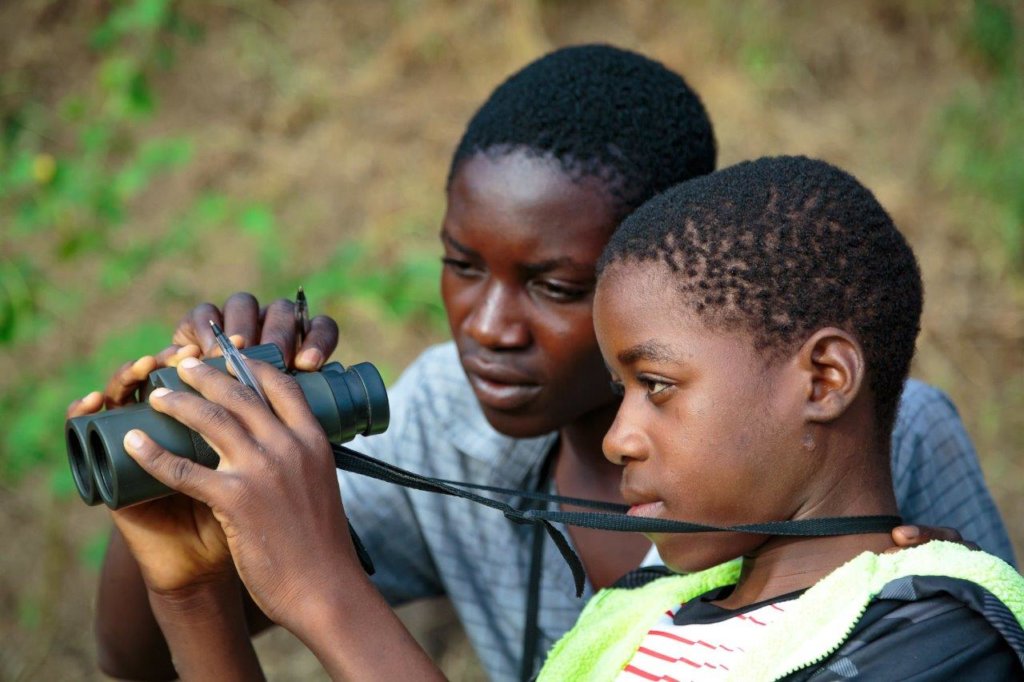
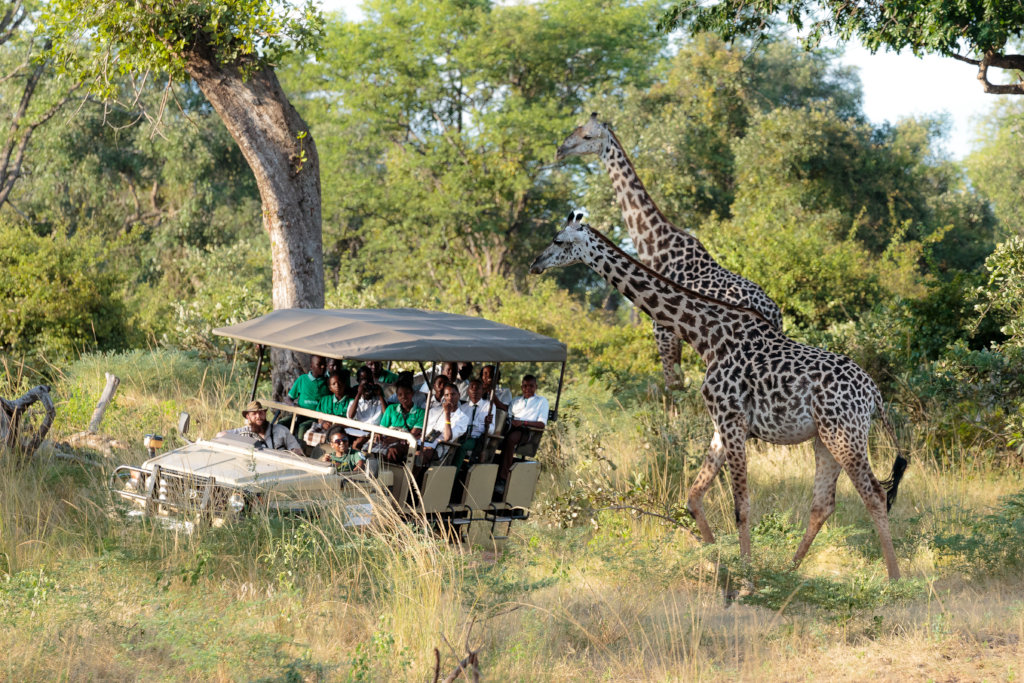
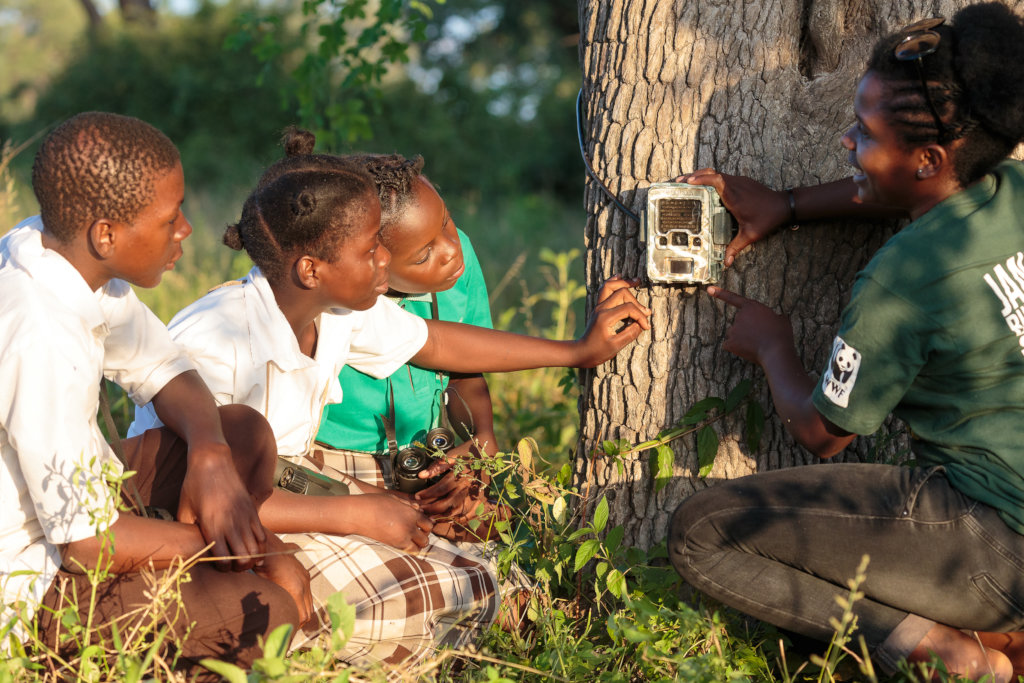
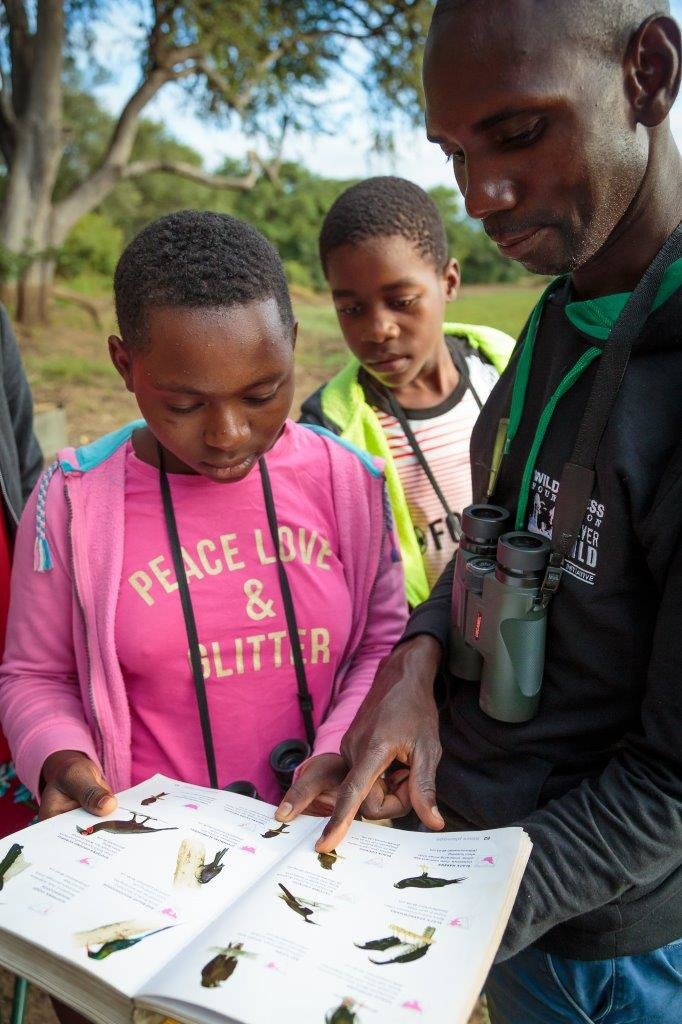
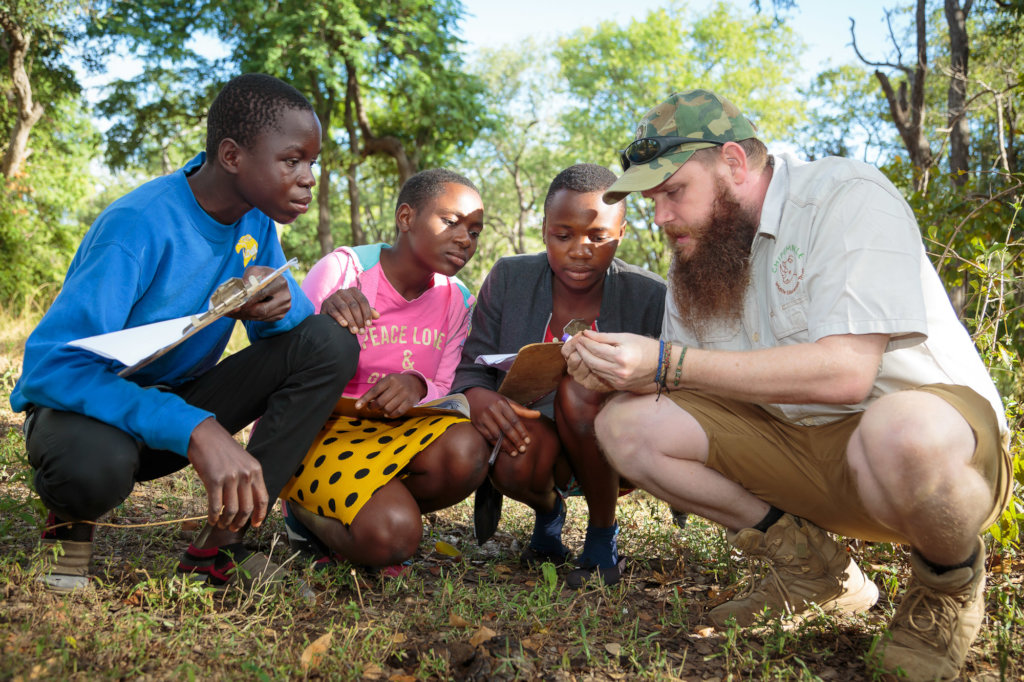
Researched how climate change affects South Luangwa’s wildlife and communities.
Initiated tree planting and school garden projects.
Led clean-up campaigns to improve their school environments.
By taking ownership of these projects, students emerged as confident ambassadors, carrying vital messages back to their families and peers.
The Main Event – 26th July 2025
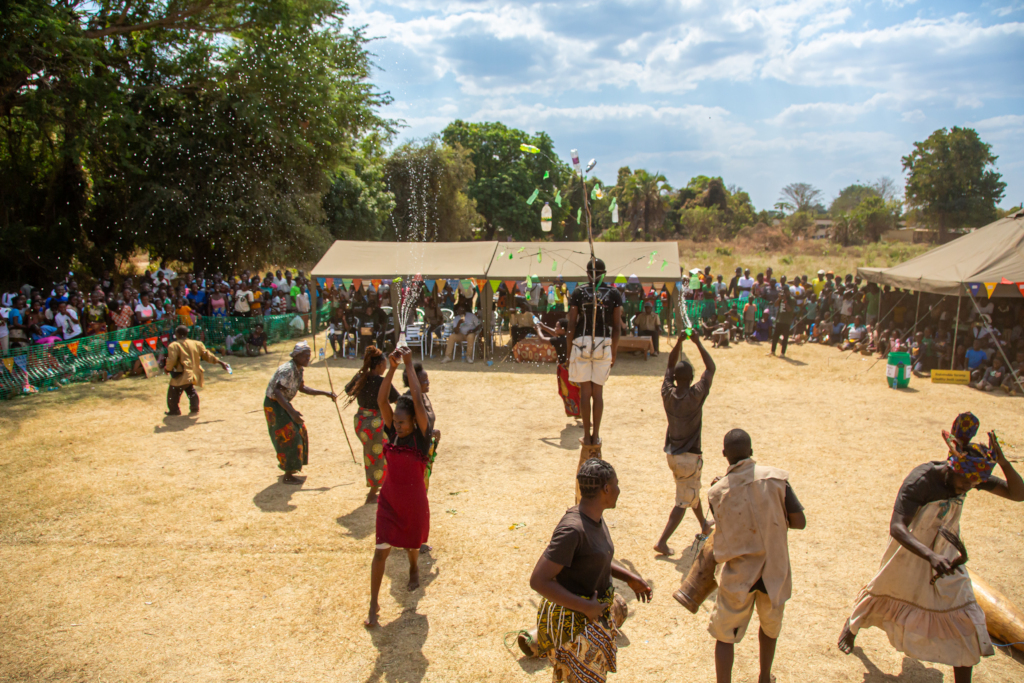
The campaign reached its peak with a celebratory finale in Mnkhanya Zone, which drew hundreds of community members alongside dignitaries and partner organizations.
Who Attended
The Area Warden from the Department of National Parks and Wildlife.
His Royal Highness Chief Mnkhanya’s representative, reinforcing traditional leadership’s support.
Representatives from Zambian Carnivore Programme, Conservation South Luangwa, and Nsefu Wildlife Conservation Foundation.
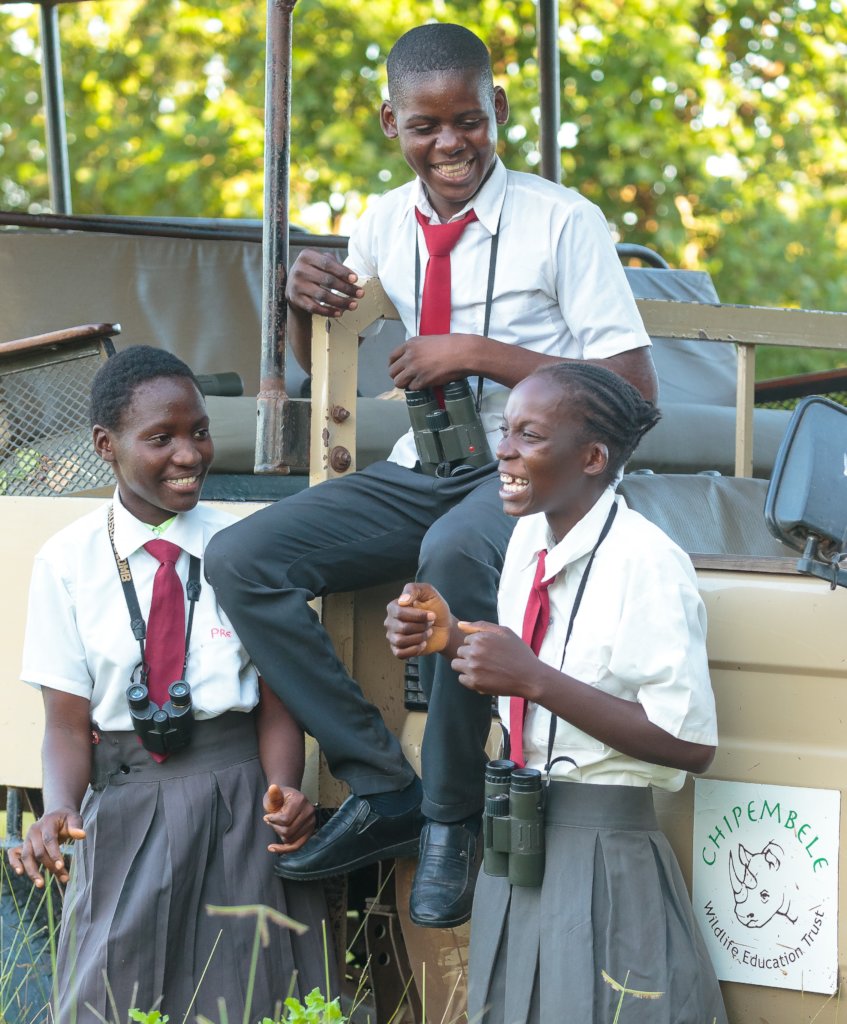
Hundreds of school conservation club members and their teachers.
Highlights of the Day
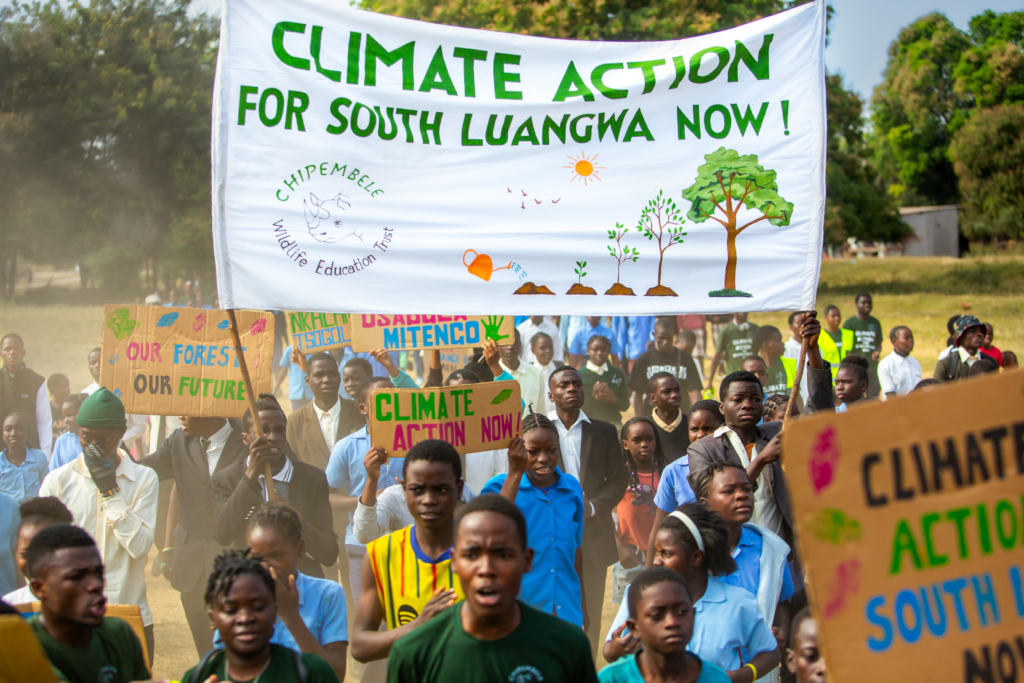
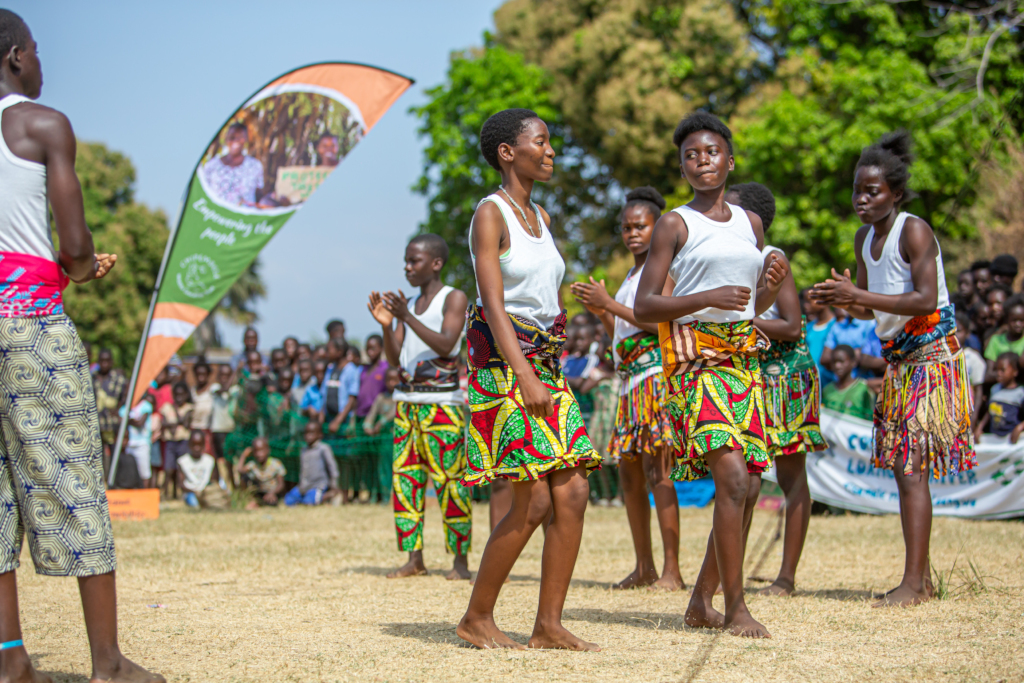
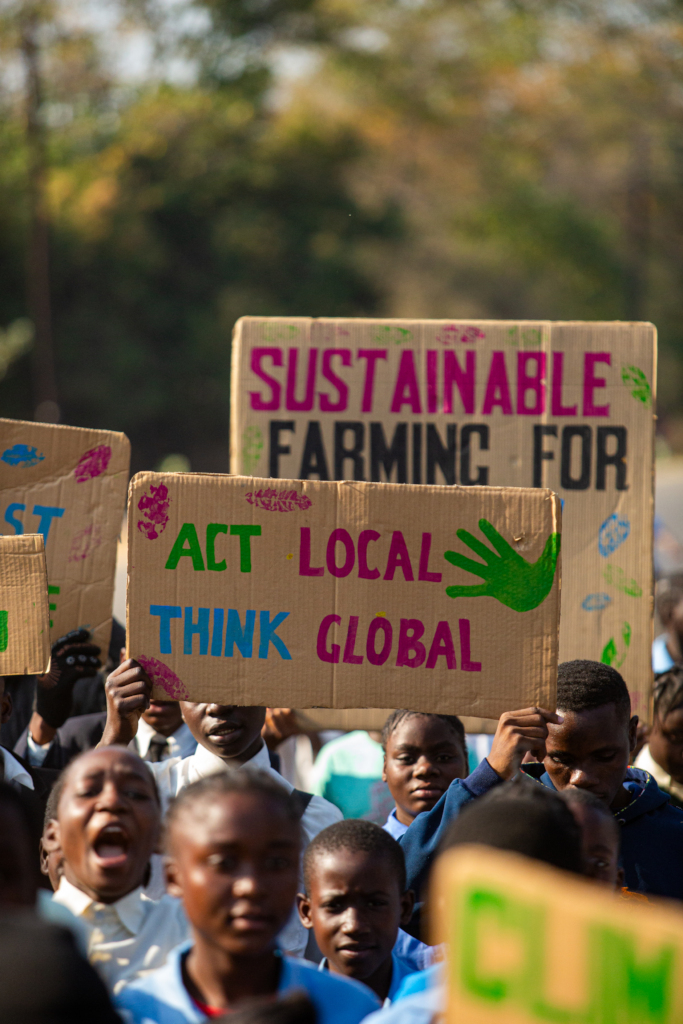
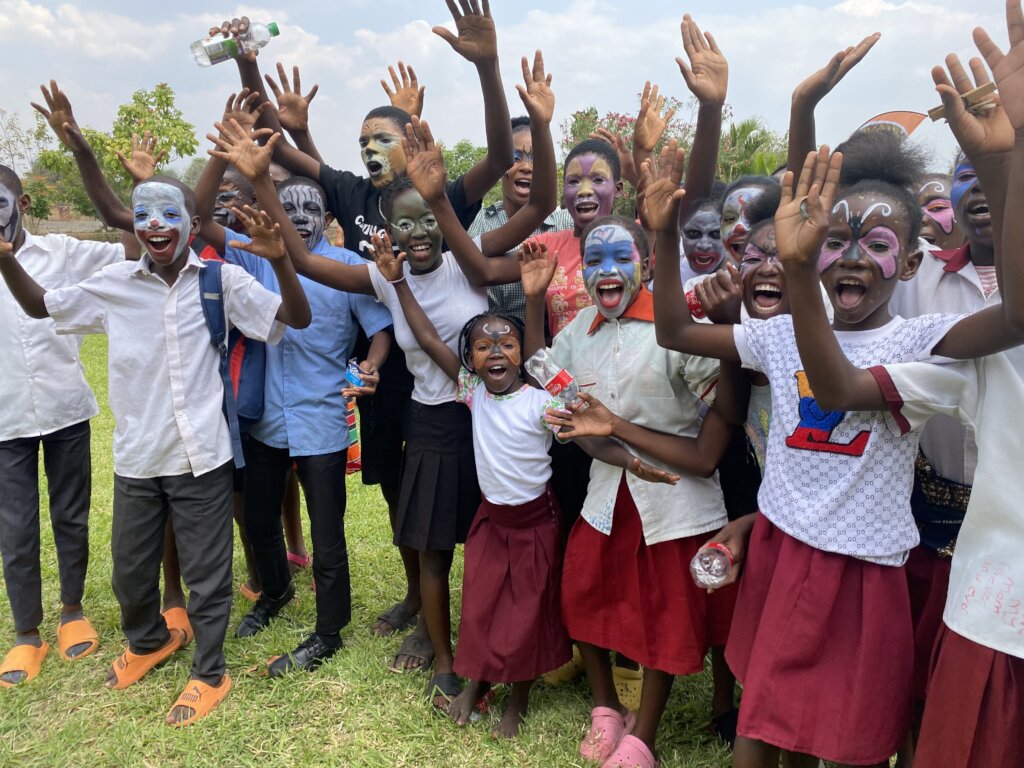
Colorful Parades & Performances: Students and community groups delivered plays, songs, and dances dramatizing the urgency of climate action.
Keynote Speeches: Leaders from government, NGOs, and CWET underscored the importance of united efforts.
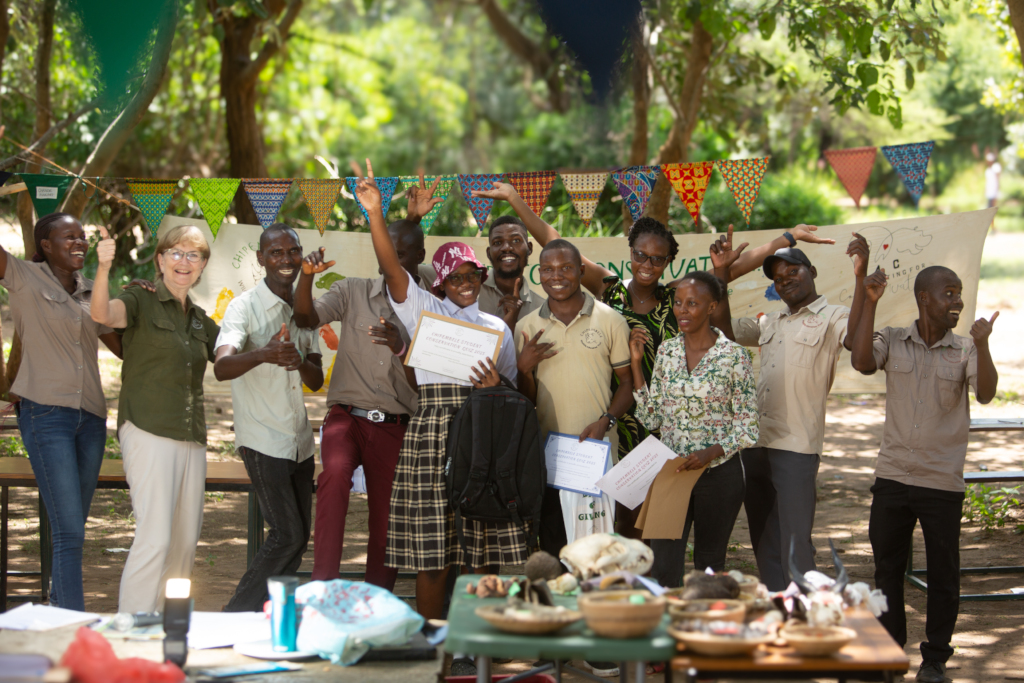
Climate Change song competition awards
The atmosphere was both festive and determined, with participants celebrating their achievements while confronting the shared responsibility of climate change.
Outcomes and Impact
The campaign achieved meaningful impact across several fronts:
Awareness Raised: Hundreds of participants gained a clearer understanding of how climate change affects their lives and environment.
Youth Empowered: Conservation club members gained visibility as young leaders, reinforcing their role in shaping the future.
Community Mobilized: Attendance and engagement demonstrated a growing appetite for action at grassroots level.
Partnerships Strengthened: The campaign reinforced collaboration between CWET, local NGOs, DNPW, and traditional leaders.
Practical Action Initiated: Tree planting, clean-up campaigns, and household adoption of fuel-efficient stoves began laying foundations for lasting change.
Lessons Learned
Coordinating a two-month campaign across multiple zones required significant planning and resources, but the benefits of inclusivity outweighed the challenges. Another key lesson was the importance of local storytelling and performance in translating complex climate science into relatable experiences, ensuring understanding across all age groups and literacy levels.
Most importantly, the campaign demonstrated that community-led change is possible when diverse voices unite under a common cause.
Conclusion
The 2025 Climate Change Campaign was more than an awareness drive—it was a movement of energy, collaboration, and determination. By combining education, creativity, and action, Chipembele and its partners nurtured a spirit of environmental stewardship that will outlast the campaign itself.
As climate pressures intensify, this campaign stands as a reminder that resilience begins at the community level, with young people, traditional leaders, NGOs, and government working side by side.
Chipembele Wildlife Education Trust remains committed to empowering Mambwe District’s communities to become agents of positive change—for themselves, for wildlife, and for the future of the South Luangwa ecosystem.
Links:
By Anna Tolan | Founding Director
By Anna Tolan | Founding Director
Project reports on GlobalGiving are posted directly to globalgiving.org by Project Leaders as they are completed, generally every 3-4 months. To protect the integrity of these documents, GlobalGiving does not alter them; therefore you may find some language or formatting issues.
If you donate to this project or have donated to this project, you can receive an email when this project posts a report. You can also subscribe for reports without donating.