By Caleb Probst | Education Outreach Associate
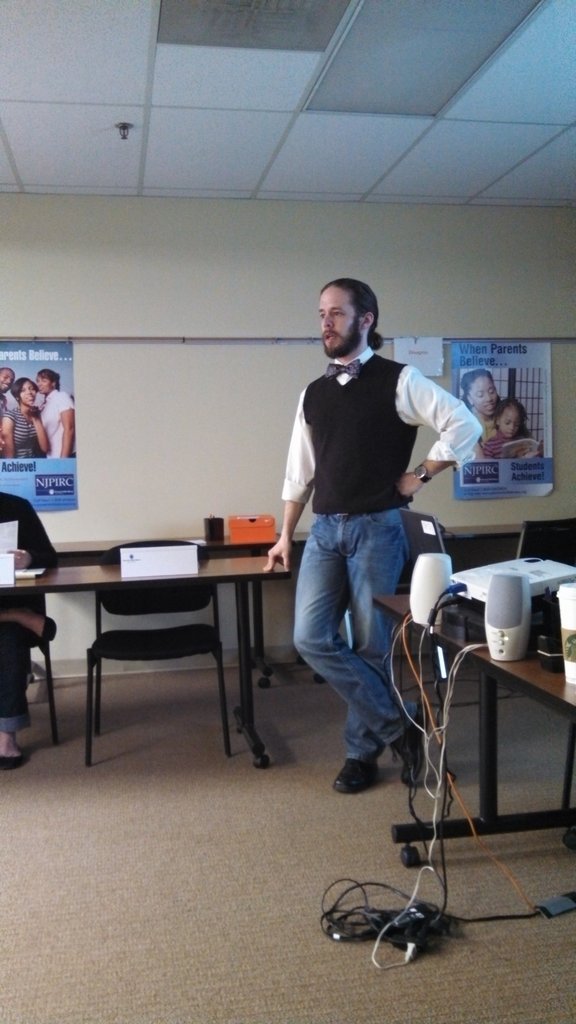
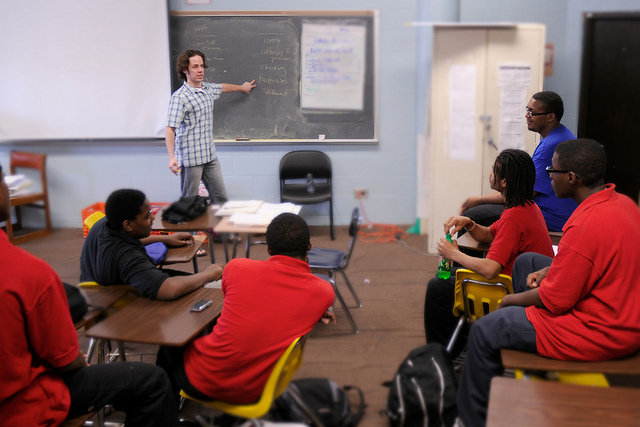
I was asked to come into a high school in Chicago to work with their 9th grade boys. The school indicated that they were troubled by the behavior exhibited in the halls by some of the boys toward some of the girls, and thought the boys would benefit from going through our program, Empowering Young Men to End Sexual Exploitation. At the start of the first day, I asked the boys to write down words they would use to describe “a prostitute.” The majority of the responses were words like, “slut,” “hoe,” “THOT” (That Hoe Out There), “easy,” “nasty,” “dirty,” and “worthless.” Many of these words were the same words that the administration reported hearing directed at the girls in the school. At the end of the 4-session program, I asked the same question. This time, however, the responses were words like, “abused,” “raped,” “alone,” “desperate,” “depressed,” and “victim.”
As these young men went through our 4-session program, they had an opportunity to examine the constructs of masculinity and think critically about how they influence their own decision making. They also had a chance to consider how their behavior, and the behavior of their peers, can impact their community. One student wrote, “I’ve learned that men treat women like crap, they use them as an object… I know that this puts girls in danger of becoming a prostitute.” He and his classmates began to see that objectifying women and degrading them with words like “slut” can have serious consequences. When asked how girls end up in prostitution, many responded with “they had a traumatized life,” “they had a rough childhood,” or “[society says] they have less power.”
Now, not every girl who is objectified and degraded will end up being commercially sexually exploited, and these young men acknowledged that. But as one student said, “we [never] know her story.” At the end of the final session, I asked the young men if there was anything that they would do differently now, based on what they had learned during the program. The two most common responses were “I will stop saying words like ‘thot’” and “I am going to respect women more.”
School is out for the summer now, but let’s hope they keep their promises.
By Caleb Probst | Education Outreach Associate
By Caleb Probst | Education Outreach Associate
Project reports on GlobalGiving are posted directly to globalgiving.org by Project Leaders as they are completed, generally every 3-4 months. To protect the integrity of these documents, GlobalGiving does not alter them; therefore you may find some language or formatting issues.
If you donate to this project or have donated to this project, you can receive an email when this project posts a report. You can also subscribe for reports without donating.