By Aarushi Gupta | Development & Grants Manager
Introduction
Staggering levels of environmental pollution, an overburdened public transportation system,and rising unemployment in India have made the transition to renewable energy the need ofthe hour.
India has been steadily investing in the renewable energy sector, particularly solar and wind energy, to reduce reliance on fossil fuels, increase job creation, and forge a path towards a cleaner environment for all. In 2023-2024 alone, renewable energy accounted for 20.75% oftotal energy generated.
In the spirit of integrating rural areas into India’s path towards a greener economy, The Desai Foundation continues to uphold its mission to empower rural communities by equipping itswomen with technical skills to meet the demands of the renewable energy sector.
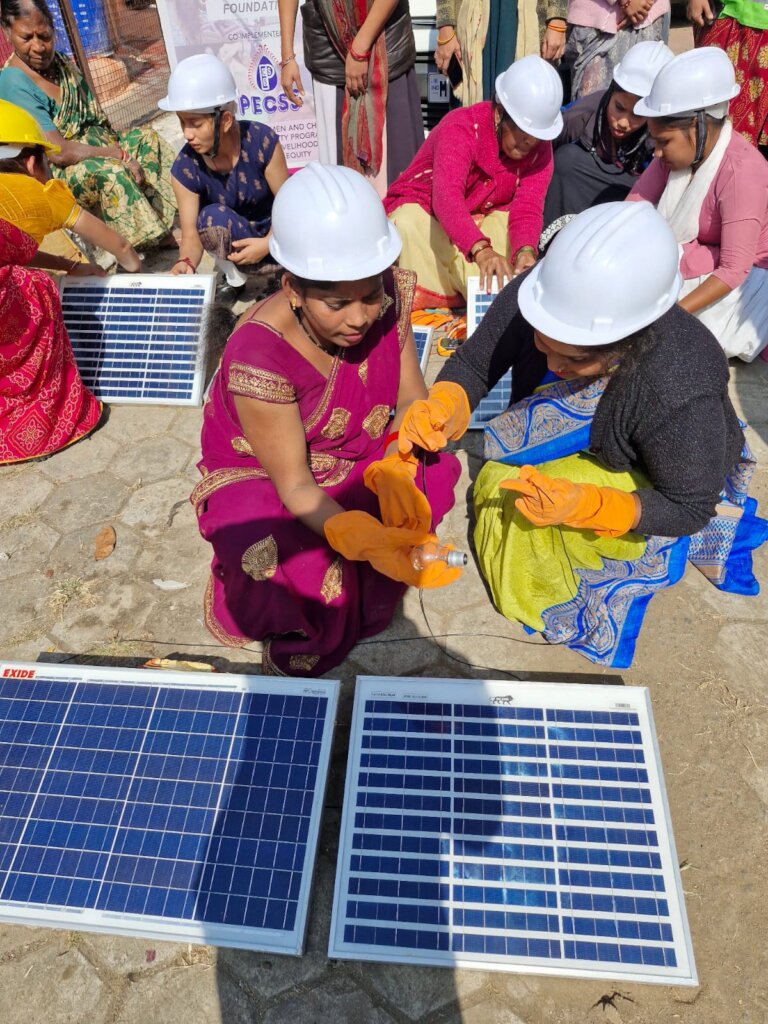
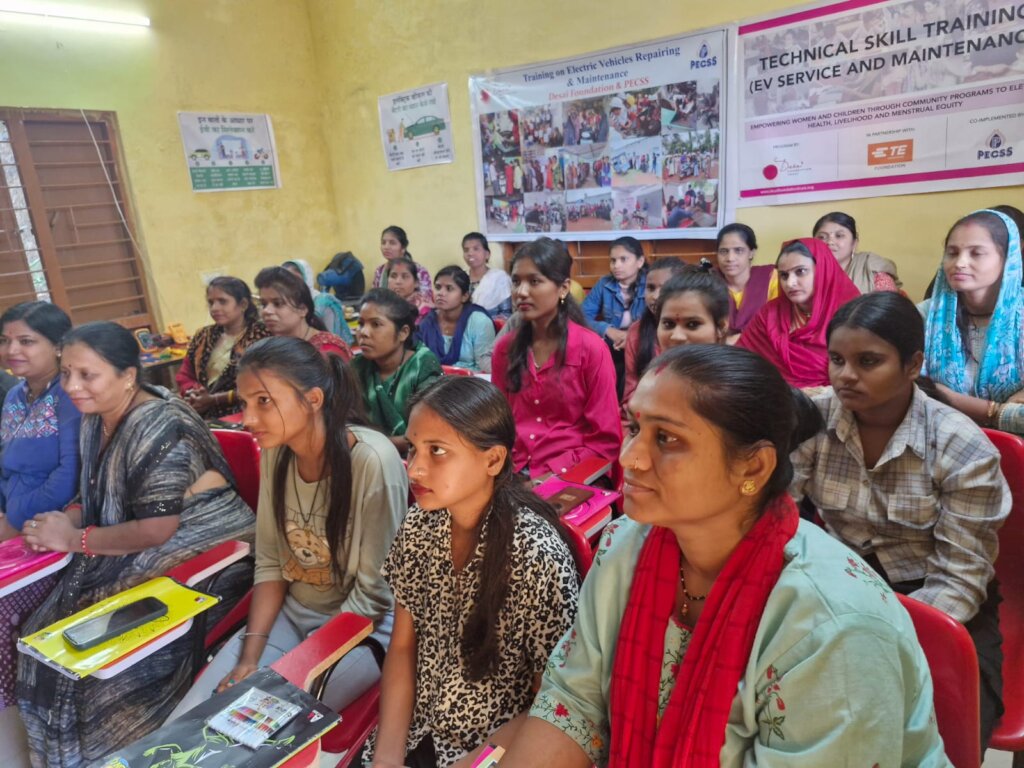
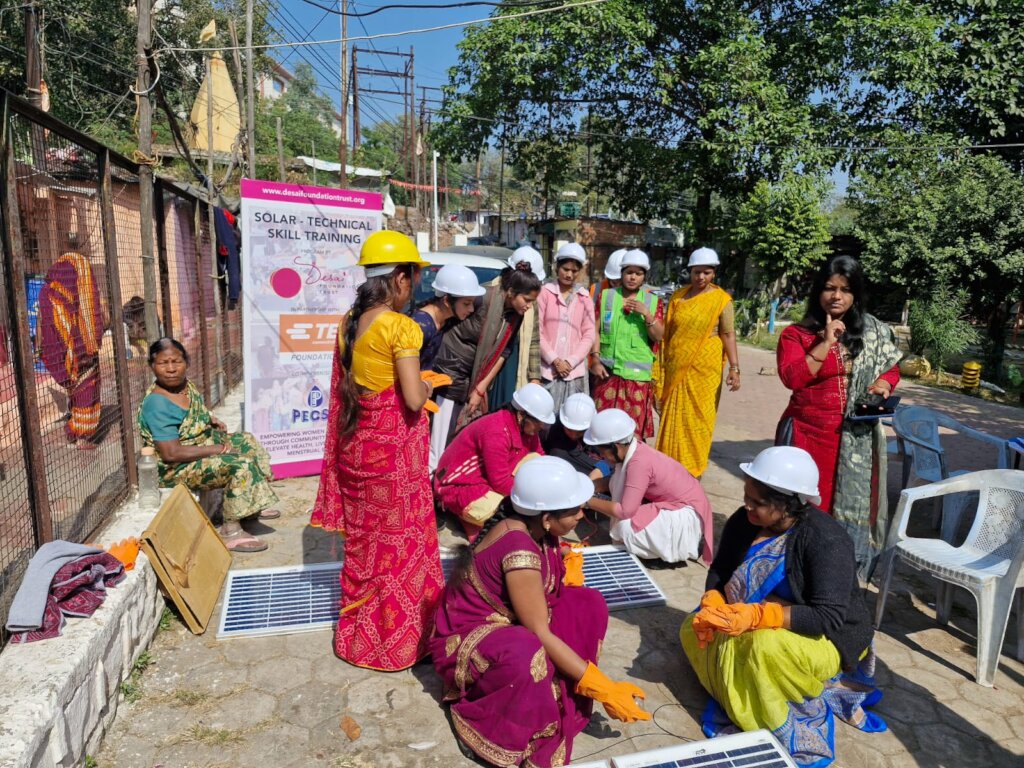
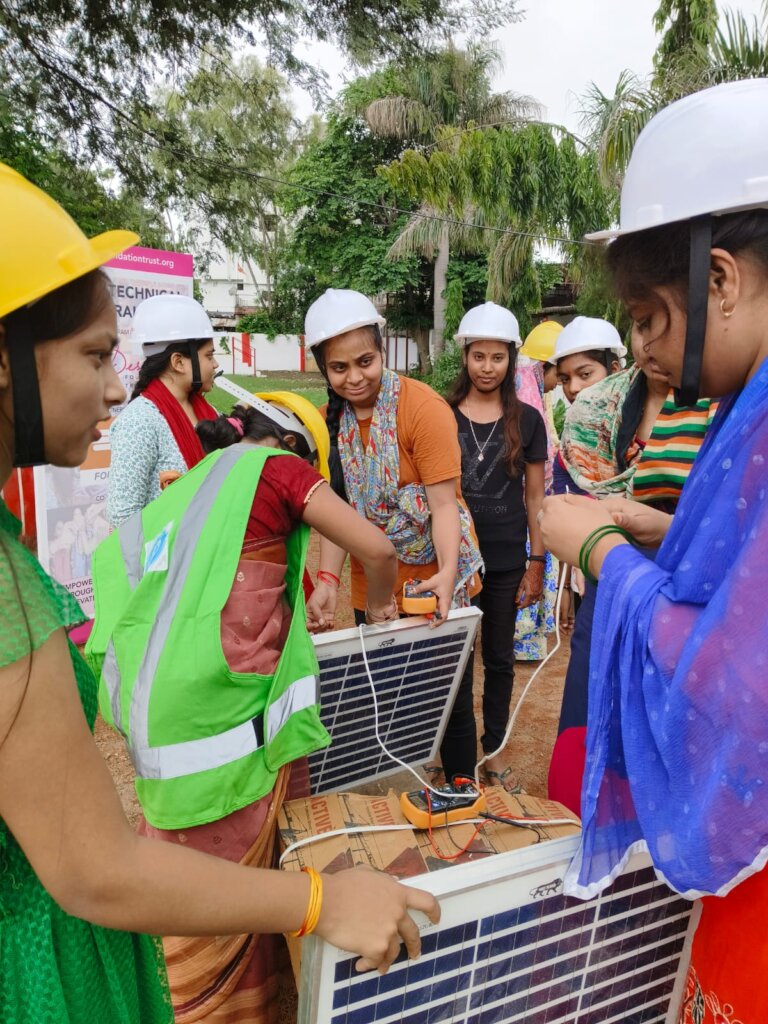
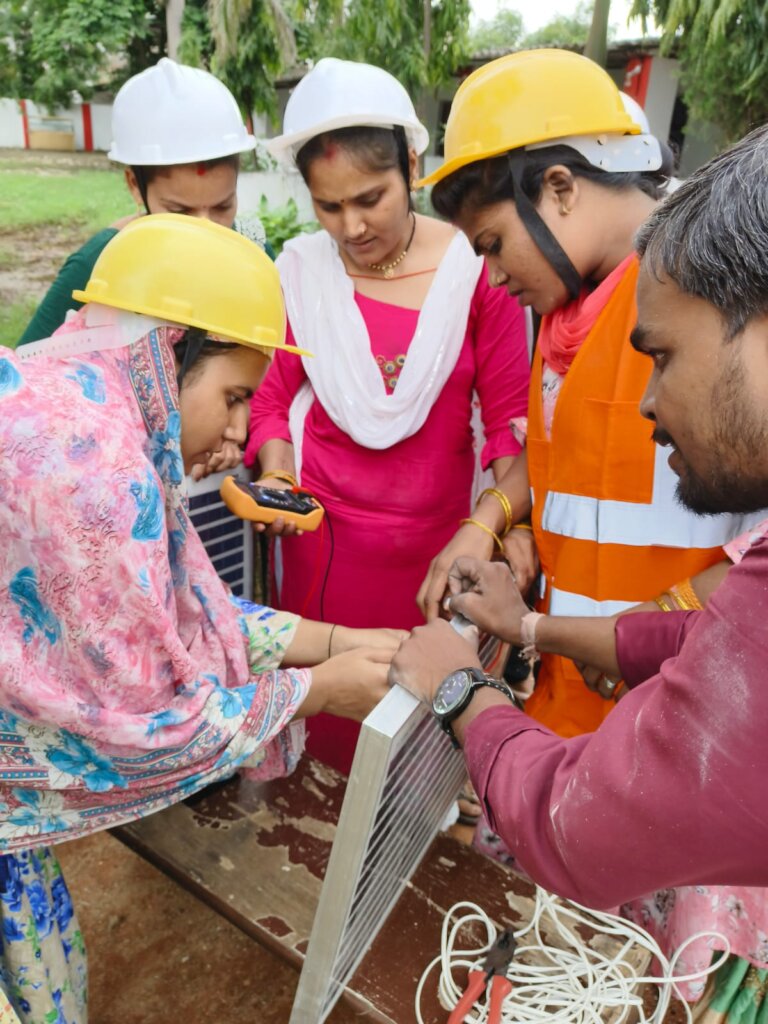
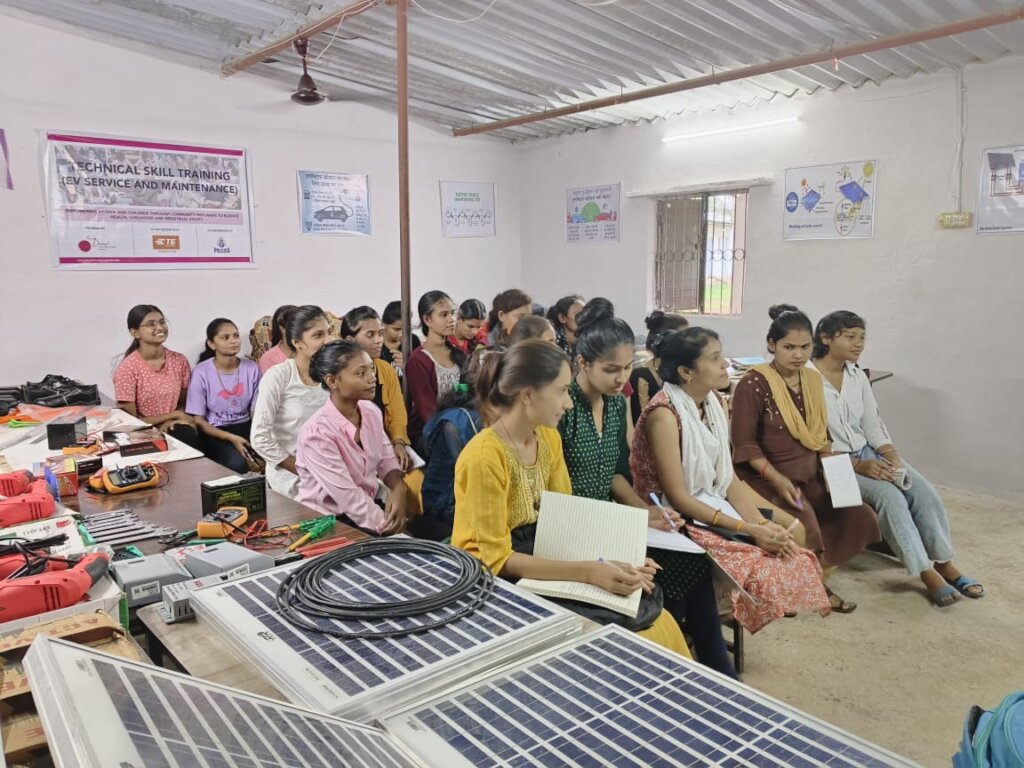
Under the Desai Foundation’s Climate Resilience programming, women aged between 18-35 years old in rural areas are trained to maintain, set-up, operate, and repair solar panels and Electric Vehicles (EV), specifically widely-used Rickshaws. These technical skills will enable women to join the workforce, gain financial independence, and spearhead environment-friendly and safe transportation for working women, children, and families between rural and urban areas.
Program Impact
As we have recently hit the milestone of directly impacting 10 Million lives in rural India, our EV Rickshaw Mechanic Training and Solar Skill Training Programs play a key role in empowering women and girls to develop diverse skill sets, gain financial independence, and contribute towards India’s 2030 renewable energy goals.
Beyond economic empowerment, the Desai Foundation's project encompasses broader socialand physical well-being for both participants and their communities. These climate resilience initiatives also provide a safe and greener transportation avenue for women, children, and families that want to travel to nearby villages or distant urban areas - ensuring that distance is never a deterrent in the pursuit of meaningful employment or education.
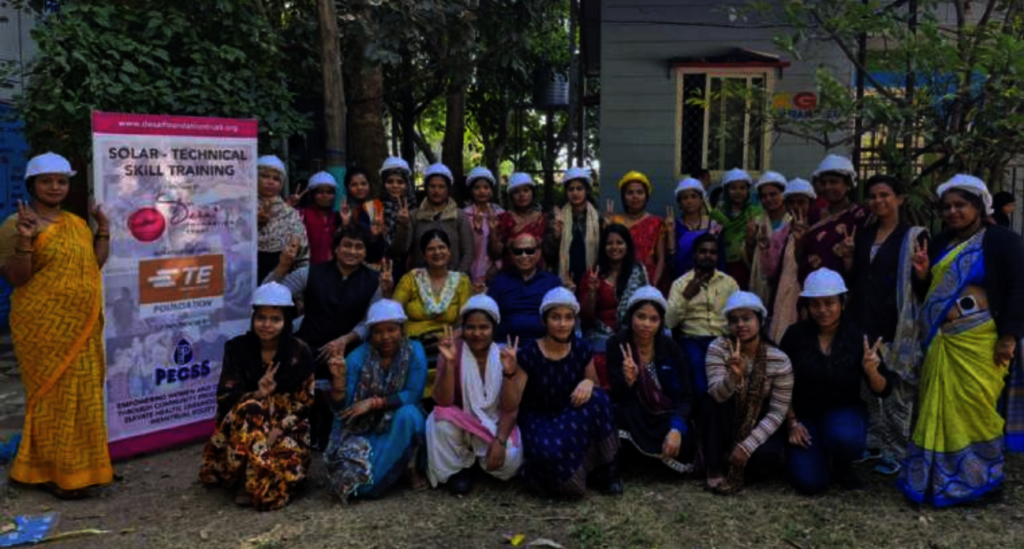
After the resounding success of our inaugural batches in Bhopal, Madhya Pradesh, we have significantly scaled our project in other districts of Bhopal to further magnify our impact:
Conclusion
The Solar Skill Training and EV Mechanic Training Programs have already demonstrated that they are key in not just empowering women in rural India, but also contributing towards a greener economy and safer transportation methods that connect far-flung rural India to essential amenities. By equipping women and girls with specialized knowledge and practical expertise, the programsare creating pathways for economic independence and community development. With significant achievements in enrollment, skill-building, and infrastructure, we are on track towards doing our part in fostering a sustainable green economy.
We are further determined to continue to scale out innovative and community-driven efforts increating meaningful change, especially in the way of societal challenges and obstacles, such as ingrained biases about how certain jobs (such as solar panel installation and EV Rickshawdriving) are not for women.
By challenging and overcoming these biases that hold women and societies back, we are building a future that aligns economic opportunities for women and girls with environmental stewardship and a brighter future for all.
Links:
Project reports on GlobalGiving are posted directly to globalgiving.org by Project Leaders as they are completed, generally every 3-4 months. To protect the integrity of these documents, GlobalGiving does not alter them; therefore you may find some language or formatting issues.
If you donate to this project or have donated to this project, you can receive an email when this project posts a report. You can also subscribe for reports without donating.



Support this important cause by creating a personalized fundraising page.
Start a Fundraiser