By Karla Aguerrebere | Project Leader
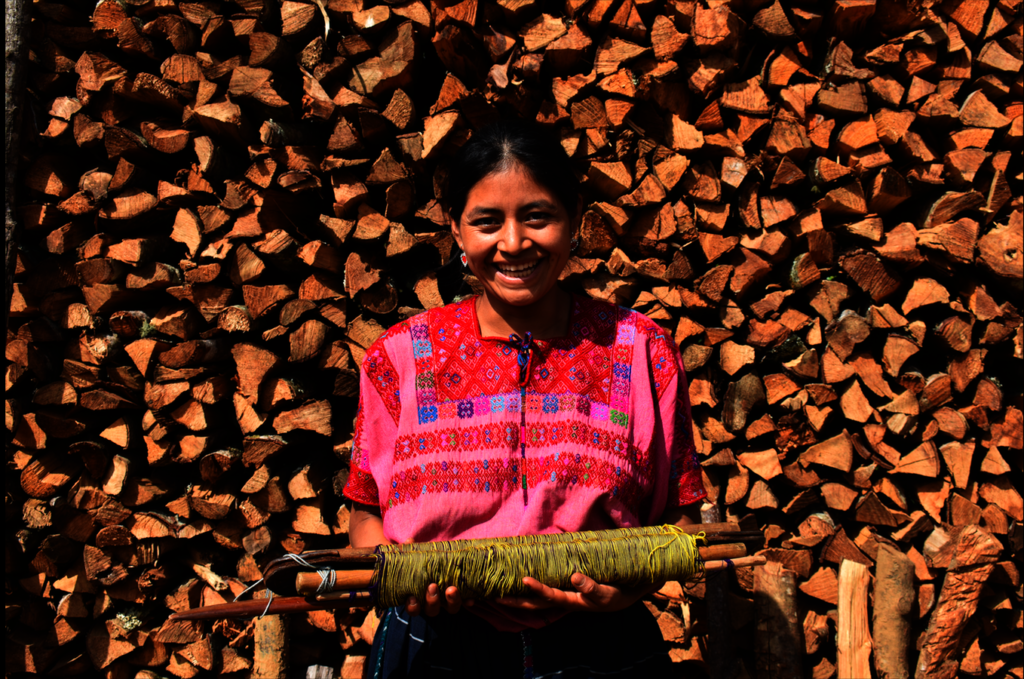
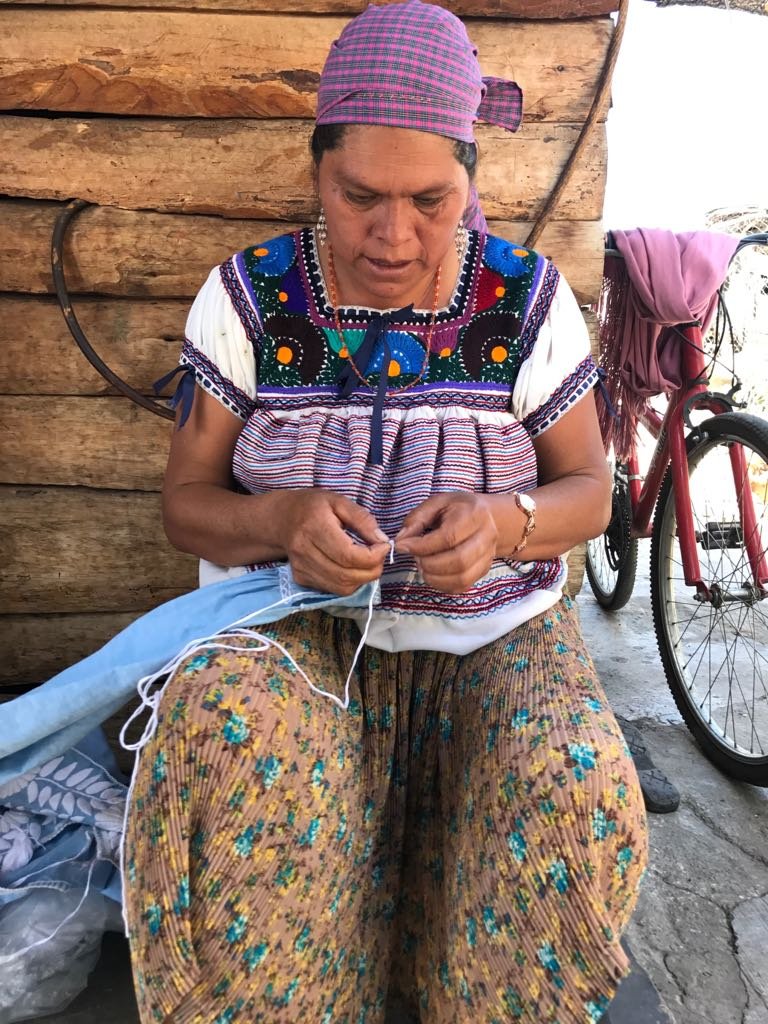
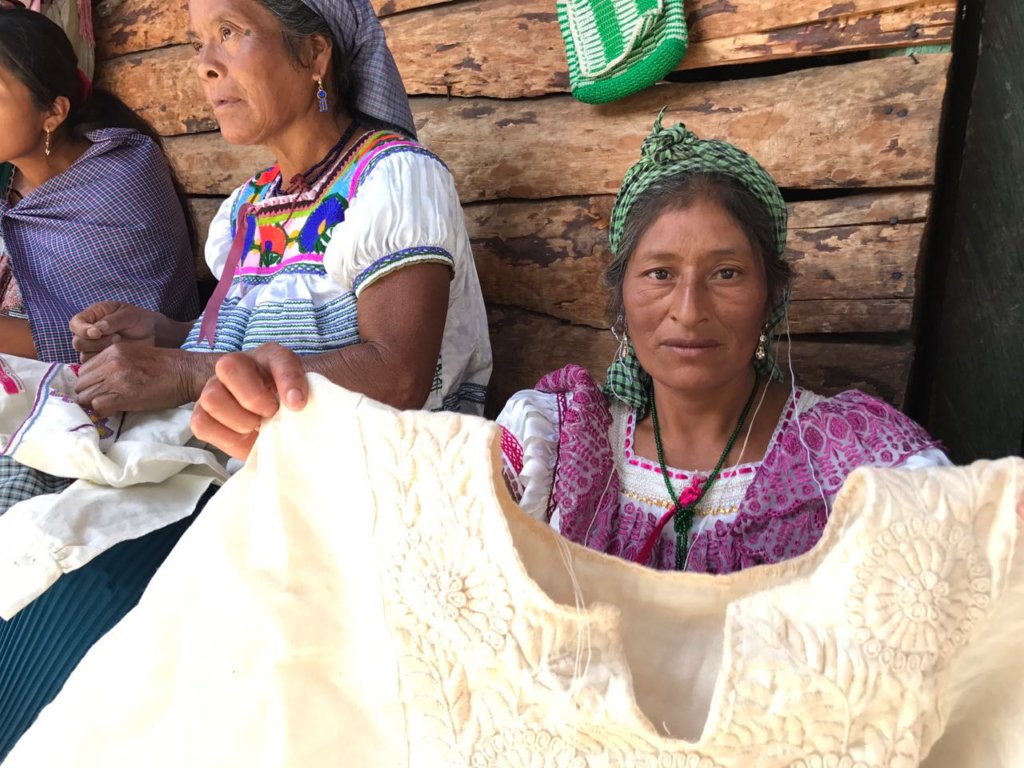
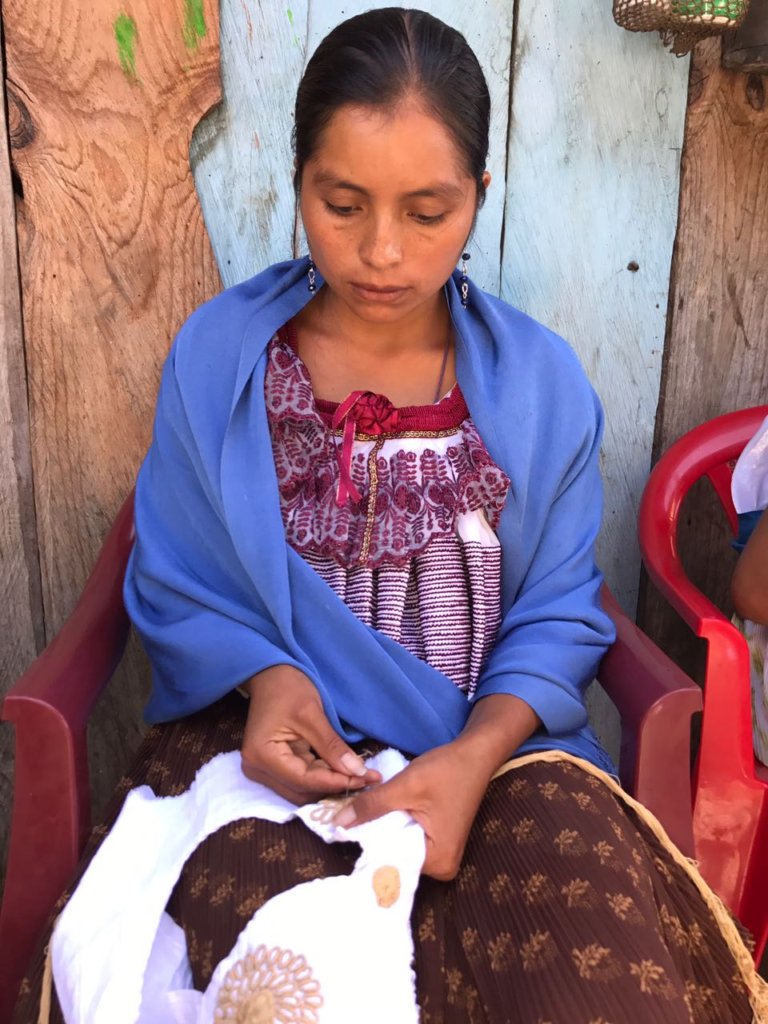
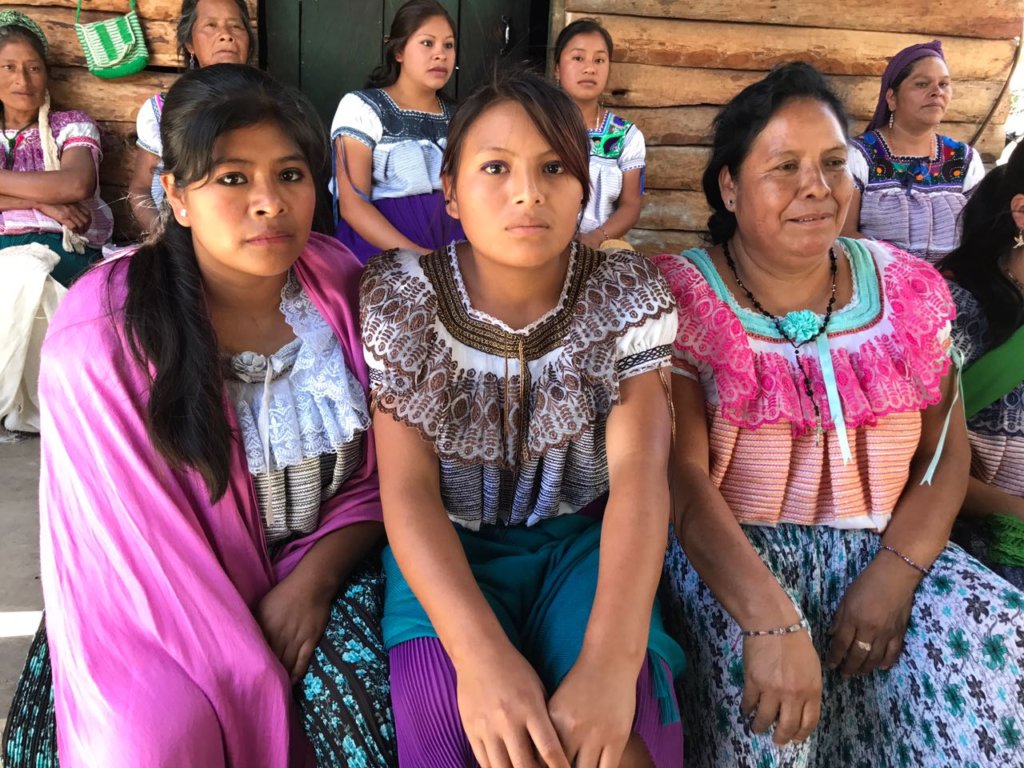
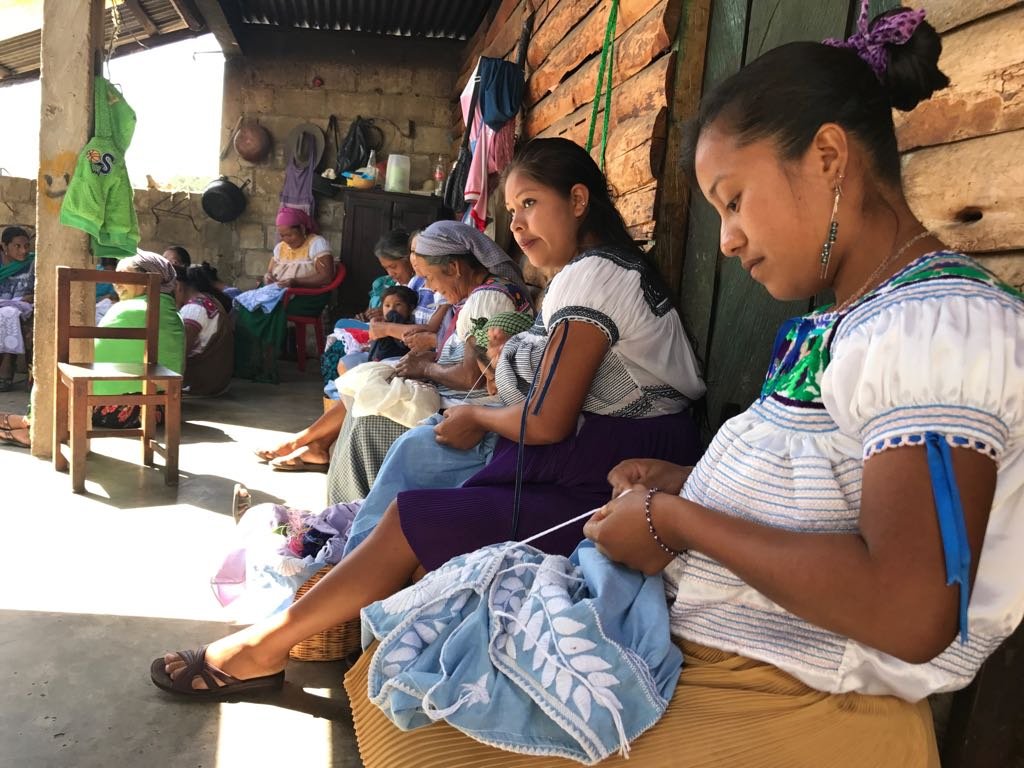
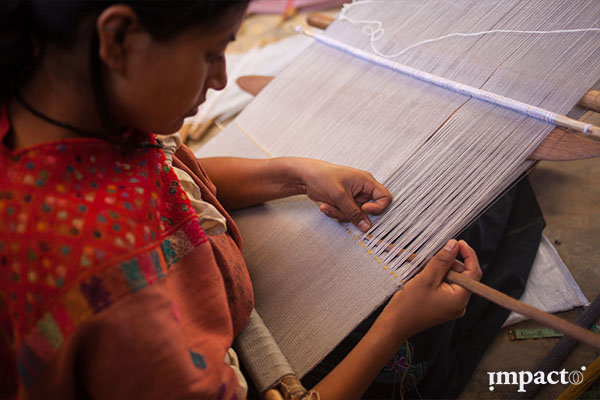
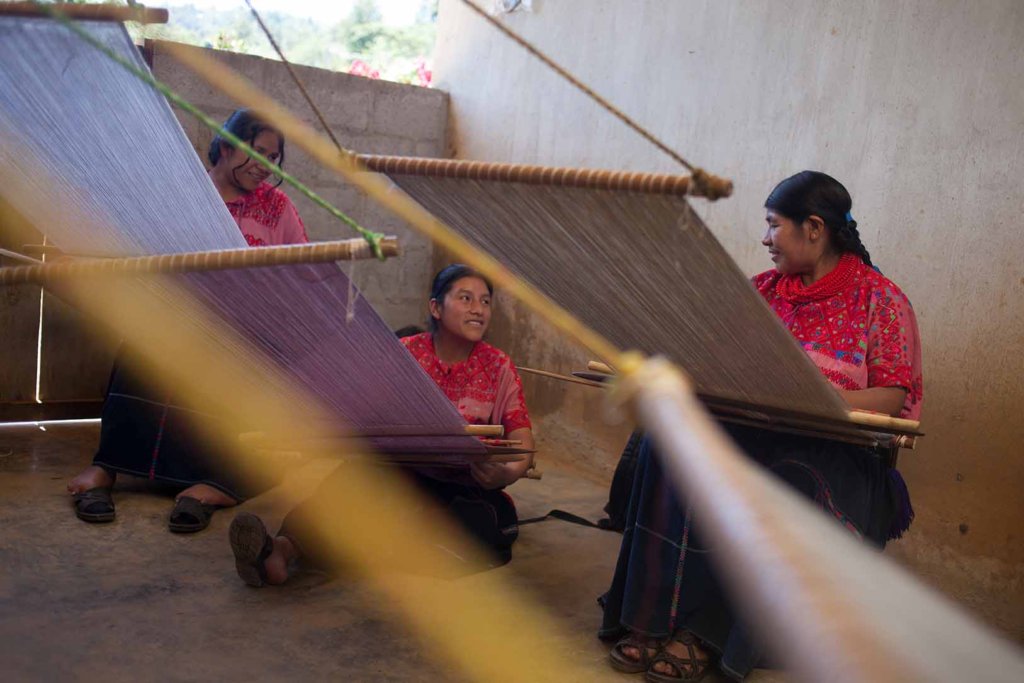
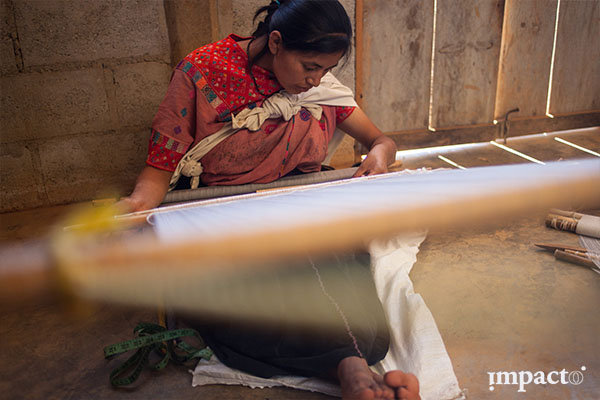
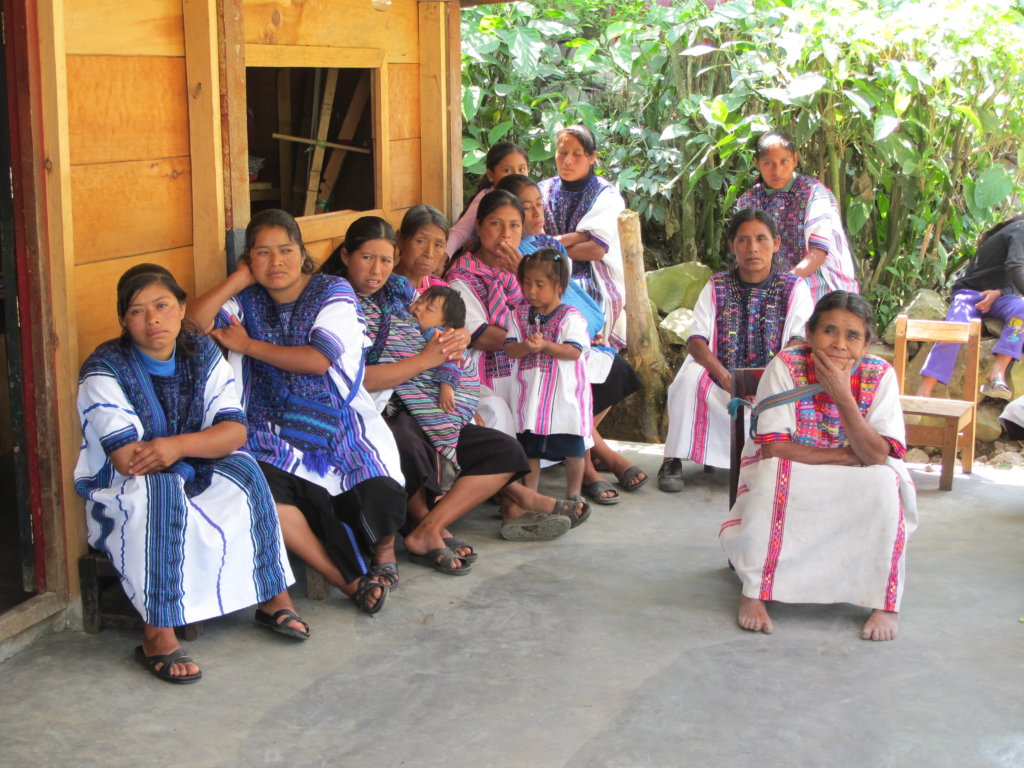
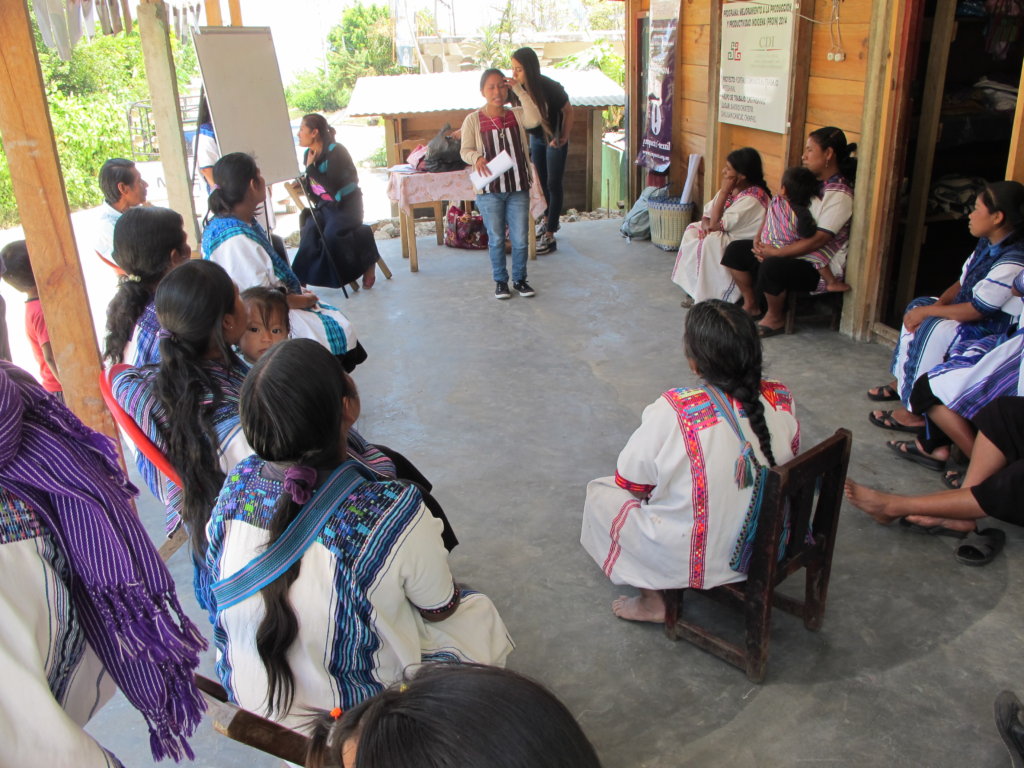
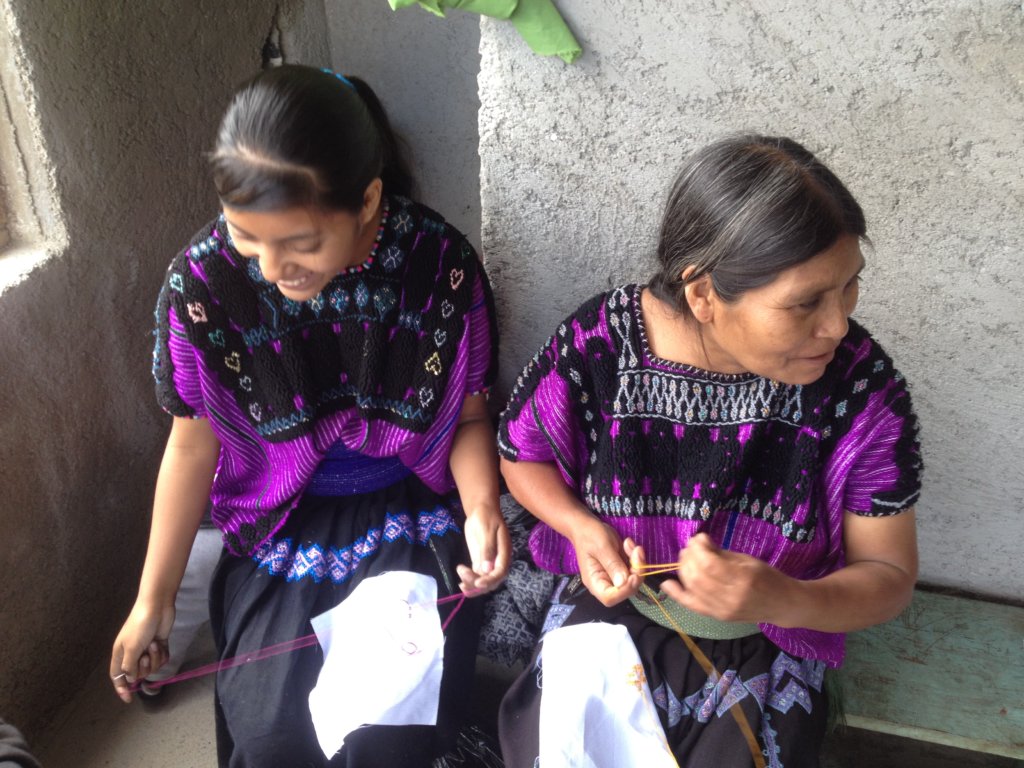
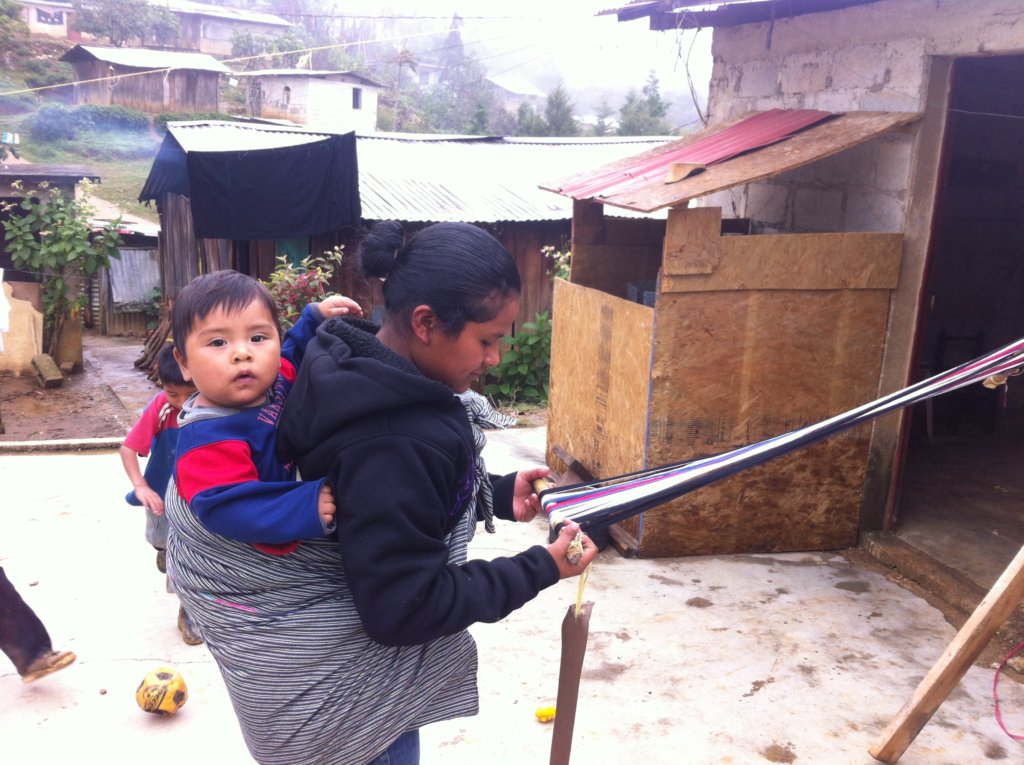
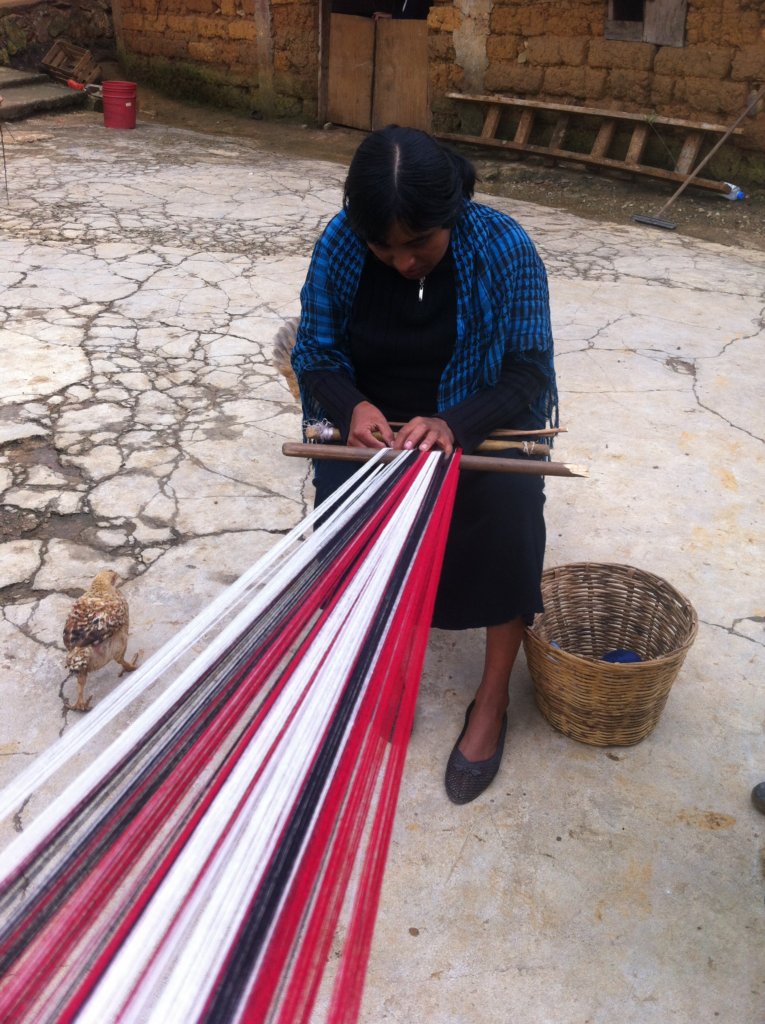
Over the past three months, the project has continued strengthening spaces where Indigenous Mayan women artisans can reflect on their textile knowledge, share it collectively, and use it as a foundation for new creative processes.
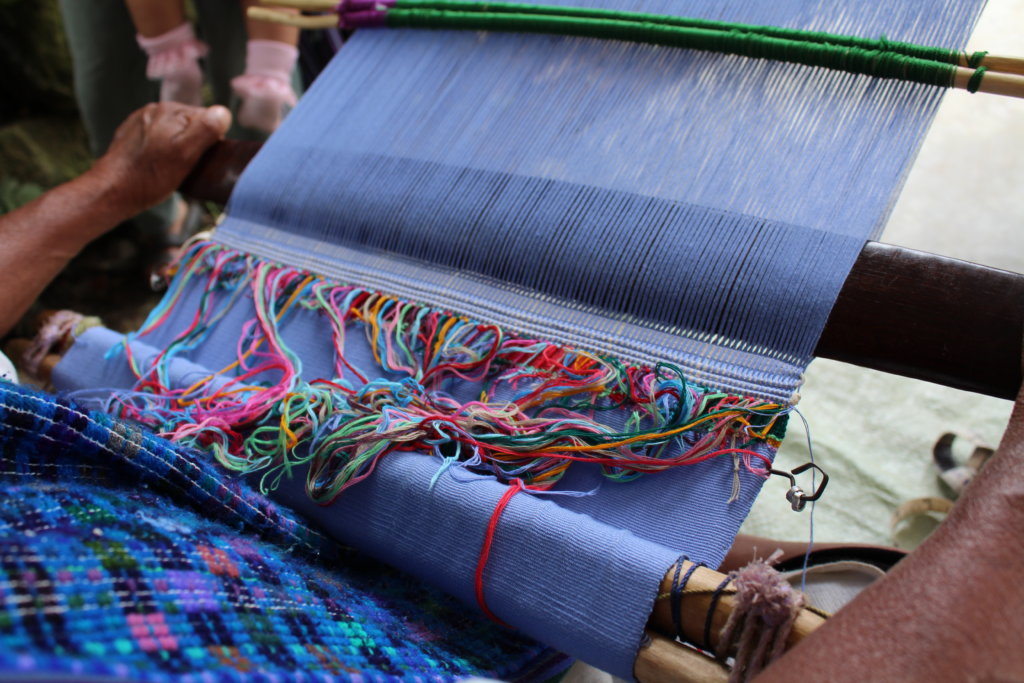
An important part of this work has focused on recognizing that safeguarding ancestral textile knowledge goes beyond preserving techniques. It also means strengthening women's ability to decide how their knowledge, designs, symbols, and cultural references are interpreted, shared, and transformed.
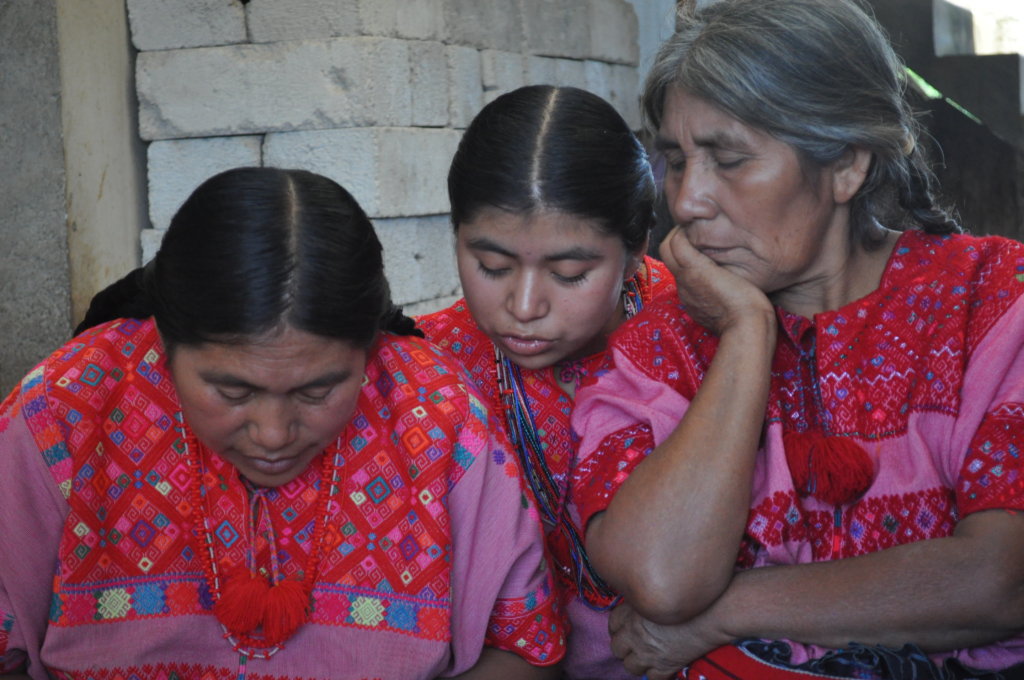
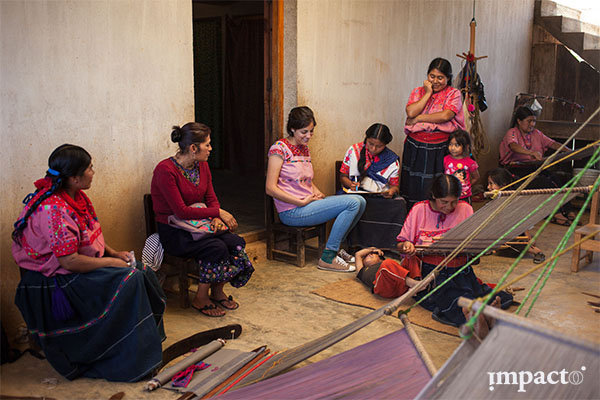
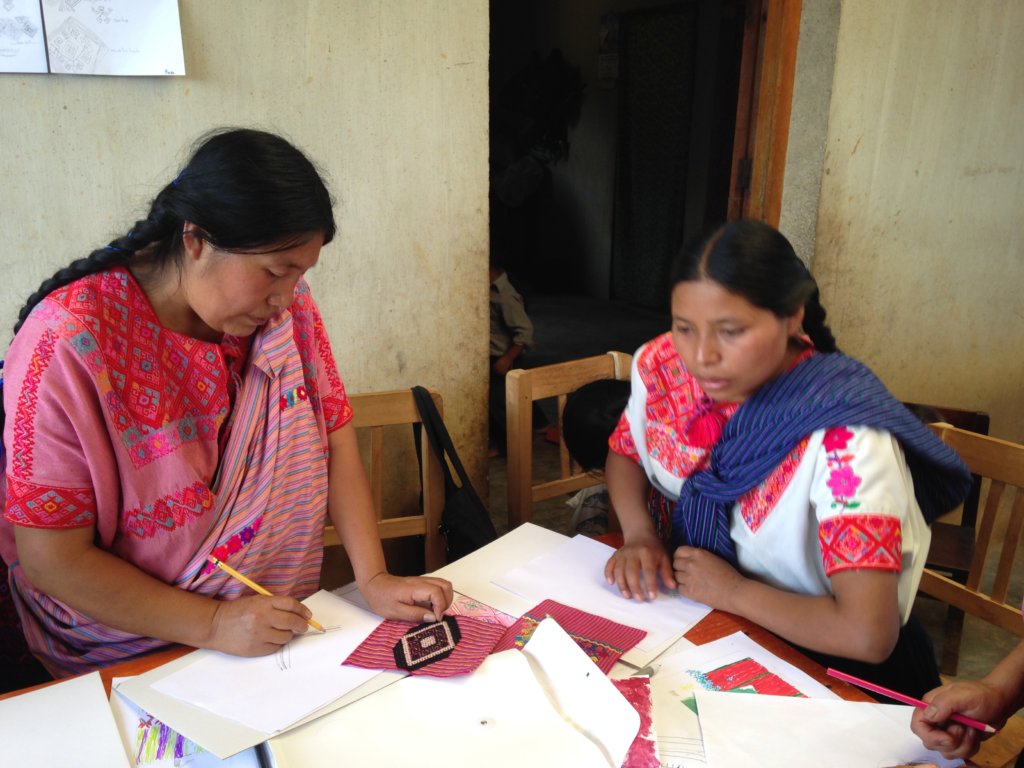
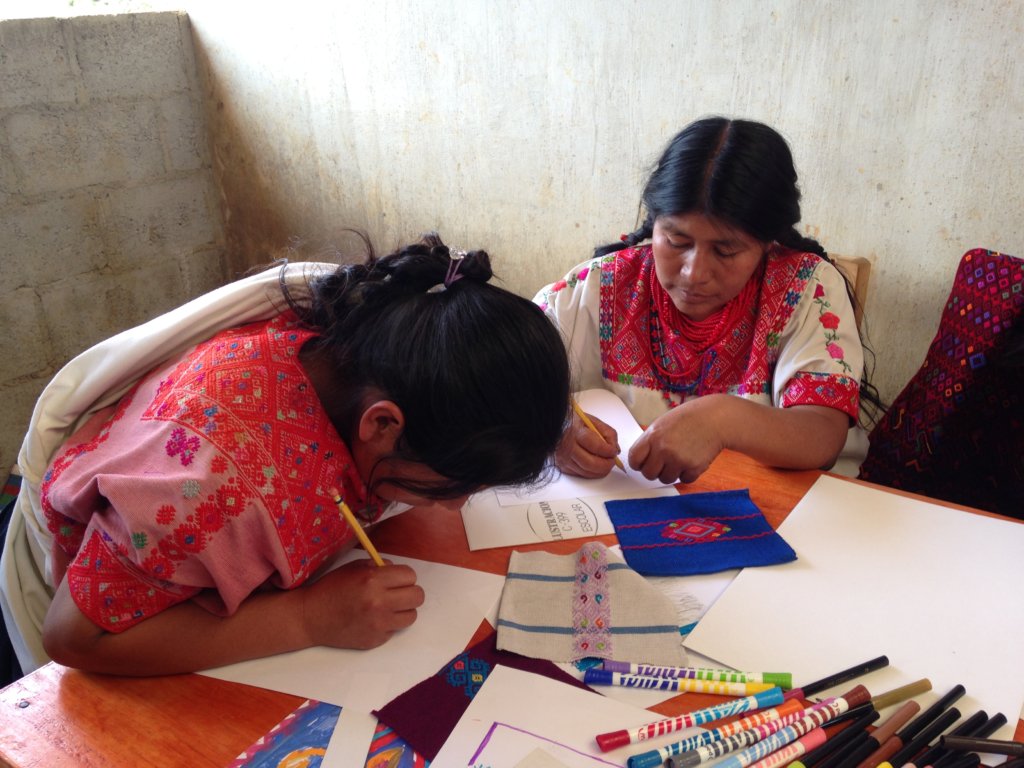
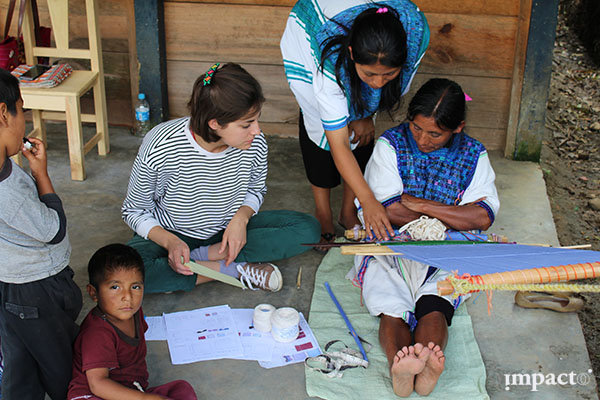
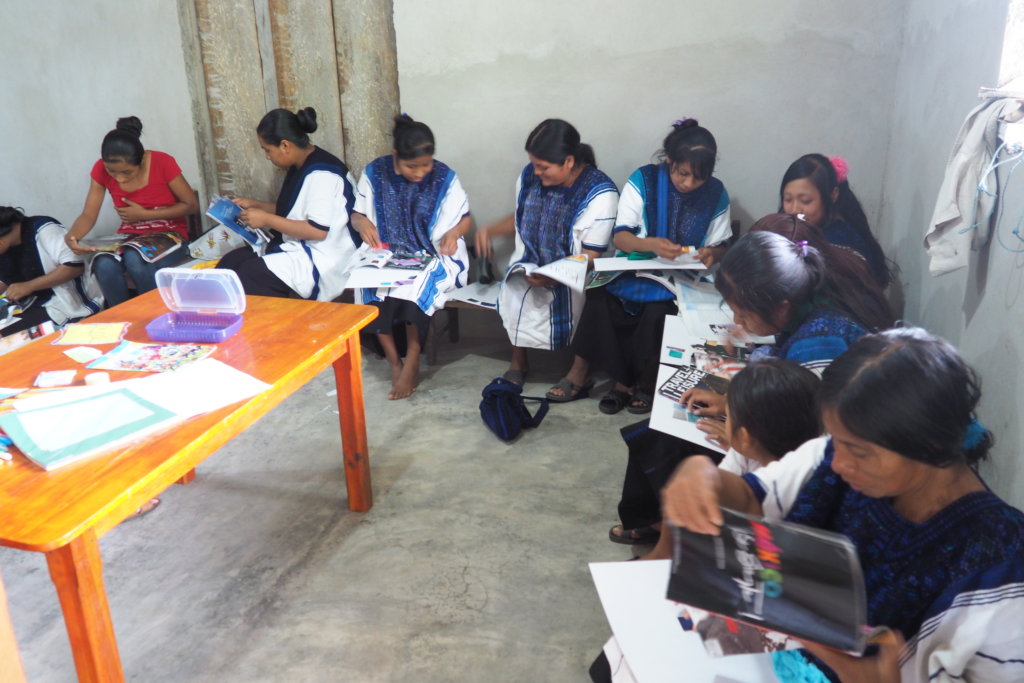
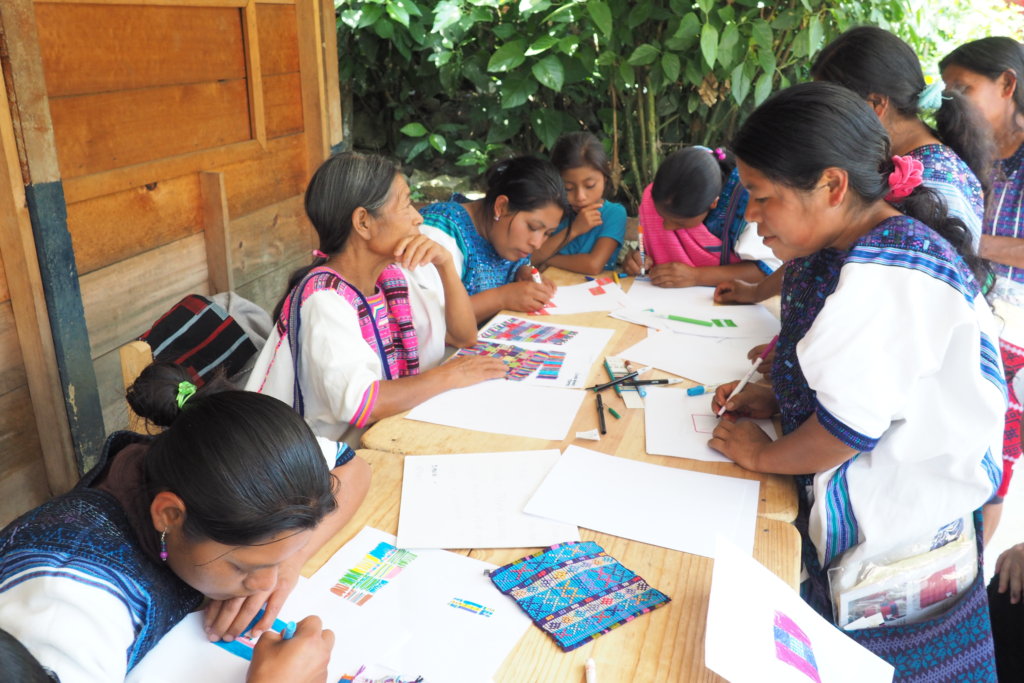
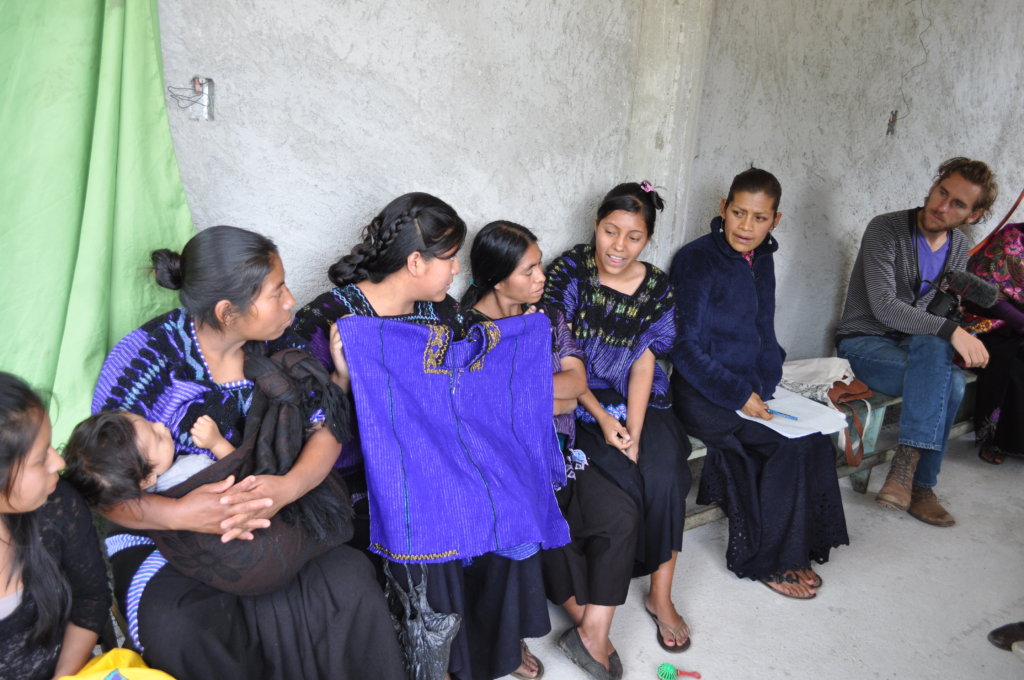
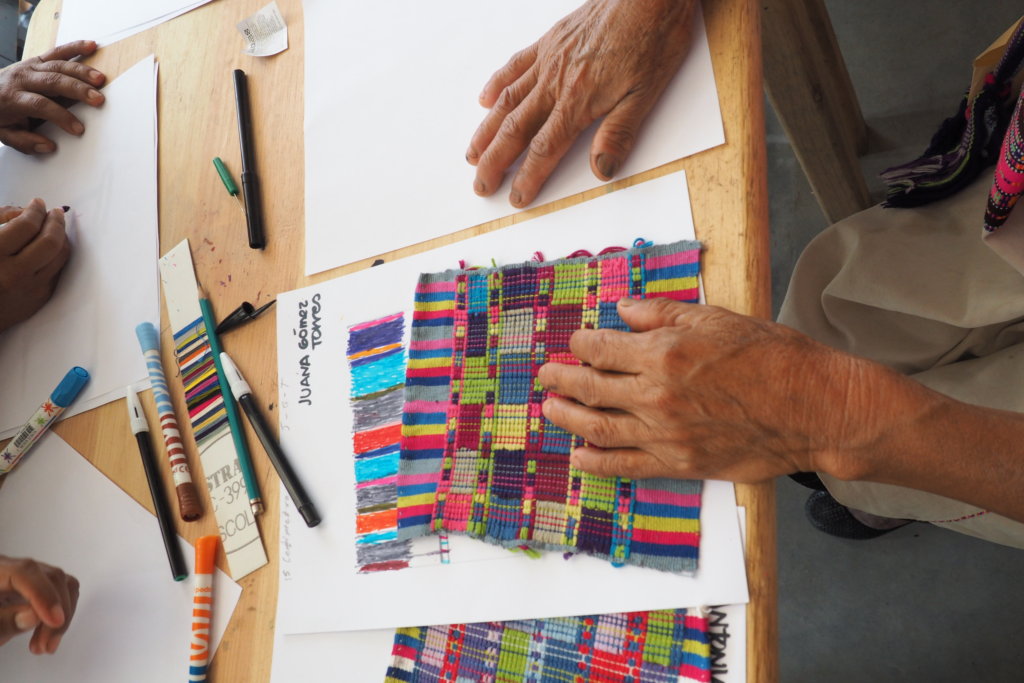
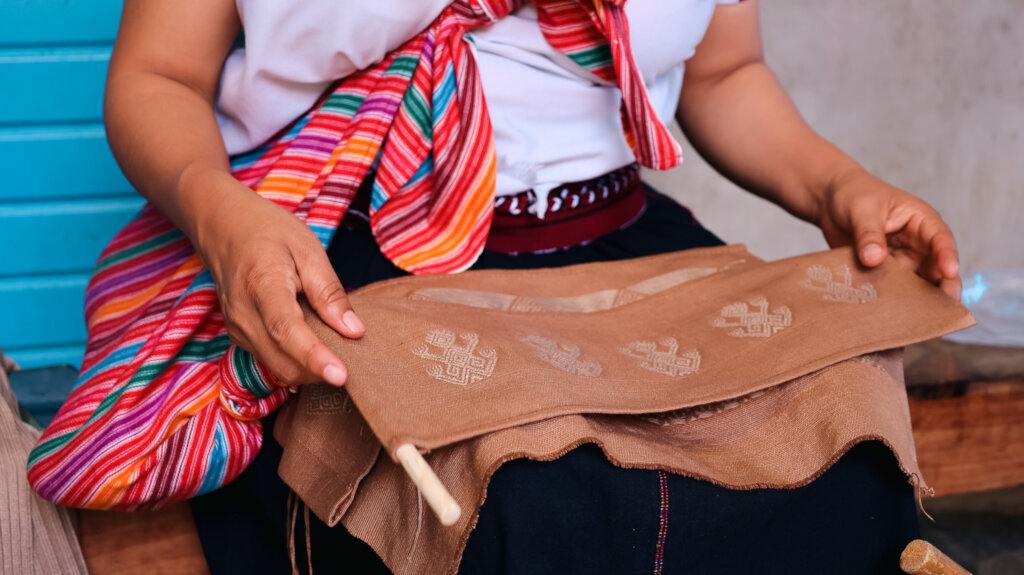
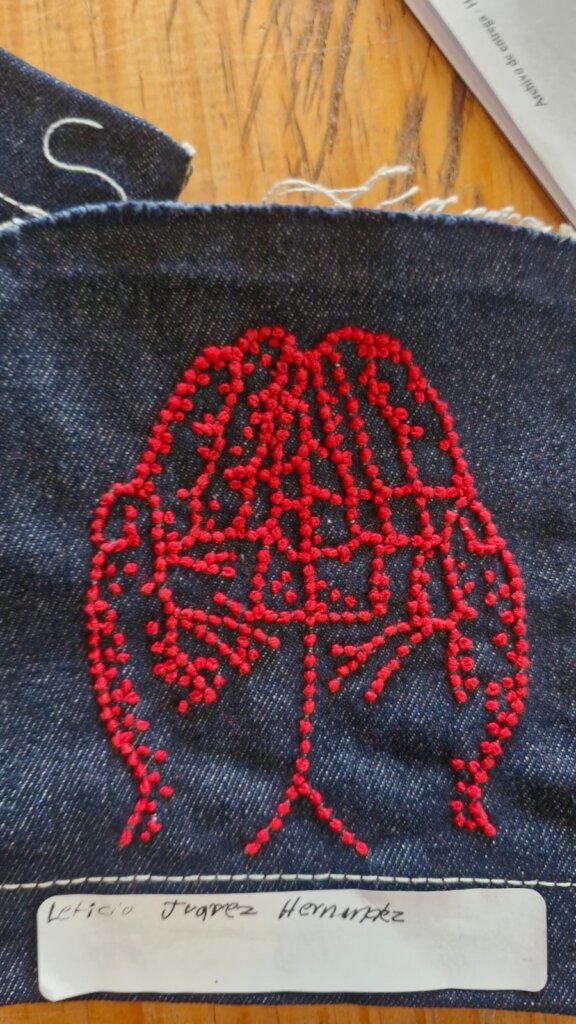
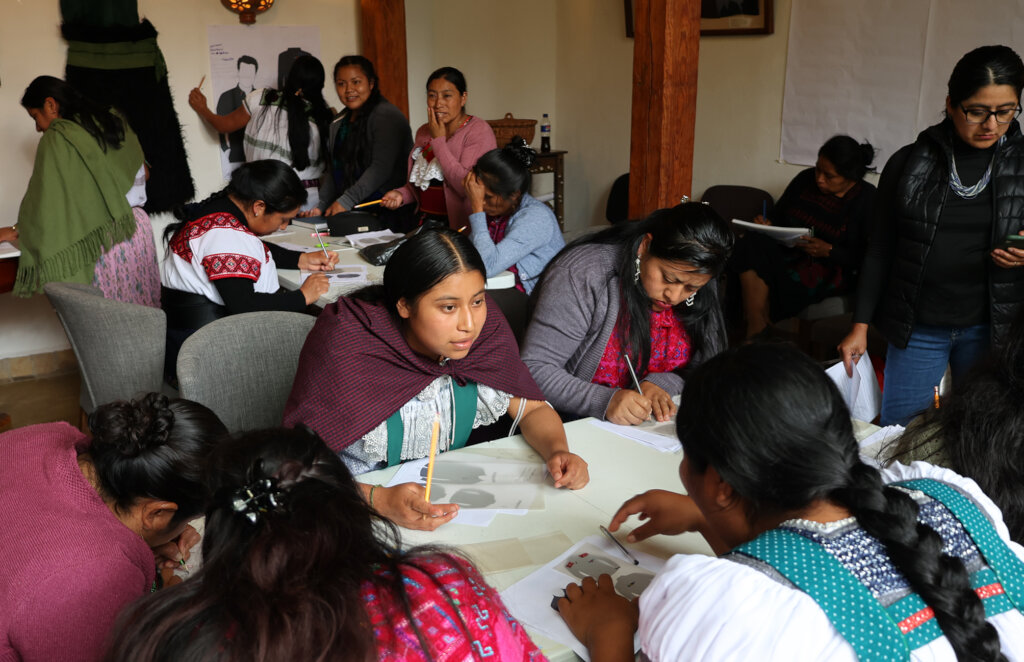
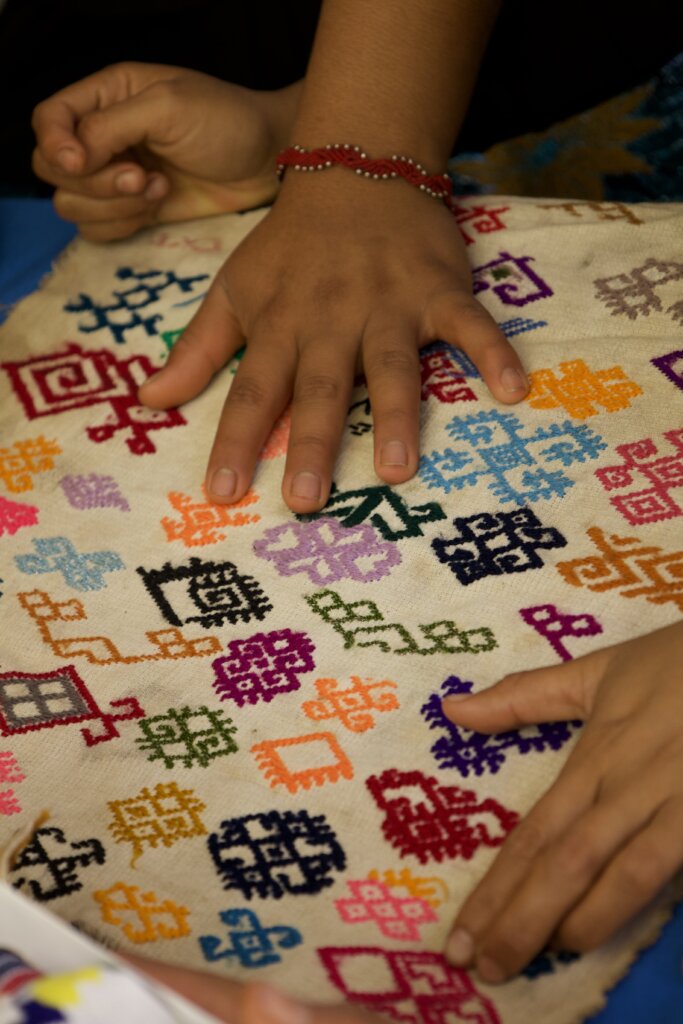
Through collective dialogue and creative exercises, women have explored traditional iconography from their own perspectives, reflecting on its meaning and identifying ways in which it can be reinterpreted in contemporary textile proposals. These processes create opportunities for innovation while keeping cultural knowledge connected to the women and communities from which it originates.
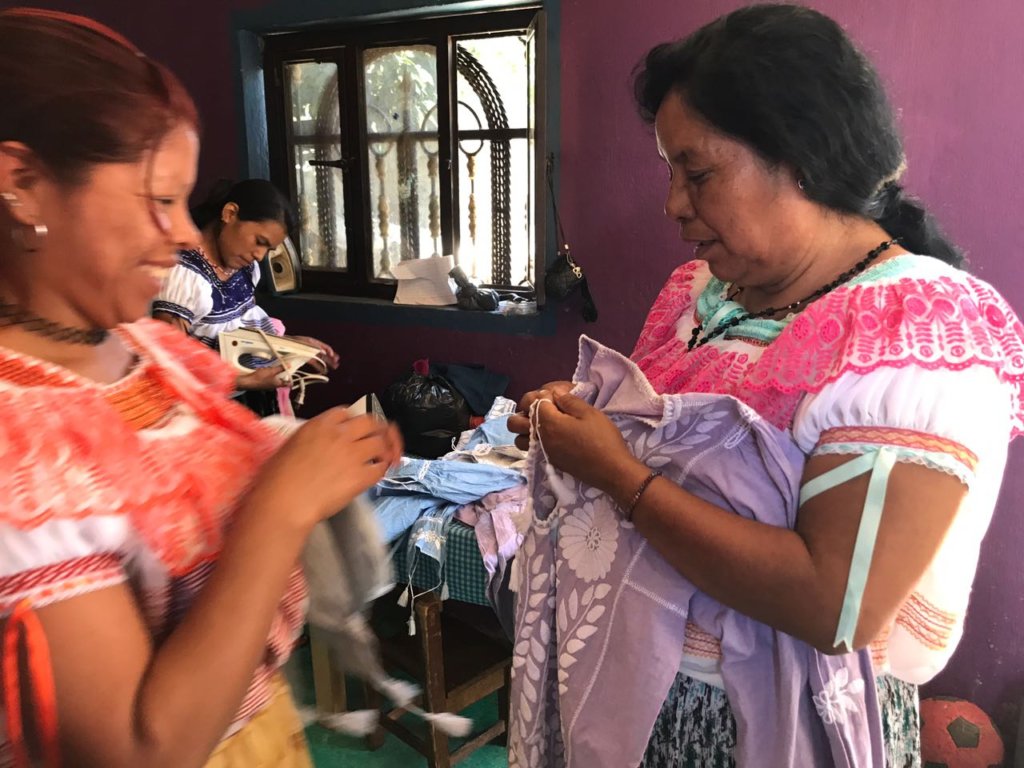
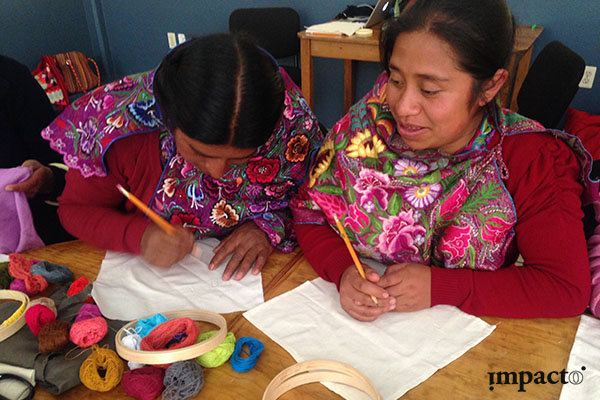
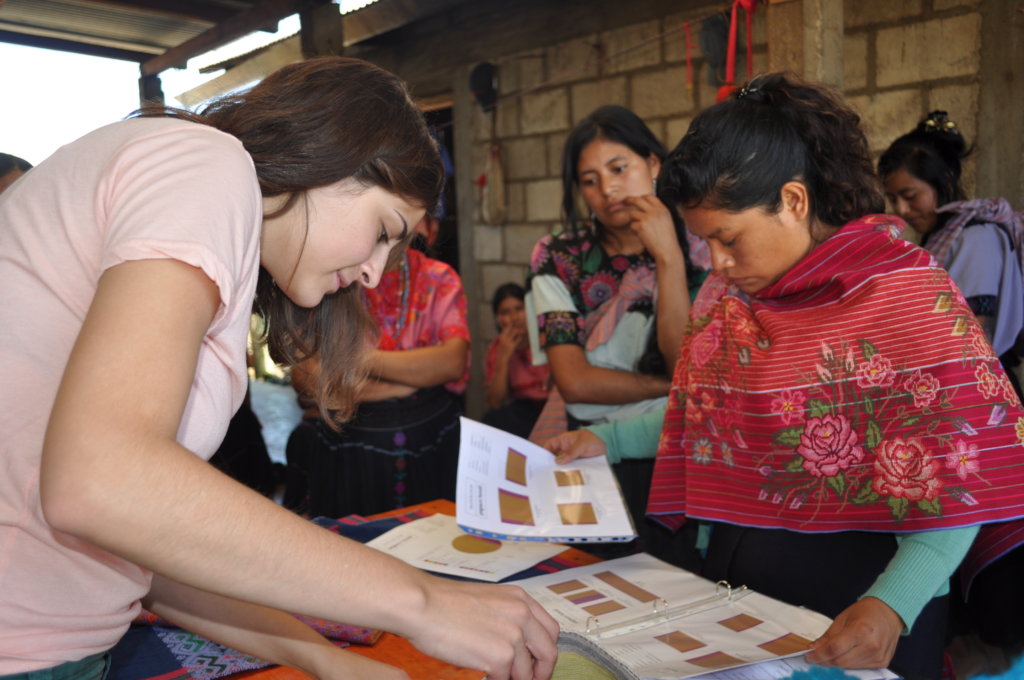
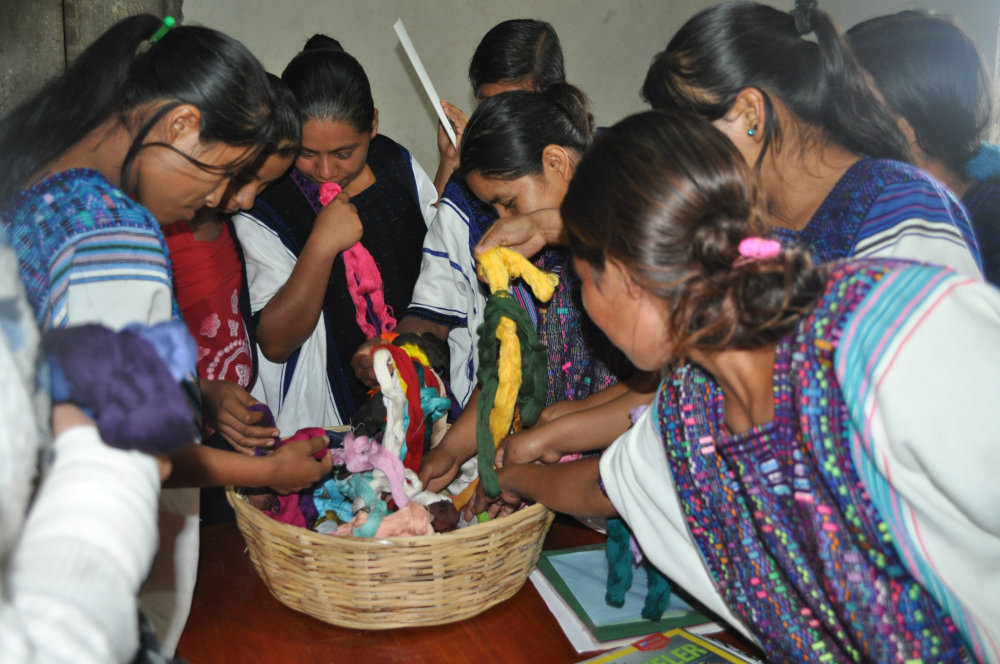
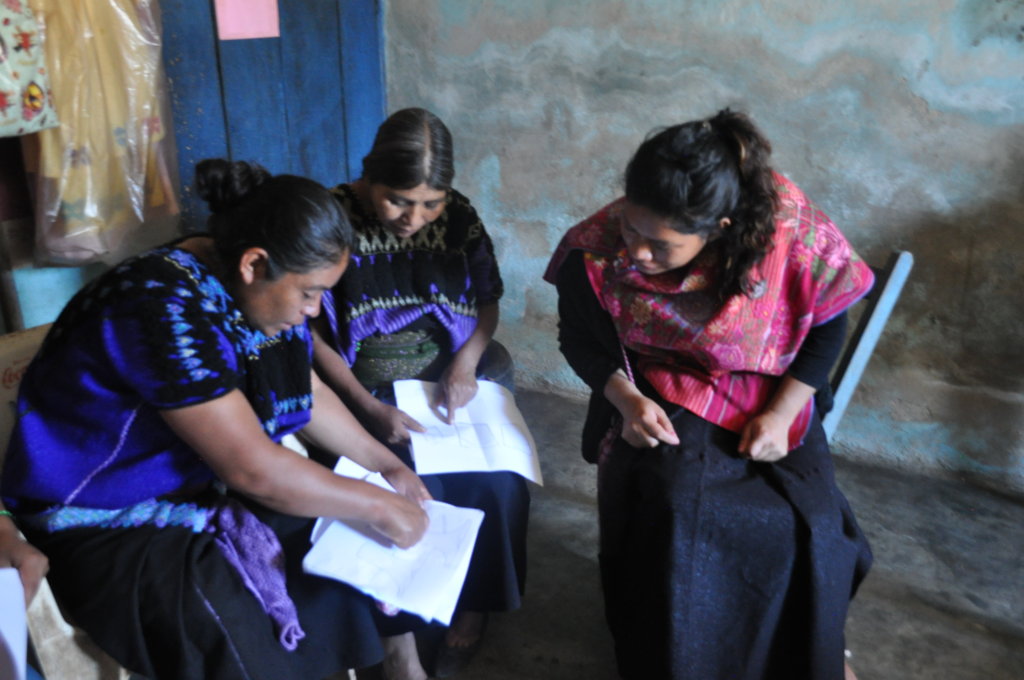
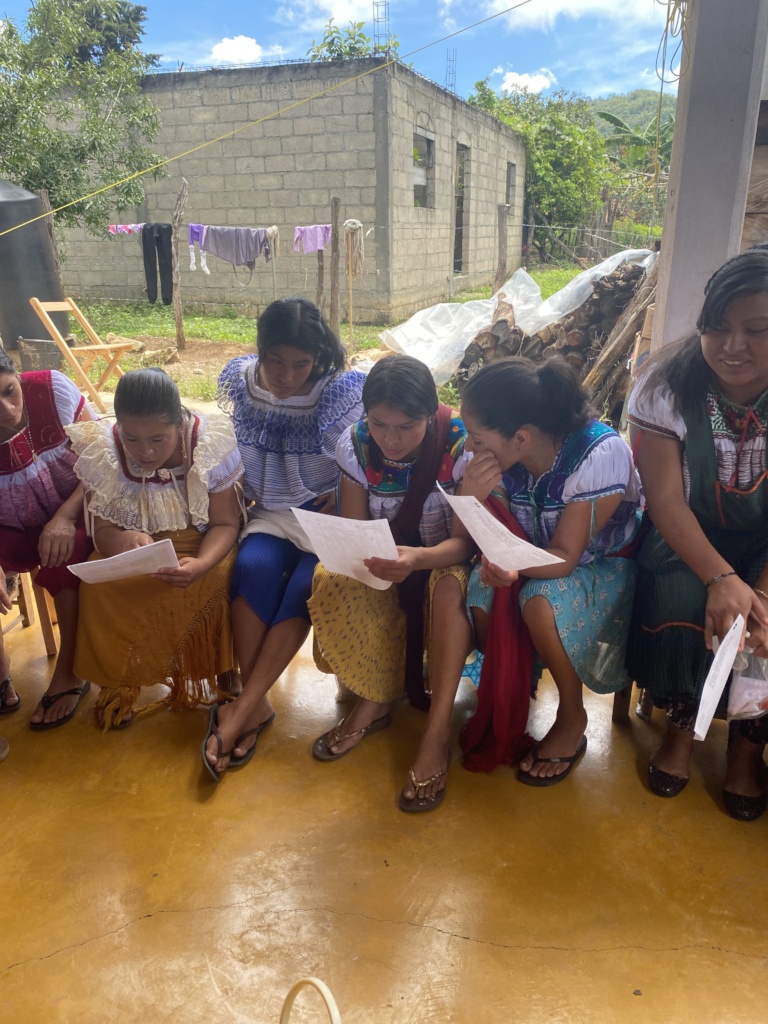
This approach is also strengthening co-design and co-creation as part of the project's capacity-building methodology. Rather than beginning with a predefined external design, creative processes can begin with conversation: women share stories, memories, symbols, techniques, and perspectives; develop ideas and drawings; and collectively explore how these can be translated into textile pieces.
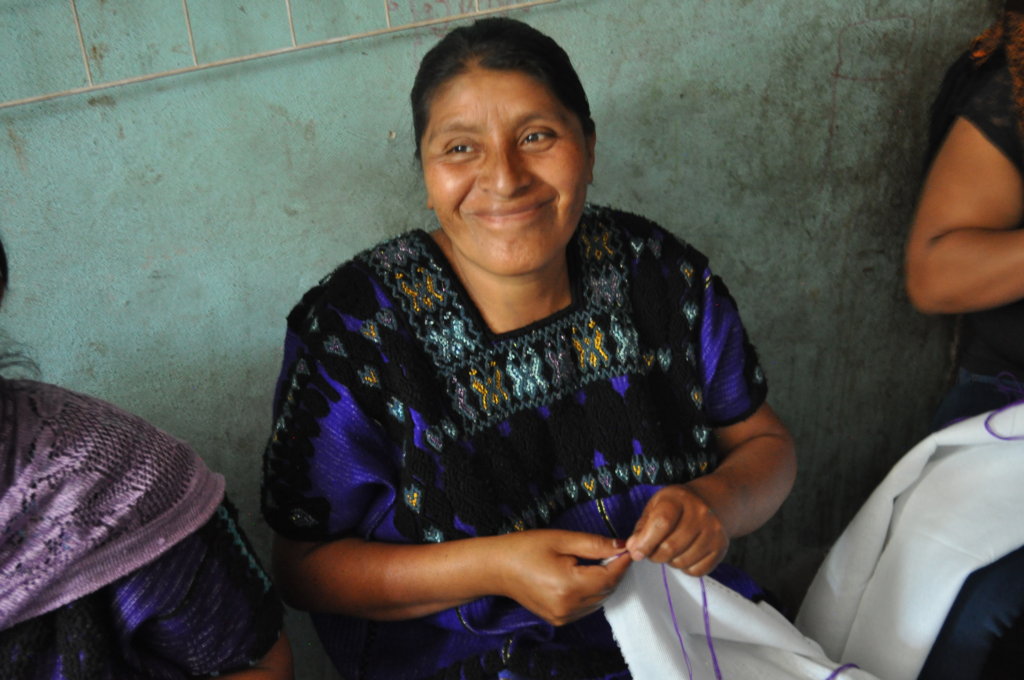
These spaces also reinforce the importance of authorship and collective knowledge. As women participate in more stages of the creative process, they strengthen their capacity to make decisions about how their textile knowledge is represented and how new proposals can respectfully engage with their cultural heritage.
The process has shown that ancestral knowledge and innovation can strengthen one another. Traditional techniques and iconography remain living practices precisely because women continue interpreting, adapting, teaching, and creating through them.
Results & Impact
Beyond the resulting textile pieces, these processes strengthen women's ability to participate in decisions about how their knowledge is represented, transformed, and shared.
One of the most important learnings during this period has been that cultural preservation and innovation can be part of the same process. When women have spaces to reflect on their own iconography and textile knowledge, innovation can emerge from within their cultural context and respond to contemporary opportunities while maintaining connection to its origins.
The project has also reinforced the importance of dialogue as a creative methodology. Listening, exchanging perspectives, respecting community rhythms, and creating collectively allow different forms of knowledge and experience to become part of the creative process.
Another significant learning has been the importance of recognizing authorship and collective knowledge. Strengthening women's participation in conceptual and creative stages contributes to a broader understanding of the value of artisanal knowledge and reinforces their role as active decision-makers in how cultural expressions evolve.
These experiences continue informing the project's pedagogical approach: learning takes place through practice, dialogue, reflection, experimentation, and the exchange of knowledge among women.
In the coming months, the project will:
Ancestral textile knowledge is a living practice. It is carried through generations, but it also evolves every time women gather to share, question, reinterpret, and create.
Strengthening this knowledge therefore means more than preserving techniques. It means creating the conditions for Indigenous Mayan women to exercise their voice and decision-making capacity over their cultural heritage, while opening spaces for new ideas to emerge from their own knowledge systems and collective experiences.
In this process, creation becomes another expression of Lekil Kuxlejal: knowledge, identity, dialogue, and collective wellbeing coming together to build continuity between past, present, and future generations.
Links:
Project reports on GlobalGiving are posted directly to globalgiving.org by Project Leaders as they are completed, generally every 3-4 months. To protect the integrity of these documents, GlobalGiving does not alter them; therefore you may find some language or formatting issues.
If you donate to this project or have donated to this project, you can receive an email when this project posts a report. You can also subscribe for reports without donating.



Support this important cause by creating a personalized fundraising page.
Start a Fundraiser