By Teresa Morales | Project Leader
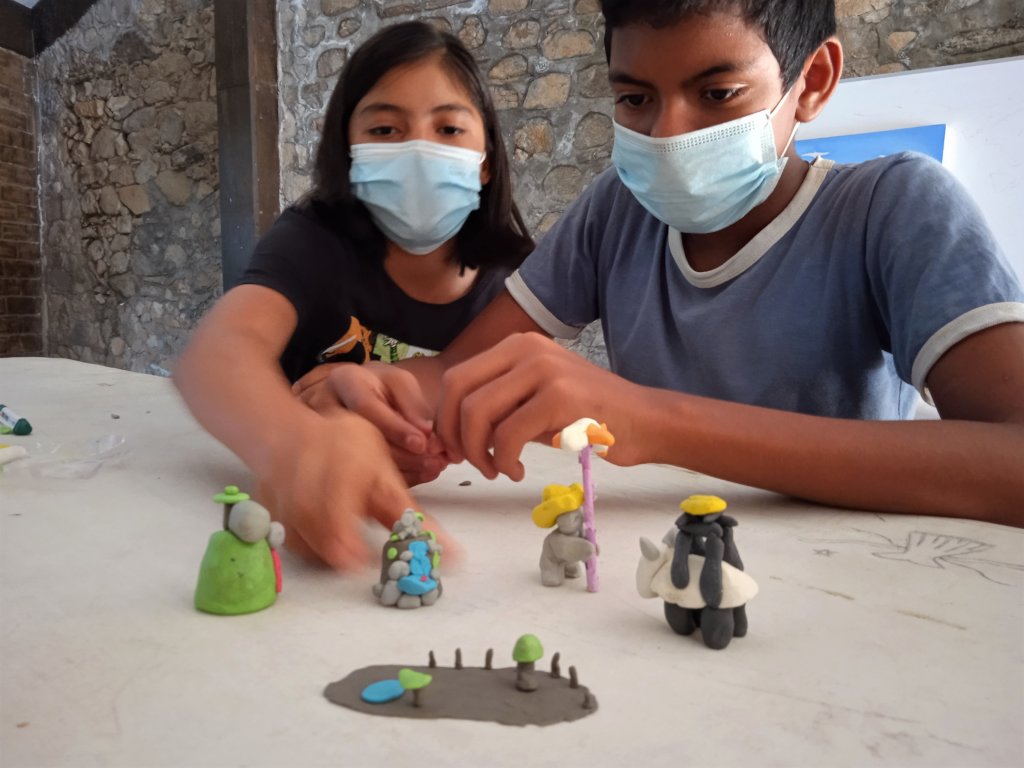
This project aims to strengthen meaningful bonds between local youth and their indigenous community culture, carrying out workshops to increase awareness and foster creative expression regarding fundamental community practices. During this period, the UMCO team carried out two local workshops in Santa Ana del Valle and San Martín Huamelulpam, and organized a state-wide intensive workshop combining online and in-person sessions, the third of the new format that we began in August, 2022.
The workshops in Santa Ana del Valle and San Martín Huamelulpam were designed and carried out as part of the Study Abroad/Civic Engagement program developed in collaboration with Kalamazoo College, Michigan. In Santa Ana del Valle, 4th, 5th, and 6th grade students reflected on their community territory throughout three sessions. This focus was decided on through meetings between the community museum committee and the Kalamazoo students who facilitated the workshop. The principal and teachers of the elementary school also participated in planning meetings. Local authorities and elders likewise agreed to collaborate by sharing their experiences.
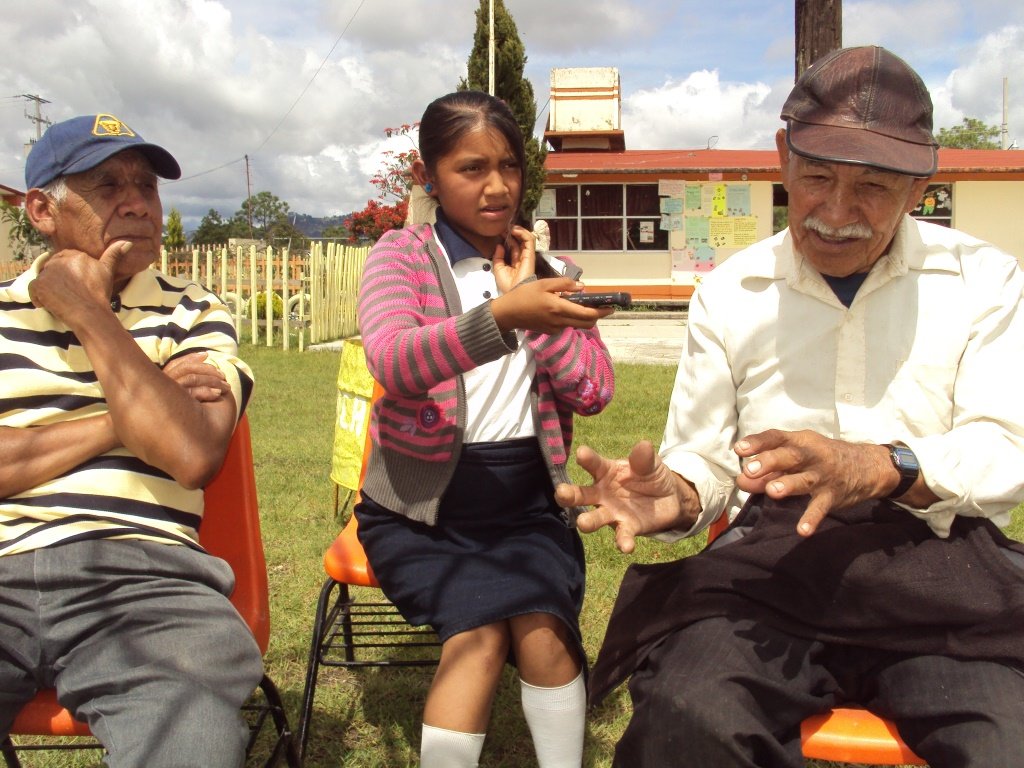
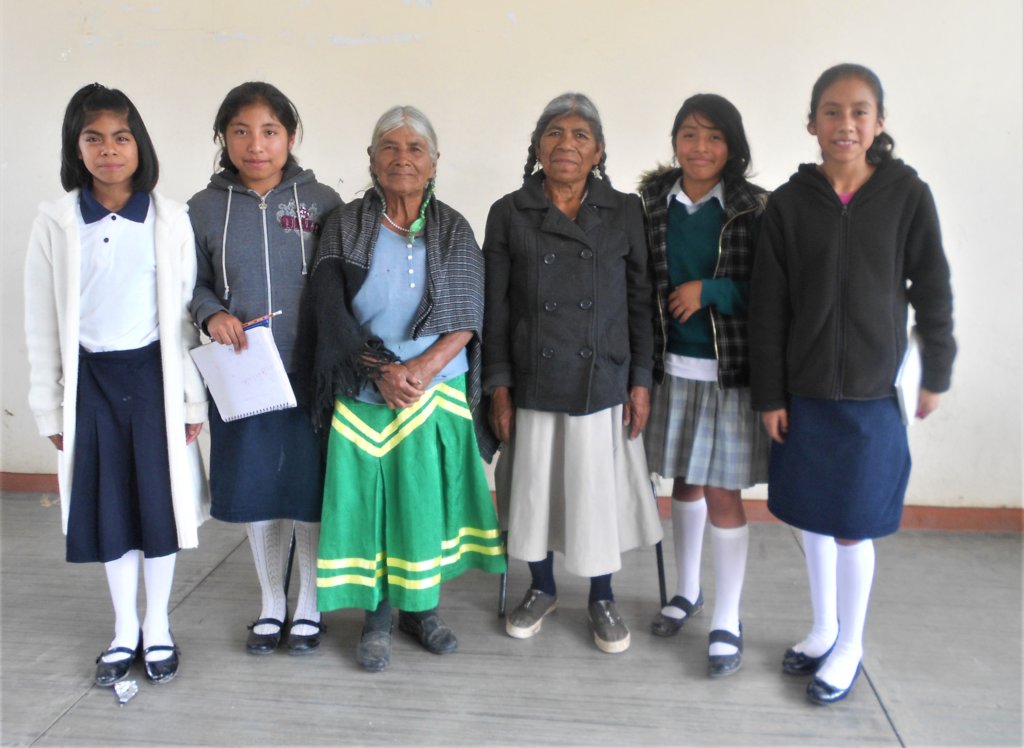
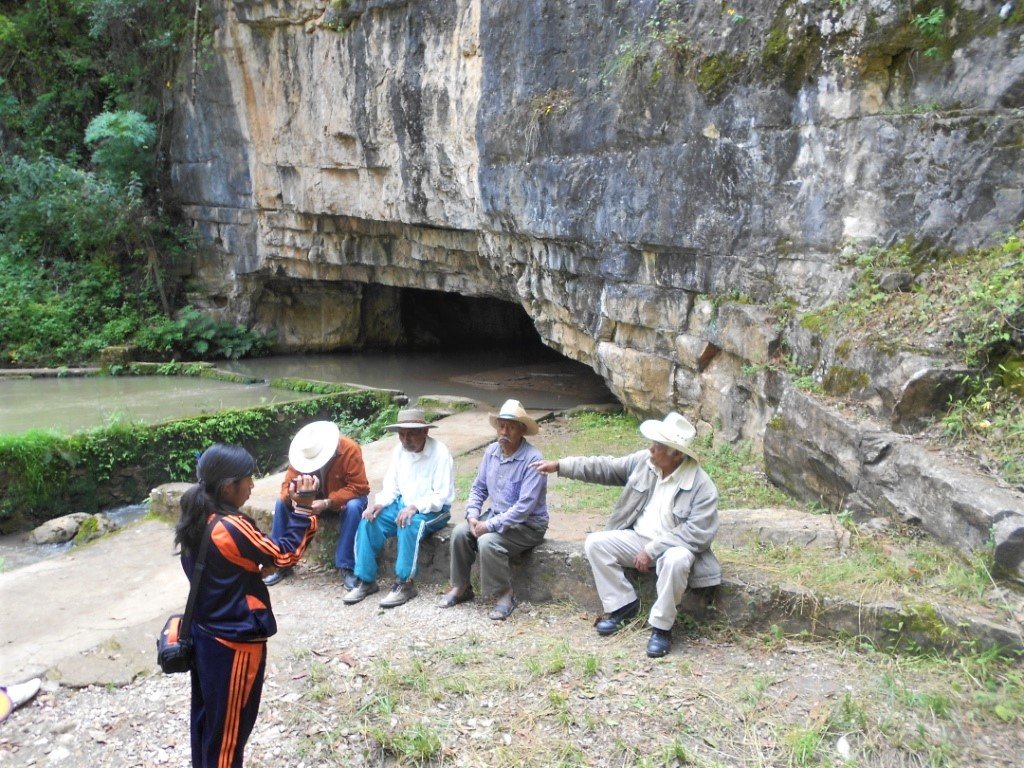
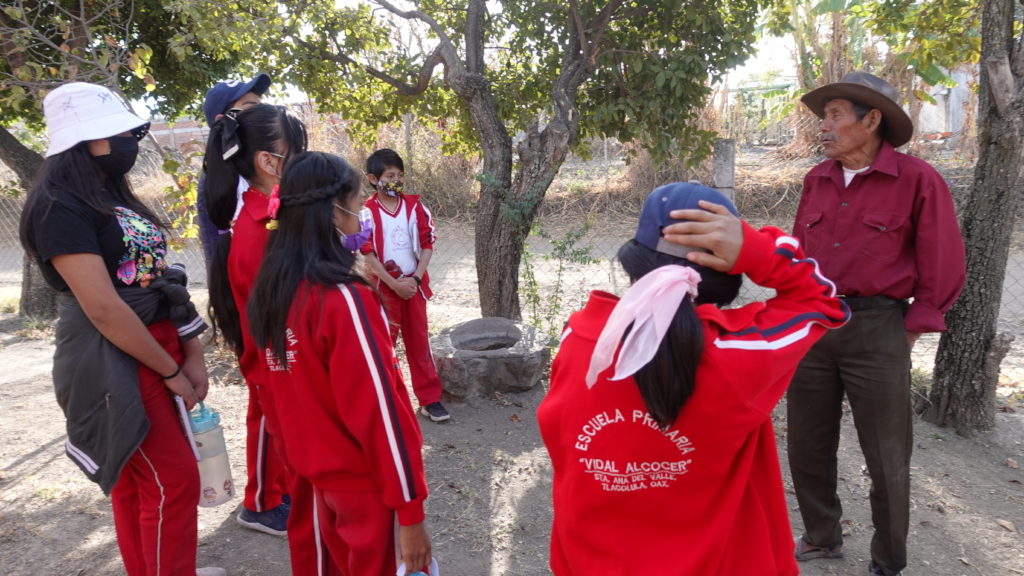
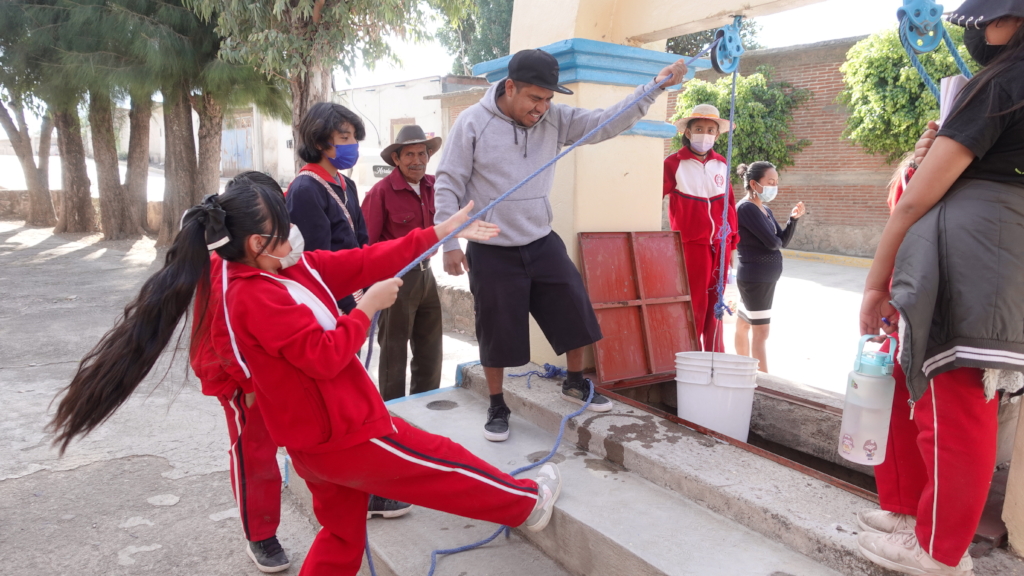
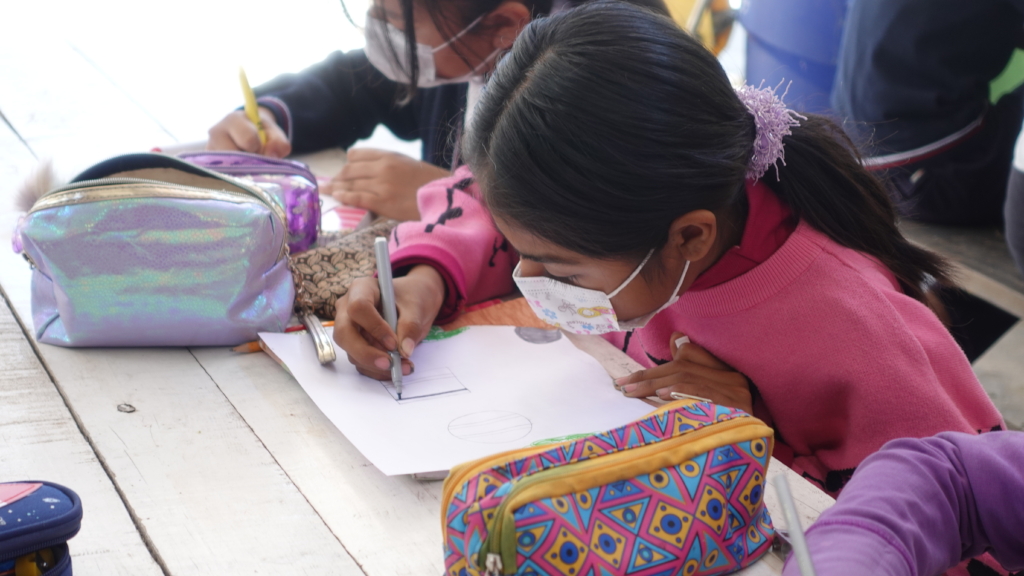
The workshop encompassed three sessions. In the first session, Kalamazoo students led exercises to stimulate group integration and creative expression, and invited the children to share their experiences of their community territory. In small groups they drew a sillouette of one of their team, and created drawings within the sillouette associating places and experiences with parts of their bodies. The second session was oriented to create opportunities for dialogue with elders, carried out in significant sites of the community territory. Three small groups met with three different elders and members of the community museum committee, and visited the “Earthquake River” (“Río Temblor”), the Calvario and the different community wells (Pozo Grande, Pozo de la Calle, Pozos Gemelos). Elders shared stories and traditions associated with these sites. During the third session students reflected on their experience and created a map of the sites, integrating their individual drawings. At the end, the community museum presented a temporary exhibition of their maps together with photographs of the workshops, and the three grades came together to share their experience, in an event that included the local authorities. During this event, the community museum gave diplomas to the elders, acknowledging the importance of their participation.
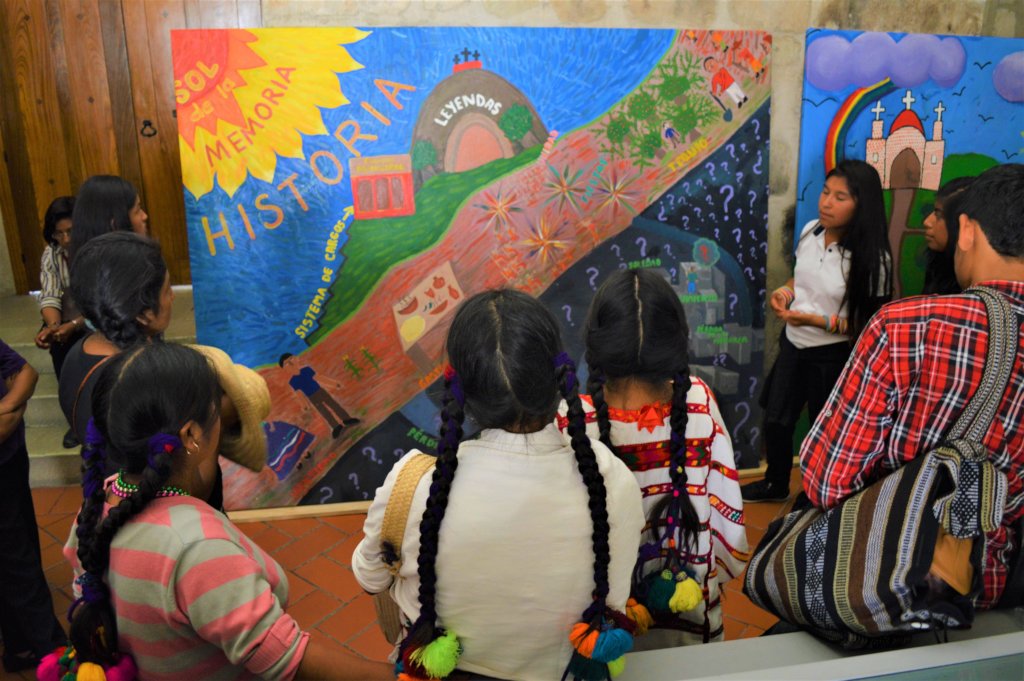
In San Martín Huamelulpam, the teachers of the middle school proposed that the focus of the workshop be the rituals surrounding the cultivation and eating of food. Kalamazoo students proposed poetry as the creative medium. The community museum committee coordinated the planning meetings and invited elders to participate. In a similar way to the workshop in Santa Ana, the first session was oriented to exploring the students’ previous knowledge of these rituals. They wrote their observations on cards and used them to create a collective image of a community tree. Kalamazoo students developed prompts to help participants write poetry using their different senses. During the second session the middle school students met with elders, who described the rituals practiced in the community. One of the elders demonstrated how she carried out offerings to the earth. The third session was an opportunity to write individual and collective poems. All these were collected and presented in a final event, with the local authorities, elders, community museum committee and UMCO representatives. The students made powerpoint presentations about their experiences and shared their writing through a large mural.
These workshops required many sessions of preparation. The UMCO team worked with the Kalamazoo students to develop a detailed plan of objectives, activities and materials for each session. As mentioned above, the planning involved the community museum committee, local authorities, elders and teachers. In addition to the two community presentations, the Kalamazoo students presented the results to the general assembly of UMCO during a state-wide meeting at the beginning of March.
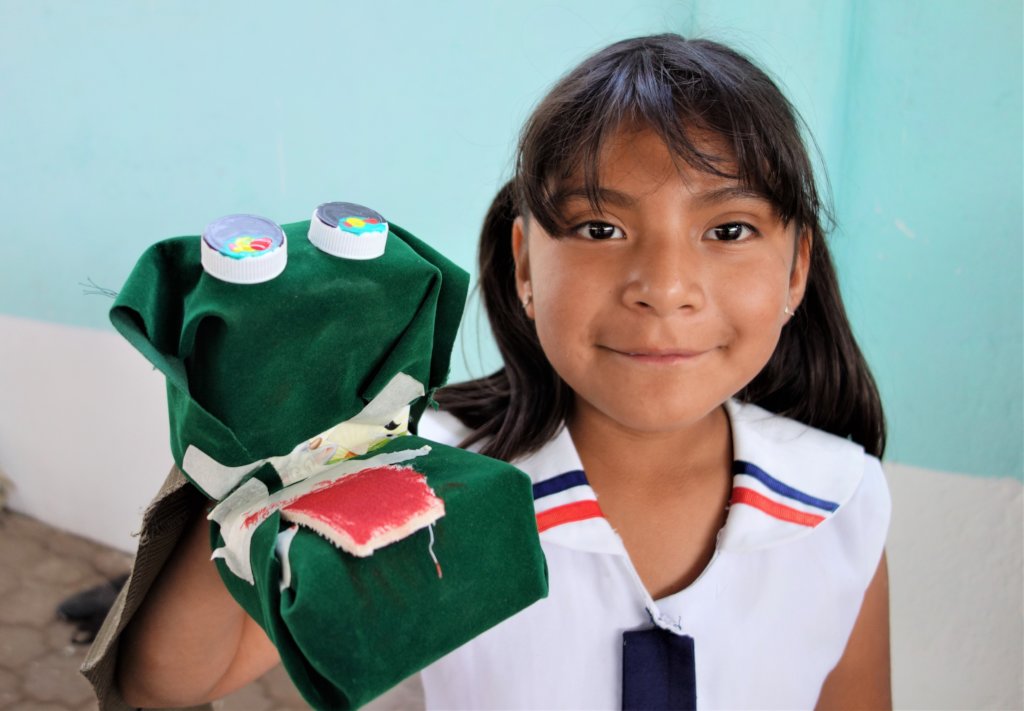
The state-wide intensive workshop combining online and in-person sessions is currently being carried out in April. The first two on-line sessions introduced discussions of community memory and reviewed the concept of comunalidad. The third, in-person session is taking place these last three days of April. The focus is community territory, and specifically the rituals concerning water. The petitions for rain and water are an important part of community ceremonial life, and many rituals take place in the month of May. Santa Ana del Valle was chosen as the site for the in-person session, and tomorrow, April 29, several elders will share their experience of these traditions. To express their reflections, the participants will create puppet theater presentations.
In summary, during this period 152 children and youth of 6 communities (Santa Ana del Valle, San Martín Huamelulpam, San Miguel Tequixtepec, San Pedro Tututepec, San Juan Bautista Coixtlahuaca y Santiago Matatlán) have strengthed their bond to community culture through exchanges with elders and creative expression by drawing, wriing poetry, and creating community maps.
Project reports on GlobalGiving are posted directly to globalgiving.org by Project Leaders as they are completed, generally every 3-4 months. To protect the integrity of these documents, GlobalGiving does not alter them; therefore you may find some language or formatting issues.
If you donate to this project or have donated to this project, you can receive an email when this project posts a report. You can also subscribe for reports without donating.



Support this important cause by creating a personalized fundraising page.
Start a Fundraiser