By Teresa Morales | Project Leader
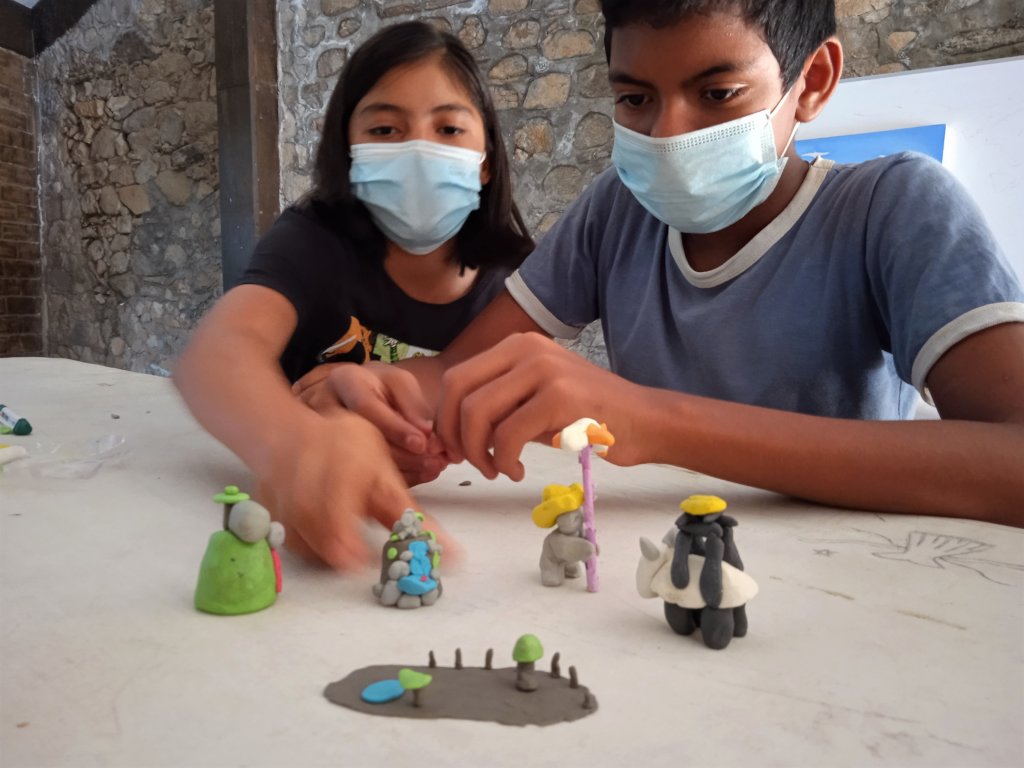
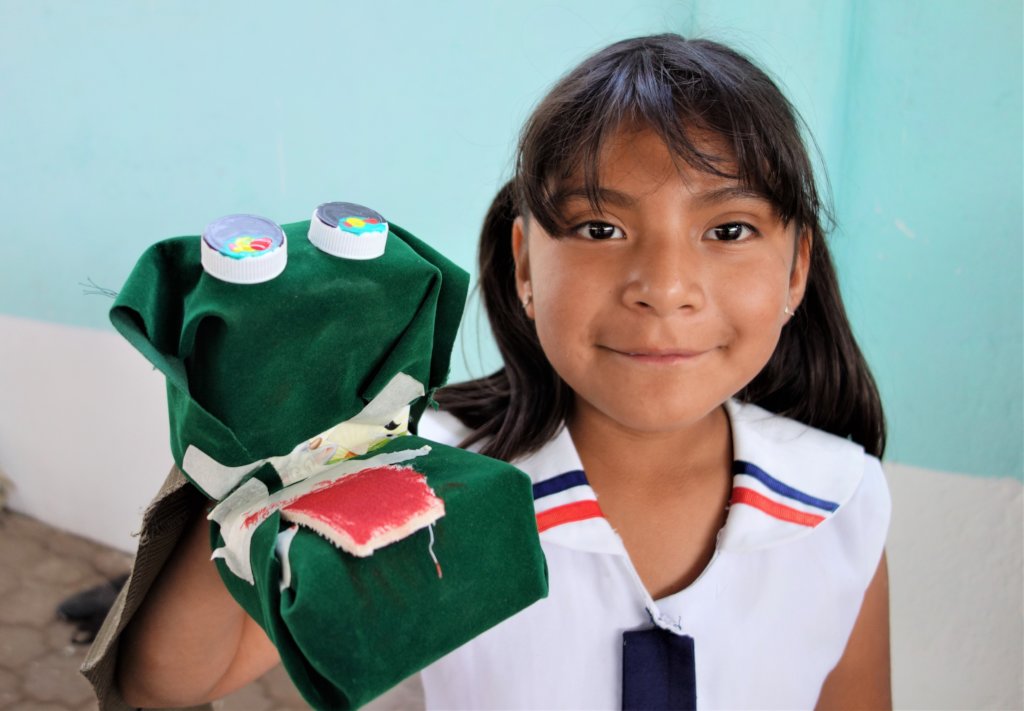
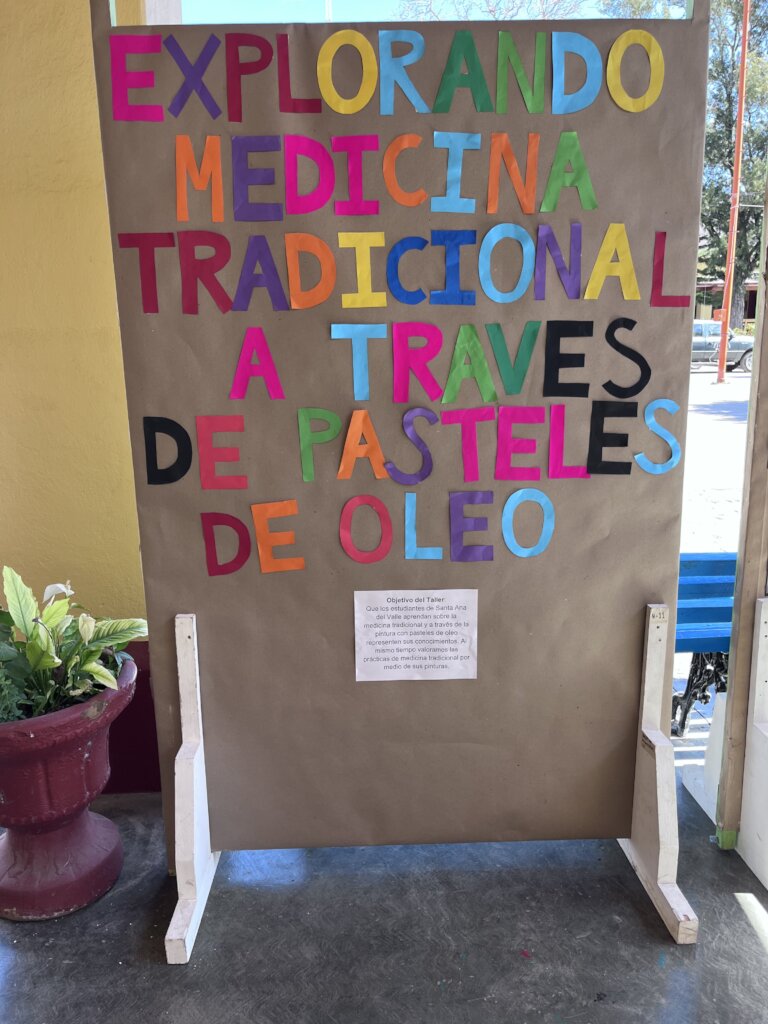
This project aims to strengthen meaningful bonds between local youth and their indigenous community culture, carrying out workshops to increase awareness and foster creative expression regarding fundamental community practices. During this period the Union of Community Museums of Oaxaca carried out a state-wide workshop, continued its collaboration with the National Museum of Mexican Art, and developed a workshop for facilitators of community museums in collaboration with the Network of Community Museums of America.
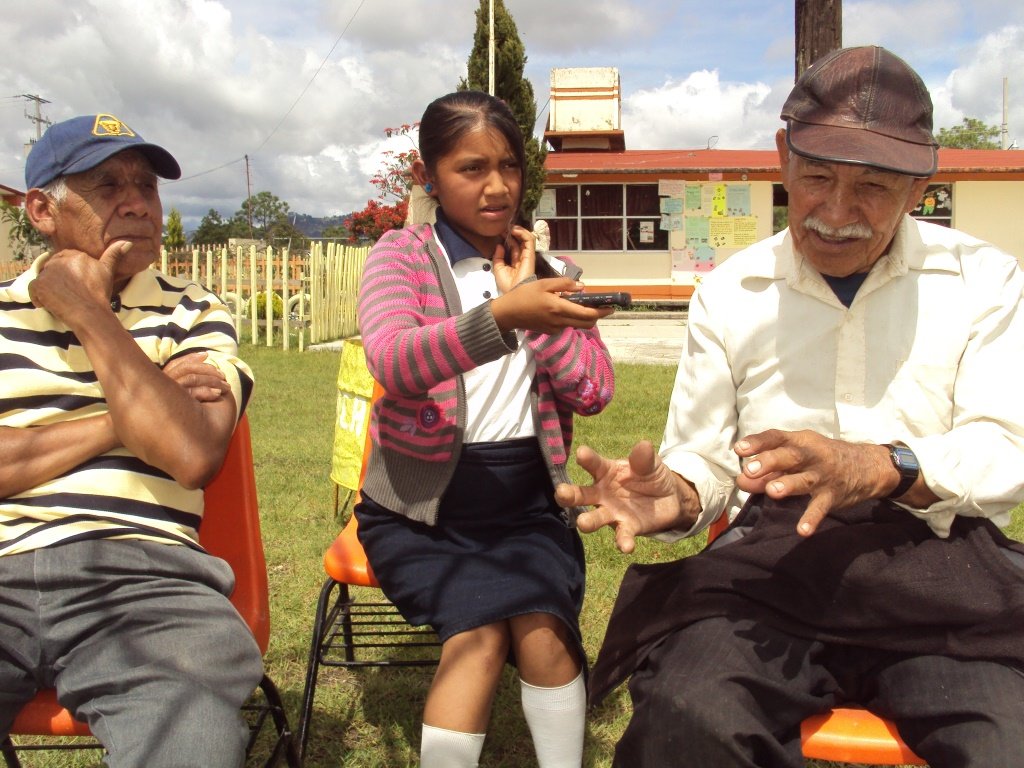
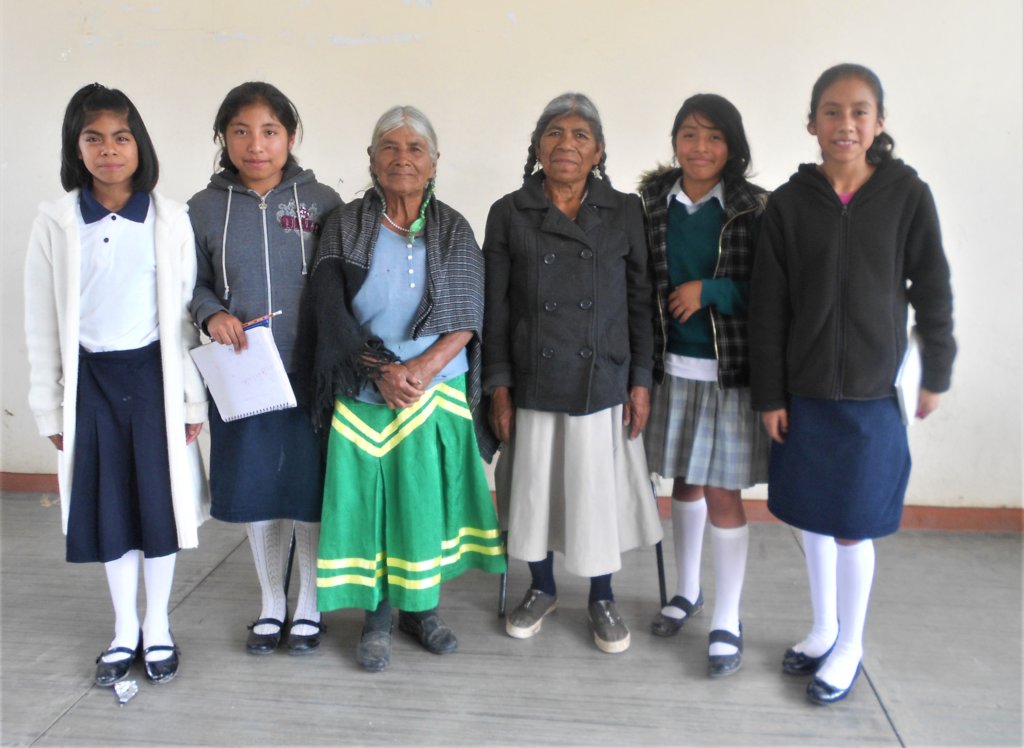
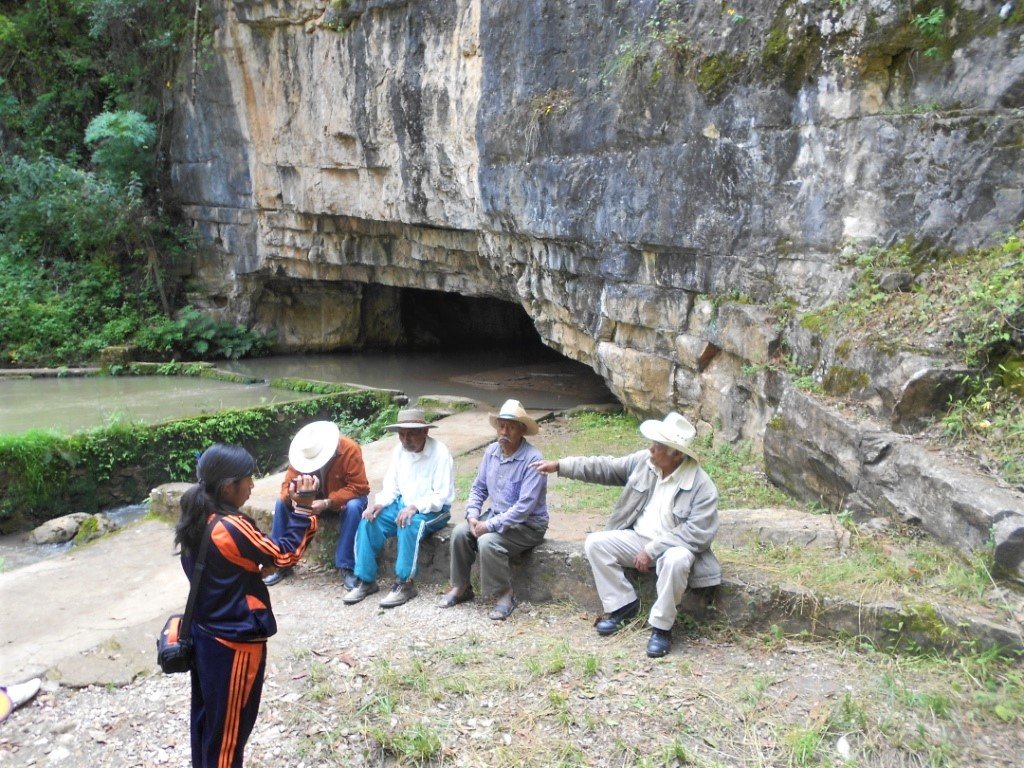
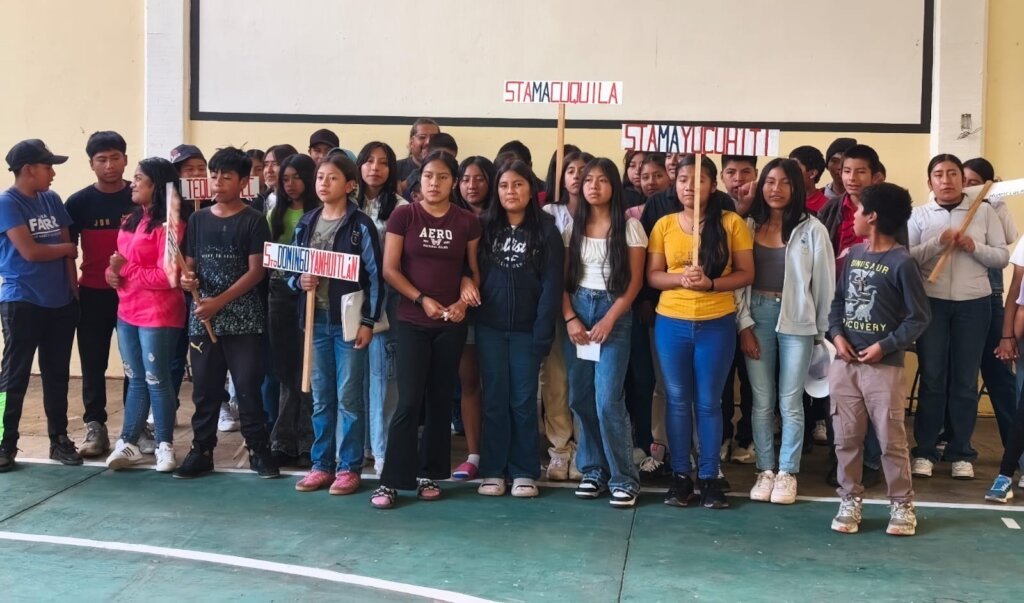
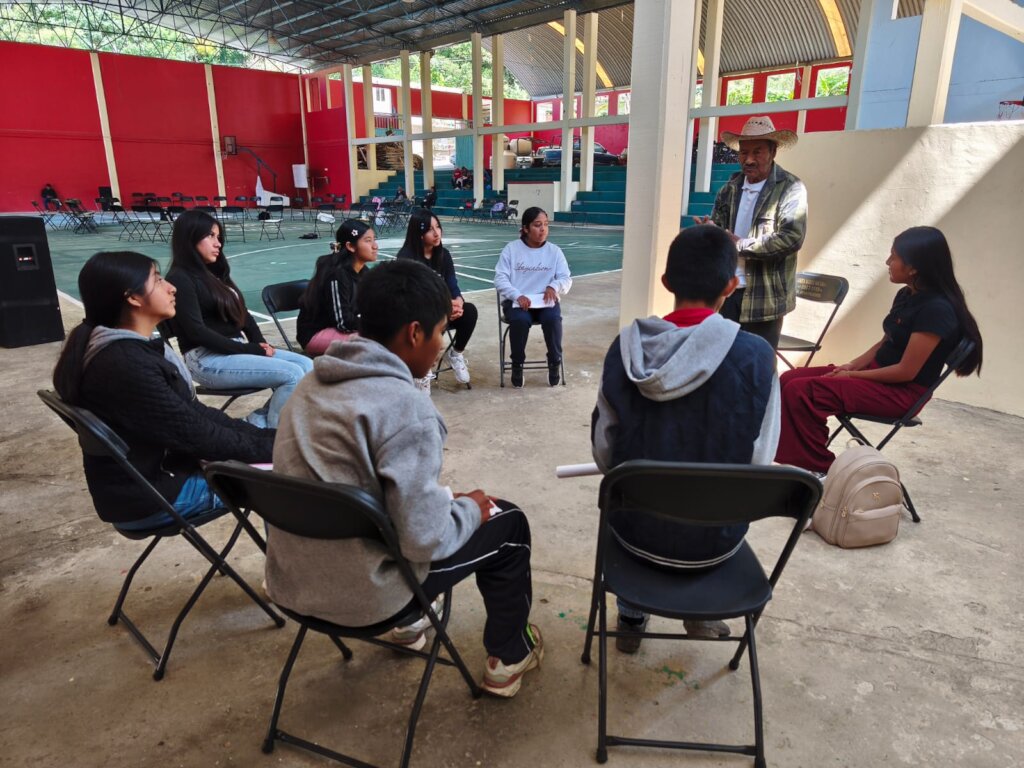
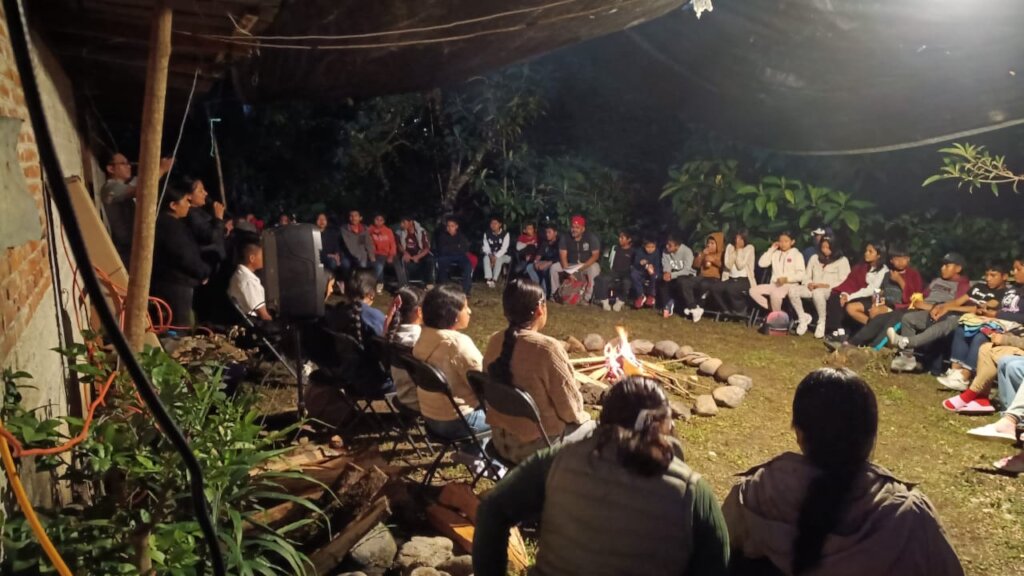
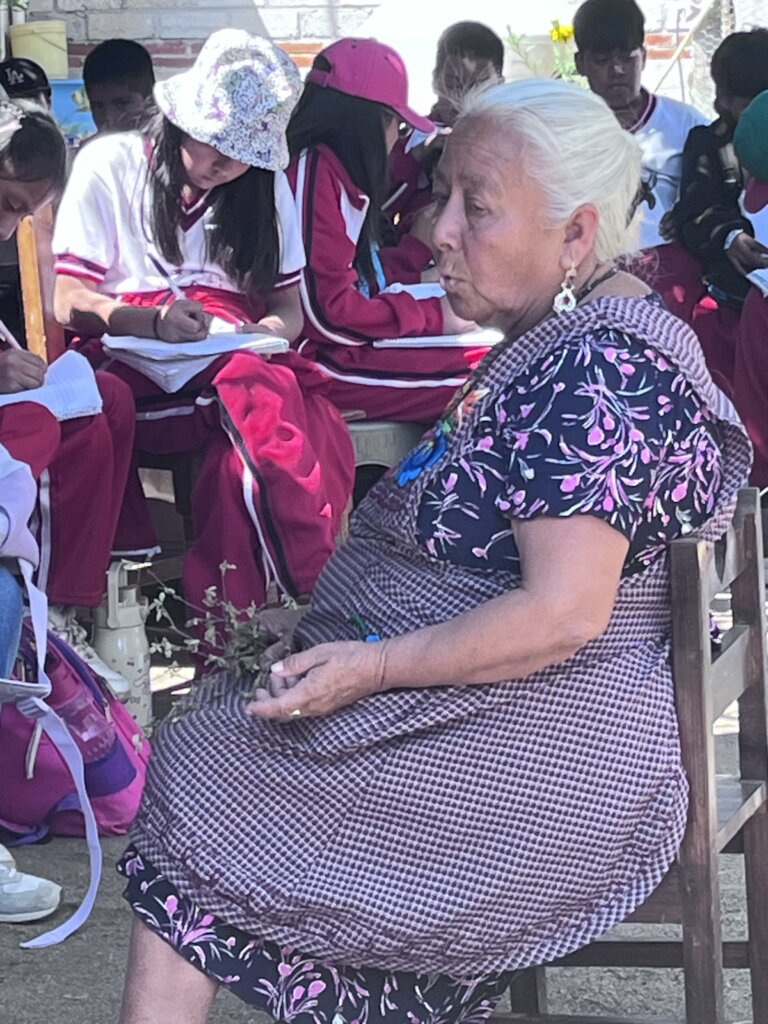
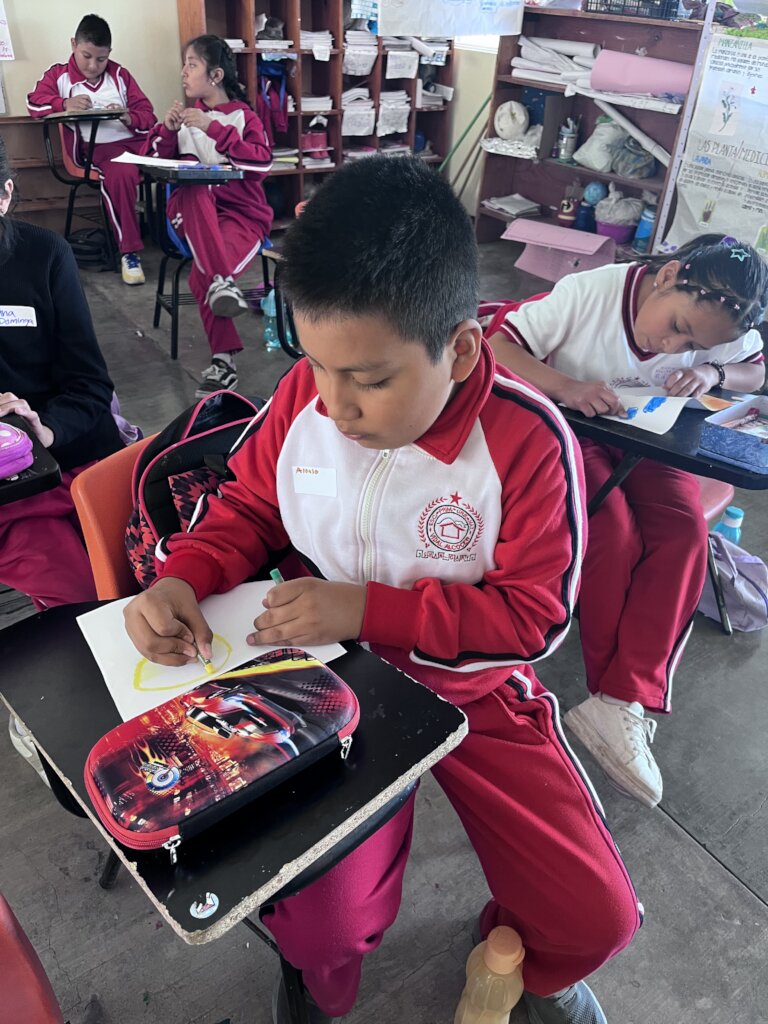
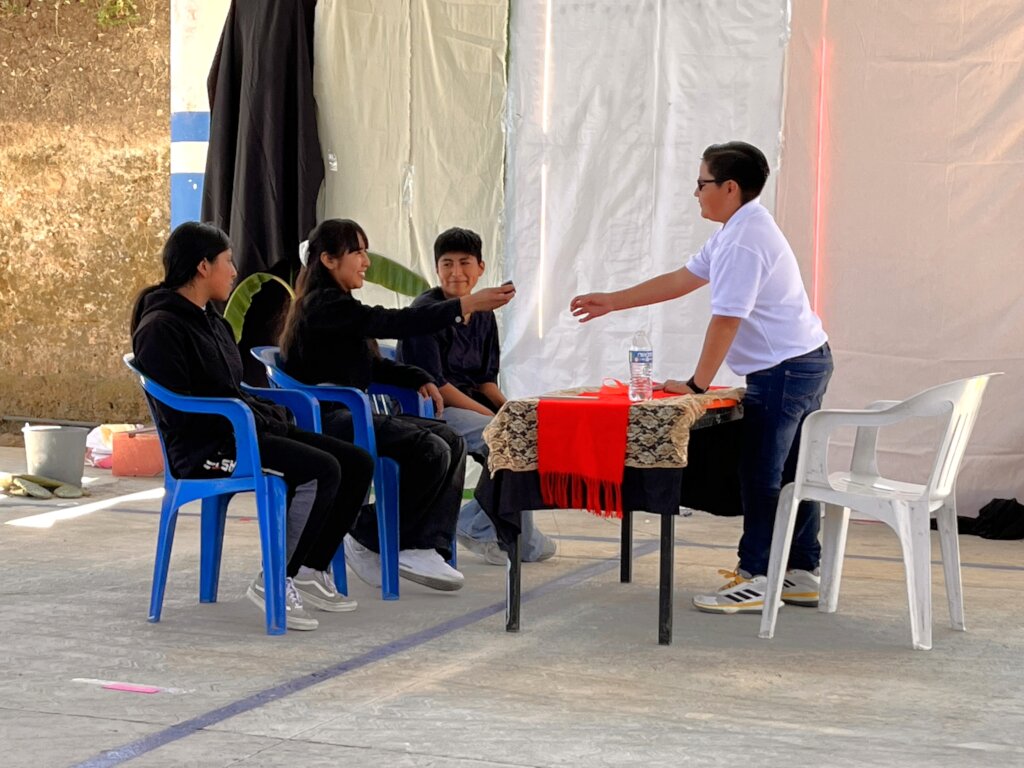
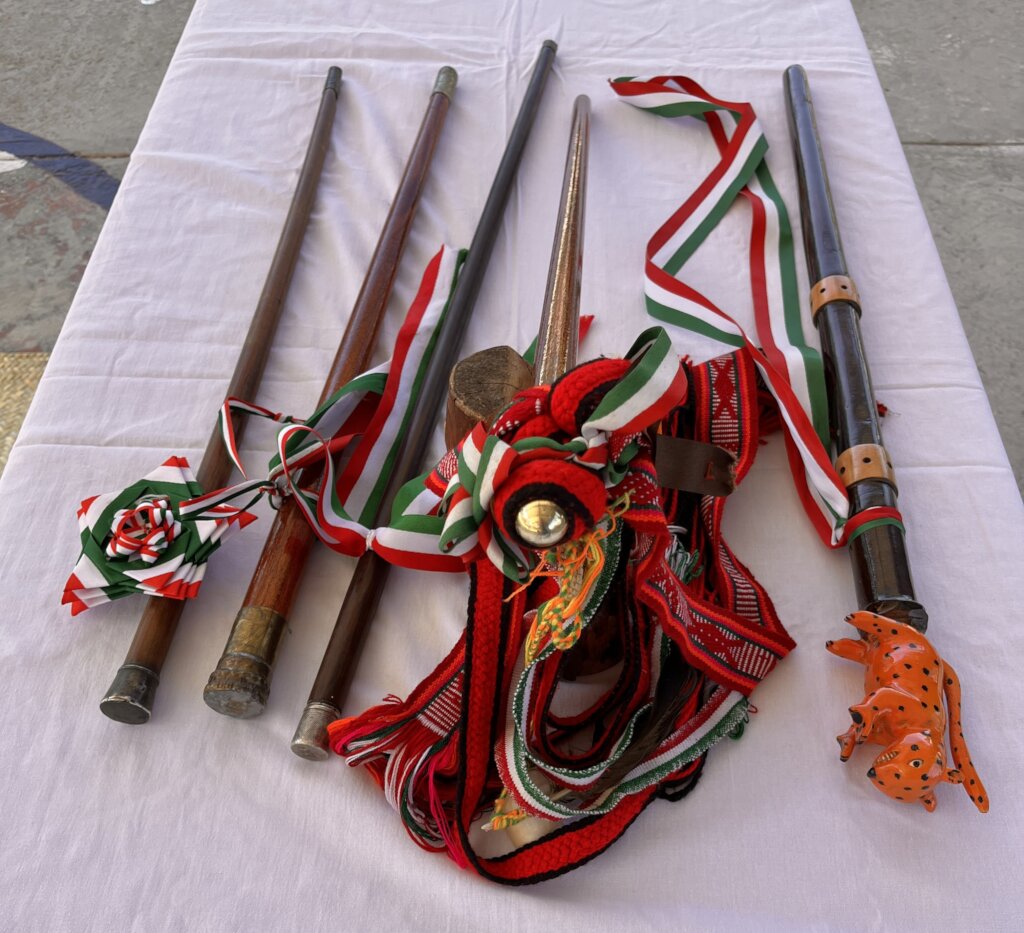
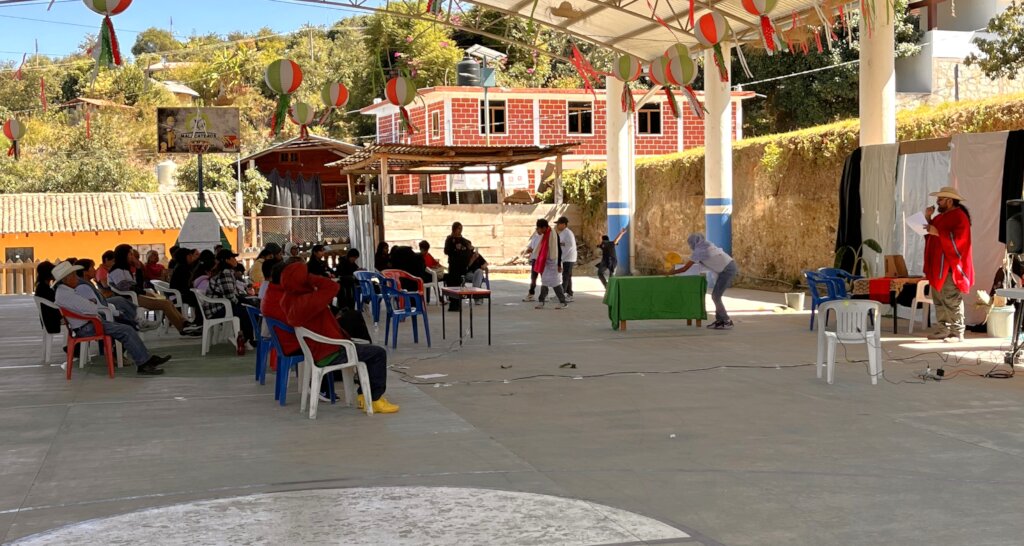
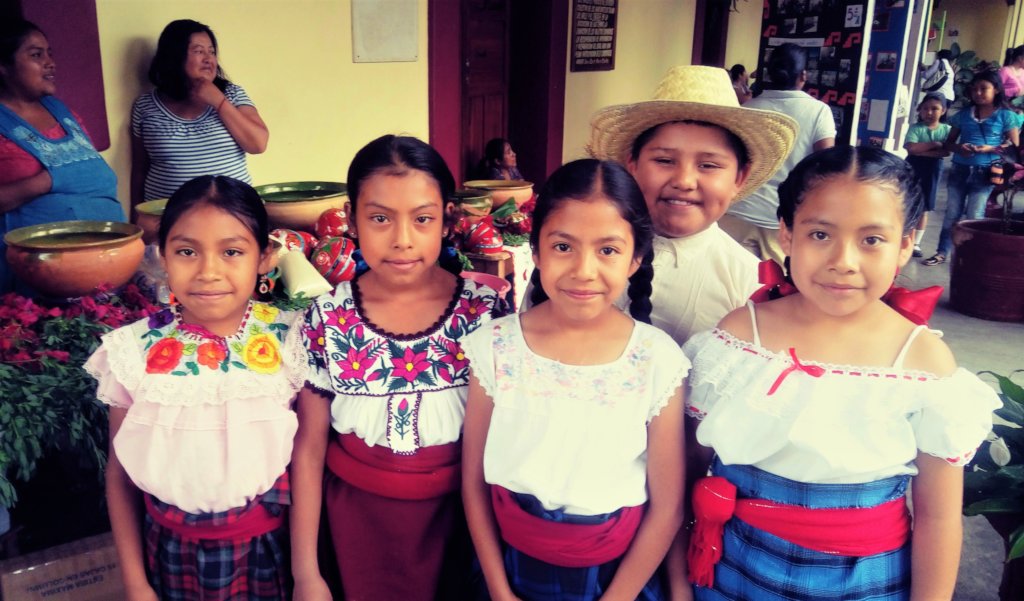
From June 12 to 14, 36 adolescents from San Pedro Molinos, San Martín Huamelulpam, San Miguel Tequixtepec, Santa María Cuquila, Santo Domingo Yanhuitlán and the host community, Santa María Yucuhiti, participated in a three-day-long workshop. Previously, two on-line sessions had generated reflections regarding the importance of preserving local memory, and during the final in-person session the participants formed 5 teams to visit the community museum, dialogue with elders, and visit significant sites in the community. Since all of the participating communities had recently elected municipal representatives, the exchange was focused on the traditions surrounding the local assemblies and the system of community service. The young people then represented what they had learned through pod-casts, that they presented to authorities, elders, and representatives from visiting villages. Their presentation was also broadcast through UMCO’s YouTube channel.
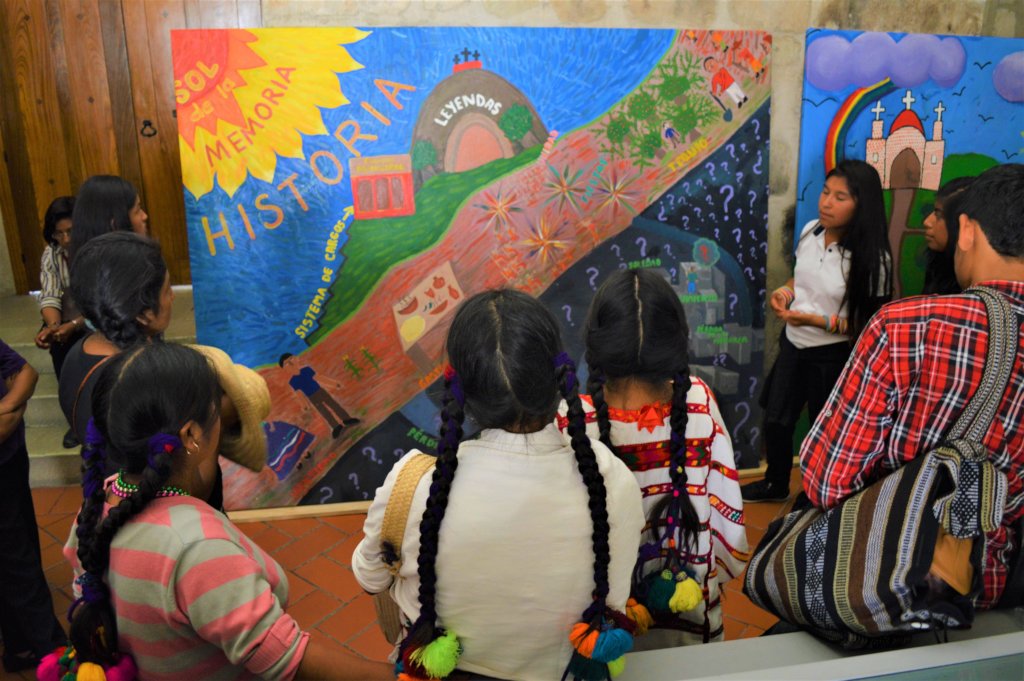
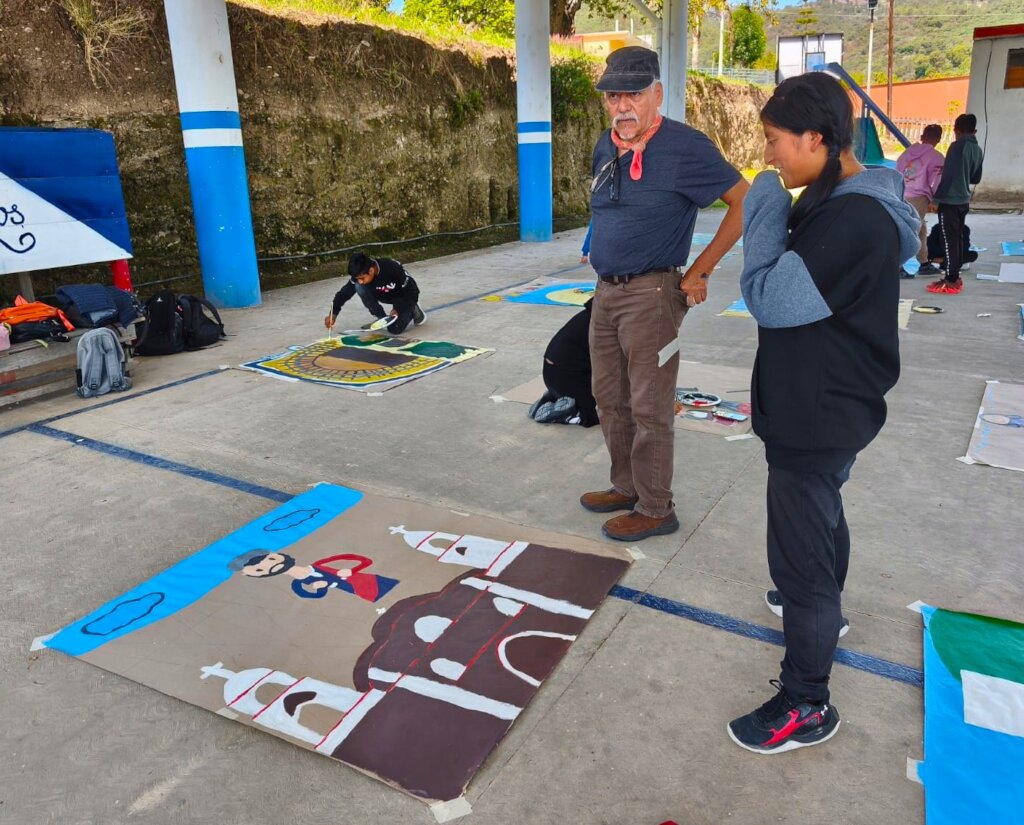
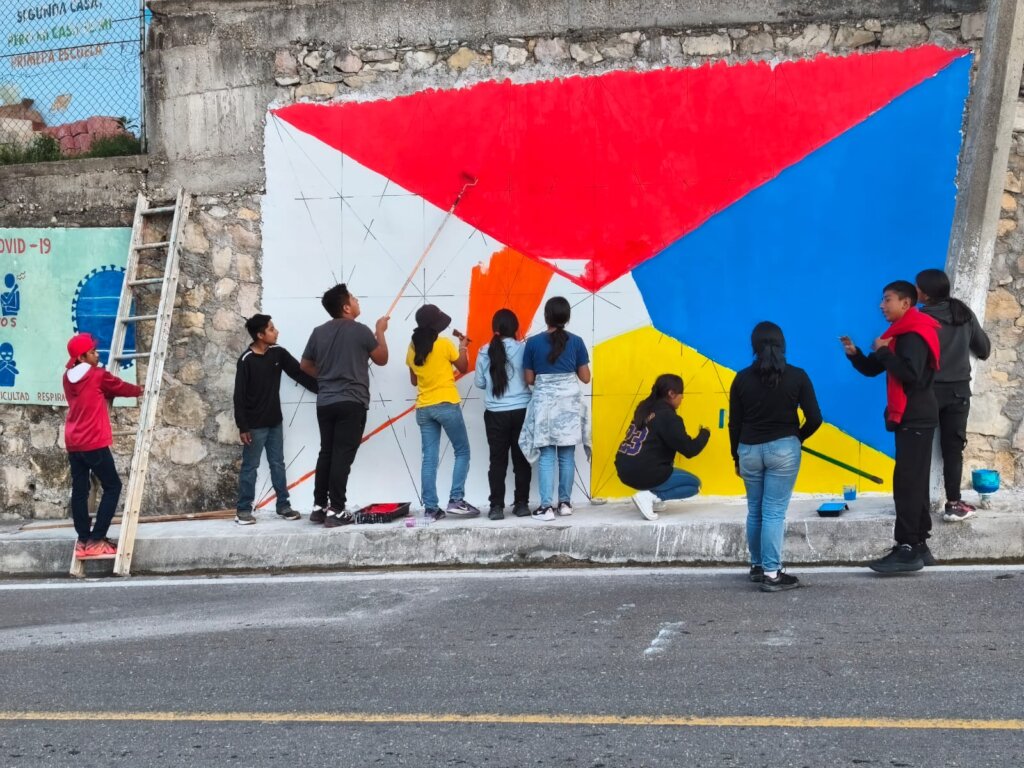
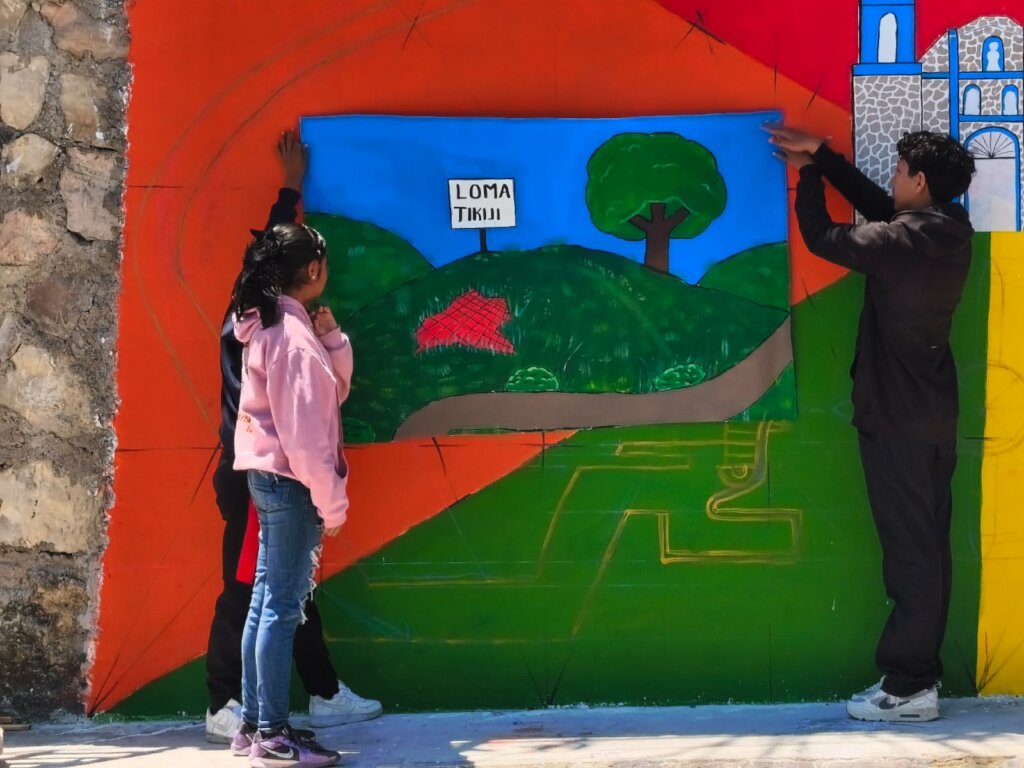
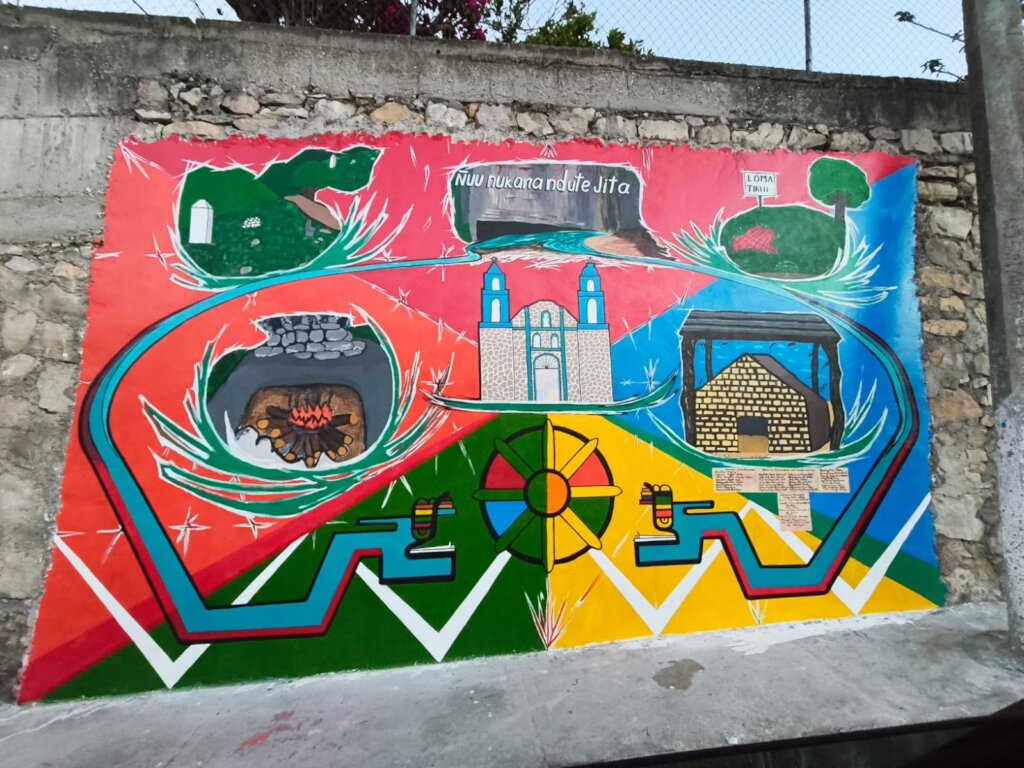
In 2026 the collaboration between the Union of Community Museums of Oaxaca (UMCO) and the National Museum of Mexican Art (based in Chicago, USA), has been focused on workshops to create community murals with the participation of young people and elders. The first part of this project resulted in the creation of the community mural of San Pedro Molinos in April, and the second part was developed during August and September to prepare the conditions for the creation of another mural in Santiago Matatlán in October.
During this period UMCO also collaborated with the Network of Community Museums of America to develop an international workshop to train facilitators of community museums. The 5 on-line sessions covered a general view of the steps involved in the creation of a community museum, the role of consensus-building, the role of a facilitator, participatory methods to select themes, to develop research and to develop exhibition design. The participants include 8 young adults committed to the support of their community museums, from El Salvador, Venezuela, Nicaragua and Colombia. This workshop will conclude with an in-person session of one week, to be held in the community o San Francisco Cajonos from November 10 to 17.
In summary, during this period 36 adolescents from 6 communities of Oaxacawere able to strengthen their relationships with elders, as well as understanding, appreciating, and creatively reflecting on their community culture, while 8 young adults from 4 countries of Latin America developed tools to generate participatory processes in their local context.
By Teresa Morales | Project Leader
By Teresa Morales | Project Leader
Project reports on GlobalGiving are posted directly to globalgiving.org by Project Leaders as they are completed, generally every 3-4 months. To protect the integrity of these documents, GlobalGiving does not alter them; therefore you may find some language or formatting issues.
If you donate to this project or have donated to this project, you can receive an email when this project posts a report. You can also subscribe for reports without donating.



Support this important cause by creating a personalized fundraising page.
Start a Fundraiser