By Teresa Morales | Project Leader
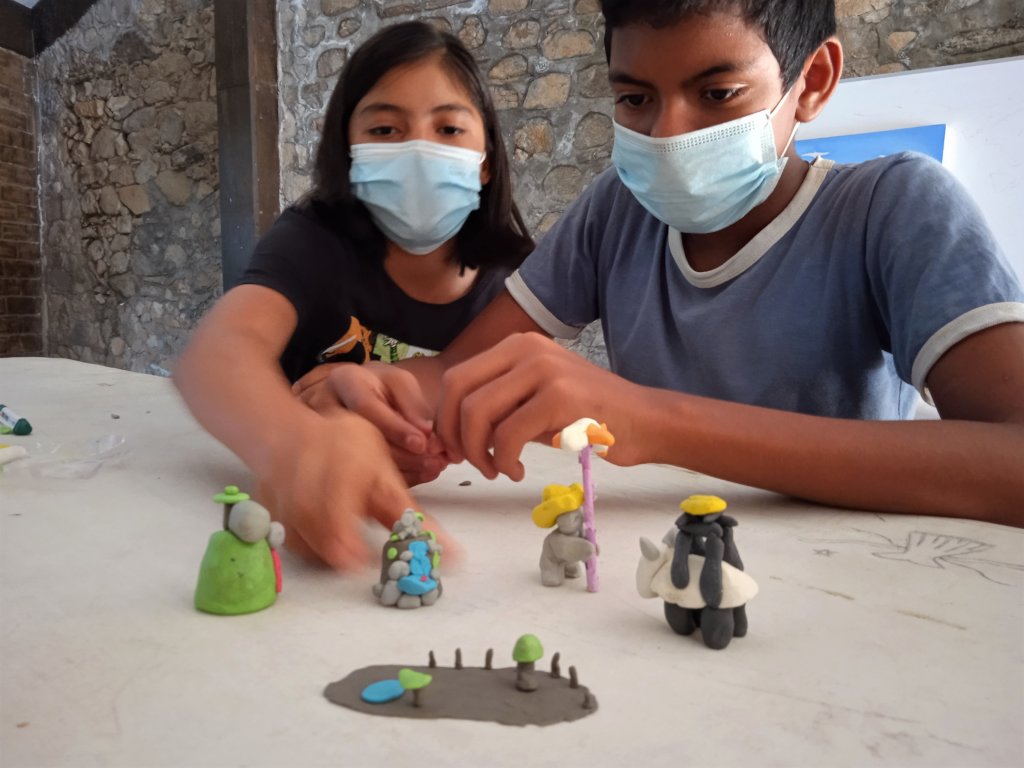
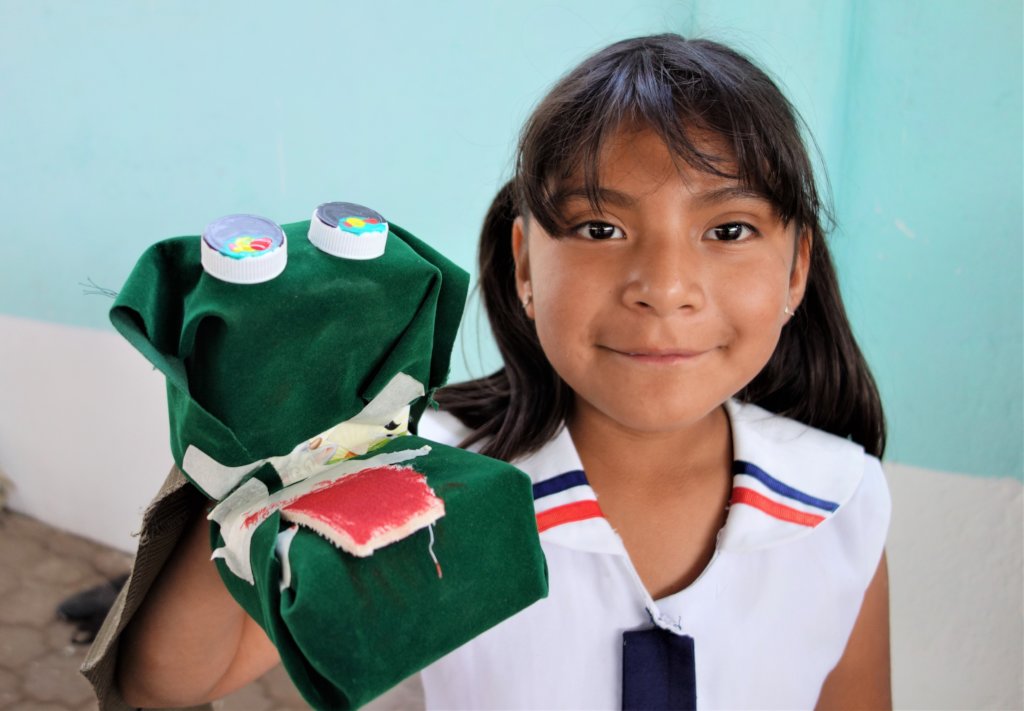
This project aims to strengthen meaningful bonds between local youth and their indigenous community culture, carrying out workshops to increase awareness and foster creative expression regarding fundamental community practices. During this period, the UMCO team visited community museum committees and local schools to re-establish the relationships suspended during the pandemic; carried out an intensive workshop that encompassed two virtual meetings and a three-day in-person exchange; and organized a visit of faculty and staff from Kalamazoo College, Michigan, to strengthen the Study Abroad/Civic Engagement program through which Kalamazoo students participate in this project, providing workshops to children and young people.
An important task we addressed this period was the re-establishment collaborations with schools to carry out the workshops of the project. It had not been possible throughout the pandemic, since teachers were overwhelmed with the tasks of organizing classes on line and subsequently slowly returning to in person activities. Together with the community museum committees, we visited the elementary and secondary schools of San Miguel Tequixtepec, the elementary school of Santo Domingo Yanhuitlán, the secondary school of San Martín Huamelulpan and the preparatory school of San Miguel del Progreso. It was encouraging to confirm that all the teachers expressed their willingness to re-initiate collaboration, in a gradual process throughout the school year. As a first step, they agreed to select the students who would participate as representatives of their school in the next intensive workshop.
We also visited the community museum committees of Santa Ana del Valle, Santiago Matatlán, Santa María Cuquila, Natividad, San Juan Bautista Coixtlahuaca, Santa María Yucuhiti, San José Chichihualtepec, San Francisco Cajonos and San Pedro and San Pablo Tequixtepec, coordinating the plans for the development of their community museums and encouraging them to participate in the organization of workshops for indigenous youth.
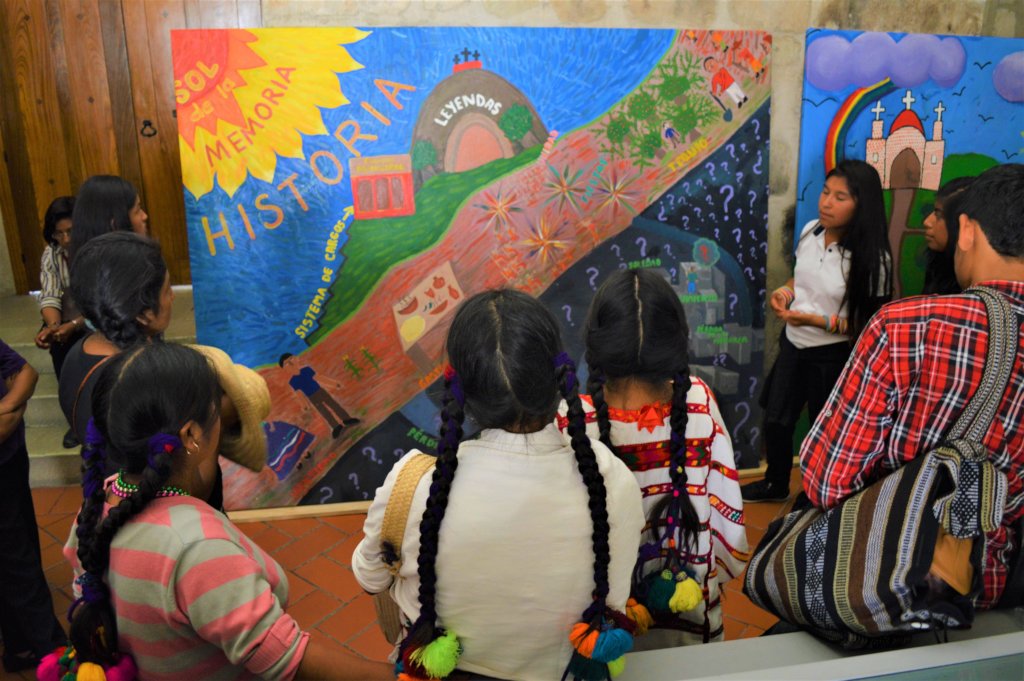
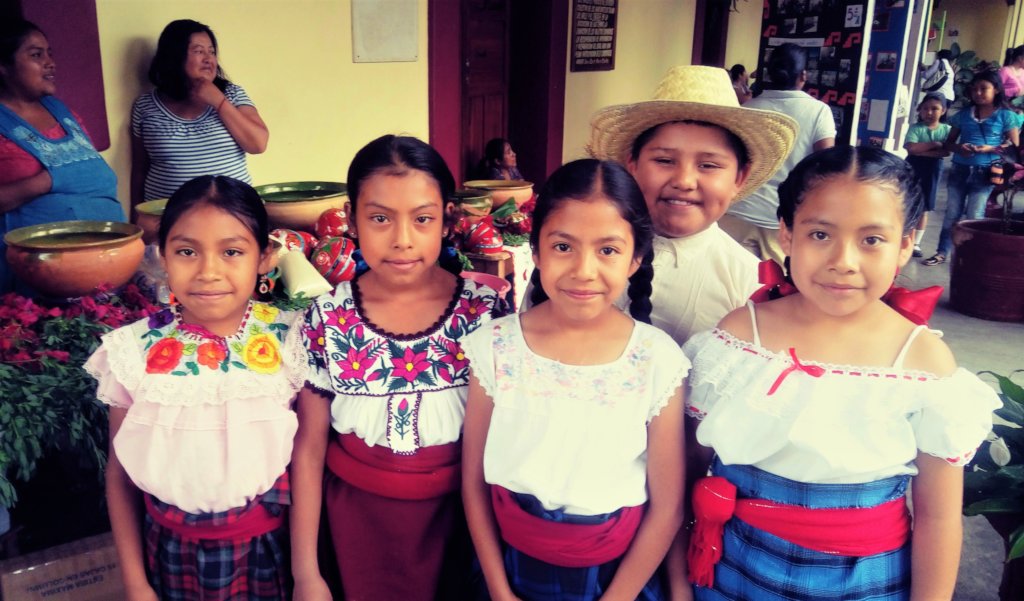
The central activity of this period was the intensive workshop combining online and in-person sessions, the second of this new format that we began to carry out last August. The level of participation was very good, reflecting the engagement of the schools of Yanhuitlán, Huamelulpan and Tequixtepec which sent six students each, the continued commitment of community museum committees of three communities (Villa de Tututepec, Santiago Matatlán, San Juan Bautista Coixtlahuaca) and the participation of two communities which had not been active in the previous period (Santa Ana del Valle and Santa María Cuquila). In total, 48 young people from 8 communities participated.
The two online sessions introduced exercises to generate a critical perspective of the impact of consumer-oriented culture on the communities of Oaxaca, and to identify the basic elements of community organization, including communal government, territory, service and ceremonial life, which sustain the principles and practices of their own community culture.
The in-person portion of this workshop focused on community government, and was hosted by Santiago Matatlán. This aspect of communal life was selected for two main reasons. On one hand, it is central to community integration, as the practices of decision-making through the community assembly directly influence capacities for local self-determination. On the other hand, between September and November all the communities of Oaxaca which still follow the traditonal system of “usages and customs” were holding assemblies to elect their new municipal authorities. It was a moment in which the issues surrounding these practices were being discussed and analyzed by community members. Children and young people usually know about these processes, but don’t have many opportunities to reflect on them in depth.
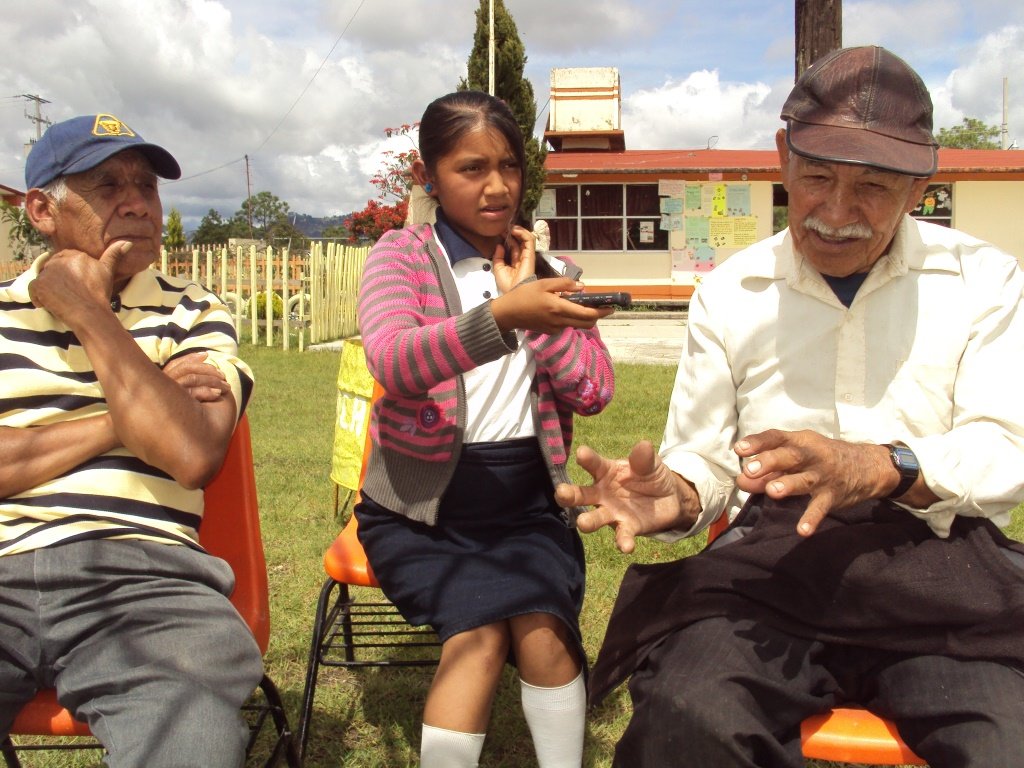
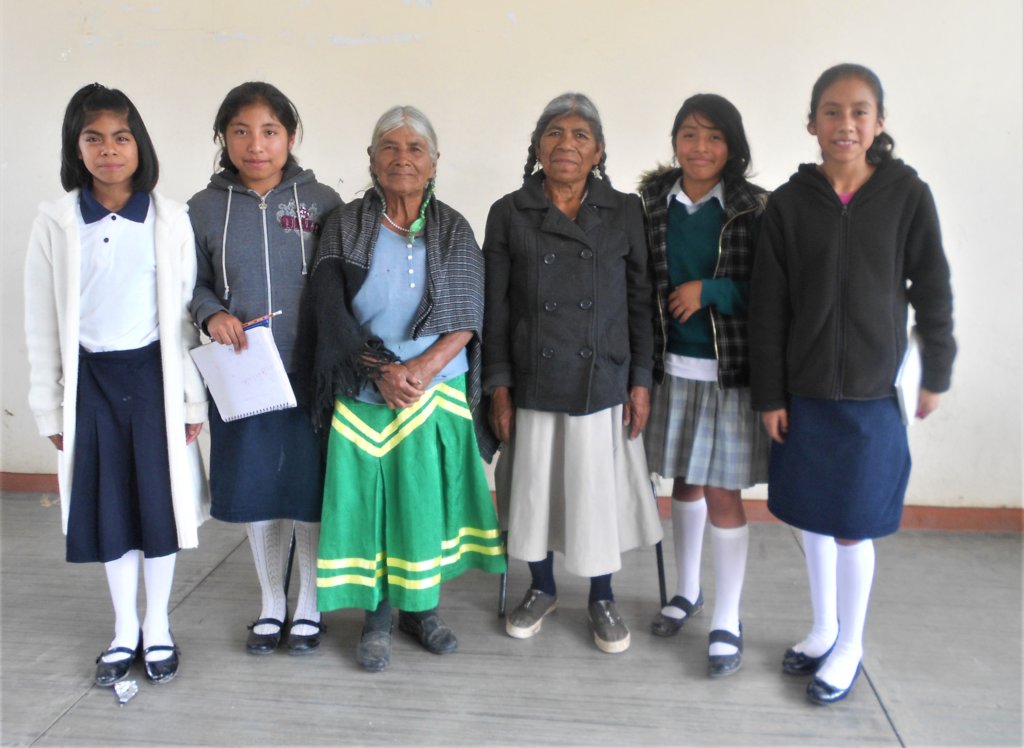
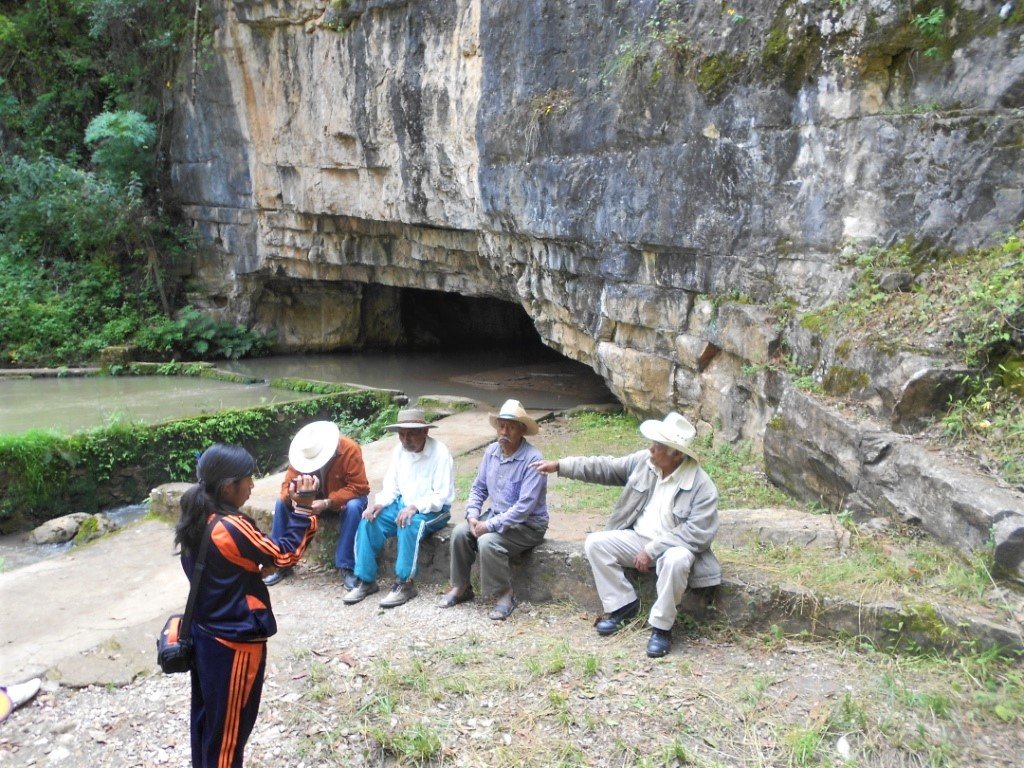
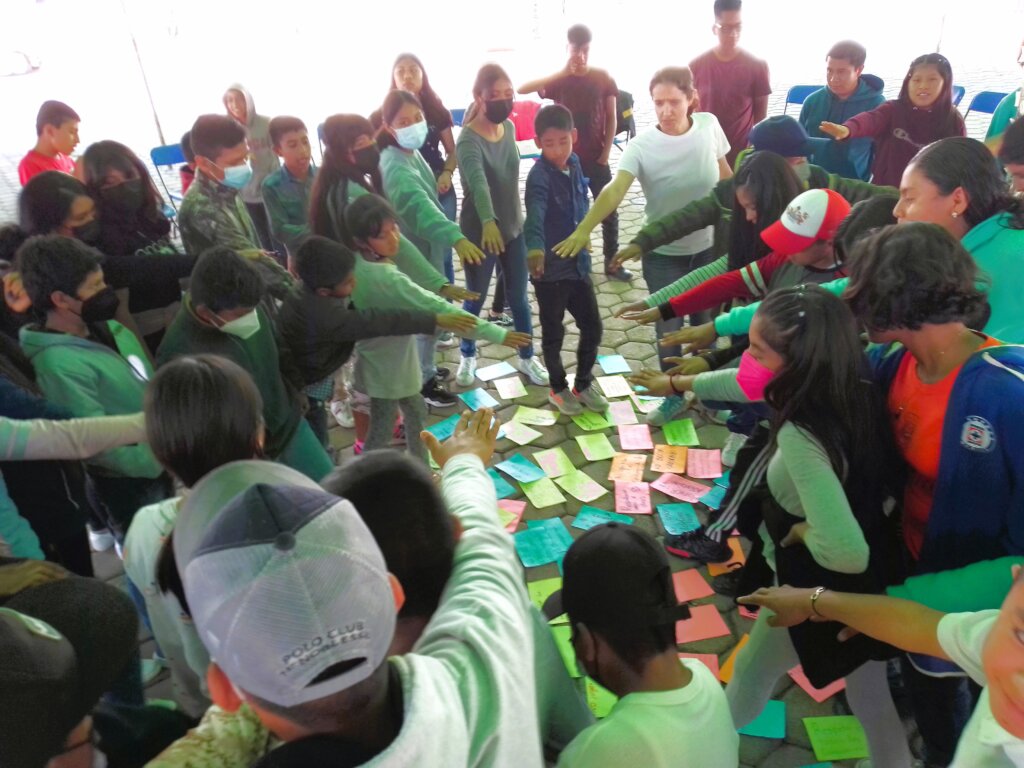
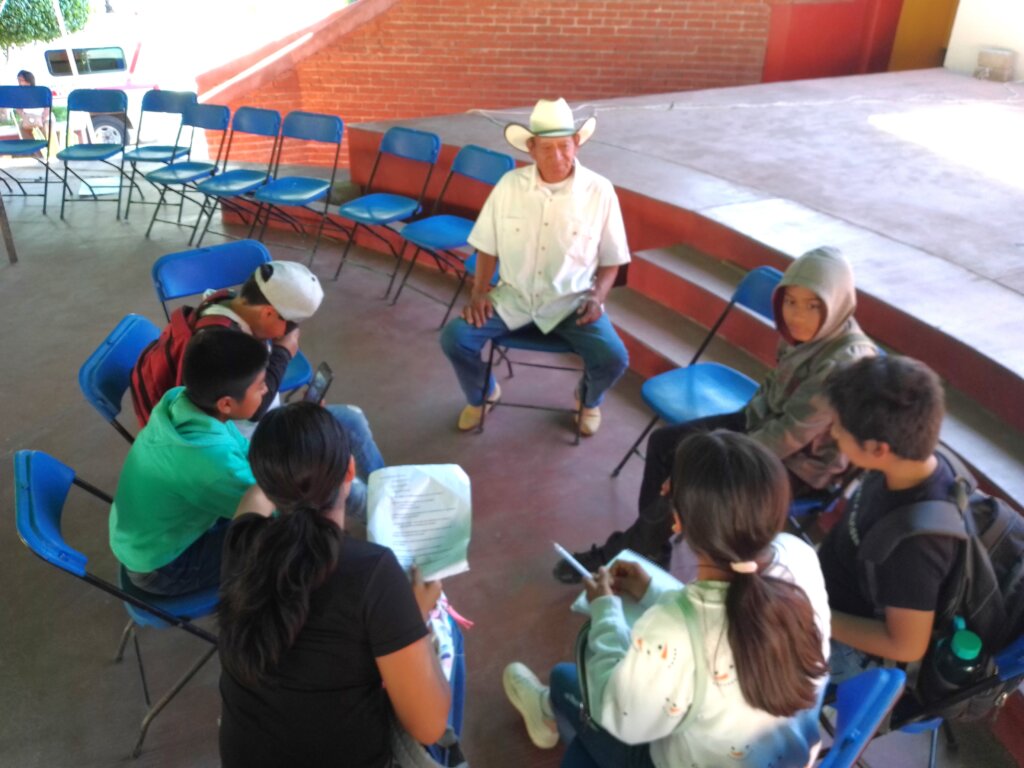
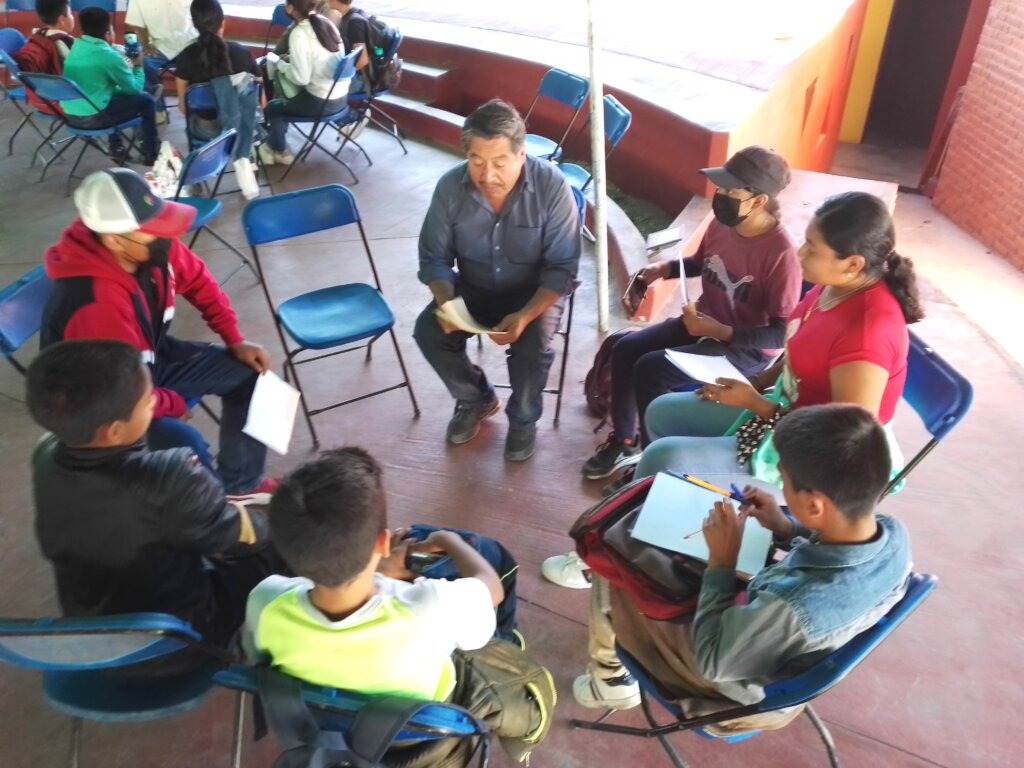
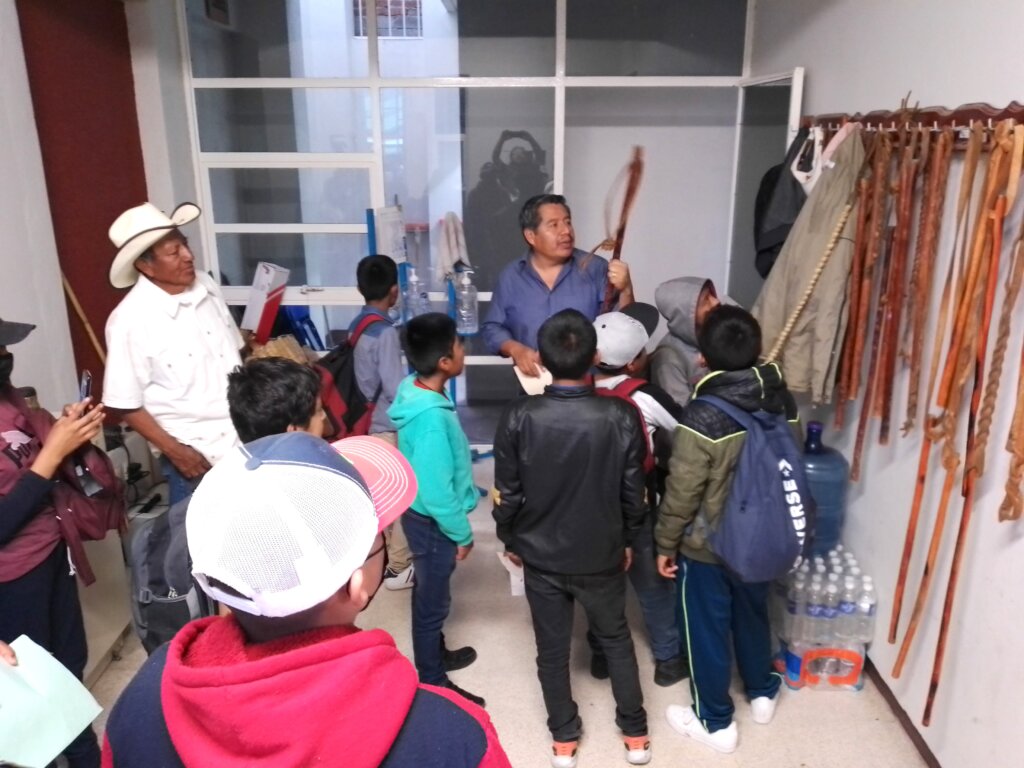
The workshop began with group integration exercises, and then invited young people to share what they knew about the practices of community government. Following this, participants were organized into teams and carried out a dialogue with the elders of Santiago Matatlán. One team had the opportunity to speak with the newly elected municipal president of Matatlán. Afterwards, the elders walked with the young people to see the staffs of authority kept in the Municipal Palace, the place where they hold community assemblies, and sites for different community meetings.
Participants reflected about what they had learned, and analyzed the principles behind the speeches or “parangones” that elders impart during the ceremonies where new authorities are sworn into office. One of these texts included the following:
Receive this staff of authority
That our ancestors left us
Because today our people have chosen you
To work and serve your pueblo
The day has come in which you must return the guelaguesa
Because when you were a child, when you were young
The people cared for you as you slept
Now to correspond you will care for them
Because now you are an elder
In your being there is clarity
Now it is your turn to serve
After sharing these reflections, each team prepared a dramatization an aspect of the “parangones”, and presented their short plays in a community event. The plays were very imaginative and illustrated many of the challenges of community government, including pressures on authorities to favor family members and community actions to deal with unresponsive authorities. The event was also streamed through the youtube channel of the Union of Community Museums of Oaxaca. This was the third program of the series “Our Voice in the Communty Museums: young people strengthening their community identity”.
Another significant activity during this period was the visit of faculty and staff of Kalamazoo College, who experienced many aspects of the Study Abroad/Civic Engagement program organized by UMCO (Theory and Practice of Cultural Rights; Community Museums in Oaxaca), including conceptual discussions, visits to community museums, exercises in expressive arts, and dialogues with young people who have participated in workshops. In this way, the visit contributed to consolidate and expand the collaboration between UMCO and Kalamazoo College, which enriches the development of this project.
In summary, during this period the activities of the project included a series of visits and dialogues with community museum committees and local schools, the organization of an intensive workshop on community government with the participation of 48 young people from 8 communities, and the organization of a visit of faculty and staff of Kalamazoo College to consolidate a significant collaboration.
Project reports on GlobalGiving are posted directly to globalgiving.org by Project Leaders as they are completed, generally every 3-4 months. To protect the integrity of these documents, GlobalGiving does not alter them; therefore you may find some language or formatting issues.
If you donate to this project or have donated to this project, you can receive an email when this project posts a report. You can also subscribe for reports without donating.



Support this important cause by creating a personalized fundraising page.
Start a Fundraiser