By Teresa Morales | Project Leader
This project aims to strengthen meaningful bonds between local youth and their indigenous community culture, carrying out workshops to increase awareness and foster creative expression regarding fundamental community practices. During this period, the series of online workshops was concluded, and we carried an intensive workshop throughout the month of August, that encompassed two virtual meetings and a three-day in-person exchange.
The series of online workshops was focused on community practices that are carried out within the intimate circle of the family, and the participants chose the practices of healing to expand their knowledge of their community culture. Eight workshops were carried out previously, and in this period another two workshops led up to the presentation of a radio program on the youtube channel of the Union of Community Museums of Oaxaca. This was the debut program of the series “Our Voice in the Communty Museums: young people strengthening their community identity”. In this first program, the participants performed a play recreating the healing practices of the “limpia”, or cleansing ceremony, and shared their experiences of the workshop.
In August we designed a new format for our workshops, combining two virtual sessions with an intensive in-person encounter throughout a period of one month. The first sessions introduced exercises to generate a critical perspective of the impact of social media and consumer-oriented culture on the communities of Oaxaca. The participants also reflected on the values and practices of their own communities, and the importance of preserving collective memory.
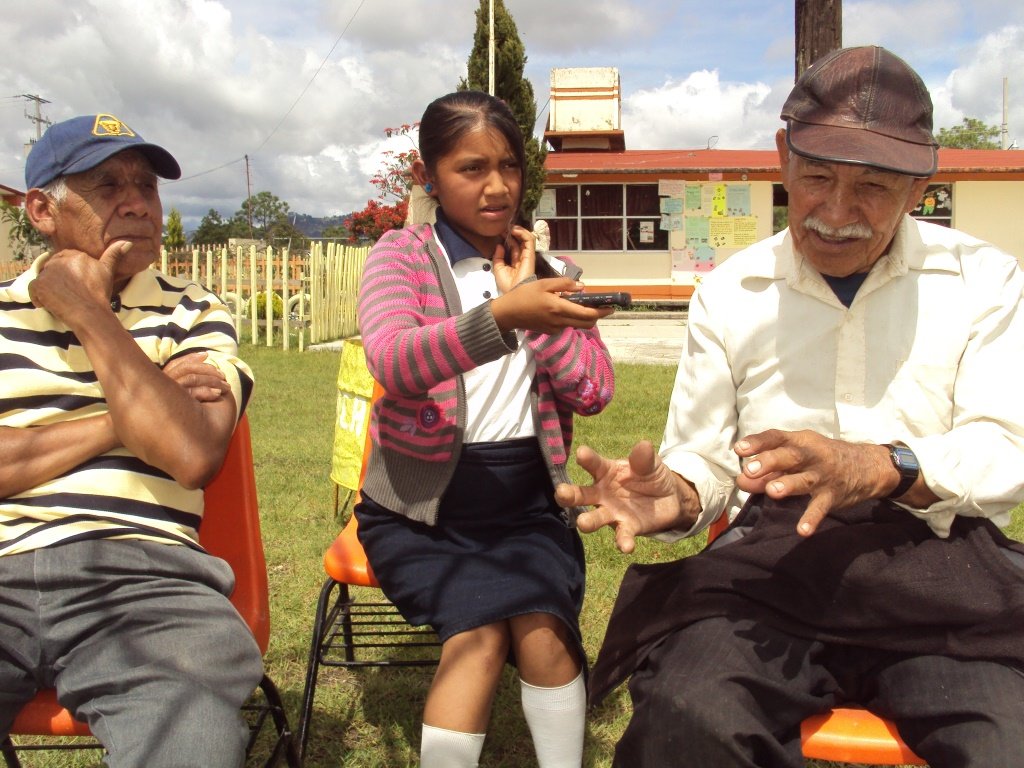
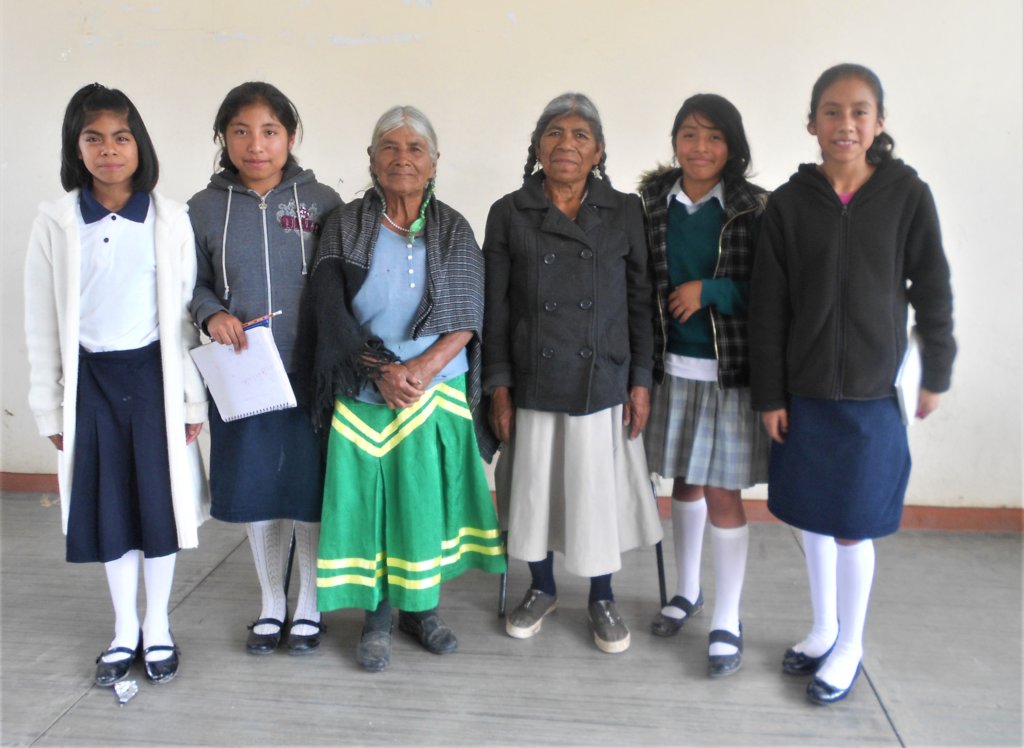
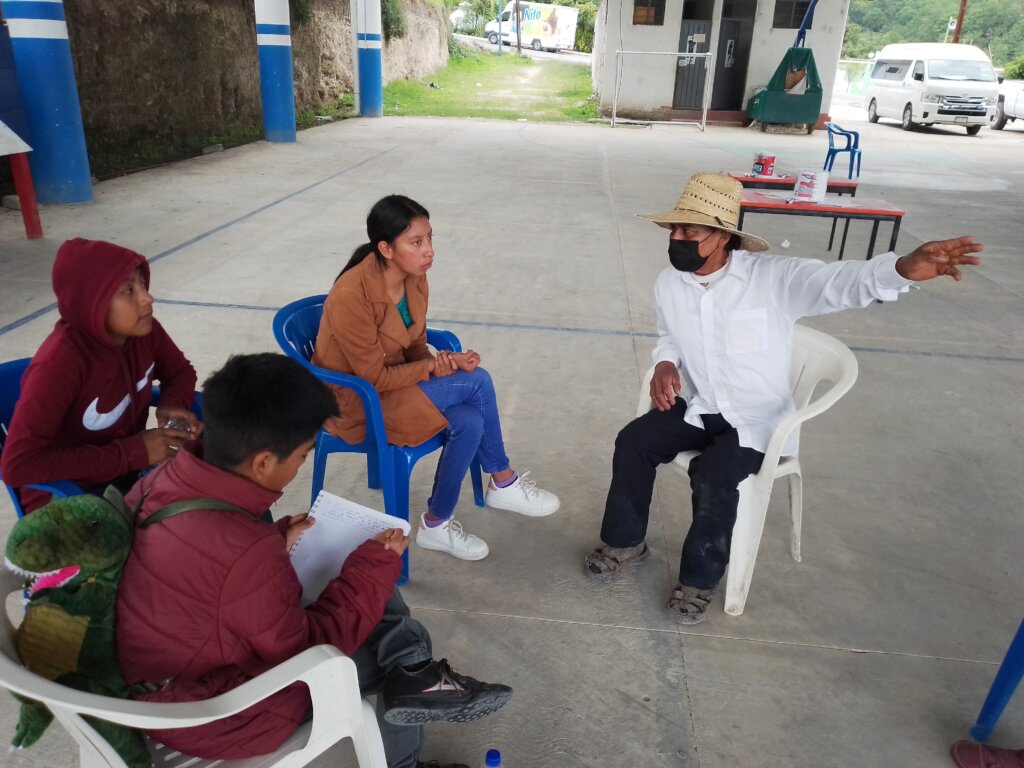
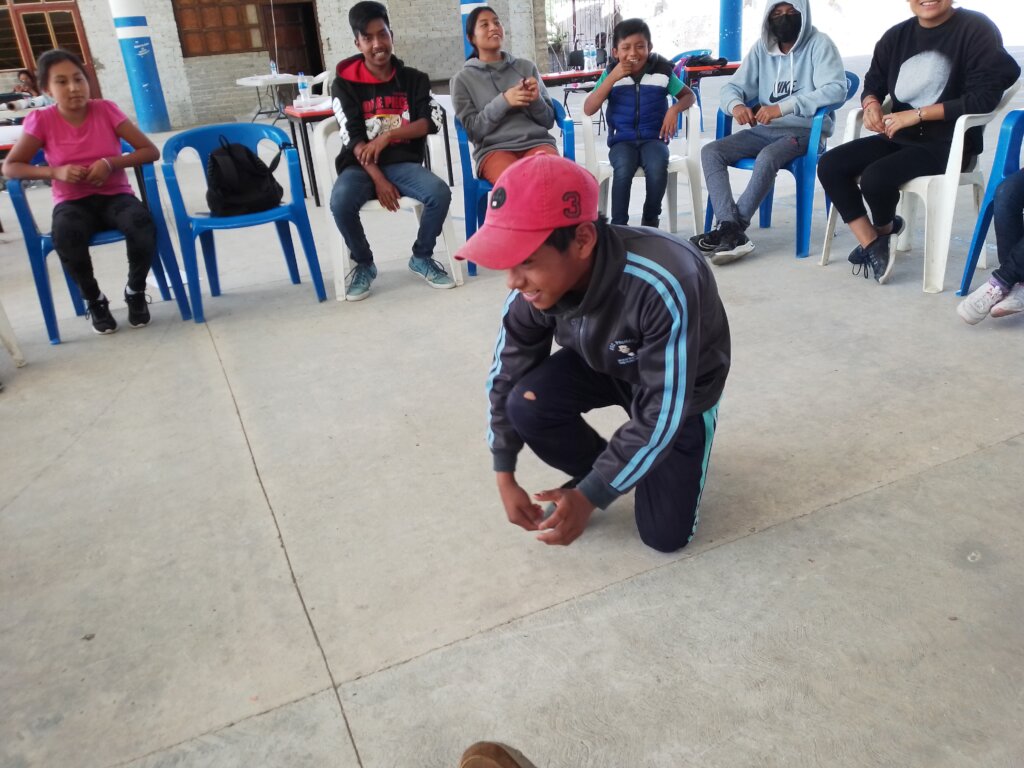
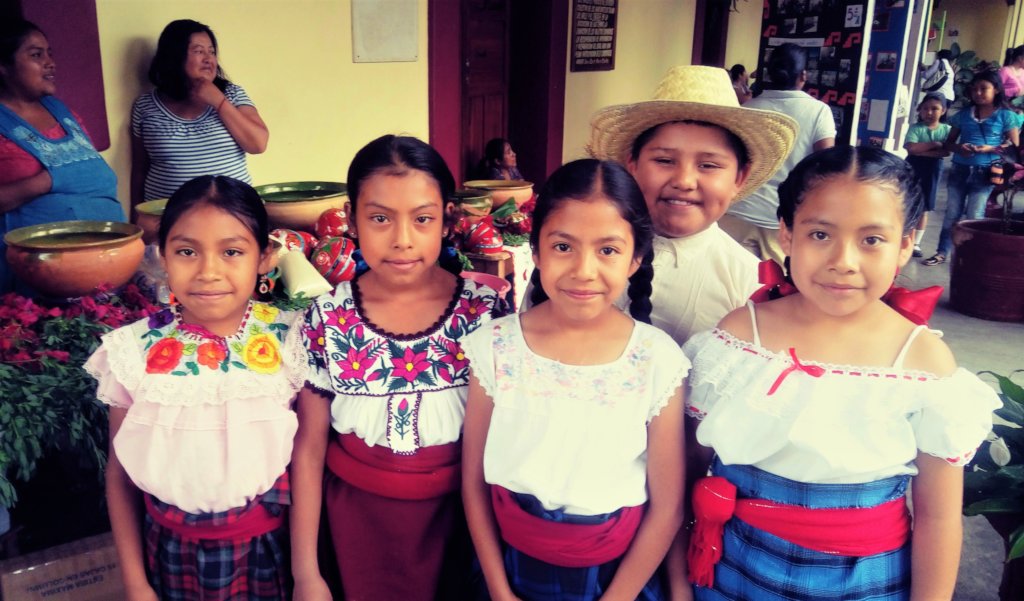
The in-person portion of this workshop was carried out throughout three days at one of the participating communities, San Pedro Molinos. Seventeen young people from Santa María Yucuhiti, Santiago Matatlán, San Juan Bautista Coixtlahuaca and San Miguel Tequixtepec joined their peers of the host community. The young people were very excited to meet each other after having shared reflections through the online sessions. The community museum committee and local authorities organized a welcoming ceremony that portrayed community traditions, providing a direct experience of the practices the young people had been discussing. They also summoned community elders to talk with the participants about practices for healing, to honor the territory, to celebrate a wedding, and to pass positions of authority to new representatives. The elders met with the young people in small groups and shared their experiences very openly.
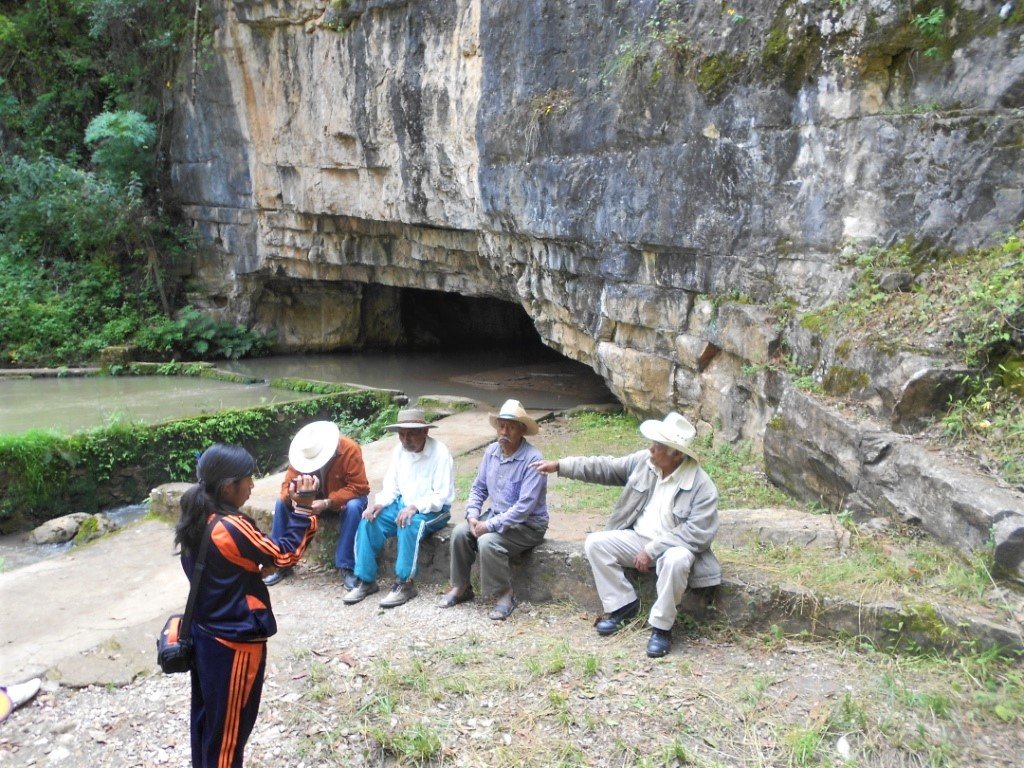
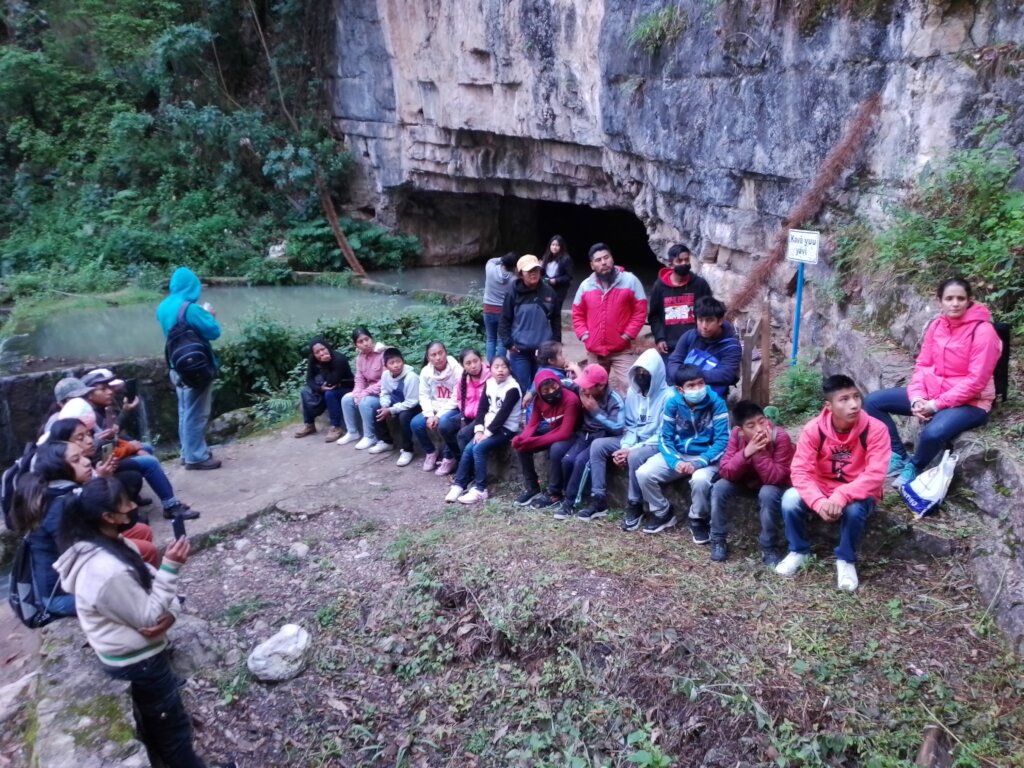
The following morning young people and elders visited a sacred site, a cave from which a subterrean rivers flows. The sacred stories about the cave were shared at the site. Upon their return, each participant wrote a poem about their experience. Then they met in groups to share their poems and reflect on how this experience expressed community practices and principles. They also identified similar practices in their own communities.
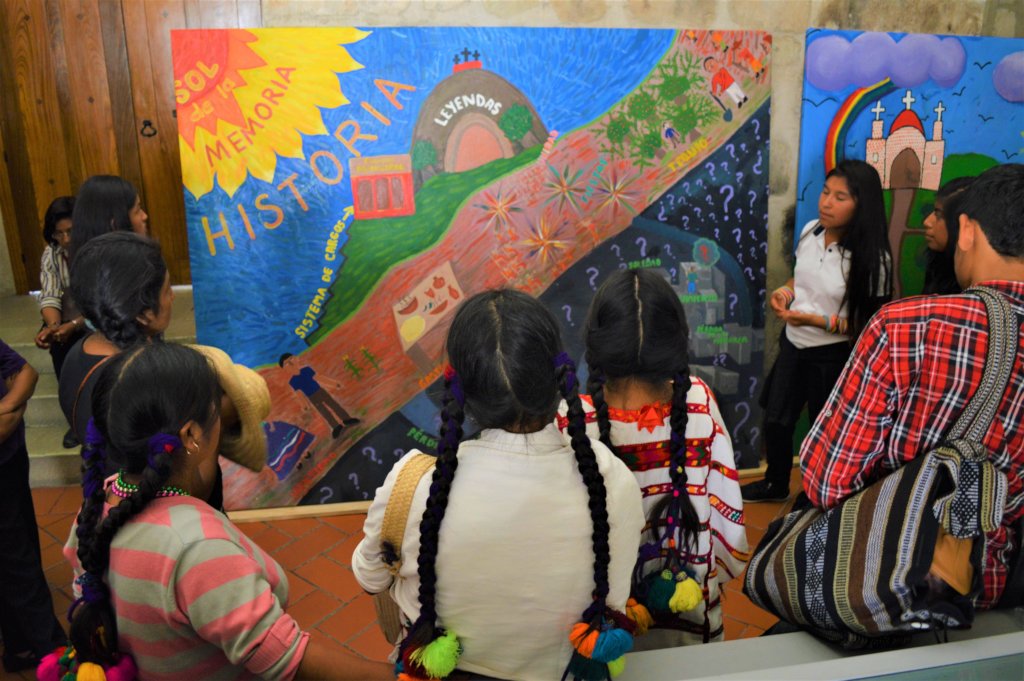
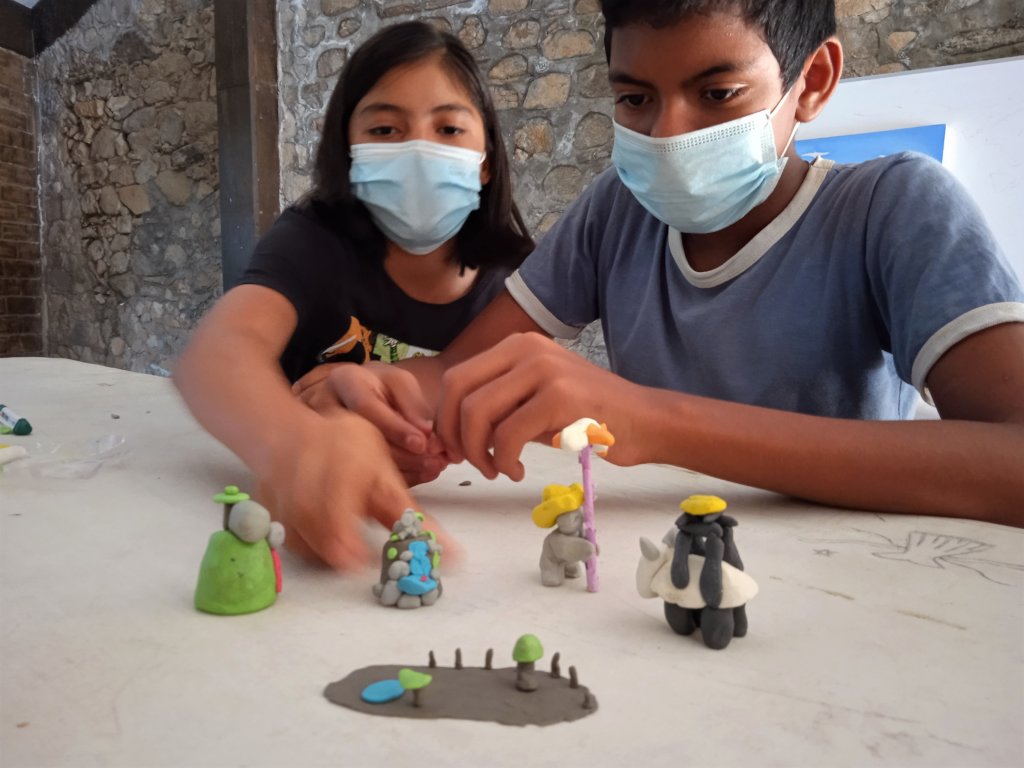
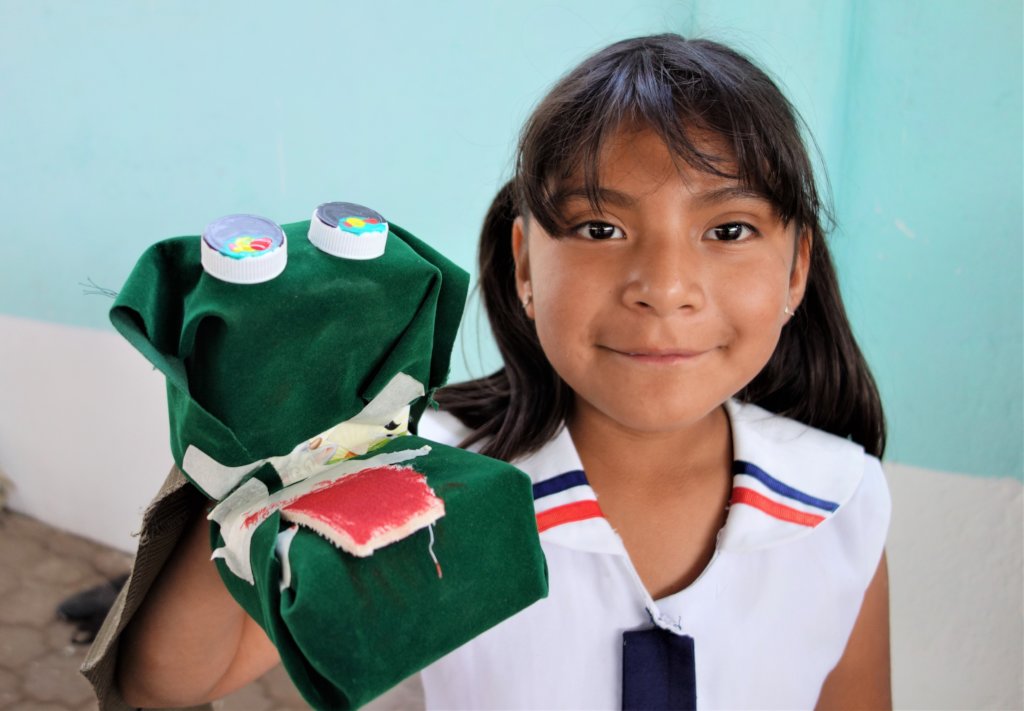
The last day participants again met in groups to integrate their poems and reflections in a final product. Each chose a creative medium. Several of the groups developed puppet plays, others created a series of drawings and illustrated stories.
Many adults from the visiting communities were also present, as they had traveled to be responsible for the welfare of the young people. They organized into different teams to help with equipment, punctuality, materials, and documentation of the workshop.
The final products were presented in a community event, that was also streamed through the youtube channel of the Union of Community Museums of Oaxaca. This was the second program of the series “Our Voice in the Communty Museums: young people strengthening their community identity”. Each group shared their work and received the enthusiastic applause of the adults of the visiting and host communities.
In summary, during this period the activities of the project included the culmination of a series of online workshops, and an intensive workshop combining virtual and in-person sessions, involving 28 young people of five communities (Villa de Tututepec, San Pedro Molinos, San Miguel Tequixtepec, Santiago Matatlán and San Juan Bautista Coixtlahuaca), who deepened their knowledge and personal connection to their community practices.
Project reports on GlobalGiving are posted directly to globalgiving.org by Project Leaders as they are completed, generally every 3-4 months. To protect the integrity of these documents, GlobalGiving does not alter them; therefore you may find some language or formatting issues.
If you donate to this project or have donated to this project, you can receive an email when this project posts a report. You can also subscribe for reports without donating.



Support this important cause by creating a personalized fundraising page.
Start a Fundraiser