By Fallon Burke | Project Leader
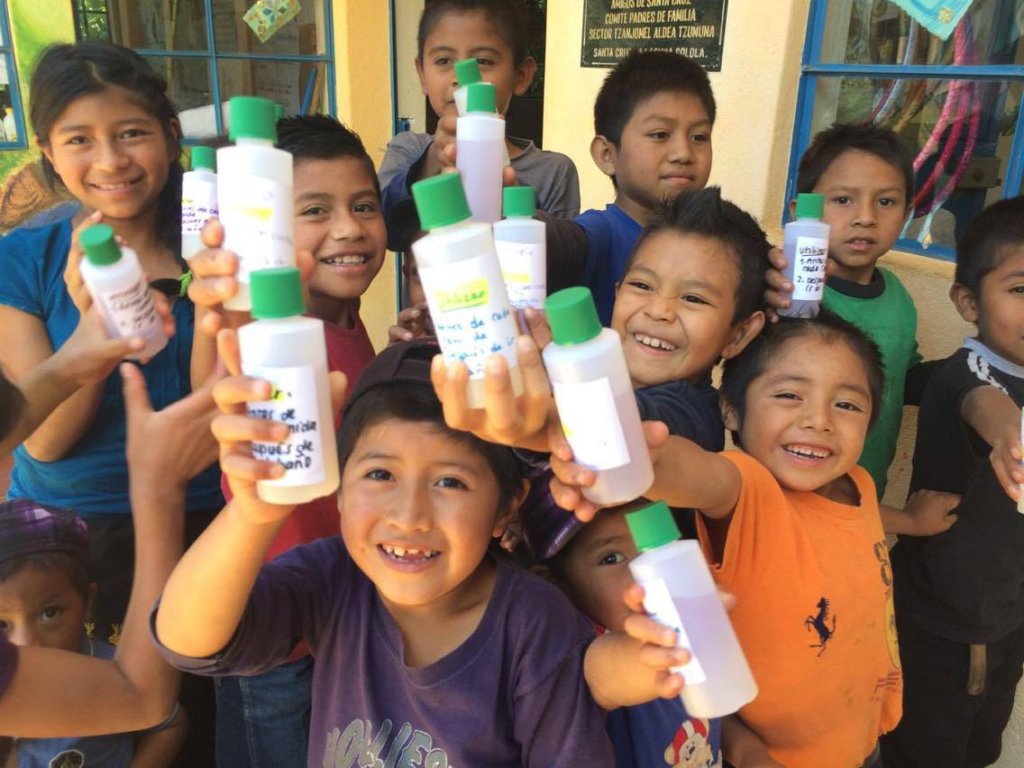
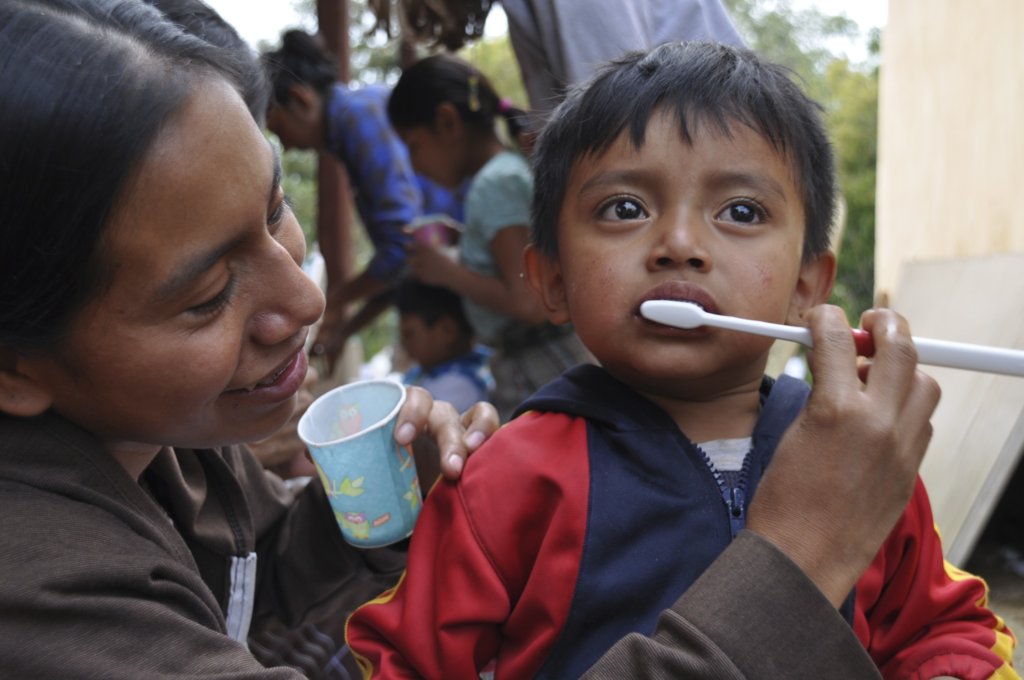
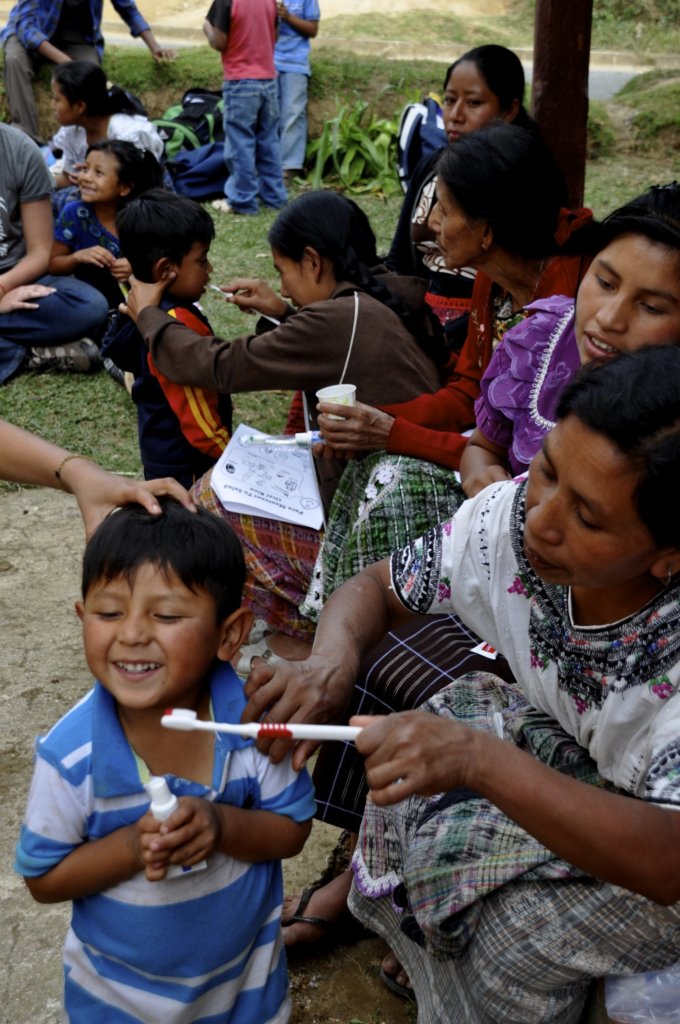
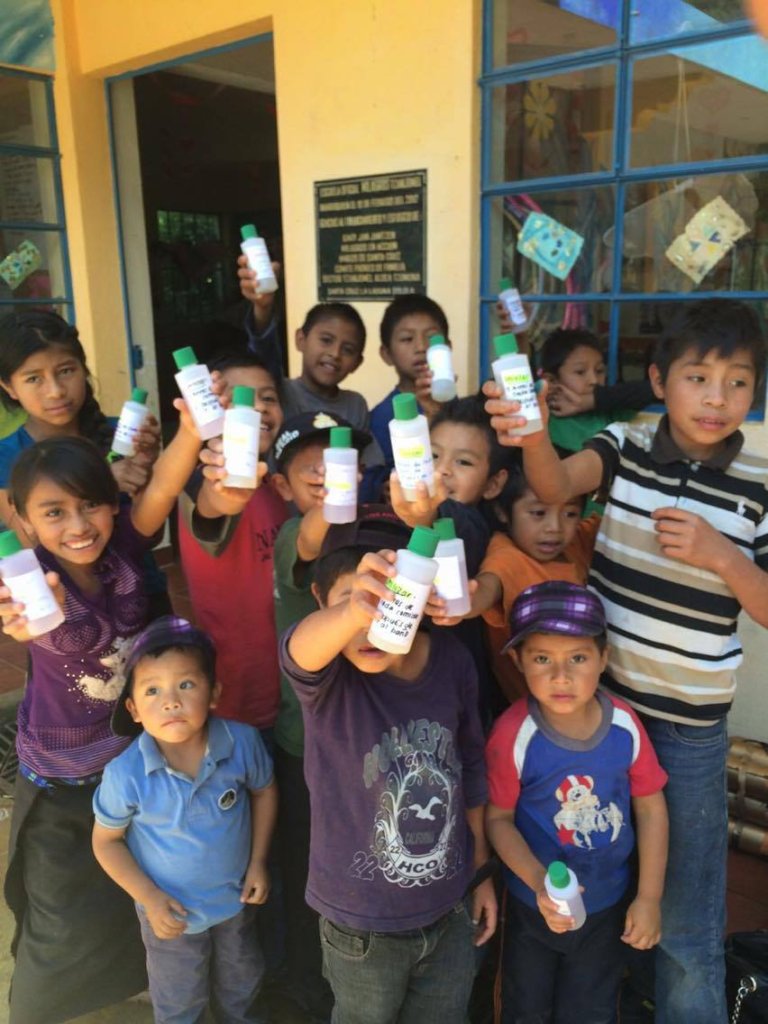
With the disease prevention unit of our In-School Health Training Campaign to Empower Maya Indigenous Youth for a Healthy Future coming to an end at the beginning of August, Hilda, our community health educator has begun to deliver trainings on nutrition. The first training related to nutrition was about the “evils” of junk food. The objectives of the training were to disseminate information on the “evils of junk food,” to raise awareness about the damages junk food can cause, and to inform the preschoolers of the consequences the consumption of “comida chatarra” has on their bodies. After assembling puzzles and discussing how junk food makes our teeth and bodies sad, all the kiddos vowed to eat more fruits and vegetables and to make healthier decisions when buying their daily snack.
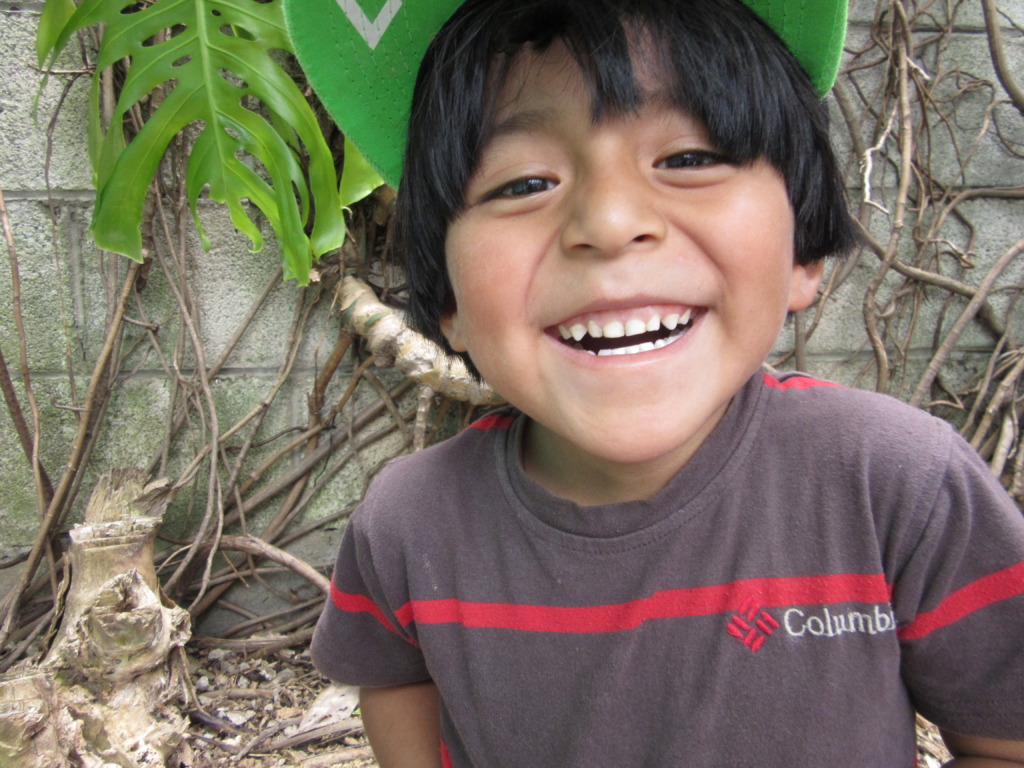
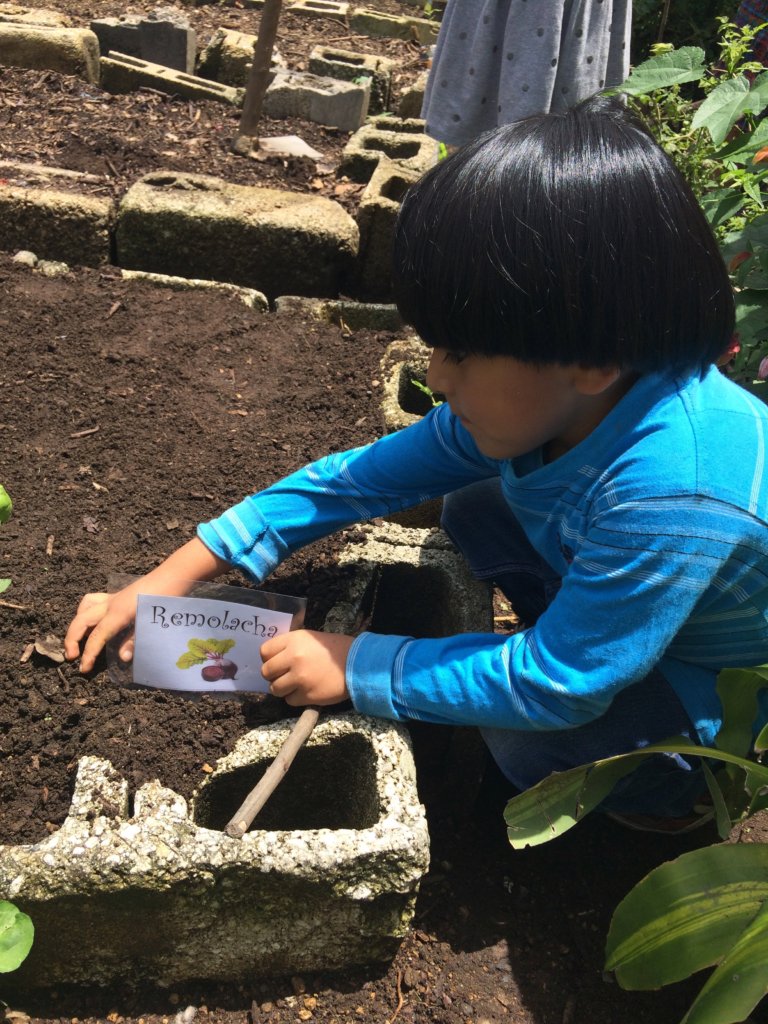
The following week, when we were at our partner preschool’s in-school garden, one of our kids, Mardoqueo, 4 years old, was eating a bag of chips for his snack. Immediately, a few of his friends rushed to his side to ask why he was eating “comida chatarra,” instead of the fruit salad that was provided by the school. His peers began to recall what we discussed in our training and told him that his energy levels would be low, his body would not be as strong, and that he is at a higher risk of getting a cavity when eating junk food. His response was that “the bad angel told me to eat it.” His classmates quickly told him that he has to do his best to resist the voice of the “bad angel,” and he agreed. Mardoqueo soon ditched the bag of chips in favor of the delicious fruit salad.
After overhearing this conversation between Mardoqueo and his friends, we asked Mardoqueo why it is important to eat healthy. According to him, eating healthy helps keep his body strong. He likes to eat watermelon and melon, and lettuce is among one of his favorite vegetables. If Mardoqueo could give a piece of advice to his friends about health and nutrition, it would be this: “Eat fruits and vegetables, don’t eat junk food, wash your hands before you eat brush your teeth teeth after.”
The story of Mardoqueo and his classmates is a prime example of the impact our health trainings are having on the lives of these children. Our preschoolers are not only retaining information from our trainings, but are adopting healthier habits in their everyday lives.
Project reports on GlobalGiving are posted directly to globalgiving.org by Project Leaders as they are completed, generally every 3-4 months. To protect the integrity of these documents, GlobalGiving does not alter them; therefore you may find some language or formatting issues.
If you donate to this project or have donated to this project, you can receive an email when this project posts a report. You can also subscribe for reports without donating.