By Vanessa Reksodipoetro | Project Leader
Dear friends,
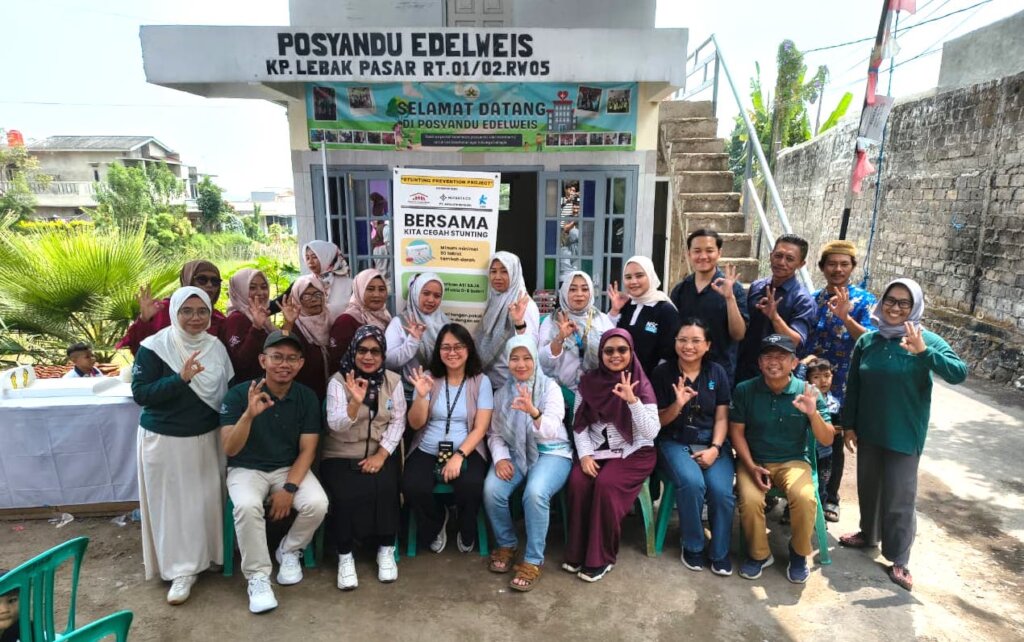
In this new update, we asked Abigail Yemima, a recent hire at Yayasan Usaha Mulia (YUM) about her thoughts on our stunting prevention program, and the importance of the women volunteers assisting the Posyandu in the villages. Having seen firsthand the health project in West Java, here is what Abigail has to share:
—---------------------------------------------------------------------------
The central government can dream big about national stunting prevention strategies, or set goals for the next 10 years, but the ones carrying the workload for these grand master plans are largely the female healthcare volunteers within the community.
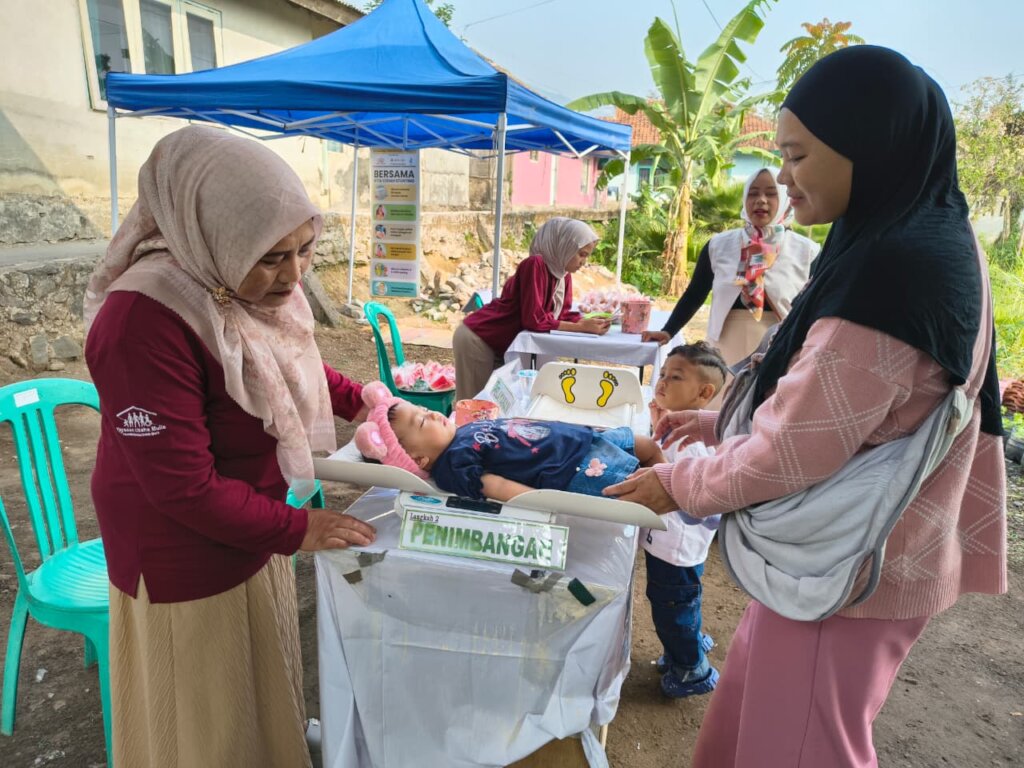
The decentralization of the public health system has been offered as a solution for low- and middle-income countries to provide better access and responsiveness, while also adjusting to meet local needs. Because of this, the Indonesian public health system relies greatly on community health posts, or Posyandu. With stunting prevention measures being implemented nationally, the responsibility falls to these units. Alongside these units are community healthcare workers, or kader, mostly women, who are the ones working on the frontline, assisting with health checkups, taking body measurements, and guiding mothers during maternity and breastfeeding periods.
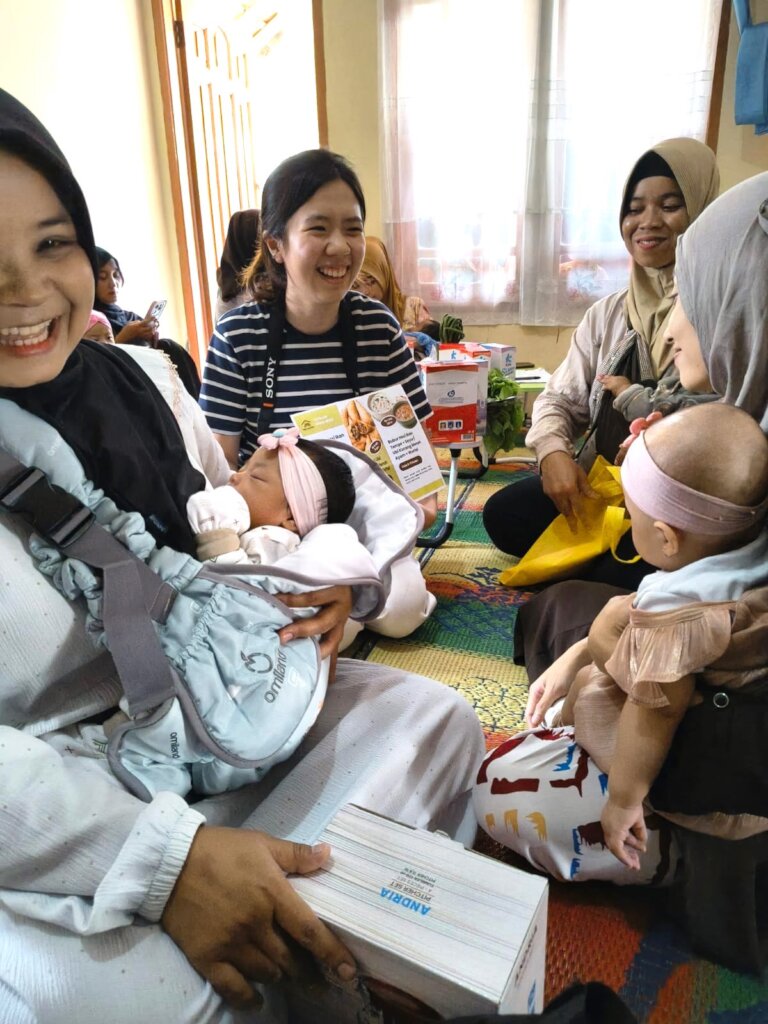
In our area of work, these women are effectively tackling stunting within their own community by nourishing pregnant and breastfeeding mothers. The kader works to advise on what the mothers should eat and how to care for their babies, and their shared experiences allow them to enter easily into spaces and act as a role model and a peer counselor with fellow mothers. This trust can lay the groundwork for success.
However, while they are the backbone of stunting prevention, the nature of their work is informal. There is no binding contract, no wage, and barely any safety net. Everything is mostly voluntary and commitment-based. This reinforced the assumption that care work is expected and “comes naturally” from women and doesn’t need formal recognition. The incentives that come with working in Posyandu are unstable and vary based on the regulations in each village.
When interviewing kader in community health posts, many report the uncertainty in funding as the government moves towards a food aid program as a solution. This approach the government is using is fragmented and, more often than not, misses the mark. The kader have to overcome these budget constraints by pooling their resources and looking for donors. On top of cutting the allocated budgets for Posyandu activities, the food packages delivered to Posyandu every day rely on the help of the kader to distribute them, yet another task these kader have to manage.
This disproportionate task and incentives given to healthcare workers can create unmotivated kader and underserved communities. When vital healthcare workers are compensated fairly for the work they are doing, it will increase outreach, community participation, and create a better and more sustainable environment for public health services in Indonesia.
—-----------------------------------------------------------------------
We believe in the power of these amazing kader and hope to support them as long as needed in order to ensure healthy families in communities that still lack quality healthcare. This is where we’d love your help.
Giving Tuesday is coming soon - December 1st - and GlobalGiving will have $500,000 in incentive funds available to boost donations made that day. That means your gift can go even further. We hope you’ll join us, and we’ll send you a reminder before the big day.
With my sincere thanks,
Vanessa Reksodipoetro
Executive Director
Project reports on GlobalGiving are posted directly to globalgiving.org by Project Leaders as they are completed, generally every 3-4 months. To protect the integrity of these documents, GlobalGiving does not alter them; therefore you may find some language or formatting issues.
If you donate to this project or have donated to this project, you can receive an email when this project posts a report. You can also subscribe for reports without donating.


Support this important cause by creating a personalized fundraising page.
Start a Fundraiser