By Victor Owuor | Program Coordinator
At Sunflower Trust, we remain committed to ensuring that children and adolescents from underserved communities have access to quality learning opportunities, mentorship, and the support they need to thrive. Throughout this reporting period, we continued to invest in programs that strengthen literacy, build life skills, promote gender equality, expand access to STEM education, and support early childhood development. The progress achieved reflects the commitment of learners, parents, teachers, partner schools, and supporters who continue to believe in the potential of every child.
Sustaining Learning Through the PALE After-School Programme
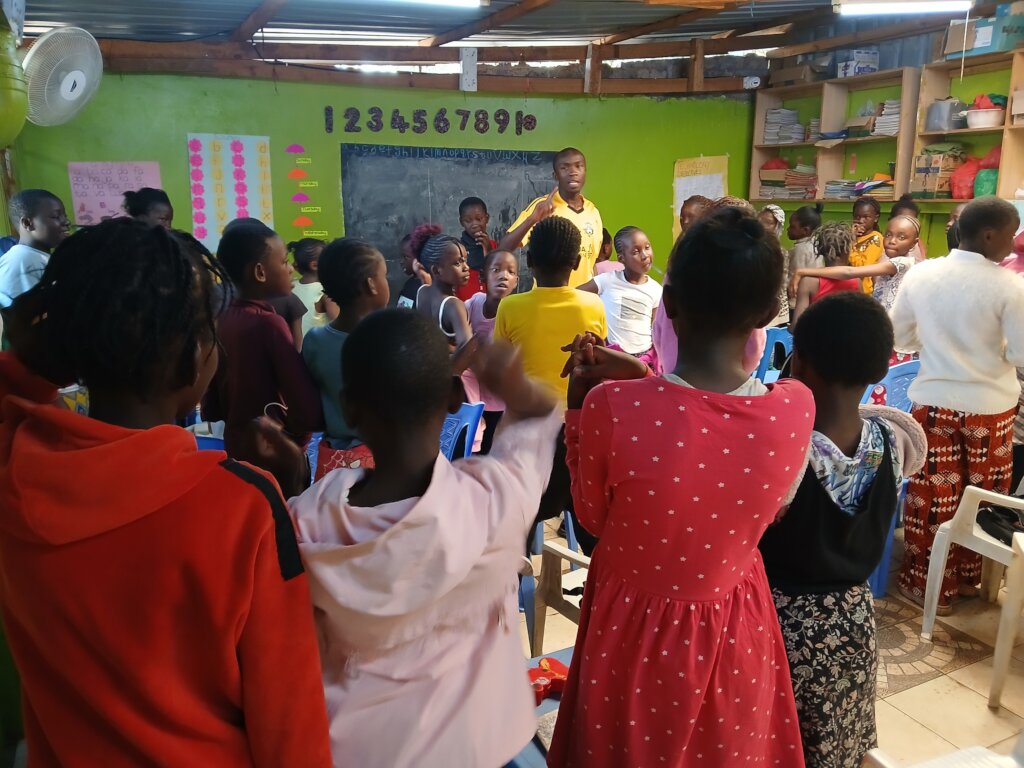
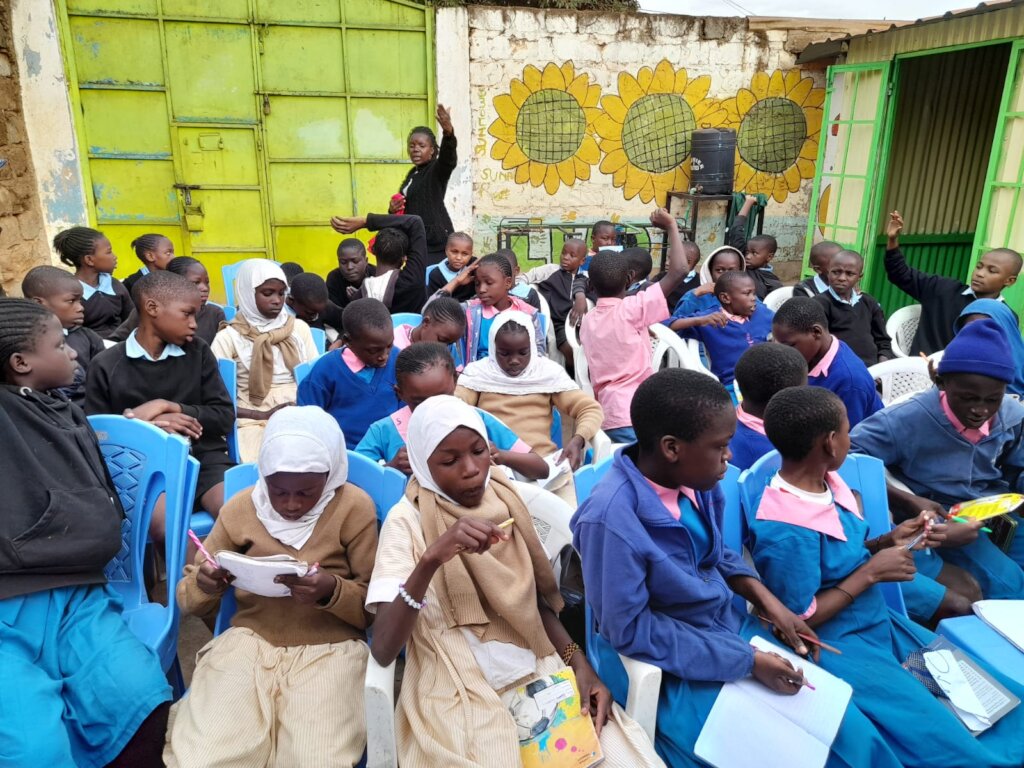
The Pathways to Alternative Learning and Education (PALE) after-school programme continued to provide academic support, mentorship, and life skills development to adolescent girls. The programme remains an important source of learning support for girls who require additional opportunities to strengthen foundational literacy skills and build confidence in their academic abilities.
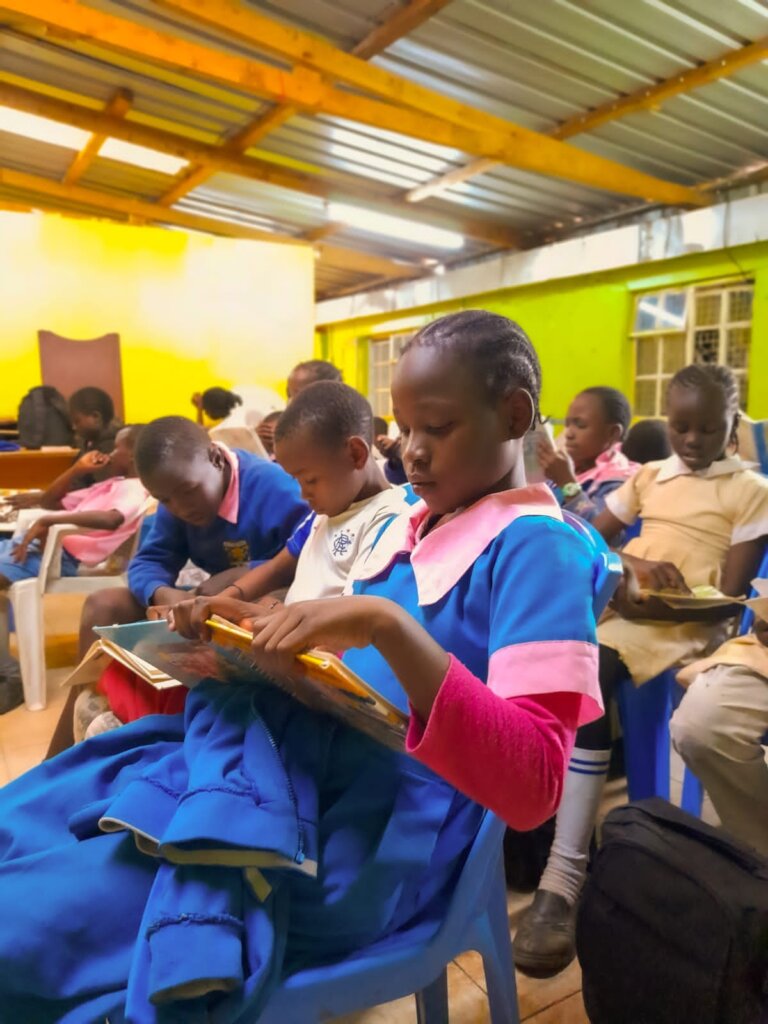
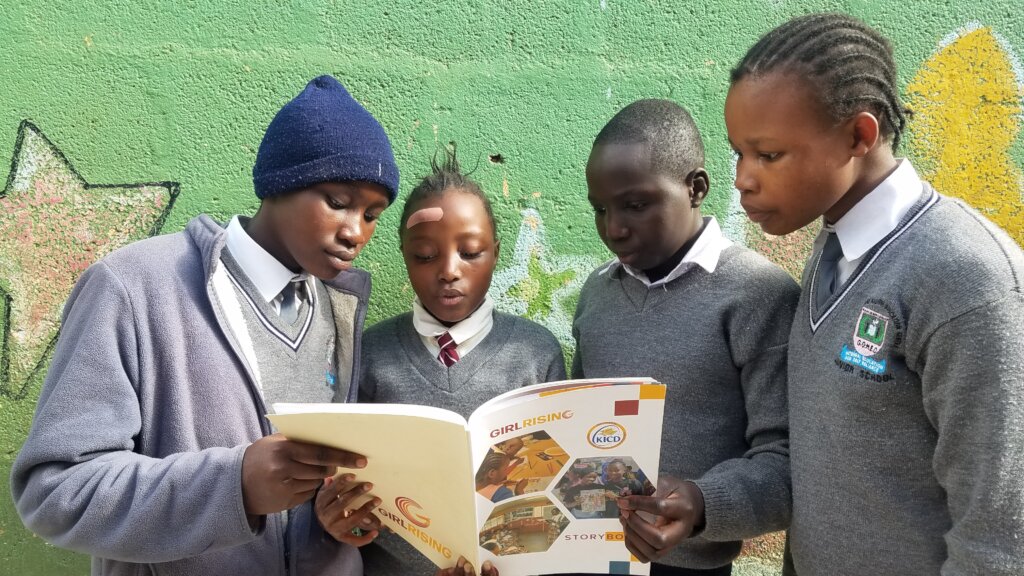
Through structured literacy lessons, guided reading activities, vocabulary development exercises, and learner-centered discussions, 175 adolescent girls continued to improve their reading comprehension and communication skills. Beyond academics, the programme provided a safe space where girls could receive mentorship, interact with positive role models, and develop important life skills that support their personal growth and educational journey.
The continued implementation of the PALE programme is helping learners build stronger foundations for success in school while nurturing confidence, resilience, and a positive outlook toward their future.
Parents Becoming Active Partners in Girls’ Education
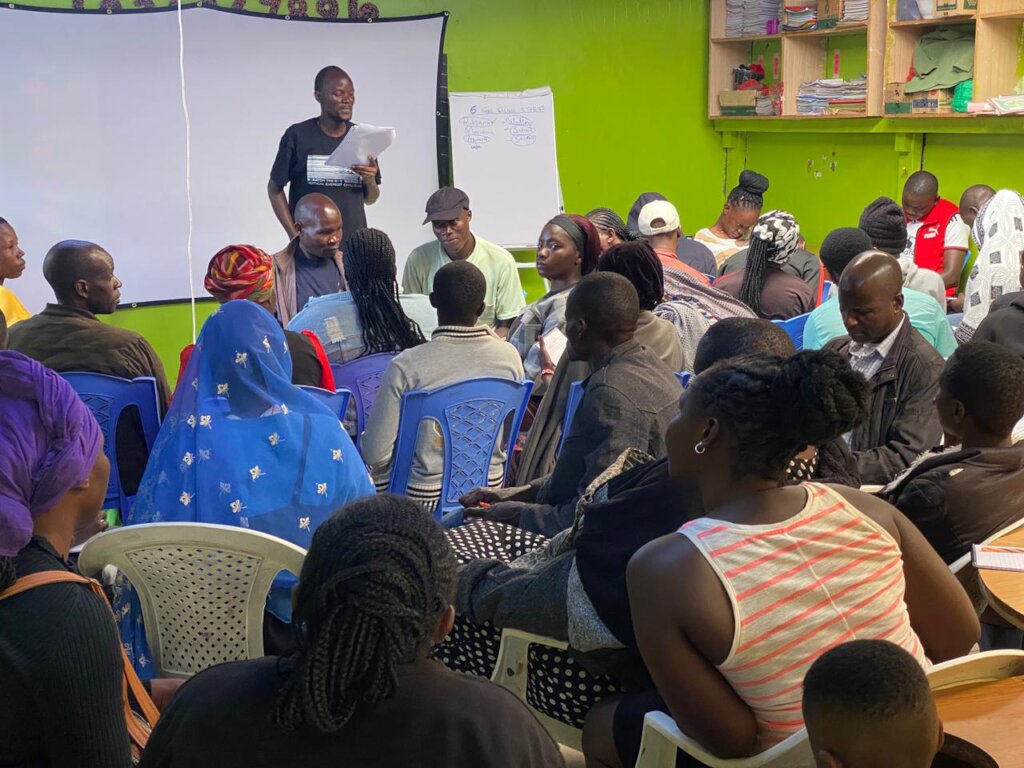
A major highlight of the reporting period was the successful completion of six parental engagement sessions for parents and caregivers of girls participating in the life skills and gender sensitization curriculum across our eight partner schools.
The programme was designed to help parents better understand the experiences, challenges, and aspirations of adolescents while strengthening their role as key supporters in their children's development. Through interactive discussions and guided reflection, parents explored topics related to positive parenting, communication, gender equality, and creating supportive home environments where girls can thrive.
The programme initially targeted 50 parents and caregivers in cohort one. However, interest and commitment from families resulted in 56 parents successfully attending and completing all six sessions, surpassing the original target.
Throughout the sessions, parents gained deeper insight into what their children are learning through the life skills and gender sensitization curriculum and how they can reinforce these lessons at home. They discussed practical ways of encouraging their daughters, supporting their education, and helping them navigate challenges that may affect their wellbeing and learning.
One of the most powerful outcomes emerged during the final sessions, where parents reflected on their personal learning journeys and the changes they had experienced. Many shared that they had become more intentional about listening to their children, creating opportunities for open conversations, and providing emotional support without judgment.
Parents recognized that small but consistent actions—such as spending quality time with their children, encouraging their ambitions, and challenging harmful gender stereotypes—can significantly influence a girl’s confidence and future aspirations.
The sessions concluded with parents making personal commitments to continue applying what they had learned. Many pledged to hold regular conversations with their daughters, monitor their wellbeing more closely, provide guidance during difficult moments, and create home environments where girls feel safe, respected, and empowered to pursue their dreams.
These commitments demonstrate the transformative impact that parental involvement can have in strengthening outcomes for adolescent girls and reinforcing the lessons being delivered in schools.
Expanding Access to STEM Learning for Girls
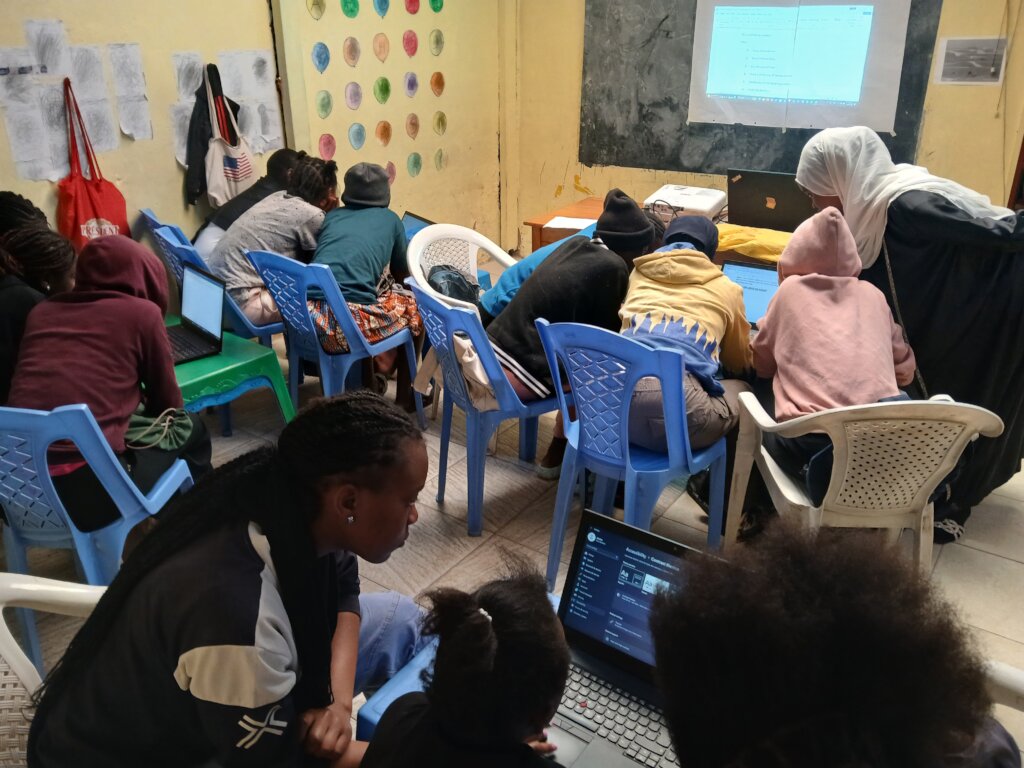
This reporting period also marked an exciting milestone with the rollout of Cohort 1 of the 2026 Play-based STEM Programme.
The programme was designed to strengthen girls’ competencies in Science, Technology, Engineering, and Mathematics through engaging, practical, and hands-on learning experiences. Therefore, by making STEM enjoyable and accessible, the programme seeks to build curiosity, confidence, creativity, and problem-solving skills among adolescent girls.
Initially, the programme aimed to reach 75 PALE girls in Grades 7 and 8 drawn from six partner schools including Fairview Children Centre Academy, The Global One Kibera School, St. Stephen Education Centre, Oloo Children Centre, Utu Montessori Academy, and Miracle and Victory Academy. The enthusiasm demonstrated by adolescent girls, teachers, and partner schools exceeded expectations. As a result, the programme significantly surpassed its original target and reached 127 adolescent girls during the reporting period.
This strong response highlights the growing demand for quality STEM learning opportunities among girls and reinforces the importance of creating spaces where they can explore, innovate, and develop skills that prepare them for future educational and career opportunities.
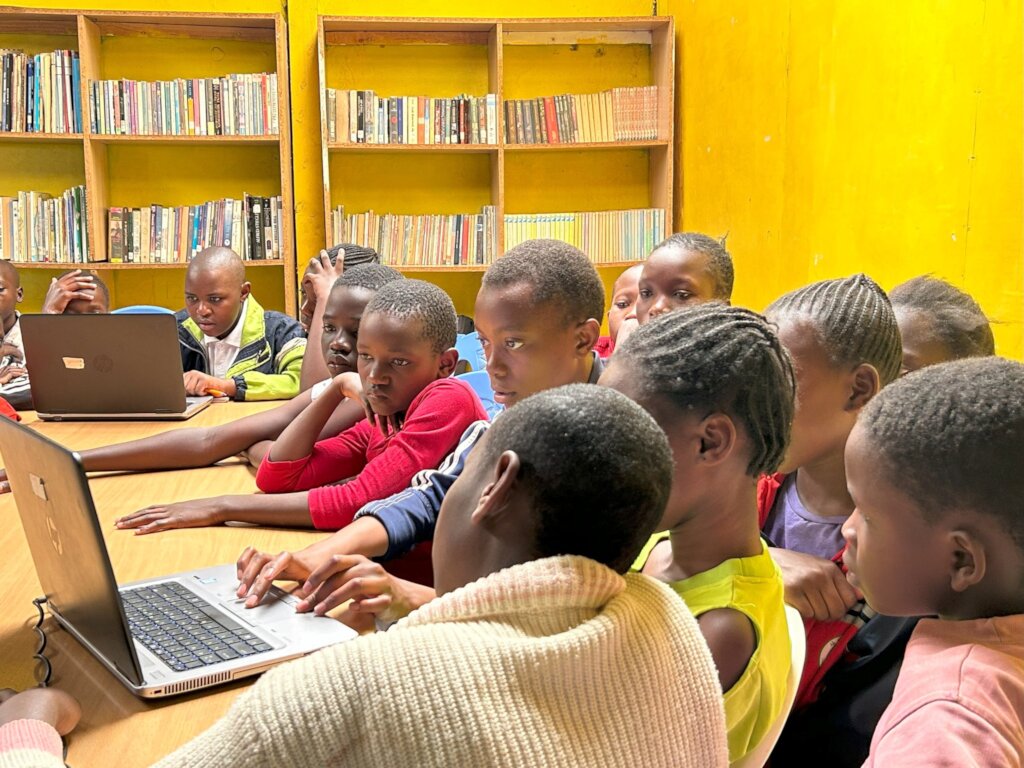
STEM sessions were conducted at the Sunflower Trust Literacy Centre four days each week, providing adolescent girls with regular opportunities to explore scientific concepts through experimentation, teamwork, and inquiry-based learning activities.
As the programme continues, the adolescent girls will have additional opportunities to strengthen critical thinking, creativity, innovation, and problem-solving abilities through practical STEM experiences.
Advancing Leadership and Gender Equality Through Gender Sensitization
Implementation of the life skills and gender sensitization curriculum continued across eight partner schools, reaching 919 both girls and boys with lessons designed to promote confidence, leadership, gender equality, and positive life choices.
Therefore, by the end of the reporting period, most schools had successfully completed five of the six curriculum modules, with the remaining modules scheduled for completion before the end of September 2026.
The curriculum continues to create meaningful conversations among learners around self-confidence, respect, leadership, equality, and personal responsibility. Through participatory learning approaches, students are developing practical life skills that help them make informed decisions, build healthy relationships, and challenge harmful stereotypes.
The inclusion of both girls and boys in these conversations remains critical in promoting mutual respect and creating school environments where all learners have equal opportunities to learn, lead, and succeed.
Strengthening Early Childhood Learning Through SEED
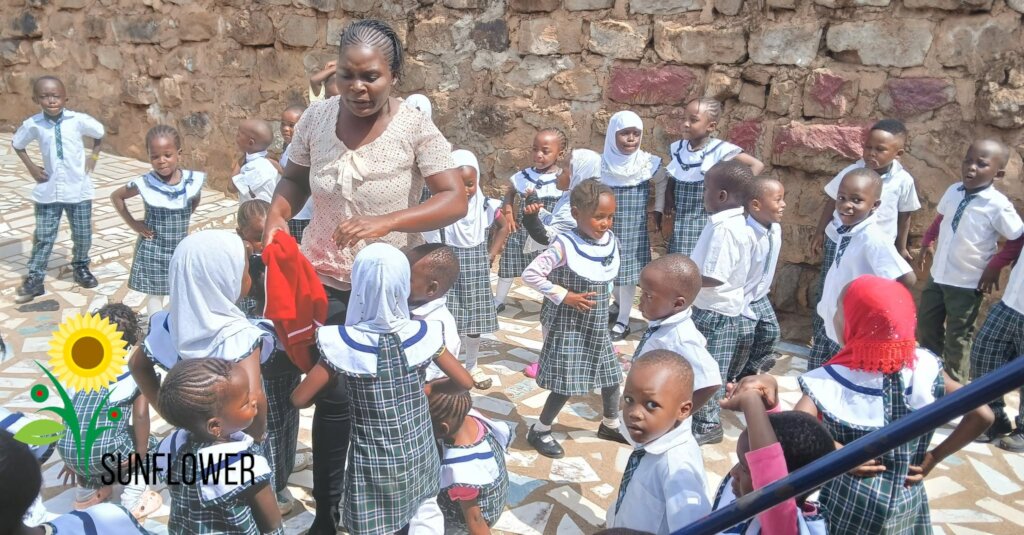
Sunflower Early Education and Development (SEED) continued to provide quality early childhood education to 72 children through a holistic learning approach that integrates literacy, numeracy, creative arts, music, outdoor play, social-emotional learning, and health and hygiene activities.
Recognizing the importance of strong foundations during the early years, our teachers continued to create engaging learning experiences that support children’s cognitive, social, emotional, and physical development.
During the reporting period, the school conducted midterm assessments to evaluate learners’ progress across key areas of learning. The assessments enabled teachers to identify strengths, monitor overall class performance, and determine areas where individual learners required additional support.
Following the assessments, teachers held review meetings to analyze results and develop targeted support strategies for learners facing specific challenges. The findings informed lesson planning and classroom interventions aimed at ensuring that every child receives the support needed to progress.
Parents were also actively engaged throughout the process. They were informed about the assessments and encouraged to reinforce learning at home through regular reading activities, homework supervision, and positive encouragement. This collaboration between teachers and parents continues to play a vital role in supporting children's educational development.
Project reports on GlobalGiving are posted directly to globalgiving.org by Project Leaders as they are completed, generally every 3-4 months. To protect the integrity of these documents, GlobalGiving does not alter them; therefore you may find some language or formatting issues.
If you donate to this project or have donated to this project, you can receive an email when this project posts a report. You can also subscribe for reports without donating.



Support this important cause by creating a personalized fundraising page.
Start a Fundraiser