By Madelaine Katz | Jiti Foundation Consultant
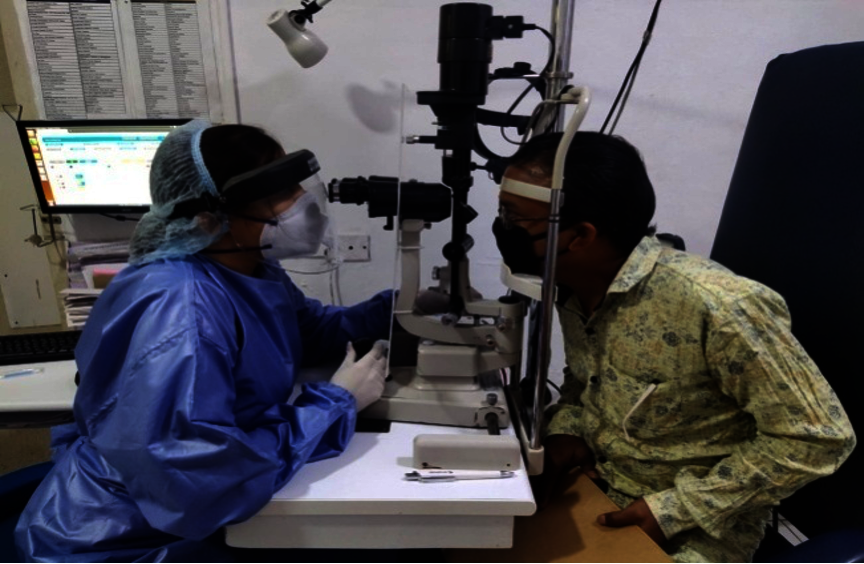
For thousands of people across India, a rare eye disease can become a life-changing diagnosis long before they ever reach the right specialist. Rare ocular disorders often go undiagnosed or are identified only after a patient has experienced significant and sometimes irreversible vision loss. For families living in low-income and rural communities, the challenges can be even greater. Distance from specialized care, limited financial resources, shortages of trained eye care professionals, and a lack of awareness can all stand between a patient and the treatment they need.
This is why screening, early diagnosis, treatment, and training are so important.
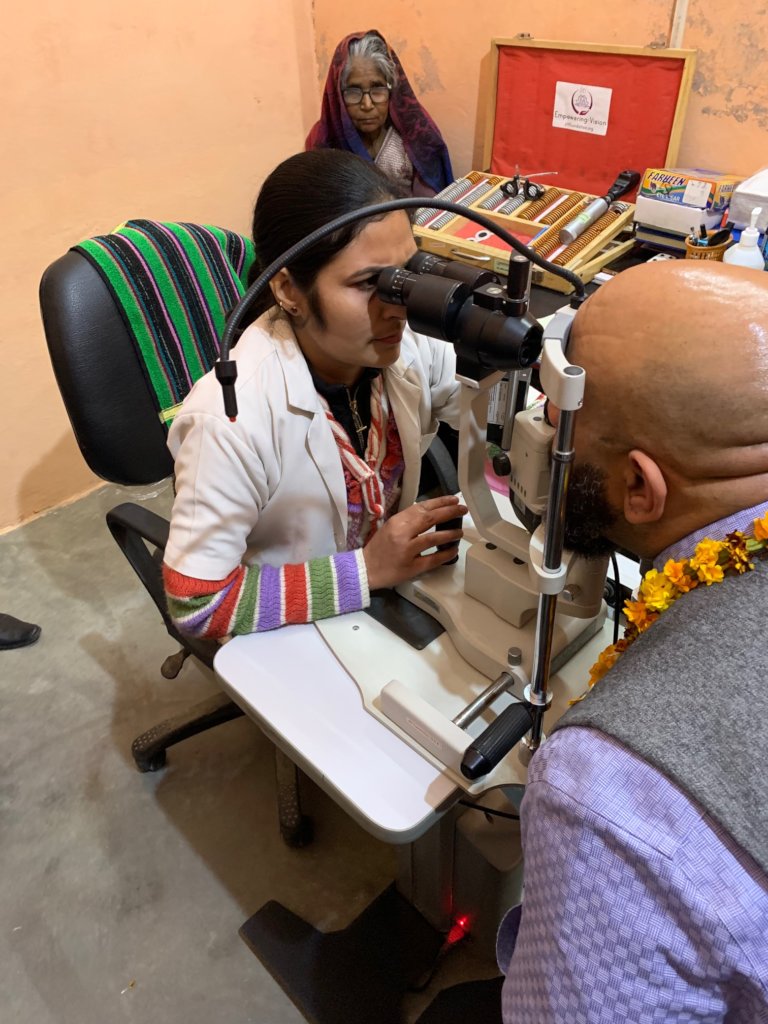
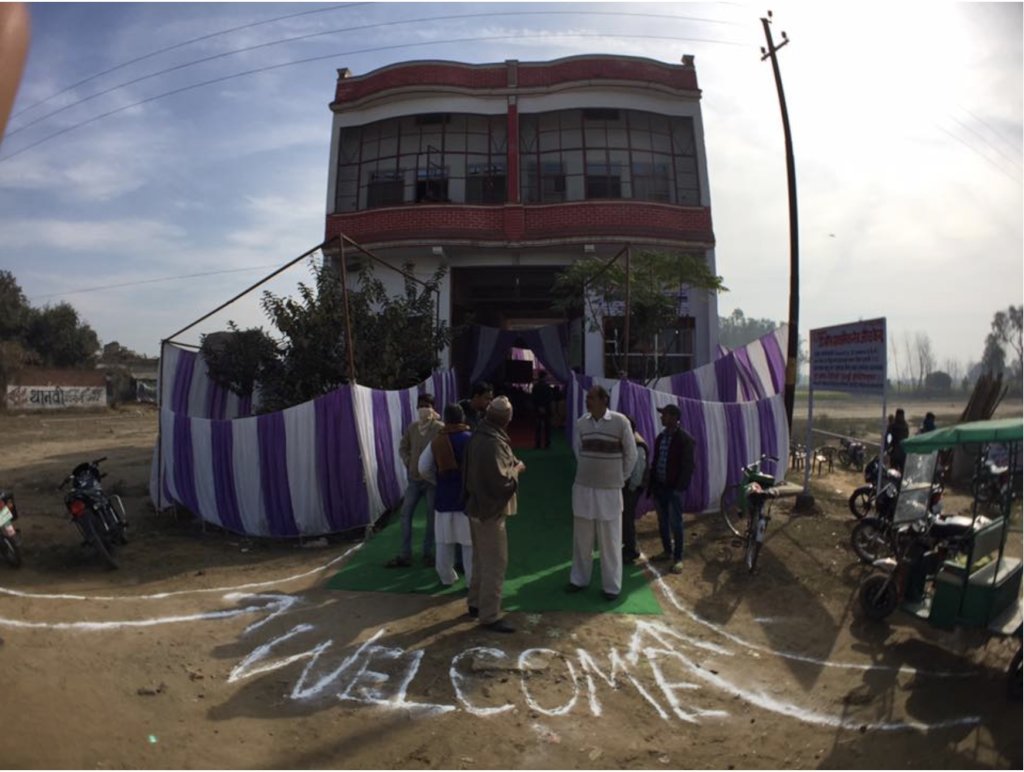
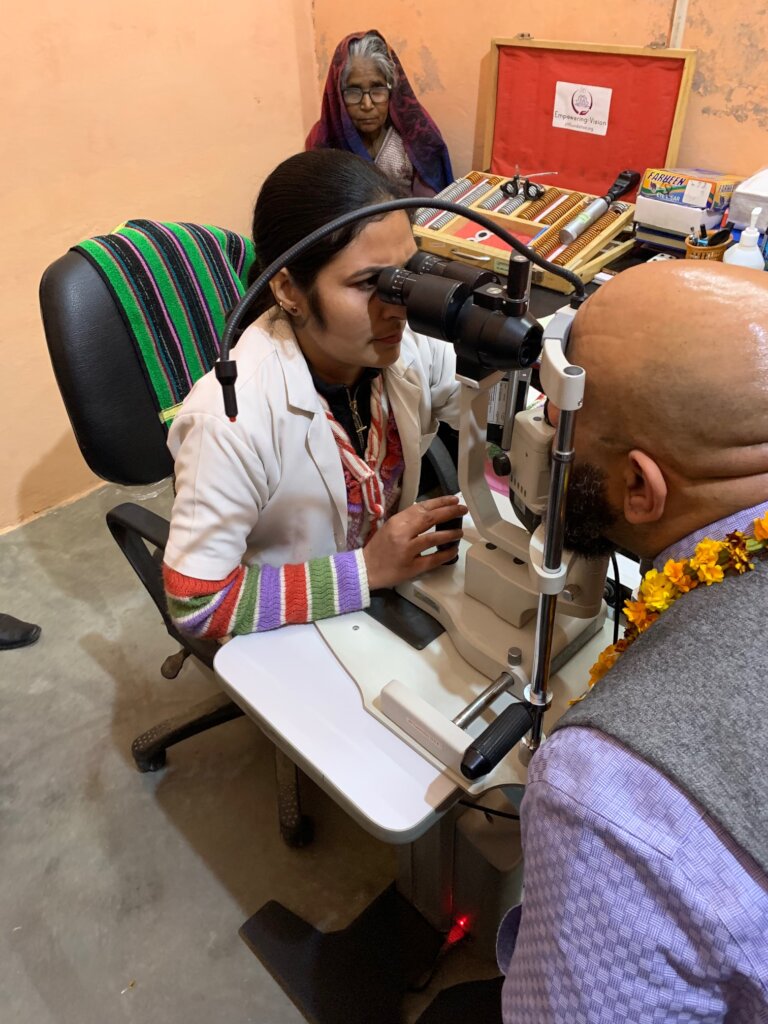
The Jiti Foundation is committed to helping close these gaps by supporting accessible eye care in communities where resources are limited. Through its support for clinics, professional training, and scholarships for young women pursuing careers in eye care, Jiti is helping build a stronger and more sustainable system of vision care in India.
Rare eye diseases may affect relatively small numbers of people individually, but their impact on patients and families can be profound. A child whose inherited eye disorder is not recognized early may struggle in school. A young adult may lose the ability to work. Parents and caregivers may have to travel long distances, often at considerable expense, simply to find a specialist who can provide an accurate diagnosis. In rural communities, these barriers can be especially difficult to overcome.
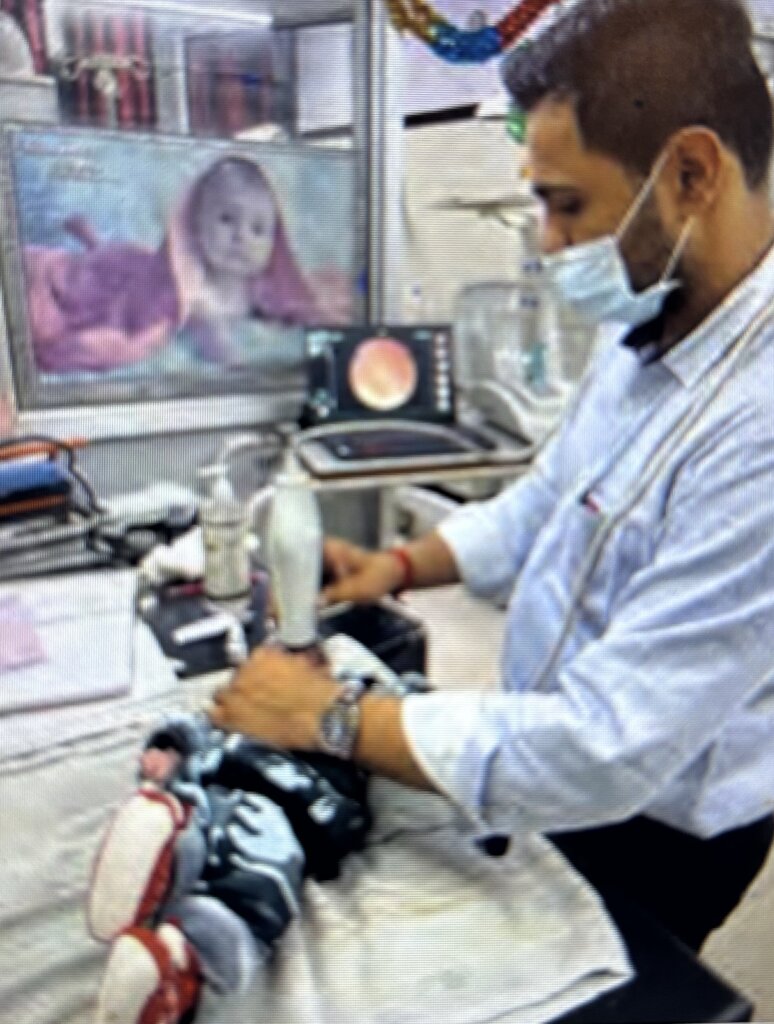
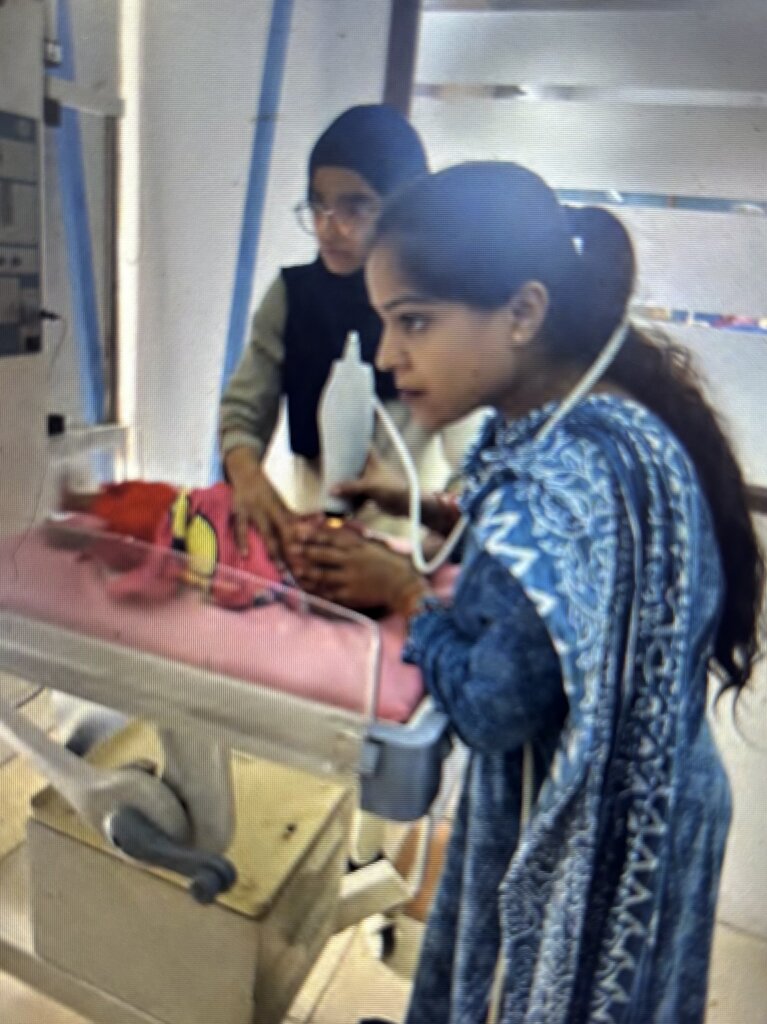
Screening can change that trajectory. Identifying an eye disorder earlier can give patients a better opportunity to receive appropriate treatment, monitoring, genetic counseling, rehabilitation, or other support. It can also help eye care professionals recognize conditions that might otherwise be overlooked. For rare diseases, where patients may spend years searching for answers, having trained professionals who know what to look for can make an extraordinary difference.
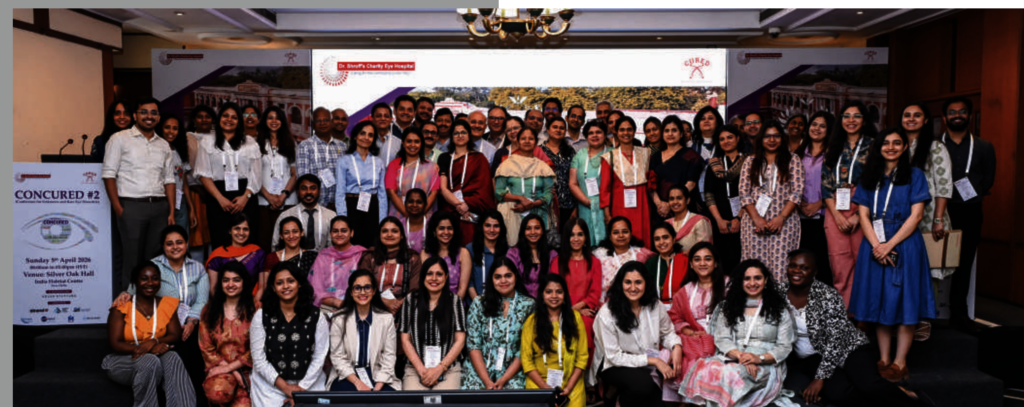
Our partner organization in India, Dr. Schroff's Charity Eye Hospital, is helping advance this work through clinical care, education, and research. Its recent CONCURED initiative, the Conference on Uncommon and Rare Eye Diseases, reflects the growing need to build a national ecosystem in which rare eye diseases are recognized earlier, managed more effectively, and studied more rigorously. The conference brought together ophthalmologists and other experts from across India for lectures, complex case discussions, and research presentations. Its Applied Bioinformatics for Clinicians workshop also provided hands-on training in interpreting genetic reports, an increasingly important skill in the diagnosis and management of inherited eye conditions.
This work demonstrates an important principle: improving outcomes for patients with rare eye diseases requires more than medical treatment alone. It requires knowledge, trained professionals, appropriate diagnostic tools, collaboration, research, and access to care.
Jiti Foundation's support helps make that broader vision possible at the community level. By funding clinics and supporting the development of eye care professionals, Jiti is helping bring essential services closer to people who might otherwise have few options. These investments strengthen the capacity of local health systems while creating pathways for patients to receive care sooner.
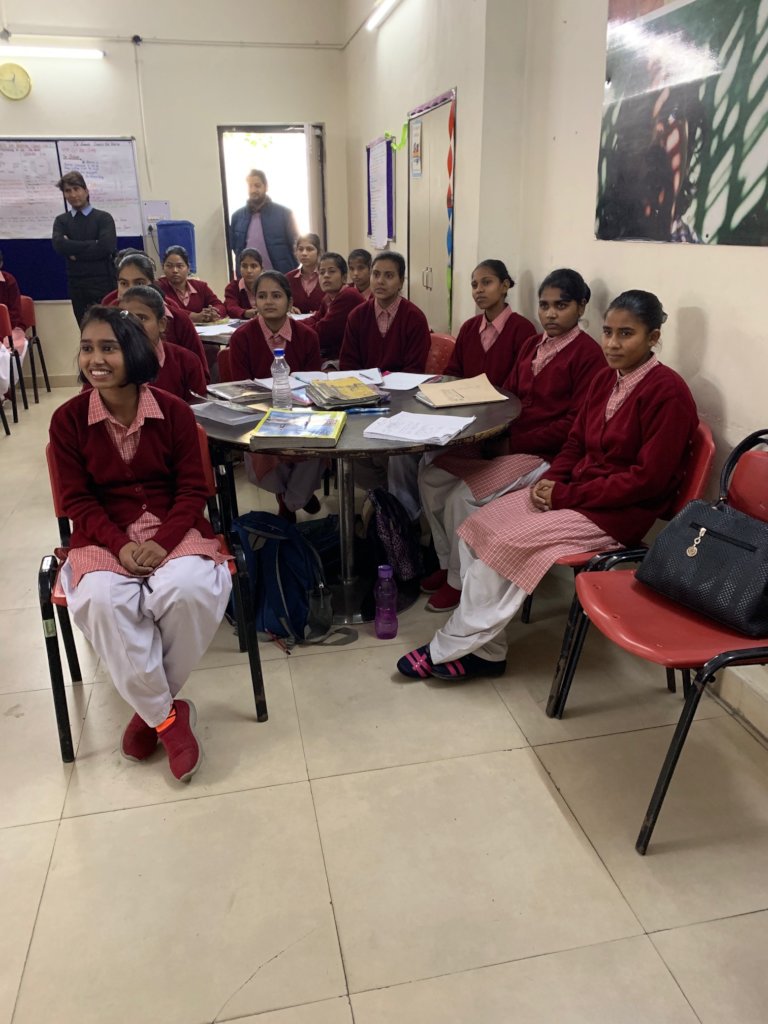
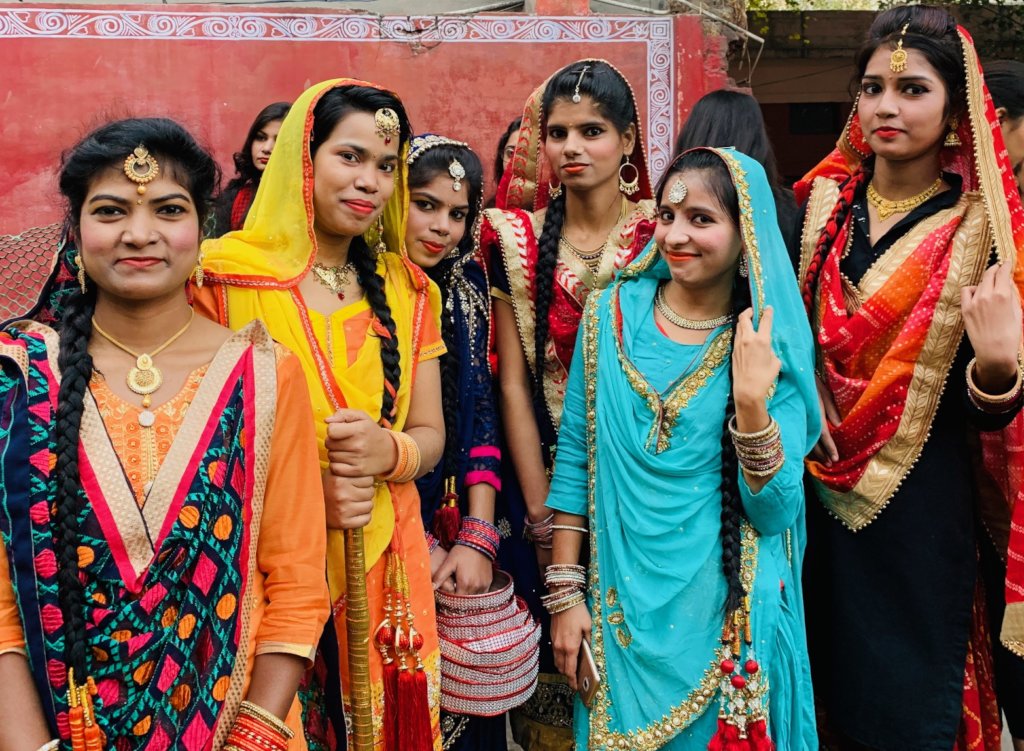
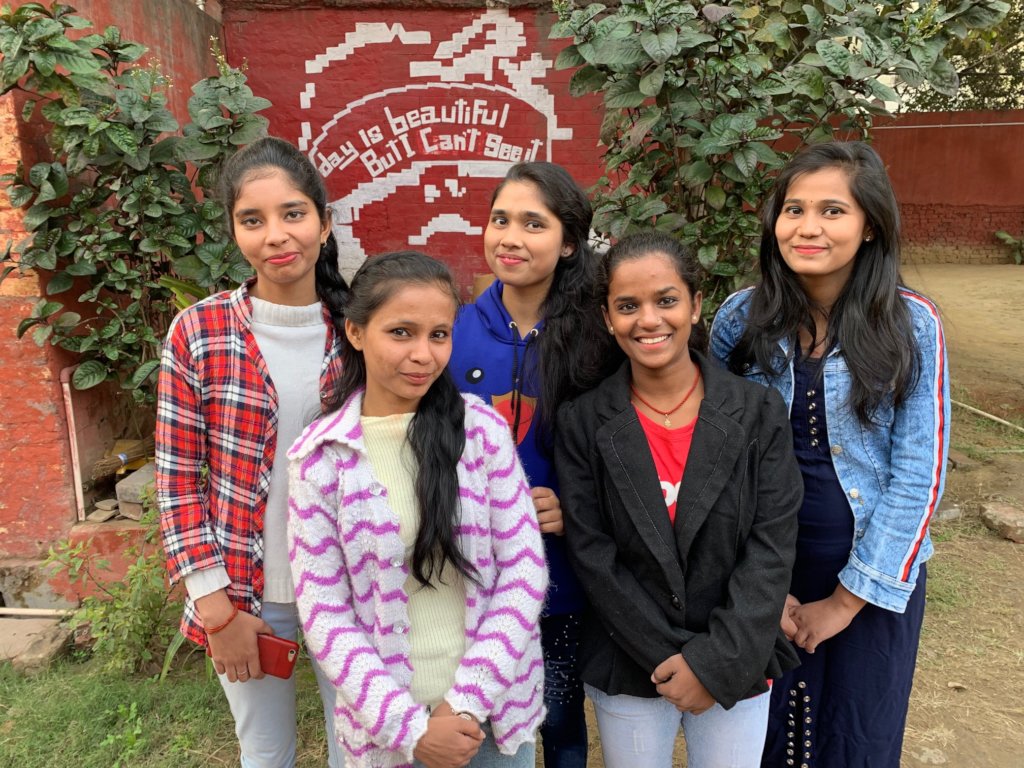
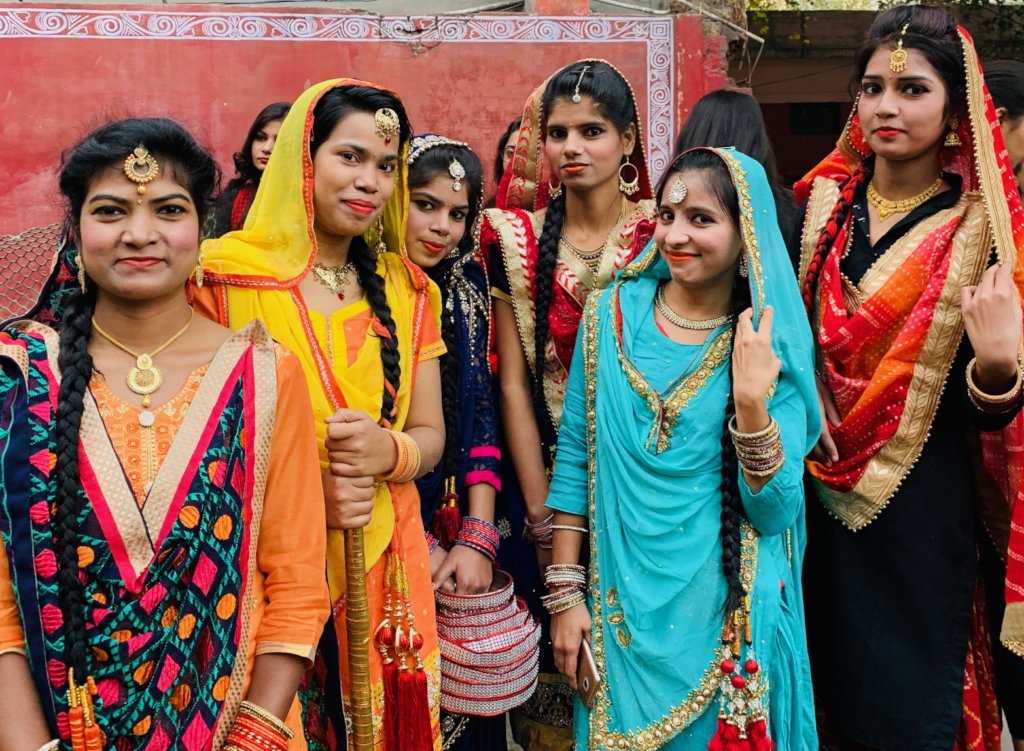
Our foundation's support for scholarships for young women to become eye care technicians through the Certified Ophthalmic Paramedic (COP) program is especially meaningful. Training women from local communities creates a valuable workforce of skilled professionals who can contribute directly to eye examinations, screening, patient care, and clinical support. At the same time, these scholarships create educational and career opportunities for young women, allowing them to build professional independence while serving their communities.
The need for trained eye care technicians is closely connected to the goal of reaching patients earlier. Ophthalmologists and other specialists depend on skilled clinical teams to conduct examinations, identify concerning findings, support diagnostic processes, educate patients, and help ensure continuity of care. A well-trained technician can therefore be an important link between a person in need and the specialized care that may ultimately protect their vision.
For patients in rural and low-income communities, that link can be transformative.
Every clinic supported, every professional trained, and every scholarship provided contributes to a larger goal: making quality eye care more accessible, earlier, and more equitable. The impact extends beyond an individual appointment. When communities have trained eye care workers and functioning clinics, families have better opportunities to recognize problems before they become emergencies. Young people can receive support for their education and careers. Patients with uncommon conditions have a greater chance of being identified and referred to the specialists who can help them.
Rare eye diseases may not always make headlines, but for the people living with them, they are a daily reality. Jiti Foundation's partnership with organizations such as Dr. Schroff's Charity Eye Hospital helps ensure that these patients are not forgotten simply because their conditions are uncommon.
With continued investment in screening, treatment, professional training, research, and scholarships, we can help create a future in which a patient's income or address does not determine whether they have access to the eye care they need. By supporting clinics and empowering the next generation of eye care professionals, Jiti Foundation is helping bring that future closer, one patient, one technician, and one community at a time.
By Lucy Gorham | Jiti Foundation Vice President
By Lucy Gorham | Jiti Foundation Vice President
Project reports on GlobalGiving are posted directly to globalgiving.org by Project Leaders as they are completed, generally every 3-4 months. To protect the integrity of these documents, GlobalGiving does not alter them; therefore you may find some language or formatting issues.
If you donate to this project or have donated to this project, you can receive an email when this project posts a report. You can also subscribe for reports without donating.



Support this important cause by creating a personalized fundraising page.
Start a Fundraiser