By Vishal Talreja | Co-Founder
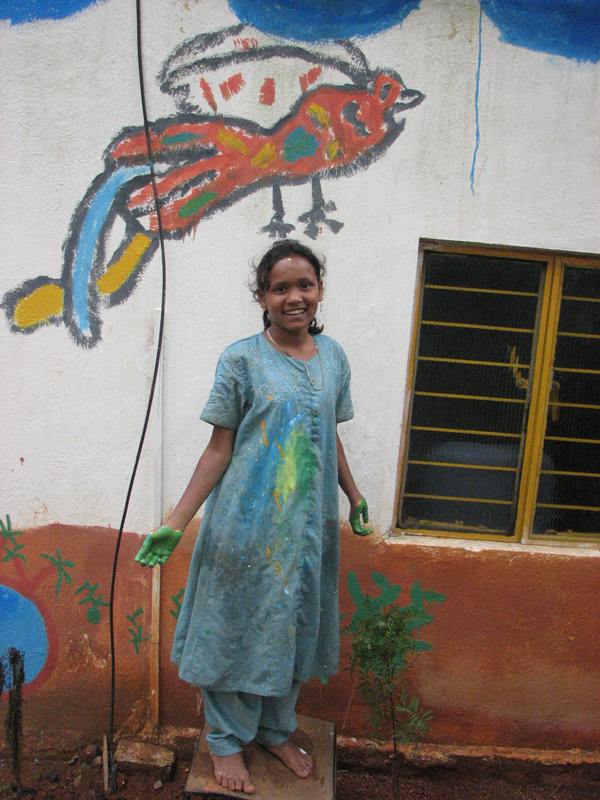
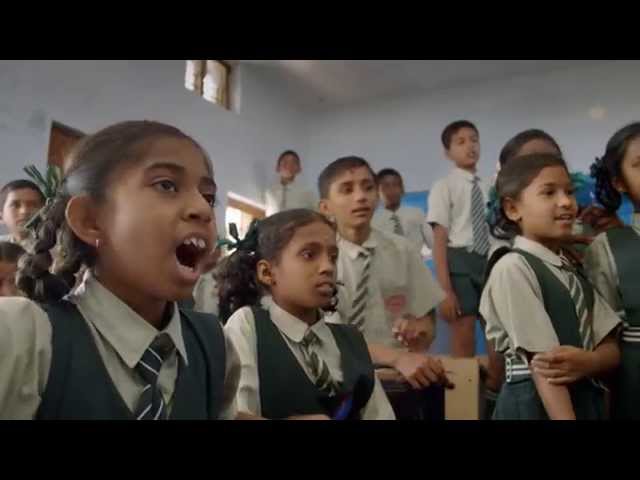
Kavya is a bright and talented 12 year old girl studying in the 7th standard in Government School Ambedkar Nagar, Bangalore. She has been part of Dream a Dream’s After School Life Skill through Sports programme for the past 4 years. She comes from a low income family. Her father had abandoned them when she was very young. Since then, her mother has been taking care of the family and is the decision maker. Her mother works as a tailor in a garment factory to provide food and shelter for the family. Kavya’s elder sister also works as a helper in a garment factory to supplement the family income. Kavya’s grandparents take care of her and her elder brother (who studies in the same school in standard 8th) when her mother and elder sister are at work.
When Kavya’s father abandoned them, she went into a deep depression. She became very quiet and withdrawn; she hesitated to mingle with the opposite gender, she did not speak to or felt very uncomfortable speaking with unknown persons too. She had a fear about what other people will think about her and she felt that the boys always ignored her and did not include her in any activities. She remained in her comfort zone mainly with some of her best friends. If the facilitator divided the team for some activity, she would not mingle with anyone in the group and if a situation arose where she had to interact with the members in the group, she simply will not take part in any activities, even if someone asks her, she will not talk and remain silent.
Observing this, our programme facilitator decided to talk to her but before that he spoke to her class teacher and her mother and got to know the difficult circumstances under which Kavya, and her family were living. Having understood the reason for Kavya’s behaviour he started to give her more time and space, he initiated many one-on-one conversations with her. After talking with him, Kavya felt the facilitator’s care and concern and started to respond. The facilitator planed some sessions to make her mingle with others; one such activity was ‘finding the route from the map’, where Kavya took her first step towards mingling with her team, was to helping and guiding her partner to find the way without ending up in a blind corner using the map. She was happy doing this activity and began to slowly mingle with others, not only in the sessions but in her class and elsewhere. Due to the constant encouragement from the facilitator and at the same time watching and learning from him, Kavya learnt how to take initiative, take leadership to do things which would help the whole class. She began to come forward with ideas in the team, rising hand to speak in group, taking attendance and distributing snacks and leading the energizer songs etc during the Programme.
Kavya is now a very strong and bold girl. She has become the class leader and takes the initiative to look after the class. She has become more active than ever.
This is what she has to share with us, “I thought I won’t be able to mingle with anyone, I will be alone forever in my life, but I am very lucky that I enrolled into Dream a Dream’s After School Life Skills programme where I overcame my fear and hesitation and built my confidence; I have changed myself to another person who is very strong, confident and bold. I feel I can now face anything in my life.”
TEACHERS QUOTES: -
Kavya’s class teacher says that Kavya initially used to be good in studies but she became very silent, preferring to be alone in the class and she would not eat anything during the lunch break and when I asked, she would say she is not hungry or if forced to eat she would sit alone and eat her food silently and not respond to any of my questions. Her concentration towards studies and her grades started going down. Sensing something wrong I spoke with her mother and got to know that her father had run away. I gave some time to her and talked to the Dream a Dream facilitator and requested if he could do something; after that slowly she started concentrating in the class, she started to talk in class. I saw her behaviour change - she looked confident, she has started getting good grades and supports her friends also, she takes the initiative to look after the class when I am not in class, she makes everyone to sit quietly and ensures that they are doing classwork. She has changed so much that if she needs any clarification or help, she will directly ask that person. She does not hesitate to speak with unknown people and communicates effectively and confidently. Seeing all these changes I decided to make her the class leader and had turned out to be a very good leader.
PARENTS QUOTES: -
Says her mother, “I was very worried and afraid what will happen to Kavya when her father left us. When her father left us Kavya started to keep to herself all the time, never speaking or asking anything. I would try everything to make her happy and feel safe. I tried to take her for a walk, spend time with her, I tried everything, but she did not come out of the trauma after the incident. I got to know that she was like that in her class and with her friends as well when I spoke to her class teacher.
That is when Kavya’s teacher decided to approach Dream a Dream’s facilitator to see if he could help. All that I know was that the facilitator told me that he will take extra care and give more attention and support to Kavya and after that the change in Kavya was unbelievable!
Kavya started to spend time with her grandfather and grandmother, she started to talk with them and started helping them, she feels comfortable to share her feelings. She started to share about what she did in school, happily mingling with her sister and brother. She started to help me with the household work too. When I come home from work, she comes and happily hugs me and starts sharing what she did at school. Her smile gives me more energy to work hard and build a better future for her. Nowadays she is very happy, and I thank Dream a Dream for changing my daughter and bring back her smile and confidence.
Dream a Dream is a registered, charitable trust empowering children and young people from vulnerable backgrounds to overcome adversity and flourish in the 21st century using a creative life skills approach. Currently, we work with 10,000 young people a year through our two innovation labs – After School Life Skills Programme and Career Connect Programme, have trained over 9,828 teachers/educators from six states and including 19 districts in Karnataka impacting over 2,45,700 children and have impacted over 1 million children through strategic partnerships with state governments in Delhi and Jharkhand. We work on a strong collaborative approach with local charities, corporates, volunteers, governments, expert consultants, and a host of national and international strategic partners.
Dream a Dream has been recognized and awarded for innovation, transparency, and accountability over the years by Ashoka, Global Development Network, Harvard, Rockefeller Foundation, Resource Alliance, and others.
Four years ago, we unveiled our five-year strategic plan, which outlined our vision for 2016-21. Since 2016, we have continually invested in research & advocacy to build momentum around our vision of equipping young people from vulnerable backgrounds with life skills. The Research team has published one research paper and in the process of writing two more to be published in the coming financial year. Yes, the journey this far has been very exciting as we have achieved all our objectives by overcoming the many challenges reinforcing our belief that we are we are on the right path. With this report we would like to share some of our key highlights from FY 2019-20 as we move closer to our 2021 vision.
AFTER SCHOOL LIFE SKILLS PROGRAMME:
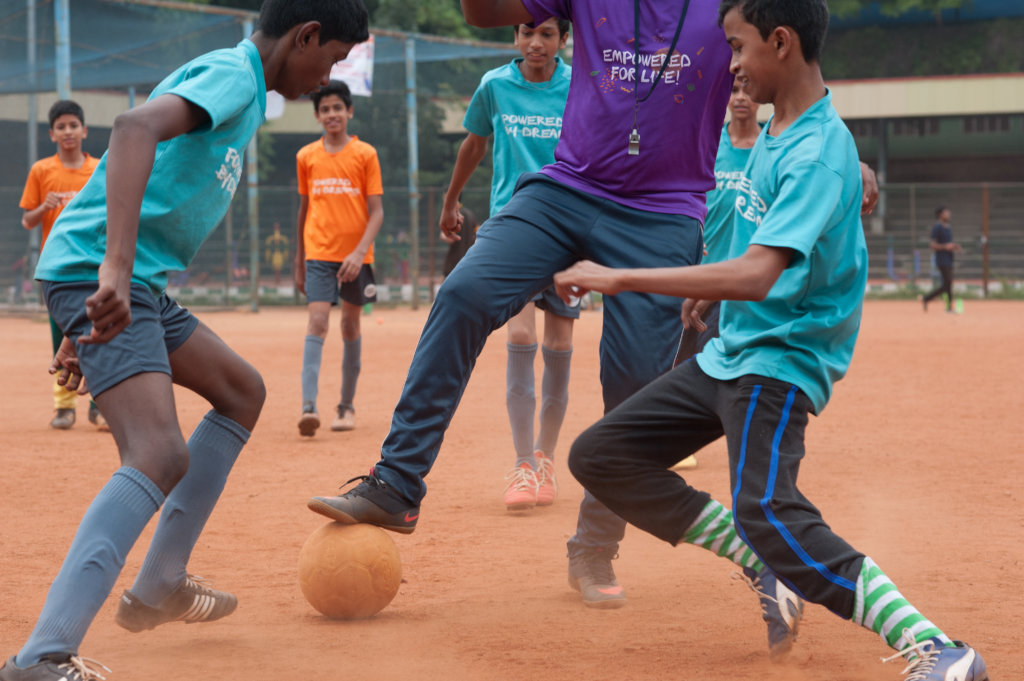
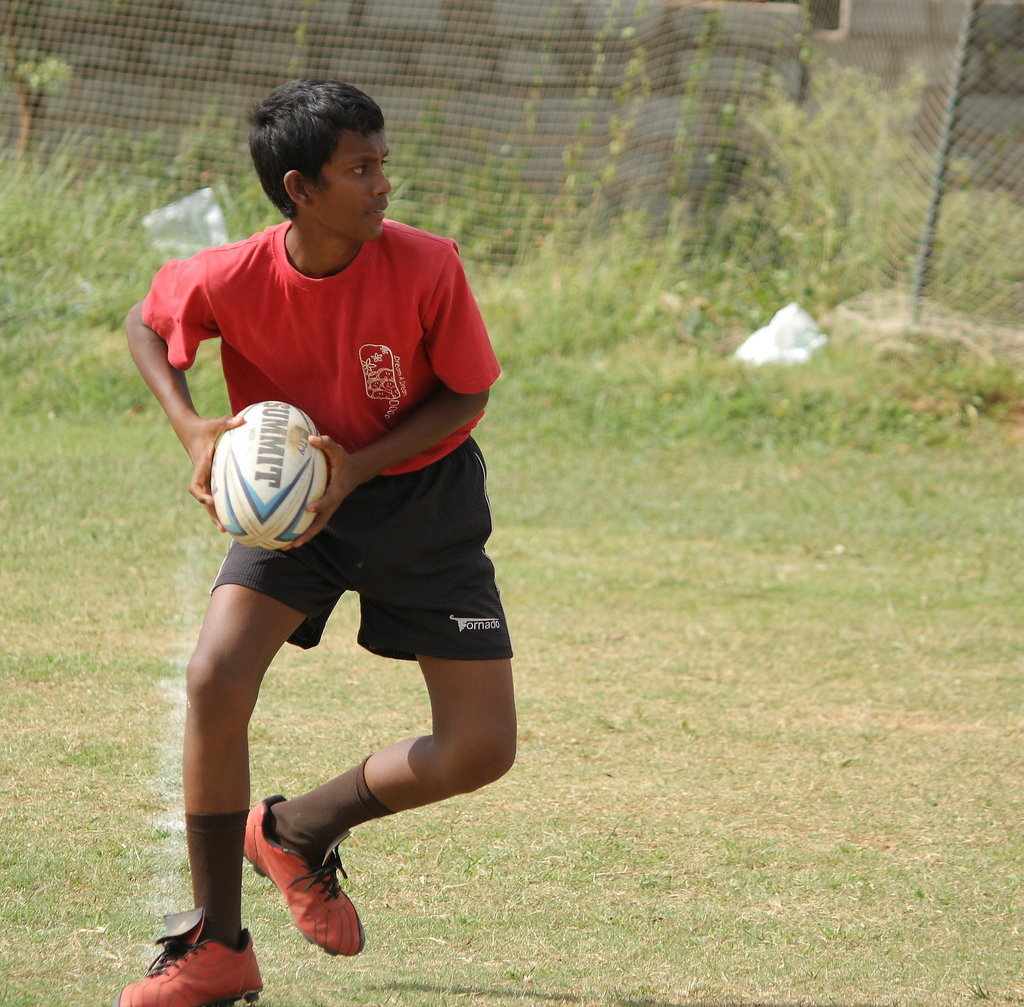
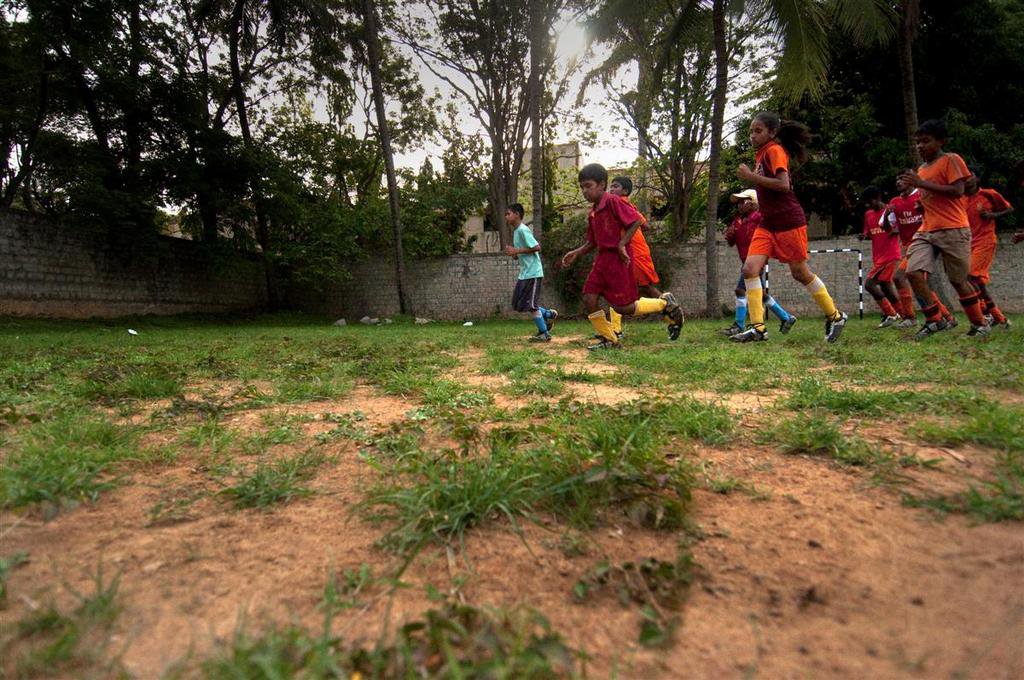
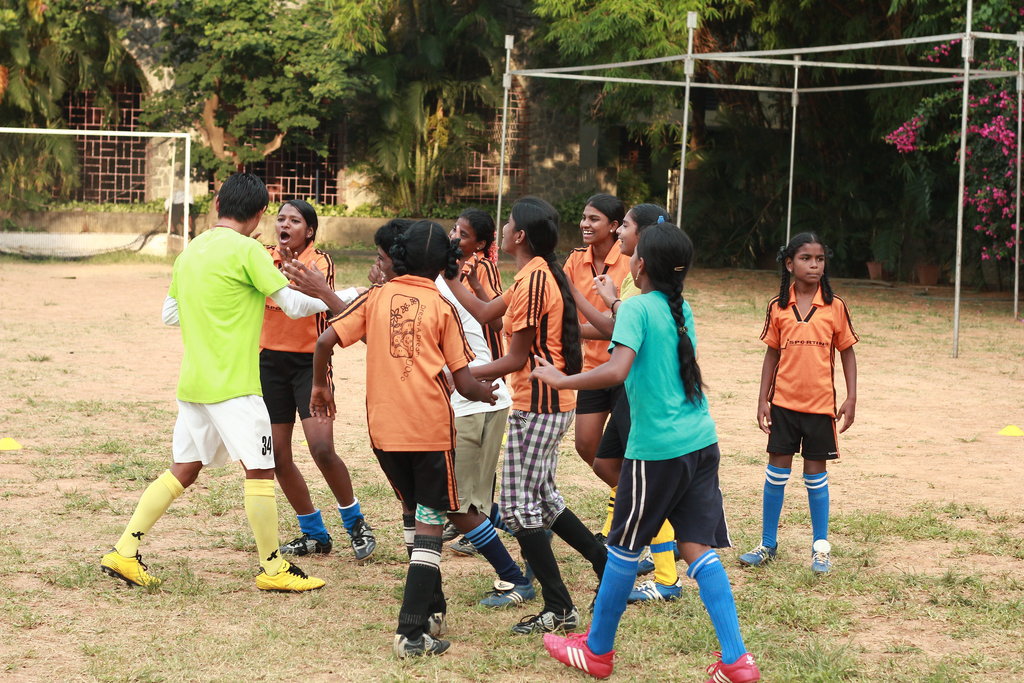
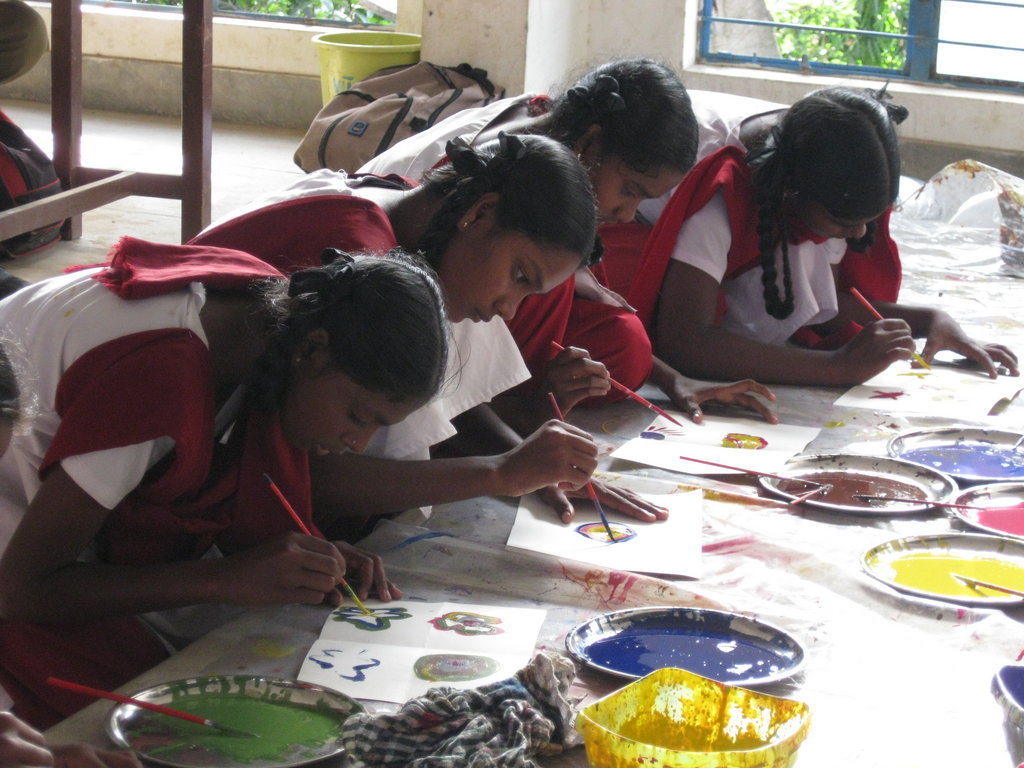
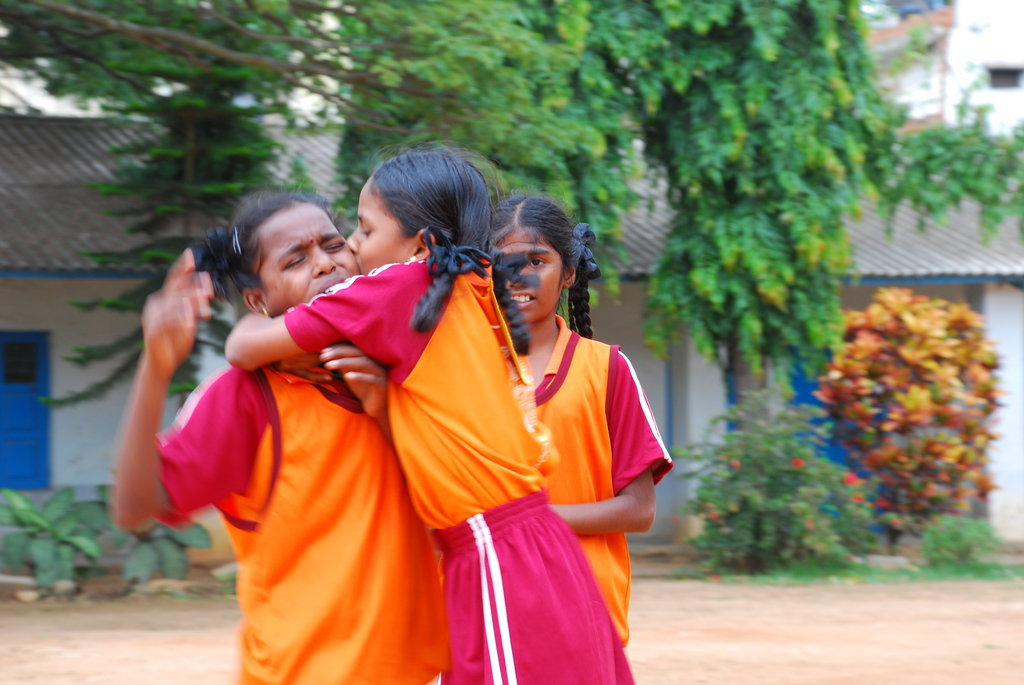
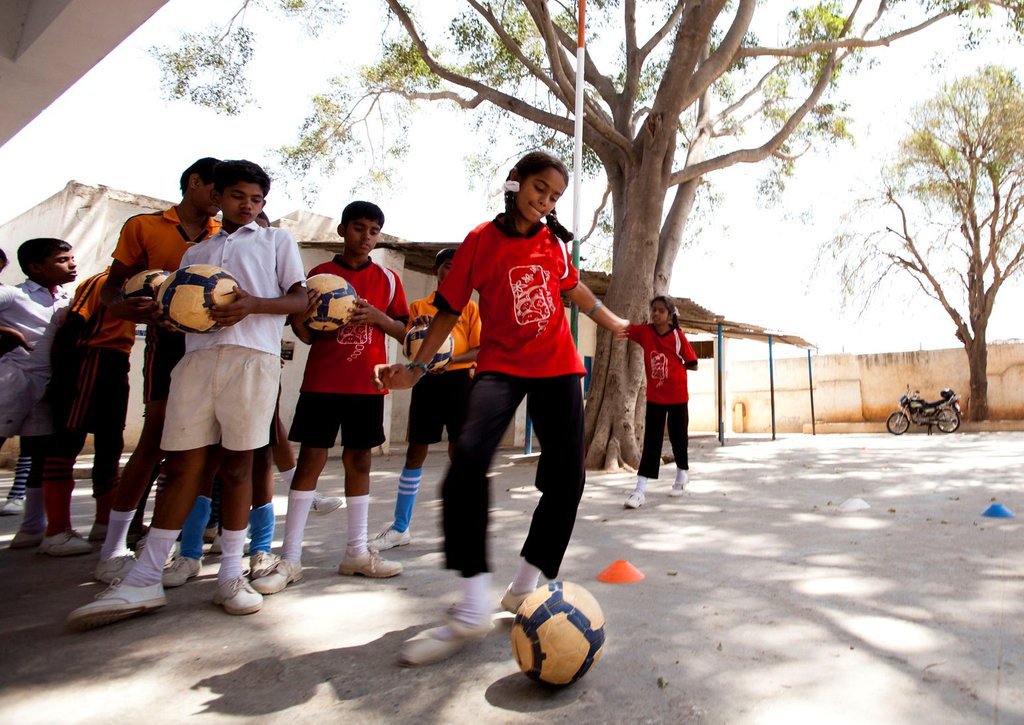
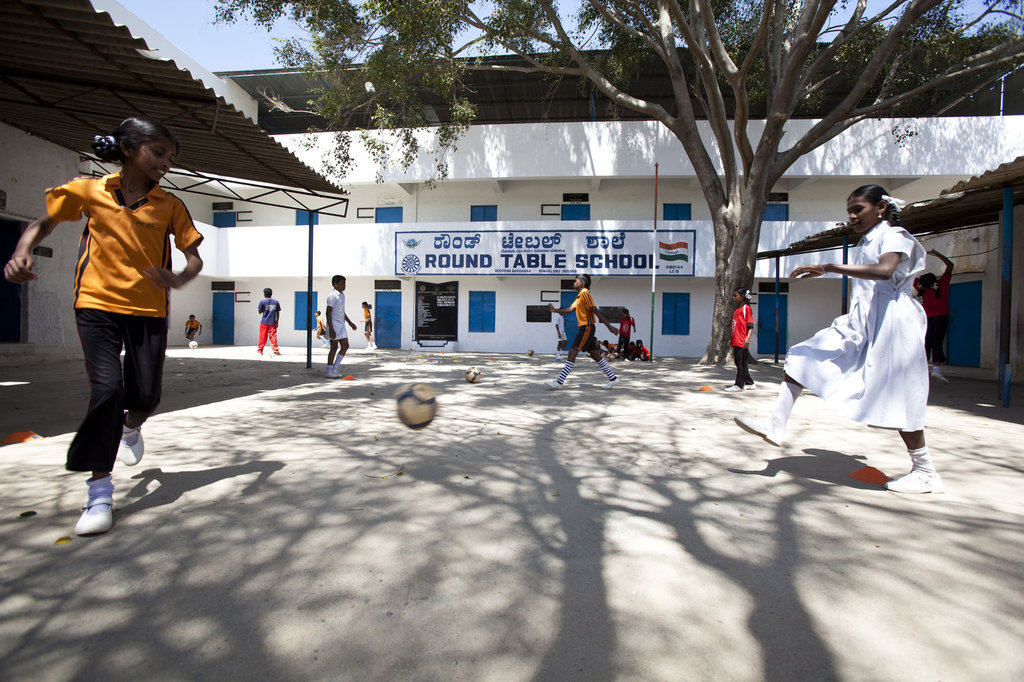
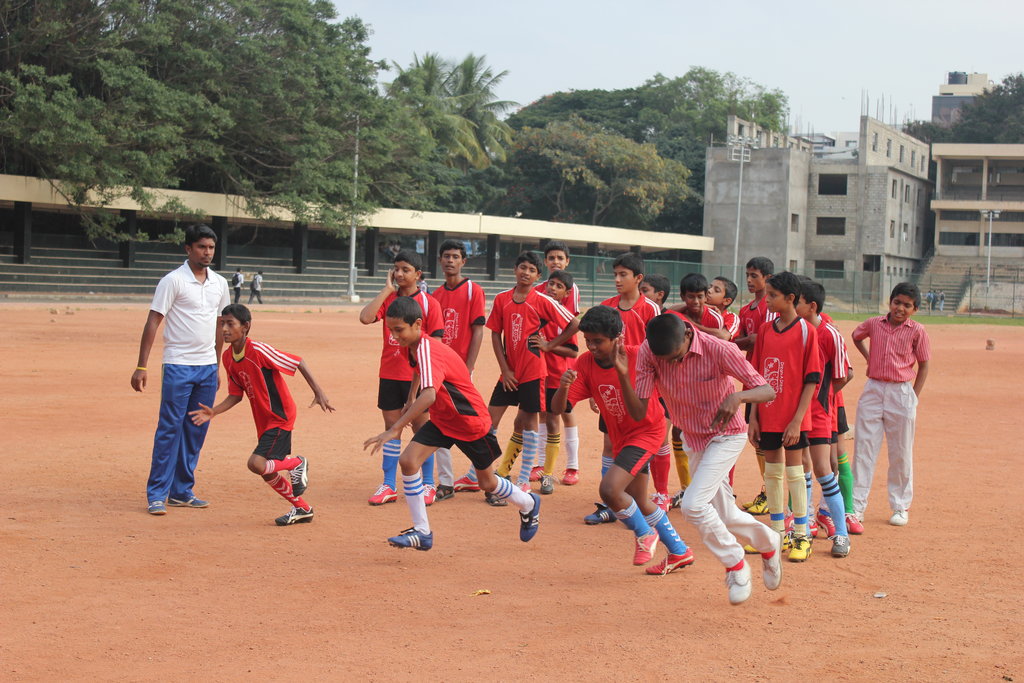
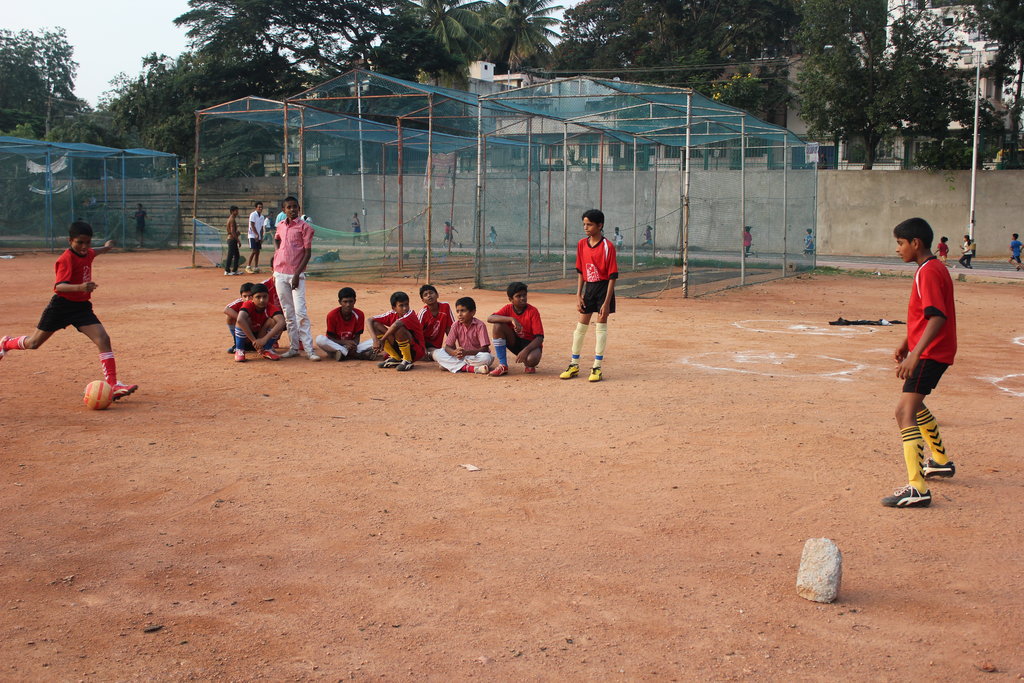
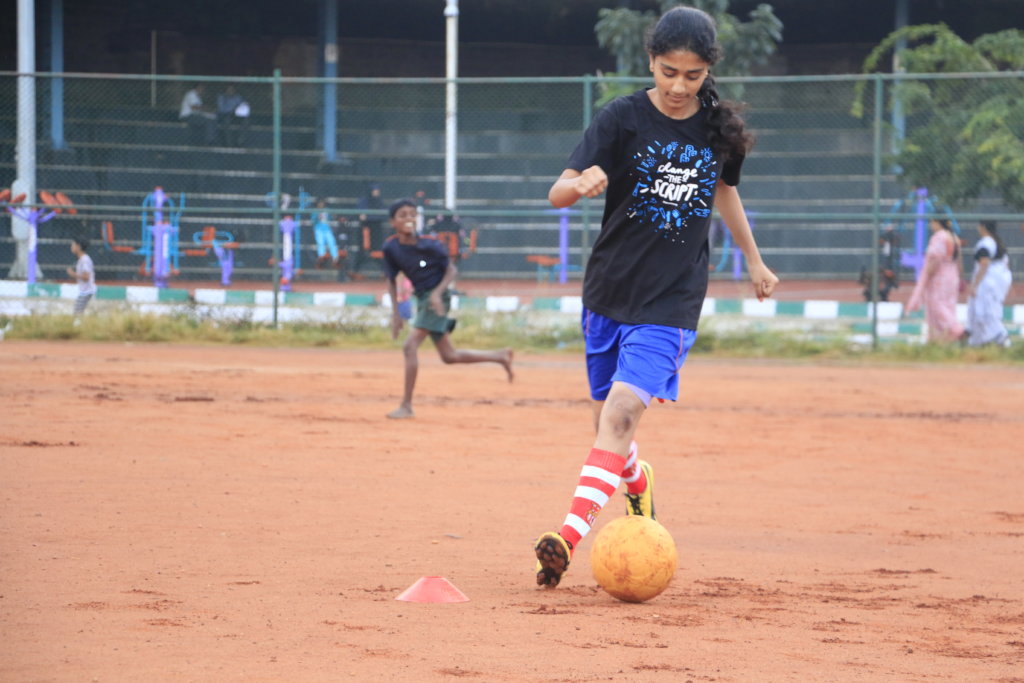
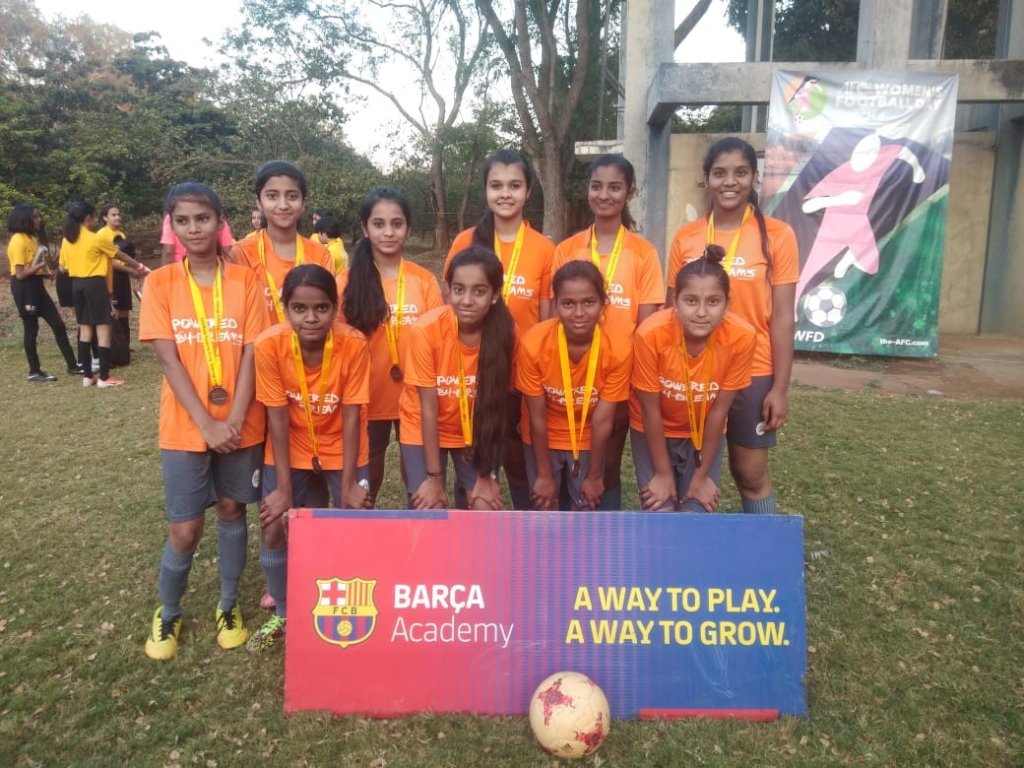
In our After School Life Skills Programme, we use creative arts and football as mediums to engage and develop critical life skills among young people between the ages of 8 to 15 years. This programme is an innovation lab where new approaches to life skills development are introduced, demonstrated, documented, evaluated, and fed back into a larger framework for re-imagining learning for young people in the country. To measure the improvements in life skills amongst the young people, we use the Life Skills Assessment Scale (LSAS*).
*The LSAS is the first standardised impact measurement tool in the world to measure improvement in life skills among disadvantaged children.
KEY IMPACT INDICATORS OF ASLSP: 2020-21
• In the beginning of the year 24 partner school had agreed to engage in After School Life Skills Programme but due to the COVID19 pandemic we could hold our sessions in 20 partner schools.
• 90% of young people shows positive improvement in at least one Life Skills. – We have collected 1557 baseline and 1557 endline LSAS data. We will analyze and share the improvement scores.
• 85% attendance across the batches. – Despite the challenges faced by us and the young people regarding availability of smart phones or laptop or computer desktop etc., coupled with issues with internet – availability or bandwidth we managed to achieve 70% attendance by way of accommodating various timings suiting the young people or by aiding for internet packs etc.
• 15 session through blended approach across the batches – We conducted on an average 16 session per batch.
• 20 powerful stories collection that advocates the need for life skills education – We have collected 10 powerful stories of change.
HIGHLIGHTS OF AFTER SCHOOL LIFE SKILLS PROGRAMME:
KEY IMPACT INDICATORS OF ASLSP FOR APRIL 2020 – MARCH 2021:
• 5,084 young people are engaging through our After-school Life Skills Programme.
• We run our sessions in 20 partner’s schools comprising of with 18 Low-Cost Private Schools and 2 Government Schools across Bangalore city.
• The total number of batches in the programme is 185 of which:
• We have 33 trained Life Skills facilitators to deliver life skills interventions through blended approach.
Project reports on GlobalGiving are posted directly to globalgiving.org by Project Leaders as they are completed, generally every 3-4 months. To protect the integrity of these documents, GlobalGiving does not alter them; therefore you may find some language or formatting issues.
If you donate to this project or have donated to this project, you can receive an email when this project posts a report. You can also subscribe for reports without donating.