By Vishal Talreja | Co-Founder
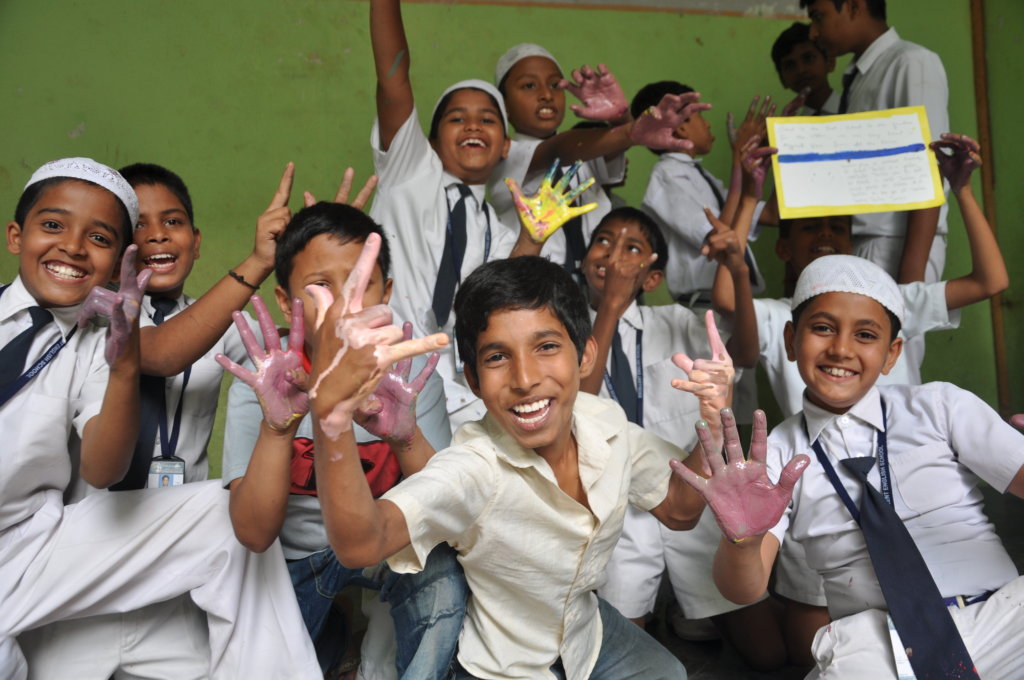
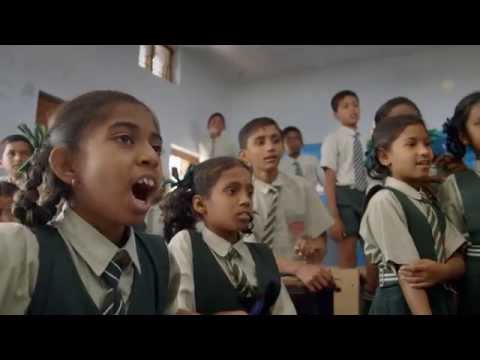
Mount Everest School is a private aided school, which houses students from underprivileged backgrounds. The students who come to this school have parents who work as auto and cab drivers, manual laborer and garment workers. Their parents work long hours, trying to make ends meet. Arpita’s parents are no different.
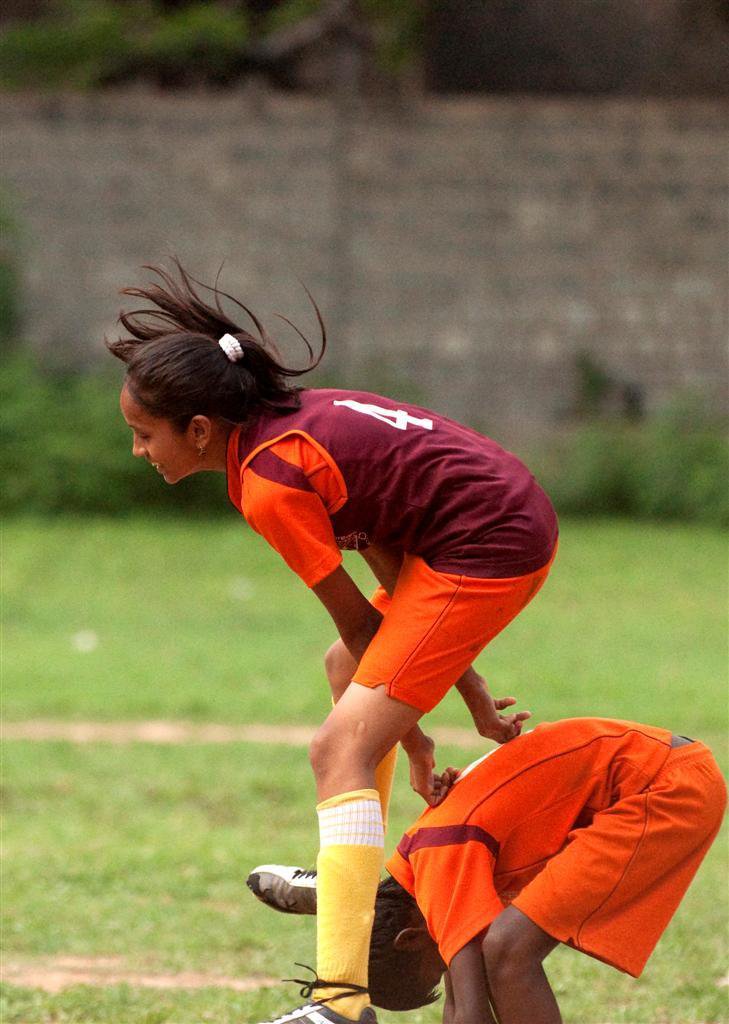
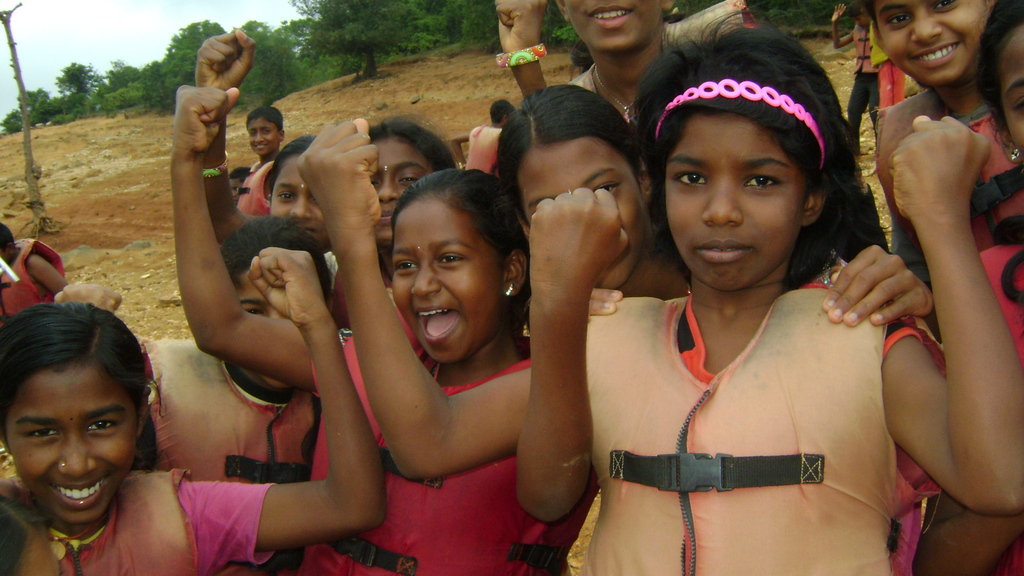
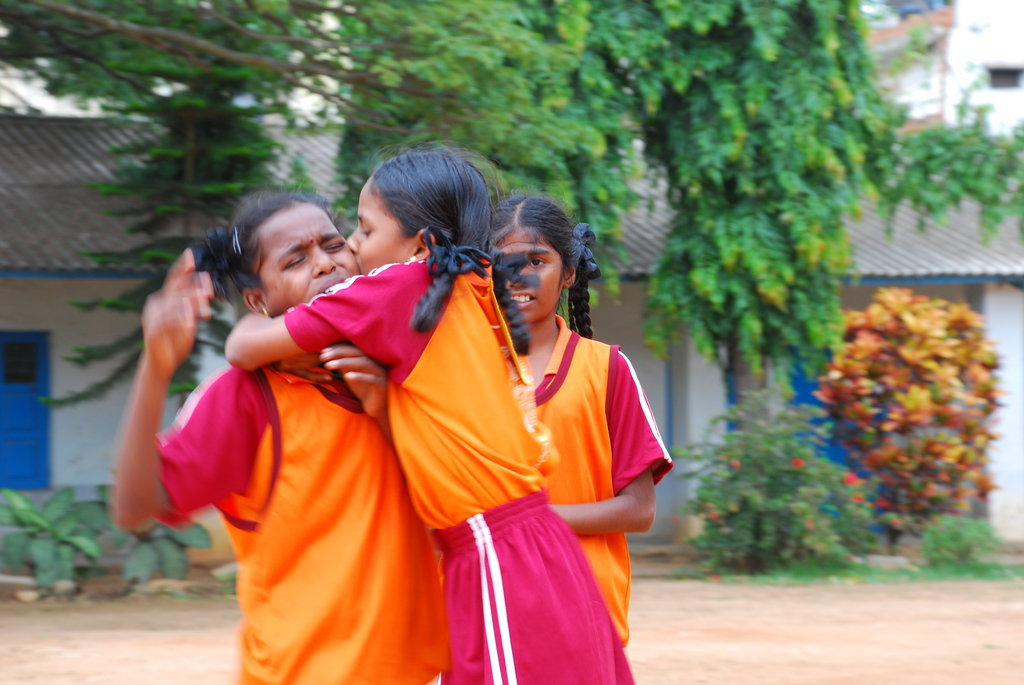
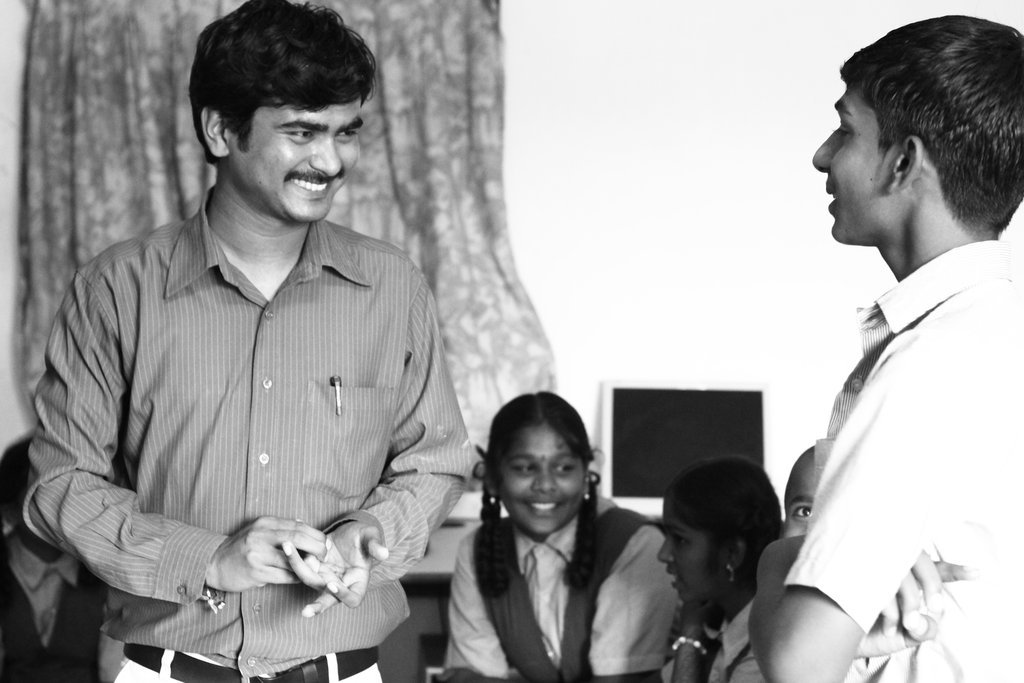
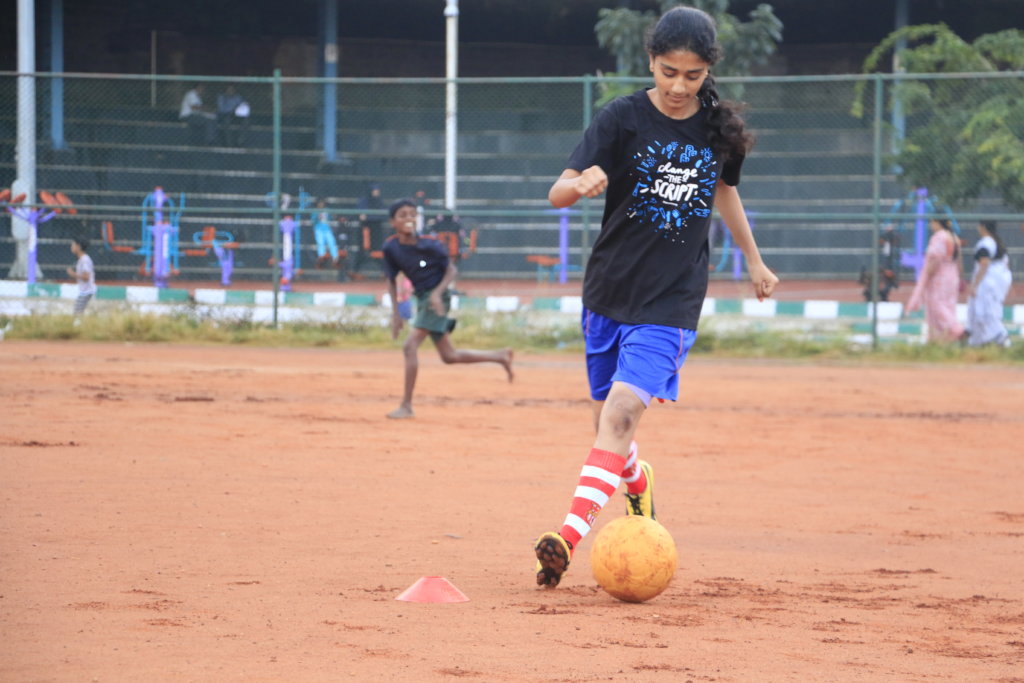
Arpita is a bright and diligent student of this school. She is 14 years old and studies in the 9th Grade. Her father paints houses for a living while her mother works in a garment factory. There are times when both her parents are at work and Arpita needs to take care of the household chores and her younger brother, who studies in the 7th Grade in the same school. She has been attending Dream a Dream’s After School Life Skills Programme through the medium of Sports since 5th Grade and according to her class teacher - “Over the years, she has transformed into a leader!”
“Growing up in a household when my parents were always fighting, I always felt scared and helpless. I used to sit in a room and cry about it, never letting anybody know I was upset. There was nobody I could share this with, and I didn’t know what I could do to help the situation between my parents, and it was affecting me.”
“When Nagraj Anna (a facilitator at Dream a Dream) came to our school nearly 2-years ago, I noticed how he used to lead the sessions so skillfully and I was in awe of him. But, at the same time, I was always scared to come into any leadership role, thinking I would not do a good job at it. Moreover, I was always afraid of what everybody else would think. During the sessions, everyone is given a chance to be a leader and even though I always wished I could be one, I tried to avoid being chosen by running to the end of the line and out of Nagraj Anna’s line of sight. It was a struggle with self.”
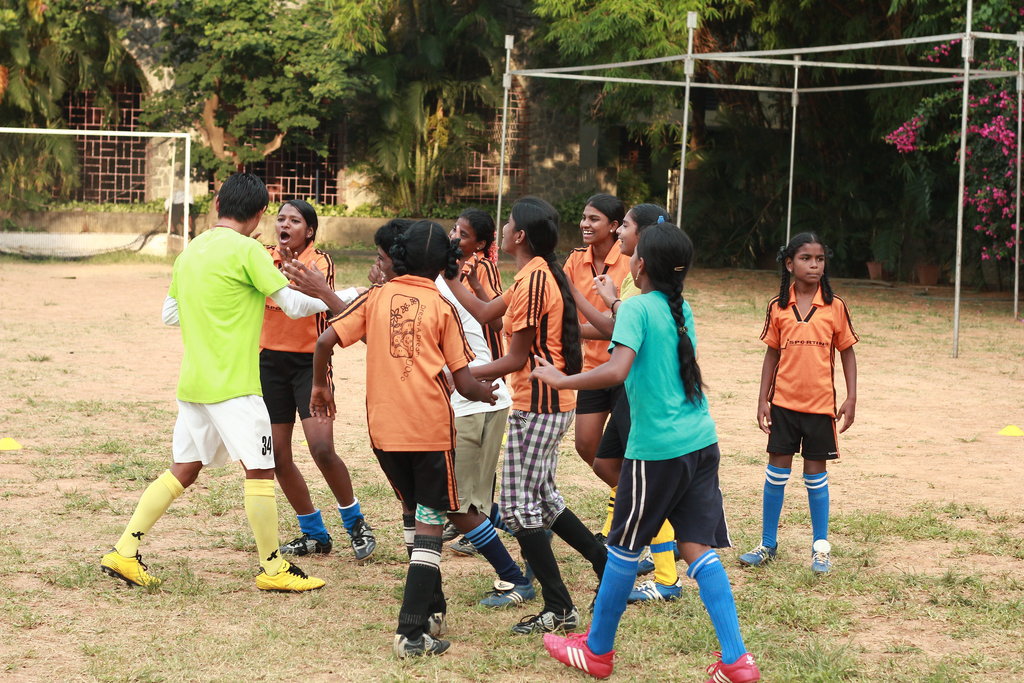
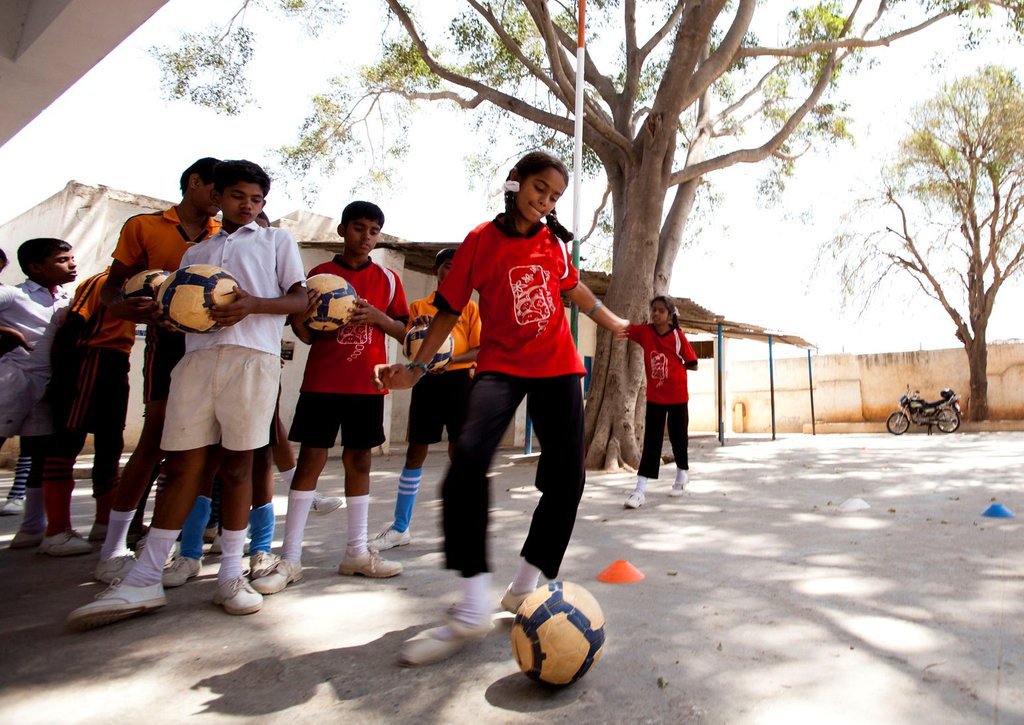
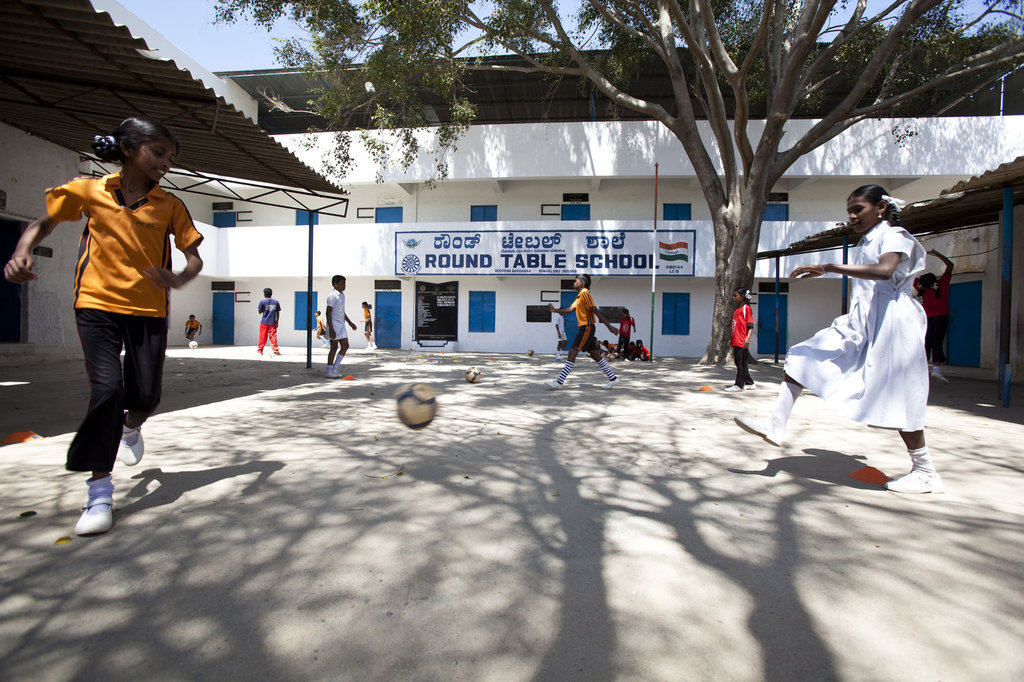
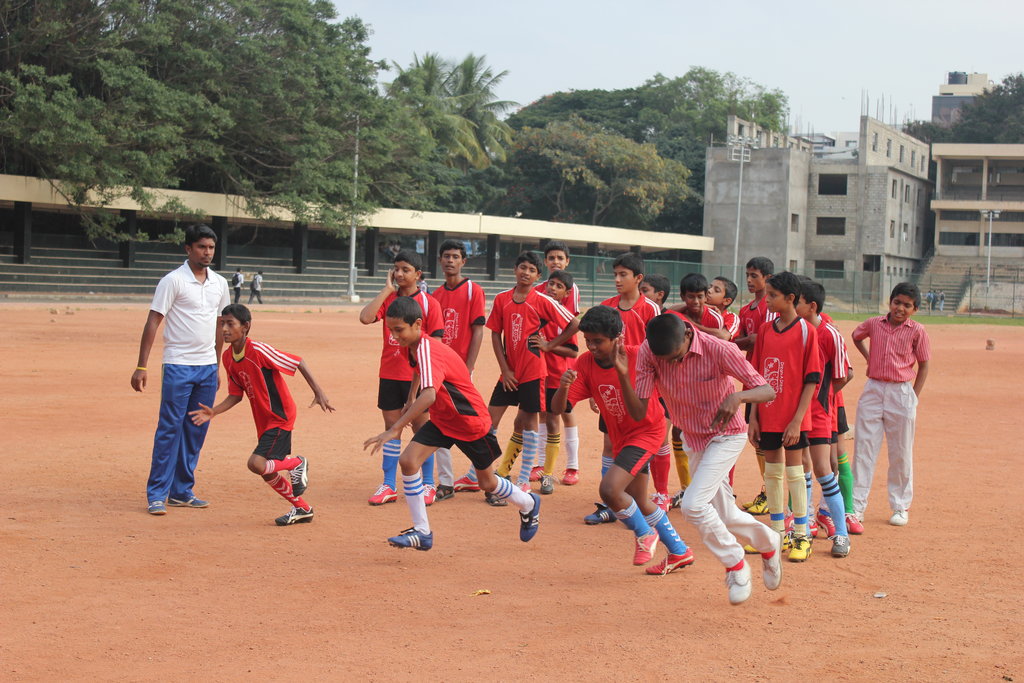
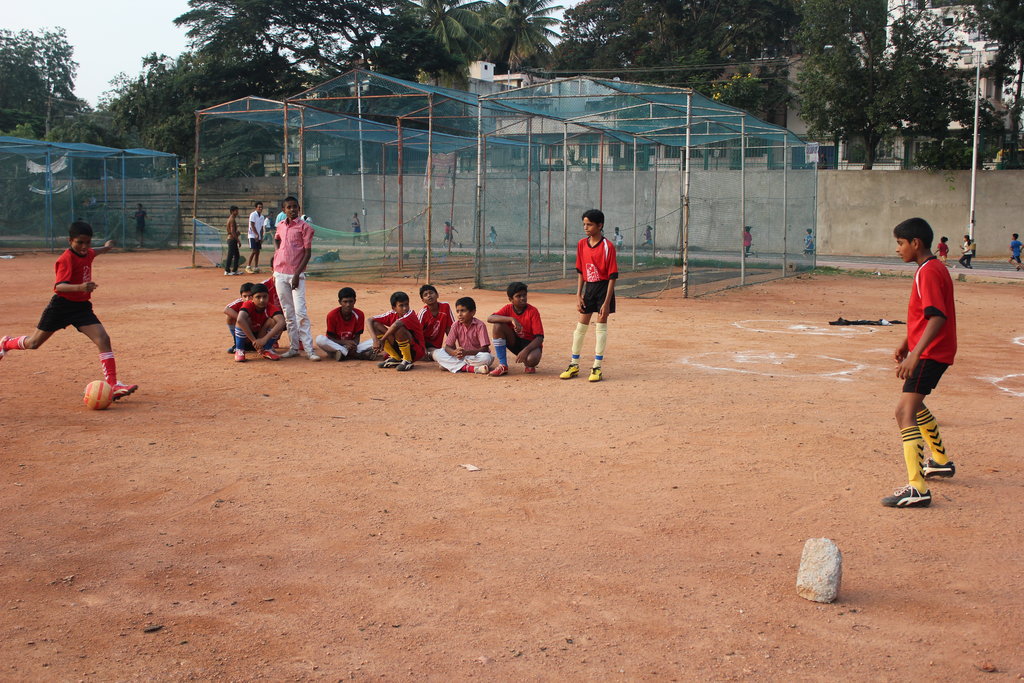
“One day, during the football session, we were divided into groups of 4 members and asked to complete a particular task. In my team was a leader who didn’t communicate with any of us and didn’t know how to give the team instructions to follow. All the other teams succeeded in completing the task and we were left with it being incomplete. It made me feel very bad and for a moment, I felt how much better our team would have performed if I were a leader. That was the moment when something shifted in me. The next time I was given an opportunity to lead, I decided to grab it. This kept repeating it to myself and I found myself taking initiative to being picked as a leader and to take up more responsibilities. My confidence increased and as the sessions progressed, I started believing in my own skills and I developed new skills of managing conflict. Inspired by Nagraj Anna’s facilitation skills, I decided to demonstrate these skills at home.”
“When my parents broke into a fight, as always, instead of running away into a room, I decided to face them and slowly tried to stop them. I first separated them and spoke to them individually and came to a negotiation. This solved the issue. I couldn’t believe it. Soon, I started becoming the mediator between my friends and even during the football sessions.”
“Nagraj Anna provided me an opportunity to attend Life Skills Day where I got to share my experience of having gained life skills through football sessions and conduct a workshop for nearly 30 students coming from other schools. I was really afraid and nervous but I somehow managed to keep those feelings at bay and conduct the workshops. It was a whole new experience for me, and my confidence just soared.”
“Looking back at those days when I was always second guessing whether or not I should lead and how I used to hide at the end of the line, to avoid being chosen as a leader, I realised that I have come a long way.”
Arpita’s teacher Girija says, “I have been teaching in this school for over 4 years now and I can see how much she has changed. We have a good bond and she shares her feelings with me, and I know how much she has helped and solved the situation at home, between her parents. Watching her lead a workshop during Life Skills Day was unbelievable because she never displayed those leadership qualities before. She did a fantastic job!”
Nagraj who is Arpita’s facilitator shared, “I have been taking football sessions in this school and for Arpita’s batch for the past 2-years and I’ve watched her change. Initially, she shied away from taking up any leadership roles and responsibilities. On speaking to her, I realised that she came from a difficult background, where her parents always seemed to be in conflict. She was affected by this and kept thinking that she didn’t have it in her to change the situation. Over time, I observed her slowly step up and take responsibilities and initiatives to lead the students. I believed that she would be able to successfully conduct a workshop during Life Skills Day and that day, she truly proved that she had those leadership qualities within her.”
Why Dream a Dream and Life skills?
COVID 19 has disrupted the status quo creating space to drive change and equip young people with Life skills to adapt to situations like the one created due to the pandemic. At Dream a Dream, we believe that the 21st century provides an excellent opportunity to young people from vulnerable backgrounds to ‘go beyond’ and step into a future without poverty in spite of not having access to good quality academic education. Young people who are able to adapt to this new, fast changing world through skills and abilities to think creatively, manage conflict, respond with empathy, work in teams, take initiative and be adaptable will be successful in this new world.
After School Life Skills Programme:
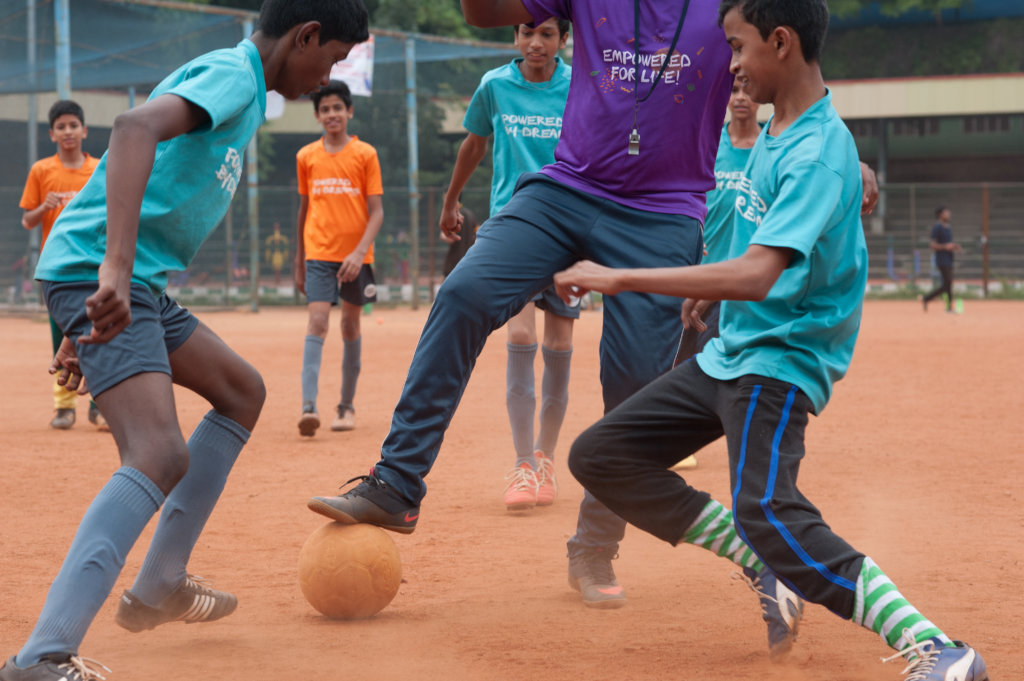
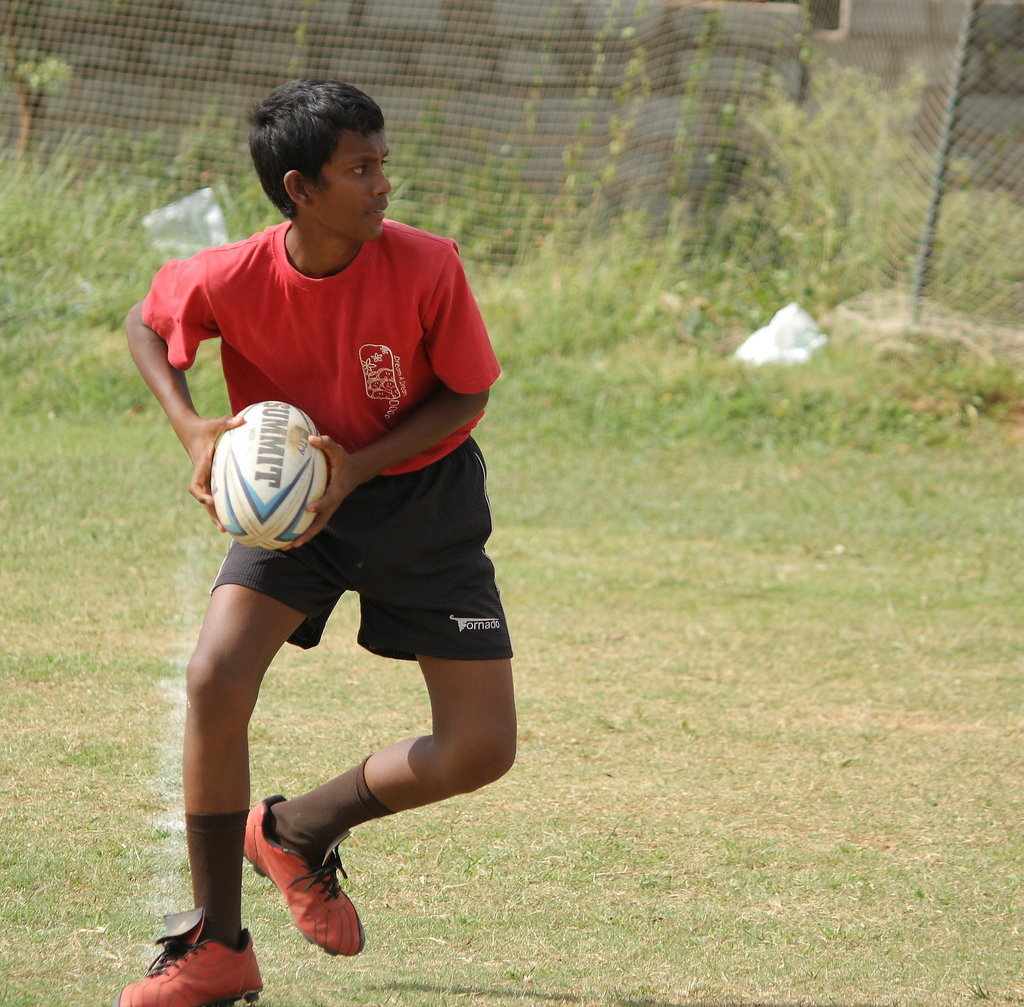
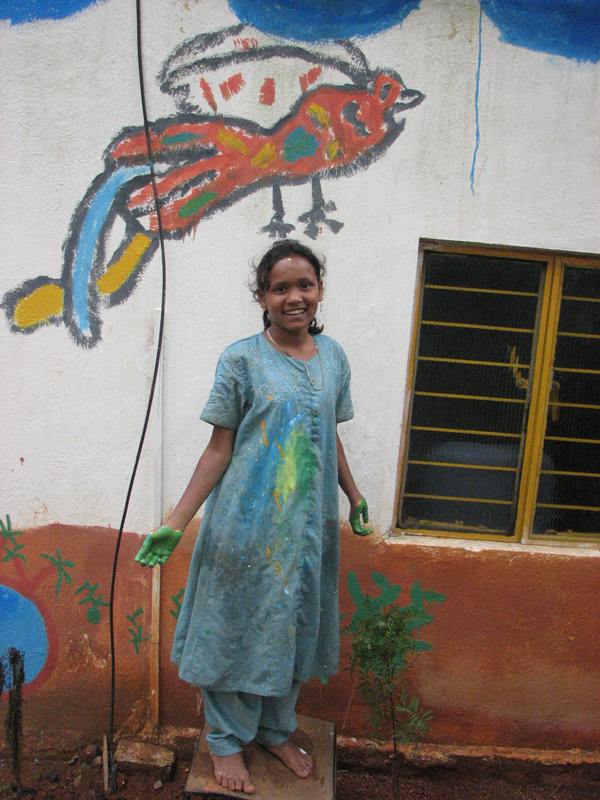
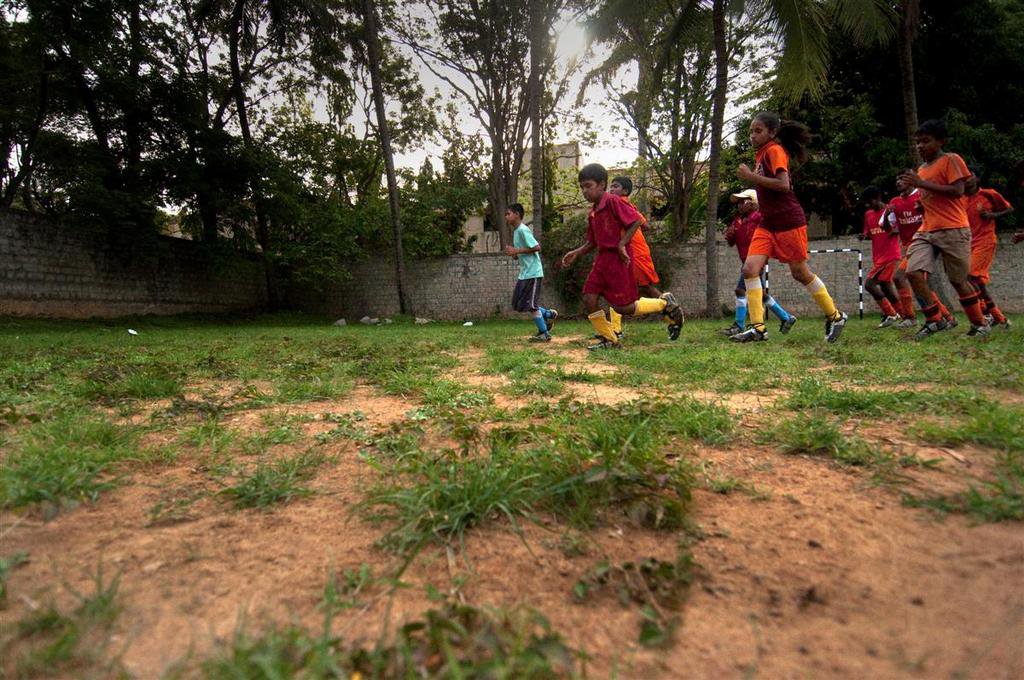
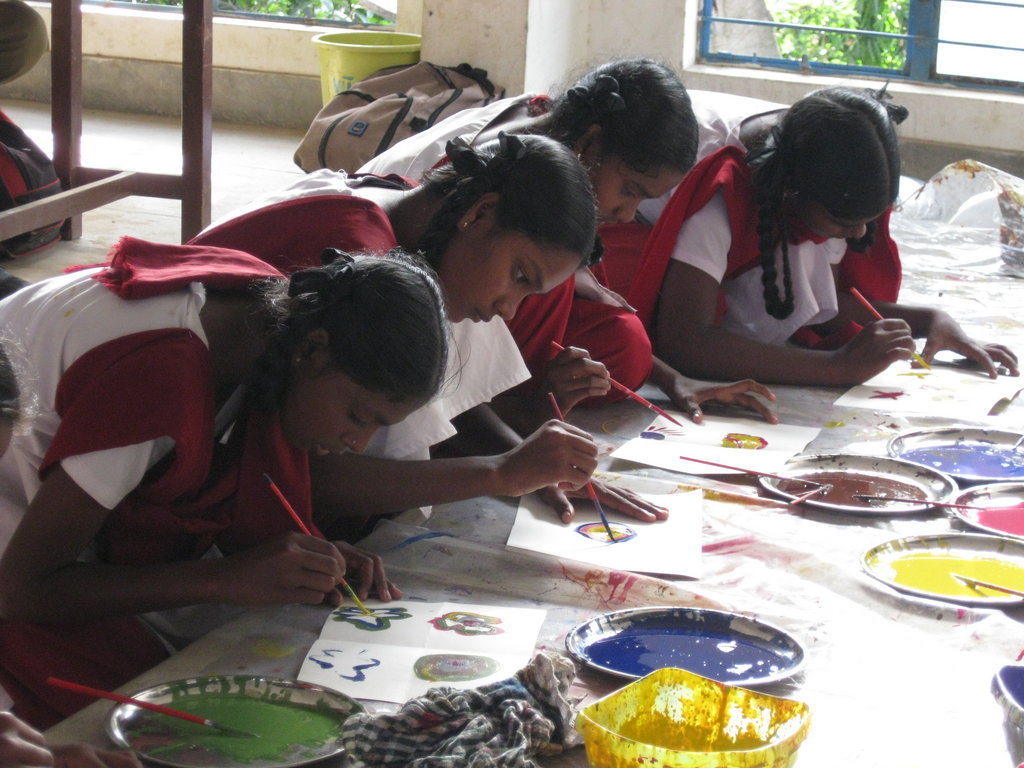
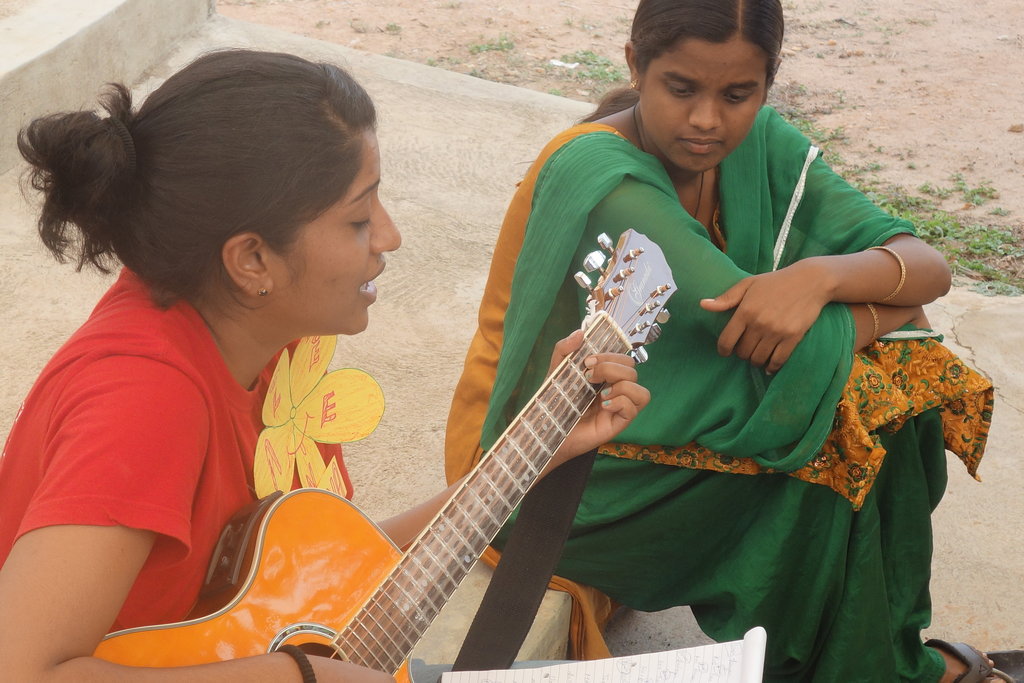
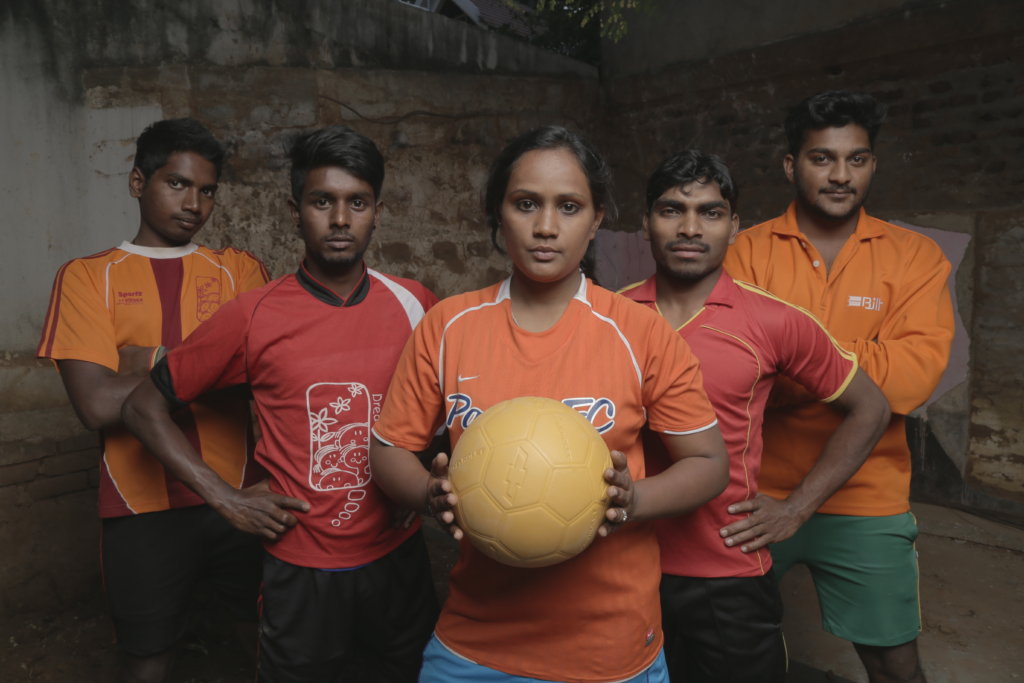
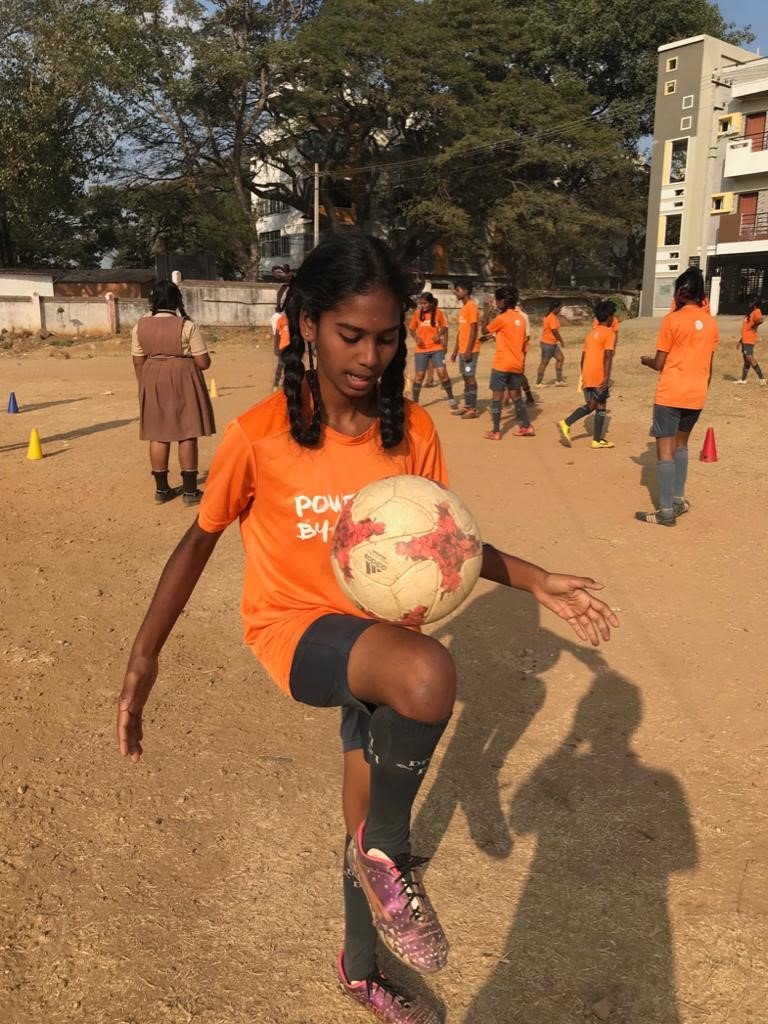
In our After School Life Skills Programme, we use creative arts and football as mediums to engage and develop critical life skills among young people between the ages of 8 to 15 years. This programme is an innovation lab where new approaches to life skills development are introduced, demonstrated, documented, evaluated, and fed back into a larger framework for re-imagining learning for young people in the country. To measure the improvements in life skills amongst the young people, we use the Life Skills Assessment Scale (LSAS*).
This year is particularly difficult for the young people and the teachers due to the prevailing lockdown due to the COVID 19 pandemic.
The COVID-19 pandemic has created havoc across the world and the number of positive cases keeps increasing every day. A calamity like COVID-19 brings out the best and worst in a society. The first to get affected are the young people who come from difficult backgrounds. The fast act and response measures from the government to curb the pandemic is making life more difficult for marginalized groups.
Many of our young people’s parents are daily wage workers and many of them are dependent on daily, weekly and bi-weekly income; putting an immense amount of stress on them to buy food and other basic everyday needs. Summer is also the time that many young people use to earn money to save for further education. The battle against COVID-19 has made young people feel more vulnerable than before because they wouldn’t be able to afford school/ college fees.
At Dream a Dream, we give all the support a young person needs and more so now. We have formed a team comprising of the Leadership and the programme managers to support young people’s social, emotional and economic needs during these stressful times. We have also formed a team to stay connected and support young people and teachers in our programme. The team answers calls related to awareness and precautions related to COVID-19, give emotional/validation support, advise related to e-learning programme and provide dry ration kits to needy families.
Some of the highlights:
The Global #Whatif movement
Over the last few months, Suchetha Bhat (CEO, Dream a Dream) and Vishal Talreja (Co-founder & Trustee, Dream a Dream) have tried to make sense of everything that has happened / is happening, and specifically its impact on children from marginalized communities. They wrote a series of articles (1,2,3) reflecting on the education system and the insights they were picking up from the ground.
These articles got a great response from the community and people started reaching out with questions on how they can engage and support these reflections. This led to the launch of a Global Movement called #WhatIf. You can read more about it here - https://whatif-global.com/.
The #WhatIf Movement is a community driven initiative with the intention to invite a pause, a moment, a stillness into our being before we can respond to support our children. It is an initiative to explore and discover what could be our most compassionate offer to our children during this pandemic and post when children begin to re-engage with school.
There have been some amazing partners / individuals joining the movement through writing articles, sending across endorsements, creating and sharing resources, engaging with social media and taking the #WhatIf idea to their communities. Since it’s a community driven event, different partners are engaging with it in their own way and driving the thinking.
The overall hope is that the process of reflection and taking a pause will help us change narratives around education and give us a real chance to Reimagine education in a post-COVID world.
Project reports on GlobalGiving are posted directly to globalgiving.org by Project Leaders as they are completed, generally every 3-4 months. To protect the integrity of these documents, GlobalGiving does not alter them; therefore you may find some language or formatting issues.
If you donate to this project or have donated to this project, you can receive an email when this project posts a report. You can also subscribe for reports without donating.