By Shanker Subramanian | Manager - Data & Reporting
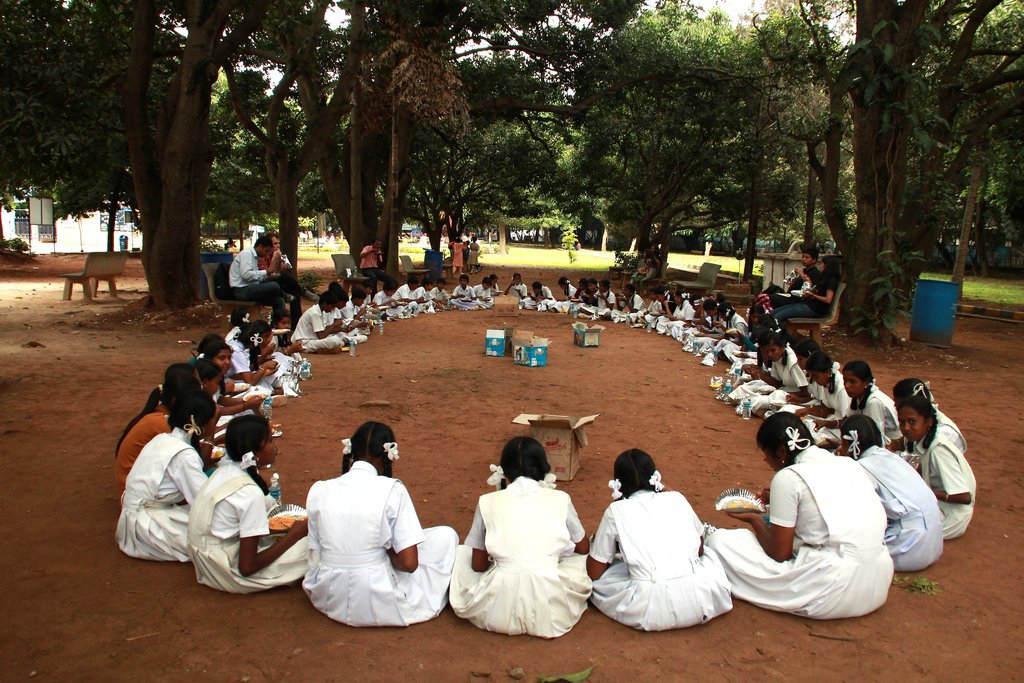
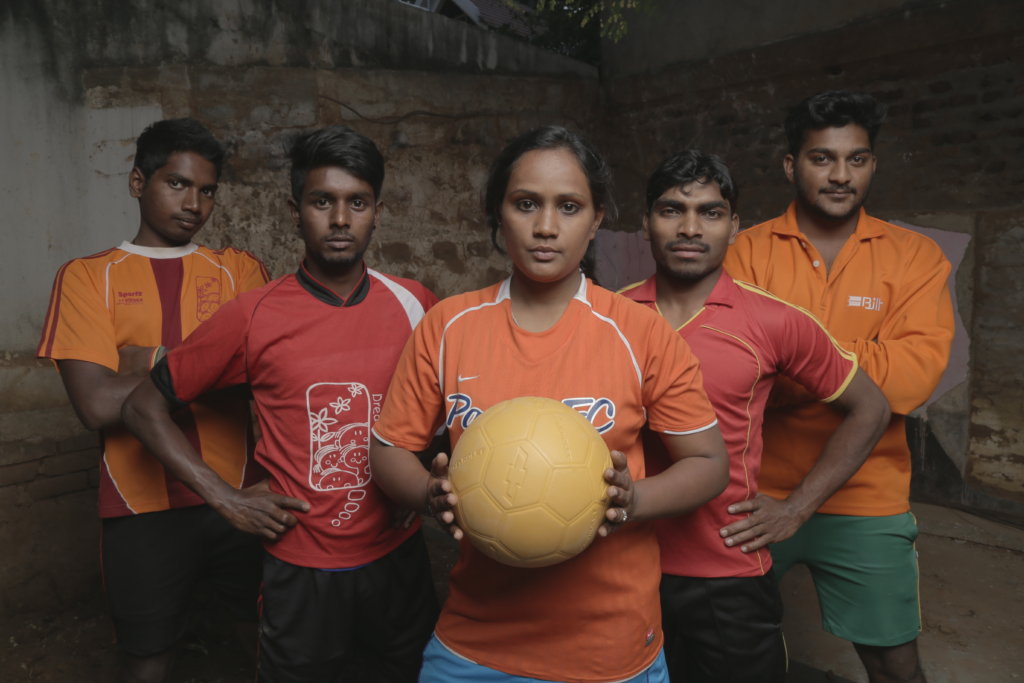
Dream a Dream is a registered, charitable trust empowering children and young people from vulnerable backgrounds to overcome adversity and flourish in the 21st century using a creative life skills approach. Currently, we work with 10,000 young people a year through our two innovation labs – After School Life Skills Programme and Career Connect Programme; have trained over 5500 teachers/educators from 157 partners impacting over 137,500 children and young people and sensitize over 2500 volunteers through our unique Life Skills Development model. We work on a strong collaborative approach with local charities, corporates, volunteers, governments, expert consultants and a host of national and international strategic partners.
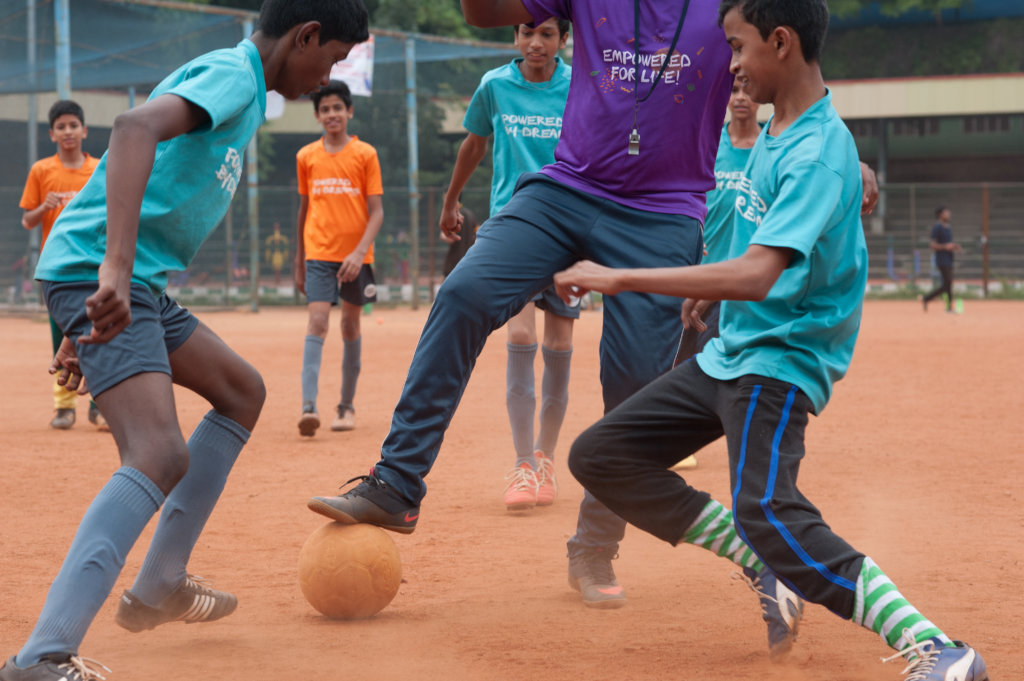
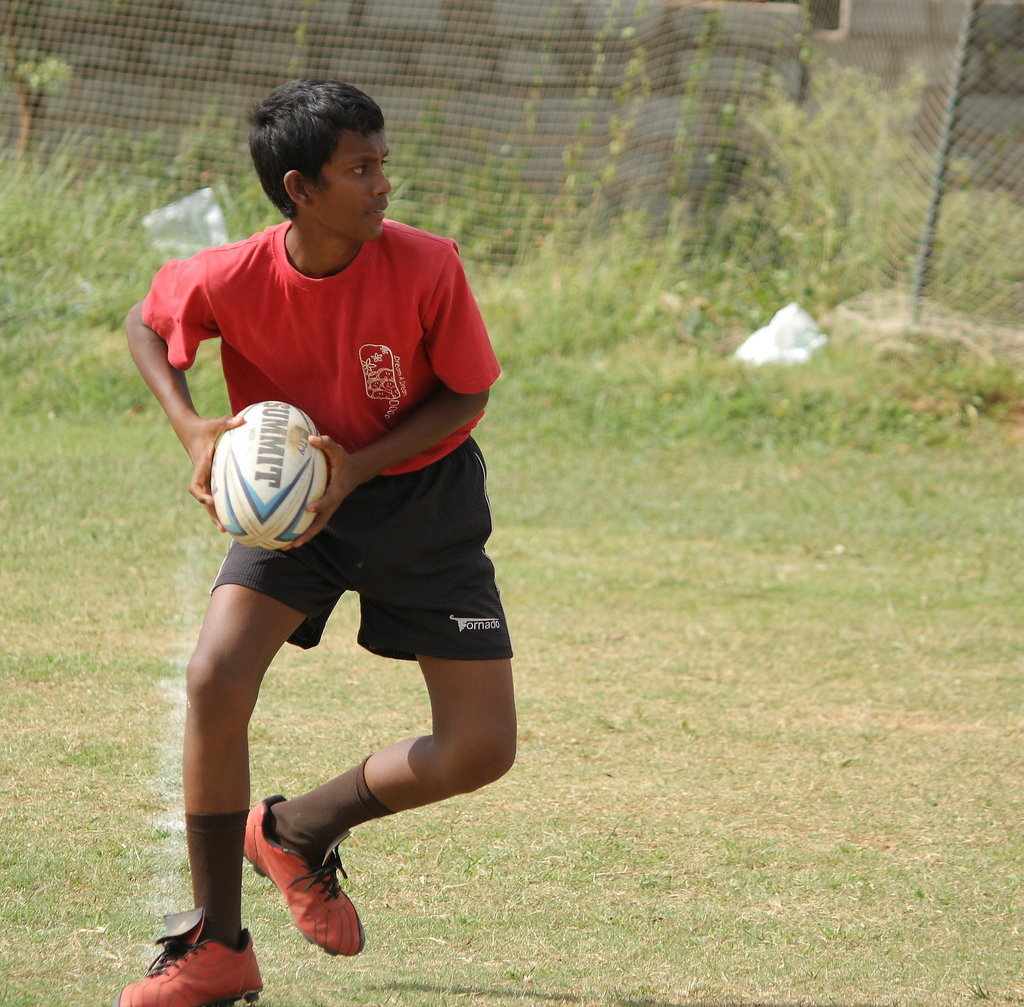
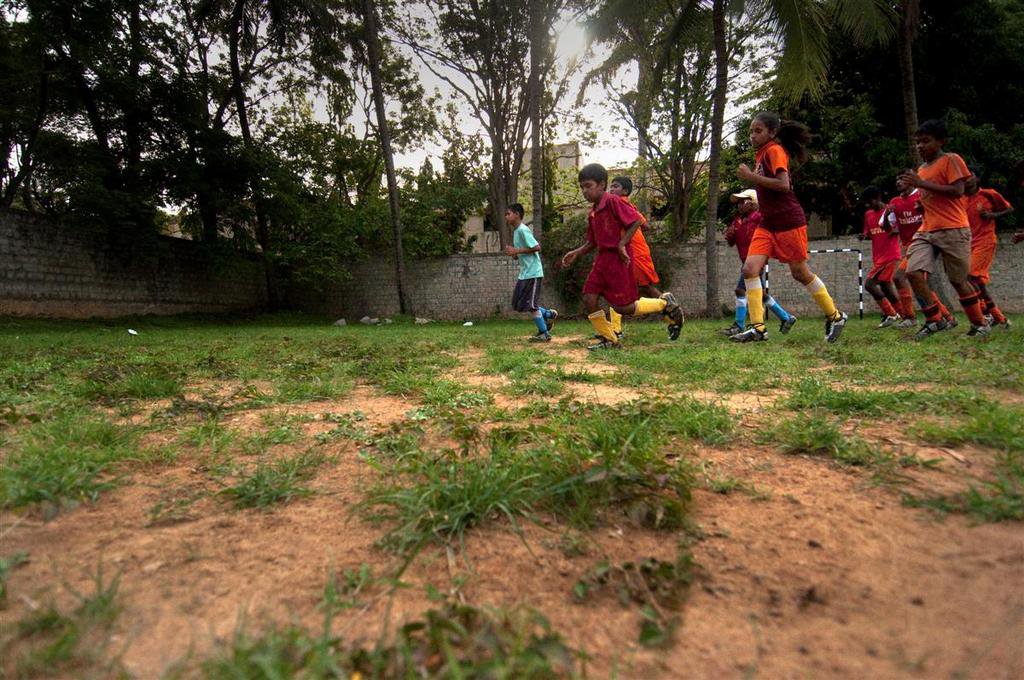
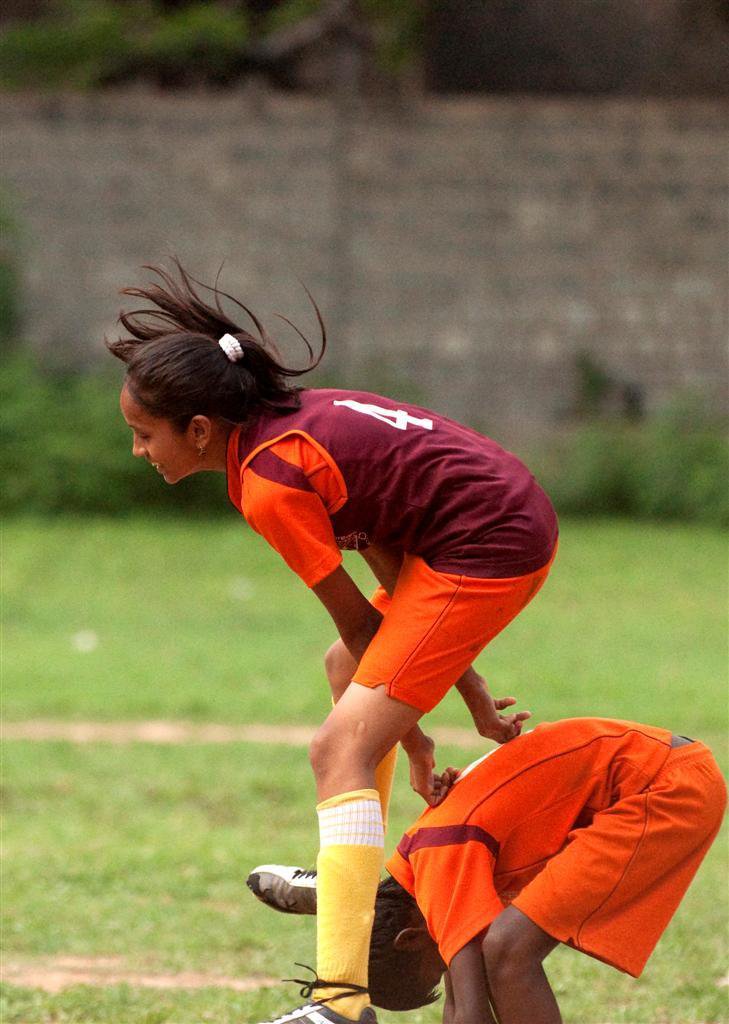
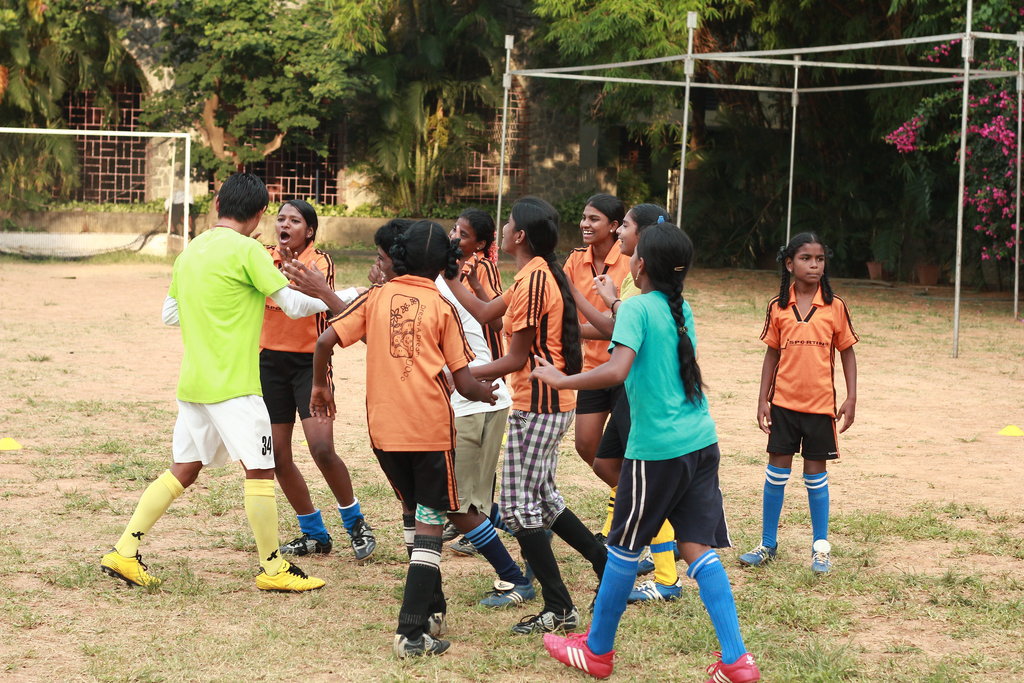
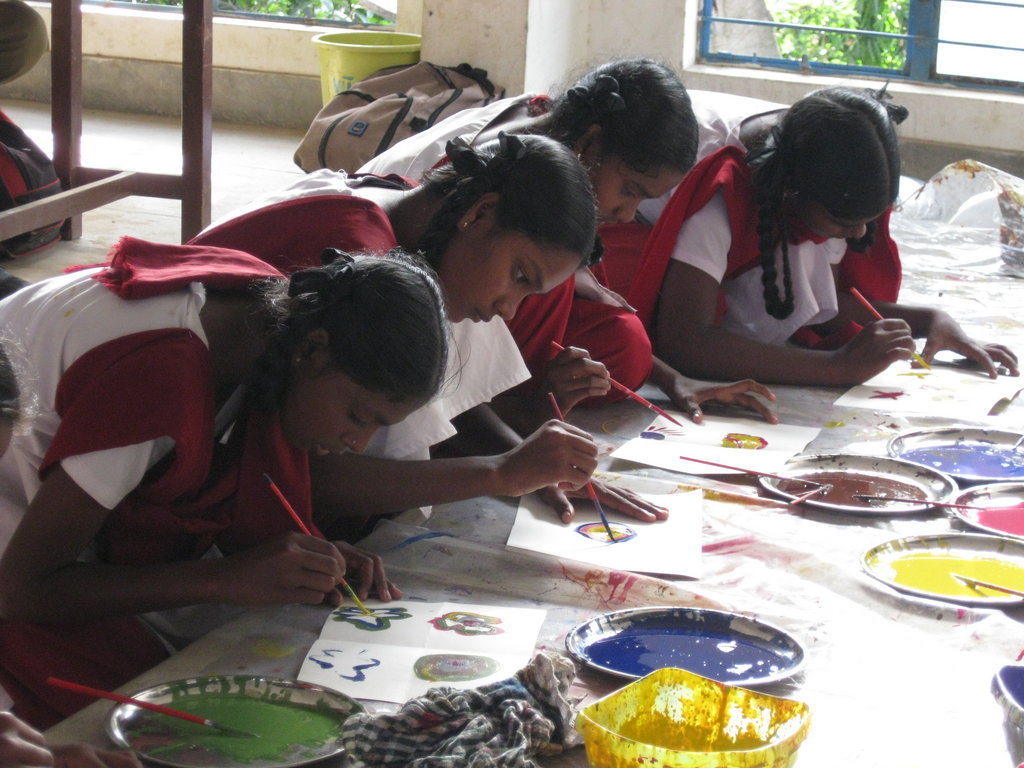
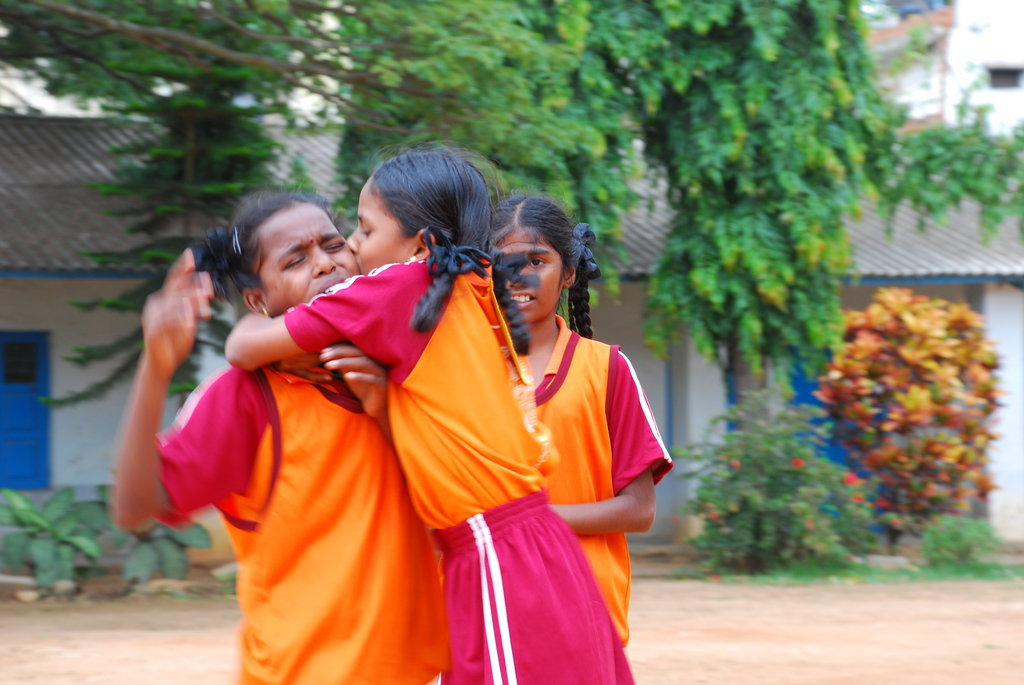
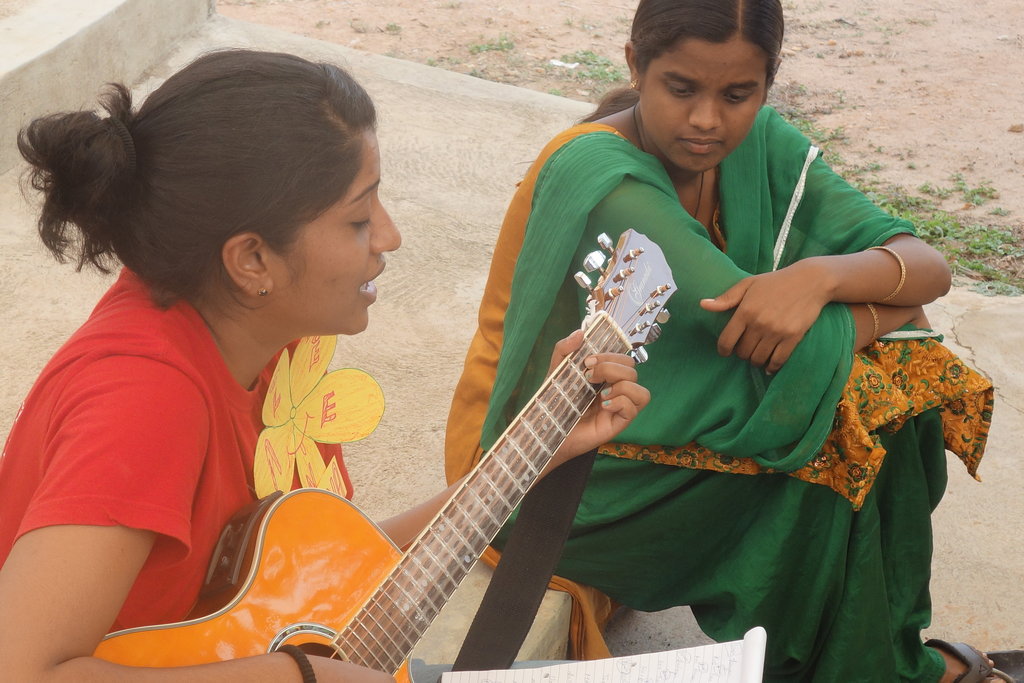
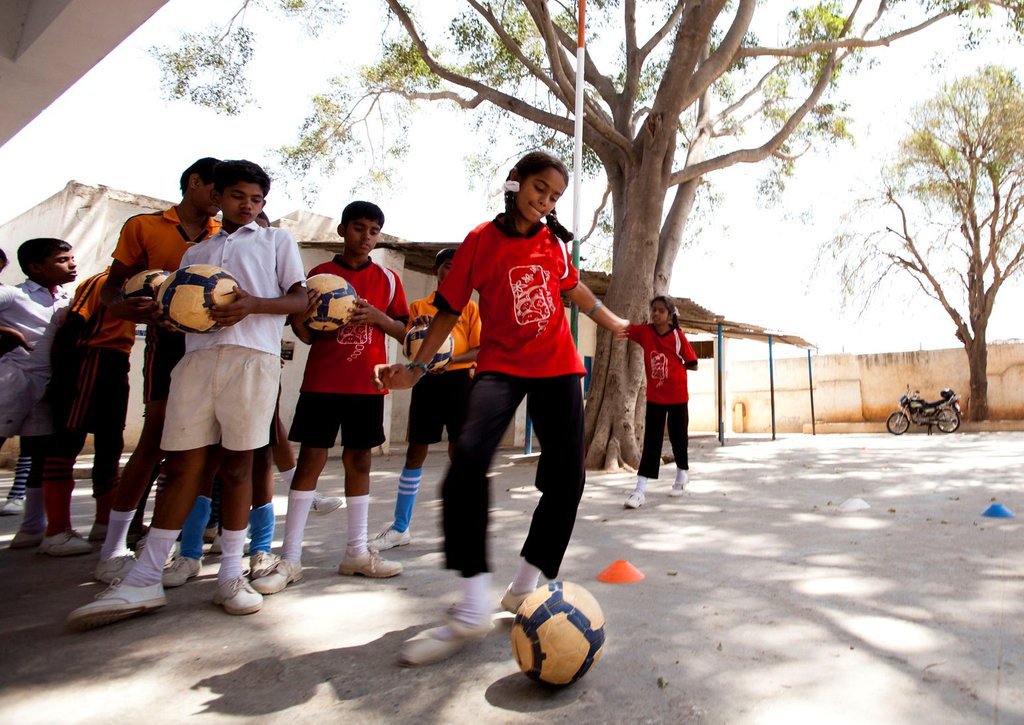
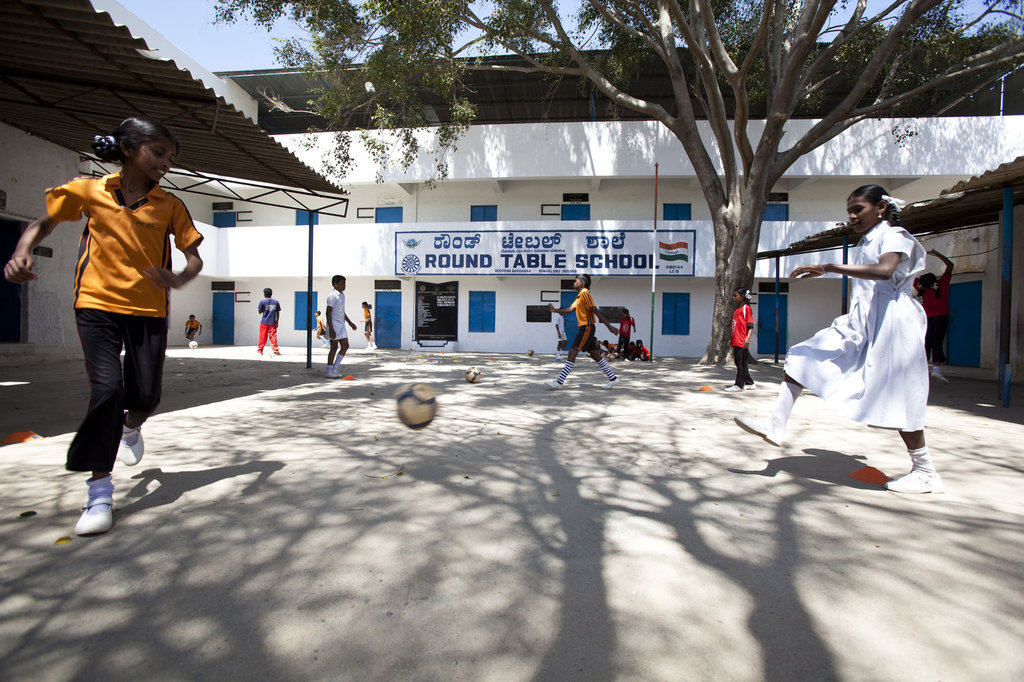
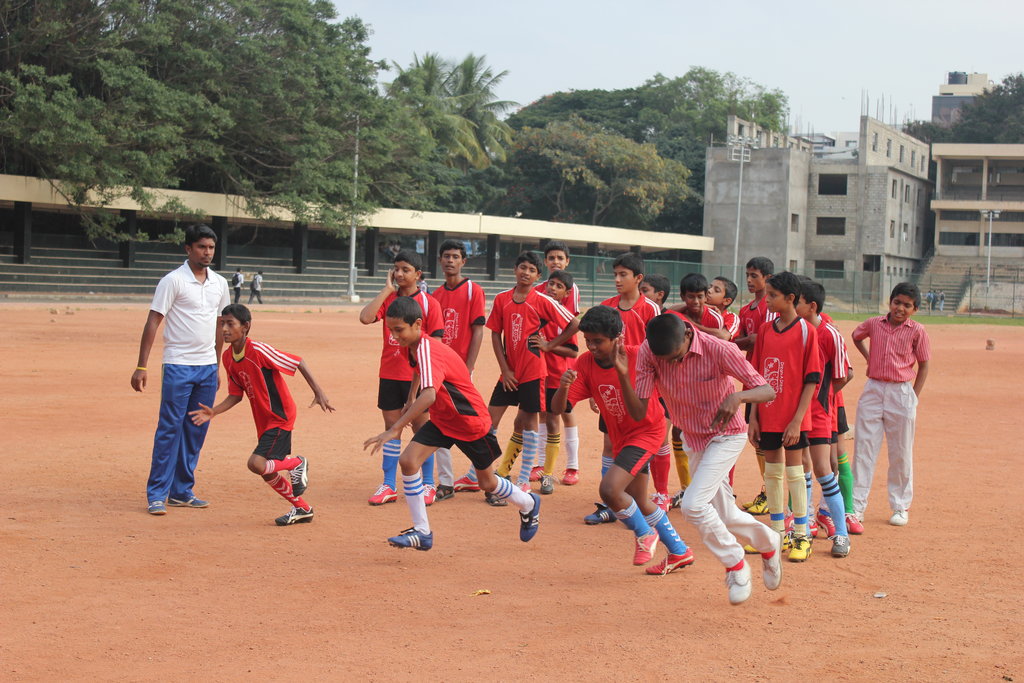
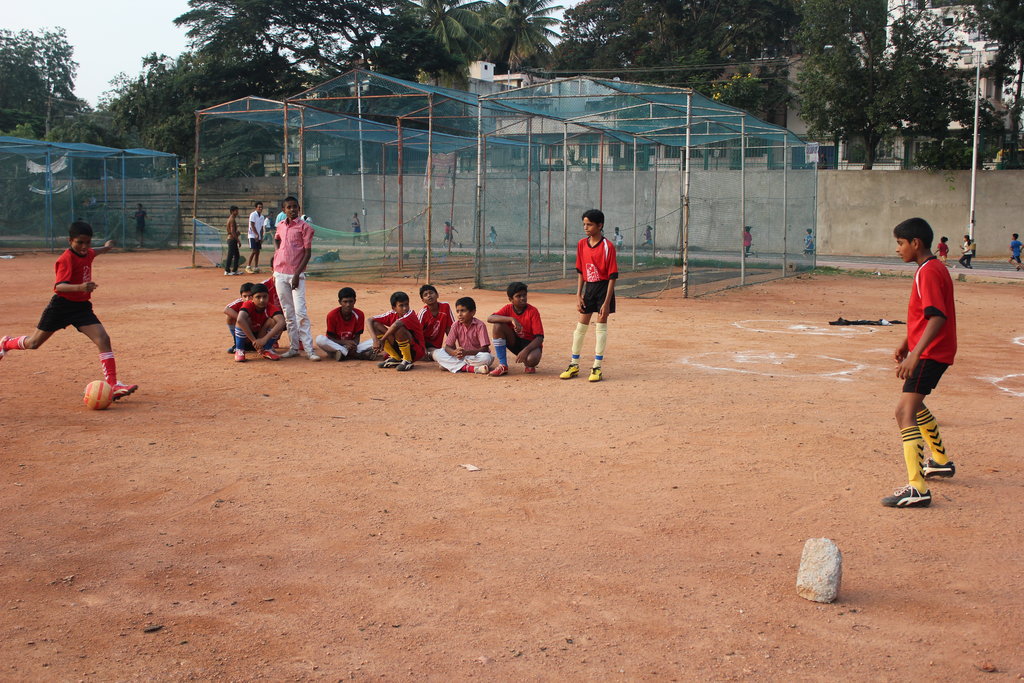
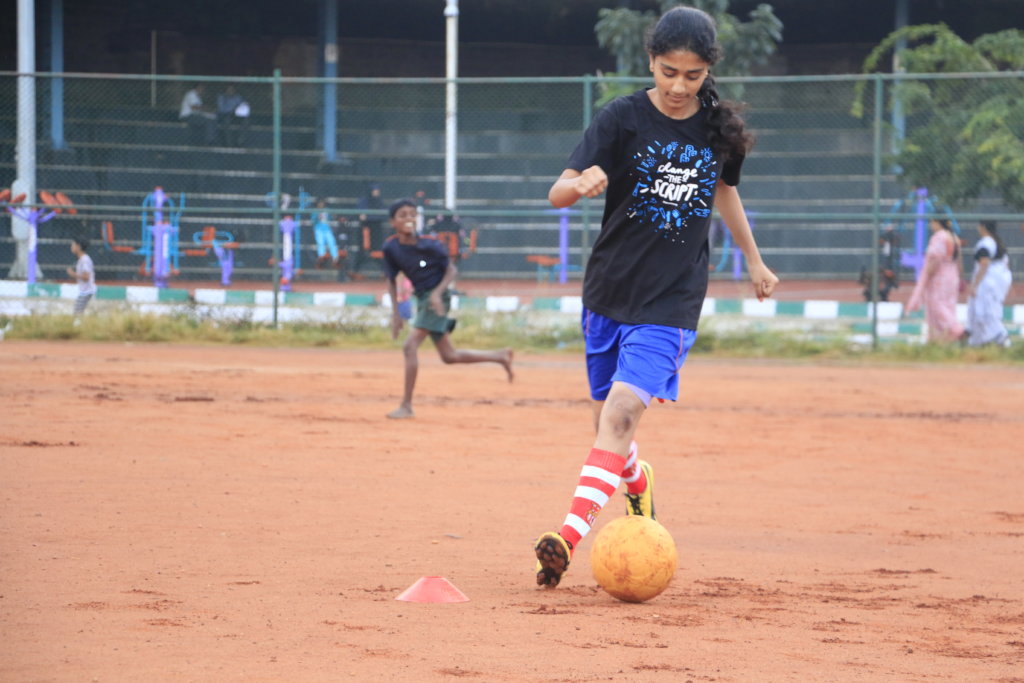
In our After School Life Skills Programme, we use creative arts and football as mediums to engage and develop critical life skills among young people between the ages of 8 to 15 years. This programme is an innovation lab where new approaches to life skills development are introduced, demonstrated, documented, evaluated, and fed back into a larger framework for re-imagining learning for young people in the country. To measure the improvements in life skills amongst the young people, we use the Dream Life Skills Assessment Scale (DLSAS*).
* The Dream Life Skills Assessment Scale (DLSAS) developed in-house is a first of its kind, published and standardized scale that is being used by NGOs/Schools to assess improvement in life skills - http://globaled.gse.harvard.edu/files/geii/files/dream_life_skills_assessment_scale_final_2.pdf.
(Please right click on the link and select 'Open link in new tab)
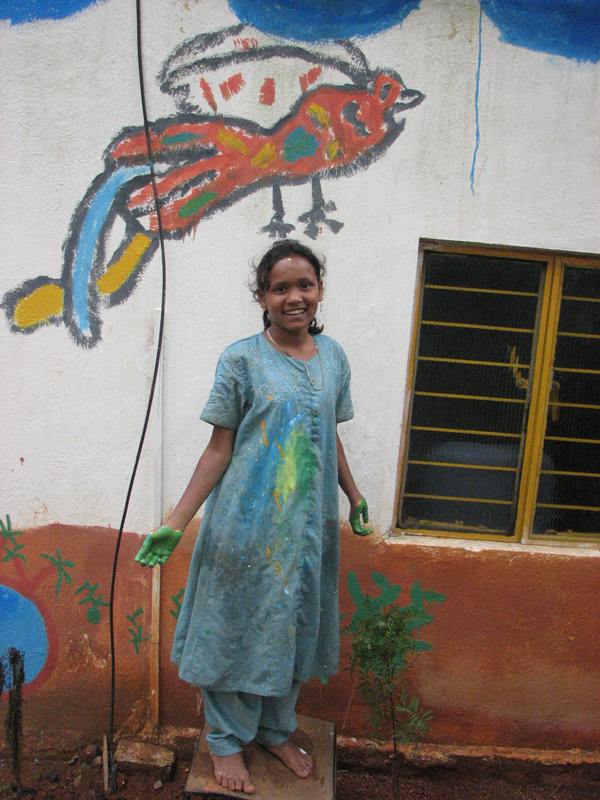
Ayesha’s transformation from being a quiet and withdrawn person to a confident decision maker and a team player
“I dream to become a teacher someday. I didn’t have an idea of my dreams or my goal in life earlier but after attending Dream a Dream Life skill sessions, this has changed as I have discovered myself. I used to be silent earlier and was afraid of talking to others or participating in activities. But I was motivated constantly that I can change and I did. I got multiple chances to speak freely and express myself. I want to continue and become part of this chain and help other “Ayesha’s” out there. I want to become good teacher and support them with their ambitions. I will work hard and study well and make sure that this happens. Thank you, Dream a Dream, for all your support!” says a confident and determined 9 year old Ayesha.
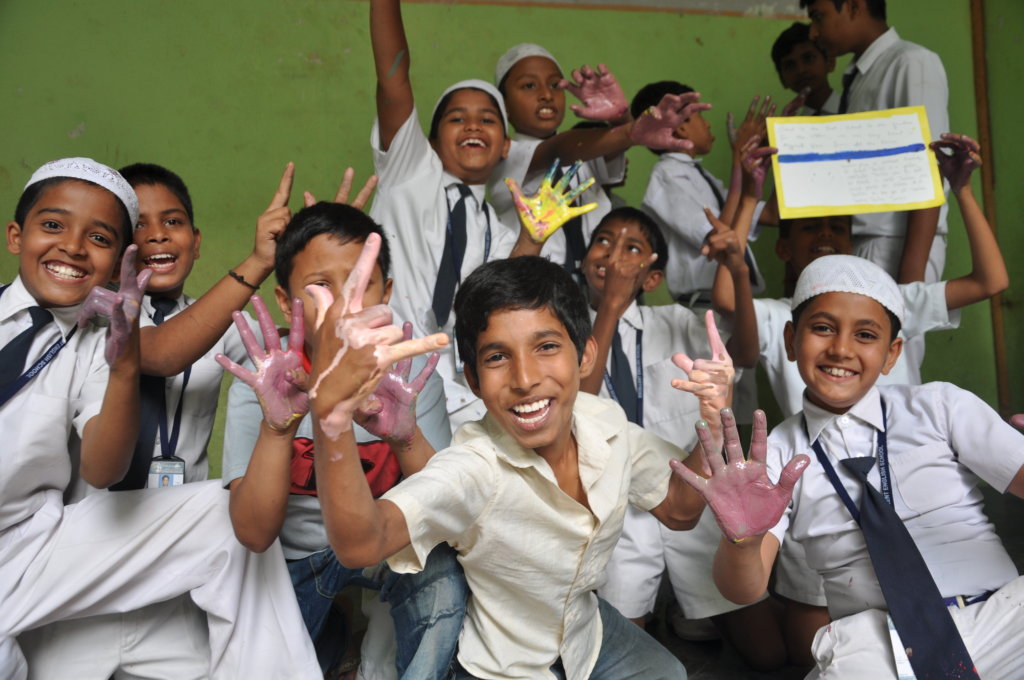
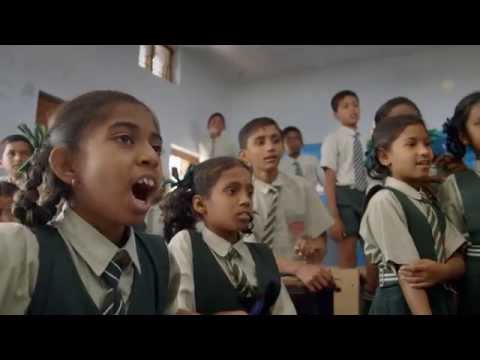
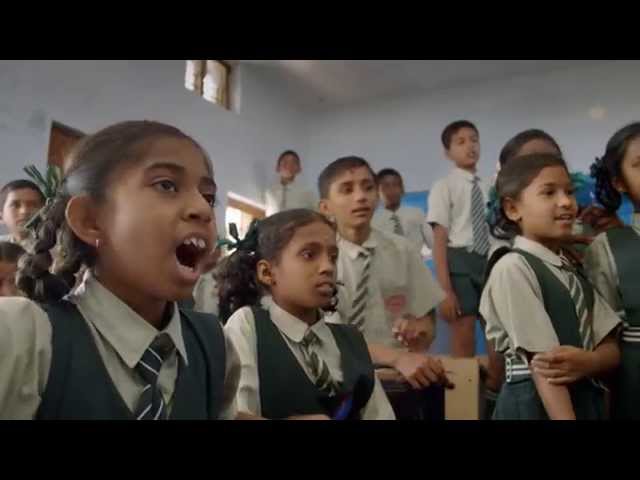
Ayesha, a grade 5 student at Florida English School joined the After School Life Skill’s Creative Arts programme when she was in grade 4 and 9 years of age. Her family has 3 members. Her father works in an incense factory, her mother is a home maker and her brother who studies in grade 8th in the same school.
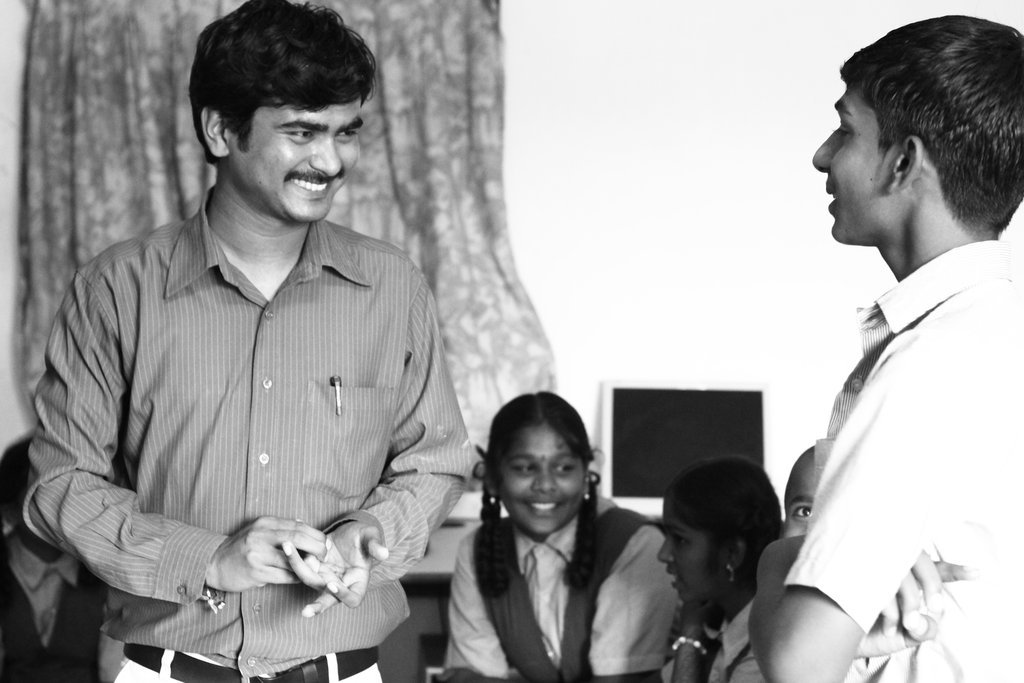
As observed by the facilitator, Ayesha remained silent, didn’t interact much with her peers and kept her thoughts and emotions to herself in the beginning. She didn’t participate in the activities or sessions and was afraid to talk to the teachers. Her immediate peers had to be on the receiving end when she was unable to express herself as she would often get impatient, rude and pick up a fight with them. A discussion with her teacher revealed that she is good in studies but her behavior has led to numerous complaints from other students and parents which should change as it was affecting the environment of the classroom.
To understand the root cause of Ayesha’s behavior towards her peers, the facilitator had a candid discussion with her mother, who told that she used to be a completely different individual in her previous school which was very good. She was an active student then, who eagerly participated even in debate competitions at an early age. She had a lot of friends there and maintained cordial relations with all of them. However, she had to leave that school because of financial constraints at home. Since then she has become silent and it is difficult to believe the change in her behavior.
This gave the facilitator clarity on her behavior and a way to bring Ayesha out of her current state and make her more responsive and expressive towards others. It was clear that she needed more time and support to adjust to a sudden shift in her surroundings and new set of people who came from a different background. The facilitator initiated conversations with her at an individual level to give her channel to express and motivate her to get better at expressing. Although she took time but she did open up eventually and started sharing her views. She shared that she liked the activities in class and that she likes enjoying with her friends but she hesitates due to some reason.
The facilitator then conducted an activity in which two partners have to convey their feelings to each other through drawings. Ayesha struggled at this activity and was unable to express herself. She later told that she was facing difficulty and that she would have done much better if she were with her best friend and not with people she doesn’t know. She mentioned that she felt comfortable at her previous school and she liked the disciplined environment and her friends. The current school is completely different and she is afraid to interact with her peers here as they always start fighting with her. She is unable to talk to her brother as the school has strict rules against girls talking to boys.
The facilitator encouraged her to interact more with her peers so that there is a constructive change of thoughts and emotions. For a few sessions, she couldn’t do this but with time and constant motivation by the facilitator she started talking and sharing with others. She even started taking opportunities to take leadership in the group.
However, there was still a sense of inhibition in her, that she was still not as comfortable with her new school. But then one day she showed an action song to the facilitator when they were discussing alone. This struck as a golden opportunity to help Ayesha adjust with her environment. The facilitator advised her to teach that to her peers. She hesitated at first but then agreed to it and started doing the same. This gave the confidence that she has definitely set on to the path of change. As the facilitator reports, she had become more responsive and responsible towards her peers and more confident towards her teachers.
Teacher’s quotes: -
The teachers have observed the behavioral change in her during the classes. She has become expressive, participates in lots of activities and she takes leadership opportunities quite eagerly. She even helps her peers when the teacher is not present in the class and her peers have also welcomed this change with open arms.
Facilitator feedback: -
It has been a great experience working with Ayesha. The change is evident and real. A small push of motivation was all that was needed from our side. I just provided her space to express herself freely and explore her talents. This has changed her and now she is helping her friends realize their potential without being asked to do so.
We take this opportunity to thank you for your continued support and contribution towards Dream a Dream's vision. Our work would not have been possible without you. The last year was made remarkable through your generous support and played a vital role in our pursuit to ensure young people from vulnerable backgrounds thrive in the 21st century
We are proud to share our Donor Report for the year 2017-18 with you. Our reports will give you in-depth insights into the impact of our work in the last year along with significant events and stories of change. Donor Report 2017-18 http://dreamadream.org/reports/DonorReport17-18.pdf
(Please right click on the link and select 'Open link in new tab alternatively we have uploaded the pdf for you conveinence)
Your support so far has helped us empower young people from vulnerable backgrounds to overcome adversity and thrive in the 21st century. We look forward to your continued support as we seek to sustain and scale our programme.
Project reports on GlobalGiving are posted directly to globalgiving.org by Project Leaders as they are completed, generally every 3-4 months. To protect the integrity of these documents, GlobalGiving does not alter them; therefore you may find some language or formatting issues.
If you donate to this project or have donated to this project, you can receive an email when this project posts a report. You can also subscribe for reports without donating.