By Rodrigo Pereyra | Fundraising Officer
Quarterly Overview (Apr to Jun 2026)
Names have been changed to protect the girls’ privacy.
1. Key Highlights: From Coordination to the First Workshops
April: preparing the ground. The quarter began with internal work for the Mobile Library and its new programmes: finding teachers, drawing up partnerships and gathering materials. Our team also met school directors and community leaders in the area, laying the foundation for the work that followed.

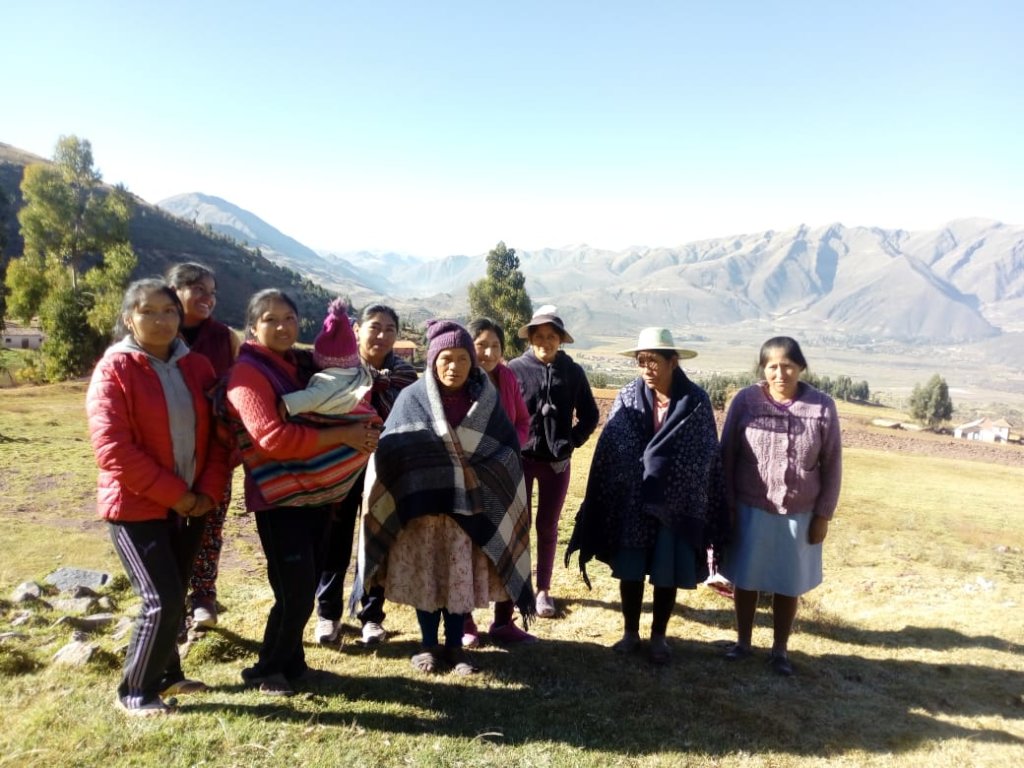
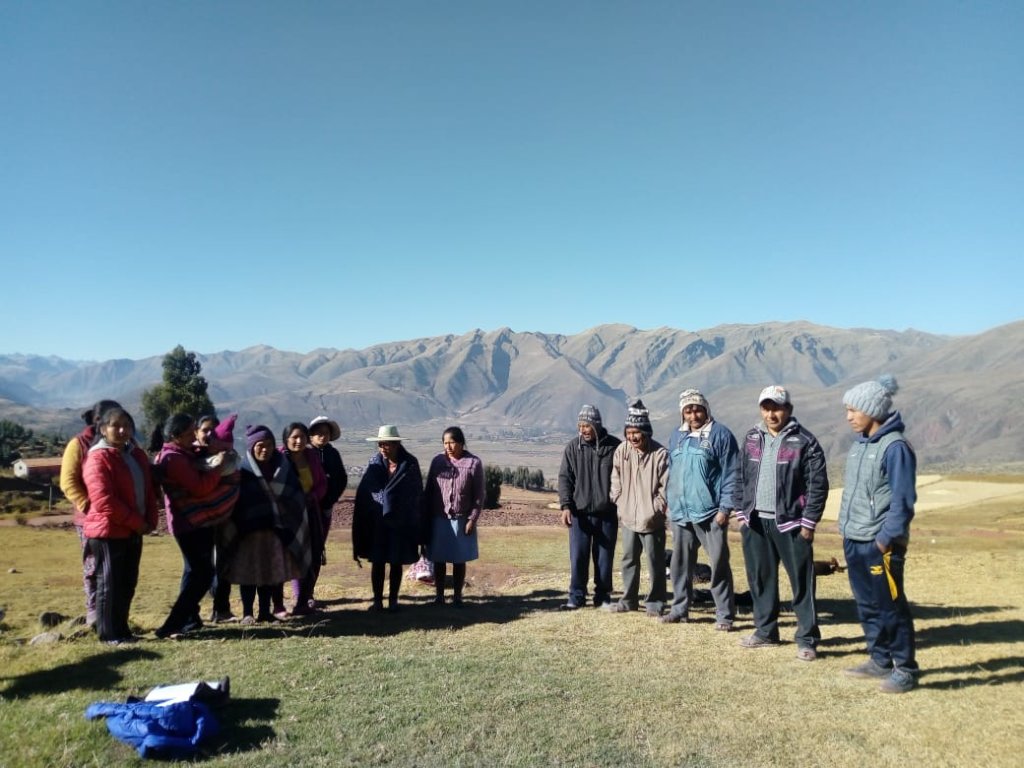
May and June: listening and agreeing. Our team coordinated with the communities, the schools, parents and local authorities, while the Mobile Library was already running sessions, now held on Thuesday for Quillauata and Wednesday at Pumamarca. We met the schools again to decide where the Women’s Empowerment programme could be applied, and agreed to begin in Quillahuata and Pumamarka. A written agreement was drawn up with the school management in each community.

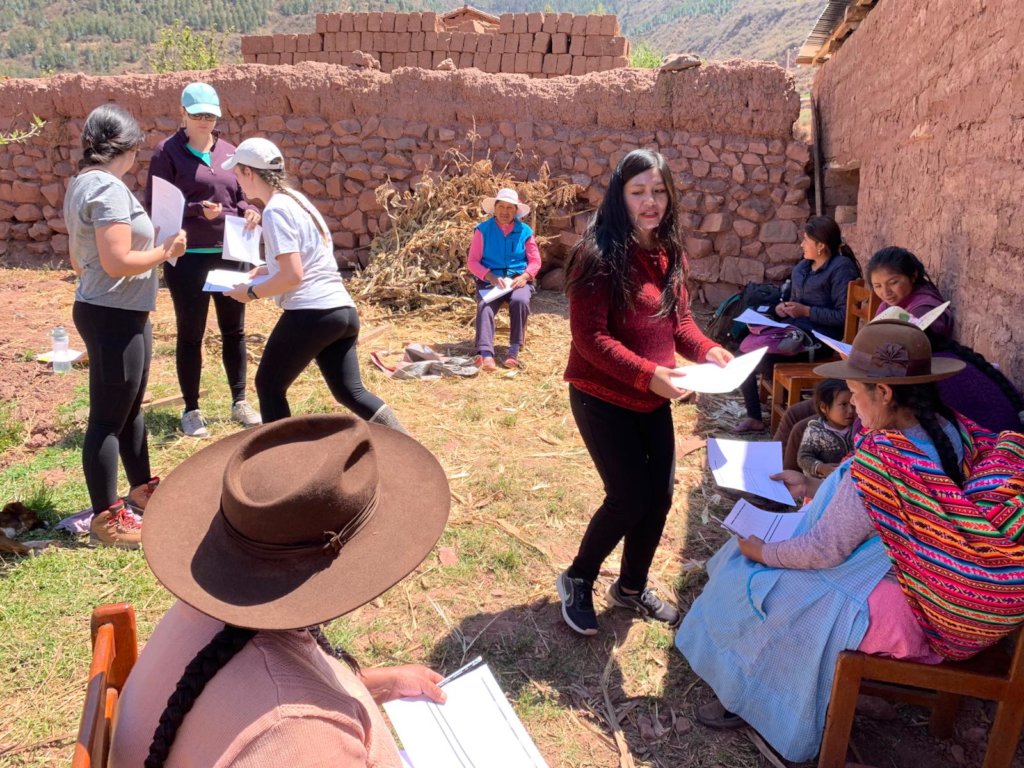
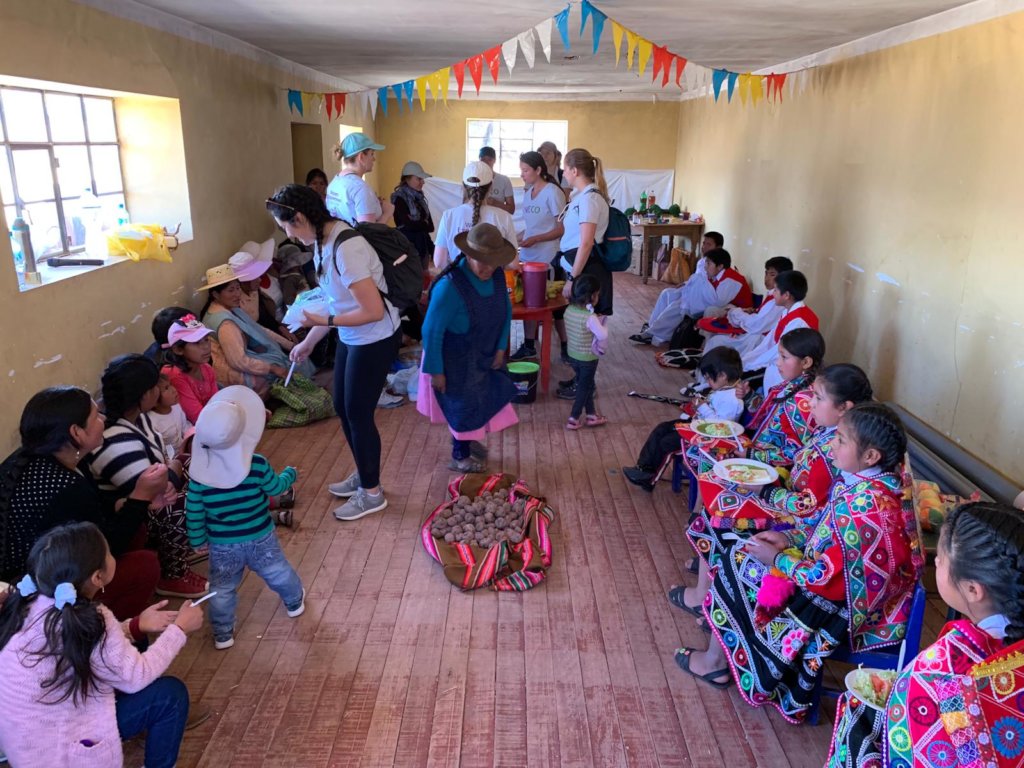
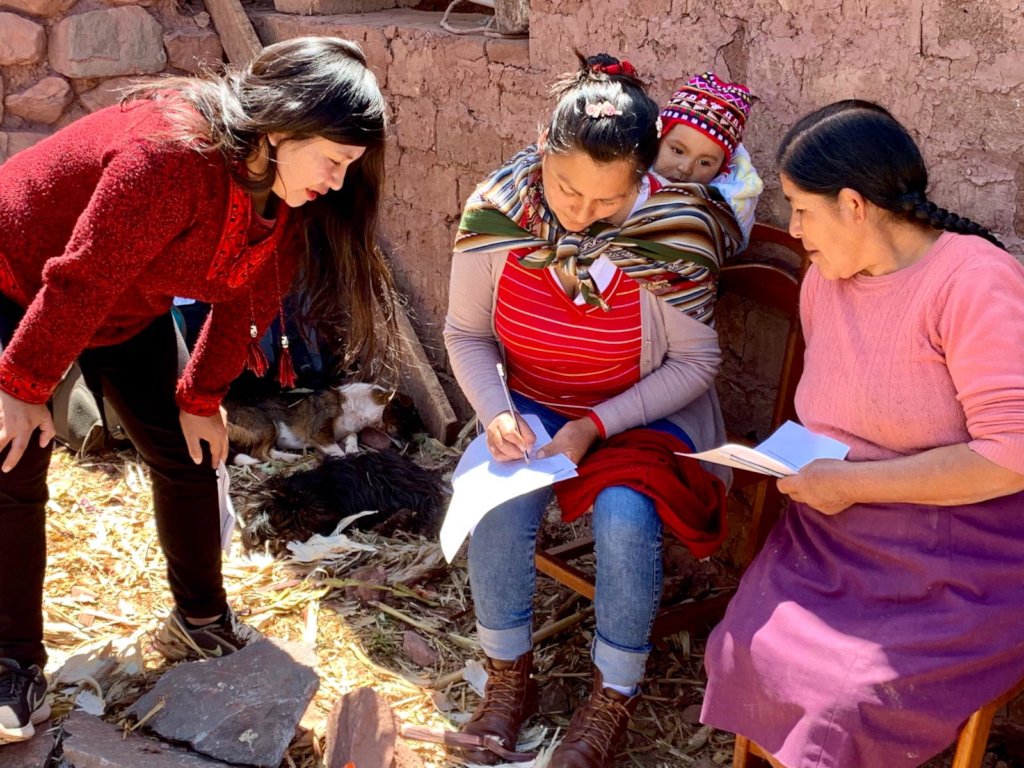
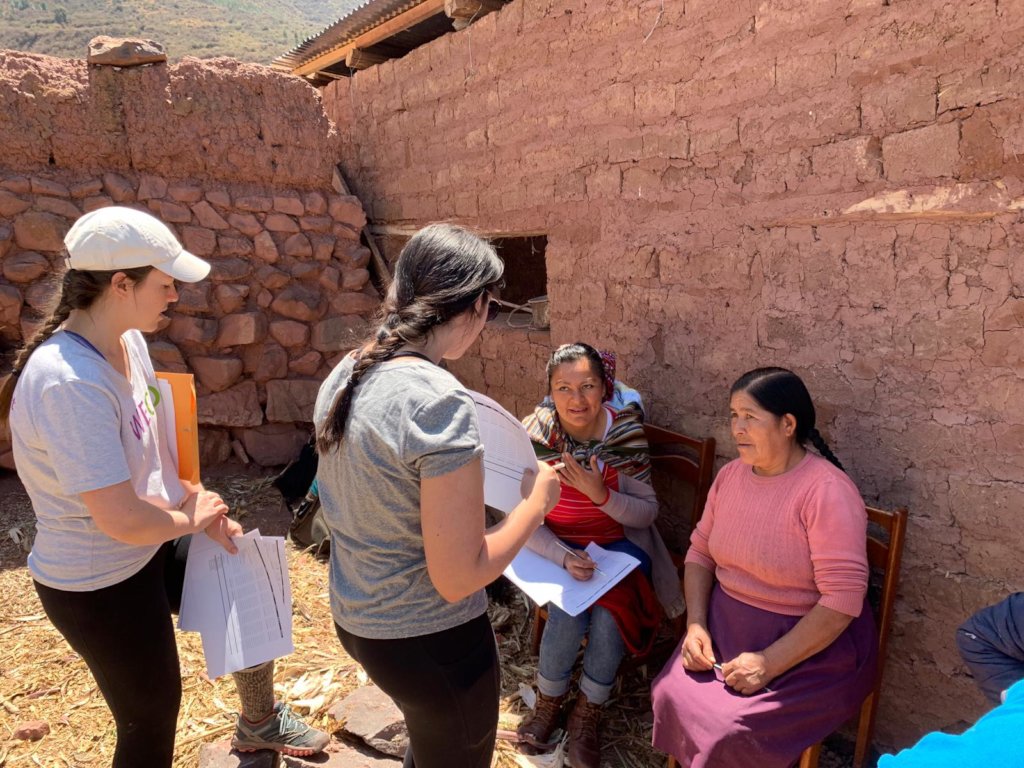
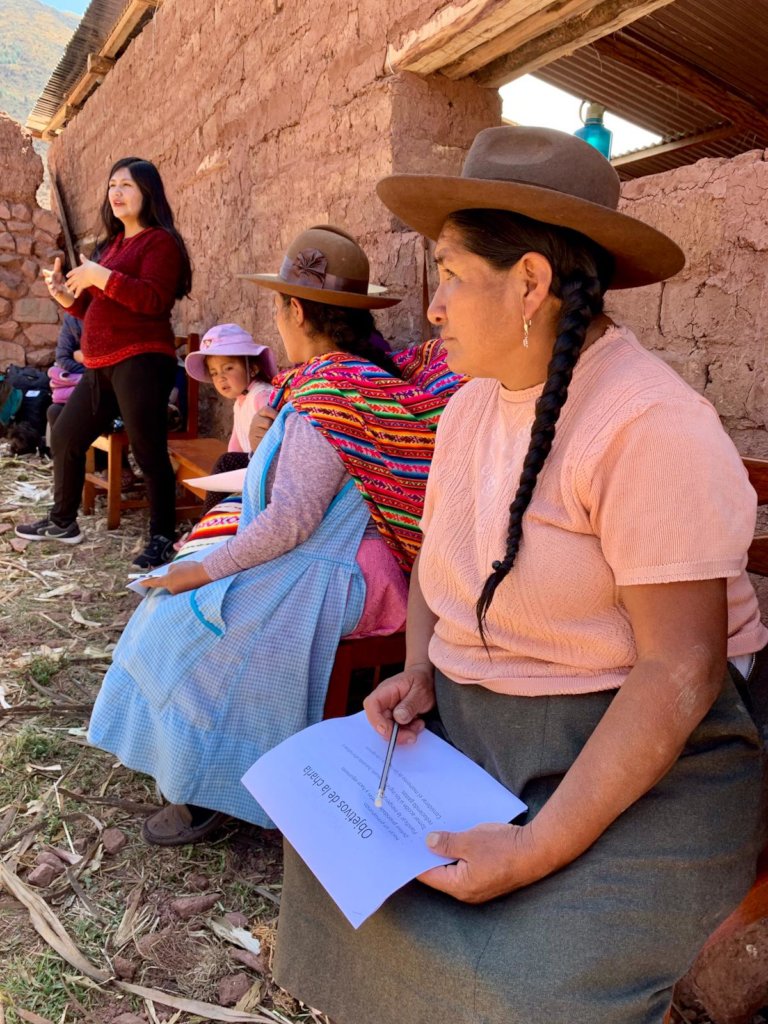
Mid-June: the first workshops in Quillahuata. The programme began with 12 adolescent girls enrolled. Two facilitators lead the sessions using a participatory approach: games, group work, drawing and sharing circles. In the first sessions the priority was to build trust: presenting the programme, agreeing group rules together and making a personal portfolio where each girl keeps her own work.

Our Approach
The programme gives adolescent girls in rural communities a safe, regular place to get to know themselves, understand their emotions and build confidence. We start with trust and group agreements before moving on to self-knowledge and emotional education, so that every girl feels listened to and respected. The programme works hand in hand with the local schools.

Story of Transformation
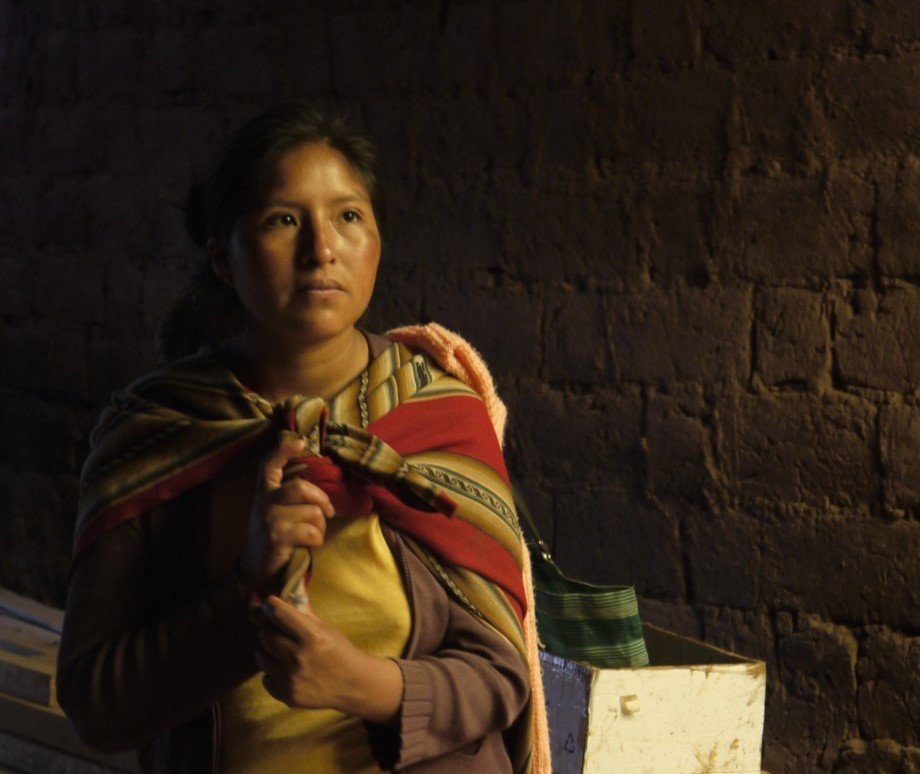
Marisol, aged 12, from Quillahuata, is full of energy and joy. She has taken part in the workshops since the first sessions and has invited her friends from the community to join. For her, and for others, the workshops are a place to speak, be listened to and feel accompanied.
Challenges and Resilience
Attendance is our main challenge. In Quillahuata, 12 girls were enrolled but an average of 6 attended each session in June. To respond, our team met the local school and reached a collaboration agreement: teachers will help identify and invite girls who could benefit from the programme. In Pumamarka, the first months were devoted to coordination with the school management so that the workshops could start on solid ground.

Looking Ahead
In the coming months we will continue the workshops in Quillahuata, strengthen the invitation to more girls through the school, and run the first workshops in Pumamarka, which began in July. We will keep working on self-knowledge and emotional education, and will share the results of both communities in our next report.
Thank You for Your Support
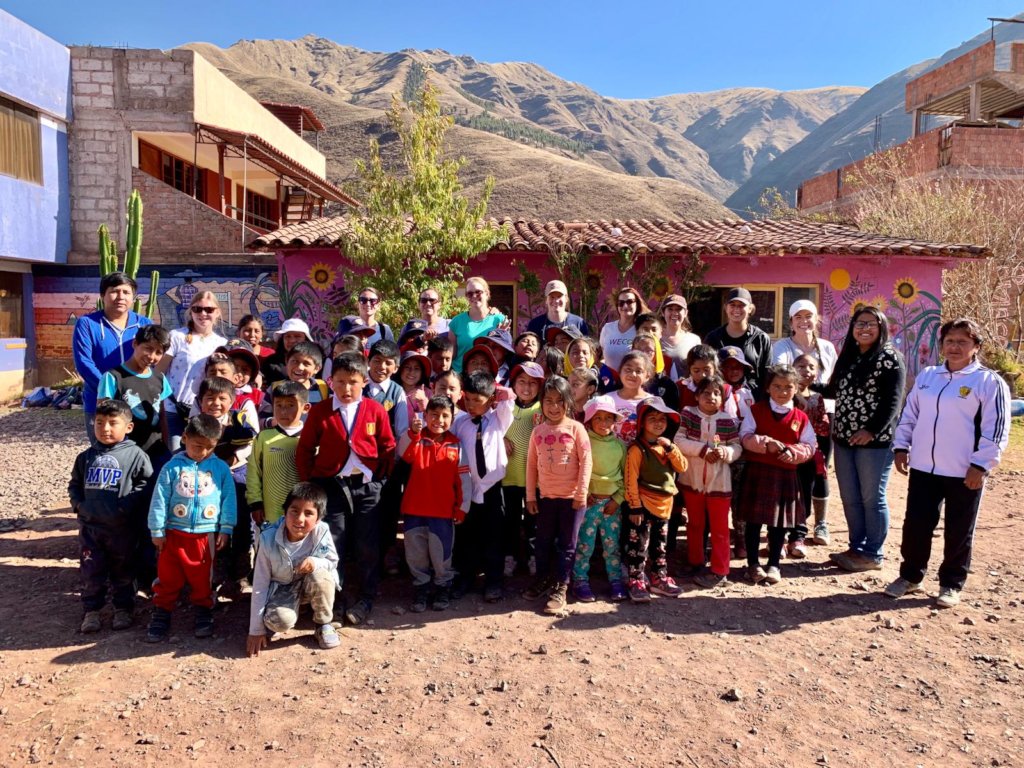
Thanks to the support of the New Zealand Embassy and donors like you, adolescent girls in high Andean communities now have a safe place to find their voice. Thank you for standing with them. To stay even closer to our work, we invite you to join our new WhatsApp channel, where you can follow our community projects and see firsthand how our girls' empowerment sessions unfold in the high Andes.
By Rodrigo Carlos Alejandro Pereyra Jemio | Fundraising Officer
By Rodrigo Pereyra | Fundraising Officer
Project reports on GlobalGiving are posted directly to globalgiving.org by Project Leaders as they are completed, generally every 3-4 months. To protect the integrity of these documents, GlobalGiving does not alter them; therefore you may find some language or formatting issues.
If you donate to this project or have donated to this project, you can receive an email when this project posts a report. You can also subscribe for reports without donating.


Support this important cause by creating a personalized fundraising page.
Start a Fundraiser