By Gustavo Rosatto | General Coordinator
This year, we are supporting 20 schools in vulnerable communities across the country. We help schools build all the infrastructure needed for their gardens (including perimeter fences, compost bins, raised beds, and more), provide the necessary gardening supplies (seeds, seedlings of aromatic herbs, vegetables, fruit trees, and tools), and deliver workshops and training sessions for students, teachers, and families on gardening, healthy eating, and environmental care.
We carry out this process in alignment with the school year, which means that at this time of year, schools are already harvesting the fruits of a year’s hard work.
1. Harvesting to Learn: The Value of Growing Our Own Food
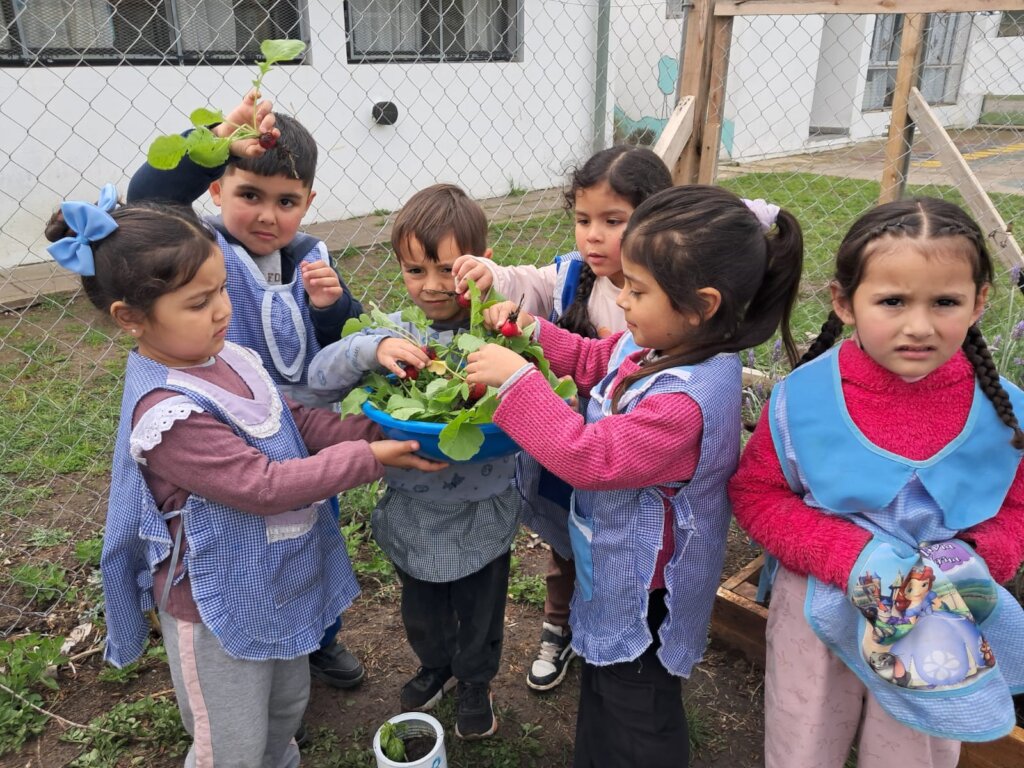
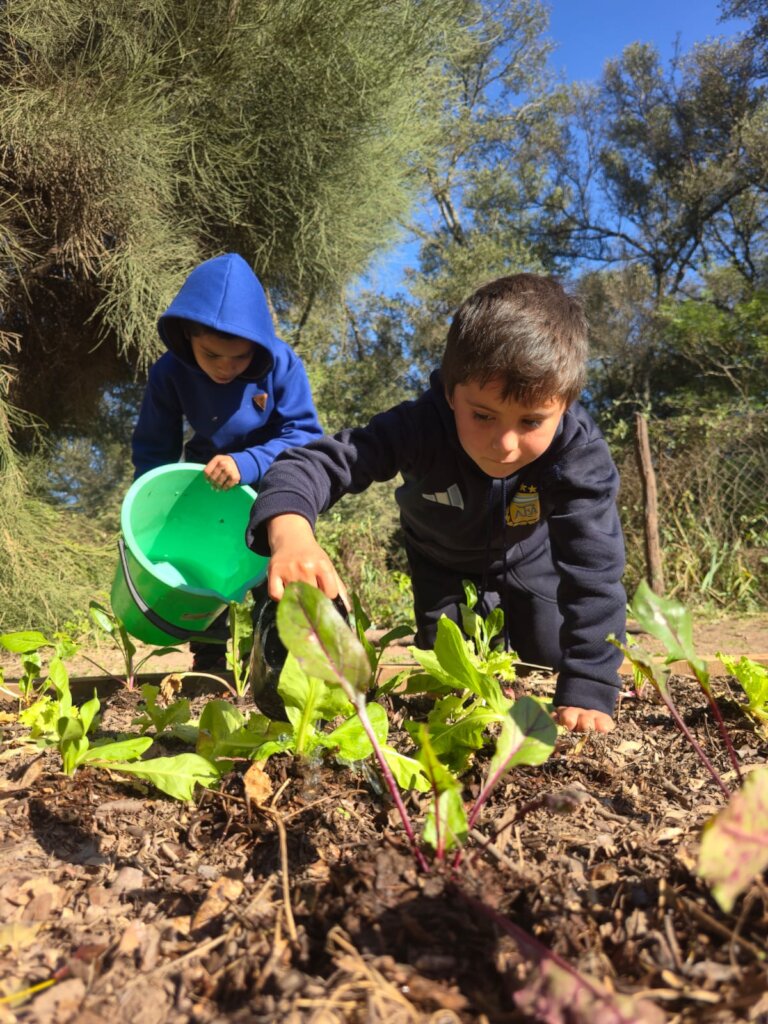
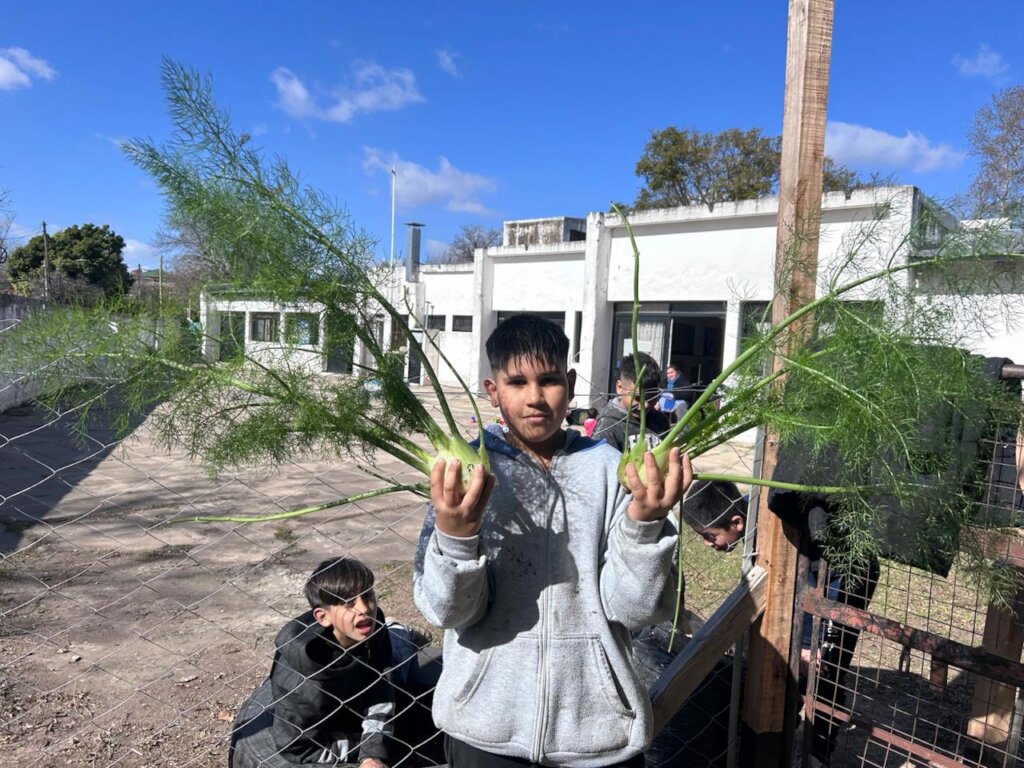
Harvest time is one of the most eagerly awaited moments of the year. After months of preparing the soil, sowing seeds, watering, and caring for the plants, children can finally harvest the food that has grown through their own effort and dedication. Each harvest is an opportunity to appreciate the journey and understand that growing food takes time, commitment, and teamwork.
Through this hands-on experience, students learn about natural cycles, plants’ needs, and the importance of protecting soil, water, and biodiversity. They also develop skills such as observation, responsibility, and teamwork while strengthening their connection with nature.
In this way, the garden becomes an outdoor classroom where knowledge is built through experience. Children discover where their food comes from, appreciate the work required to produce it, and learn that growing fresh food in their own communities is possible.
2. From Harvest to Kitchen: Discovering New Flavors and Eating Better
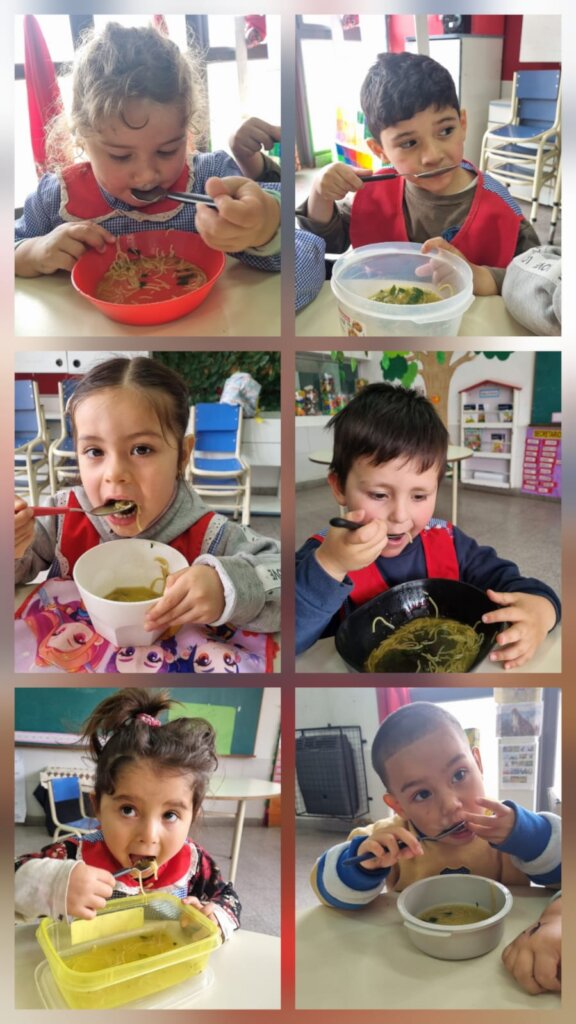
Learning continues when the harvested produce reaches the kitchen. Preparing recipes with food grown in the garden allows children to take part in the entire process, from planting to serving, while discovering new ways to incorporate vegetables, fresh produce, and herbs into their everyday diets.
Working with fresh, agroecologically grown vegetables helps children understand a way of producing food that protects the soil, water, and environment without relying on synthetic herbicides and pesticides. At the same time, harvesting and cooking the food they have grown themselves encourages curiosity about new flavors and textures and helps them develop a closer, more mindful relationship with food.
Each recipe becomes an opportunity to discuss the importance of a varied diet, the nutritional value of vegetables, and the need to include fresh foods in daily meals. In this way, the garden does more than provide food: it also equips children with the knowledge they need to make healthier choices and understand how our food connects us to the environment.
3. From School to Families: Knowledge That Reaches Every Home
The impact of a school garden extends beyond the school grounds. Children become active participants in a learning process they can share with their families, bringing home the knowledge and experiences they gain throughout the year.
When they explain how they planted a seed, describe how to care for a plant, or share a recipe prepared with their harvest, they also pass on new ideas about healthy eating, food production, and environmental care. These exchanges can inspire families to include more vegetables in their meals, make better use of available food, and even start growing their own food at home.
In this way, the school garden becomes a meeting point between education and everyday life. What children learn at school can spread throughout their homes and communities, strengthening relationships and encouraging healthier, more sustainable habits.
Because every seed that sprouts represents much more than food: it is an opportunity to learn, share, and create change. Supporting schools on this journey means investing in the hope that the knowledge children gain today will become a tool for building a healthier future, with greater environmental awareness and more opportunities for people to grow their own food.
Links:
Project reports on GlobalGiving are posted directly to globalgiving.org by Project Leaders as they are completed, generally every 3-4 months. To protect the integrity of these documents, GlobalGiving does not alter them; therefore you may find some language or formatting issues.
If you donate to this project or have donated to this project, you can receive an email when this project posts a report. You can also subscribe for reports without donating.


Support this important cause by creating a personalized fundraising page.
Start a Fundraiser