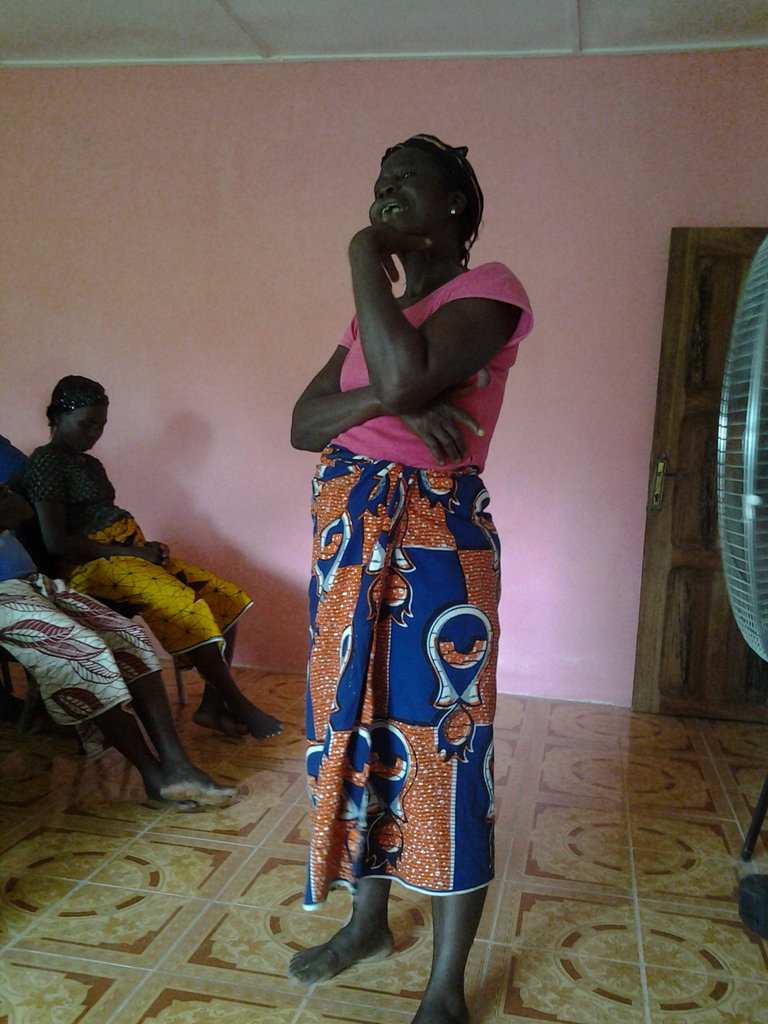
Education helps women and girls achieve their human rights. . Since the outbreak of Ebola, women who can't read have no access to secondary information about how to stay healthy and what to do if they, or a loved one, becomes sick. In Liberia, women and girls carry the responsibility of catering for the family by providing basic home services such as preparing meals and attending to sick relatives. These responsibilities make women vulnerable to Ebola virus Disease.
Women lack basic skills and knowledge to handle such deadly virus disease as Ebola. While in the process of providing care for sick relative, women are most likely to contract the virus because they do not have the necessary information on how to prevent themselves when caring for sick relatives. High illiteracy rate is largely a contributing factor to this precarious situation of women amidst the Ebola pandemic in Liberia.
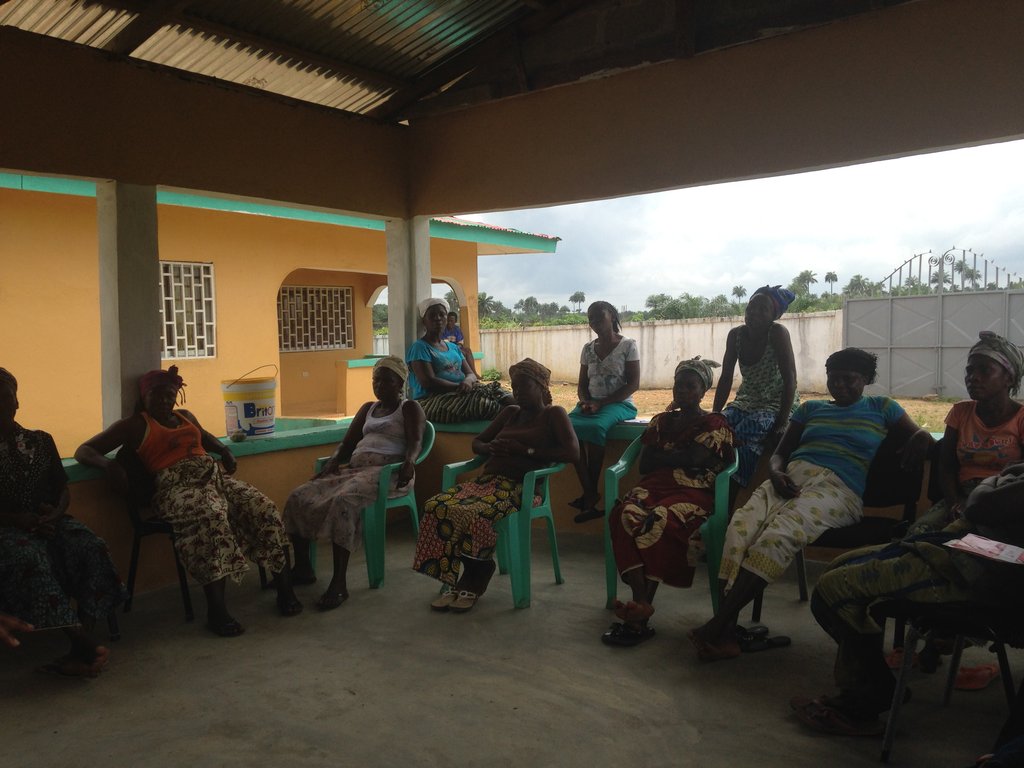
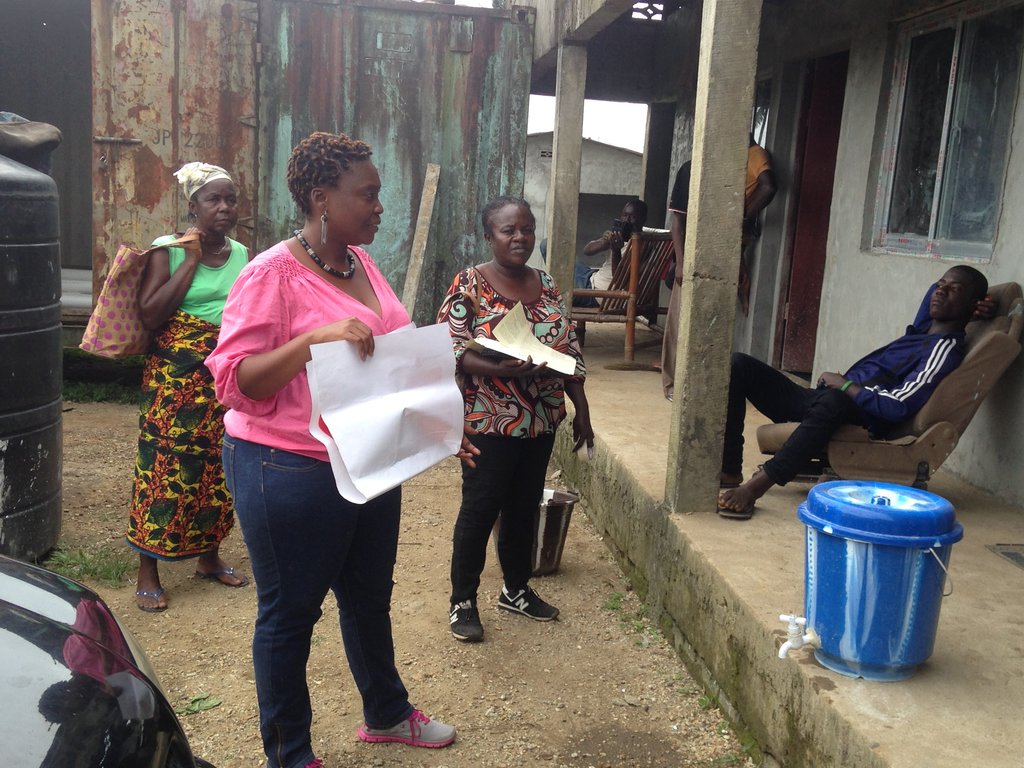
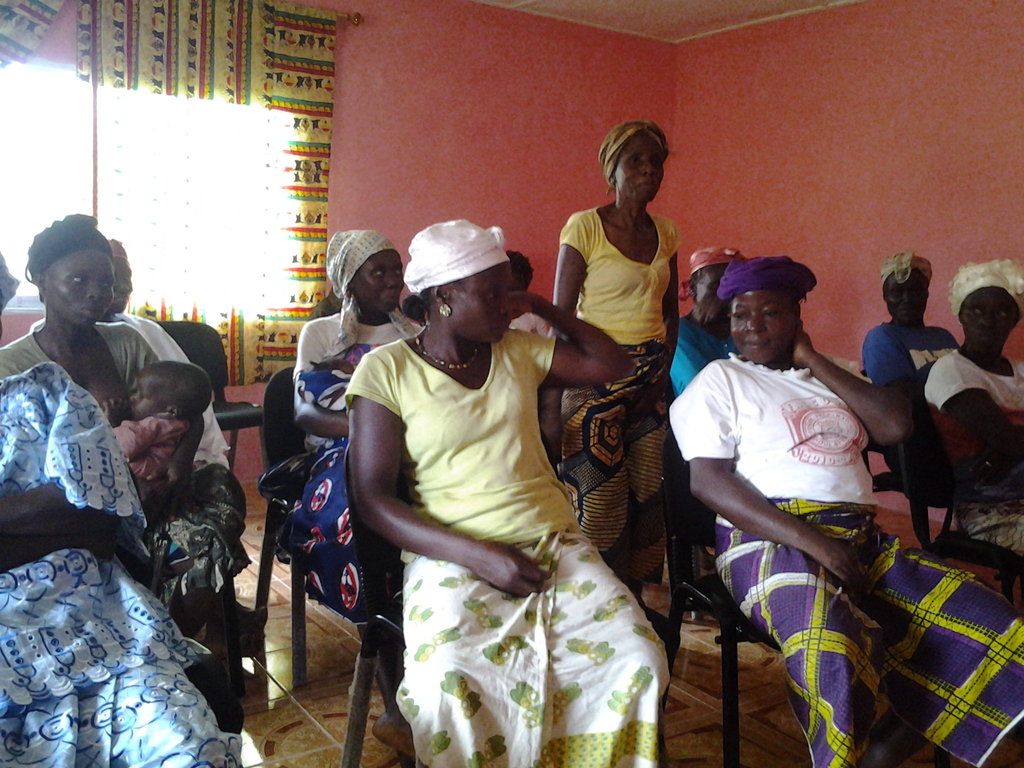
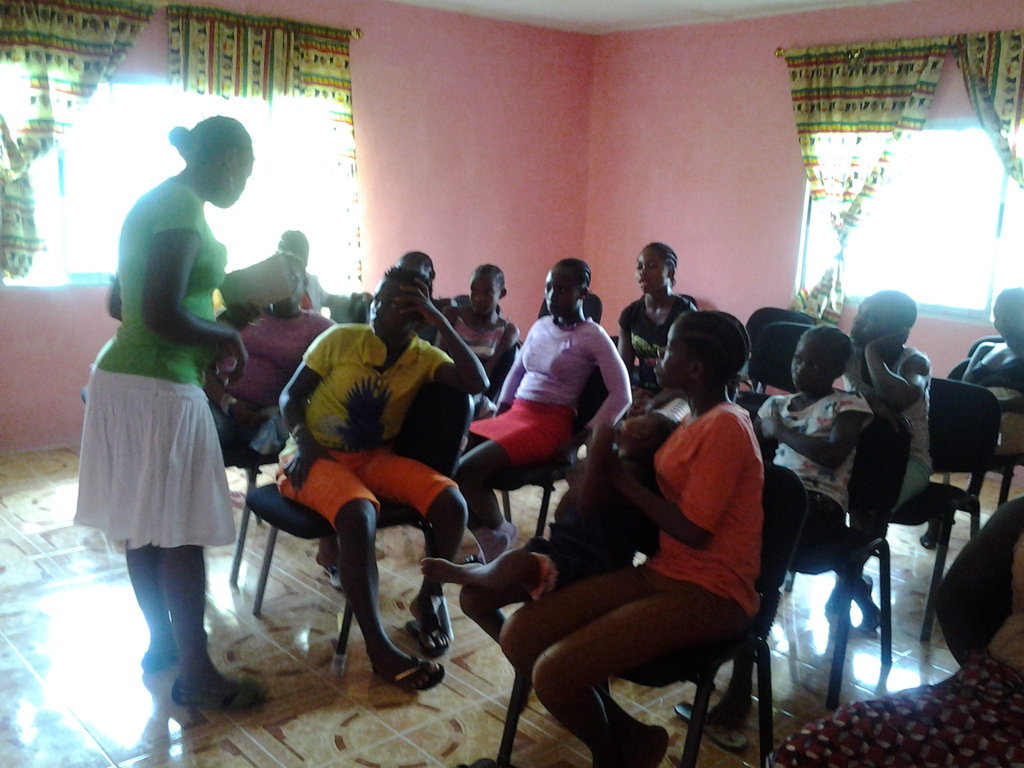
NEP will provide training for rural women and girls in local dialects on preventive measures, proper methods and formula for preparing chlorinated water for hand washing and cleaning, how to use gloves or plastic bags to respond to suspected Ebola patients. Women trained will return to their communities to carry out community outreach on the preventive measures of Ebola, home care and the importance of seeking early treatment when family member is experiencing symptoms of Ebola.
This will help reduce the number of Liberian women and girls that are being infected by the Ebola virus and the information provided will prevent further spread of the virus in their various communities and its environment.