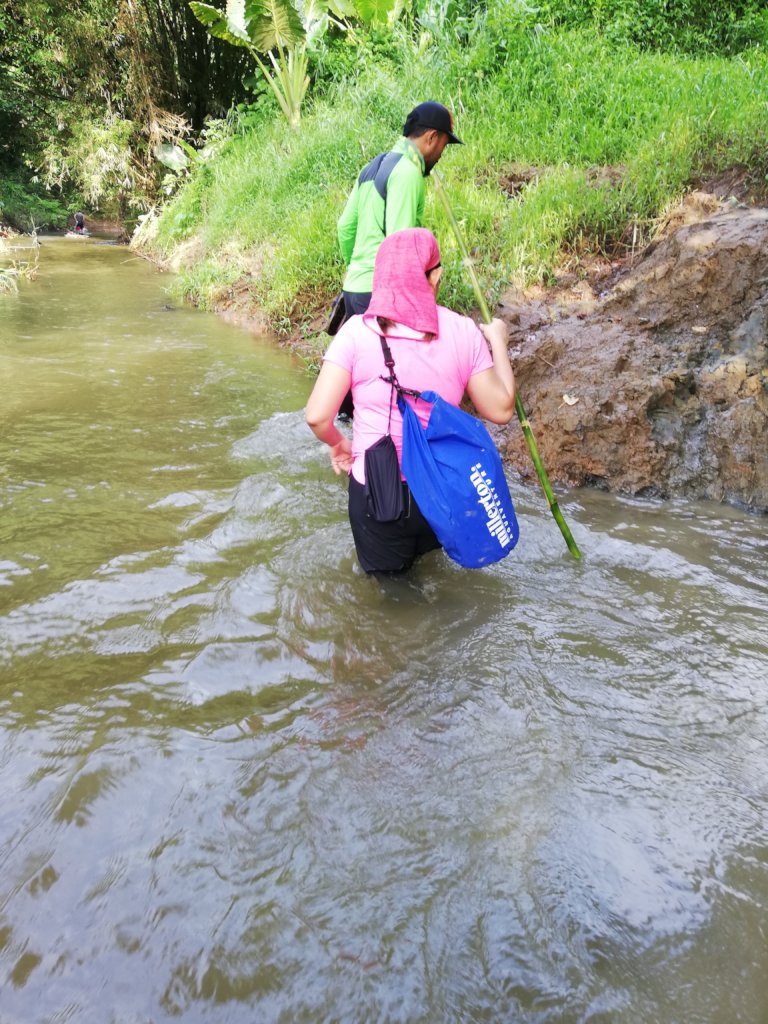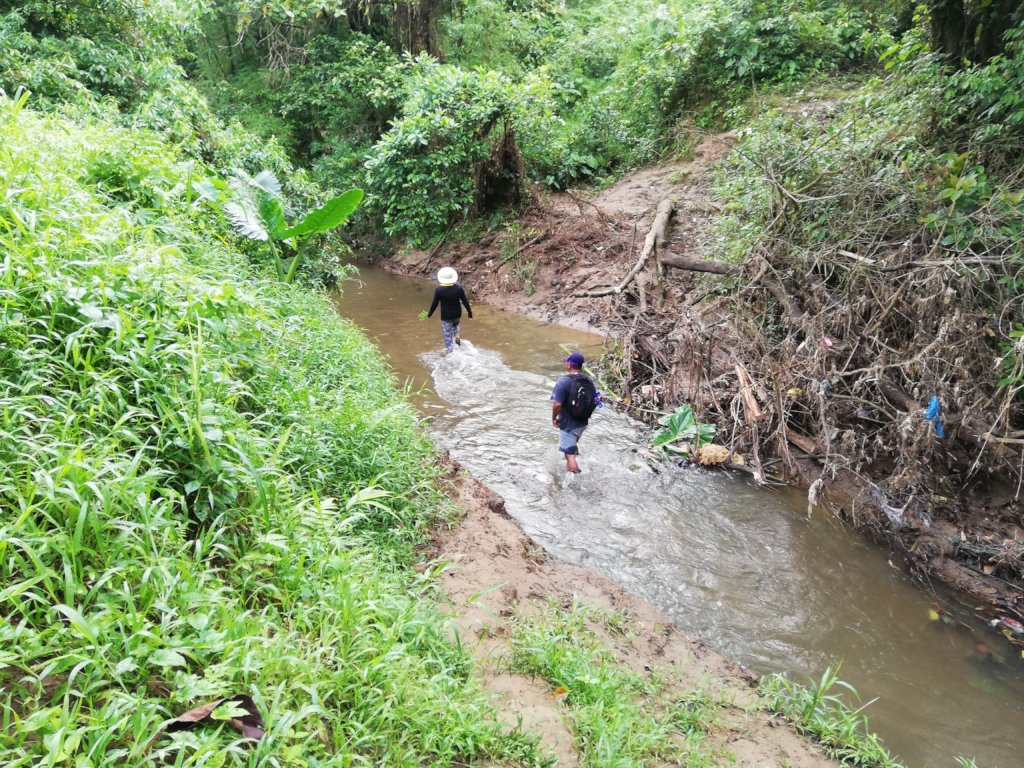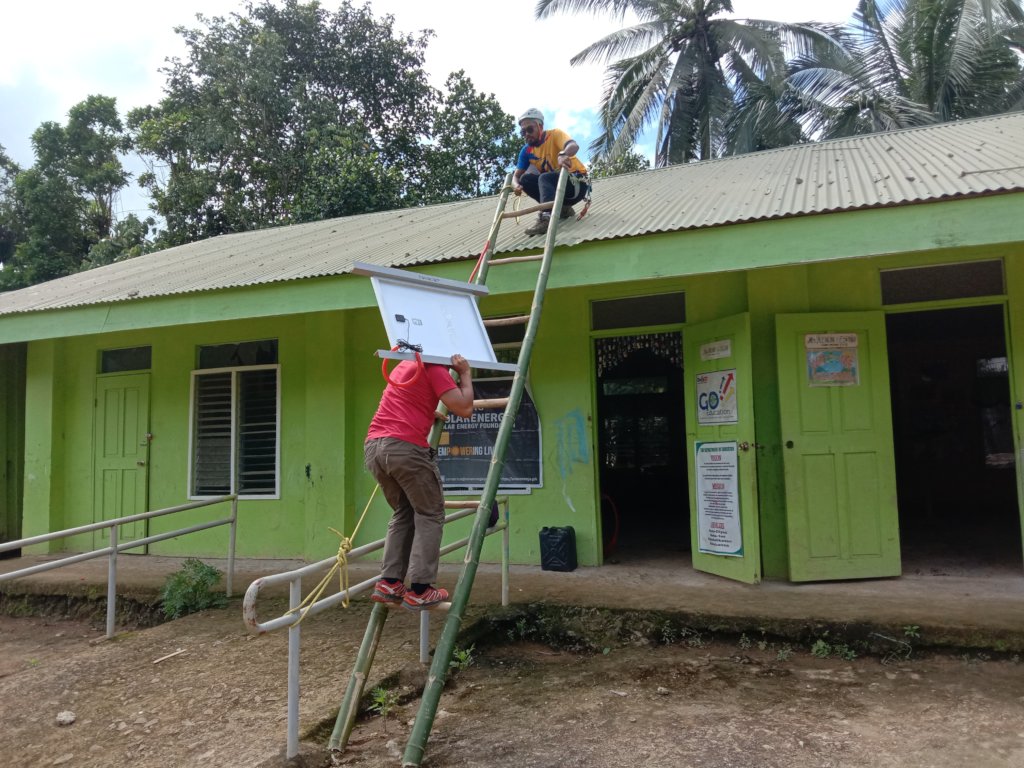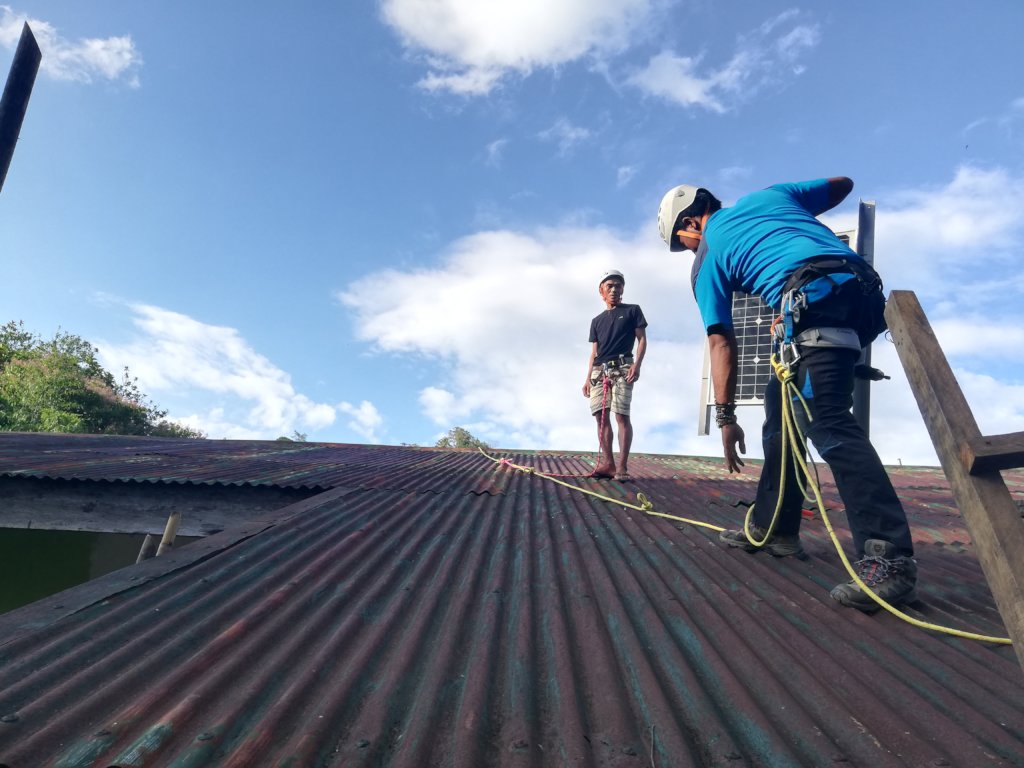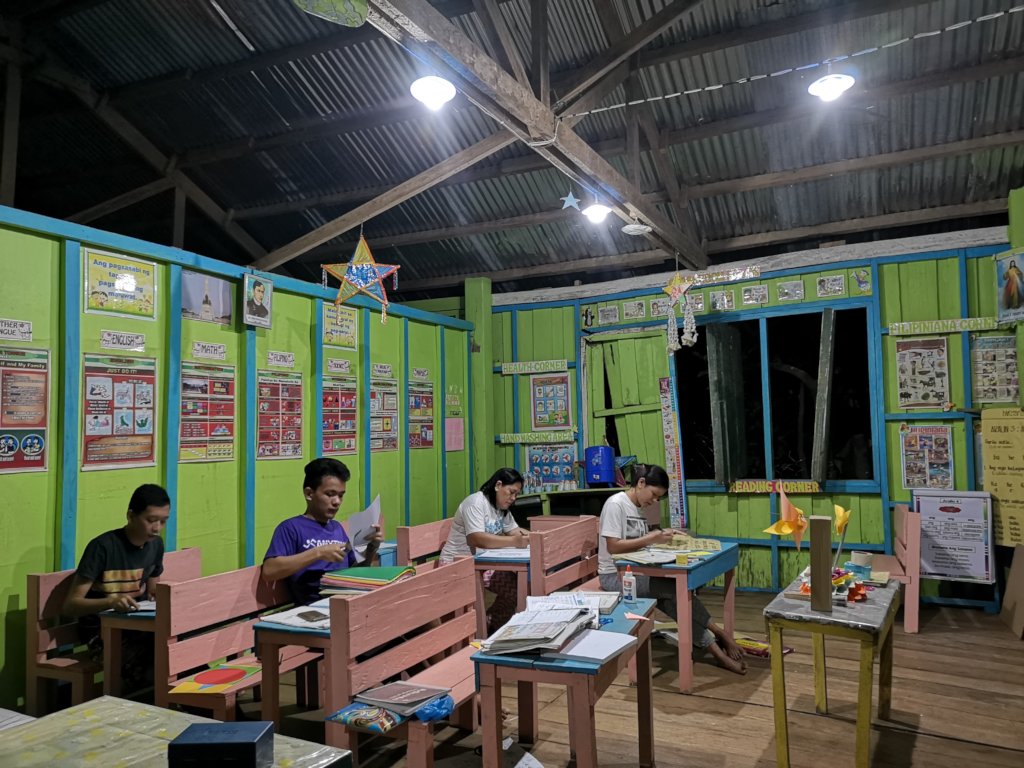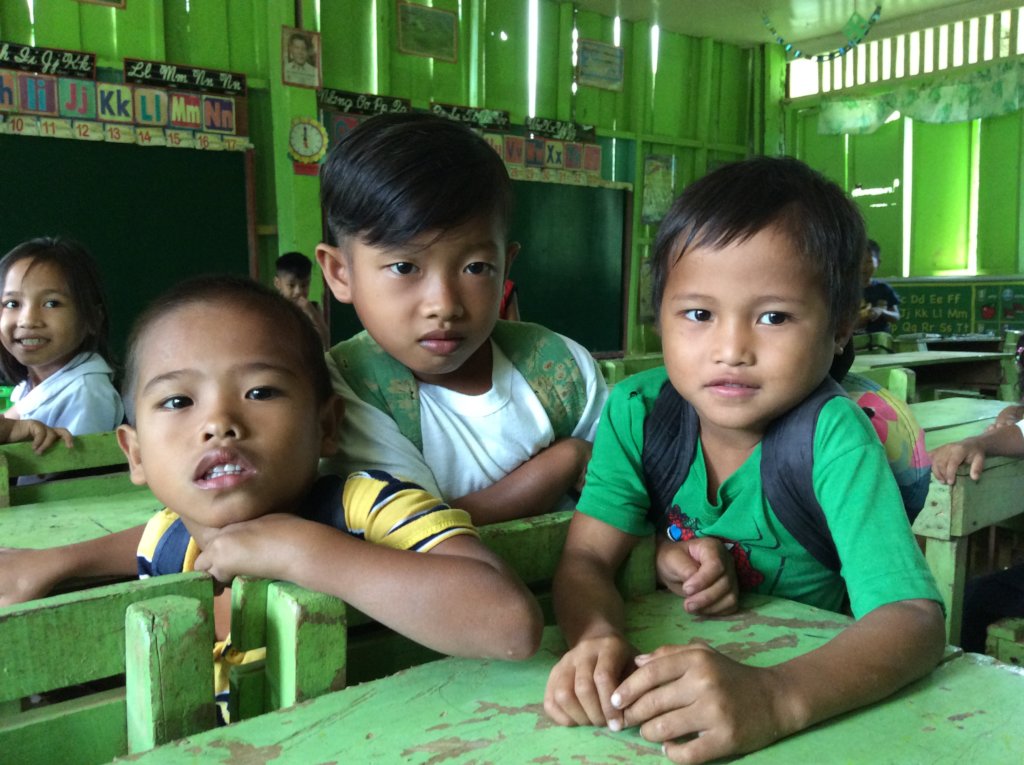
To bridge the literacy gap in rural Philippines, the Solar Village Foundation aims to provide solar power to education and learning facilities. This project will provide solar-powered printers to 10 isolated schools, and training teachers and village-based technicians, to maintain, and repair the systems. With the effects of the pandemic on education, these systems will ensure that students and teachers have access to light, printer systems, and charging for phones and educational equipment.
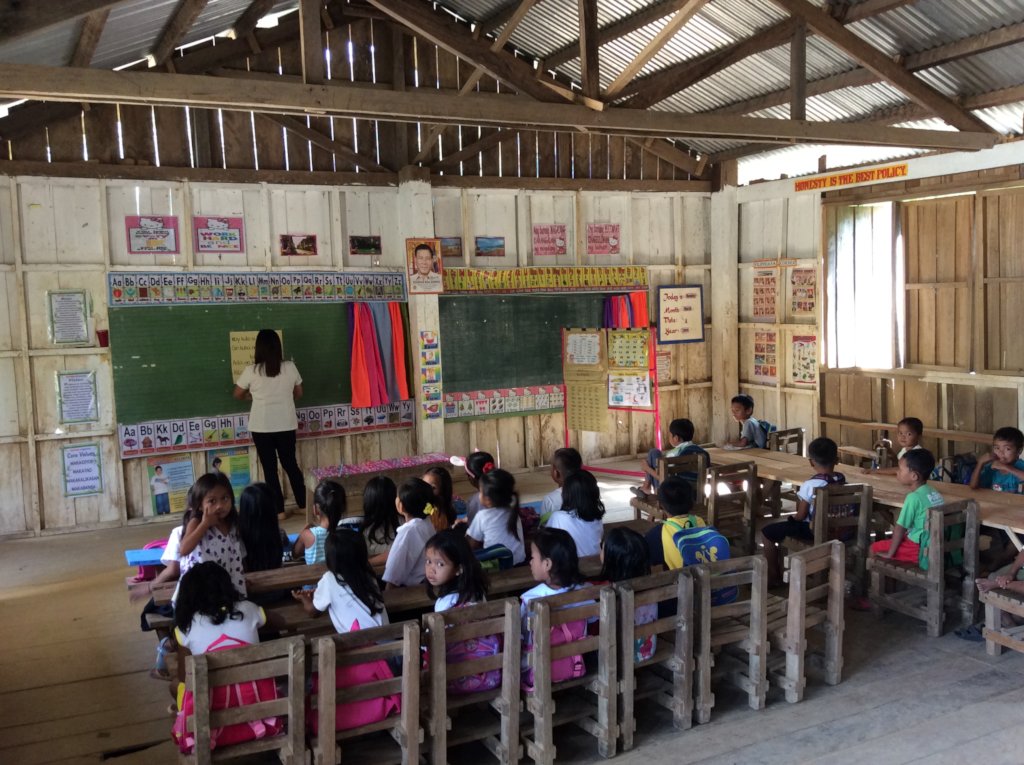
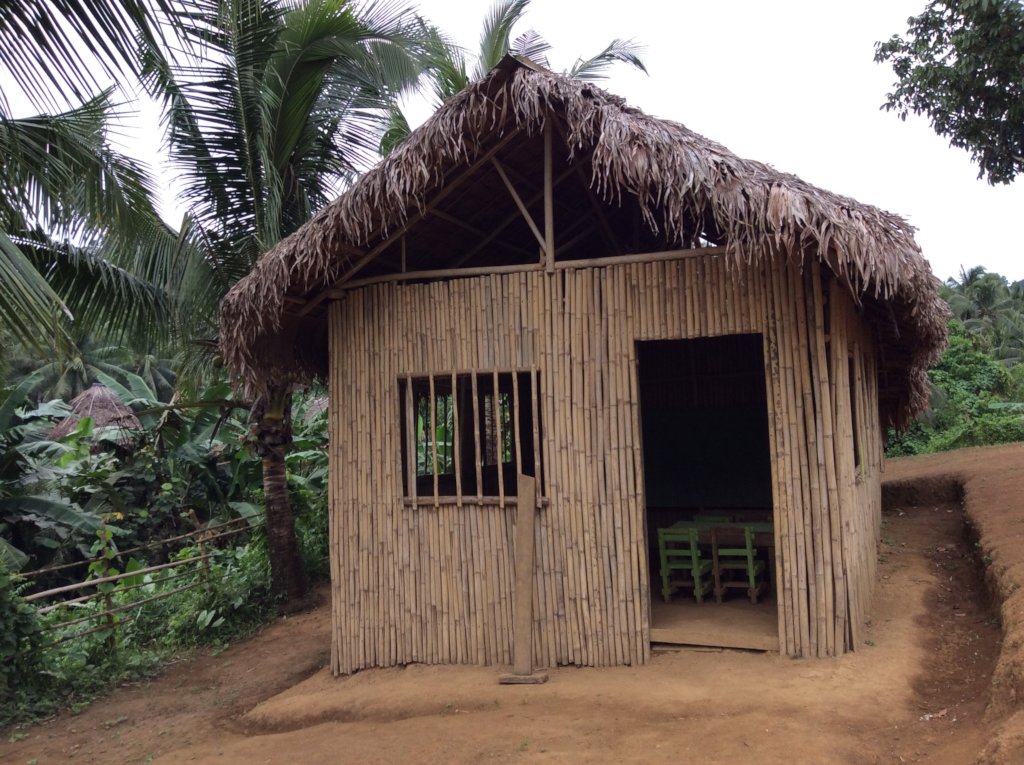
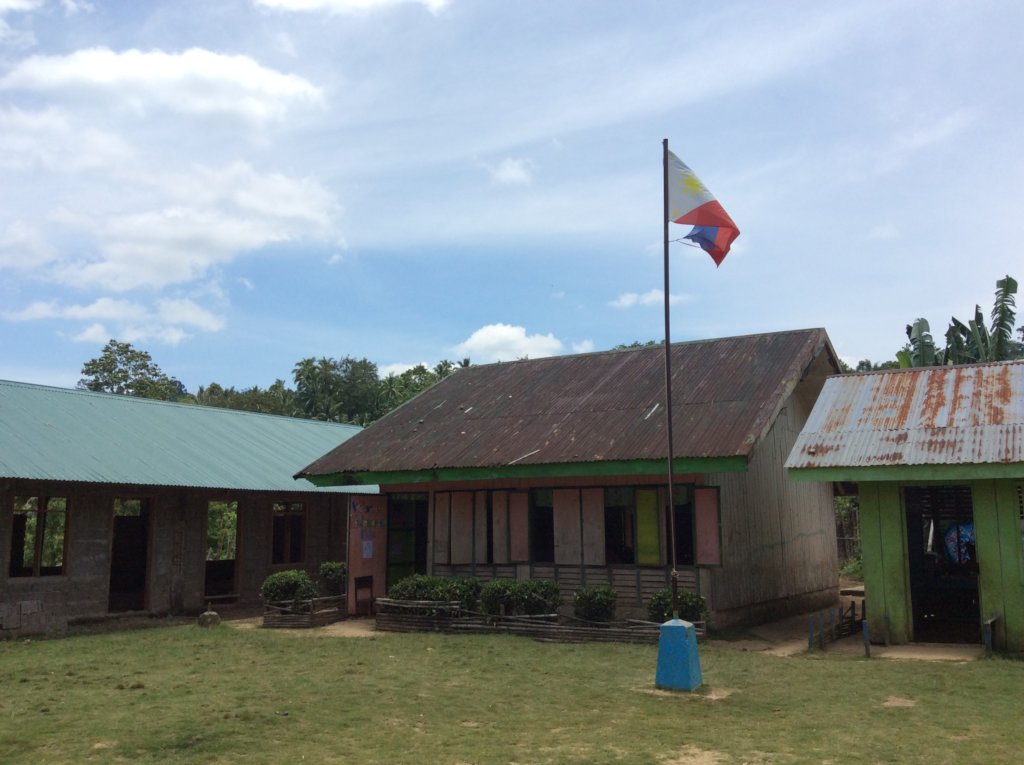
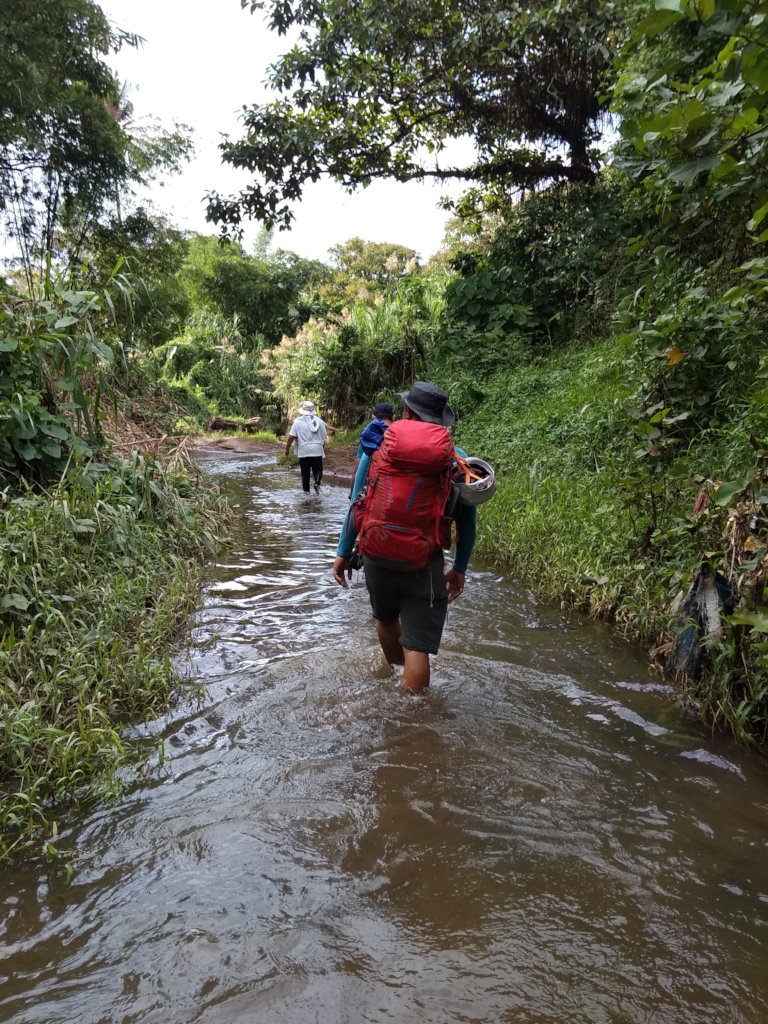
For Filipinos living in isolation, life stands still at the setting of the sun. Work and learning are put on hold as soon as the night falls. Teachers prepare lesson plans in the dark, inhaling fumes from kerosene lanterns. These are the weekly realities of Last Mile School teachers. According to the Philippine Department of Education, there are about 9,000 last mile schools that cater to the education of those in geographically isolated, disadvantaged and conflict-affected areas.
For 2021, the Solar Village Foundation aims to provide sustainable access to ten rural schools in the Philippines. This means brighter work areas for teachers as they work on school-based one-on-one teaching and as they print and prepare modules and complementary learning kits while in the schools and/or in their catered communities. Over 1500 Filipino students from disadvantaged communities will directly or indirectly benefit. Schools will be trained on proper use, maintenance, and repair.
Providing access to solar electricity will decrease the rural-urban education gap by reducing reliance on daylight hours. Teachers would be able to print learning materials, and students will receive consistent quality education regardless of the presence of sunlight and electricity. Better education will provide more opportunities and help break the rural cycle of poverty.
This project has provided additional documentation in a PDF file (projdoc.pdf).