By Stephen Perlman | Consultant, Help the Afghan Children
For most people in the West and around the world, the only news coming out of Afghanistan these days is the hotly contested presidential run-off election, charges of voting corruption, or the latest casaulties from a suicide attack.
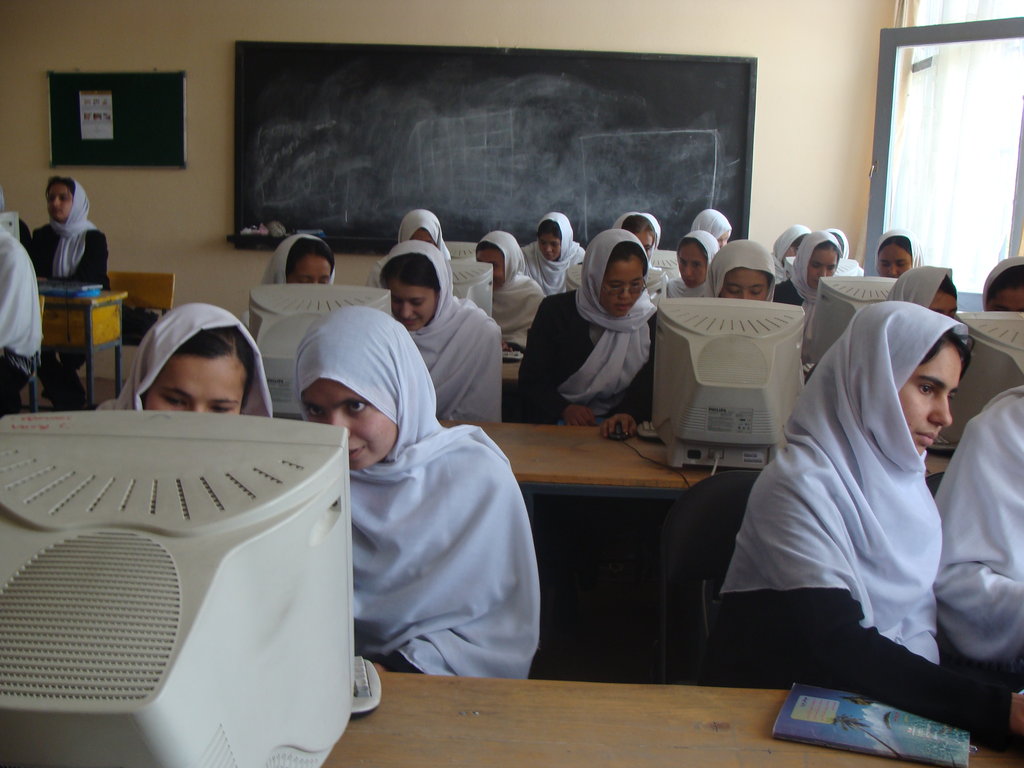
But this past Spring, Help the Afghan Children enrolled another 3,750 girls in our computer education classes and for these deserving girls, gaining computer literacy and a chance to lead a proud, productive life are no longer a fantasy, but a realistic, achievable goal.
It was not that long ago when it seemed the most important thing was enrolling more Afghan girls in schools, and while those numbers began to steadily increase, a serious problem arose. The overwhelming majority of girls graduating from high school had no marketable skills and earn a decent living. Sadly, most of these girls were forced by their parents to marry (for the short-term economic gain of the daughter's family), and from pressure from their husbands, early child-bearing.
At the same time, a second problem was emerging that affected the entire country. When the information technology marketplace burst upon the scene, Afghan government ministries, educational institutions, organizations and companies (large and small) were forced to hire people from other countries to fill I.T. related jobs because there were so few Afghans (especially women) who had such skills. That meant, about 50% of Afghanistan's human resources (women) were not being utilized.
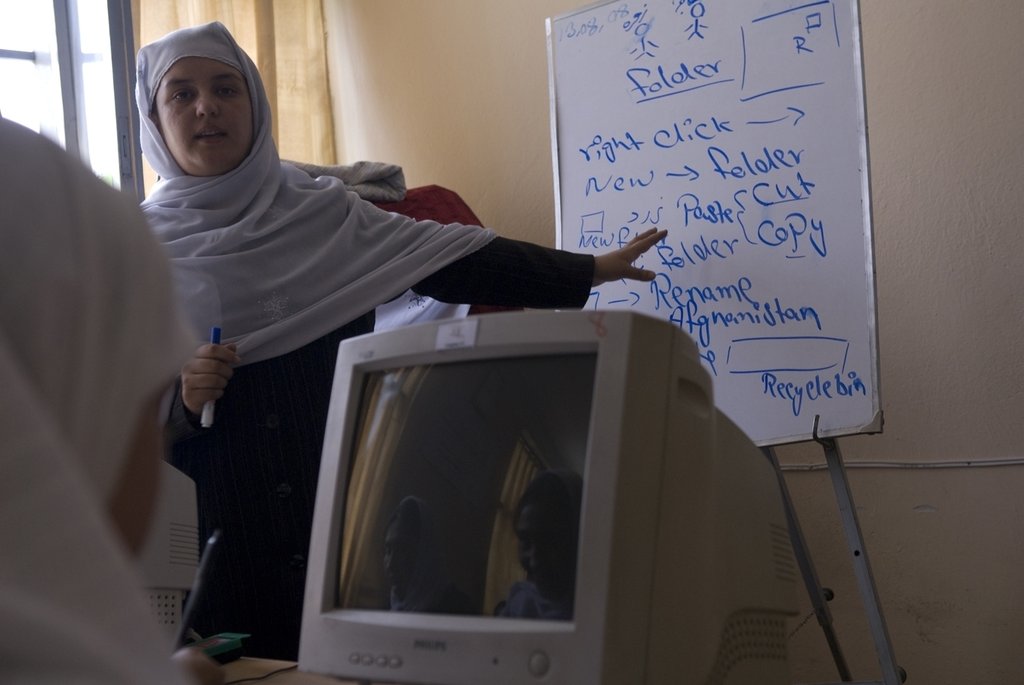
Help the Afghan Children, the first organization to bring cvomputer education into Afghan public schools, is doing its part to close this gap. With our 2014 enrollments, HTAC has trained over 43,000 girls in computer skills and applications. Earlier this year, we coordinated a historic real-time Skype between one of our schools in Kabul and their sister school in the United States. In our classes, girls are learning how to develop spread sheets, power point presentations, and learning to navigate the internet and research information that helps them with homework assignments and projects.
Our aim is not just teaching rils the technical applications of computers, but to give them real world skills, opportunities to secure computer-related jobs, and a new life.
Project reports on GlobalGiving are posted directly to globalgiving.org by Project Leaders as they are completed, generally every 3-4 months. To protect the integrity of these documents, GlobalGiving does not alter them; therefore you may find some language or formatting issues.
If you donate to this project or have donated to this project, you can receive an email when this project posts a report. You can also subscribe for reports without donating.