By Otingcwinyu Godfred | Founder and Executive Director
QUARTERLY PROGRESS REPORT
1. Project Overview
Project Title: Empowering Smallholder Rural Farmers to Plant More Trees, Protect, and Conserve the Environment
Location: Zombo District, Uganda
Reporting Period: February 26, 2026 – May 26, 2026
Target Group: Rural Smallholder Farmers.
Executive Summary:
This quarterly report highlights the significant impact of our community-centric approach, showcasing notable advancements in policy execution, habitat conservation, and environmental protection. By empowering local communities and prioritizing gender inclusivity, we catalyze transformative change that promotes climate justice and lays the groundwork for a resilient economy. The report also underscores our commitment to achieving the government's ambitious target of planting 40 million trees annually, fostering a greener future. Review the remarkable achievements of the past quarter as we strive collectively towards a more promising future.
2. Key Performance Indicators:
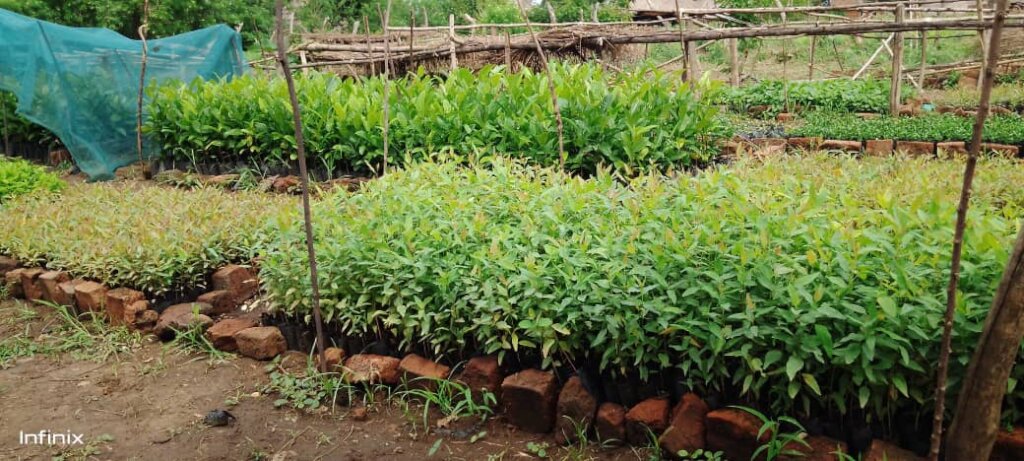
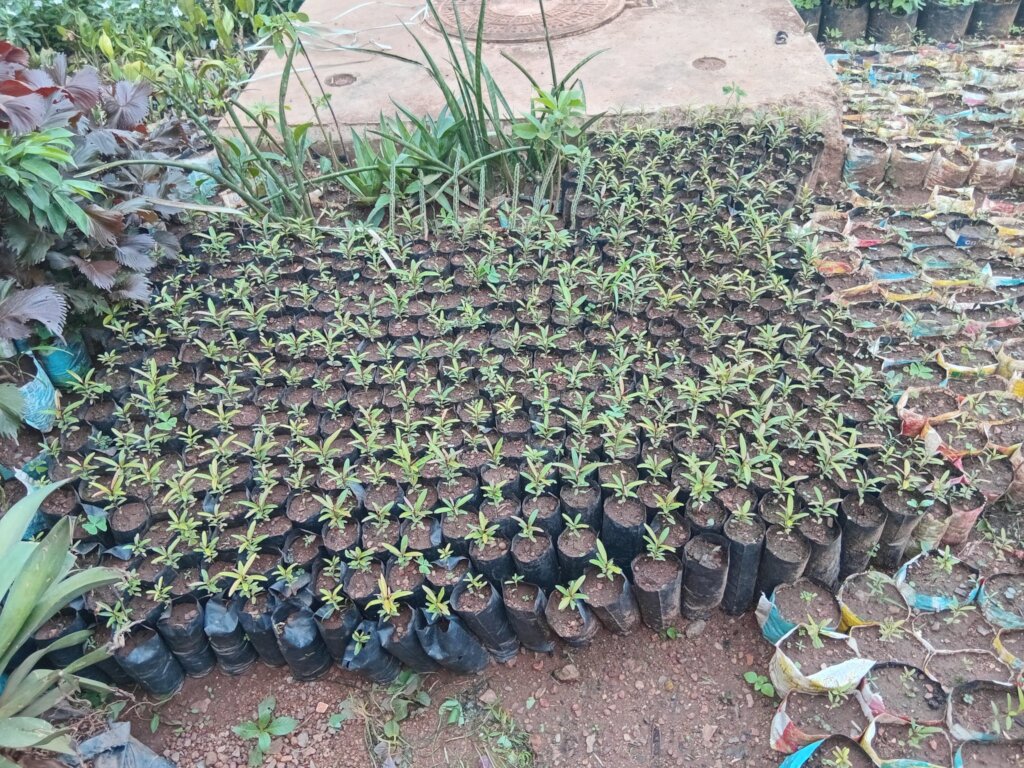
Indicator 1: Supported 10 farmers in acquiring and planting 500 seedlings of local species.
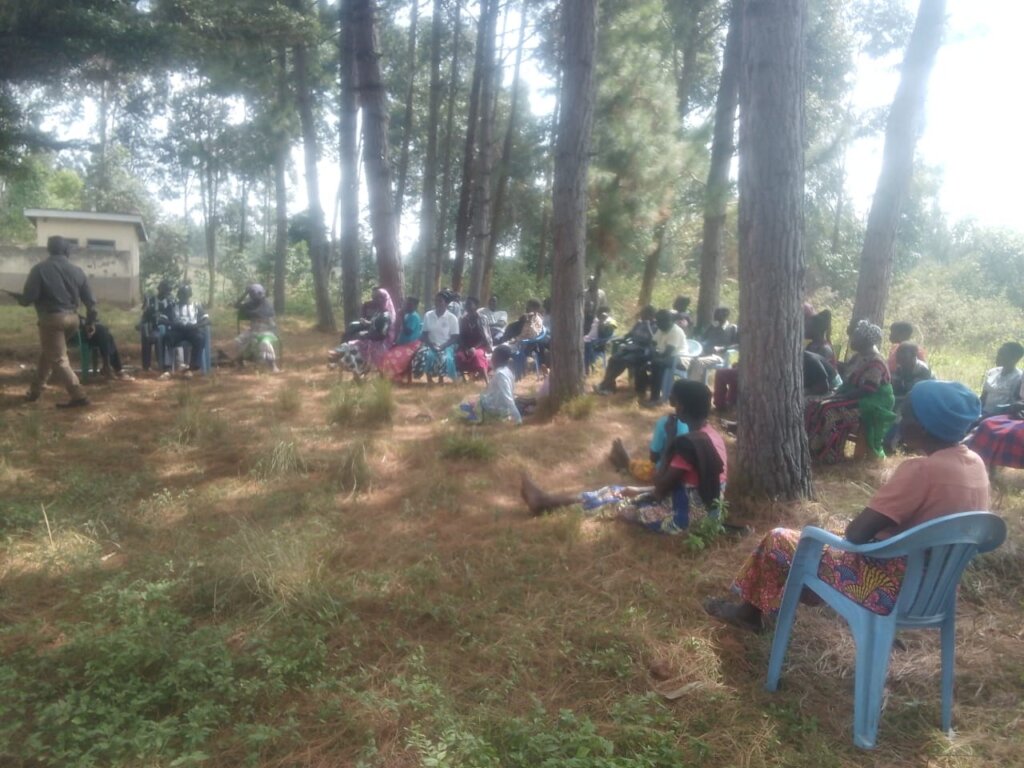
Indicator 2: 100% of smallholder rural farmers (120 farmers) were trained on agroforestry, nursery bed management, and seedling transplantation and management at tender age.
Indicator 3: Renewable Energy: A slight shift from 95% dependency on fuel for cooking to the use of solar energy for cooking has been observed, enabling the preservation of trees and prevention of continuous depletion of trees and forest reserves.
Indicator 4: Green Investment Ratio (%): The percentage of total capital expenditure allocated specifically to environmental conservation and green technology is gradually increasing due to increasing advocacy work.
Indicator 5: Environmental Penalties and Fines: A solid local community-based group (Committee) of 5 in 3 villages has been established to report any form of mismanagement of the environment and natural resources, such as bush burning and illegal tree cutting.
3. Key Achievements:
1. Equipped the community-based committee of 5 from the 3 villages with additional knowledge on policies related to environmental protection, agroforestry, and the legal framework in the local context.
2. Provided training to 120 smallholder rural farmers on agroforestry, which is key to conserving and protecting biodiversity and soil quality.
3. Stirred up the local community to enact stringent bylaws on environmental protection at the lowest grassroots levels.
4. Supported 10 farmers in acquiring 500 local species of seedlings.
4. Challenges and Mitigation:
Harmful cultural and traditional practices in Uganda, such as land clearing for agriculture, slash-and-burn, and taboos leading to selective tree felling, drive severe deforestation. These practices accelerate the loss of indigenous species, degrade soil fertility, and lower water tables.
Mitigation: Community Sensitization and Awareness: Counter long-held superstitions about indigenous trees by actively educating communities on their actual ecological and economic benefits.
The myths and attitudes: In many Ugandan communities, specific myths and cultural attitudes brand certain indigenous tree species as "bad." This results in the depletion of such species.
Mitigation: Leveraging Cultural Institutions: Partner with traditional and cultural authorities, such as the Alur Kingdom, whose environmental directives are highly respected. This utilizes local clan systems and totems to instill a sense of pride and cultural duty in tree protection.
Financial limitations hindered a significant transition from dependency on wood to renewable solar energy and gas.
Mitigation: Partner with other private sector foundations to provide funds to help the rural community transition to renewable energy.
Knowledge gap: Most local communities lack basic knowledge on key strategies for environmental conservation and protection.
5. Lessons Learned:
Partnership with traditional and cultural authorities whose environmental directives are highly respected is pivotal in promoting environmental protection and conservation.
Integrating Traditional and Scientific Knowledge: Recognize that indigenous communities often have deep, valuable knowledge of their native trees. Fusing this with scientific guidance ensures communities understand how to maintain trees safely without the risks associated with improper structural growth.
6. Way Forward:
Advocate for more partners and funding towards green investment and renewable energy to combat the excessive depletion of forest cover.
Increase awareness on environmental conservation and protection.
Project reports on GlobalGiving are posted directly to globalgiving.org by Project Leaders as they are completed, generally every 3-4 months. To protect the integrity of these documents, GlobalGiving does not alter them; therefore you may find some language or formatting issues.
If you donate to this project or have donated to this project, you can receive an email when this project posts a report. You can also subscribe for reports without donating.



Support this important cause by creating a personalized fundraising page.
Start a Fundraiser