By Chiaki Furukawa | Senior Managing Director
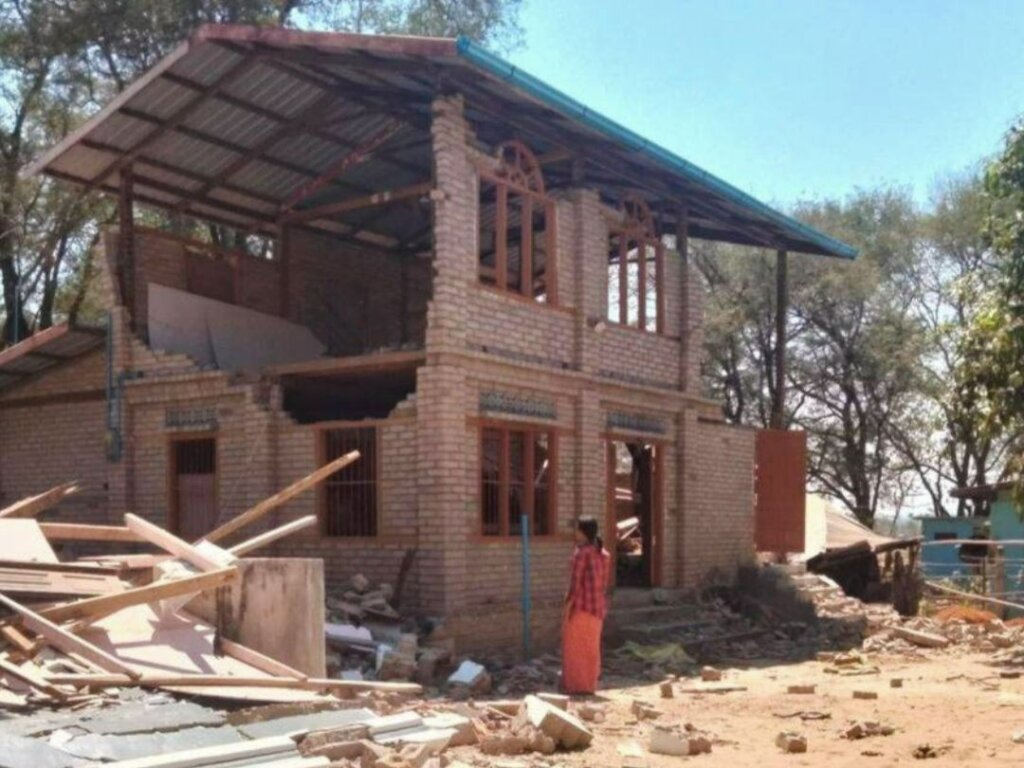
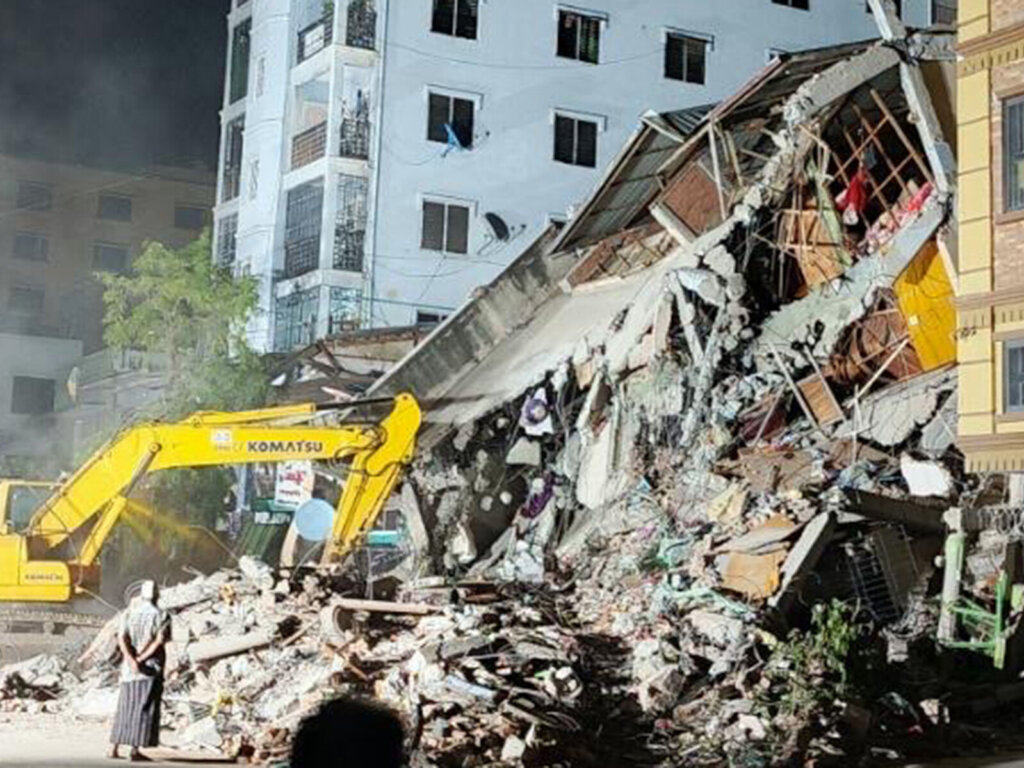
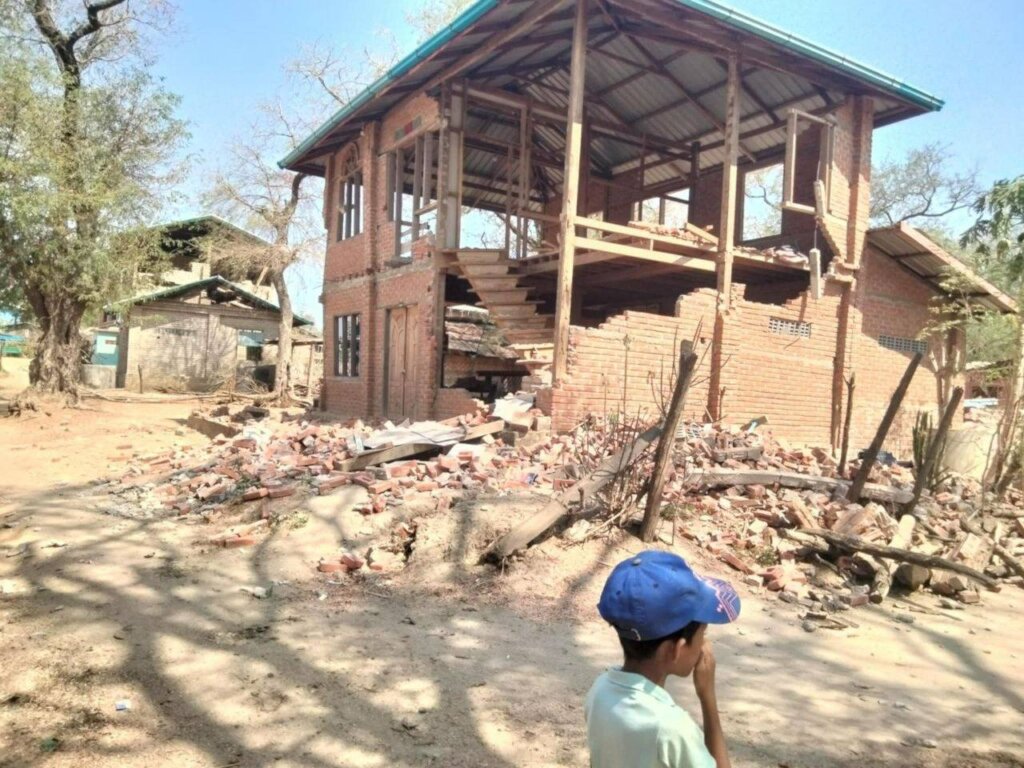
More than a month has passed since a major earthquake struck central Myanmar on March 28. A total of 3,700 people has been reported dead and more than 5,000 injured, mainly in the affected areas of Mandalay and Sagaing, as well as in the capital city of Nay Pyi Taw. AAR Japan (Association for Aid and Relief Japan) and local partner organizations are distributing relief supplies and providing support to people with disabilities and the elderly, who are often left out of relief efforts at the time of disaster.
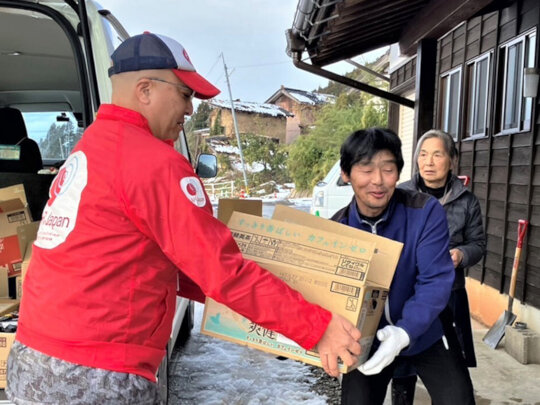
AAR and its local partner organizations visited households of people with disabilities living in Mandalay and Sagaing to assess the damage, directly handed over relief supplies such as food and hygiene products to people with disabilities and their families who were especially hard-hit by the disaster. AAR's support team also conducted interviews with parents of children with disabilities and elderly people.
In Sagaing, near the epicenter, many roads and bridges have been damaged, blocking traffic and delaying aid efforts. Ms. Tantan (pseudonym, 70 years old), a woman living alone, said, “When I was young and healthy, I used to make a living by selling vegetables and fruits, but I am too old now, so I quit my job and now have no income. My house has been destroyed, and I don't know what to do. All my neighbors are also affected, so they can't afford to care about me, and no one will help me," she complains.
Ms. Mo (pseudonym, 72 years old), who lives with her husband, who is a former civil servant, also in Sagaing, said, “We were managing to live on my husband's pension, but our house was destroyed by the earthquake”. The distribution center for relief supplies is far away, so we can't get there. Thankfully, some young people in the neighborhood have received and delivered relief supplies for us, but there is never enough food to go around.
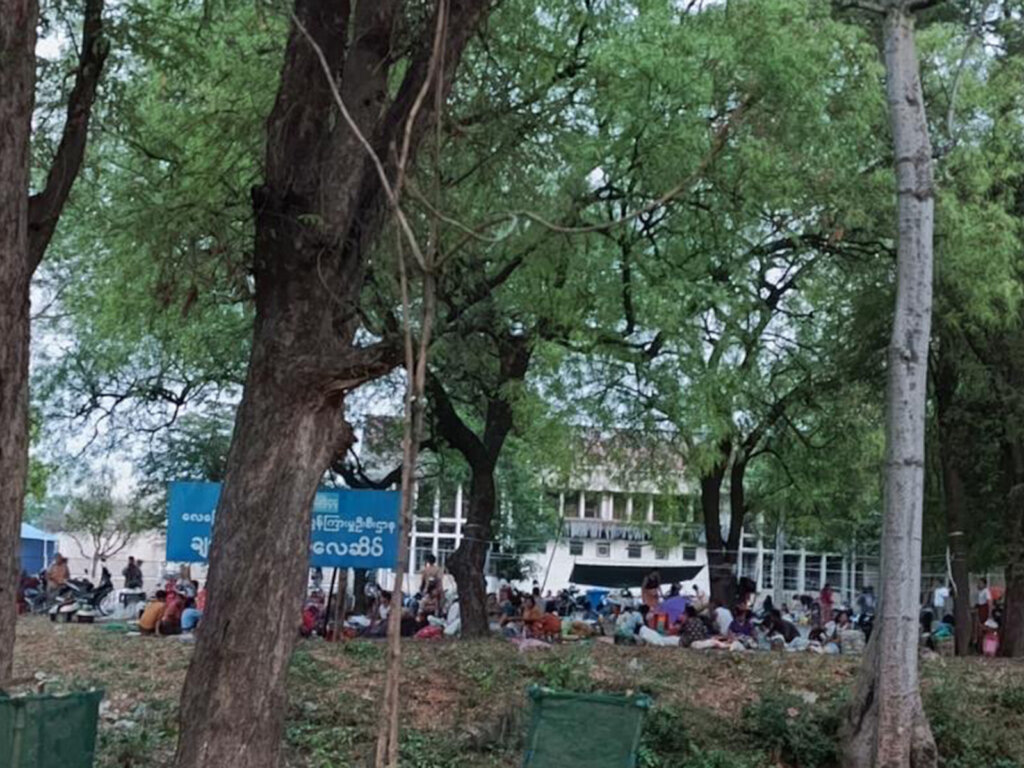
Thor(pseudonym) , who has taken refuge in an evacuation center in Mandalay, is physically disabled due to pediatric paralysis. His mother, Tida (pseudonym), is very worried about him as the aftershocks continue. "My son was shocked by the earthquake and has been mentally unstable for a long time,” she said. It is even harder than usual to take care of him in this situation. If another big earthquake happens and I or my son gets hurt, there is nothing more we can do.
While many disaster victims have complained that relief supplies are in shortage, assistance has not reached people with disabilities and elderly households who have been evacuated to their homes.
From April to mid-May in Myanmar is called the hot season, with a daily heat wave of around 35°C, followed by a rainy season for about six months. Evacuation shelters (tents) need to be set up before the heavy rain starts, and it is urgently needed to support people with disabilities and elderly households, who are especially vulnerable to being left behind.
AAR will continue to provide attentive support in cooperation with local partner organizations to ensure that “no one is left behind” in the recovery and reconstruction of the affected areas. We would like to ask for your cooperation in AAR’s emergency support for the Myanmar Earthquake.
*Some of the photos have been modified for safety reasons.
Links:
Project reports on GlobalGiving are posted directly to globalgiving.org by Project Leaders as they are completed, generally every 3-4 months. To protect the integrity of these documents, GlobalGiving does not alter them; therefore you may find some language or formatting issues.
If you donate to this project or have donated to this project, you can receive an email when this project posts a report. You can also subscribe for reports without donating.