By Chiaki Furukawa | Senior Managing Director
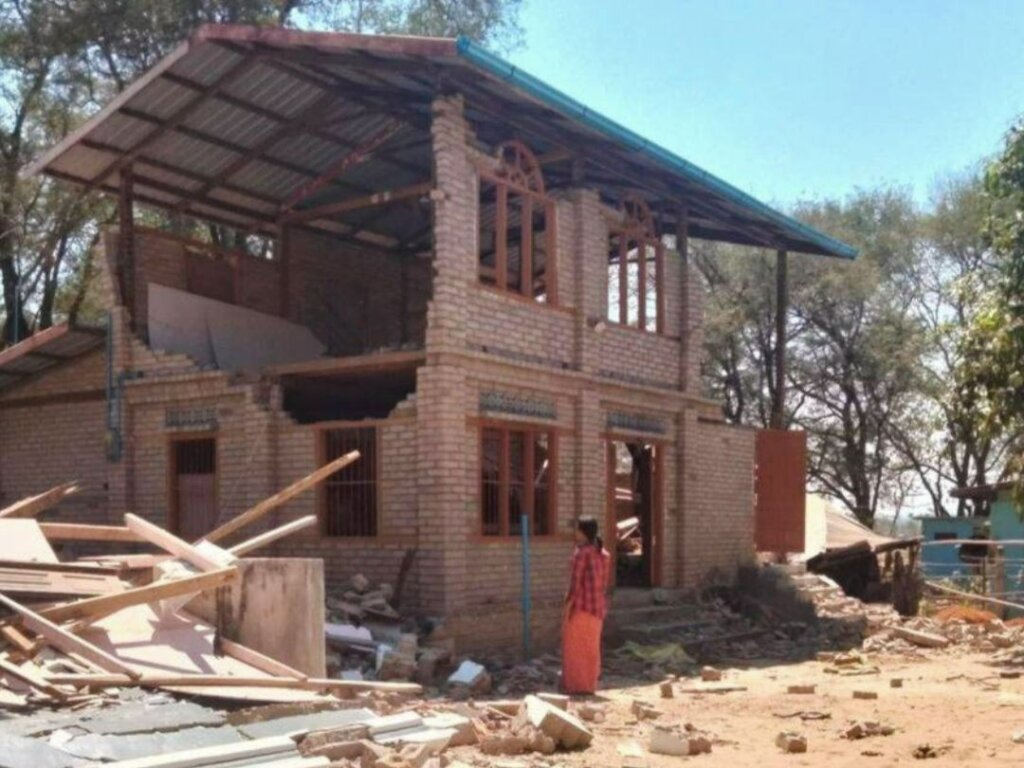
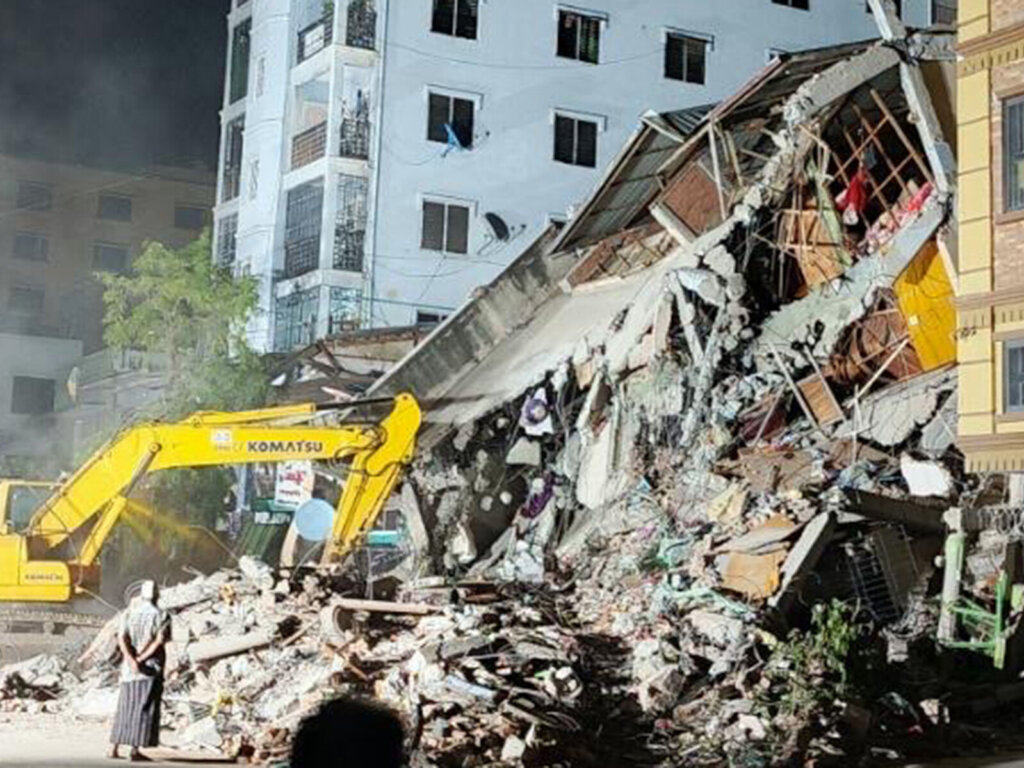
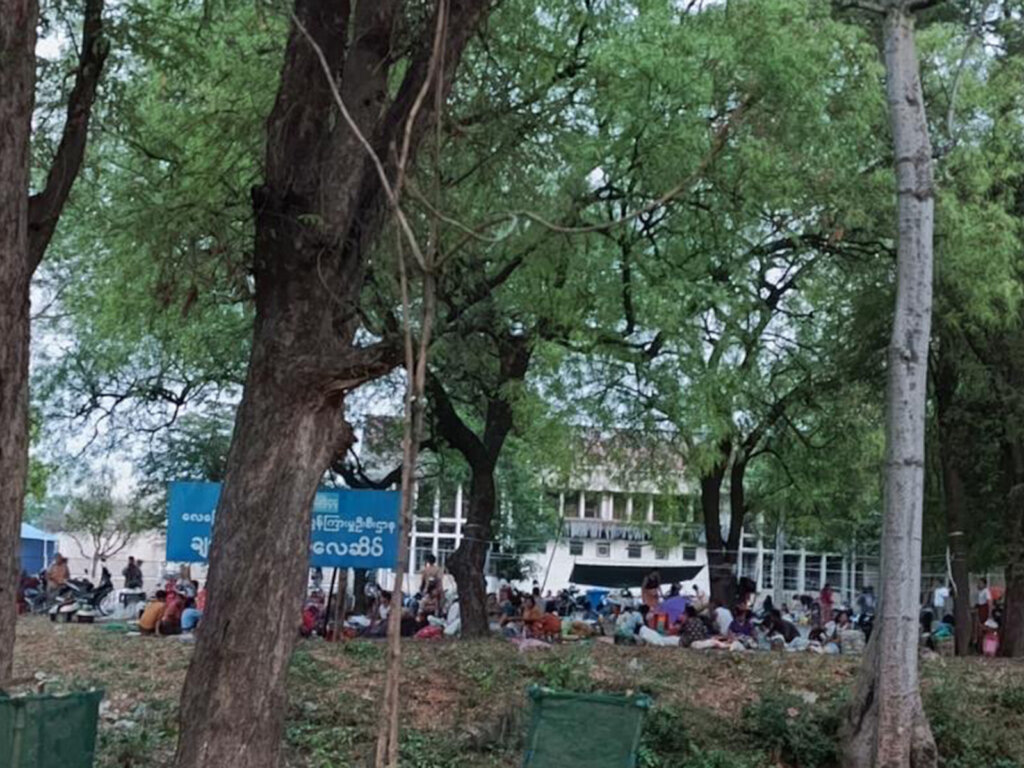
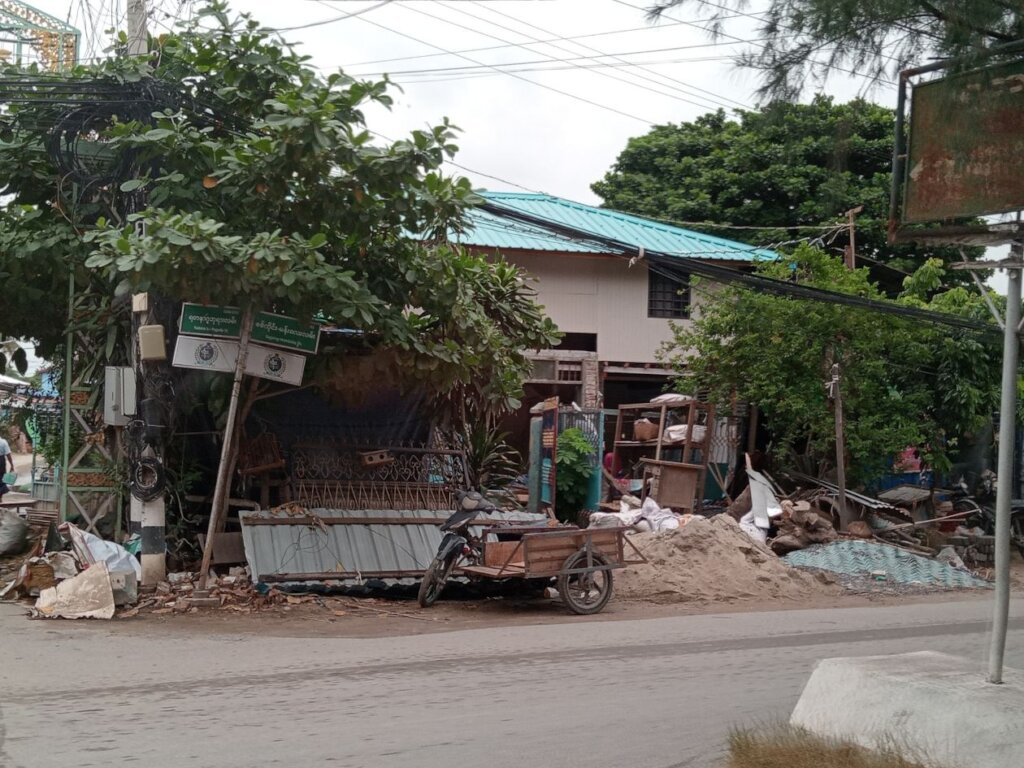
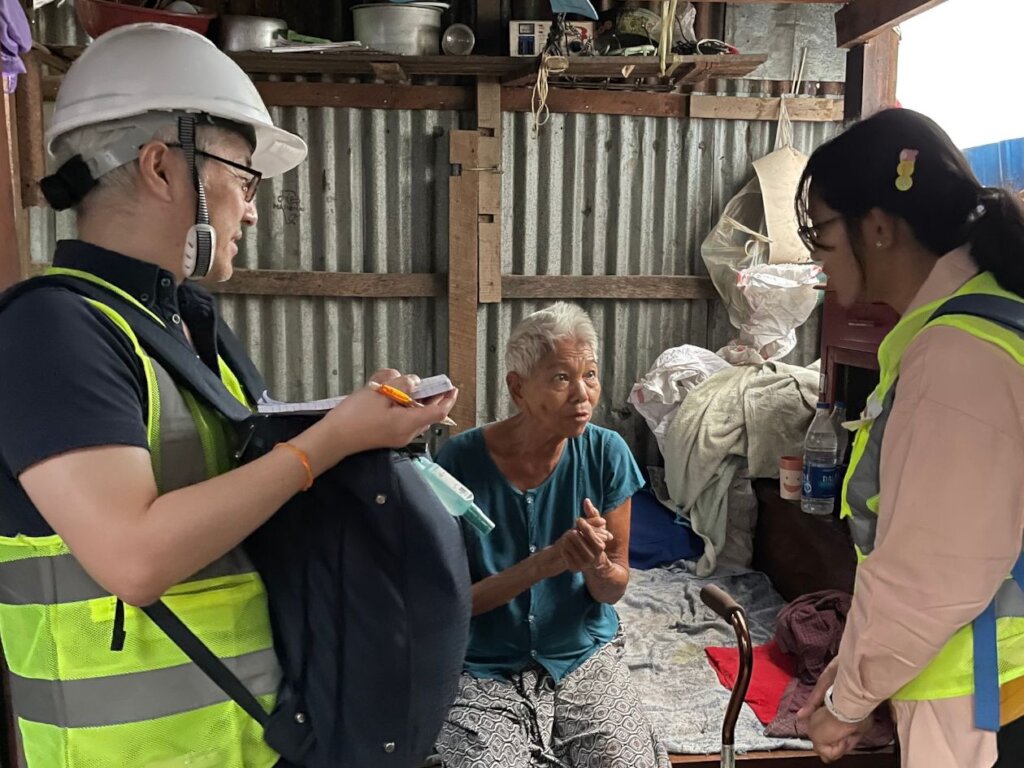
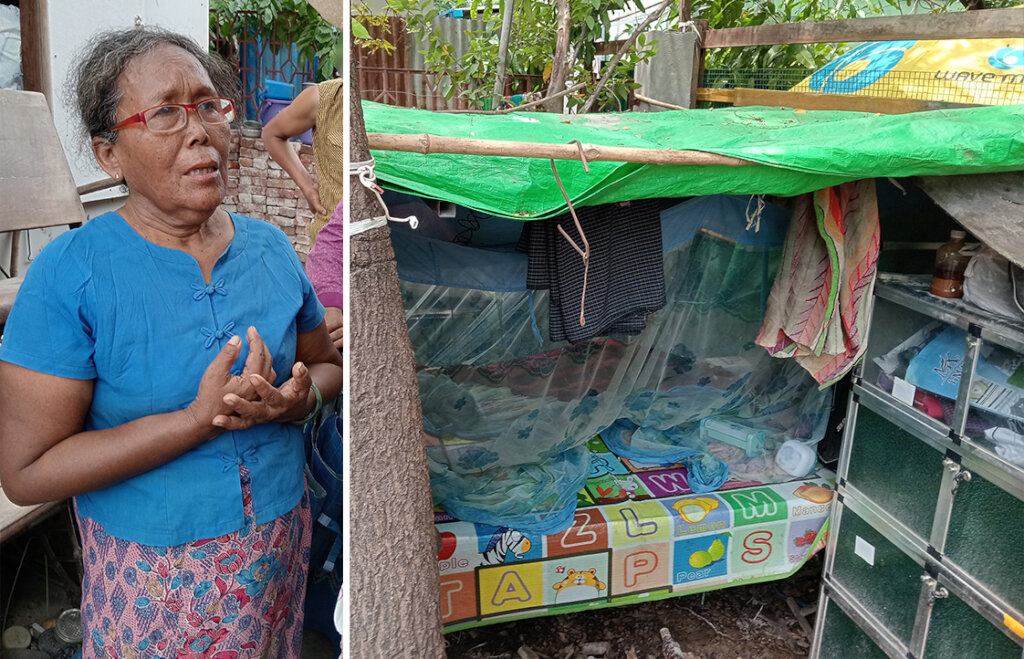
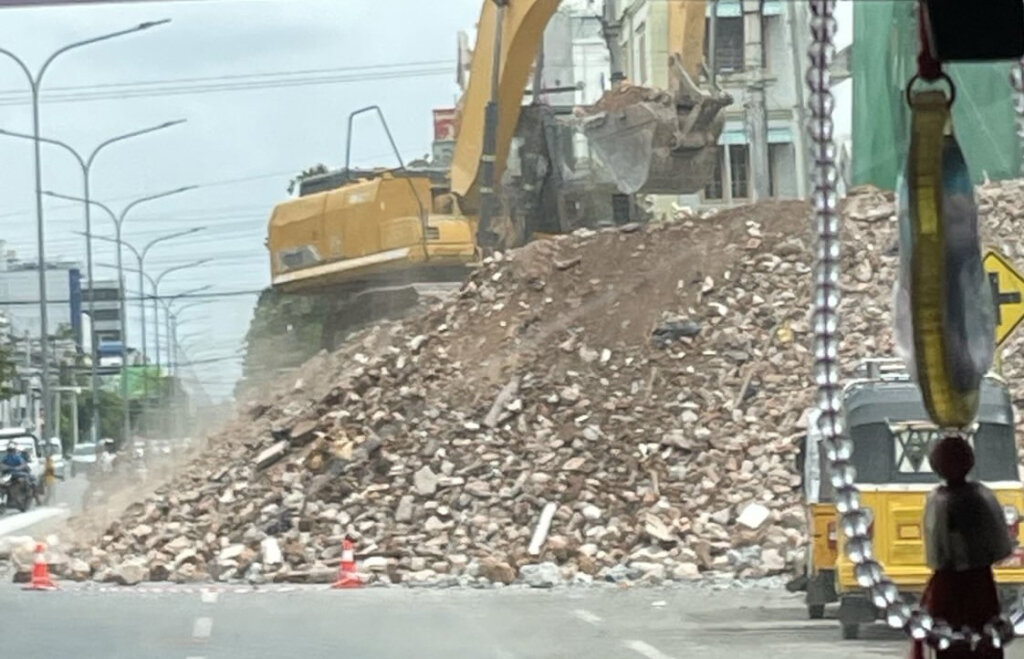
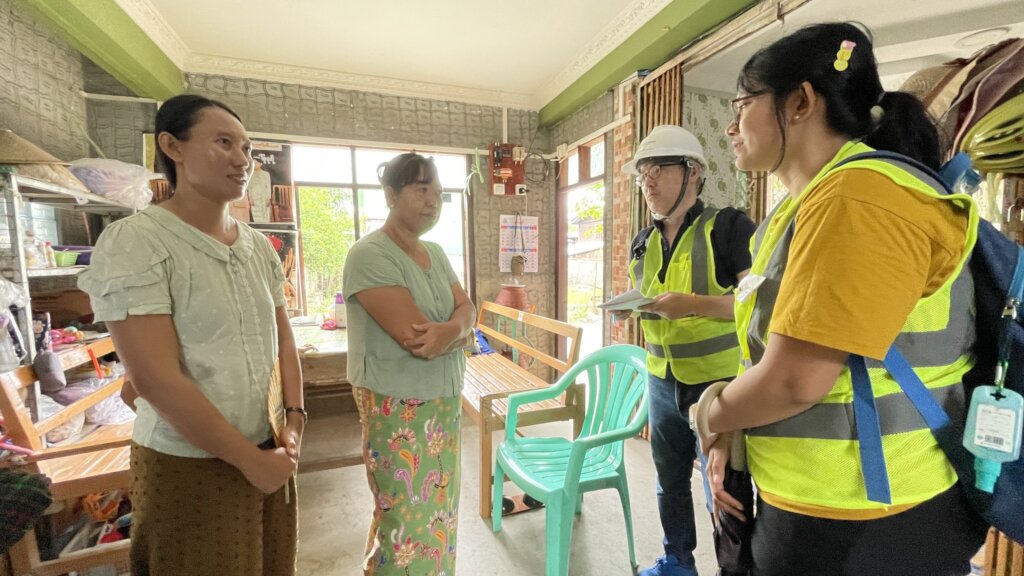
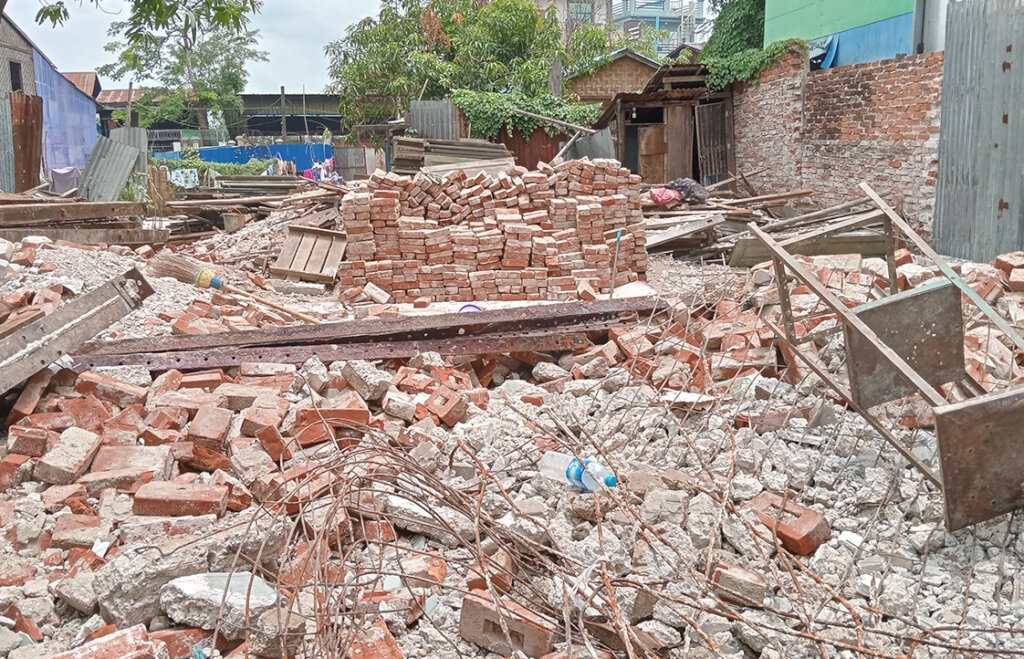
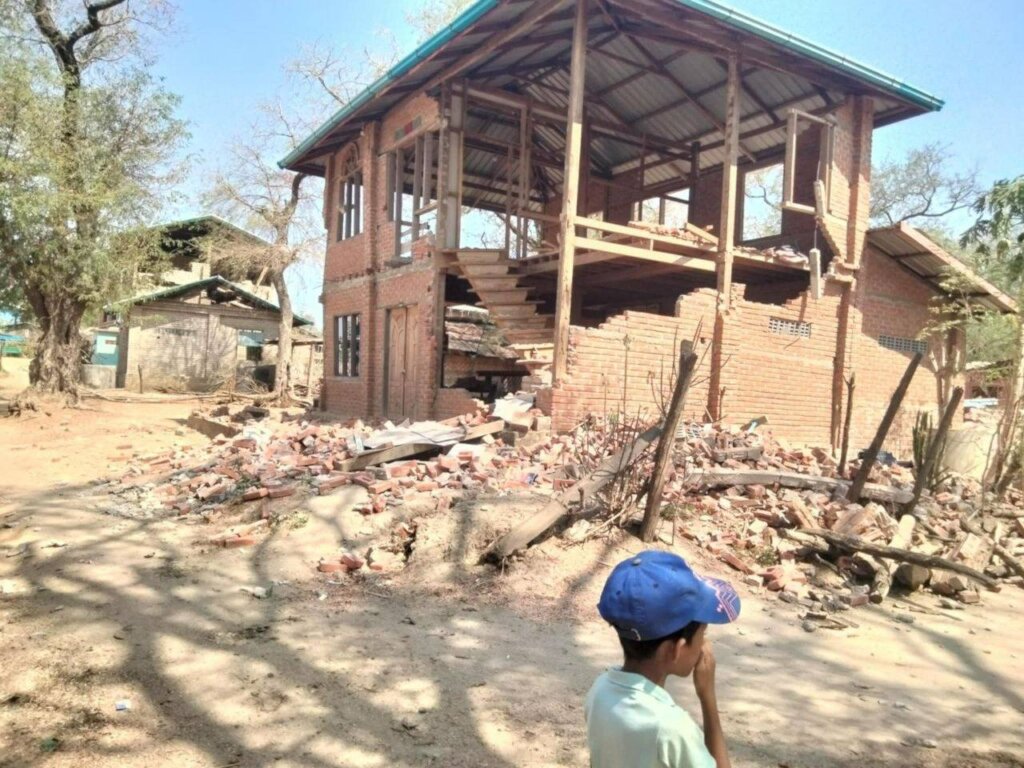
Among those affected by the major earthquake that struck central Myanmar in March this year were many people with disabilities. AAR staff visited Mandalay and Sagaing, the cities hardest hit, to hear directly from people with disabilities and their supporters. What we found there was not only the hardship and anguish of surviving the disaster with a disability, but also the deep affection and profound care shown by families and supporters towards people with disabilities – feelings no different from those of people in Japan. AAR Yamamoto reports on the situation following the recent earthquake.
Just being alive is enough
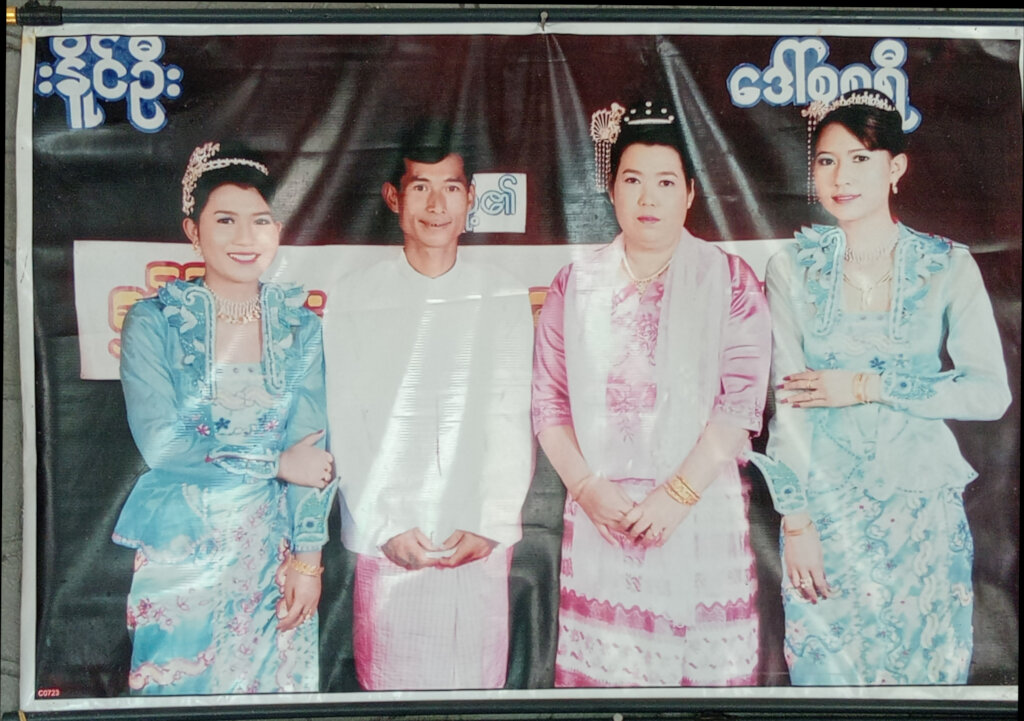
"When the earthquake struck, my three daughters were away at work. I was terrified, unable to do anything but lie in bed." In a modest two-story wooden house on the outskirts of Mandalay City, a 70-year-old woman with right-side paralysis recounted the day of the disaster. After a second major aftershock, her two daughters rushed home. Nearly bedridden, she managed to escape outside using a walker.
I asked her daughters about the challenges of caring for their mother. They replied in unison, "We were truly worried during the earthquake. But just having our mother alive like this is enough. We don't wish for anything else." They added, "Taking care of our mother, who raised us, is a given. We've never once thought it was difficult."
The family's income comes solely from the small amount of money earned by the three daughters washing clothes for neighbors. When AAR handed the family cash assistance to cover immediate living expenses, they expressed their gratitude with great respect. They also expressed surprise, noting that while Japan invaded Myanmar (Burma) during the war, this was the first time they had ever seen Japanese people in their area. "As children, we feared Japan, but you are from a different generation, so we can trust you. Thank you so much for coming," she said in a gentle voice.
Visiting the disaster area, I felt that in people's hearts, there are no borders, no distinction between developed and developing nations. Buildings may be destroyed by earthquakes, but the hearts that care for others cannot be so easily shattered. While Myanmar is often portrayed negatively in Japanese news, the disaster areas we visited directly and spoke with were overflowing with human warmth.
Links:
By Chiaki Furukawa | Senior Managing Director
By Chiaki Furukawa | Senior Managing Director
Project reports on GlobalGiving are posted directly to globalgiving.org by Project Leaders as they are completed, generally every 3-4 months. To protect the integrity of these documents, GlobalGiving does not alter them; therefore you may find some language or formatting issues.
If you donate to this project or have donated to this project, you can receive an email when this project posts a report. You can also subscribe for reports without donating.