By Chiaki Furukawa | Senior Managing Director
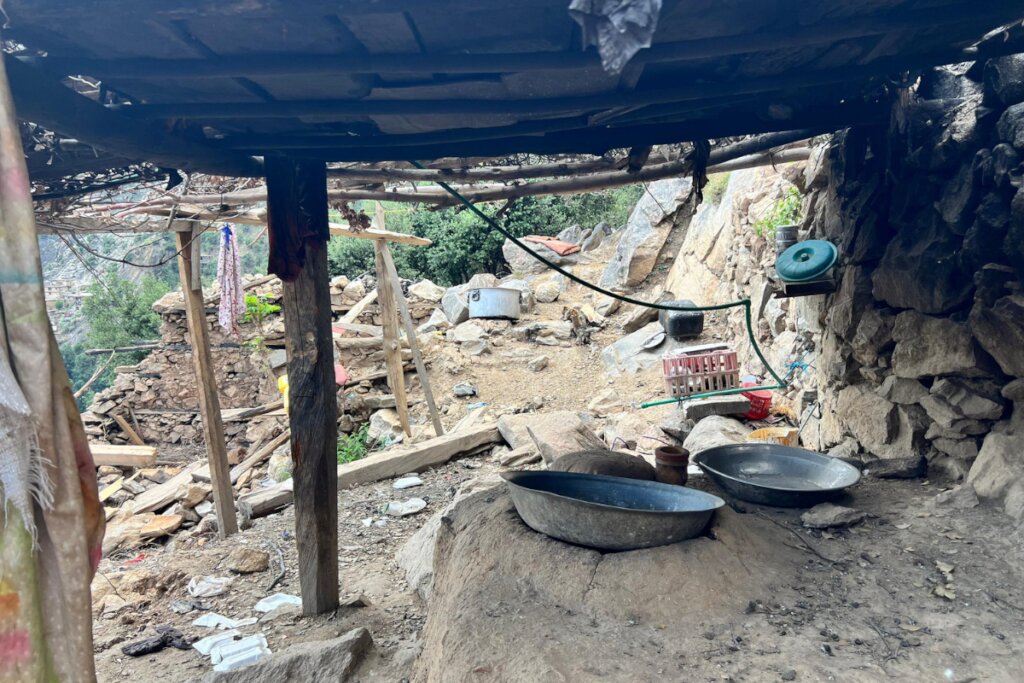
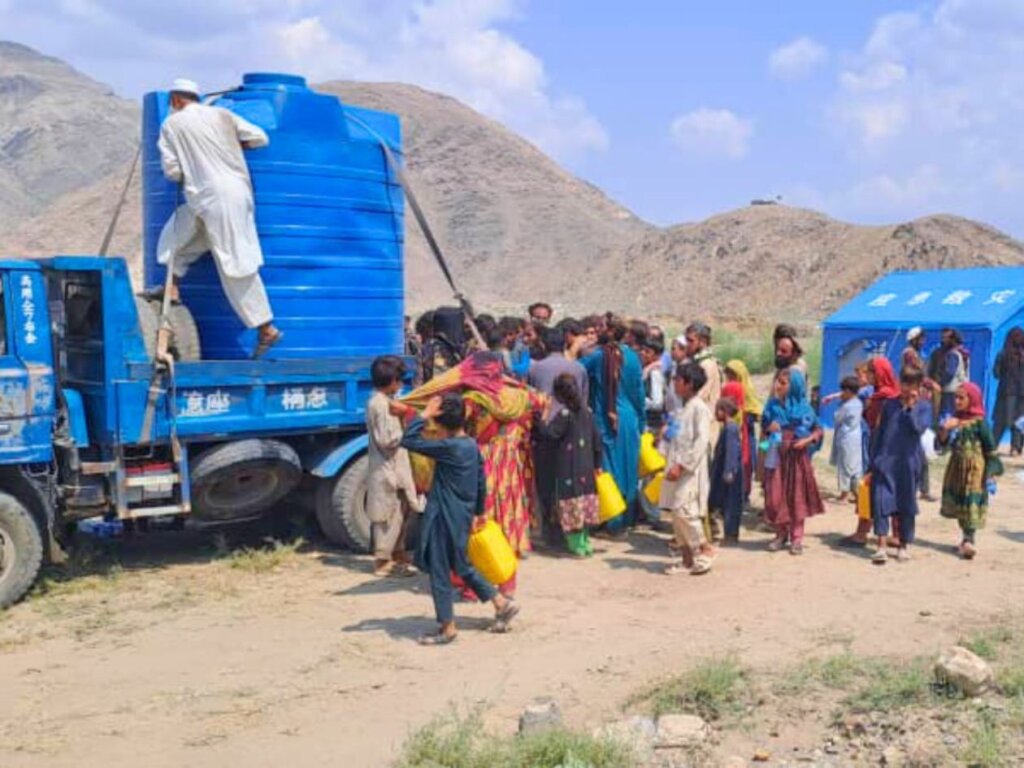
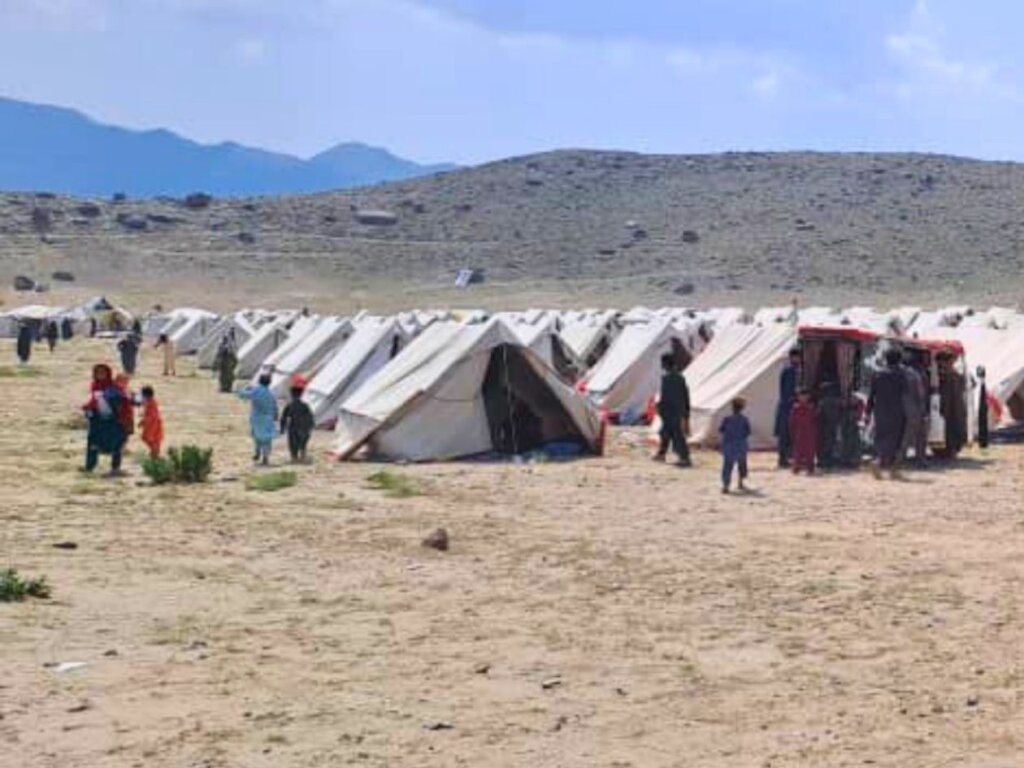
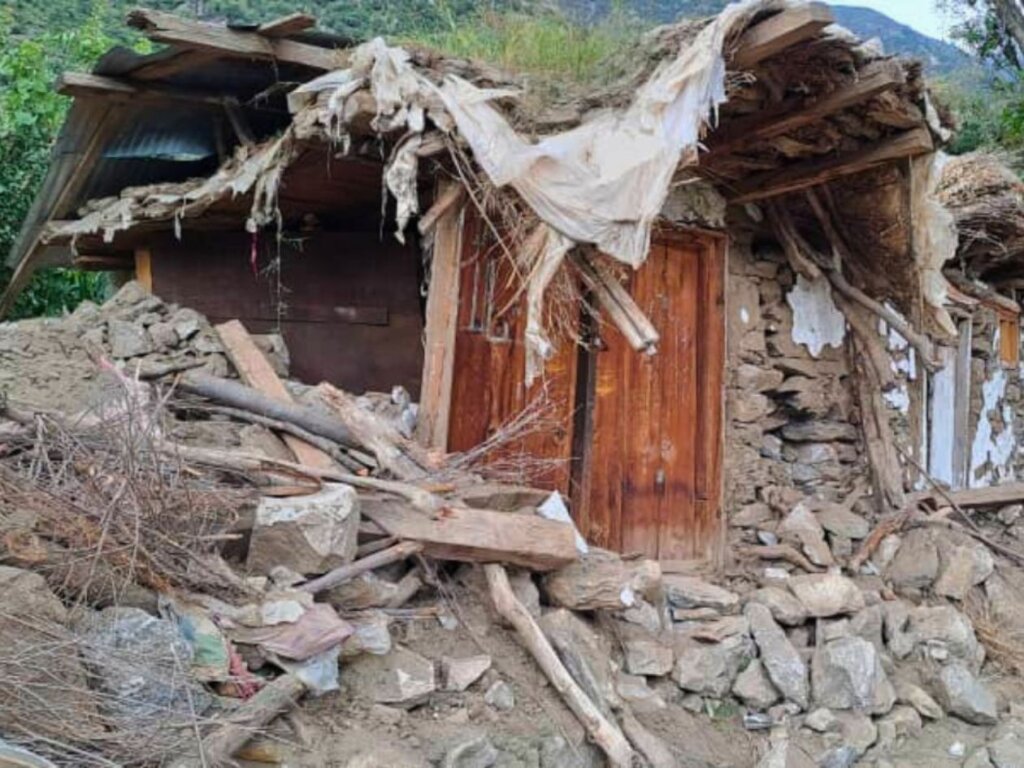
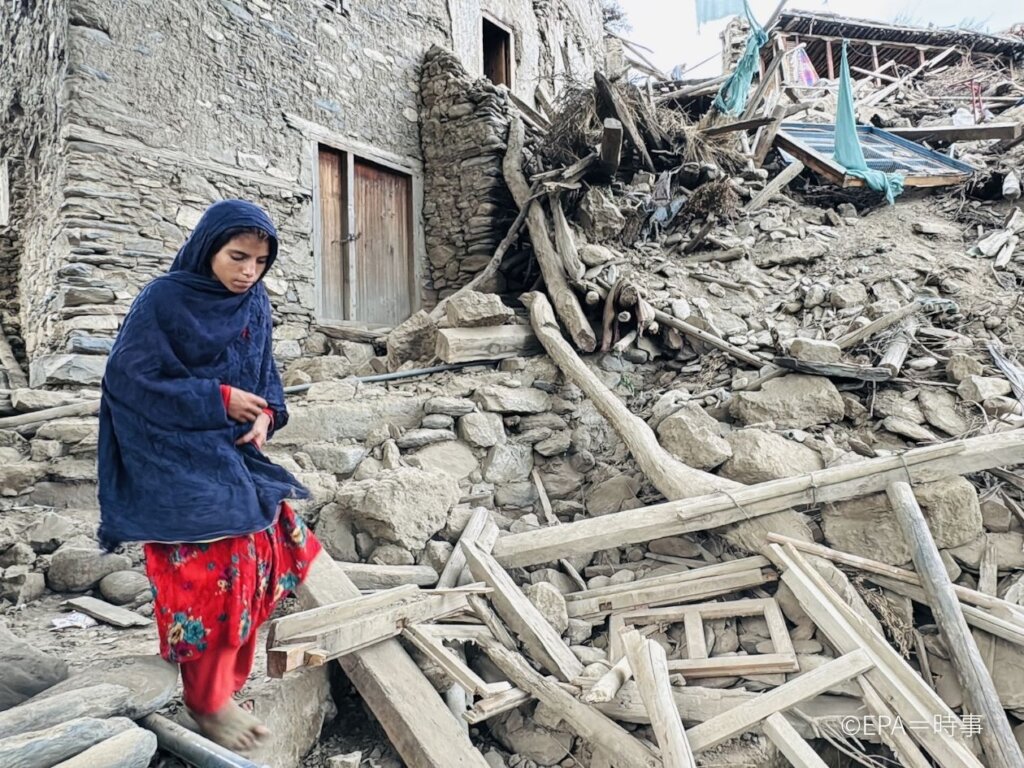
The earthquake that struck eastern Afghanistan on August 31, 2025, claimed the lives of approximately 2,000 people, making it the deadliest earthquake in the country since 1998. Buildings and infrastructure also suffered extensive damage, with an estimated 0.5 to 1.3 million people severely affected. AAR Japan (Association for Aid and Relief, Japan) continues to distribute relief supplies in the affected areas.
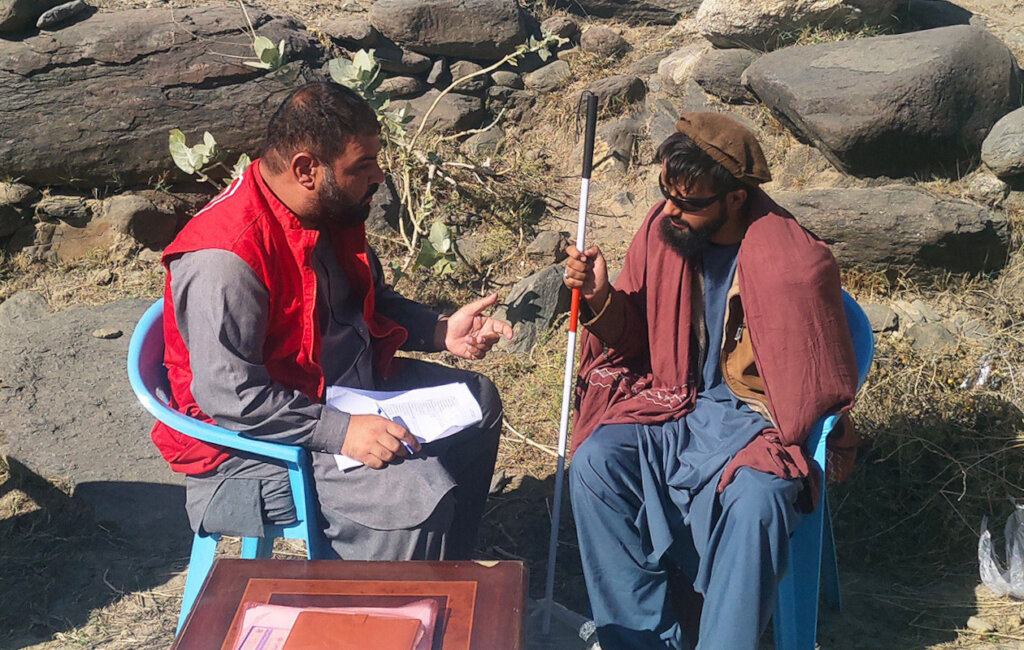
Providing white canes for visually impaired individuals
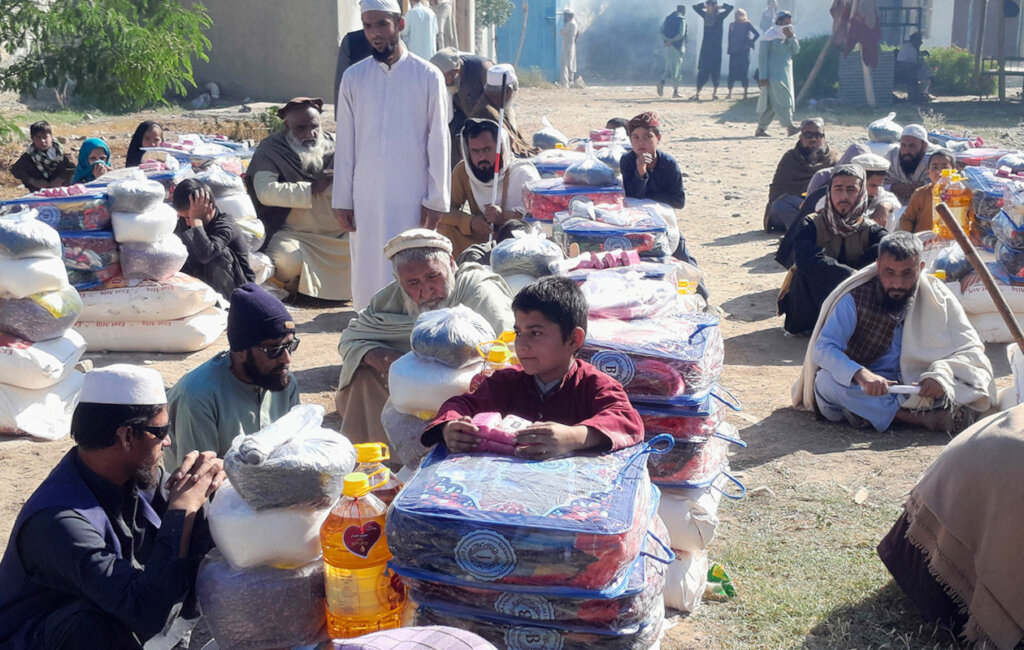
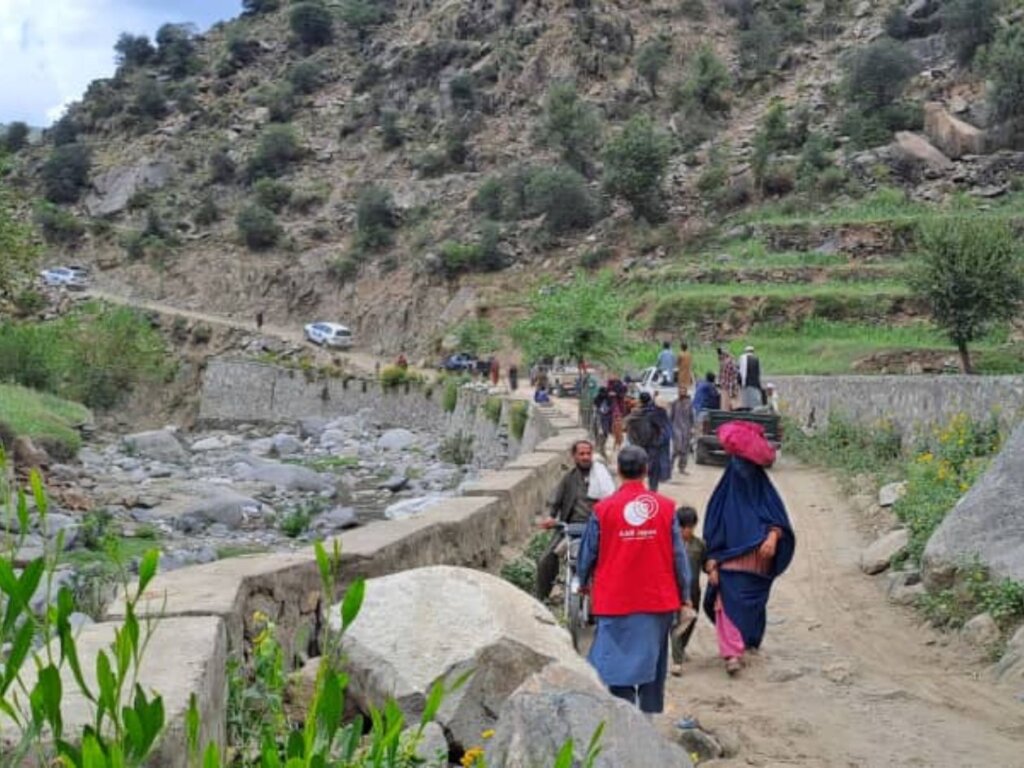
This distribution of food and supplies was carried out in collaboration with the Afghanistan Association for the Blind, which provides livelihood support to visually impaired individuals. Based on a needs assessment of those people conducted by the association after the earthquake, 51 households were identified as requiring urgent assistance and selected as beneficiaries.
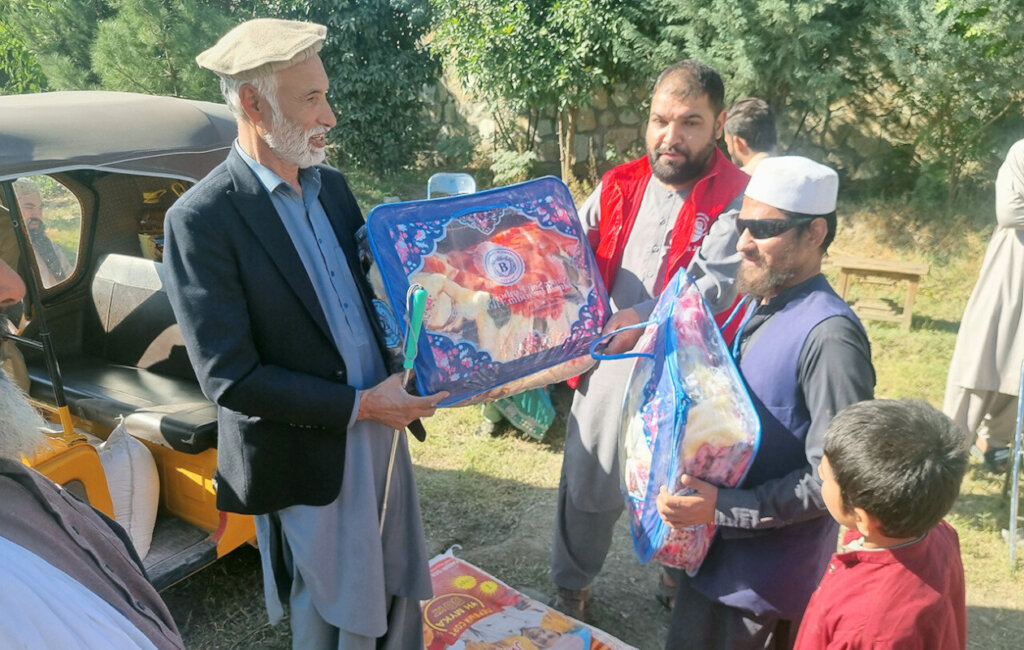
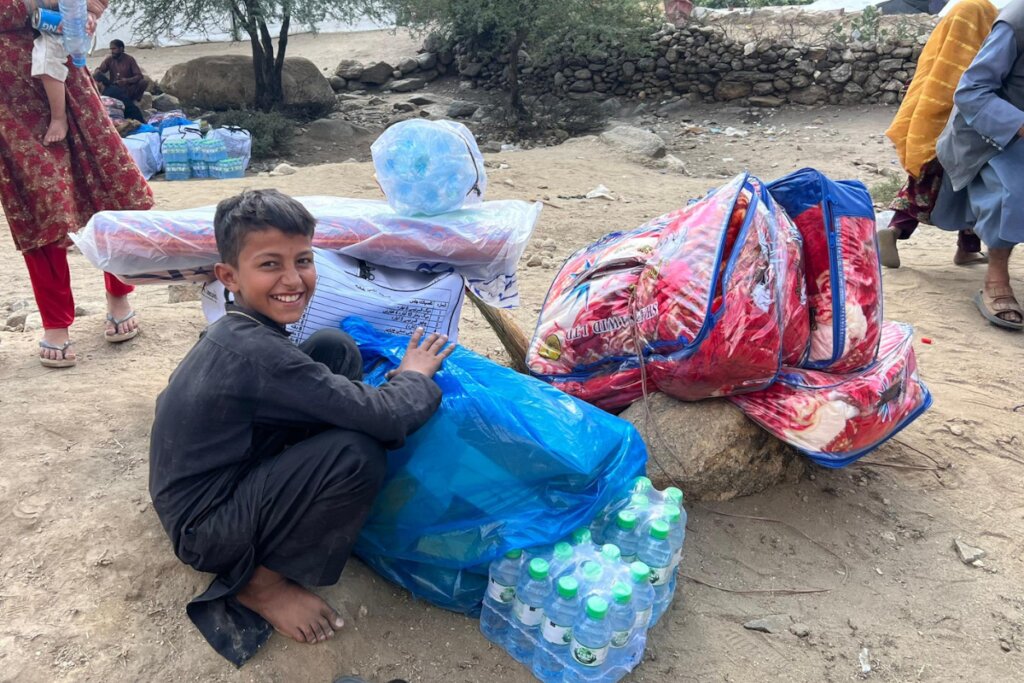
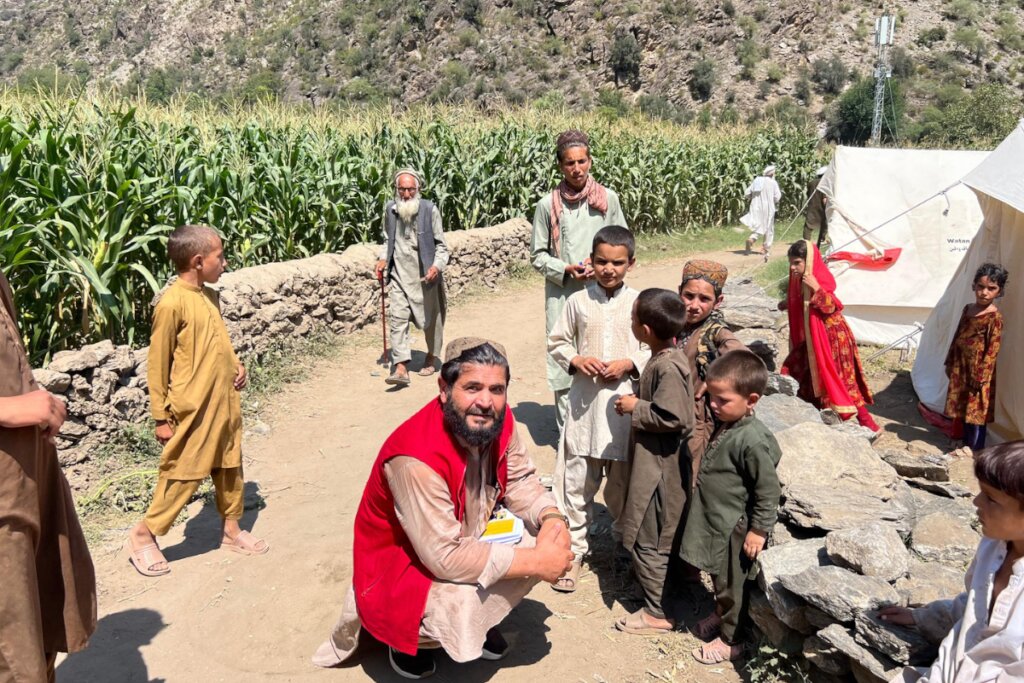
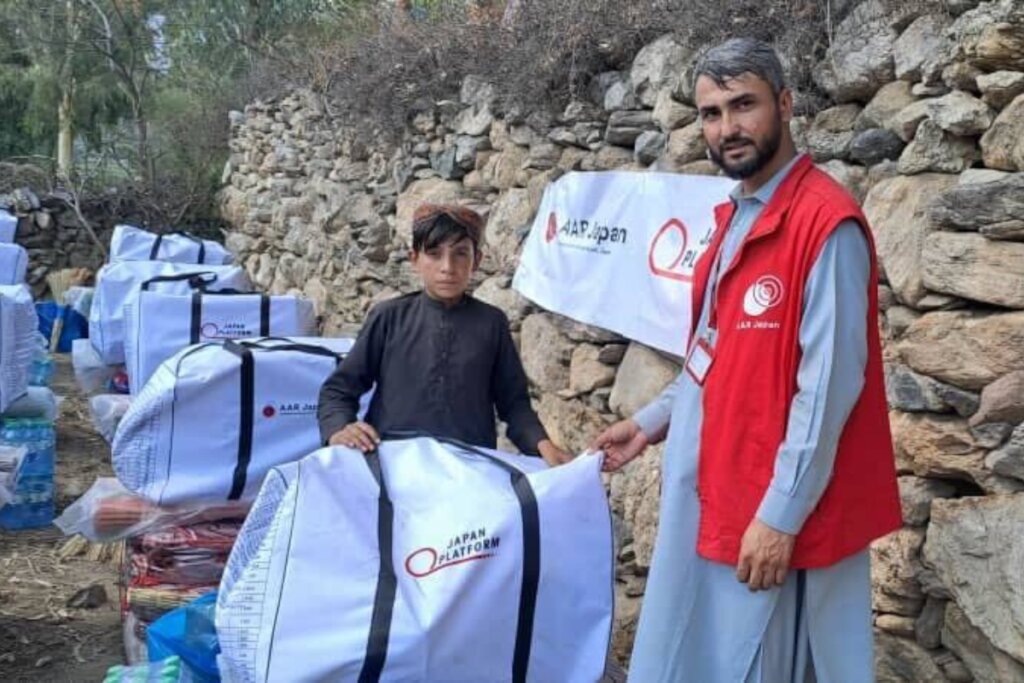
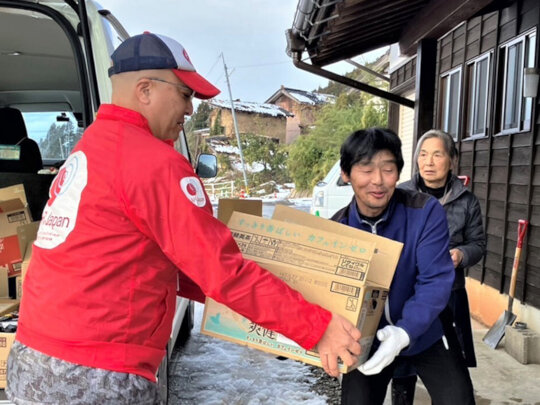
Local staff at the AAR Kabul office visited sample households from target households in Kunar, Nangarhar, and Laghman provinces. We conducted interviews about the difficulties in their lives after the earthquake and explained the schedule and method for distributing relief supplies. Subsequently, we distributed two months' worth of food supplies (including flour, cooking oil, and beans), soap packs, and three blankets at public squares in each region. We also provided white canes to visually impaired individuals.
Support is necessary to survive
Some of those who received assistance had lost their sight due to explosives used in the conflict. A 25-year-old manfrom Nangarhar Province lost his vision and leg when he stepped on an explosive device while walking along a road at age 13. Since then, he has relied on his brother's meager income to survive, but the recent earthquake destroyed his home, making his life even more difficult.
"After the earthquake, my family lost our jobs, food, and home. Support from other organizations often excludes households with people with disabilities, so we had no choice but to rely on relatives and villagers to survive." As winter arrives and the cold grows harsher each day, he still lives in a tent. Regarding AAR's support, he said, "The distribution went smoothly, and I'm very satisfied with the quality of the supplies. This will help us get through the winter with a little more peace of mind." He continued, "However, people with disabilities face difficulties accessing support for food, housing, healthcare, employment, and education, and there is insufficient consideration from the government. We need ongoing support to survive."
In the disaster-stricken areas, many people are still unable to live in safe housing and continue to live in tents. We kindly ask for your continued support for the survivors of the Afghanistan earthquake.
Links:
By Chiaki Furukawa | Senior Managing Director
By Chiaki Furukawa | Senior Managing Director
Project reports on GlobalGiving are posted directly to globalgiving.org by Project Leaders as they are completed, generally every 3-4 months. To protect the integrity of these documents, GlobalGiving does not alter them; therefore you may find some language or formatting issues.
If you donate to this project or have donated to this project, you can receive an email when this project posts a report. You can also subscribe for reports without donating.