By Pilar Martin | Head of philantropy
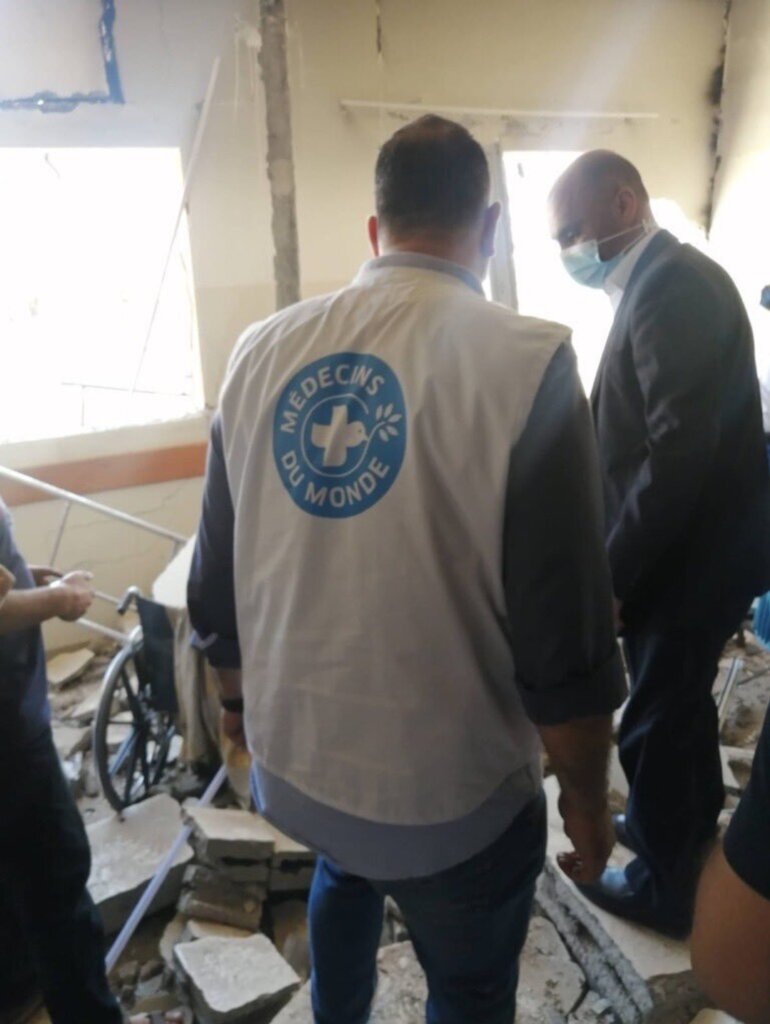
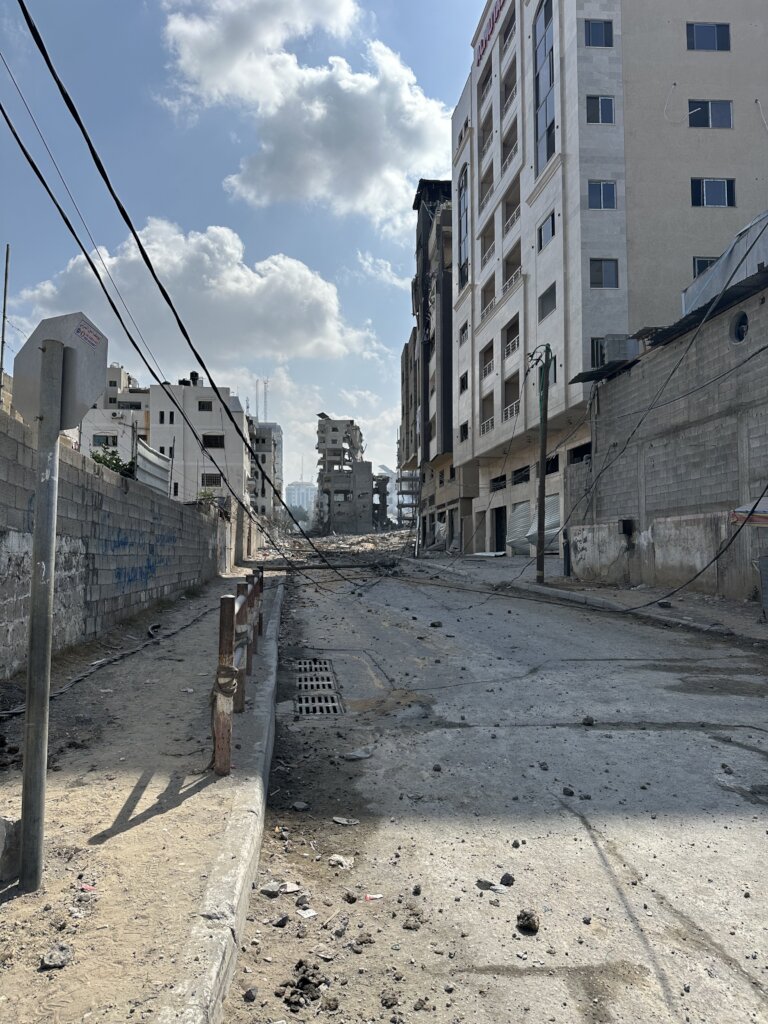
The humanitarian system is being deliberately and systematically dismantled by the Israeli government's blockade and restrictions, a blockade that is now being used to justify the closure of almost all other aid operations in favor of a deadly, militarily-controlled alternative that neither protects civilians nor meets basic needs. These measures are designed to maintain a cycle of despair, danger and death. Experienced humanitarian actors remain willing to provide life-saving assistance on a large scale. However, more than 100 days after Israeli authorities re-imposed a near-total blockade on aid and commercial goods, humanitarian conditions in Gaza are collapsing faster than at any time in the past 20 months.
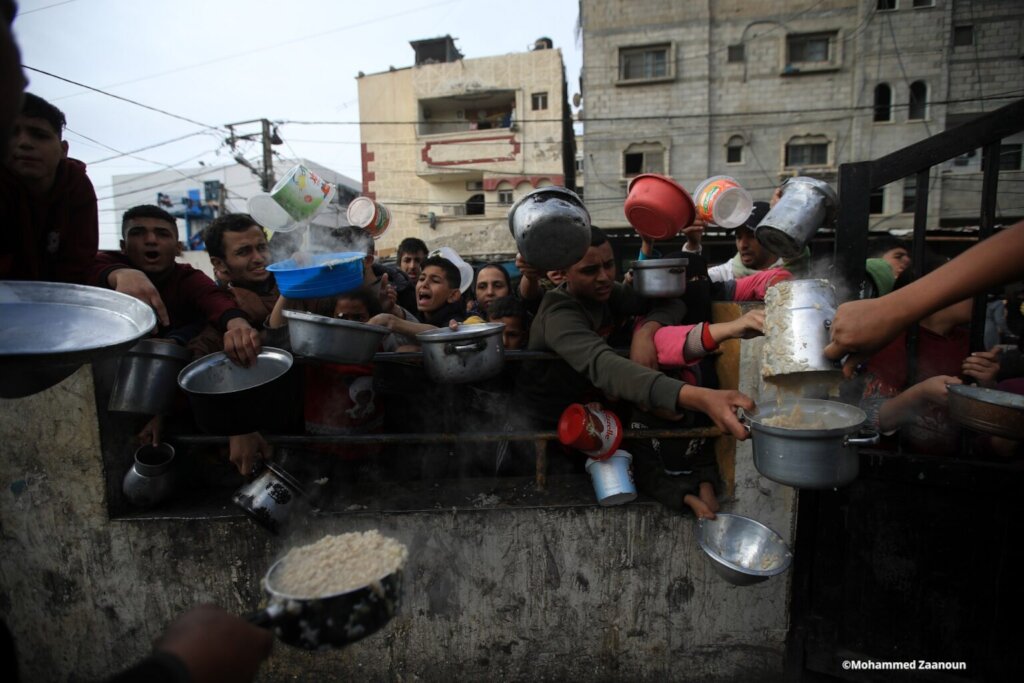
Because of the Israeli government's new plan, starving and weakened civilians are forced to walk for hours through dangerous terrain and areas of active conflict, only to face a violent and chaotic race to reach fenced and militarized distribution sites with a single point of entry. There, thousands of people are released into disorganized compounds to fight over limited food supplies.
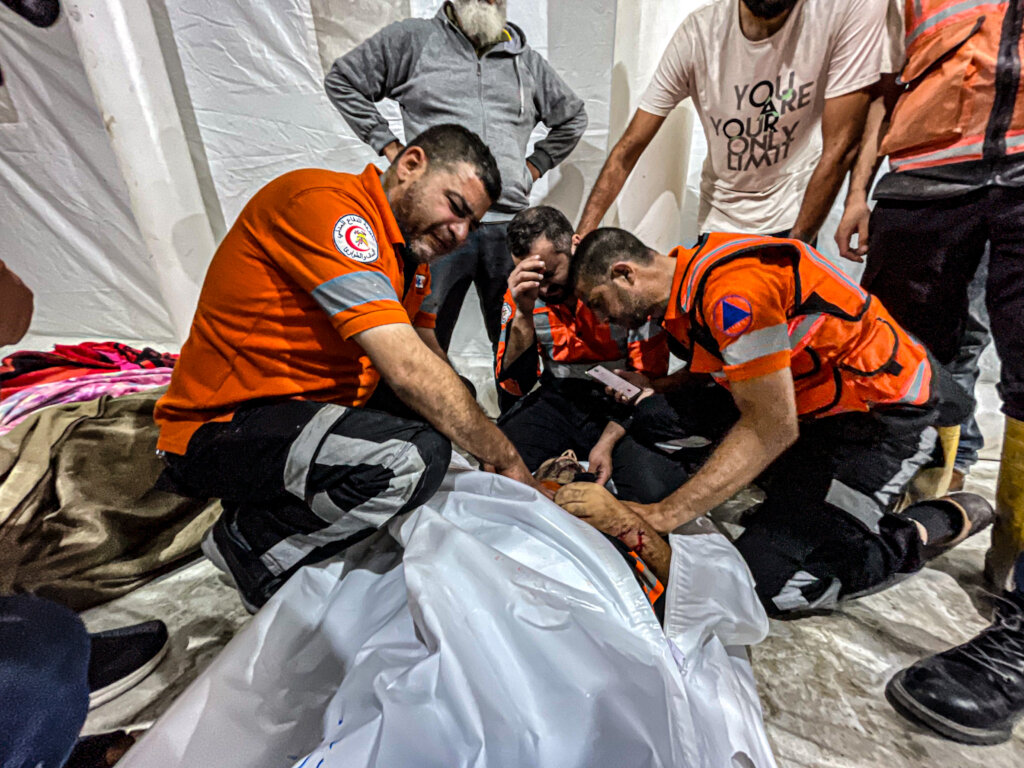
Among the dead are orphaned children and caregivers, who have been injured in more than half of the attacks on civilians in these locations. With Gaza's health system in shambles, many of the wounded are bleeding to death alone, beyond the reach of ambulances and without vital medical care.
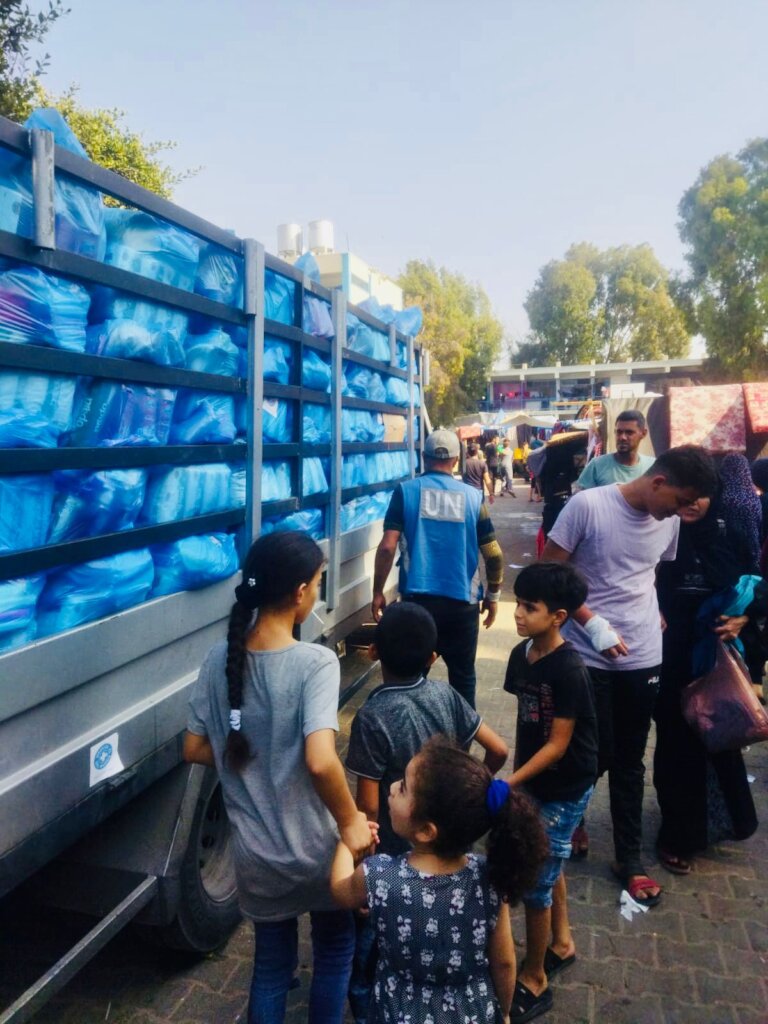
In the midst of extreme famine, many families tell us that they are now too weak to compete for food rations. Those who do manage to obtain food often return with only a few basic items, almost impossible to prepare without clean water or fuel for cooking. Fuel is nearly depleted, which has crippled vital services such as bakeries, water systems, ambulances and hospitals. Families are sheltering under plastic sheeting and operating makeshift kitchens among the rubble, without fuel, drinking water, sanitation or electricity.
On June 15, the Red Cross field hospital in Al Mawasi received at least 170 wounded patients while they were trying to reach a food distribution site. The following day, June 16, more than 200 patients arrived at the same facility, the largest number recorded in a single mass casualty incident in Gaza. Of that number, 28 Palestinians were declared dead. A WHO official underscored the deadly pattern: “Recent food distribution initiatives by non-UN actors are increasingly resulting in mass casualty incidents.”
These deaths add to the broader toll: since October 2023, more than 56,000 Palestinian people have been killed in Gaza, including at least 17,000 children.
Project reports on GlobalGiving are posted directly to globalgiving.org by Project Leaders as they are completed, generally every 3-4 months. To protect the integrity of these documents, GlobalGiving does not alter them; therefore you may find some language or formatting issues.
If you donate to this project or have donated to this project, you can receive an email when this project posts a report. You can also subscribe for reports without donating.



Support this important cause by creating a personalized fundraising page.
Start a Fundraiser