By Linda jordan | Community Campaigns Manager
As Australia braces for what we expect will be a long, hot and very difficult season, your support is helping us continue our daily work, rescuing and rehabilitating vulnerable wildlife.
Right now, our Wildlife Rescue Office is conducting training sessions for new telephone responders to make sure we are equipped for high call volumes in the months to come, and our Emergency Response Teams are continuing their training and on the ground preparations, for what we anticipate is going to be a dangerous fire season.
On behalf of the many thousands of native lives you help us save each year, thank you sincerely. Here is just one example of how your support is making a lifesaving difference.
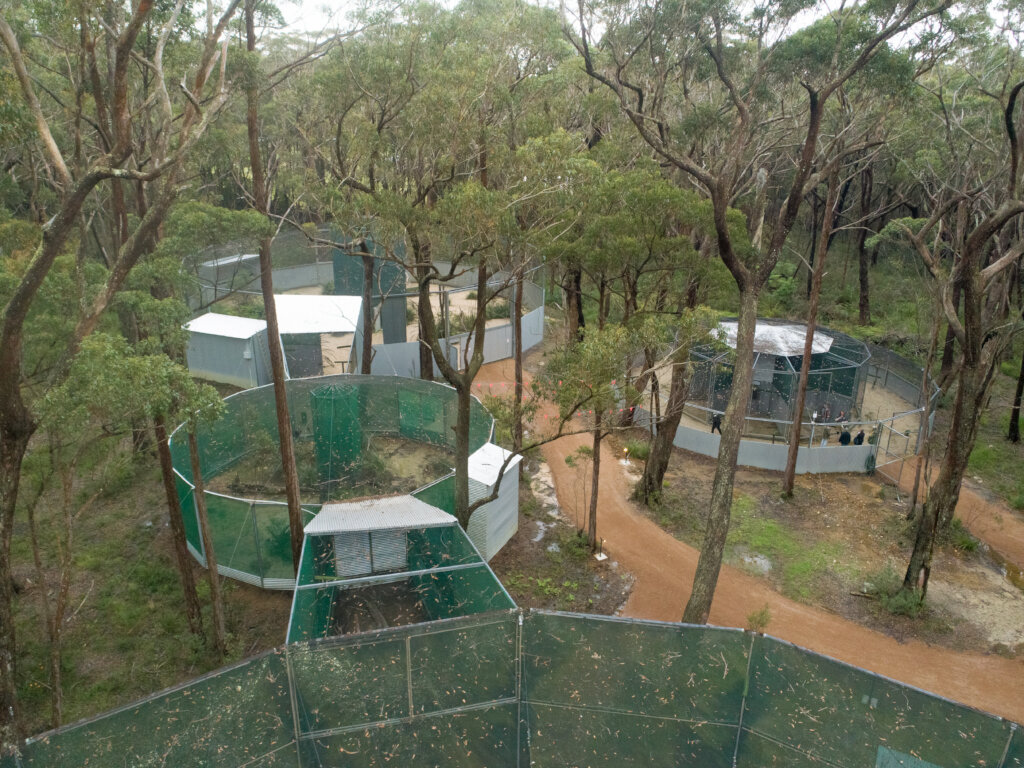
WIRES have now established Mullyang – a specialist rehabilitation facility for injured raptors.
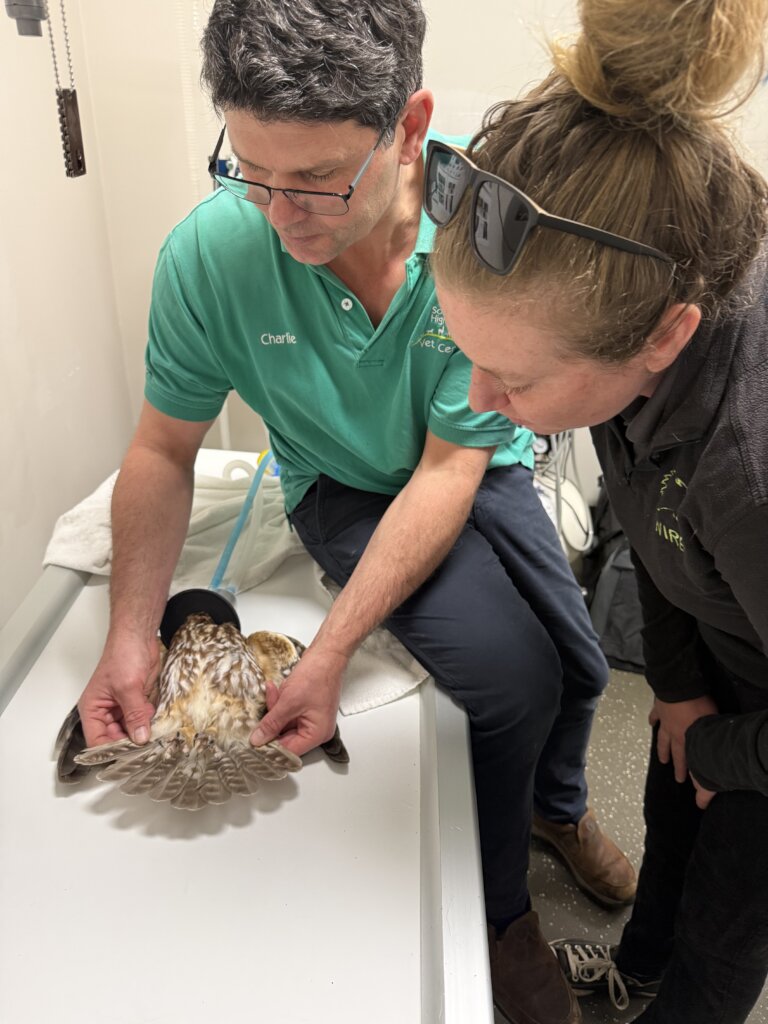
One of our most recent patients was Rosie, a young Boobook owl. She was found weak, grounded and unable to fly in a residential area, with suspected rodenticide poisoning.
WIRES receives hundreds of calls a year for native animals suffering the effects of rodenticide poisoning. Native animals like owls and raptors are particularly susceptible because they often find and eat the poisoned rats. Most don’t make it – but thankfully Rosie has.
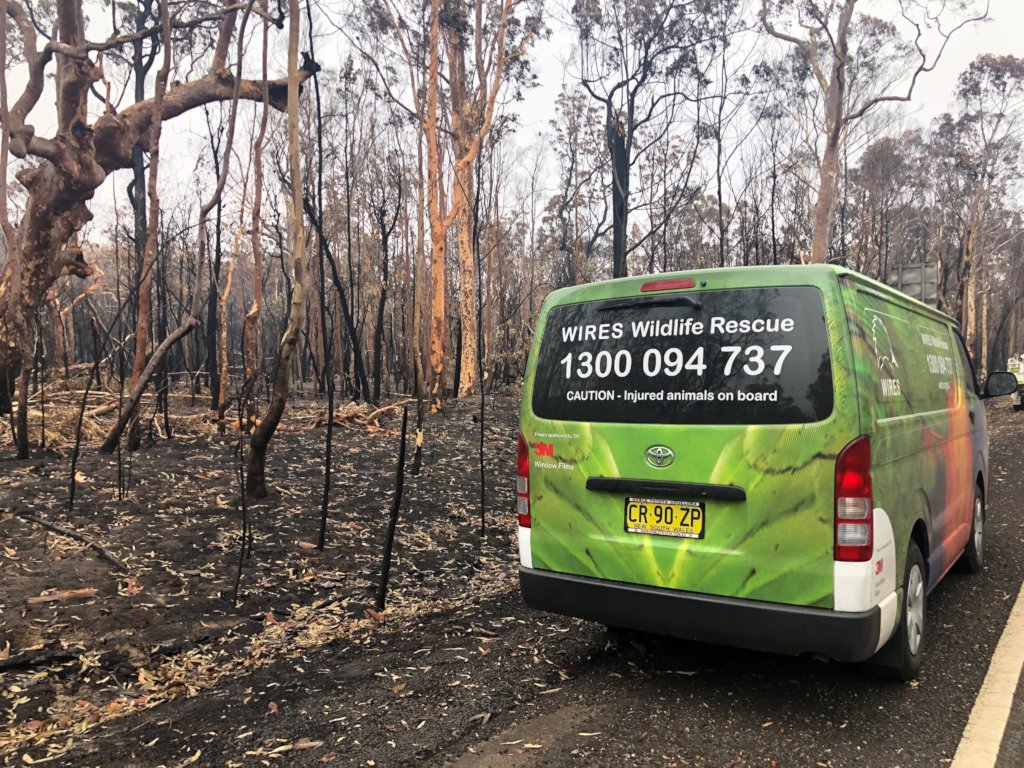
Our Emergency Responder Kimberley quickly transported the very sick owl in our Wildlife Ambulance to a specialist vet hospital, where blood tests revealed a critically low PCV of just 14%, along with delayed clotting times – all clinical signs consistent with suspected rodenticide poisoning.
Under the guidance of local vet Dr Charlie Carter, Rosie commenced intensive treatment. Despite the severity of her condition, she responded well, and was soon able to move from our ICU at Mullyang to one of our temperature-controlled treatment rooms. These enclosures give recovering raptors a little more room to move, and include access to an outside aviary for when they are ready.
After she completed her course of medication, Rosie spent several weeks building up her health and strength. As every flight enclosure at Mullyang has recorded video surveillance, Rosie’s progress was able to be tracked throughout the night – typically an owl’s most active time.
When Rosie had the strength and stamina to fly, she was transported back to Dr Carter for a final health check and then on to her home territory, where she was released on a clear winter's evening.
Thank you so much for being one of Rosie's protectors. She's back in the wild today - because people like you made sure she had the specialist care she urgently needed!
Project reports on GlobalGiving are posted directly to globalgiving.org by Project Leaders as they are completed, generally every 3-4 months. To protect the integrity of these documents, GlobalGiving does not alter them; therefore you may find some language or formatting issues.
If you donate to this project or have donated to this project, you can receive an email when this project posts a report. You can also subscribe for reports without donating.



Support this important cause by creating a personalized fundraising page.
Start a Fundraiser