By Sarah Peterson | Program Officer
Since June 6, 2011, conflict and aerial bombings have rocked South Kordofan – a state on Sudan’s border with the newly independent South Sudan. Thousands of families have been displaced by the conflict; a July situation report by the United Nations Office for the Coordination of Humanitarian Relief estimated that over 73,000 individuals were displaced.
While intermittent conflict and violence continues in much of the state, relative stability has returned to some areas (particularly in the North) and families have begun to return to these regions. However, valuable crop planting time has been lost—and many farms were looted of their tools, seeds, and other goods necessary for planting. As a result, families face food insecurity and the real threat of shortages in both the short and long term.
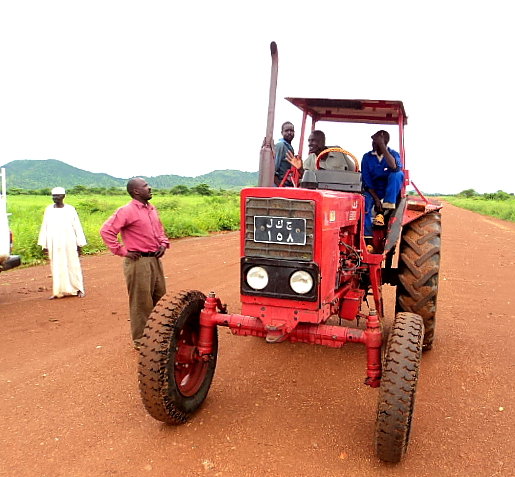
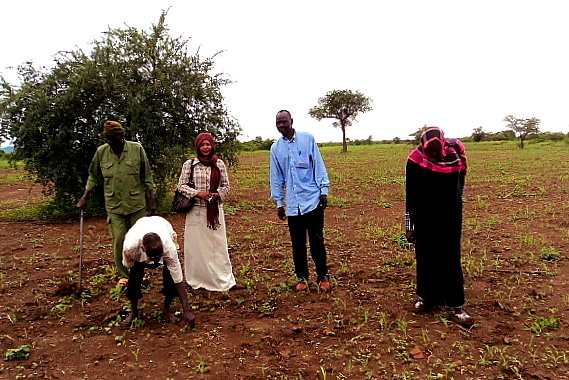
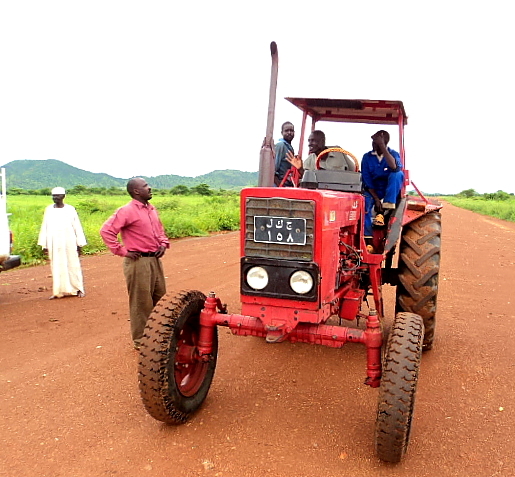
Severe restrictions on international humanitarian organizations remain in South Kordofan. The Near East Foundation (NEF) has maintained operations through its office in Dilling—one of the only international NGOs to remain. As the situation has begun to stabilize in the north of the state, NEF has moved from relief support to working with partners to ensure the food security of Internally Displaced Persons (IDPs) and returnees through emergency farming support.
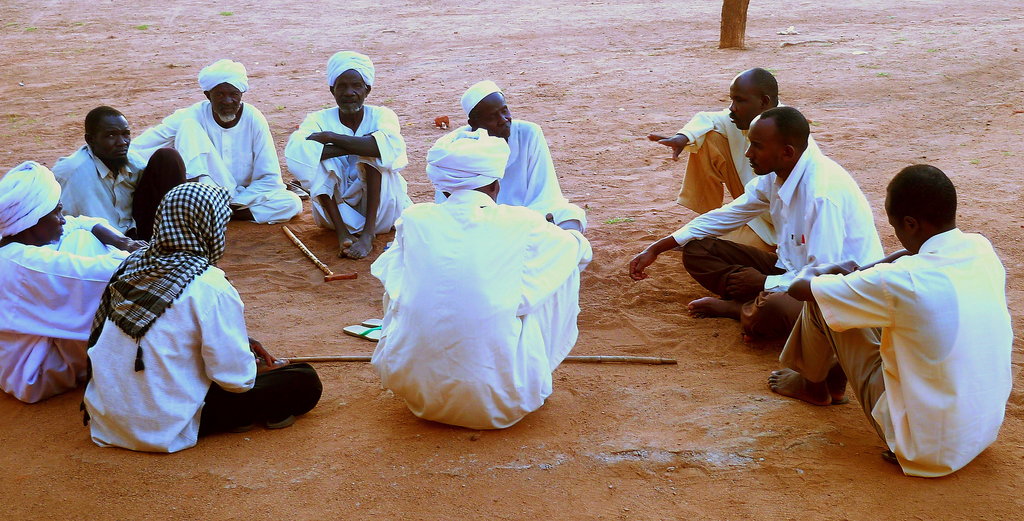
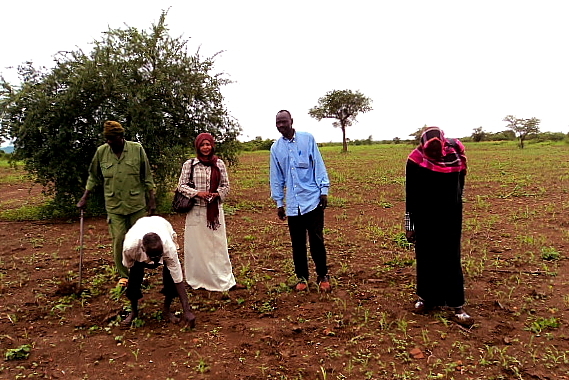
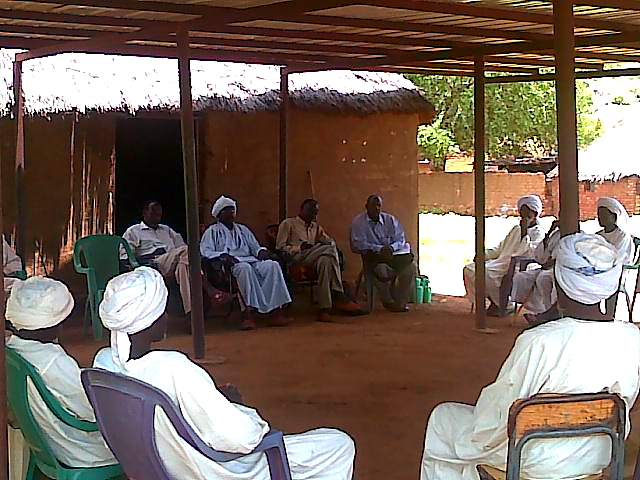
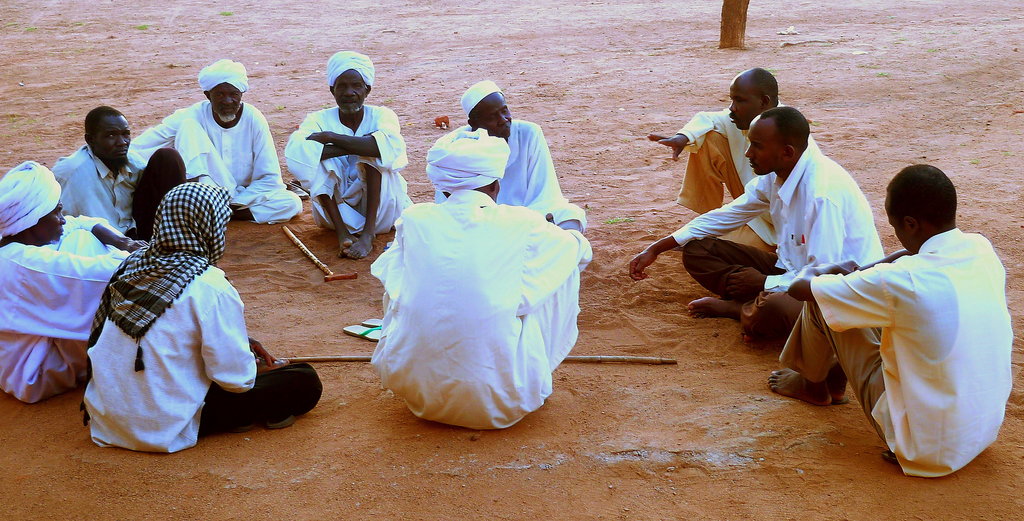
In coordination with the South Kordofan Rural Development Program (SKRDP) and the Ministry of Agriculture and Natural Resources, NEF is working with vulnerable farming communities in Al Samma West, Al Samma East, and Al Shaeer in South Kordofan.
Over the past months, the emergency farming project has:
Farmers have expressed their commitment to the project and have recognized its importance to supporting their food security and livelihoods. Although the project has operated on a limited scale in South Kordofan, it has gained a positive reputation and encouraged IDPs to return to the area and farm again.
NEF will continue working with partners to provide ongoing support for farmers to ensure their food security this harvest season.
Project reports on GlobalGiving are posted directly to globalgiving.org by Project Leaders as they are completed, generally every 3-4 months. To protect the integrity of these documents, GlobalGiving does not alter them; therefore you may find some language or formatting issues.
If you donate to this project or have donated to this project, you can receive an email when this project posts a report. You can also subscribe for reports without donating.