Project Report
| Aug 2, 2019
Political crisis making dire situation even worse
By Rod Harmon | Project Leader
![]()
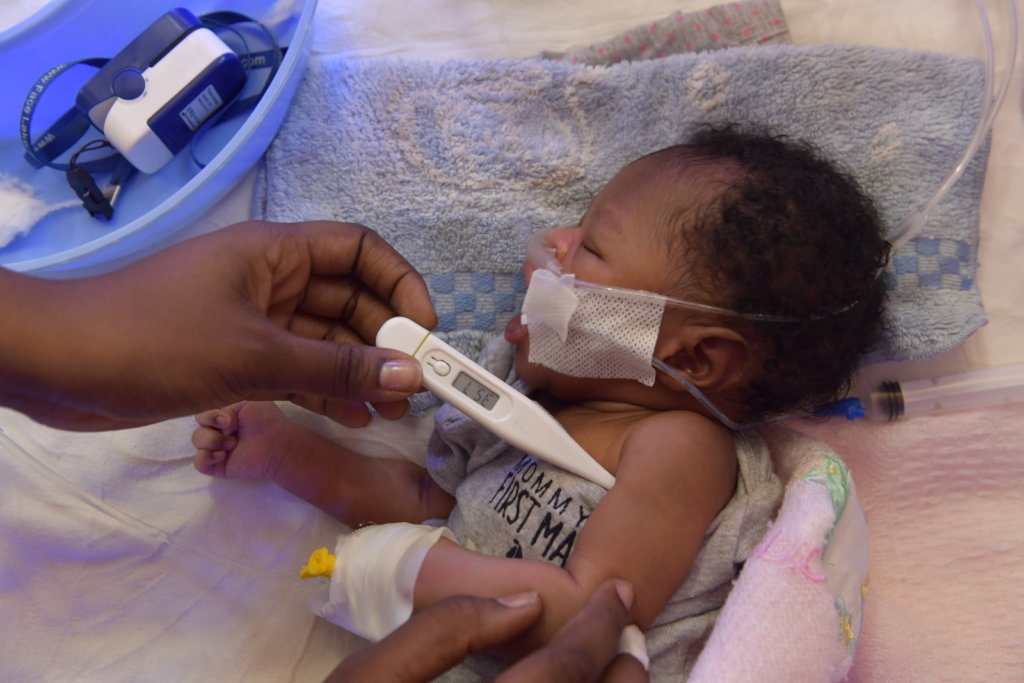
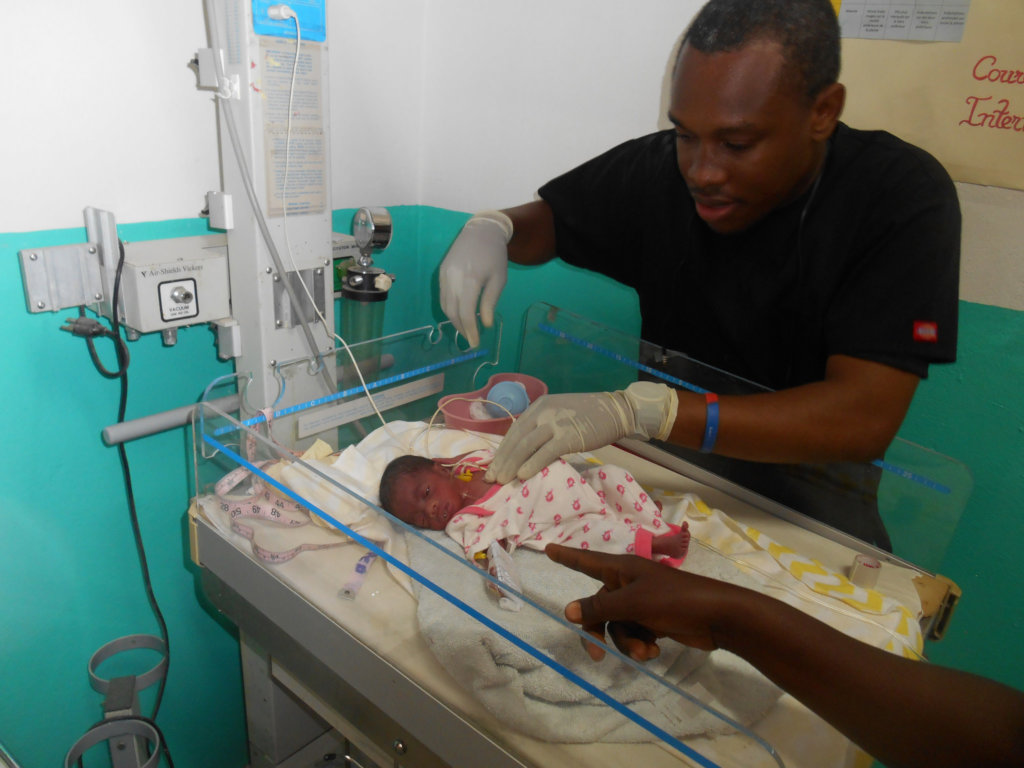
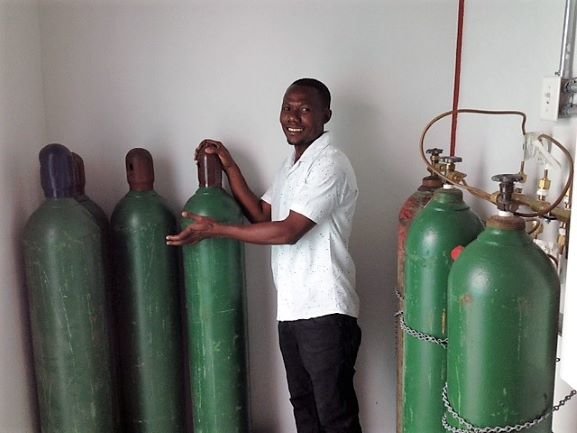
Summertime brings extremely high temperatures to Haiti, and that can lead to dire consequences to the nations’ most vulnerable residents. For months, political scandals and a severe decrease in the fuel supply has resulted in highly erratic power supplies throughout the nation. Healthcare facilities such as Justinien University Hospital (JUH) in Cap-Haitien are not immune. Konbit Sante is purchasing oxygen containers, along with essential medicines, that can be filled and kept in stock at all times so that when the power fails, there will be back-up oxygen available at JUH.
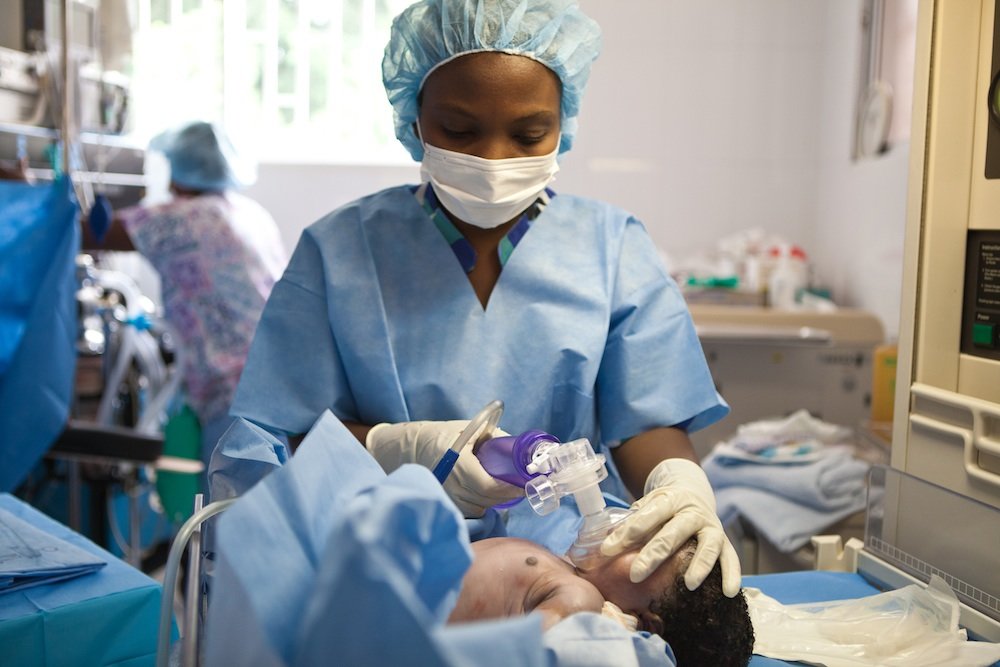
We need additional funding to continue this important work at JUH, which is the largest public hospital in Cap-Haitien and the second-largest in the nation of Haiti. More than 1 million people seek care at this facility, which includes the largest pediatric service in the region. However, essential medicines and emergency oxygen containers are not always available when needed due to lack of financial resources and an undependable supply chain. Even in emergency situations, patients' family members are expected to ask friends and family to contribute money and scour local pharmacies for supplies, losing valuable time. These are preventable deaths—if the medicines and supplies are available, the survival rate is much greater.
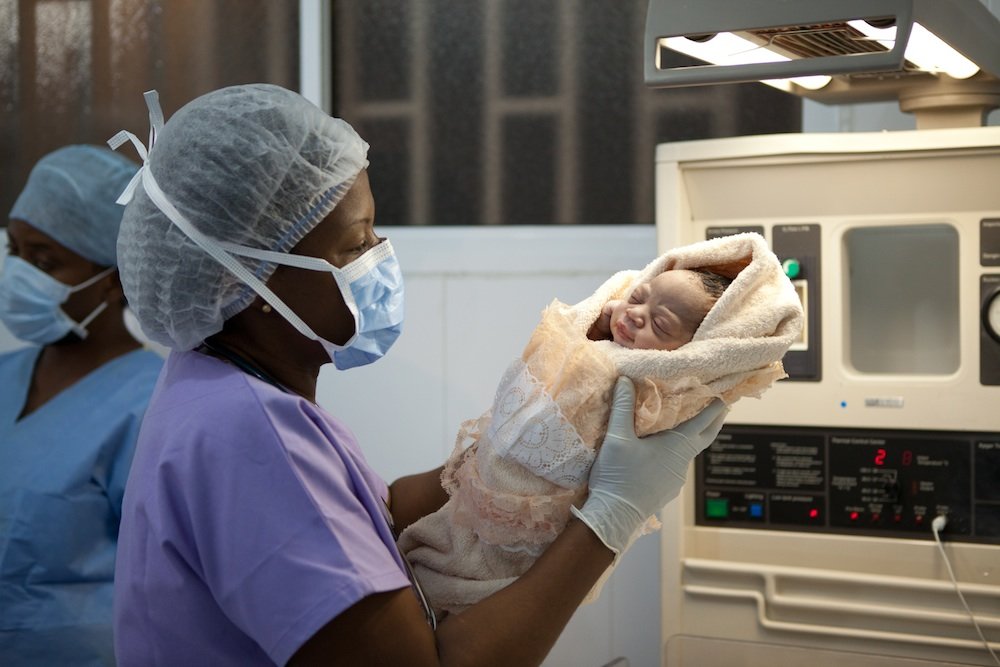
By ensuring that essential medicines and supplies are in stock at all times, we can help reduce the number of preventable newborn deaths. We estimate that preventing ruptures of essential medicines and supplies will cost about $15,000 annually.
Links:
![Share on Twitter]()
![Share on Facebook]()
May 6, 2019
Blackouts cause urgent need for backup supplies
By Rod Harmon | Project Leader
![]()
Political unrest and worsening poverty continue to take their toll on Haiti. The nation's public utility service suffers from inefficiency and technical difficulties on a continuous basis, and blackouts occur almost daily. This means that hospital patients who rely on electrical-powered equipment such as oxygen machines are at high risk. For many infants born prematurely, it literally means the difference between life and death. Konbit Sante is purchasing oxygen containers, along with essential medicines, that can be filled and kept in stock at all times so that when the power fails, there will be back-up oxygen available.
We need additional funding to continue this important work at Justinien University Hospital, which is the largest public hospital in Cap-Haitien and the second-largest in the nation of Haiti. More than 1 million people seek care at this facility. However, essential medicines and emergency oxygen containers are not always available when needed due to lack of financial resources and an undependable supply chain. Even in emergency situations, patients' family members are expected to ask friends and family to contribute money and scour local pharmacies for supplies, losing valuable time. These are preventable deaths—if the medicines and supplies are available, the survival rate is much greater.
By ensuring that essential medicines and supplies are in stock at all times, we can help reduce the number of preventable newborn deaths. We estimate that preventing ruptures of essential medicines and supplies will cost about $15,000 annually.
Links:
![Share on Twitter]()
![Share on Facebook]()
Feb 4, 2019
Infant mortality rate continues to drop
By Rod Harmon | Project Manager
![]()
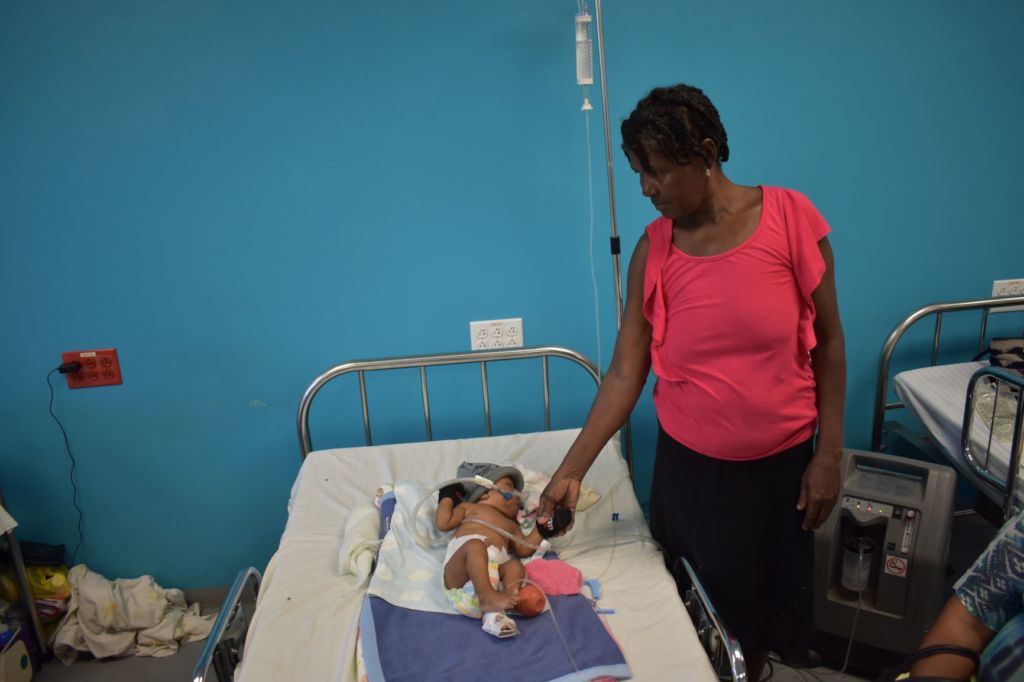
CPAP (Continuous Positive Airway Pressure) machines like the gray one shown in this photo at lower right are often used for newborns, they can also be used to save the lives of babies up to a few months old. The 3-month-old child in this photo was admitted to the pediatrics department at Justinien University Hospital in Cap-Haitien, Haiti, after she contrated the flu and began to have troubled breathing. Without out, says her mother, he probably would have died.
The CPAP machine was provided to JUH by Konbit Sante, and was purchased at the lowest possible cost using donations such as yours. By providing essential supplies, equipment, and medicines, the infant mortality rate at the hospital has decreased dramatically. We need additional funding to continue this important work at JUH, which is the largest public hospital in Cap-Haitien and the second-largest in the nation of Haiti. More than 1 million people seek care at this facility.
Essential medicines are not always available when needed at Haitian hospitals due to lack of financial resources and an undependable supply chain. Even in emergency situations, patients' family members are expected to ask friends and family to contribute money and scour local pharmacies for supplies, losing valuable time. These are preventable deaths—if the medicines and supplies are available, the survival rate is much greater.
By ensuring that essential medicines and supplies are in stock at all times, we can help reduce the number of preventable newborn deaths to zero. We estimate that preventing ruptures of essential medicines and supplies will cost about $15,000 annually.
![Share on Twitter]()
![Share on Facebook]()