By Roumpini Terzaki | Project Leader
Earthquake Risk in Greece and the Urgent Need for Safe Shelters
Issued by: Kid & Family – Παιδ & Οικογνεια | HUG Mental Health Network
Date: June 1, 2025
1. Current Situation: A Persistent Seismogenic Period in Greece
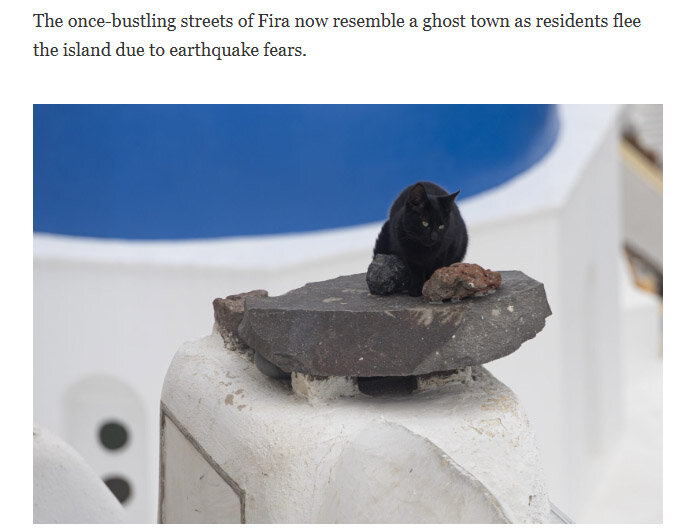
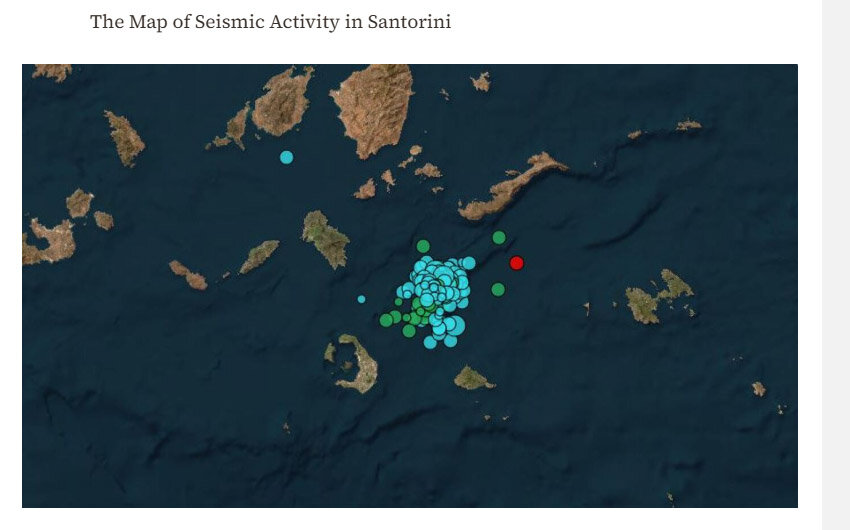
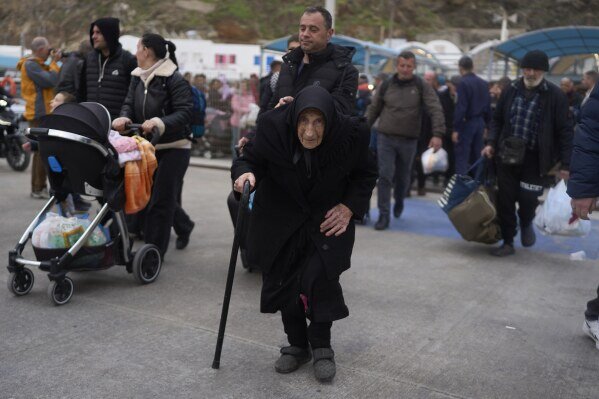
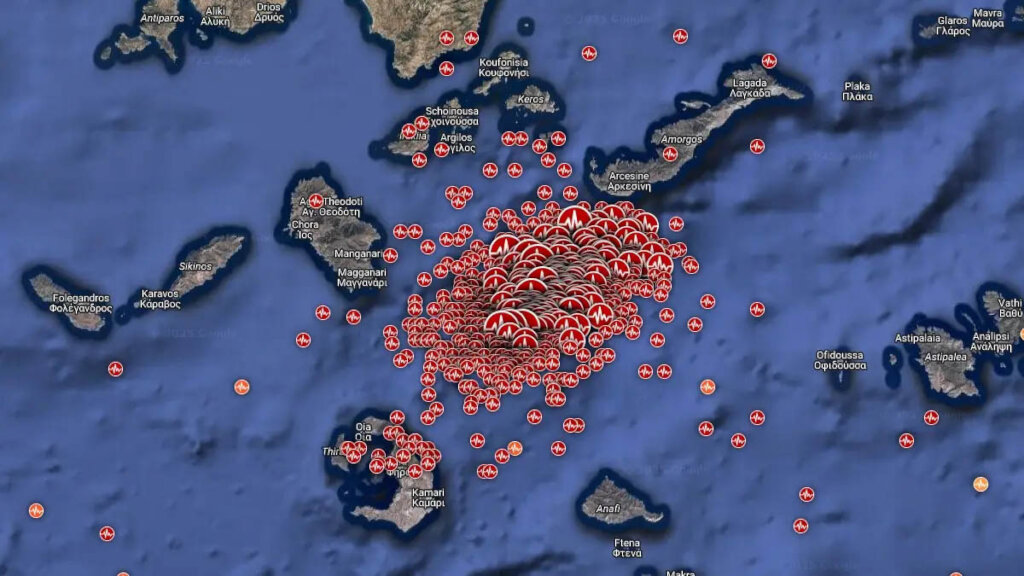
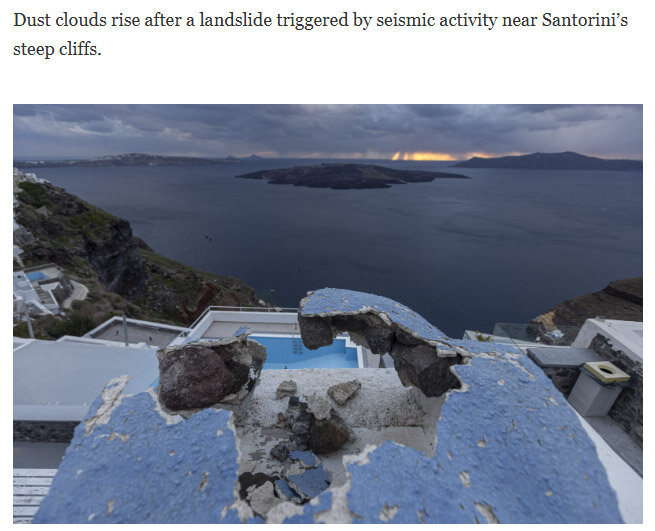
Since February 2025, Greece has been experiencing an uninterrupted sequence of seismic tremors, with no day free of activity. Scientists have confirmed that the entire region remains under seismic threat, with signs of intensification. This follows the devastating earthquake patterns of recent years and underscores a heightened geological instability across the country.
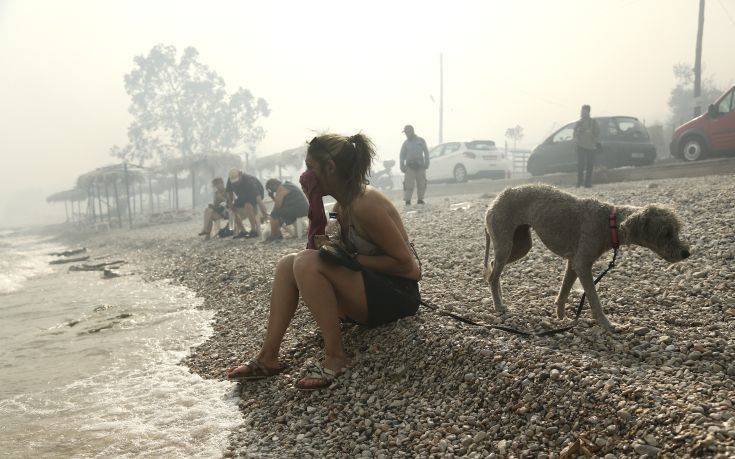
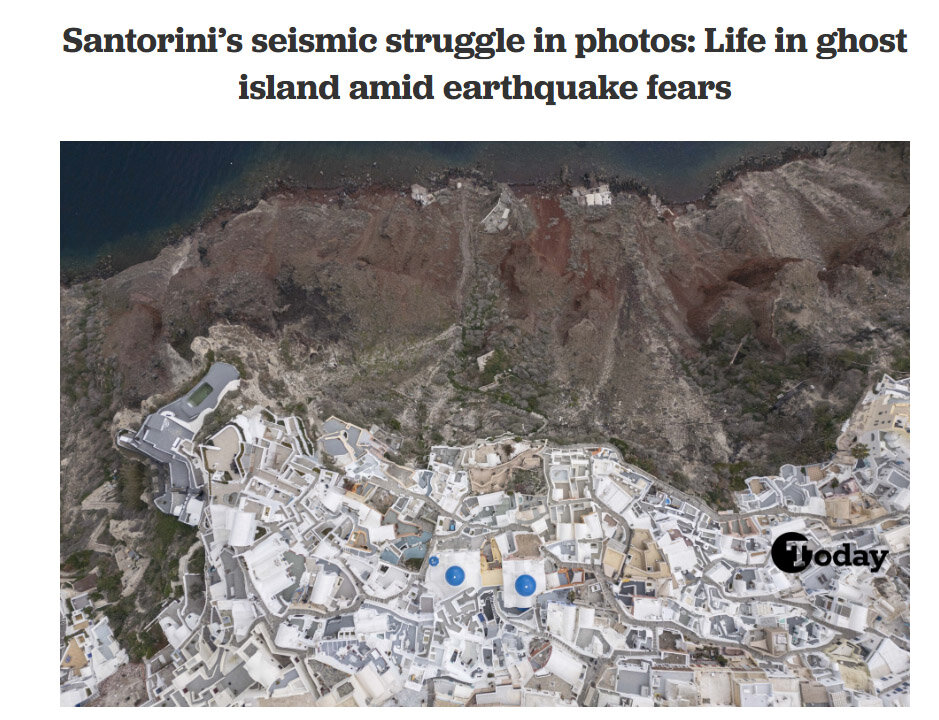
The constant tremors are affecting mental health, public safety, and urban infrastructure, particularly in vulnerable areas including Crete, the Dodecanese, Thessaly, the Peloponnese, and central Greece. Authorities have issued early warnings, anticipating stronger earthquakes in the coming months.
2. Dual Crisis: Earthquakes and Extreme Heat
As Greece enters another extremely hot summer, with forecasts predicting temperatures surpassing the 45°C levels experienced over four months in 2024, the risk to vulnerable populations multiplies. Individuals without access to air-conditioned, earthquake-safe environments are at significant risk of heatstroke, dehydration, or collapse during seismic evacuations.
3. The Role of Kid & Family – Παιδ & Οικογνεια and HUG Points
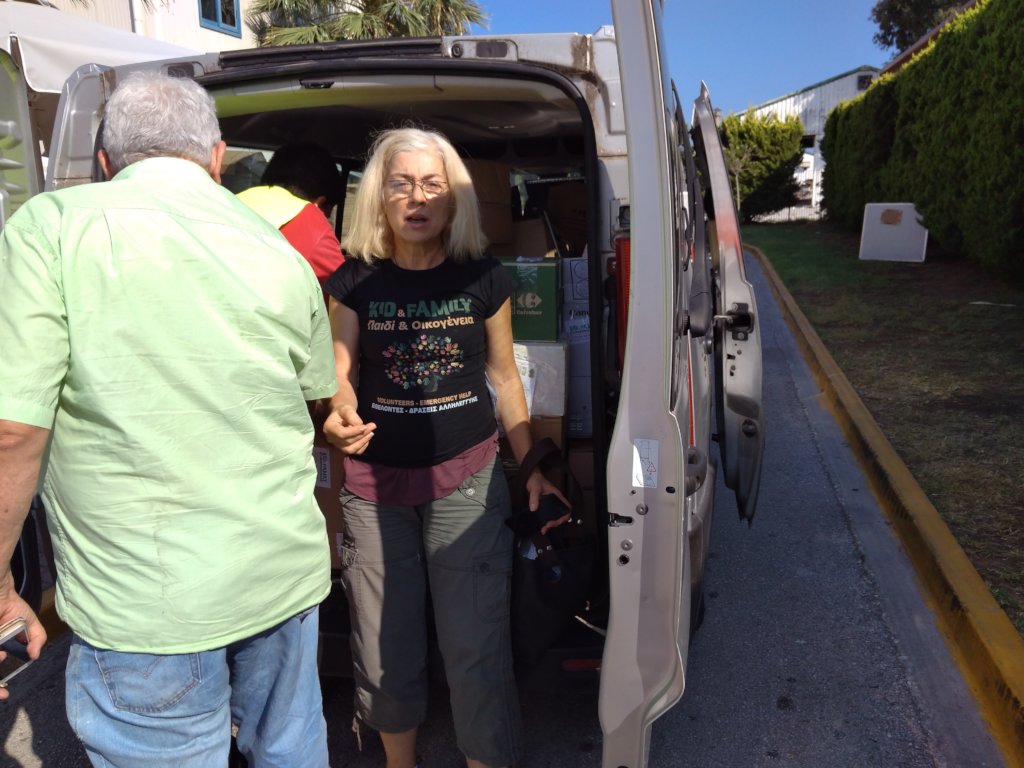
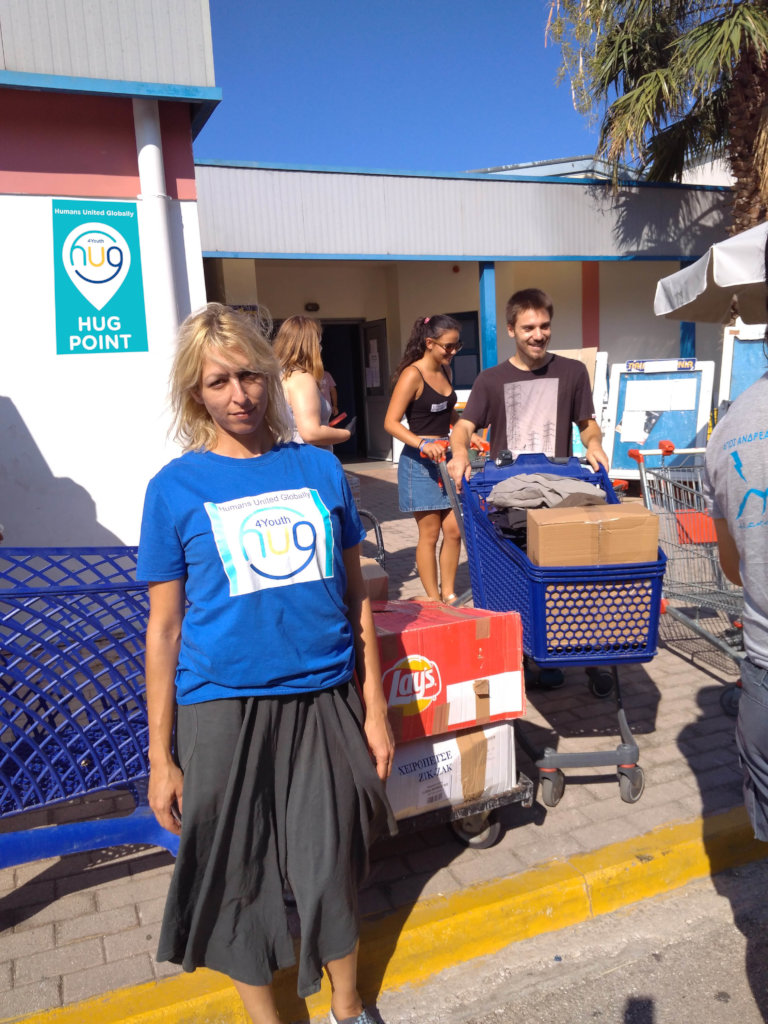
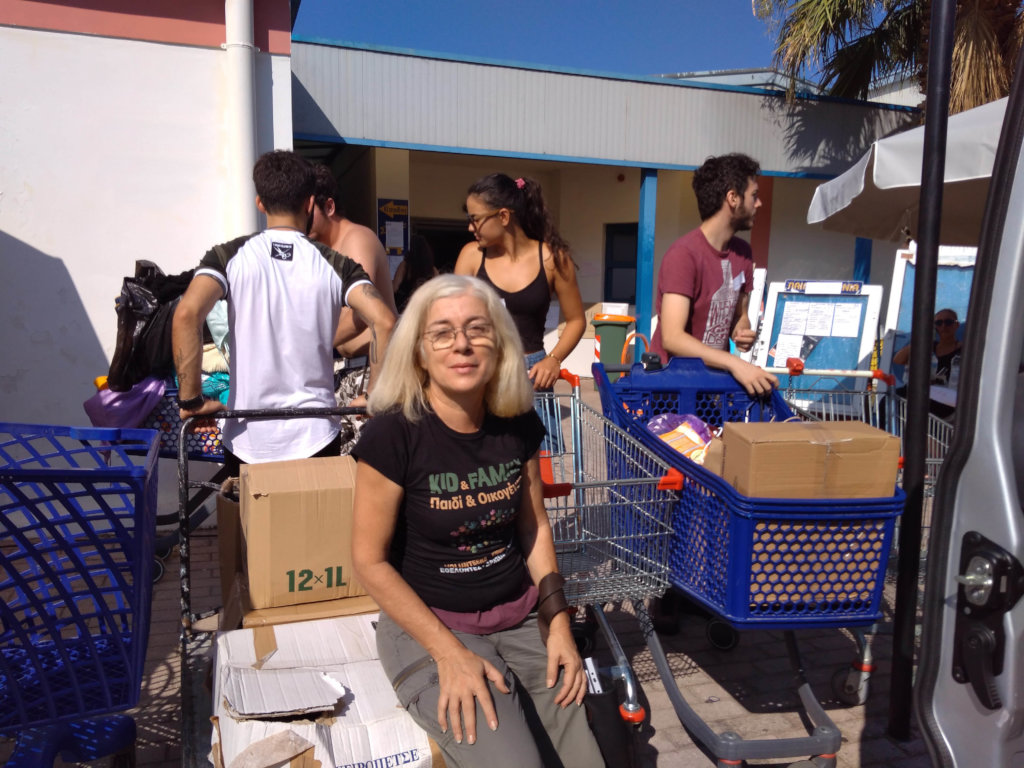
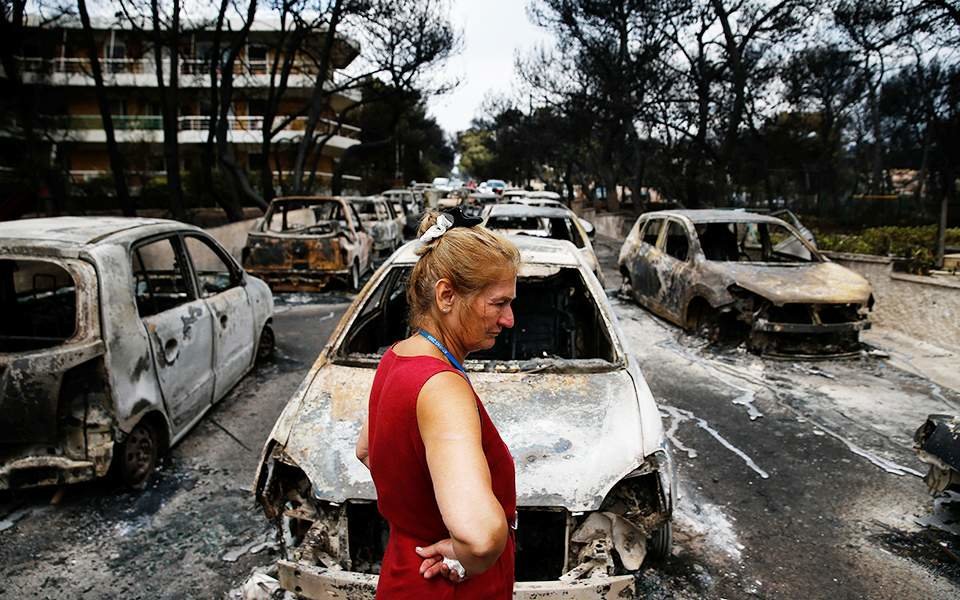
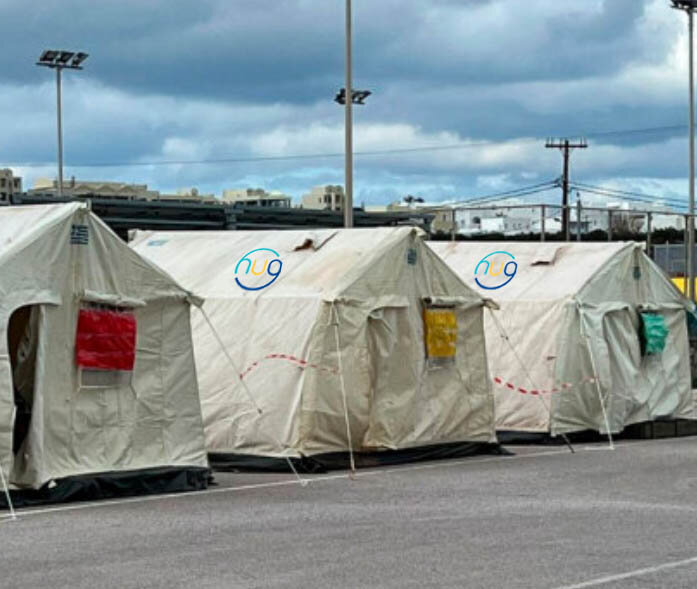
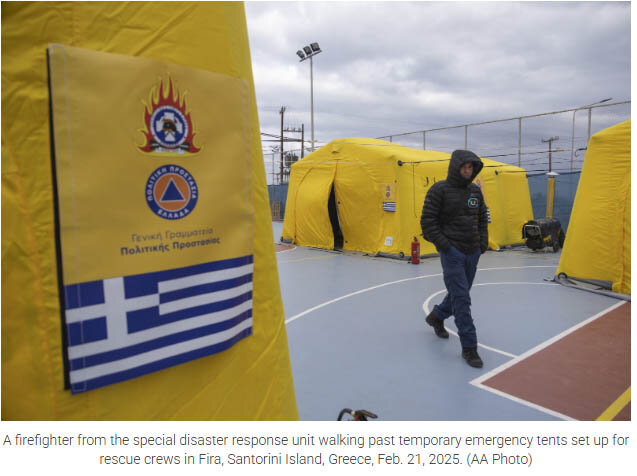
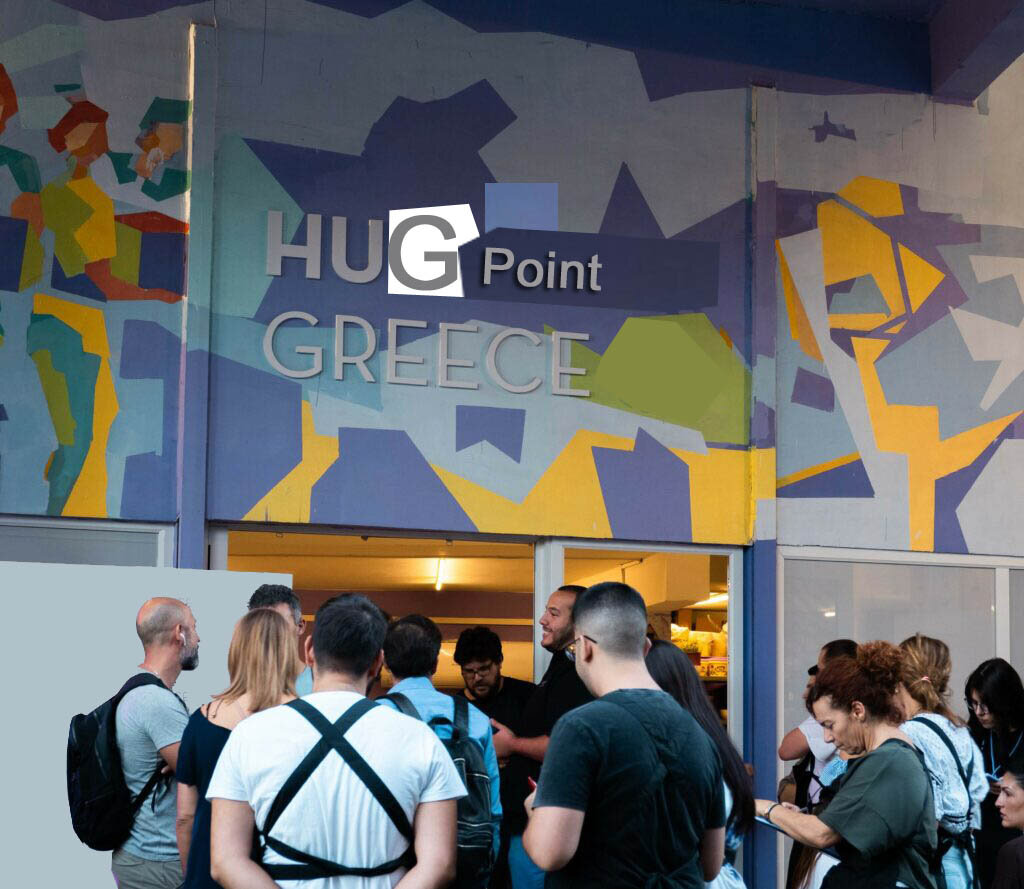
The organization Kid & Family and its mental health branch, the HUG Mental Health Network, currently provide HUG Points across Greece—temporary safe spaces used to host families, children, and chronically ill individuals who are affected by natural disasters and post-traumatic mental health crises.
These HUG Points now aim to evolve into fully equipped earthquake shelters, able to provide short- and medium-term housing, particularly for:
Children and families
Patients with chronic illness or disability
Elderly people
Individuals suffering from trauma, PTSD, or anxiety
4. OUR EFFORTS for Earthquake Shelter Design: Minimum Requirements
Below is a list of essential infrastructure and equipment to be installed in each HUG Shelter to ensure safety, autonomy, and medical readiness:
A. Structure & Safety
Anti-seismic reinforced construction or underground safe zone
Shock-absorbent flooring and frames
Fire-resistant materials and emergency exits
Backup structural supports in case of collapse
Safe indoor capacity: at least 30–50 persons per unit
B. Emergency Power and Water Supply
Solar panels with battery storage
Generator (silent, diesel or hybrid)
Independent water supply (tanks, filters, purification systems)
Emergency lighting and power outlets for medical devices
C. Climate Control & Ventilation
Air conditioning units (energy-efficient)
Passive ventilation systems
Thermal insulation (to counter extreme heat or cold)
D. Medical and Mental Health Equipment
First aid kits and trauma supplies
Defibrillator and portable oxygen
Secure medication storage and refrigeration
Private mental health room with basic examination couch
Tablet or laptop for remote therapy access via HUG doctors
Sleeping bags, clean beds, anti-allergenic linens
E. Food and Nutrition
Emergency food supplies (3–7 days per person)
Hydration packs and electrolyte supplements
Refrigerator and dry food storage
Baby formula, children's food, feeding equipment
F. Communication and Coordination
Satellite phone or mobile signal amplifier
Two-way radios
Internet access (via satellite if needed)
Printed evacuation plans and signage
G. Sanitation and Hygiene
Chemical or compost toilets
Portable showers or hygiene kits
Anti-infection supplies (masks, disinfectants, gloves)
Laundry corner with manual or solar-powered washer
H. Psychological Comfort & Community
Play area or creative corner for children
Music, board games, and mental stimulation tools
Quiet/resting zone for meditation or therapy
Outdoor shaded area with fans or misting system
5. Strategic Goals and Call for Support
The charity now calls upon:
Local authorities
NGOs and international aid agencies
Engineers and volunteer architects
Private sponsors or companies with CSR programs
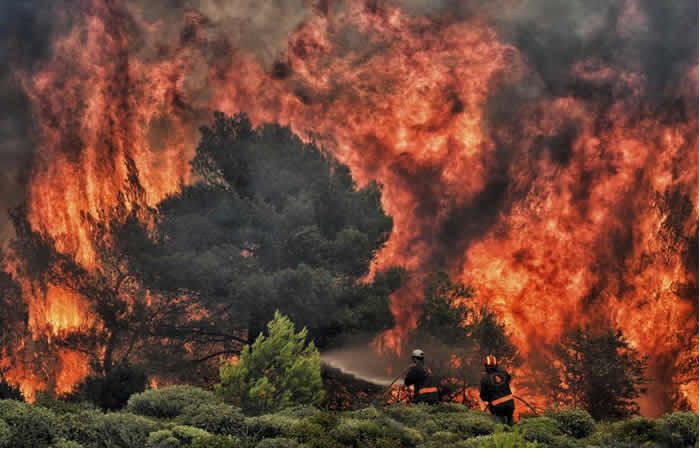
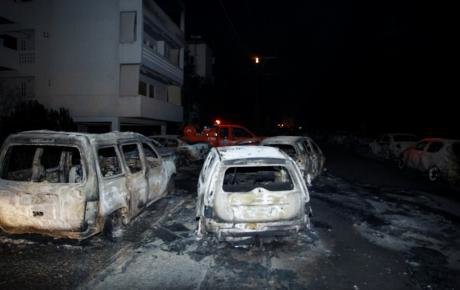
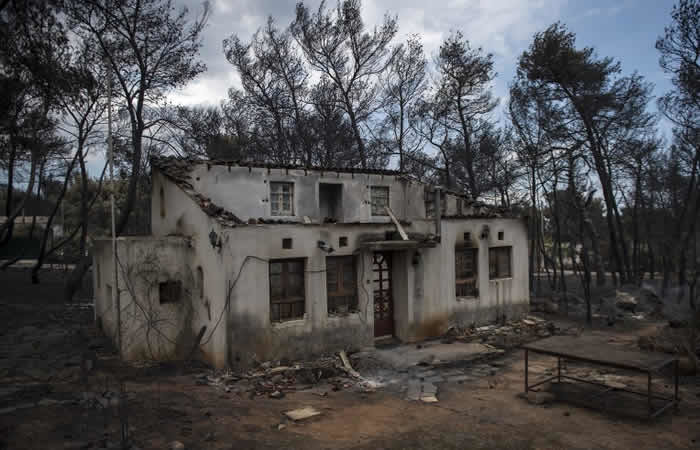
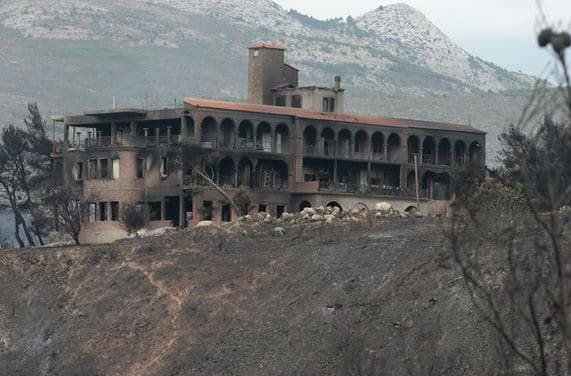
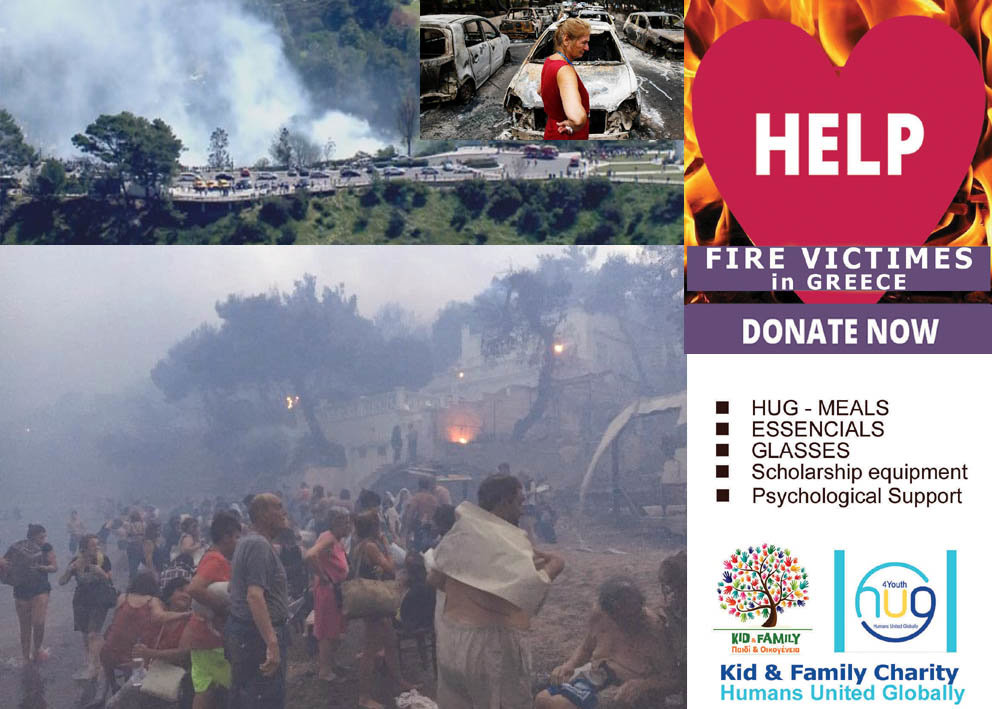
To support the rapid expansion of HUG Shelters for Earthquakes & Fire Victims, before the summer heatwave and potential major earthquakes strike.
We invite all stakeholders to contribute funding, expertise, or equipment to this initiative.
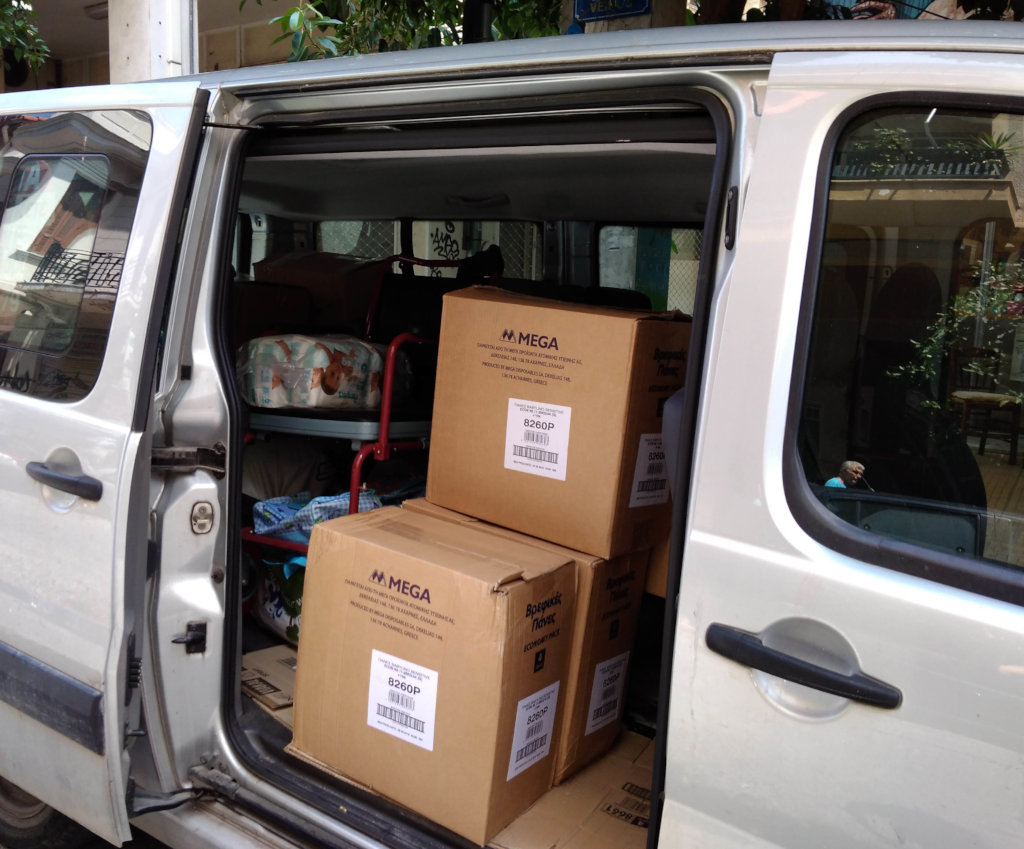
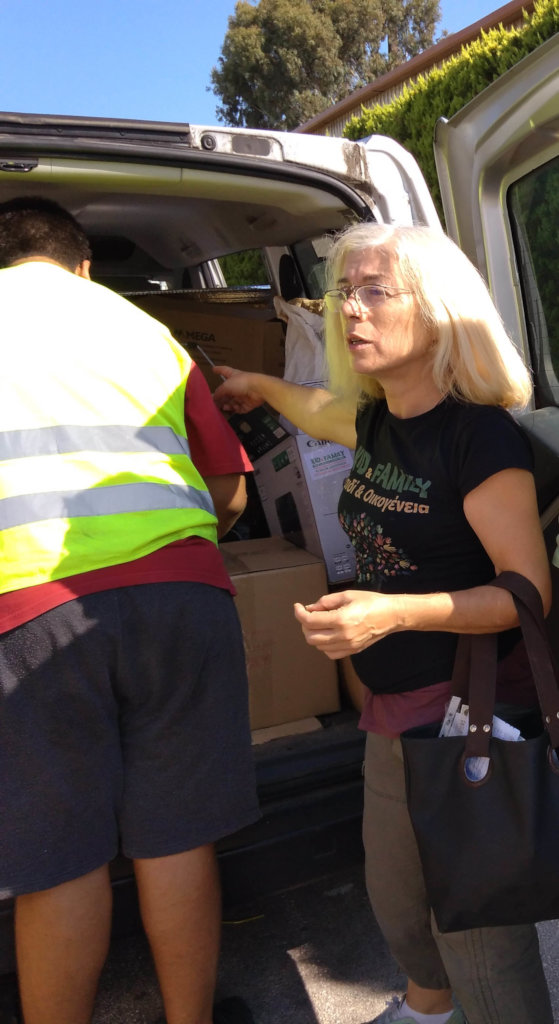
Already our HUG POINT Mavromateon 11 Athens 10682 supports 1.258 Kids and Adults that experience serious trauma effects due to the MULTIPLE earthquakes we do experience, non stop since February 2025, when they ve started at first.
Poverty has severely affected the middle class, impacting over 60% of it, making any form of financial support for Greeks living in the country entirely unfeasible."
For a more formal or report-style version:
"Poverty has struck the middle class to such an extent—affecting more than 60%—that providing economic assistance to Greek residents has become entirely unfeasible."
Let me know the context you're aiming for (e.g., article, speech, funding proposal) and I can tailor it accordingly.
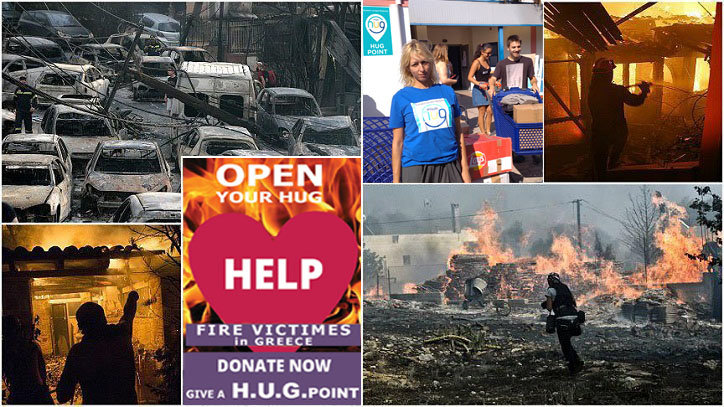
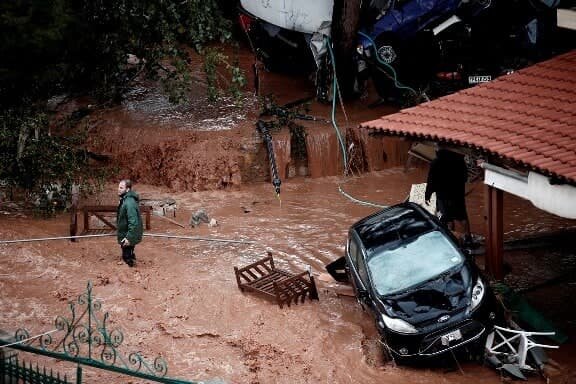
Dear Friends, Please help us spread the word among your friends, colleagues, and family about the urgent need for financial support, so that we can IMMEDIATELY activate a larger HUG Point to support tourists, locals, and refugees affected by the severe weather-related disasters in Greece.
Get involved
Stay by our site
Warm regards,
________________ H.U.G. INSTRUCTIONS for your travels / at any country, for NATURAL DISASTERS
________________ H.U.G. Points GREECE
EARTHQUAKES – SAFETY INSTRUCTIONSPREPARE YOURSELFInside the House
Securely fasten shelves and bookcases to the walls. Remove tall furniture blocking doors that may fall and obstruct exits.
Firmly attach water heaters and fuel or water tanks to walls.
Place heavy objects on lower shelves.
Remove heavy items from above beds and sofas.
Securely fasten lighting fixtures and ceiling fans.
Identify safe spots in every room, such as:
Under sturdy desks or tables.
Away from glass surfaces and bookcases.
Away from exterior walls.
Check the proper function of the electricity and natural gas supply network.
Inform family members how to turn off main switches for electricity, water, and natural gas, and share emergency phone numbers (112, 199, 166, 100, etc.).
Have a portable radio with batteries, a flashlight, and a first aid kit ready.
Outside the House
Choose a safe meeting place after the earthquake that is:
Away from buildings and trees.
Away from telephone and electrical wires.
DURING THE EARTHQUAKEIf You Are Inside the House
Stay calm.
Take cover under a sturdy piece of furniture (table, desk), kneel, and hold onto its leg.
If there is no sturdy furniture, kneel in the middle of the room, lower your height as much as possible, and protect your head and neck with your hands. Stay away from large glass windows, glass partitions, furniture, or objects that might cause injury.
Do not try to leave the house.
Do not go out onto balconies.
If You Are in a High-Rise Building
Move away from windows and exterior walls.
If You Are in a Public Place (theater, mall, or large store)
Stay calm.
Remain inside until shaking stops.
Do not follow panicked crowds rushing to exits, as you risk being trampled.
If You Are Outdoors
Move away from buildings, telephone, or electrical wires.
If you carry a bag or briefcase, use it to protect your head.
If You Are Inside a Vehicle
Safely stop the vehicle in an open space without blocking traffic.
Avoid tunnels, bridges, or overpasses.
AFTER THE EARTHQUAKEIf You Are Inside the House
Prepare for possible aftershocks.
Carefully check yourself and others for injuries.
Do not move severely injured persons.
Evacuate the building via stairs (do not use elevators), after turning off electricity, gas, and water switches.
Move to a safe open area.
Follow official instructions and ignore rumors.
Avoid using your car unnecessarily to not obstruct rescue teams.
Use landline or mobile phones only in emergencies to avoid overloading networks.
Do not re-enter your home if you notice damage, cut cables, or gas leaks.
HOW TO REACT TO A POSSIBLE TSUNAMIIf You Are in a Low-Lying Coastal Area
Although not all earthquakes cause tsunamis, stay alert.
Watch for significant water level changes (rise or fall), which are natural warnings.
Move away from the sea towards inland areas of higher elevation.
A small tsunami at one point of the coast can become a large tsunami kilometers away.
Stay away from the shore. Tsunamis come in a series of waves; return only after official confirmation that it is safe.
Do not approach the shore to watch an incoming tsunami. By the time you see it, it may be too late to escape.
Links:
Project reports on GlobalGiving are posted directly to globalgiving.org by Project Leaders as they are completed, generally every 3-4 months. To protect the integrity of these documents, GlobalGiving does not alter them; therefore you may find some language or formatting issues.
If you donate to this project or have donated to this project, you can receive an email when this project posts a report. You can also subscribe for reports without donating.



Support this important cause by creating a personalized fundraising page.
Start a Fundraiser