By Betty Gisore | Grants and Administrative Assistant
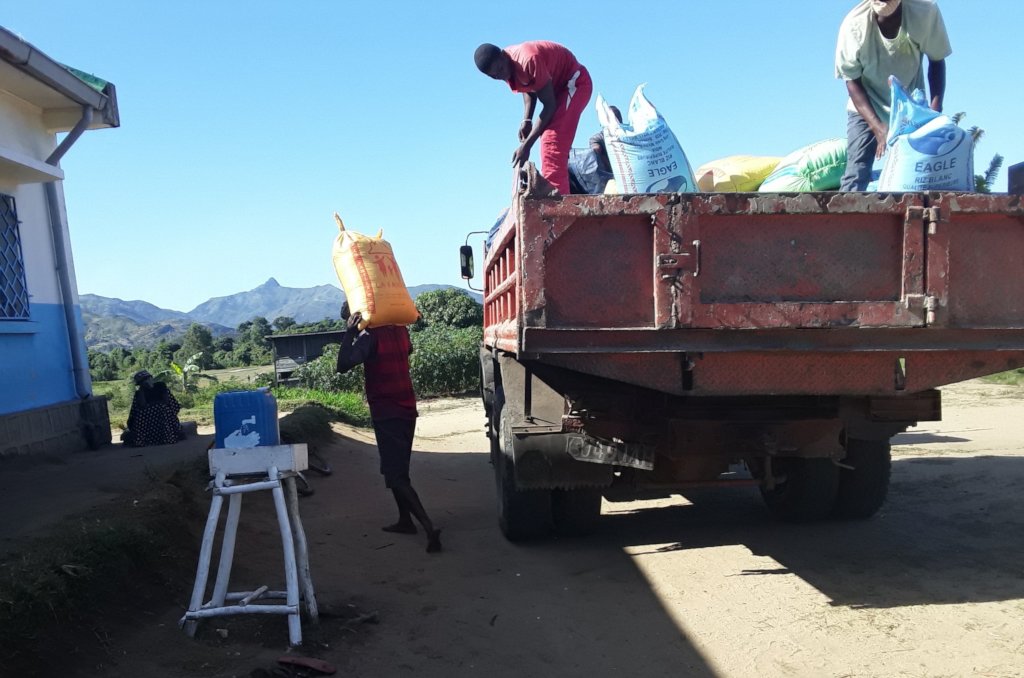
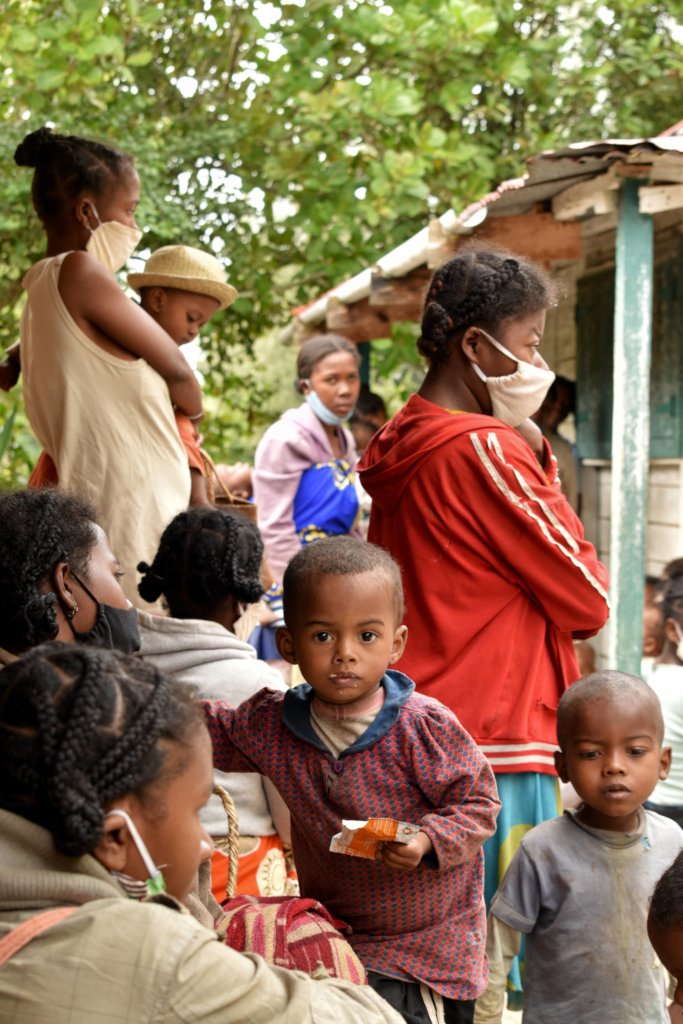
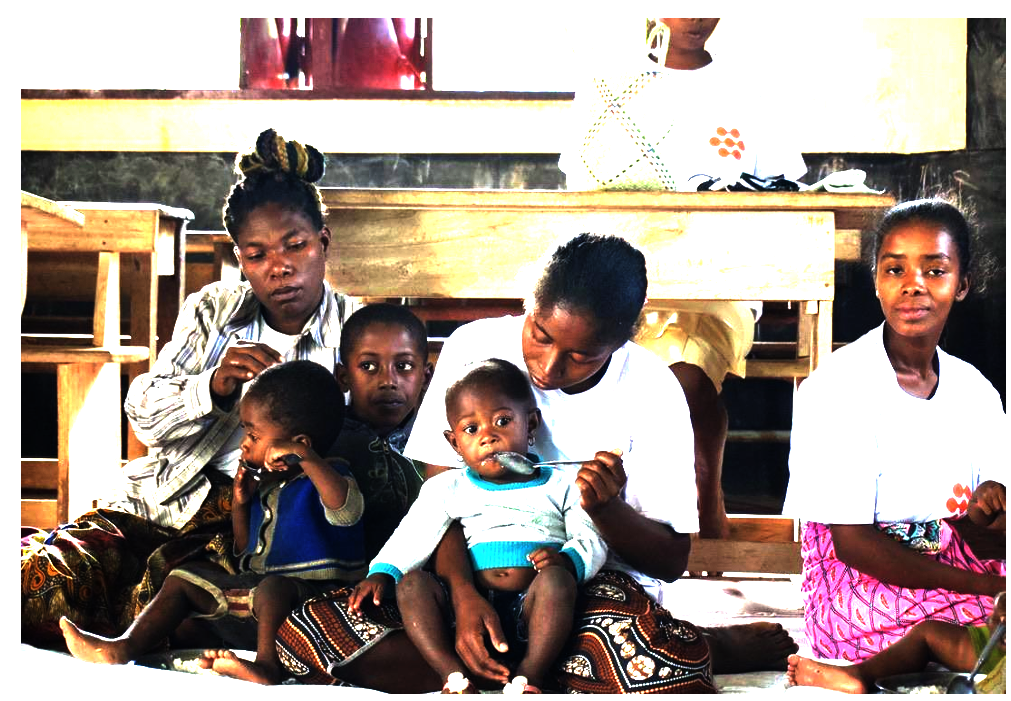
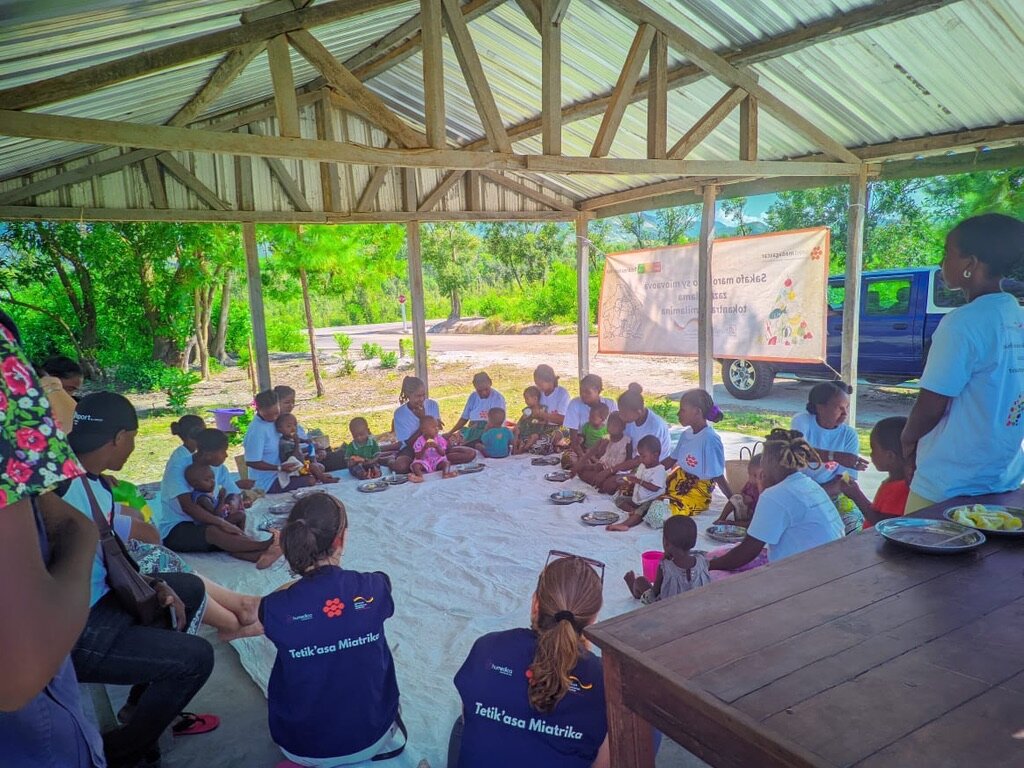
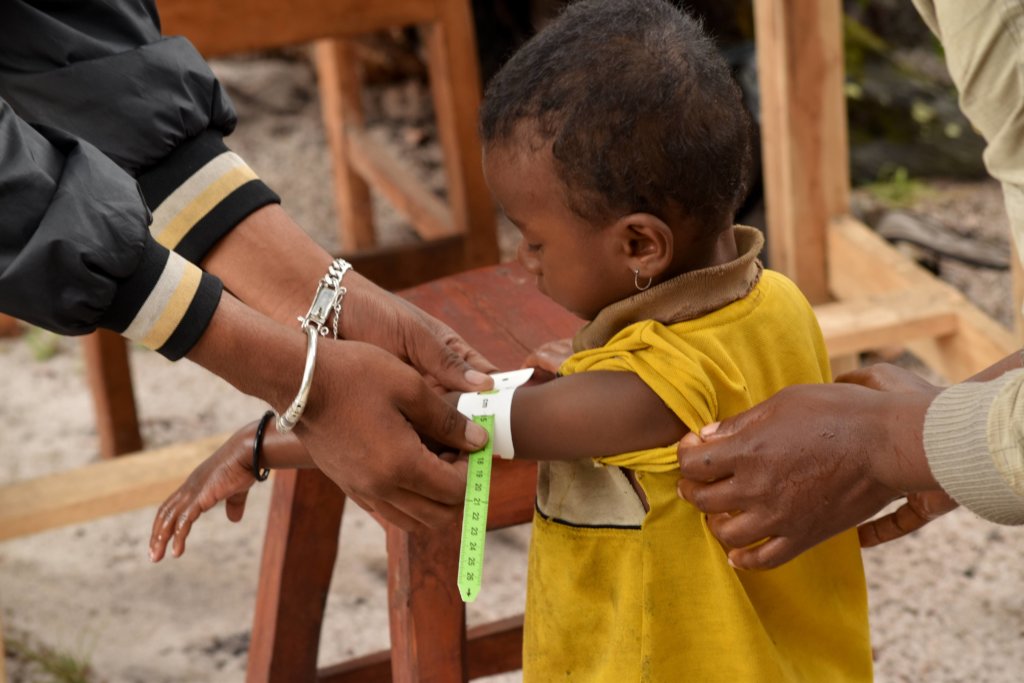
From October 2023, a total of 7,899 children have been treated for Moderate Acute Malnutrition (MAM) with Ready-to-Use Supplementary Food (RUSF) over the course of eight treatment cycles, screening an average of 24,644 children per round. As a result of rigorous follow-up and evidence-based programming, the project has achieved an overall recovery rate of 95.8%, with a peak recovery rate of 98.8% during the most recent distribution round.
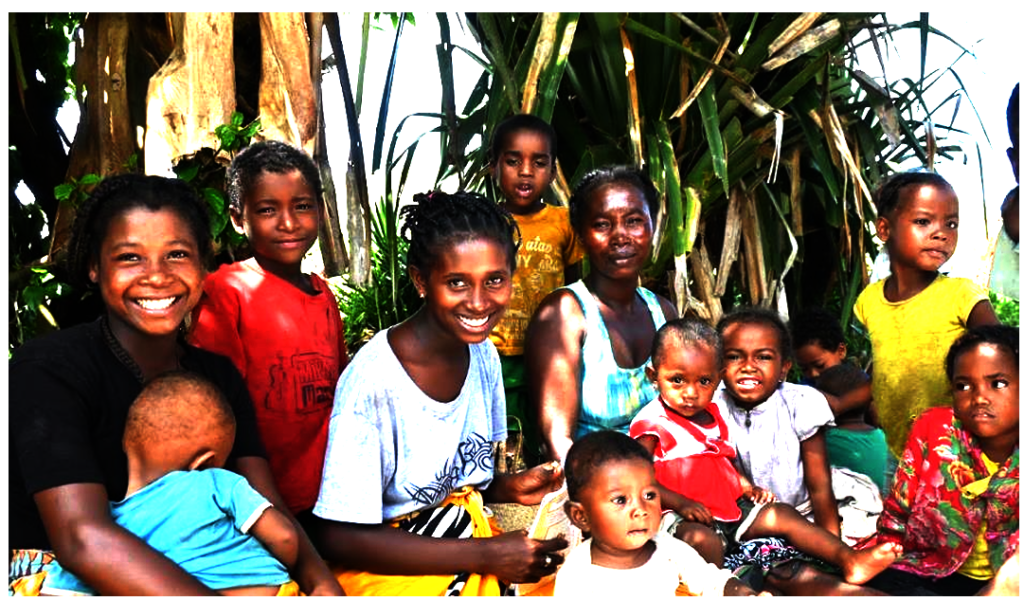
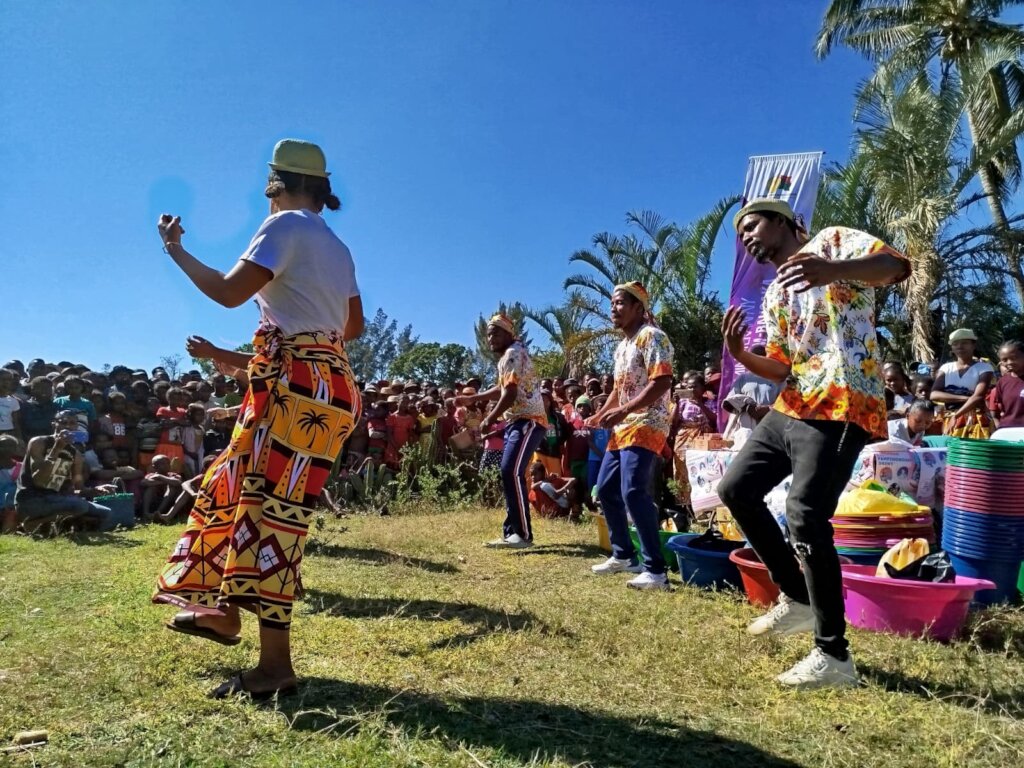
In addition, a total of 151 children have recovered through the implementation of community led Positive Deviance (PD) pilots, an approach that identifies and scales existing successful practices within communities. 22,391 caregivers have been reached through social behaviour change (SBC) sessions to strengthen household-level nutrition, health, and hygiene practices, 33,664 family members received protective food rations to support household food security, and 19 children with Severe Acute Malnutrition (SAM) and medical complications were supported to access life-saving specialist care along with their families.
These results reflect more than statistics; they represent life-saving support for a generation of children in the Anosy region who would otherwise face irreversible harm from acute malnutrition. Left untreated, acute malnutrition can leave permanent consequences: stunted growth, impaired cognitive development, and long-term vulnerability to disease
These recovery rates show that timely, well-resourced intervention can break this cycle before that damage occurs. Continued support, however, remains critical. The latest FEWS NET 2026 analysis projects a deterioration in food security across southern Madagascar from October 2026 as household food stocks are expected to be depleted earlier than usual and the anticipated El Niño event delays the onset of the rainy season, with 1.5–2.0 million people expected to require humanitarian food assistance between June 2026 and January 2027.
For the remainder of 2026, SEED will continue its holistic, community-driven approach to addressing malnutrition in close collaboration with Health clinic staff (CSBs), Community Health worker (Acs), the Ministry of Health (MoH), and community members. Building on community feedback and lessons learned, the upcoming activities will be refined to enhance effectiveness and respond to the evolving needs of participants during the final six months of the project.
To meet immediate nutritional needs, SEED will continue the treatment of 1,311 children with MAM during the project’s eighth round of distribution, targeting a minimum recovery rate of 90% among treated children. In areas with exceptionally high rates of MAM and SAM, 984 families will receive food parcels containing rice, beans, and oil. In parallel, SEED will also provide a second round of deworming tablets to 6,825 children aged 12-59 months in November 2026. To support long-term behaviour change, SEED will continue to support ACs in the delivery of SBC sessions, focusing on nutrition, health, and WASH practices. This support will include an additional refresher training to strengthen the knowledge and facilitation capacity of newer ACs.
Thank you so much for your continued support
By Betty Gisore | Grants and Administrative Assistant
By Betty Gisore | Grants and Administrative Assistant
Project reports on GlobalGiving are posted directly to globalgiving.org by Project Leaders as they are completed, generally every 3-4 months. To protect the integrity of these documents, GlobalGiving does not alter them; therefore you may find some language or formatting issues.
If you donate to this project or have donated to this project, you can receive an email when this project posts a report. You can also subscribe for reports without donating.



Support this important cause by creating a personalized fundraising page.
Start a Fundraiser