By M. Shifan Mohamed | Executive Director
Family Wellbeing Centre (FWC) Progress Report
May – July 2026
Family Wellbeing Centre (FWC) continued its commitment to strengthening family wellbeing, youth empowerment, and community resilience through Social and Behaviour Change (SBC) approaches during May–July 2026.
On 25 July 2026, FWC launched the Foundation Course in Family Psychology and Counselling alongside the Advocating Young People through SBC Programme for 12 selected Community Champions in Kahatagasdigiliya. This four-month initiative aims to enhance participants’ counselling knowledge, leadership skills, and advocacy capacity, enabling them to serve as peer educators and community role models promoting positive behaviour change.
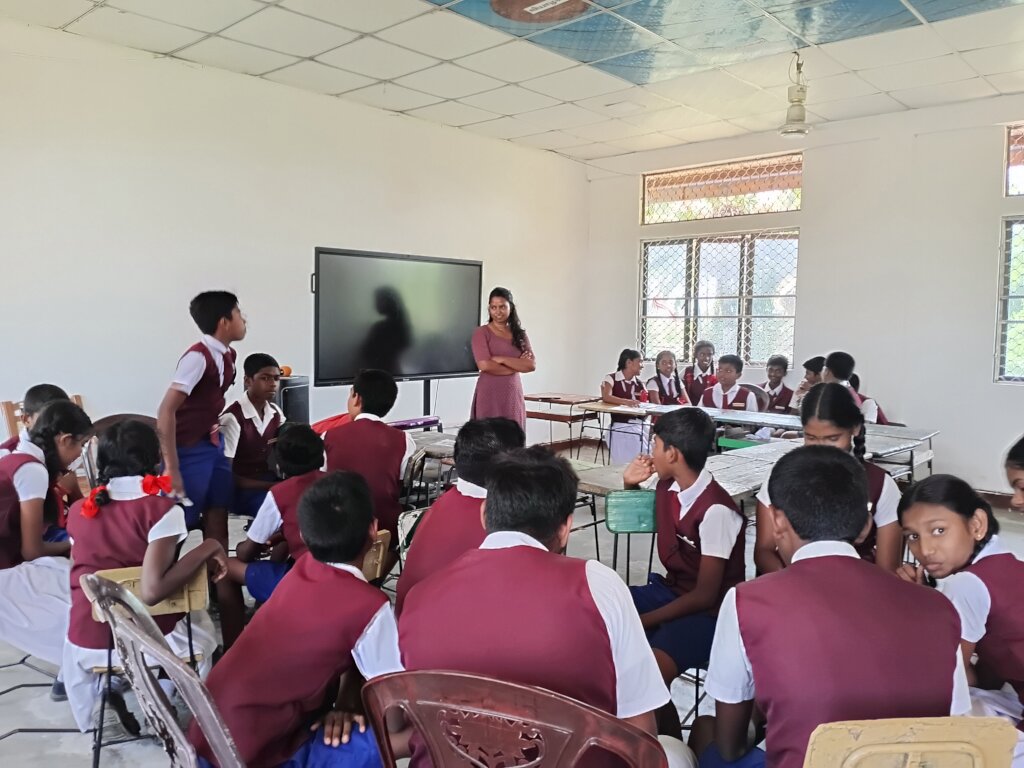
FWC also facilitated an International Volunteer Programme at T/Mu/Sacred Heart Vidyalayam, Pachchanur, Muthur, where international volunteer Miss Nina Ridzonova from Slovakia supported teachers by introducing engaging learning activities focused on English communication, life skills, psychosocial wellbeing, and cultural exchange. The programme contributed to improving students’ confidence, creativity, and global awareness.
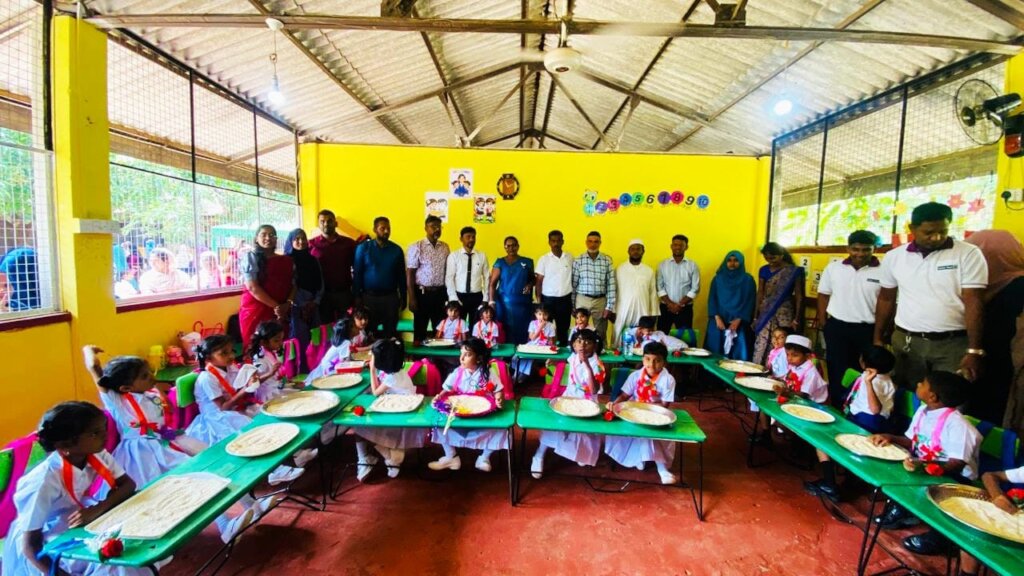
Through The Story Kitchen initiative, FWC conducted 13 nutrition and food security storytelling circles, creating opportunities for families to share traditional recipes, local nutrition knowledge, and community experiences. The Kola Kenda activity highlighted the value of traditional nutritious foods and was shared as a community story through GlobalGiving.
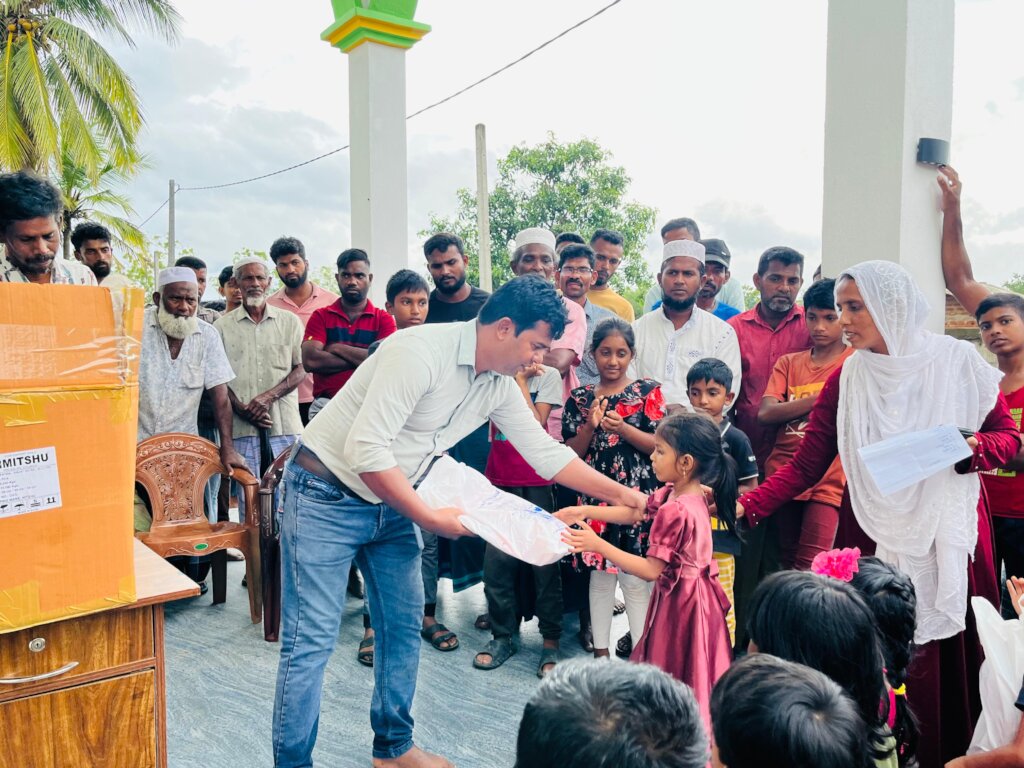
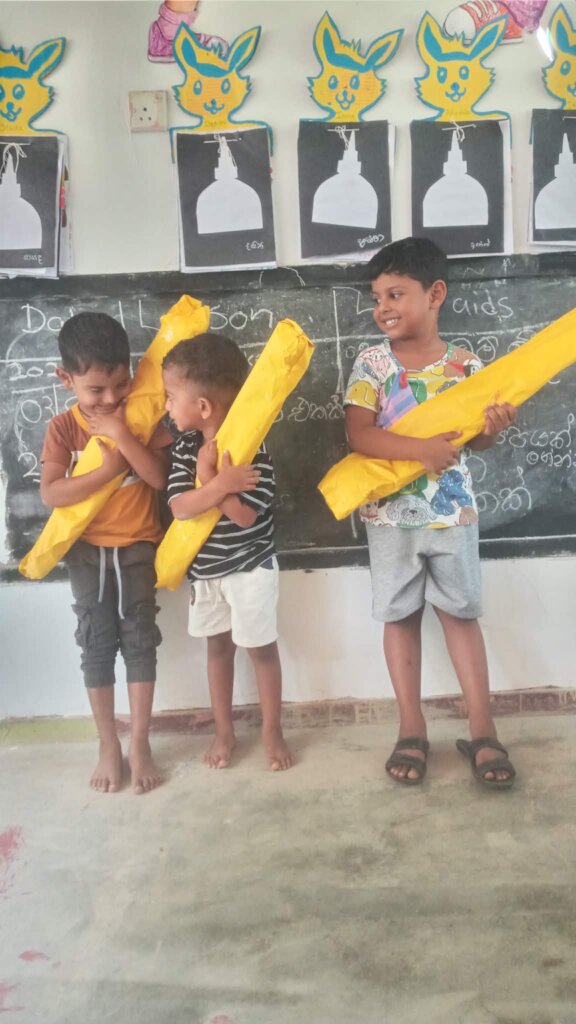
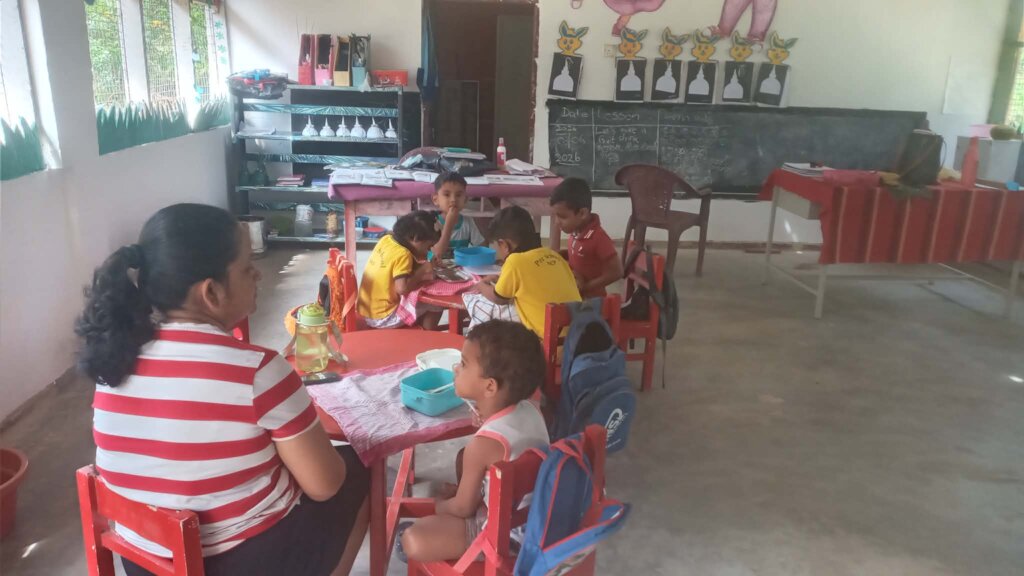
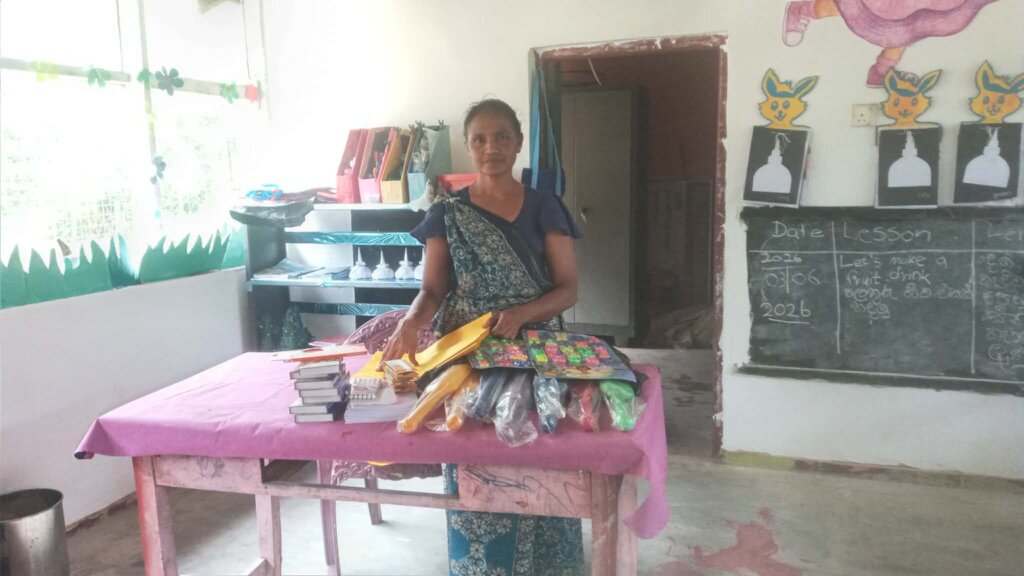
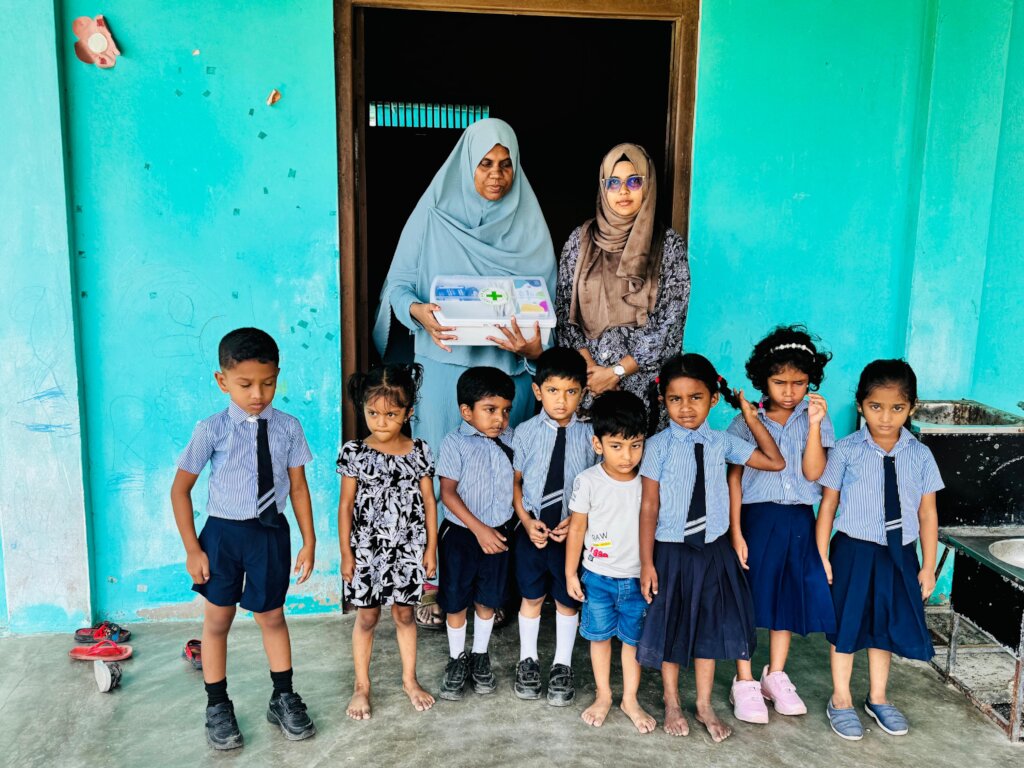
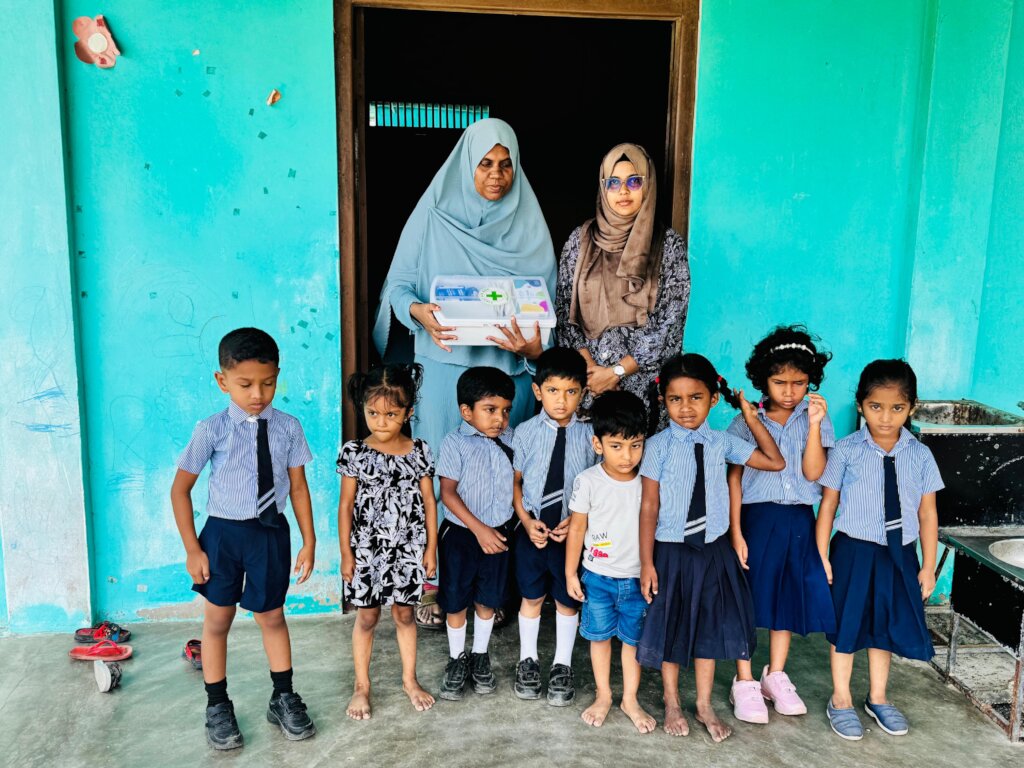
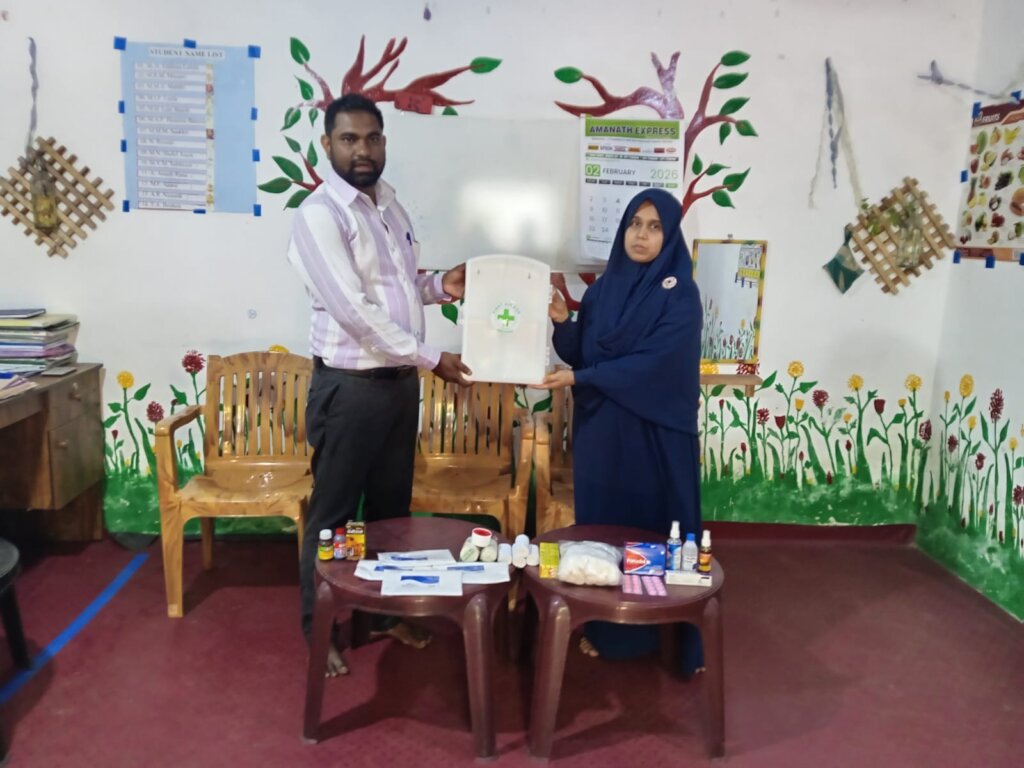
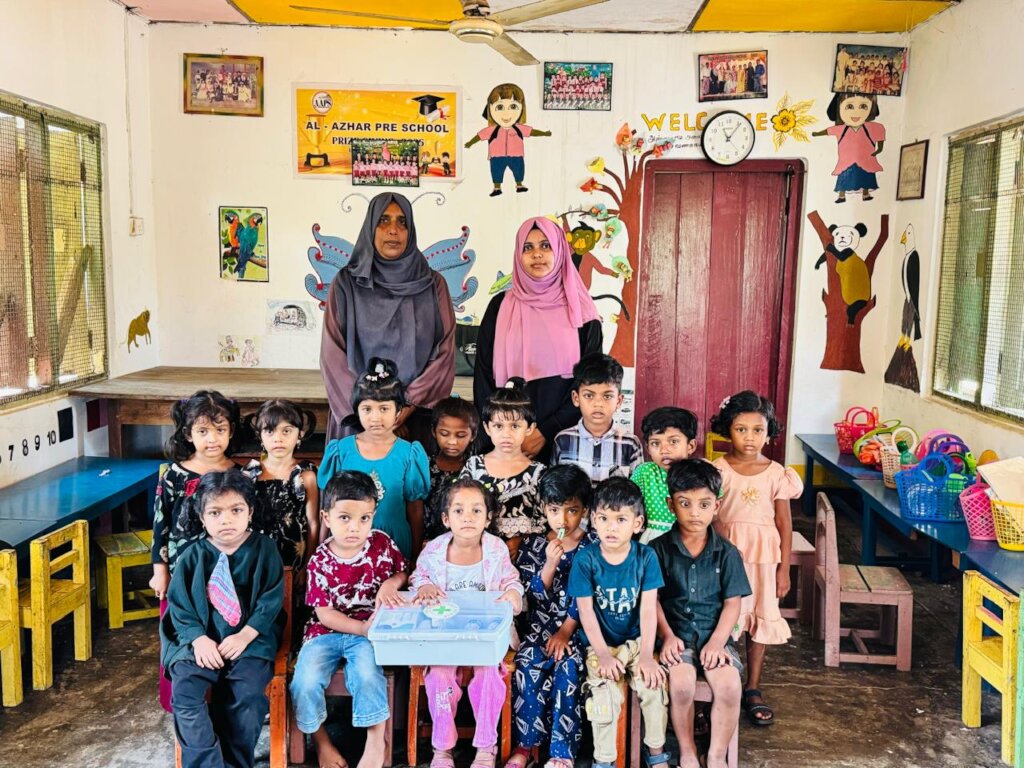
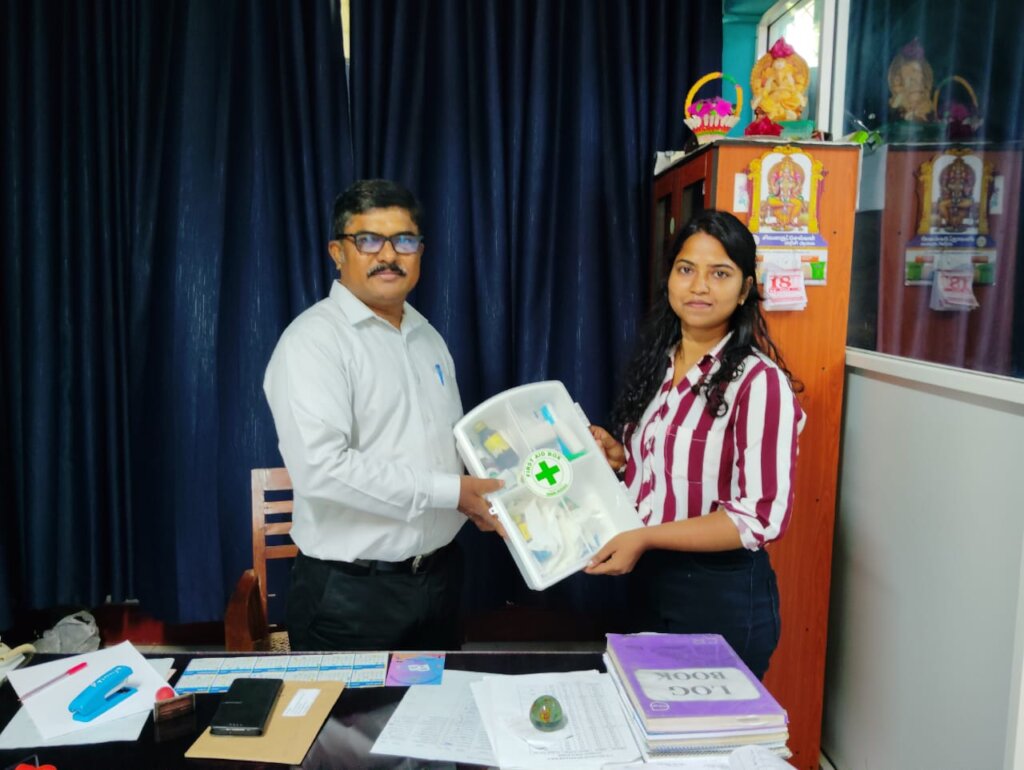
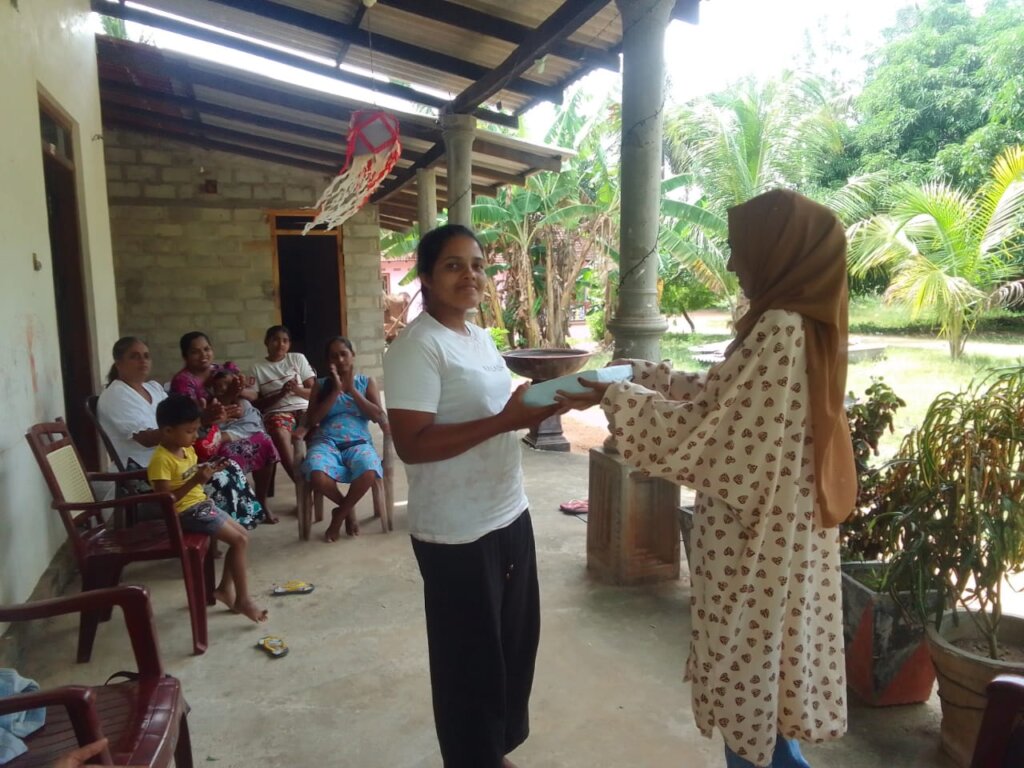
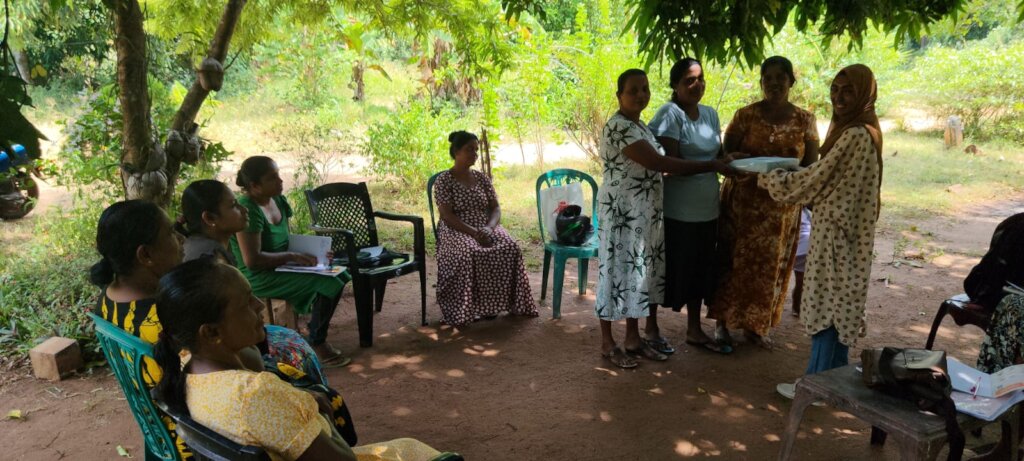
FWC further strengthened women-led community initiatives by providing stationery packs to Women’s Self-Care Groups and supported education continuity by distributing school packs, including books, stationery, uniforms, and bags, to 10 affected students.
By Shifan Mohamed | Executive Director
Project reports on GlobalGiving are posted directly to globalgiving.org by Project Leaders as they are completed, generally every 3-4 months. To protect the integrity of these documents, GlobalGiving does not alter them; therefore you may find some language or formatting issues.
If you donate to this project or have donated to this project, you can receive an email when this project posts a report. You can also subscribe for reports without donating.



Support this important cause by creating a personalized fundraising page.
Start a Fundraiser