By Namutebi Shirat | Social Worker
Physiotherapy is the treatment of injury, disease and disorders through physical methods — such as exercise, massage, manipulation and other treatments — over medication and surgery. Many people may believe that physiotherapists mainly work with back and sports-related injuries, but that's not always the case. Pediatric physiotherapists help children to achieve their optimal physical development. They have specialist knowledge in the movement, development and conditions that are likely to affect the baby and growing child and treat from 1-day-old babies to adolescents.
There are many familiar childhood disorders and diseases that present with movement dysfunction and motor skill issues that can be treated by physical therapy. These include Cerebral Palsy, Autism, Down Syndrome, Cardio-Pulmonary Disorders, Cystic Fibrosis, Cancer, and Traumatic Brain Injury. In addition, many children present with hypotonia and developmental coordination disorder without a formal diagnosis. Orthopedic conditions that can also be treated with PT include scoliosis, back pain, sports injuries, fractures, and orthopedic surgeries. Pediatric physical therapists are specifically trained to improve the lives and daily function of children who suffer from a wide range of injuries and congenital conditions. The role of a pediatric therapist is to work with the child and their family to assist each child to reach their maximum potential to function independently and to promote active participation at home, in school, and in the community. Pediatric patients range from infants in the Neonatal Intensive Care Unit to teenage competitive athletes, specifically 0 to 18 years of age, and young adults with childhood disorders. As a child begins to successfully develop these skills, it creates a greater form of independence that helps contribute to achieving a higher sense of self-esteem. Though physiotherapy for children provides a safer form of development and strengthening, it is also capable of being an essential preventative measure.
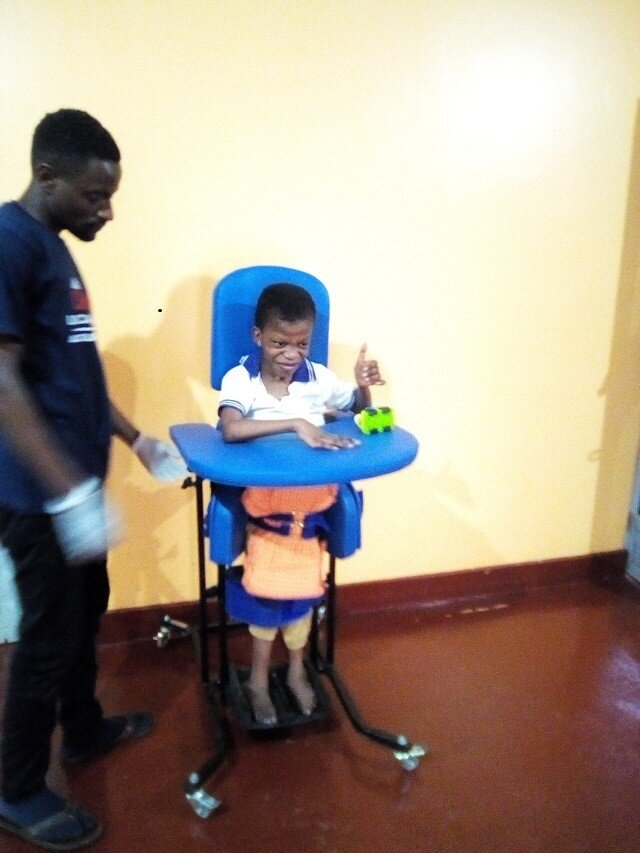
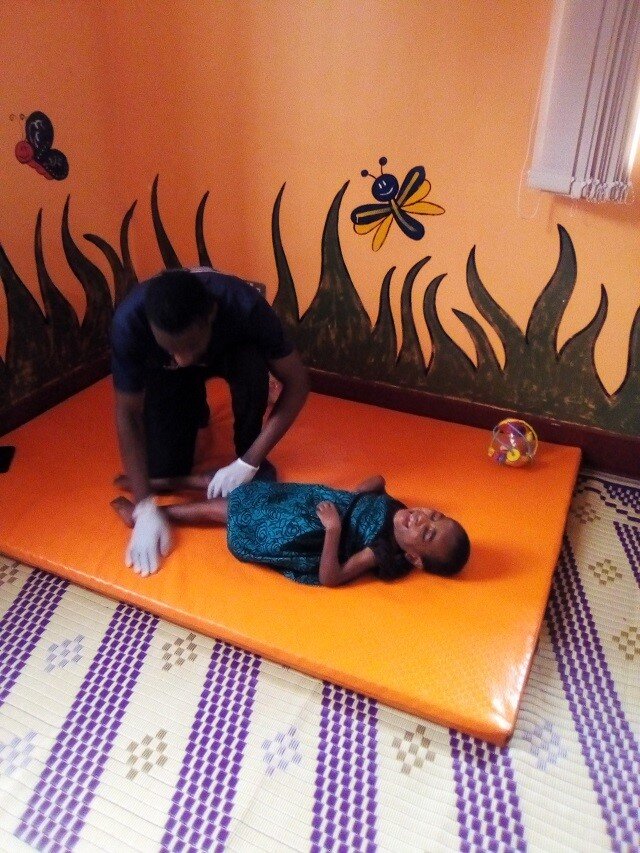
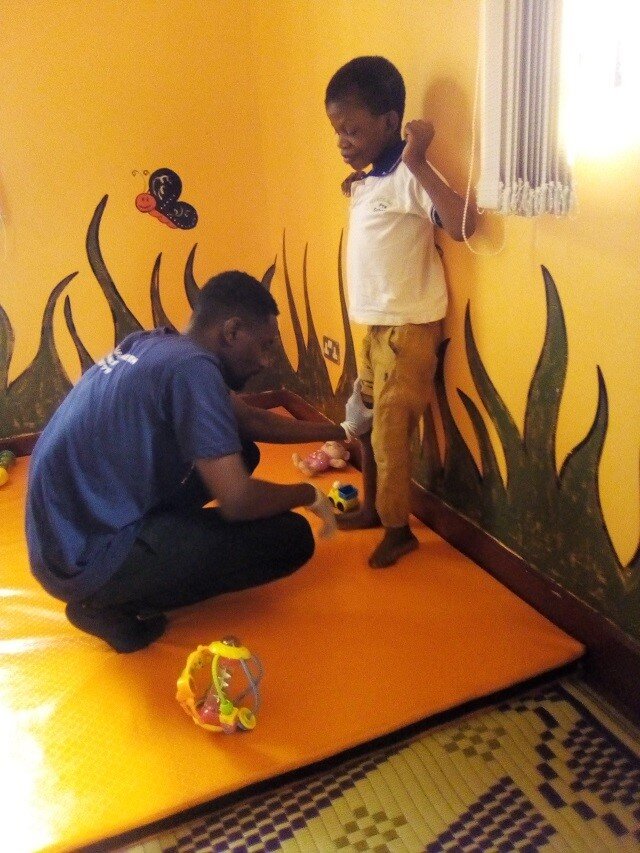
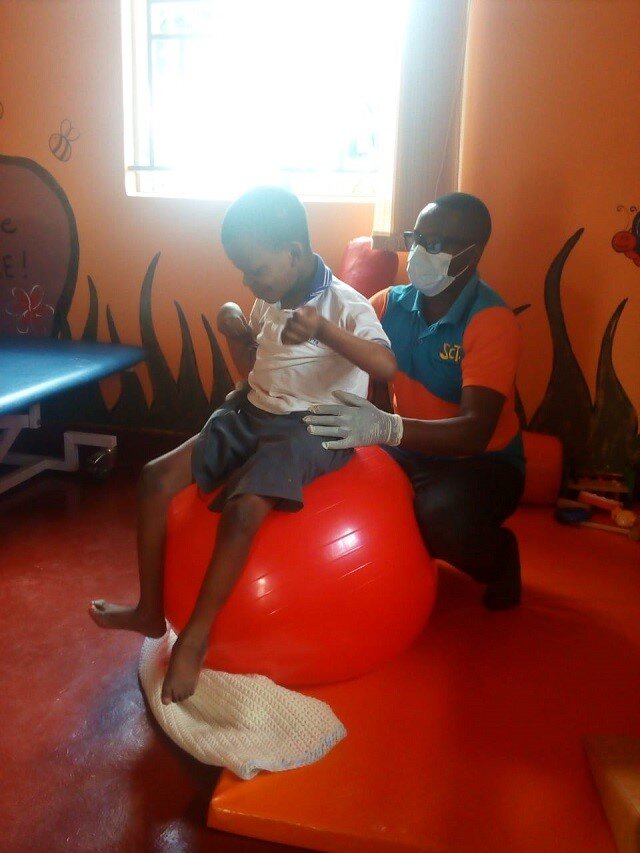
At Another Hope Children’s Ministries (AHCM) we have some children with hypotonia and developmental coordination disorder, and we decided to partner with Berakha Medical Centre in Ksengejje- Wakiso District, that offers physiotherapy exercises to such children. We had to ensure that our dear Timothy and Margaret get such a very crucial therapy in order to have some mobility with their body. The physiotherapy is offered to them every Wednesday of the week. But further still, even while at home, they are massaged by their fellow children following the therapist advice to help their muscles not to retard.
Before these therapies, Beneficiaries A and B were very stiff that moving their body parts especially the legs would hurt a lot that even when carrying them to change a sleeping position, they would cry. This required the person carrying them to be extra careful. The situation was so hard on them that it could be witnessed in their silent weeping’s and groanings. This perturbed the management of Another Hope Children’s Ministries a lot that prompted it to look for a medical Centre that could help these two precious Angels and luckily enough, one was got where we registered as members. We are so grateful to our dear sponsors who generously fund these therapies because we have witnessed a Range in Motion that some of their joints can bend or straighten, there’s Strength against gravity, Balance / ability to maintain balance (tilting and righting responses) and to keep oneself from falling (protective responses) and in Posture alignment of the body in various position
In conclusion, the support AHCM gets from different donors and funders has greatly helped our two Angels to have physiotherapy sessions even this tight Covid tough times. Thanks so much our sponsors and funders
Links:
Project reports on GlobalGiving are posted directly to globalgiving.org by Project Leaders as they are completed, generally every 3-4 months. To protect the integrity of these documents, GlobalGiving does not alter them; therefore you may find some language or formatting issues.
If you donate to this project or have donated to this project, you can receive an email when this project posts a report. You can also subscribe for reports without donating.