By Sandy Coburn | Manager, Integrated Fund Development
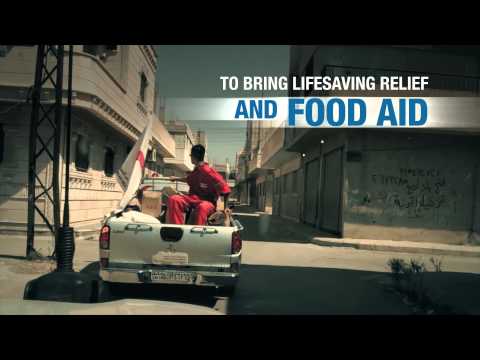
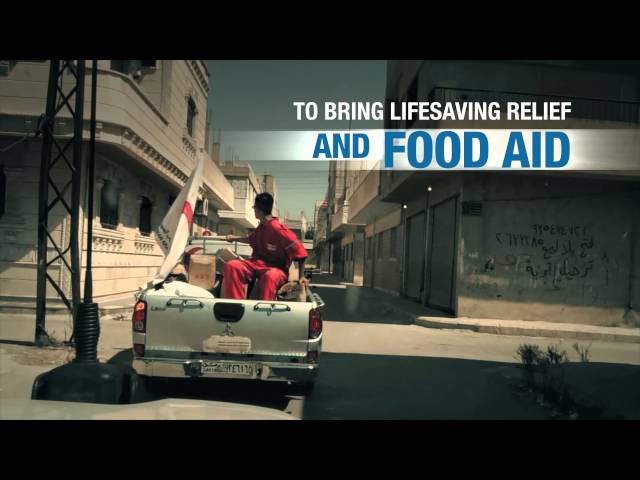
THE SYRIA RESPONSE is WFP’s largest and most complex emergency worldwide. In the past two years, ongoing
violence there has forced nearly 5 million people to flee their homes, creating a growing humanitarian crisis. But WFP has been on the ground since the crisis began.
Last month alone, WFP dispatched enough food to feed more than 3.4 million people affected by the violence, including eight communities in rural Homs and Deraa that had been previously inaccessible. In addition to staples like wheat flour, bulgur, lentils and canned goods, WFP also distributes specialized nutrition products—known as Plumpy’doz and Nutributter— to nearly 100,000 young children in Syria each month. In Jordan, more than 400,000 portions of flat bread are distributed daily in the Zaatari refugee camp.
Where food is available but unaffordable, WFP has so far provided more than $100 million in vouchers to refugees in Lebanon and Jordan that can be redeemed in markets, which in turn boosts the local economies. In Lebanon, WFP is currently rolling out an innovative electronic voucher system— made possible with technical support from MasterCard— that is expected to reach up to 800,000 people by the end of the year. By moving from paper vouchers to e-vouchers, WFP can reach more people more effectively.
At any given moment, there are approximately 5,000 trucks, 50 planes and 30 ships delivering WFP food assistance across the planet.
Links:
Project reports on GlobalGiving are posted directly to globalgiving.org by Project Leaders as they are completed, generally every 3-4 months. To protect the integrity of these documents, GlobalGiving does not alter them; therefore you may find some language or formatting issues.
If you donate to this project or have donated to this project, you can receive an email when this project posts a report. You can also subscribe for reports without donating.