By Navonel Glick | Program Director
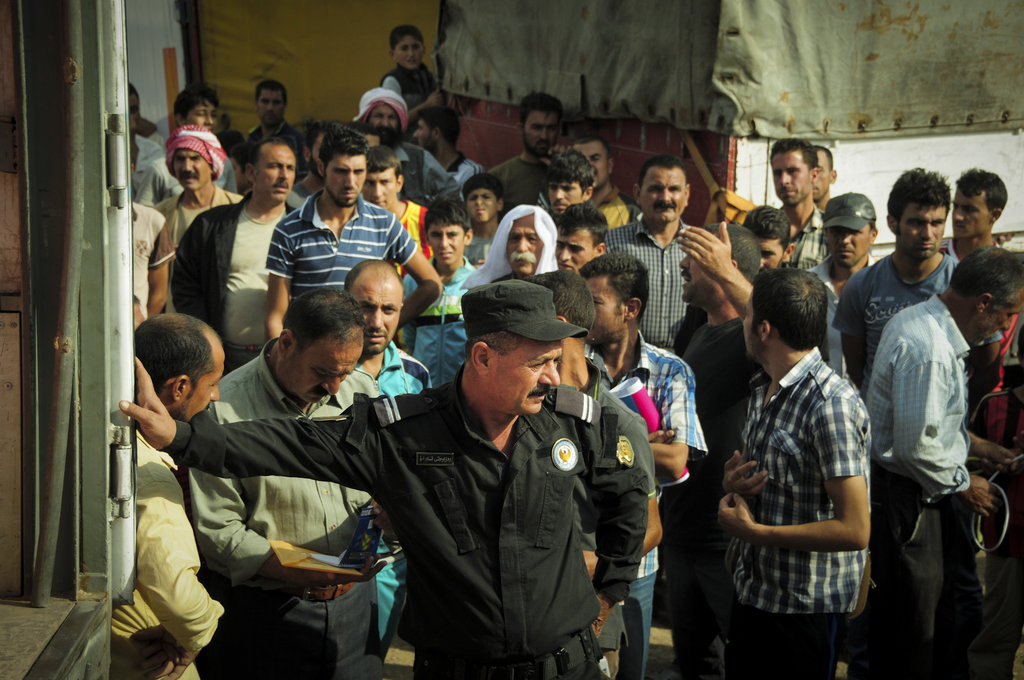
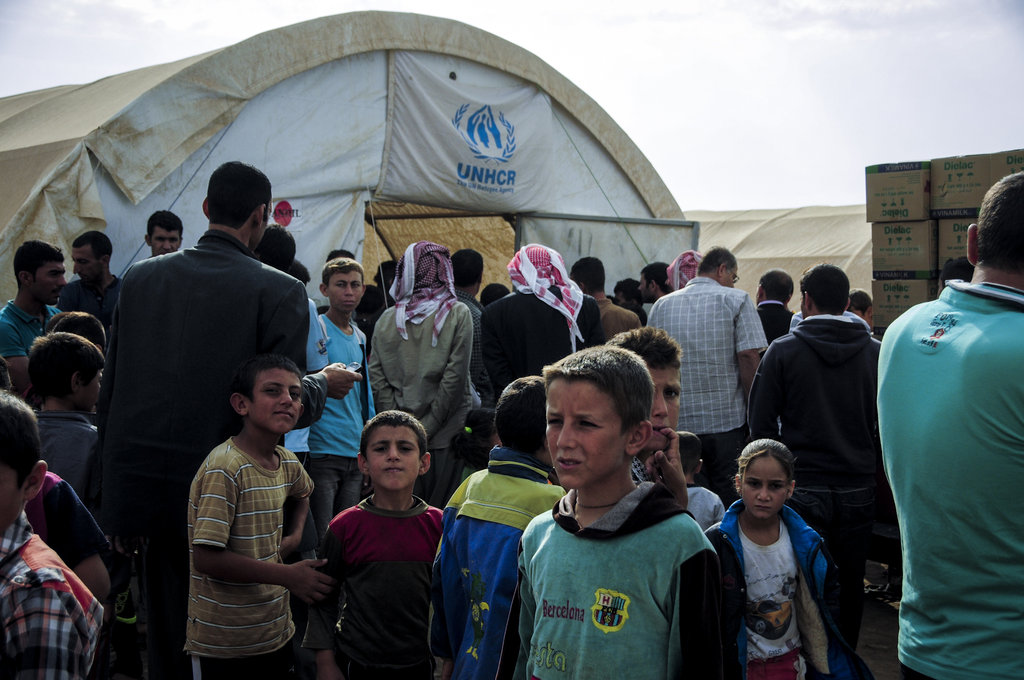
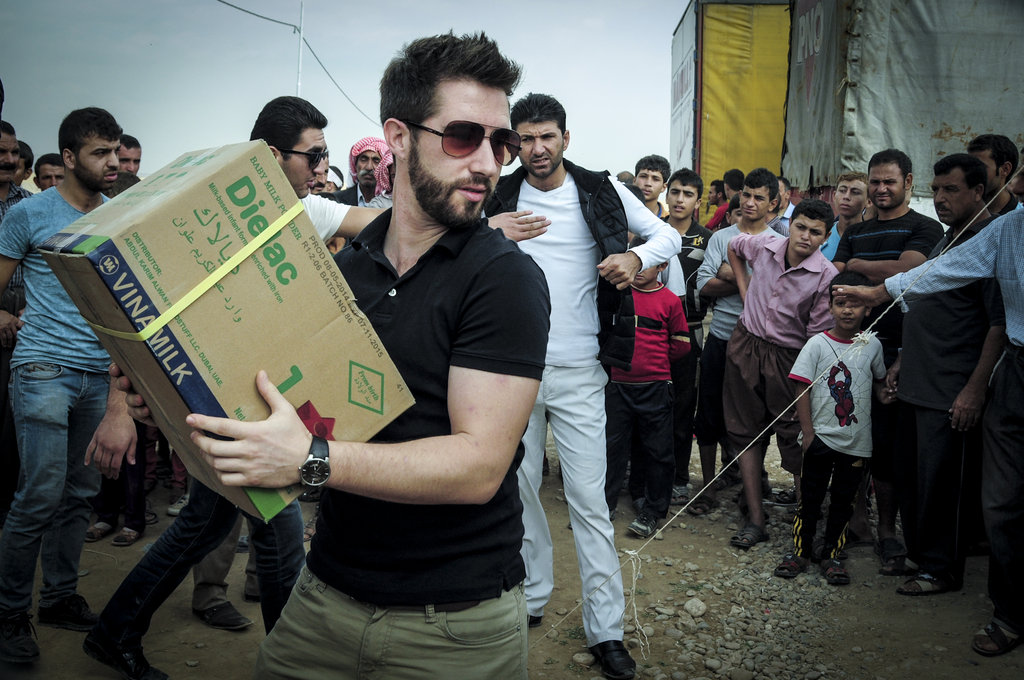
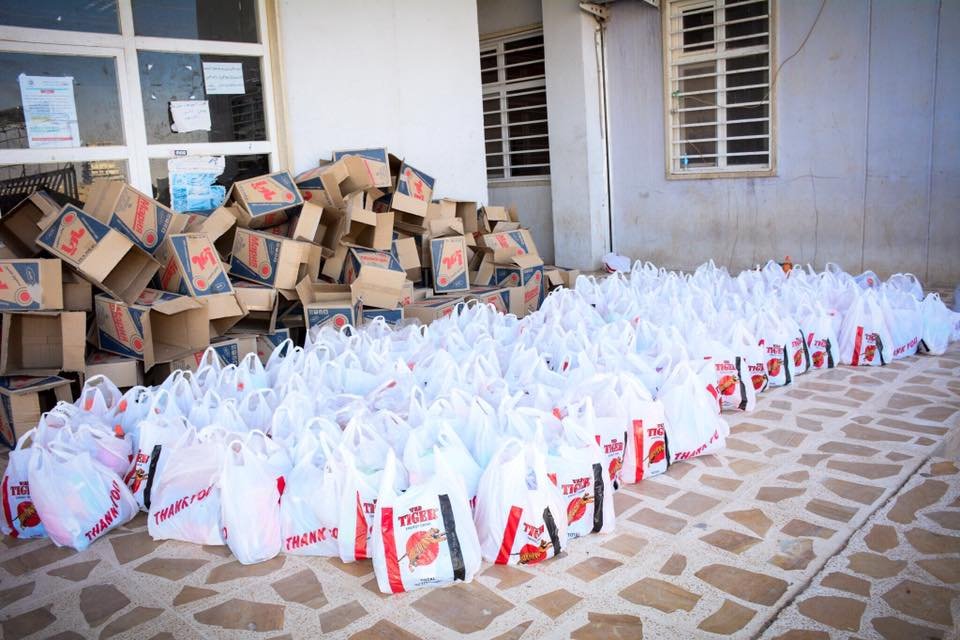
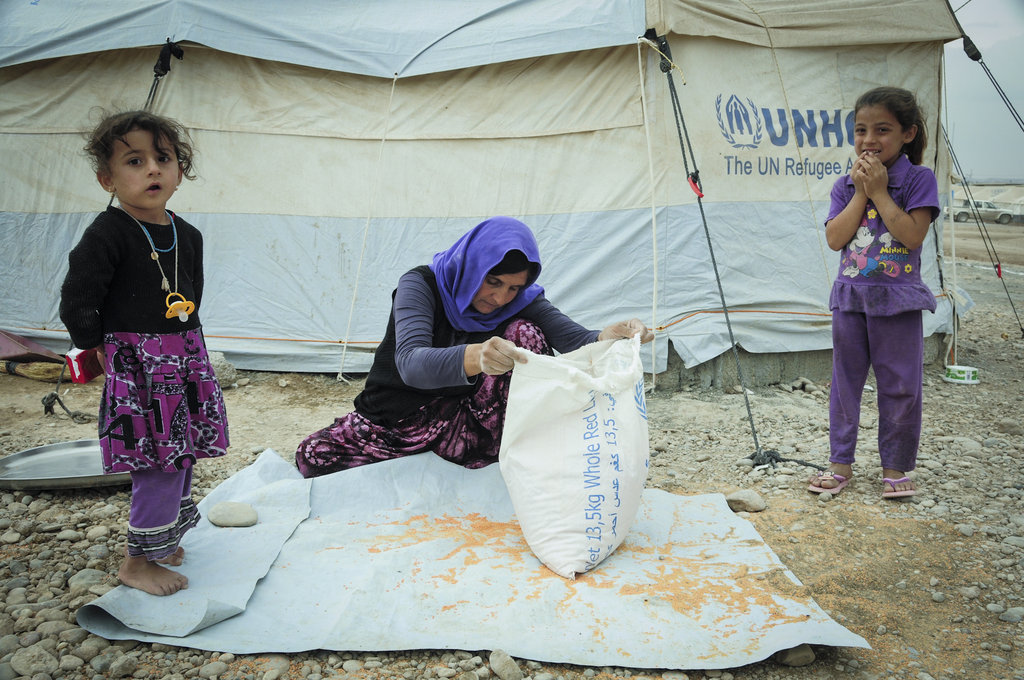
ERBIL, Iraq -- As the local news in the background continues to report on the plight of new Internally Displaced People (IDPs) fleeing atrocities at the hands of Daesh (ISIL), 860 Christians from Mosul gather in the little bits of shade to register and receive hygiene kits from IsraAID representatives.
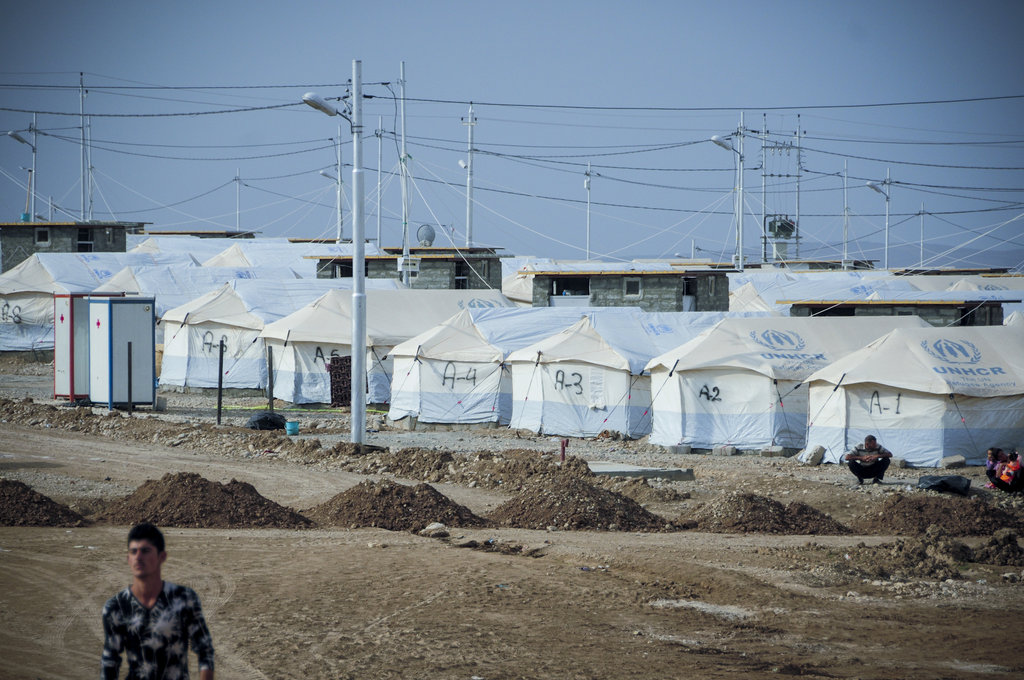
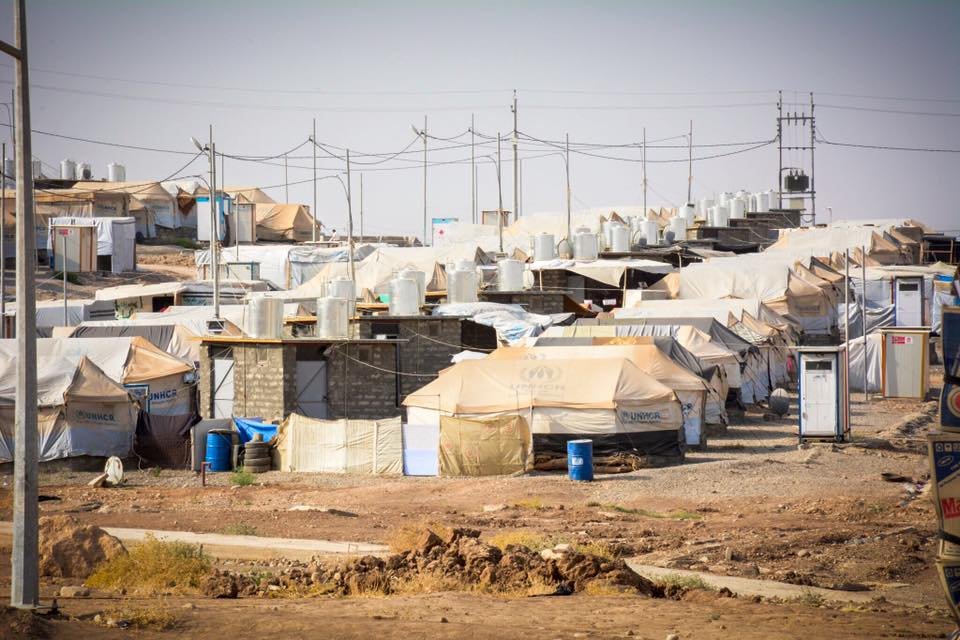
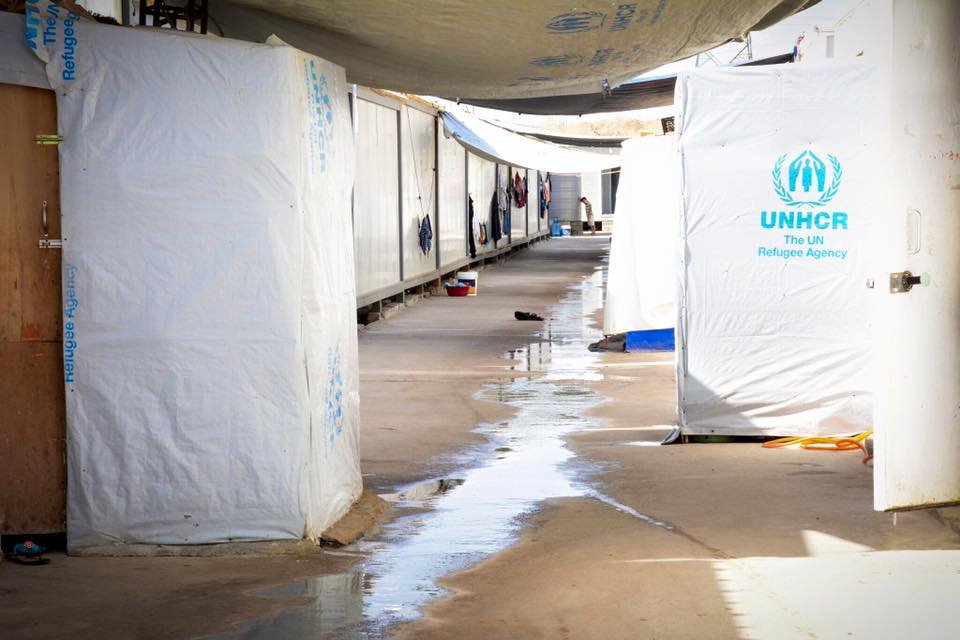
The last few days in Erbil have been both positive and sobering. A year ago, as the humanitarian crisis was growing rapidly, and the world's eyes were on the rise of Daesh, aid groups were aplenty and newly established IDP camps were buzzing with activity. Tents were being erected and rapidly replaced with semi-permanent shelters, sanitation facilities were being planned and constructed, and mobile clinics were a frequent sight.
Fast forward a year, and the noise of the camps has been reduced to a silent, limbo-like stagnation. The war rages on, with no end in sight, and donor fatigue from too many consecutive and ongoing global crises is painfully obvious to all.
During a visit to the UN, the situation is explained to us with a sad and ominous precision; a few months ago already, from an established population of 8.2 million Iraqis in dire need of humanitarian needs, the lack of funds prompted a scale back of all activities, and a new barebones strategy was drawn up to reach 5 million of the most desperate. Sadly, since then, only 20% of the funds for that plan bave been raised, and services continue to be cut, prompting an increasingly tragic and torturous reevaluation of the terms "priority" and "basic needs". 80% of health services have already been cut, and food rationing has begun. The government as well is suffering, and eater and electricity services are declining as the local economy bears the increasingly heavy double burden of trying to fight a war on multiple fronts and cater to the needs of millions displaced, impoverished, and traumatized by the violent onslaught of Daesh.
Amidst this backdrop, IsraAID has been trying to juggle responding to increasingly desperate short term needs, and the reality and long-term nature of the current condition.
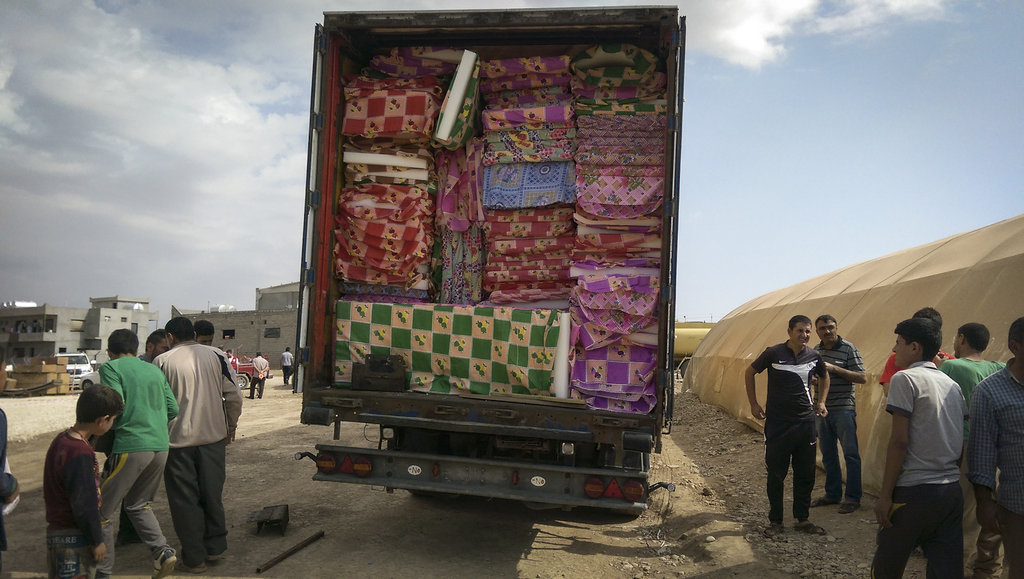
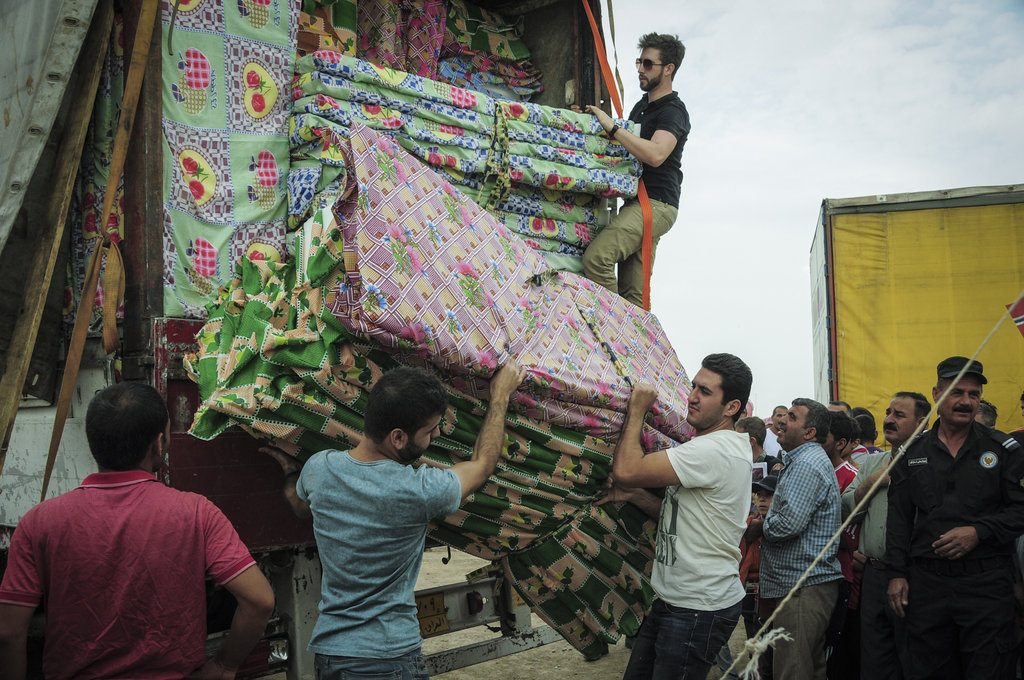
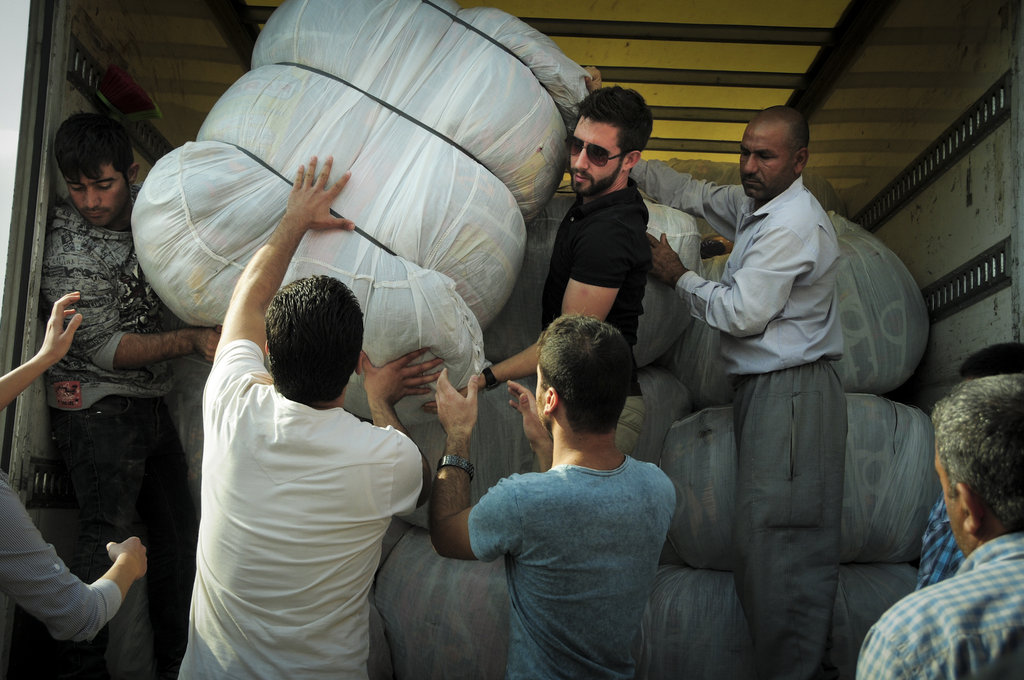
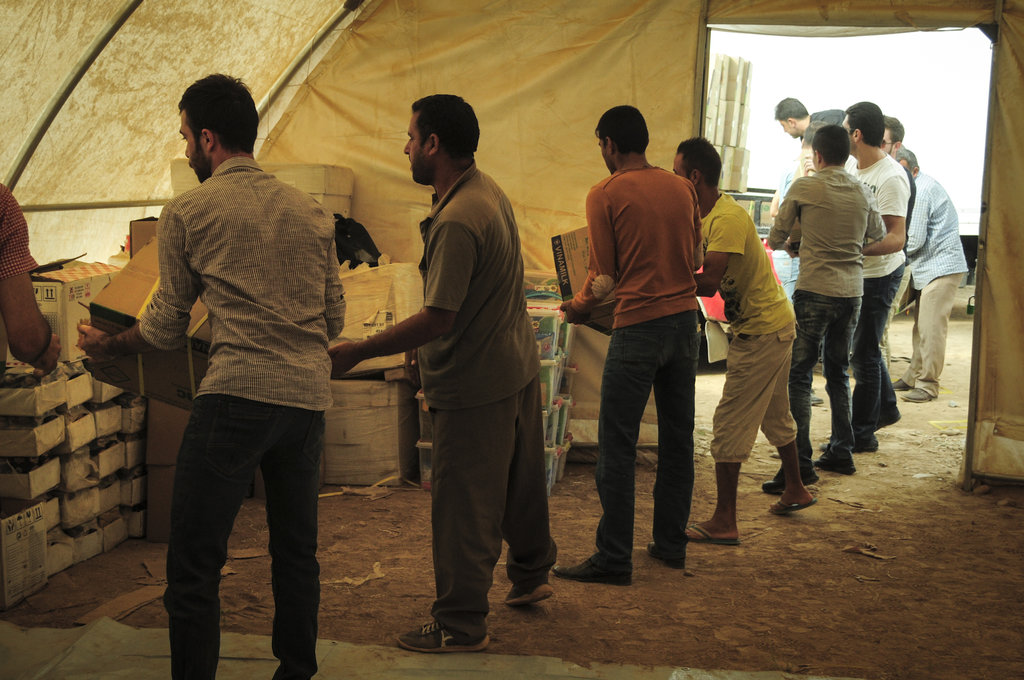
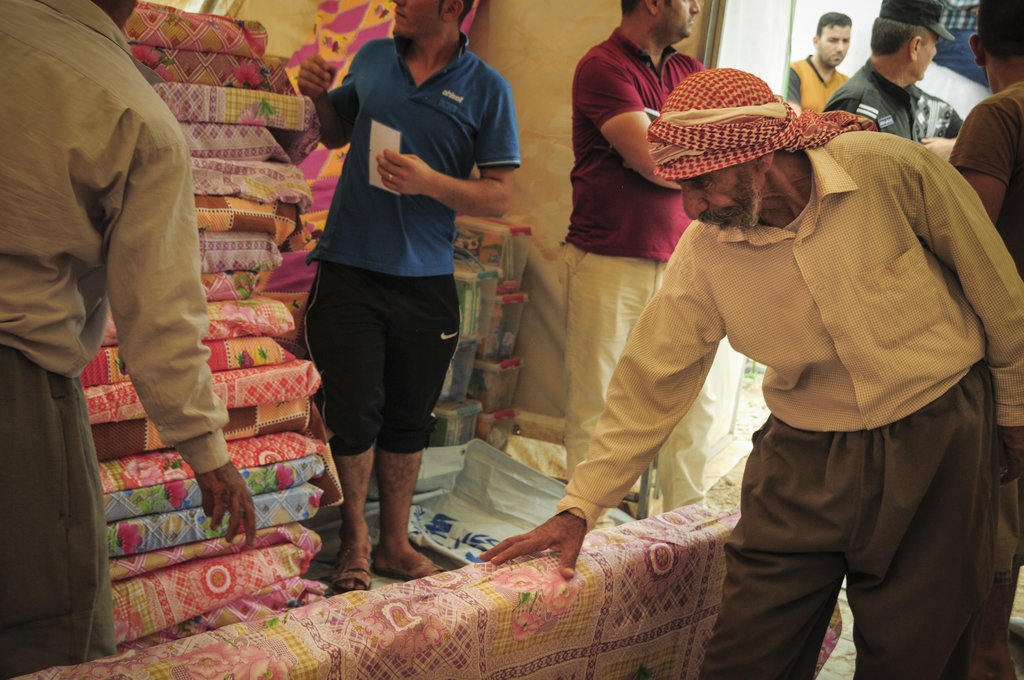
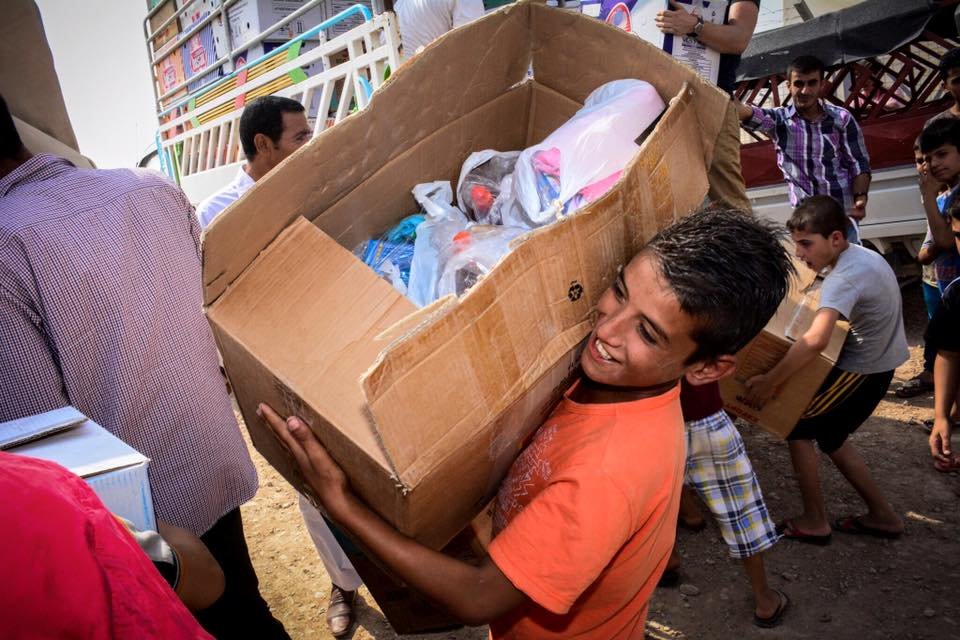
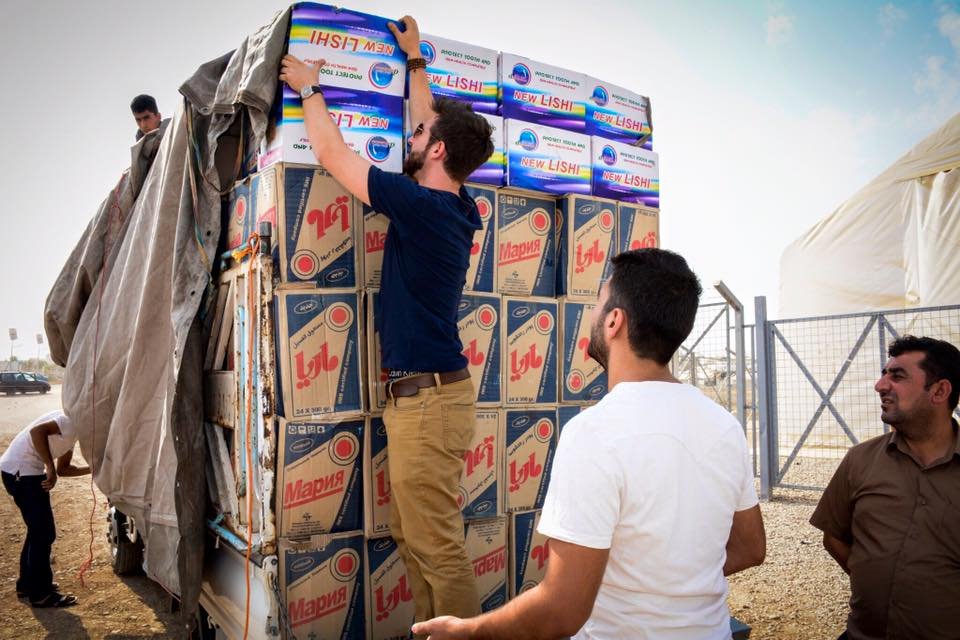
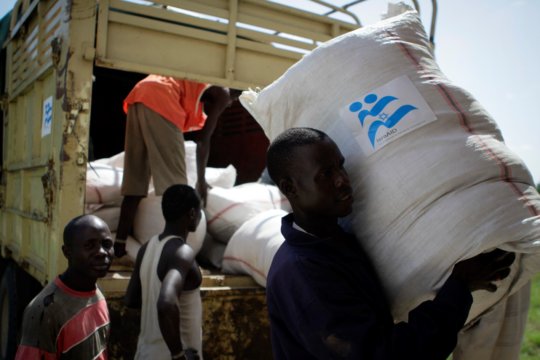
During this week the team first distributed hygiene kits to 3,105 Christian and Yazidi families (approximately 18,000 people) around Dohuk and Erbil - enough to last a month during these hot and treacherous days where disease outbreaks are becoming all too common.
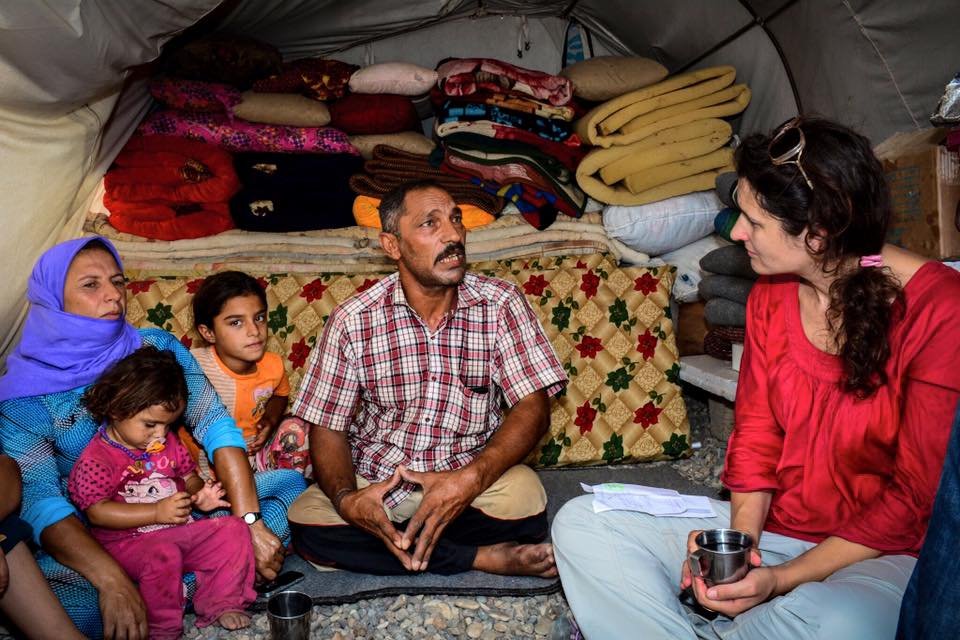
In addition to emergency aid distributions and long-term programs, it is this reality, the documentation of former lives now lost, and awareness of Daesh's continued atrocities, that we (IsraAID) wish to share with the world. To this effect, with the painstaking and dedicated assistance of our national staff, we are interviewing dozens of Christians and Yazidis, listening to their stories, and offering them a platform to vent, dwell in nostalgia for a moment, and share their tales with an audience. Surprisingly, even after a year, for many this is the first time they are sharing their (often difficult) stories, and emotions are high. The tone is often a sad one, with one elder man Nashwan summarizing the general feeling; "we are dead. Ever since the day we left, we are no longer alive".
Yet, despite the depressing tone, for an overwhelming majority of them, the experience itself has been a healing one, and at the end they express their thanks fondly. Sabikha, a single mother here with her daughter, shared -"it is really nice to be able to share. I don't often get the opportunity to do so here [because] I am alone here with my family. Thank you for listening".
Beyond the immediate needs, IsraAID is also tackling long-term needs. To support education, and increase its impact, the organization is introducing STEM education in schools for displaced populations around Erbil. Aimed at engaging children and creating a link between theoretical classes and practical application, in this context STEM has an even more important role in developing creativity and improving wellbeing. To date, IsraAID has trained 133 teachers, benefiting over 2357 students from 3 schools.
In the coming months, IsraAID will continue to expand its activities to respond to the needs of IDPs and refugees in the Kurdistan Region of Iraq.
Project reports on GlobalGiving are posted directly to globalgiving.org by Project Leaders as they are completed, generally every 3-4 months. To protect the integrity of these documents, GlobalGiving does not alter them; therefore you may find some language or formatting issues.
If you donate to this project or have donated to this project, you can receive an email when this project posts a report. You can also subscribe for reports without donating.