Project Report
| Jul 6, 2026
Education Program for the Brick Kiln Children
![]()
1. Introduction
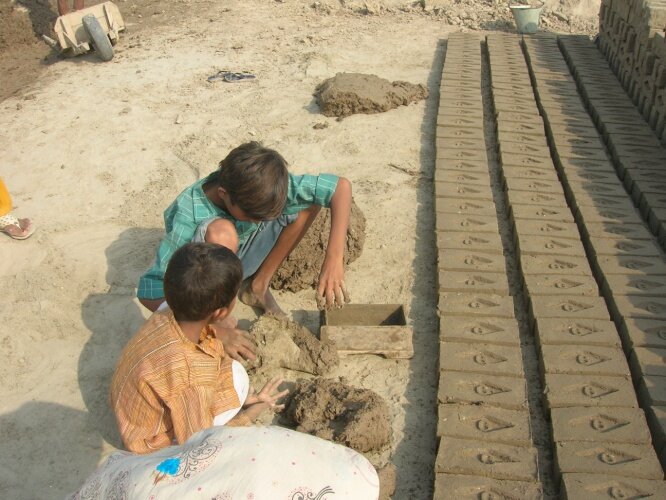
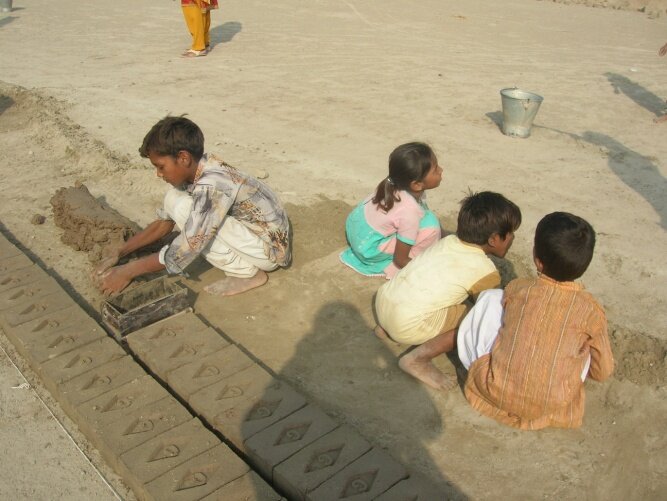
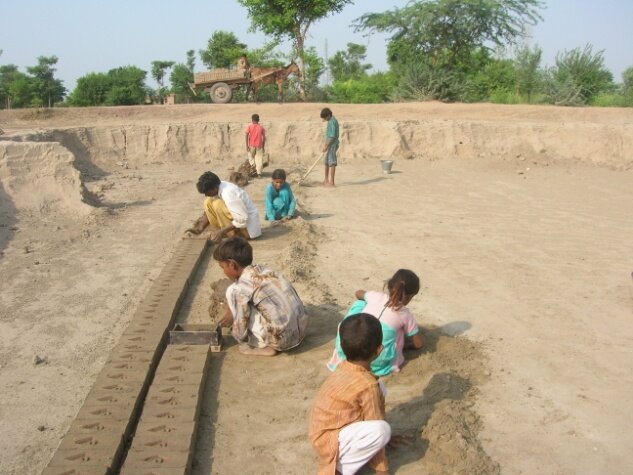
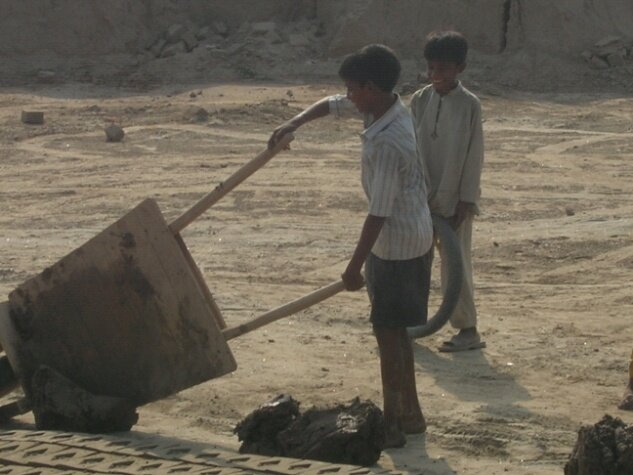
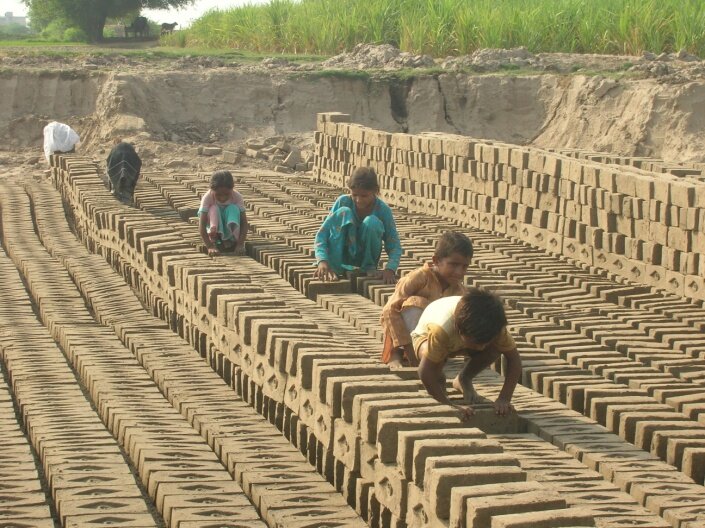
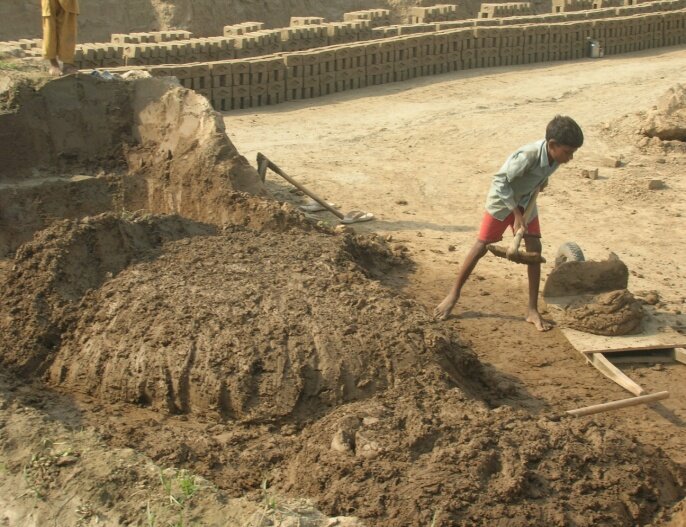
Joy Foundation has been implementing the Education Program for Brick Kiln Children to provide quality education and child protection services to marginalized children who work or live in brick kiln communities. The program aims to reduce child labor, promote literacy, and support the holistic development of children through formal and non-formal education opportunities.
2. Objectives of the Program
The main objectives of the program are to:
- Provide access to quality primary education for children working at or living in brick kiln communities.
- Reduce child labor through awareness-raising, community mobilization, and educational support.
- Strengthen parents’ and brick kiln owners’ understanding of children's rights and the importance of education.
- Promote the overall development of children through extracurricular activities, health services, and psychosocial support.
3. Key Activities Conducted
During the reporting period, the following major activities were implemented:
a. Educational Classes
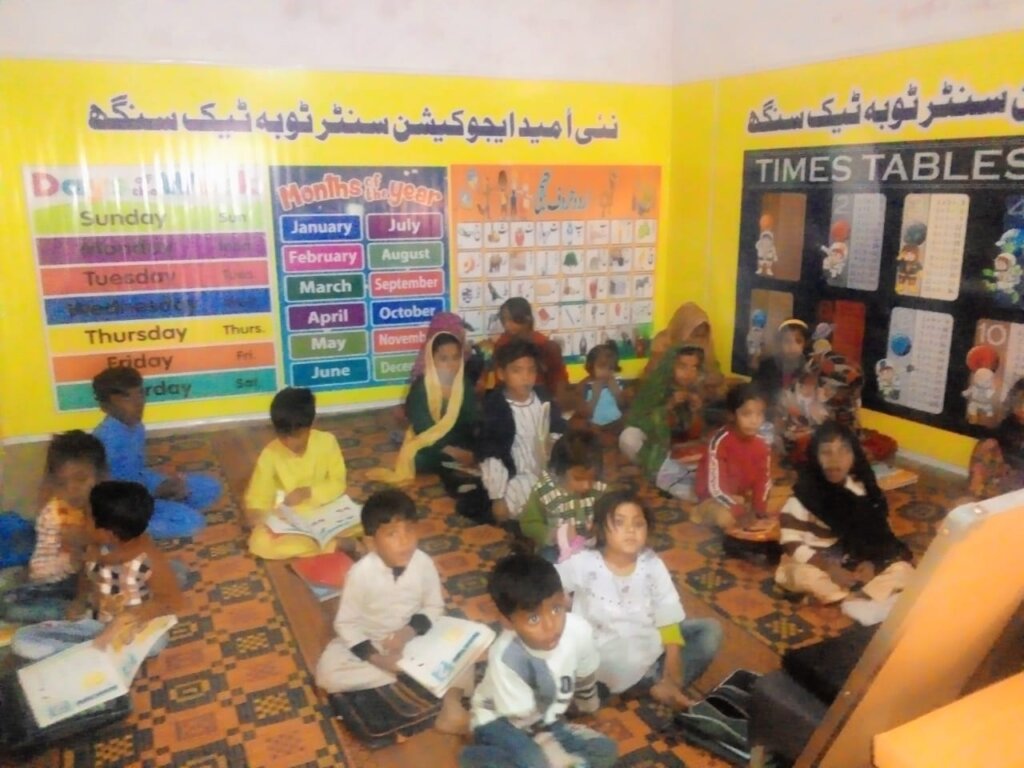
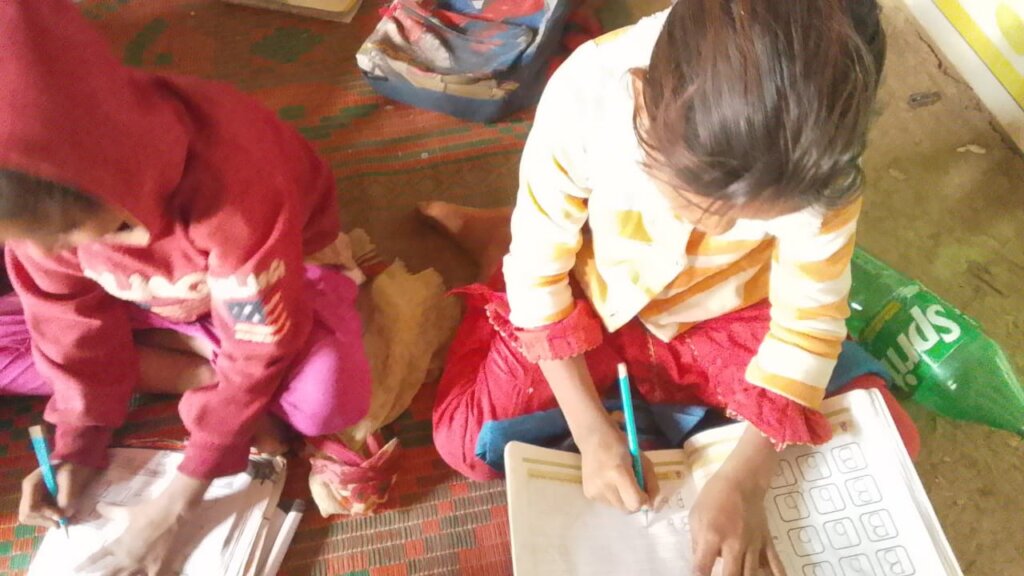
- Three Non-Formal Education (NFE) Centres continued to operate in brick kiln communities in Toba Tek Singh.
- A total of 180 children (90 boys and 90 girls) were enrolled.
- The average student attendance rate remained at 85%.
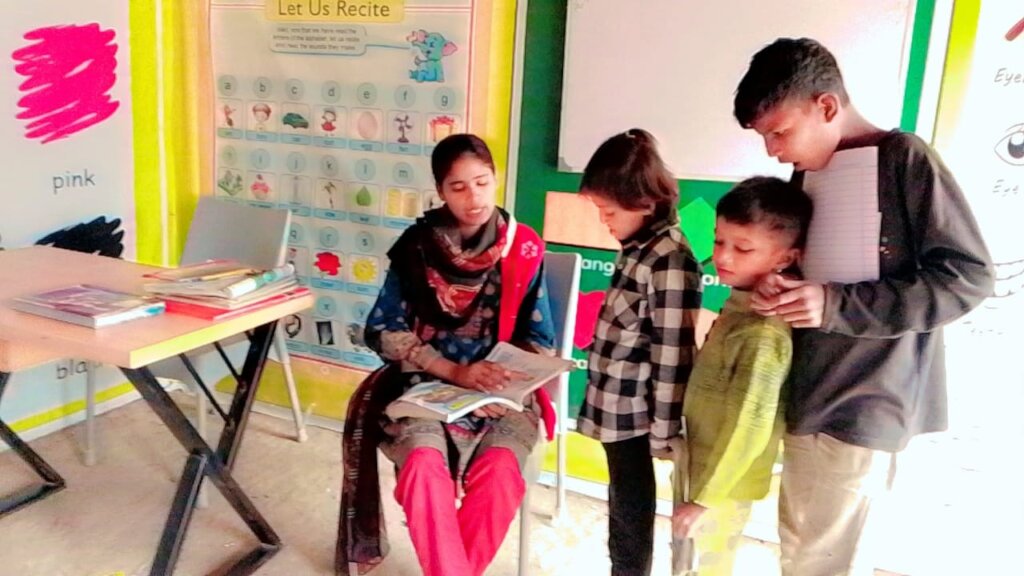
- Teaching followed the Non-Formal Basic Education (NFBE) curriculum approved by the Punjab Education Department.
- Twenty-five children successfully transitioned from the NFE Centres to nearby government primary schools.
b. Teacher Training and Capacity Building
- Two teacher training workshops were conducted on child-centered teaching methodologies, classroom management, and psychosocial support.
- The project team carried out regular monthly monitoring and mentoring visits to strengthen teaching quality and classroom performance.
c. Parent and Community Engagement
- Six community meetings were organized with parents and brick kiln owners to raise awareness about children's rights, the importance of education, and the harmful effects of child labor.
- Parent-Teacher Committees (PTCs) were established in each education center to encourage community participation and promote the long-term sustainability of the program.
- Awareness sessions on health, hygiene, nutrition, and child labor prevention were conducted for 200 parents.
d. Distribution of Educational Materials
- Every enrolled child received a school bag, textbooks, stationery, and a school uniform.
- Teachers were provided with teaching and learning resource kits to enhance the classroom environment and improve the quality of education.
e. Extracurricular and Health Activities
- Three recreational events, including sports days and drawing competitions, were organized to encourage creativity, teamwork, and social development.
- Health screening camps were conducted in collaboration with local health authorities, benefiting 160 children through basic medical check-ups and health awareness.
4. Achievements and Impact
The program achieved several positive outcomes during the reporting period:
- Increased Enrollment: Student enrollment increased by 25% compared to the previous year.
- Reduction in Child Labor: Thirty children were withdrawn from full-time labor and enrolled in school.
- Community Ownership: Parent-Teacher Committees actively participated in supporting school operations and encouraging children's regular attendance.
- Gender Equality: Equal participation of girls and boys was maintained, promoting inclusive and equitable access to education.
5. Challenges Faced
Despite the program's achievements, several challenges remained:
- Seasonal migration of brick kiln families disrupted children's regular school attendance.
- Due to severe economic hardship, some parents continued to prioritize child labor over education.
- One education center faced limited classroom space, affecting the learning environment and its capacity to accommodate additional students.
![]()
![]()
![Share on Twitter]()
![Share on Facebook]()