By Shimona Chadha | Fundraising and Communications
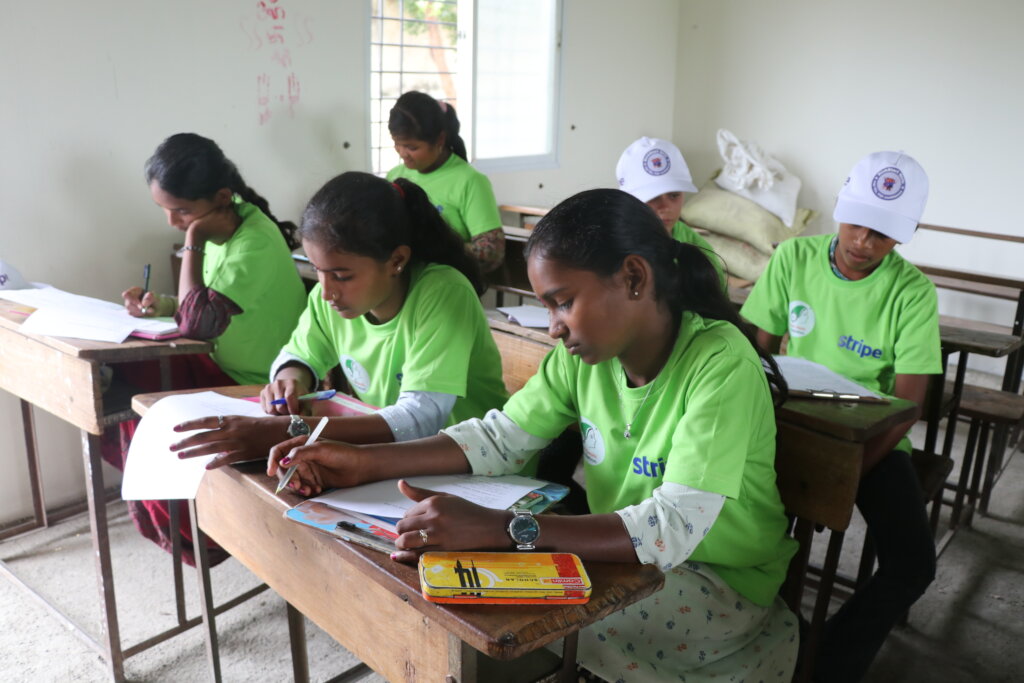
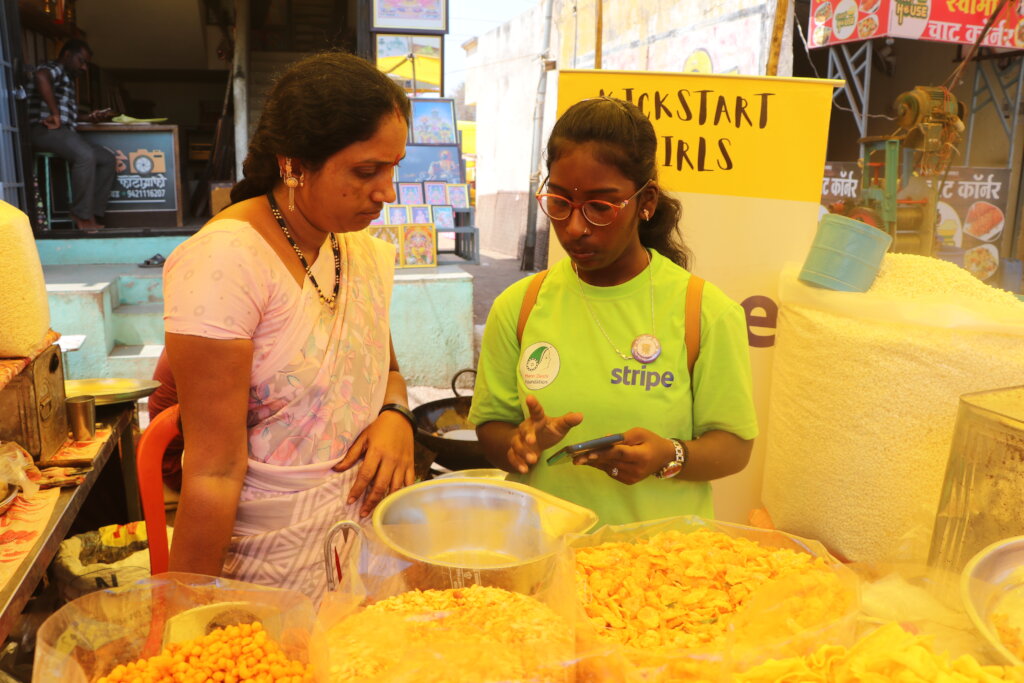
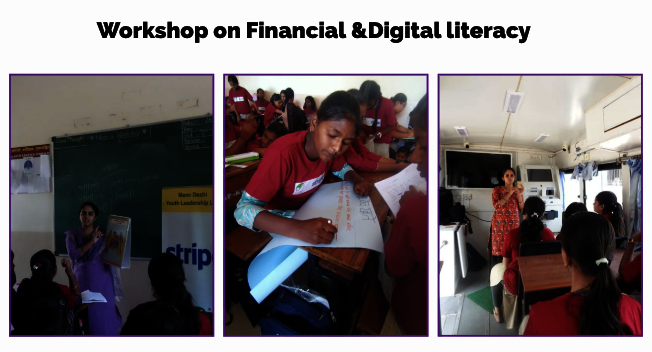
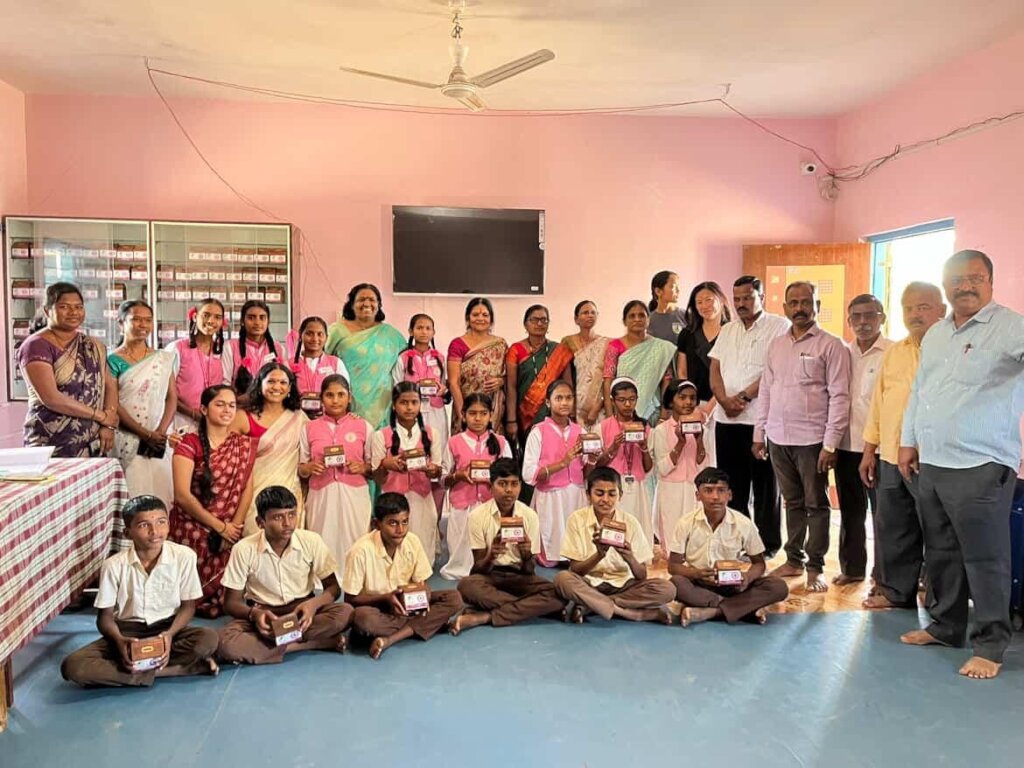
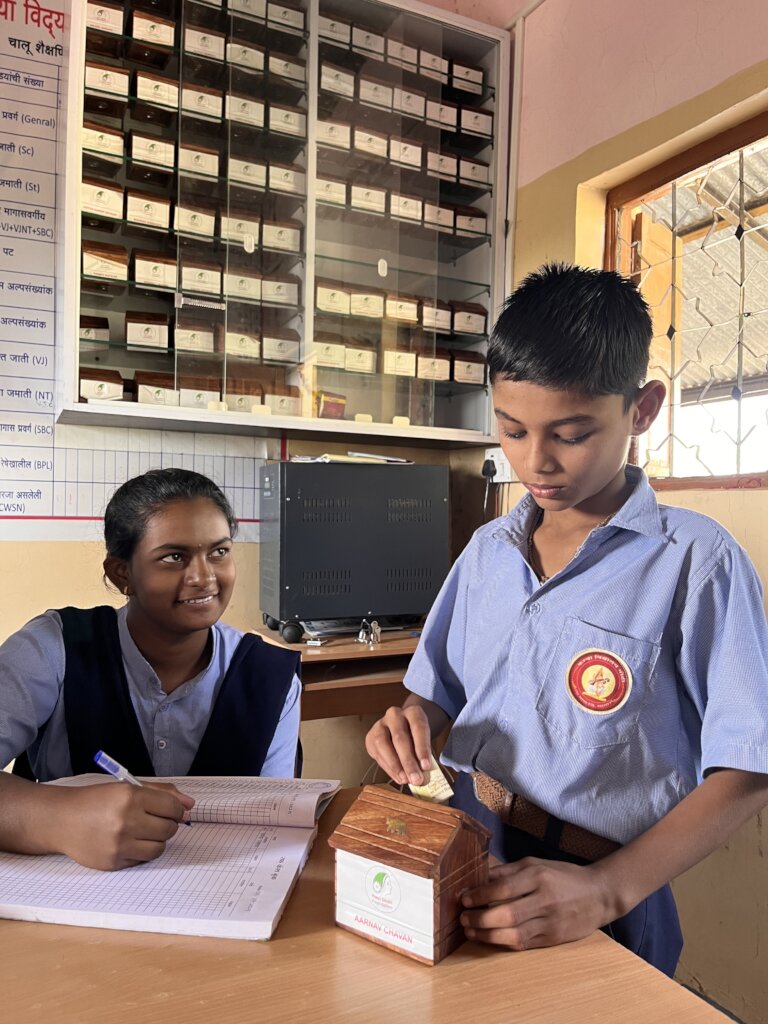
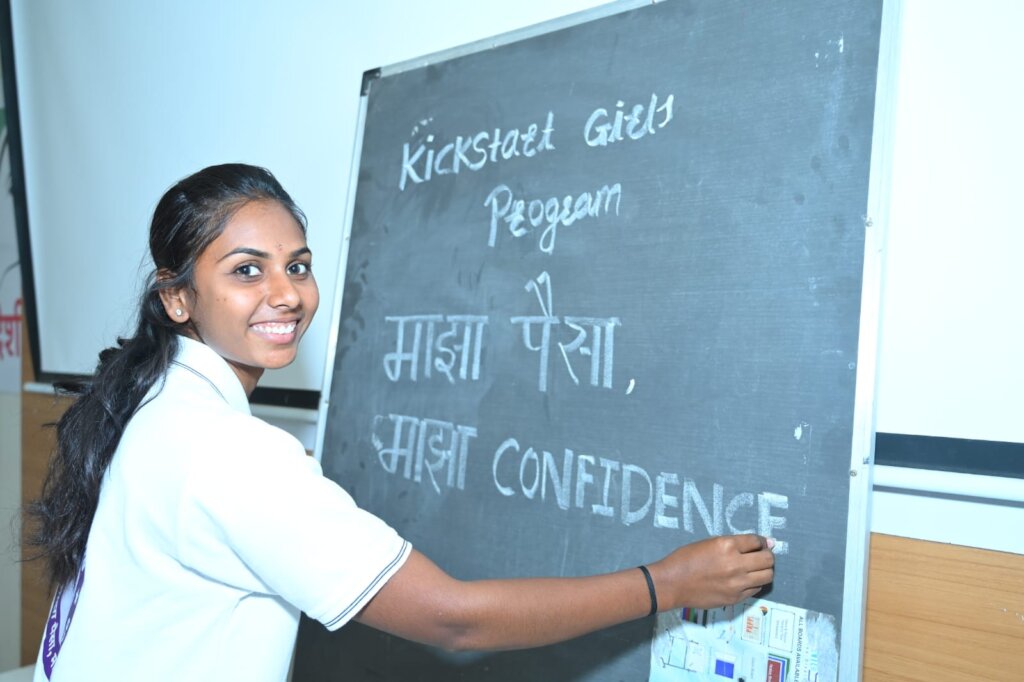
Thank you for supporting young girls to stay in school, save for their future and education and develop skills to get jobs. Through the KickStart Girls Program, girls and young people aged 16 and above are able to develop both professional and personal skills. This program focuses on financial and digital literacy, skill development, career preparation and boosting self-confidence. As young individuals transition into adulthood and face the uncertainties of school, college and community life, these workshops aim to equip them with the necessary skills, knowledge, and confidence to achieve financial independence.
This report shares key highlights and progress from the past few months made possible through your support.
Building Gender Awareness and Leadership
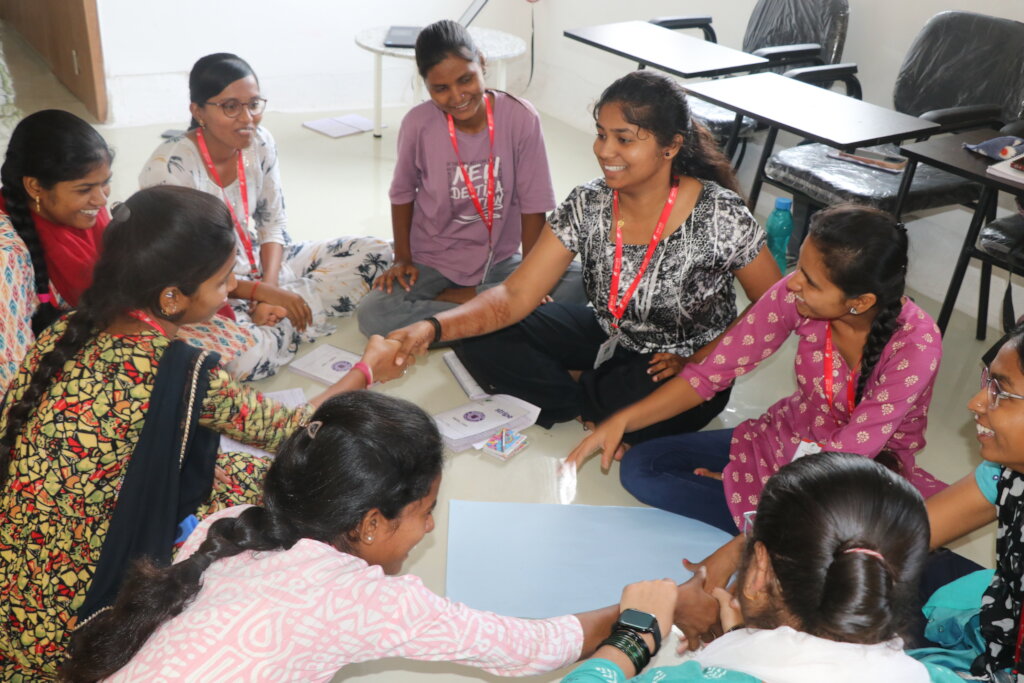
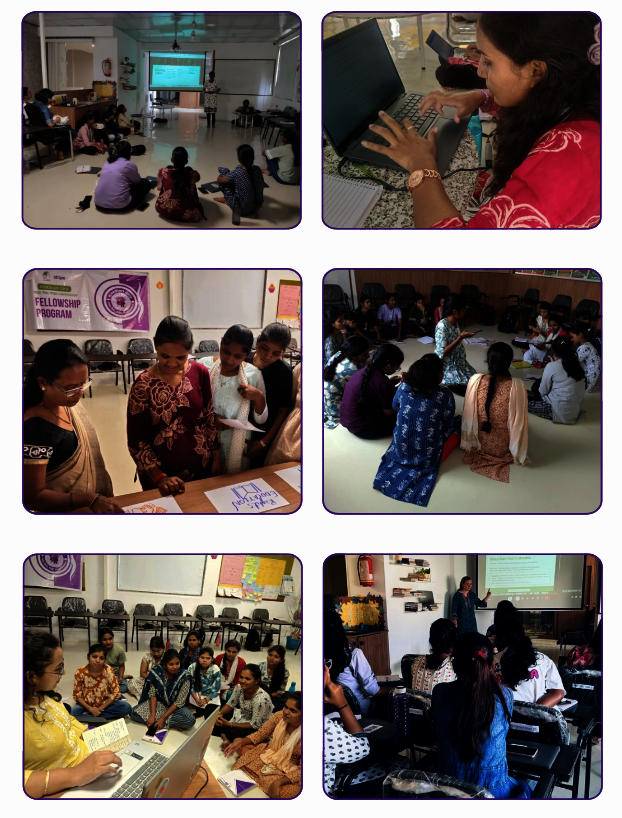
Our fellows participated in an immersive Gender Workshop facilitated by Lochana, exploring themes of gender, identity, power, relationships, consent, and violence. Through role plays, debates, media analysis, and reflective discussions, participants challenged stereotypes, built empathy, and developed confidence to navigate personal and professional spaces. The workshop fostered self-awareness, strengthened communication skills, and encouraged young women to question restrictive social norms while embracing their own identities.
Equipping First-Generation Learners with AI Skills
Recognizing the growing importance of digital literacy, fellows attended an AI Literacy Workshop led by XCTRA. They explored practical AI tools for resume building, learning, research, and productivity, including Rezi, NotebookLM, Gamma, Team Builder CV, and Resume AI. Participants learned how AI can support education, career preparation, and everyday problem-solving, ensuring they are better prepared for an increasingly technology-driven workforce.
Industry Exposure: Learning Beyond the Classroom
Fellows visited MKCL, where they gained valuable insights into workplace culture, professional communication, grooming, and career pathways in the technology sector. They interacted with professionals, learned about different organizational departments, and understood the importance of preparation, confidence, and continuous learning before entering the workforce.
"I learned that preparing before any opportunity leads to success. The visit helped me understand workplace communication, body language, AI-related career opportunities, and how different departments work together. It gave me confidence for my future."
— Shrushti, Fellow
First-Ever Professional Internships
This cohort marked a significant milestone, with fellows undertaking one-month internships across Mumbai and Pune. For many, this was their first experience working in a formal office environment and living independently in a metropolitan city. These internships provided hands-on exposure to professional workplaces, helping participants build confidence, adapt to corporate expectations, strengthen communication skills, and bridge the gap between education and employment.
Amplifying Voices Through Nayi Soch Radio
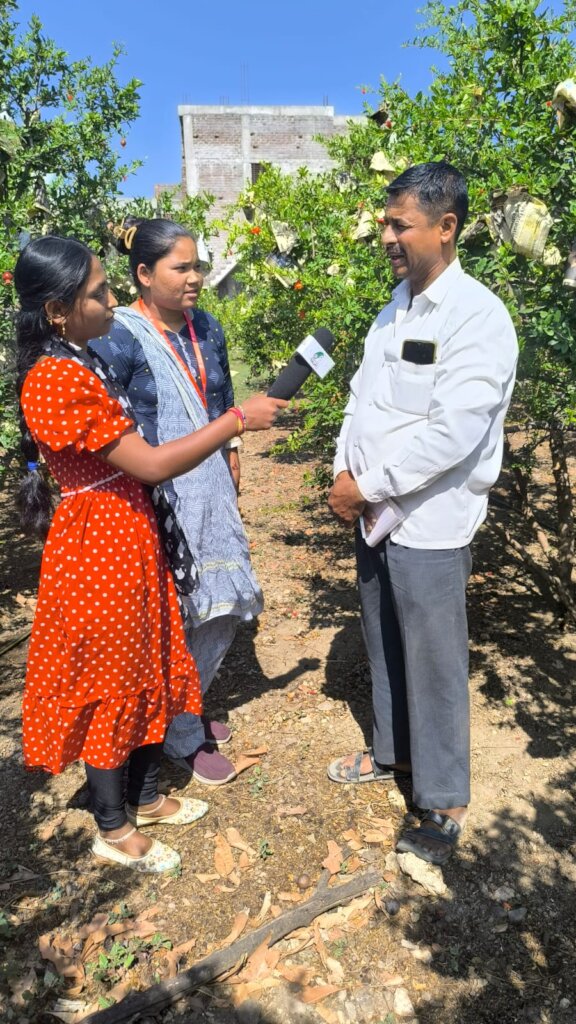
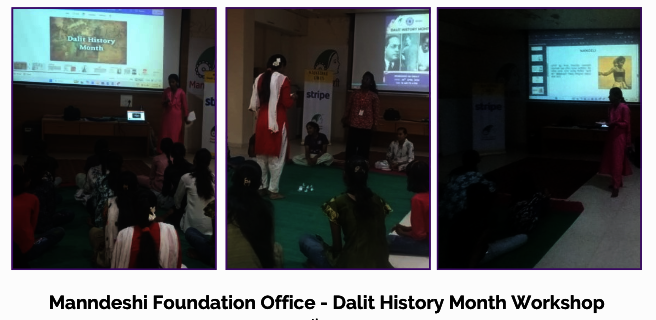
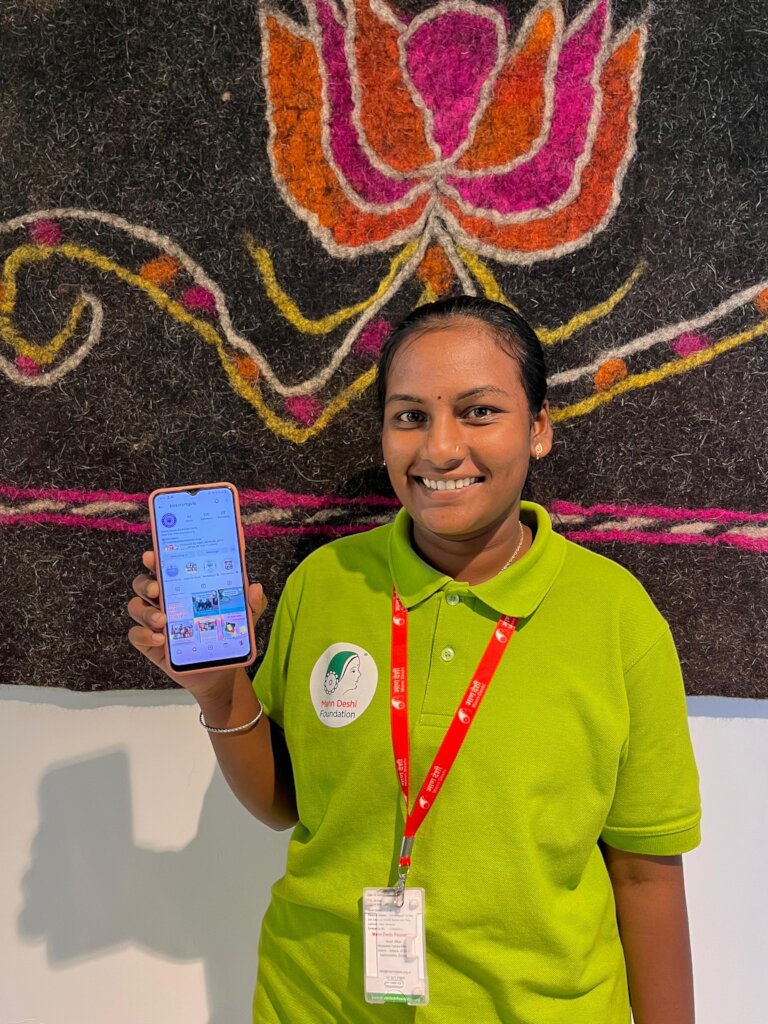
As part of our Nayi Soch Radio initiative, fellows researched and created radio segments highlighting the lives and contributions of inspiring women during Dalit History Month. By sharing stories of women leaders whose contributions are often overlooked, participants strengthened their research, storytelling, and public speaking skills while promoting inclusion, representation, and social awareness.
Key Outcomes
Engagement in Schools and Colleges
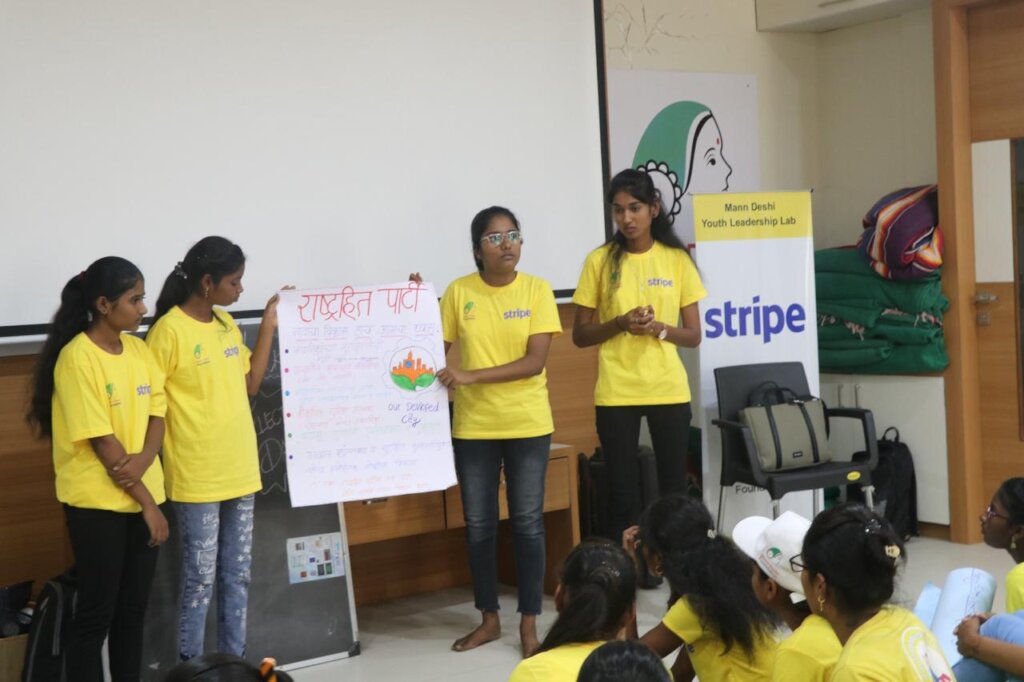
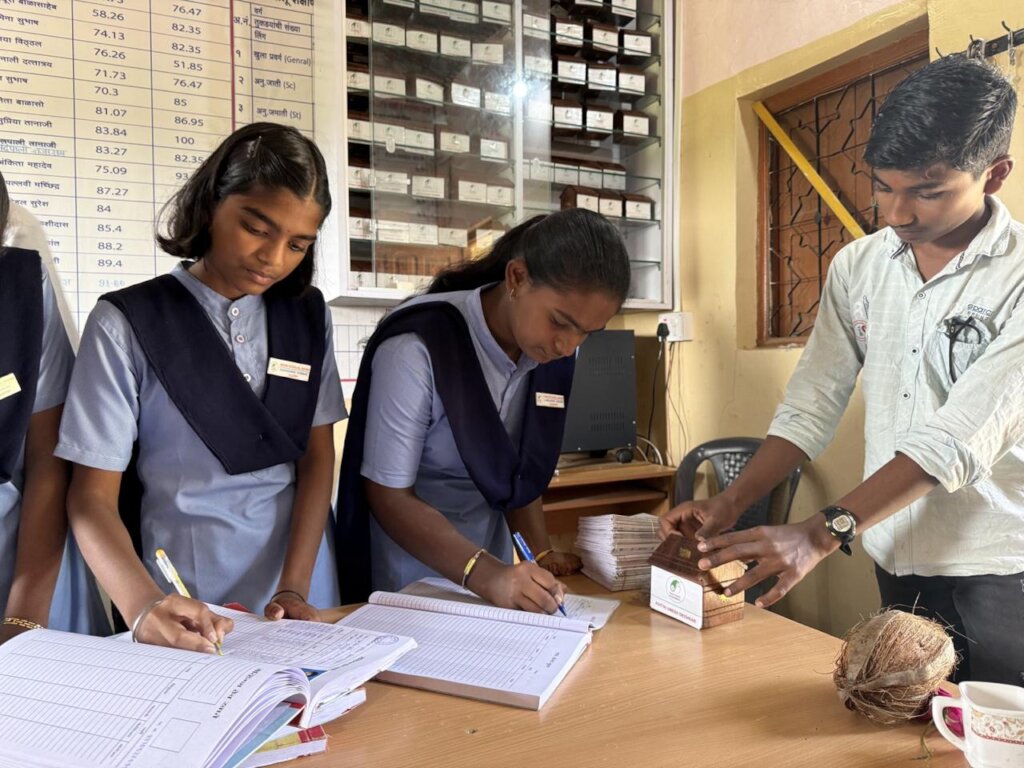
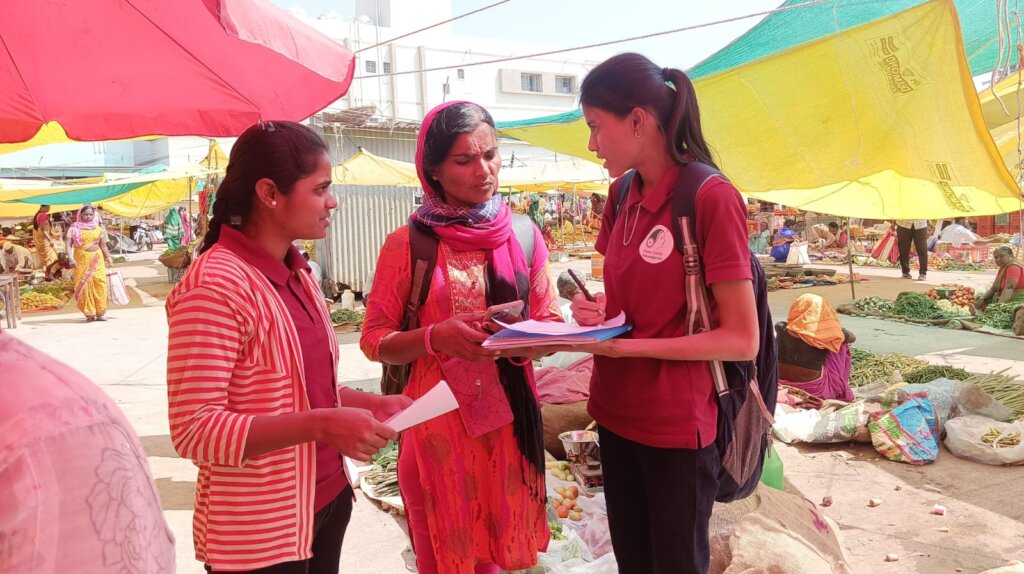
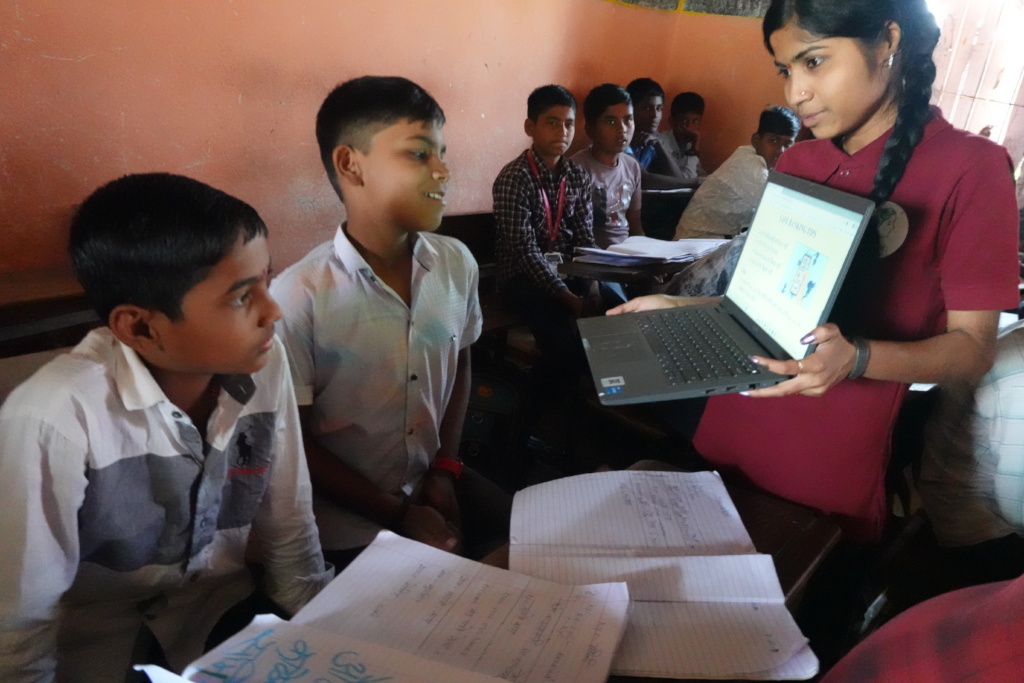
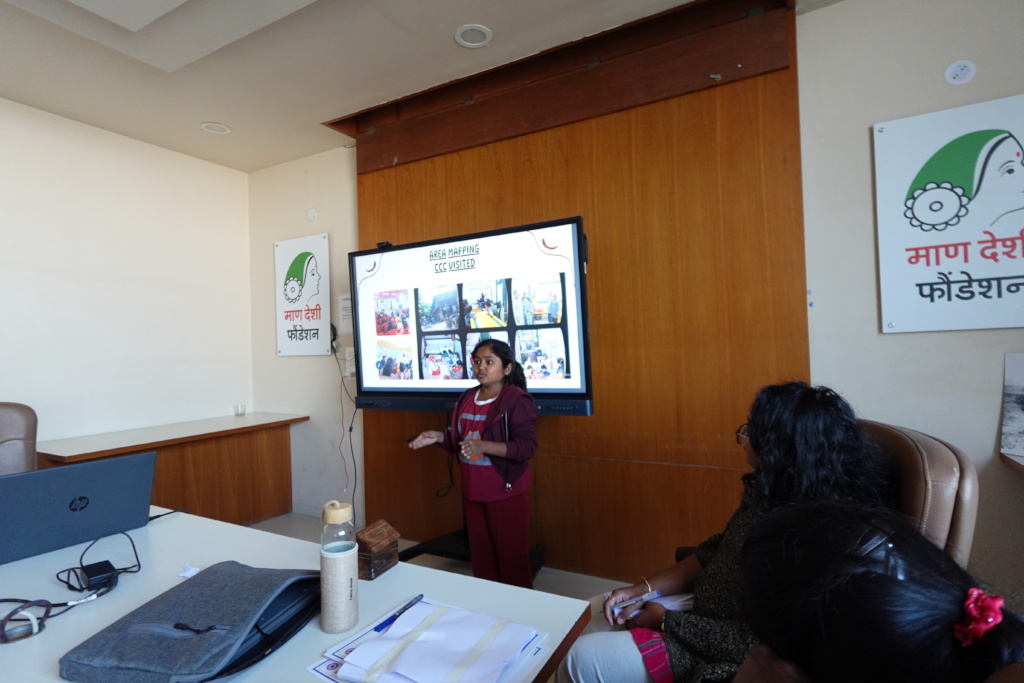
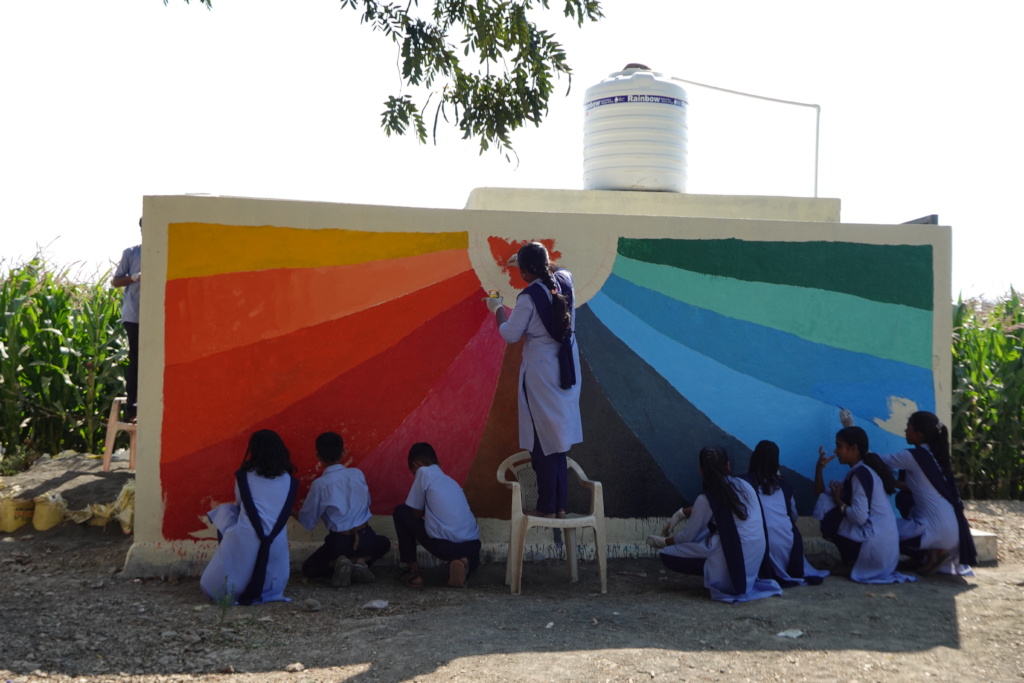
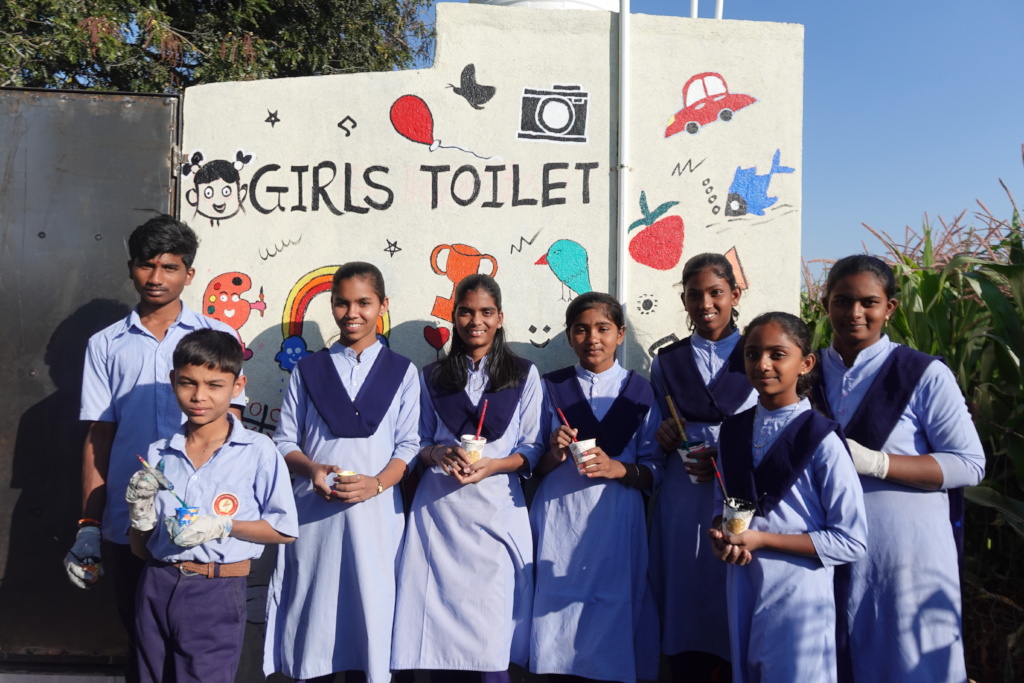
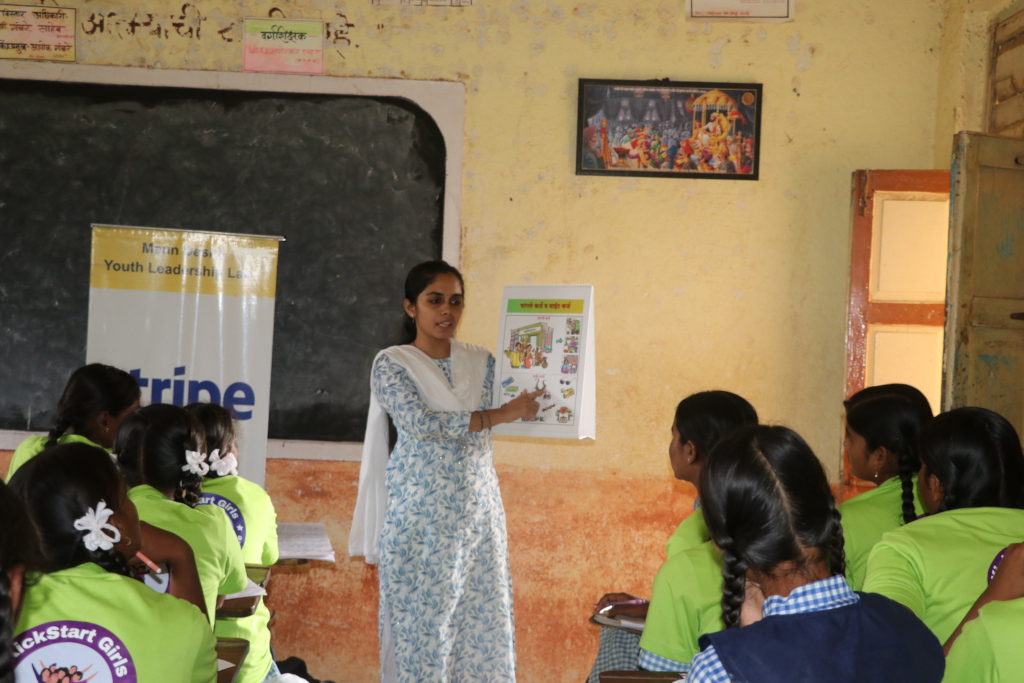
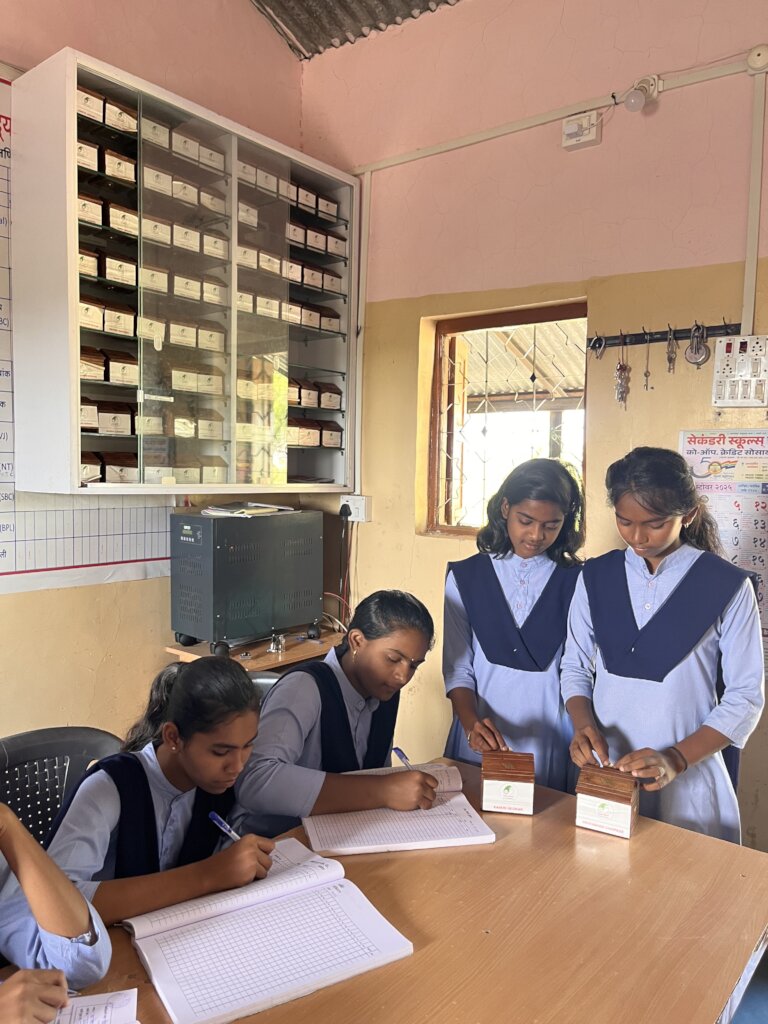
We expanded our engagement with schools and colleges to reach more young girls through interactive sessions on health, life skills, gender, digital literacy, civic participation, and career readiness.
Reach (January–April 2026):
These sessions created safe spaces for young girls to build confidence, make informed choices, and prepare for education, employment, and active citizenship.
Skills Summer Camp
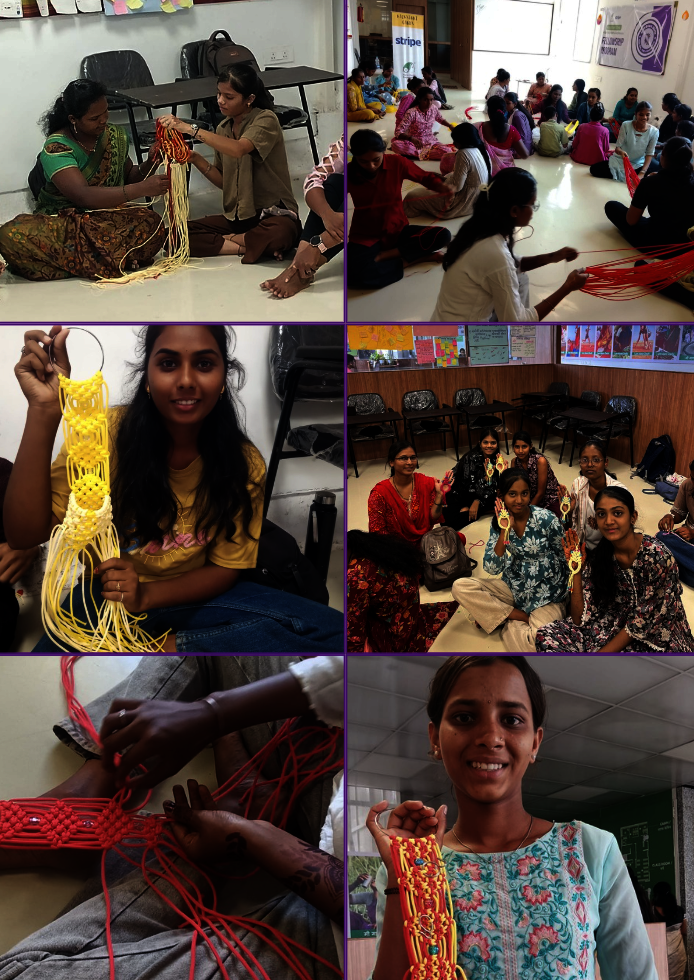
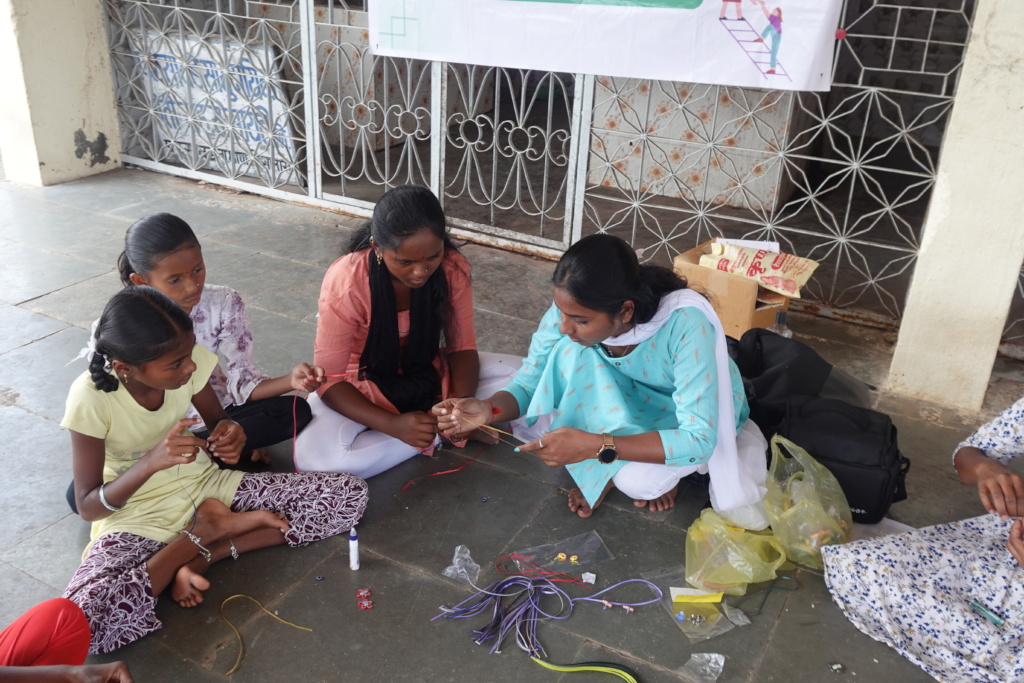
The 6-day Skill Summer Camp learning Macramé art provided young women participants with an opportunity to develop creative, practical, and entrepreneurial skills through hands-on craft-making. Guided by local trainer, participants learned the art of macramé while strengthening patience, focus, problem-solving abilities, and self-confidence. The camp fostered creativity and self-expression, enabling participants to transform simple materials into functional and decorative products.
HIGHLIGHTS
This Quarter, 210 young girls participated in our skill development workshops.
We are truely thankful for your support and everlasting encouragement towards these young girls future!
Links:
By Shimona Chadha | Fundraising and Communications
By Felicia Nadar | Programme Manager, KickStart Girls
Project reports on GlobalGiving are posted directly to globalgiving.org by Project Leaders as they are completed, generally every 3-4 months. To protect the integrity of these documents, GlobalGiving does not alter them; therefore you may find some language or formatting issues.
If you donate to this project or have donated to this project, you can receive an email when this project posts a report. You can also subscribe for reports without donating.



Support this important cause by creating a personalized fundraising page.
Start a Fundraiser