By Ana Sorcia | Colaborator Ednica
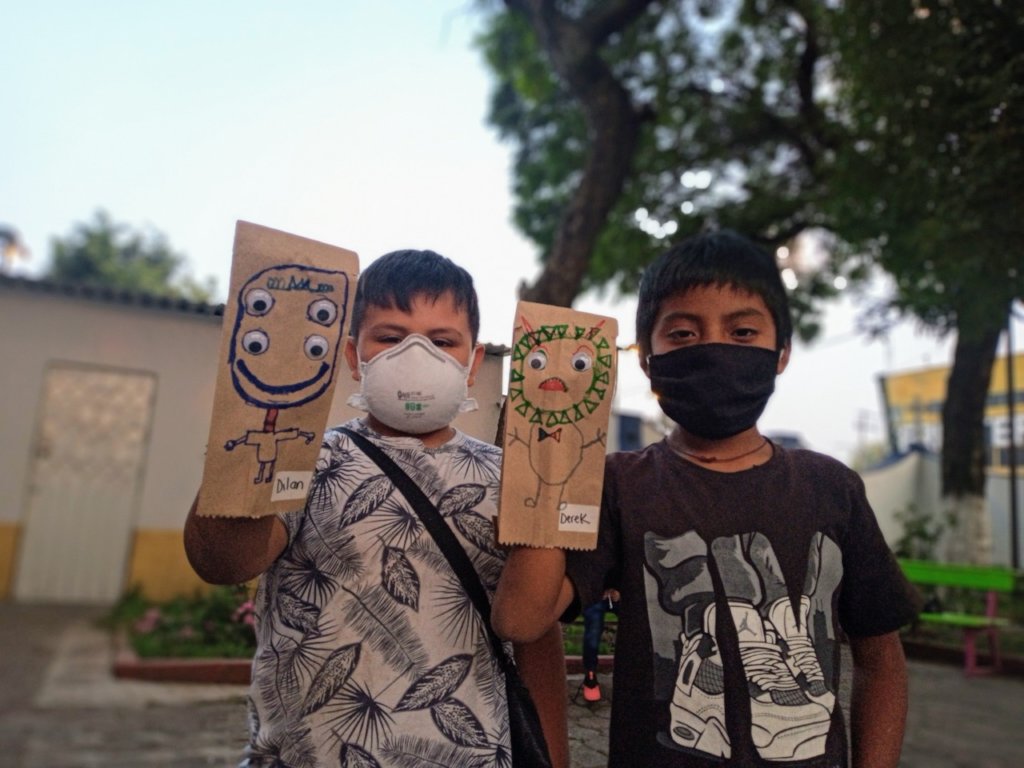
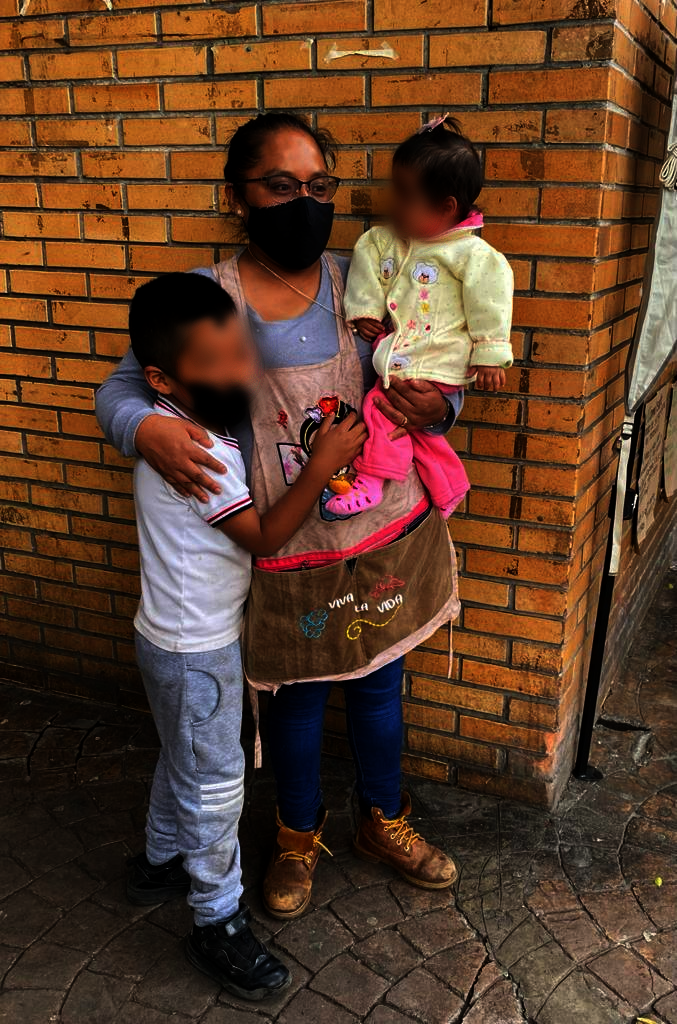
We continue work in te streets in Mexico City, the last months in ednica the crew continues to work at fixed points to reduce child labor. Sales is the third most frequent activity for working children in public spaces. Child labor is defined as any work that deprives children of their potential and dignity; is harmful to their physical and psychological development; and interferes with their schooling and development.
In its study "La infancia cuenta en México. Child labor 2021", the Network for Children's Rights (REDIM) points out that in Mexico 4 out of every 10 people aged 5 to 17 who work contribute some income to the household, while 1 out of every 4 children and adolescents who work do so because their household needs help.
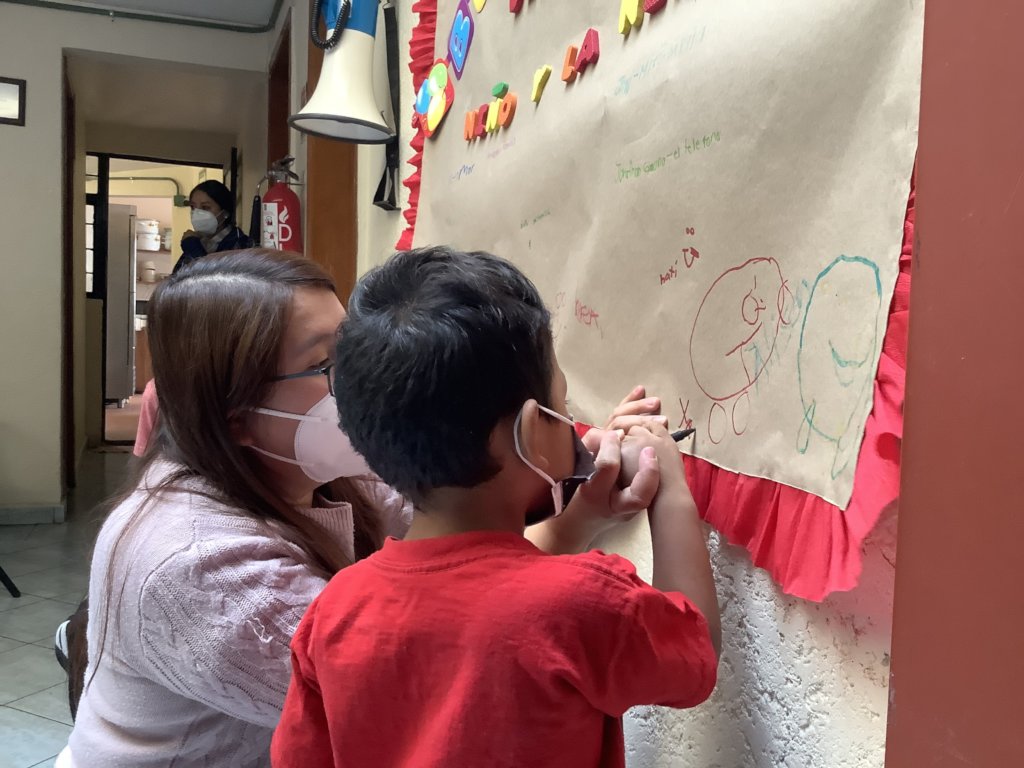
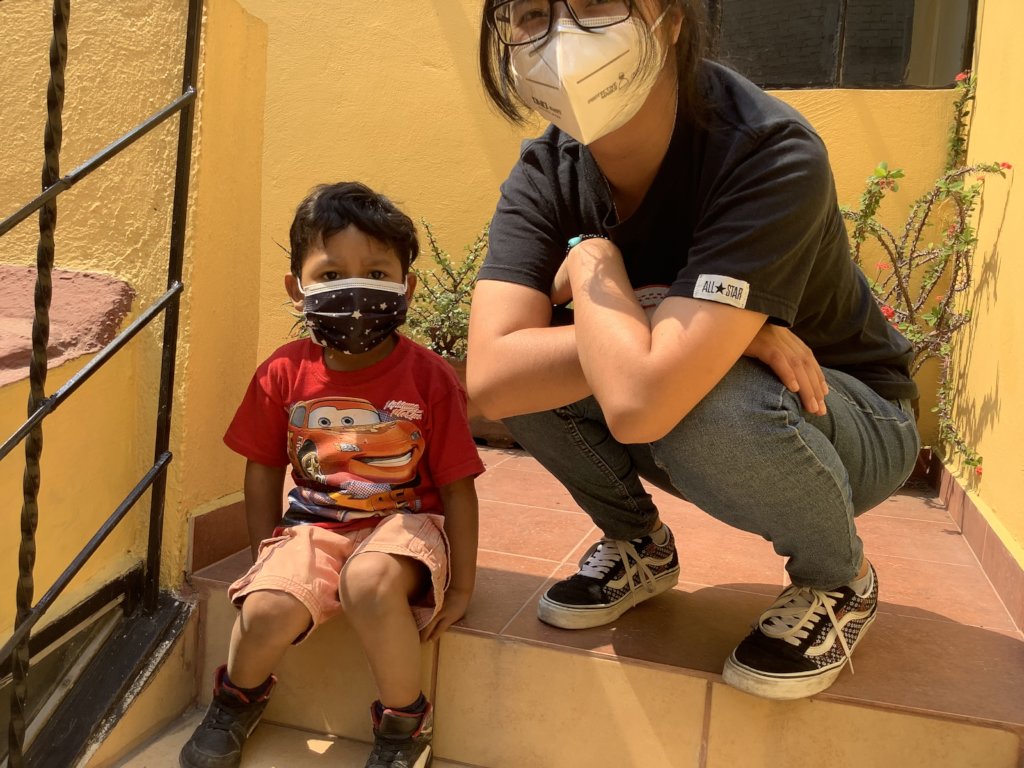
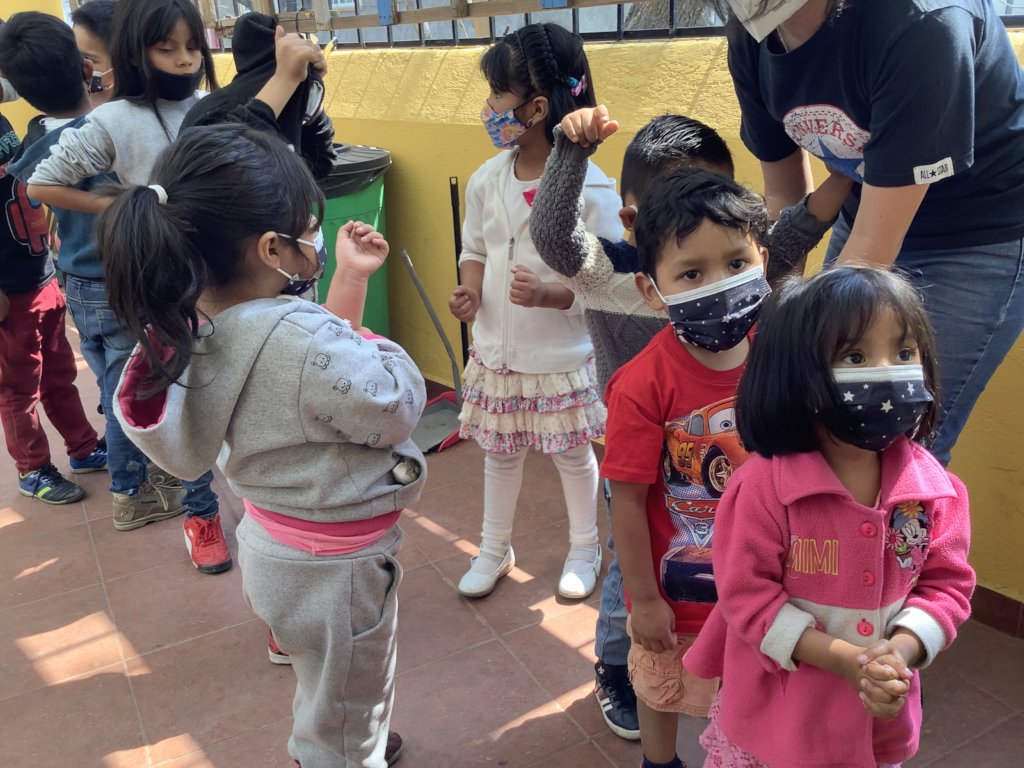
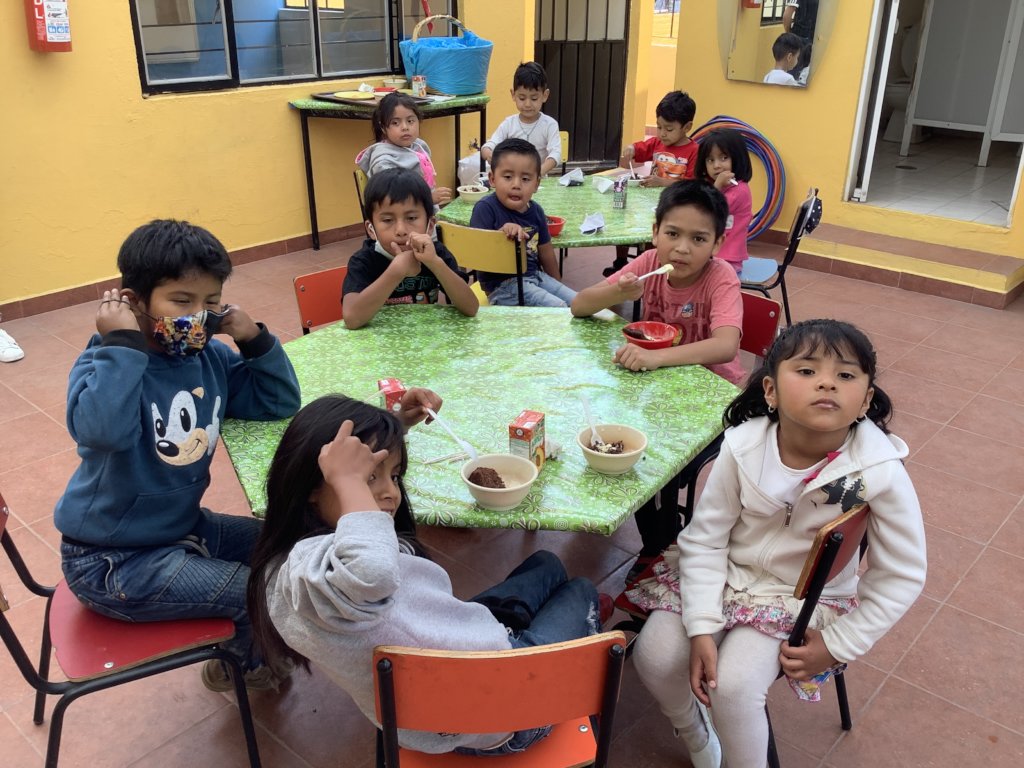
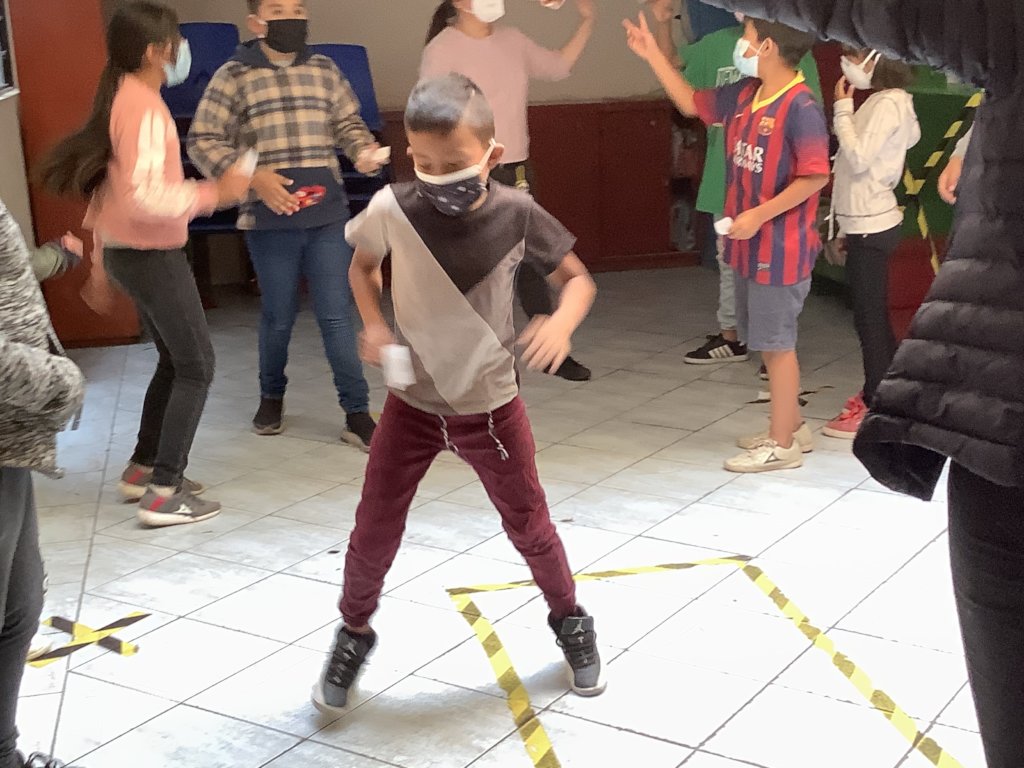
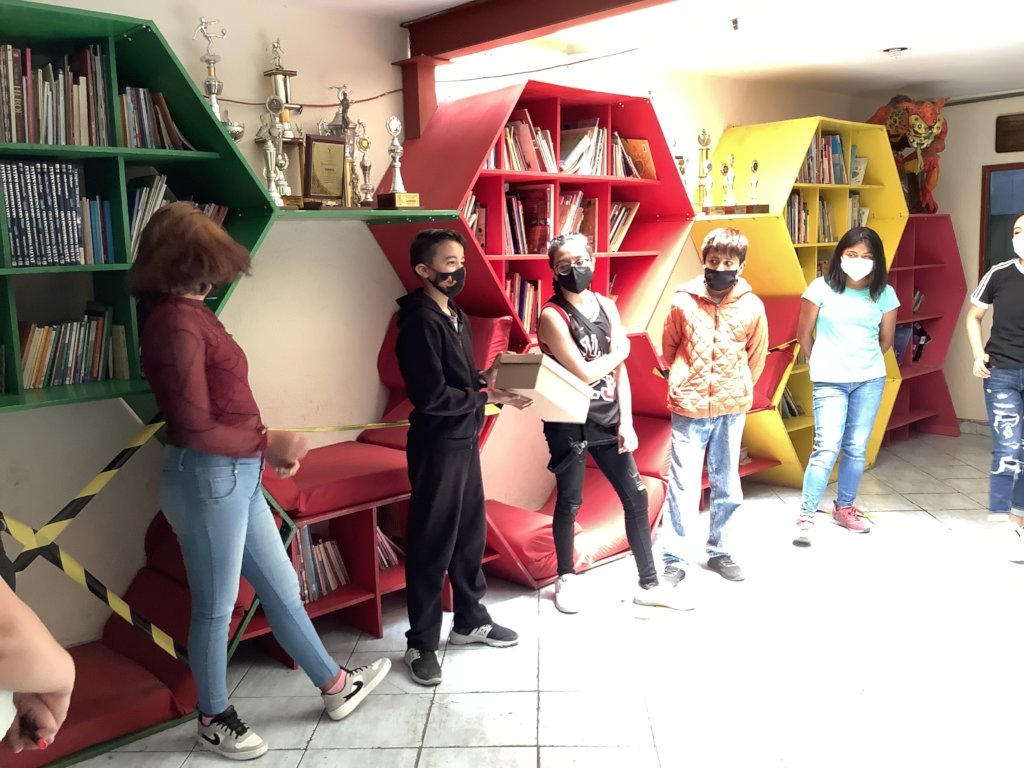
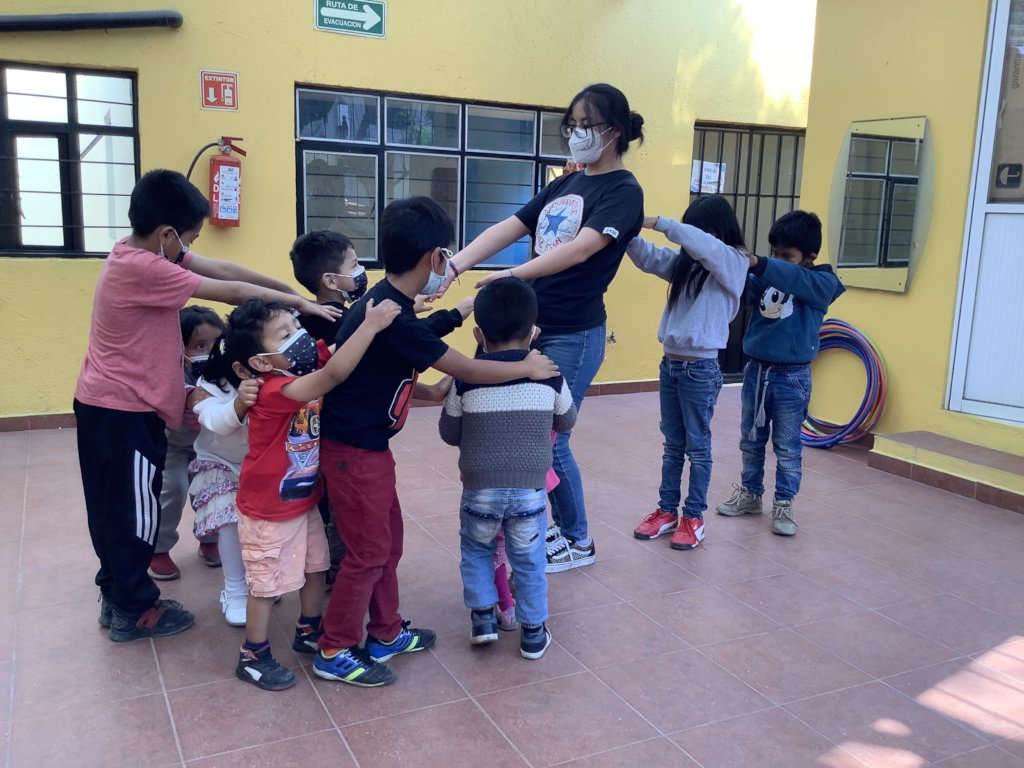
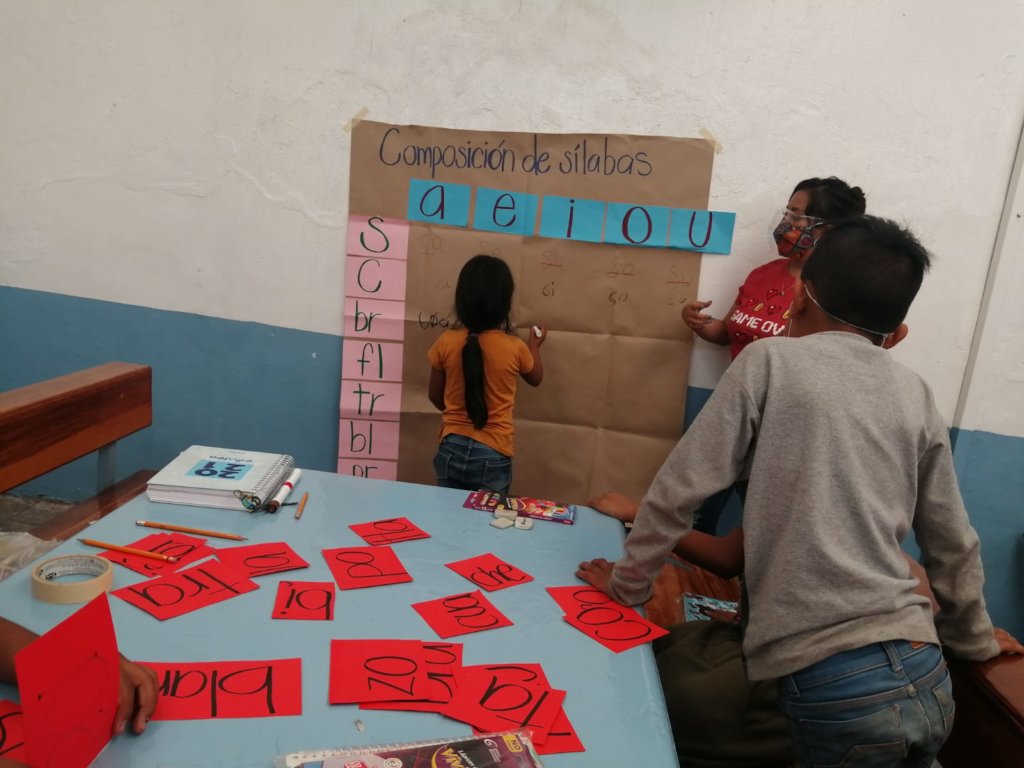
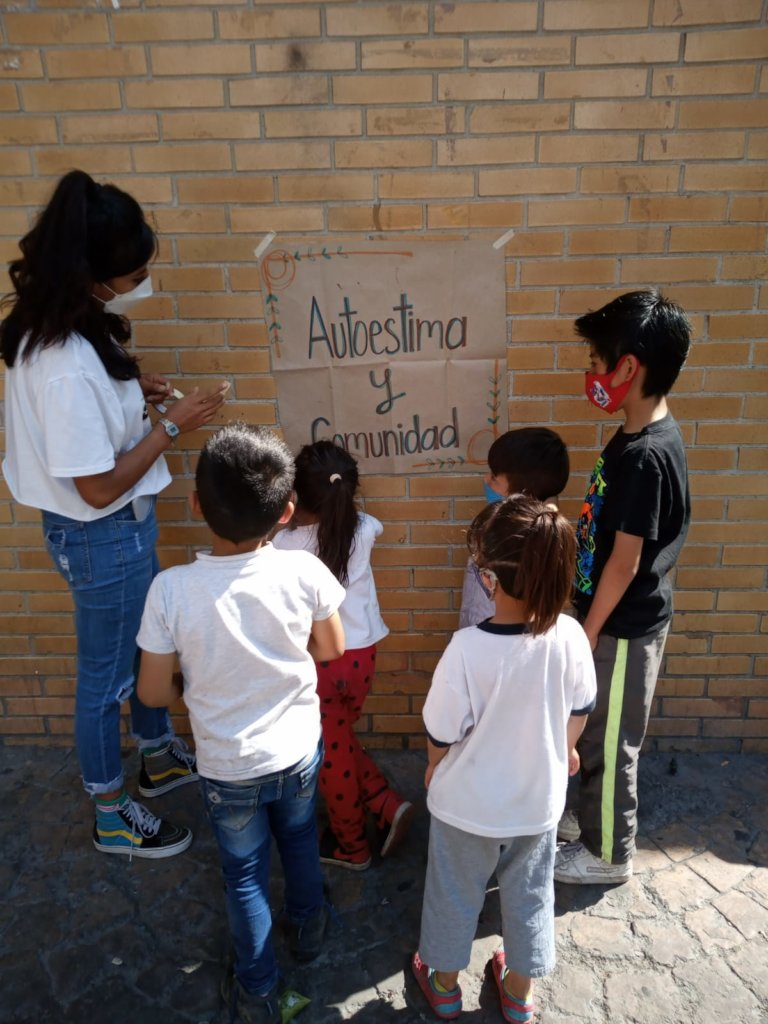
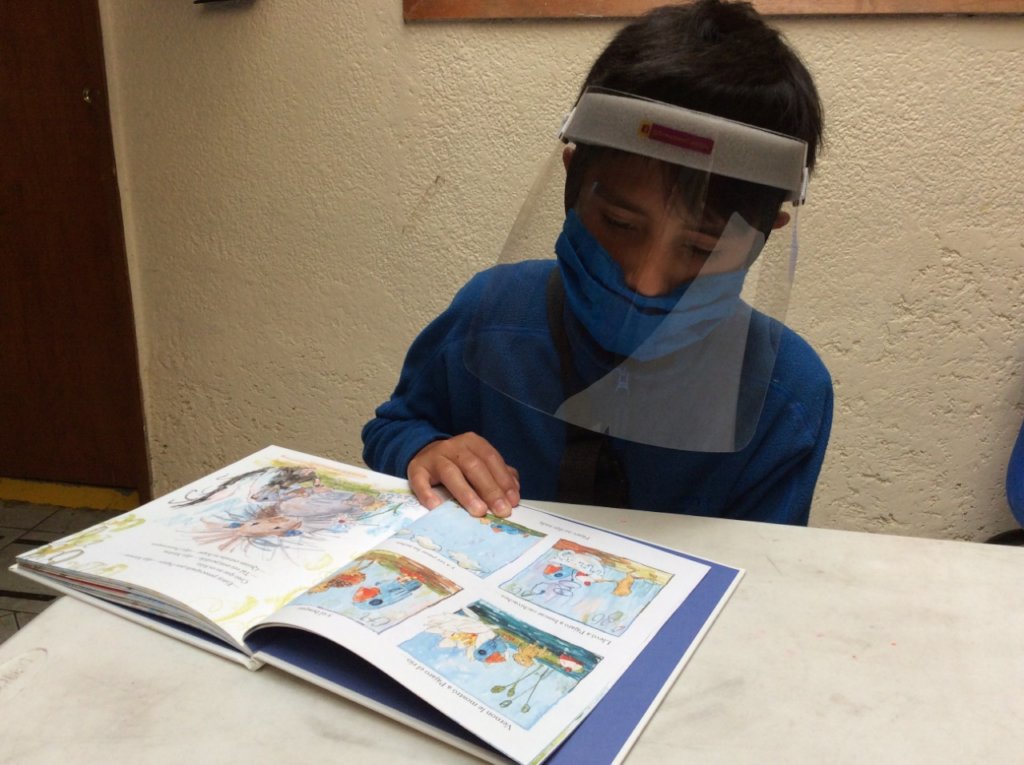
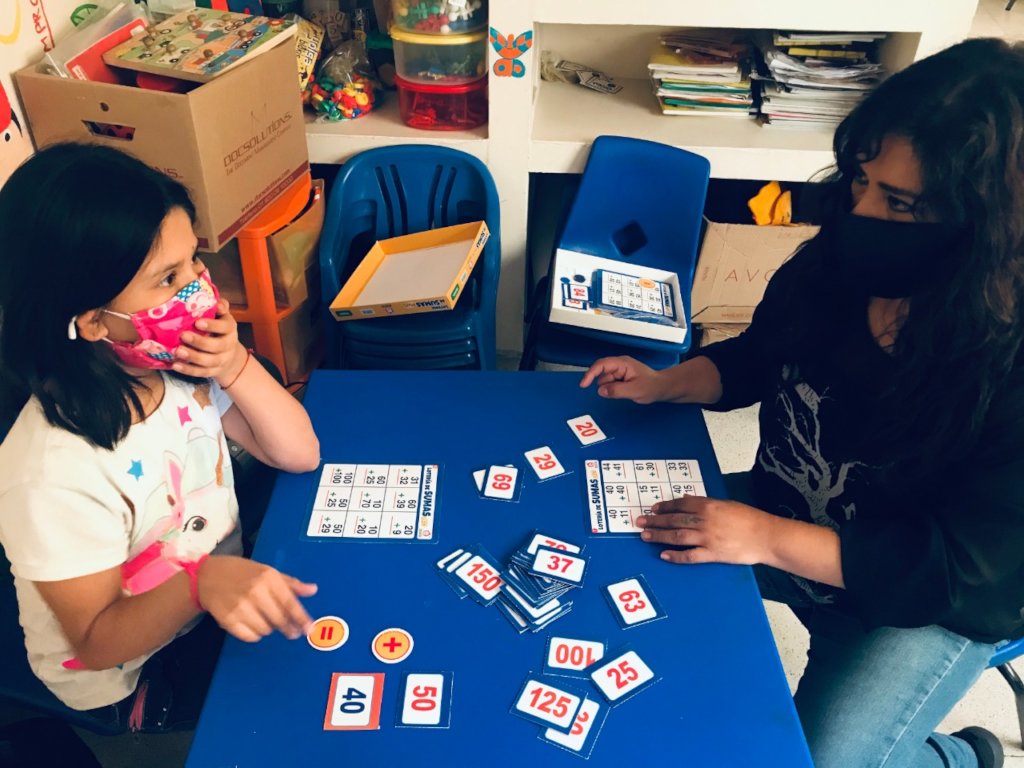
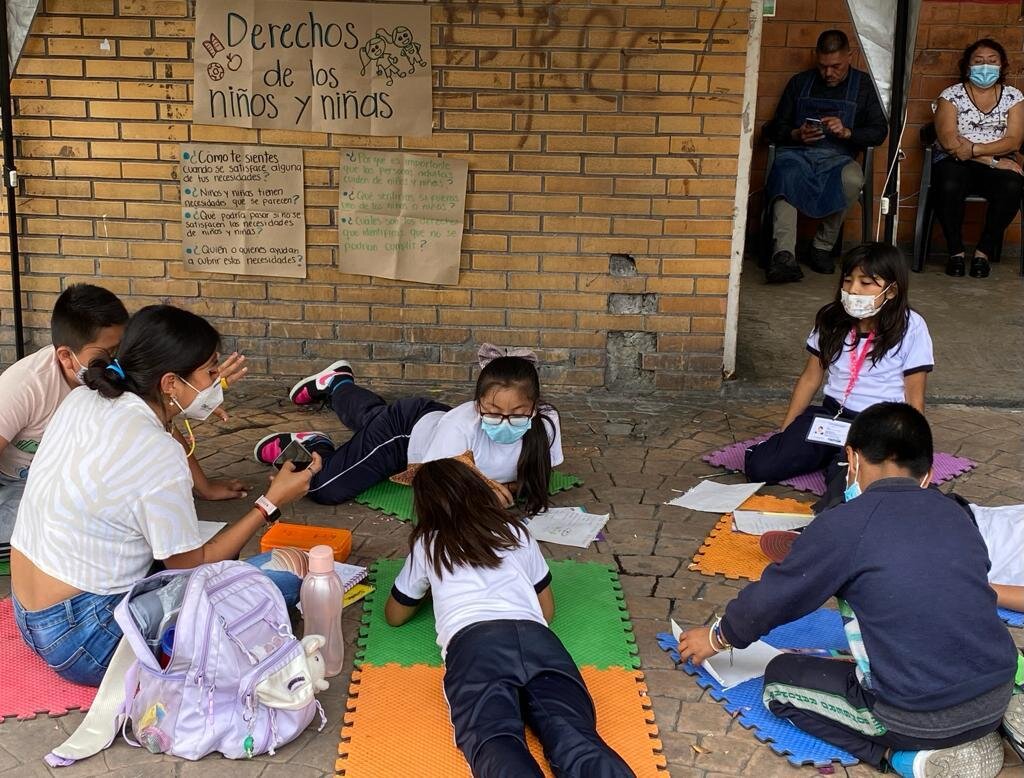
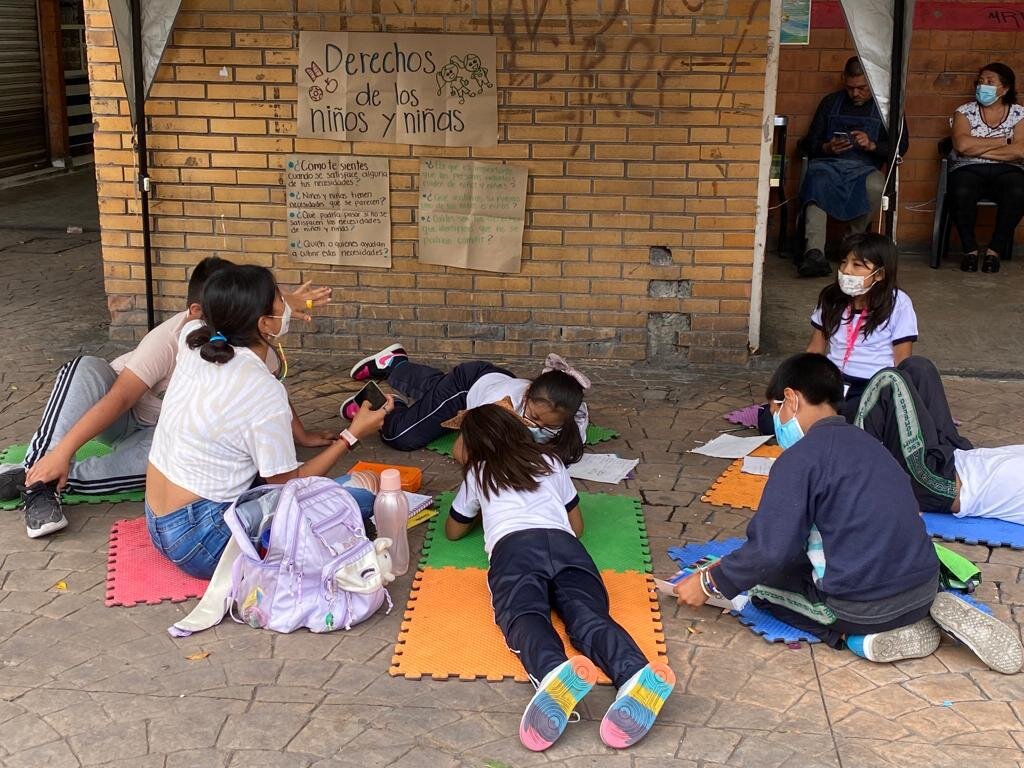
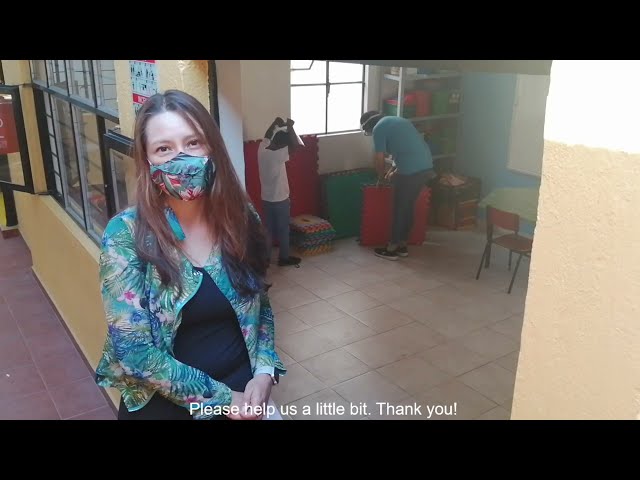
They learn about their rights: On Wednesday afternoons, outside the market, the educators attract and concentrate girls and boys who would otherwise be with their parents at work. There they do different activities, teach them about their rights and help them improve their knowledge and school skills.
Breaking these generational cycles of child labor, from a vision that does not stigmatize families, requires an intervention that can last for years. In the case of the program promoted by Ednica, it is a minimum of eight years. The work of the educators every Monday and Wednesday is just the beginning of a cycle that goes through several stages but starts at fixed points.
Bertha Bocanegra explains that the model contemplates four phases: the first is bonding and trust, the second is skills development, the third is preparation for independent living, and the last is follow-up. This is followed by discharge. "This model of interaction is very ambitious, but it also implies that it is going to be developed over a long period. Our experiences have allowed us to confirm that this stage of these four phases takes a minimum of 8 years to develop, but there are longer cases, up to 15 years, depending also on the age at which the first contact is established,"
Links:
Project reports on GlobalGiving are posted directly to globalgiving.org by Project Leaders as they are completed, generally every 3-4 months. To protect the integrity of these documents, GlobalGiving does not alter them; therefore you may find some language or formatting issues.
If you donate to this project or have donated to this project, you can receive an email when this project posts a report. You can also subscribe for reports without donating.



Support this important cause by creating a personalized fundraising page.
Start a Fundraiser