By Maggy June | Program Coordinator & Community Outreach Officer
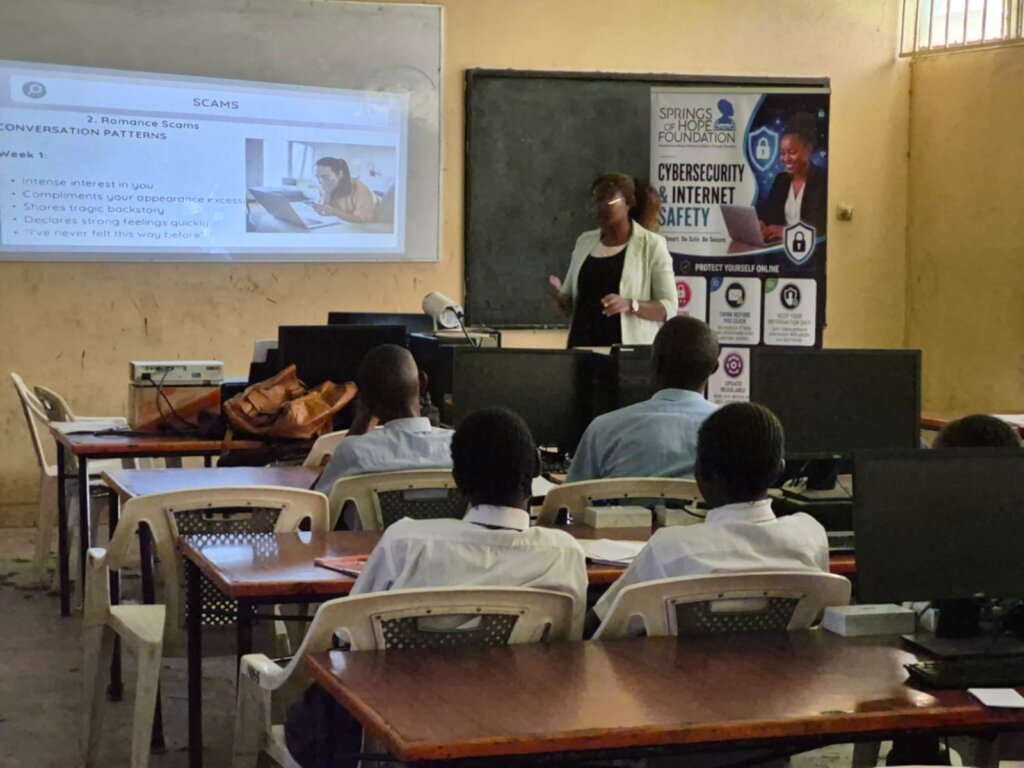
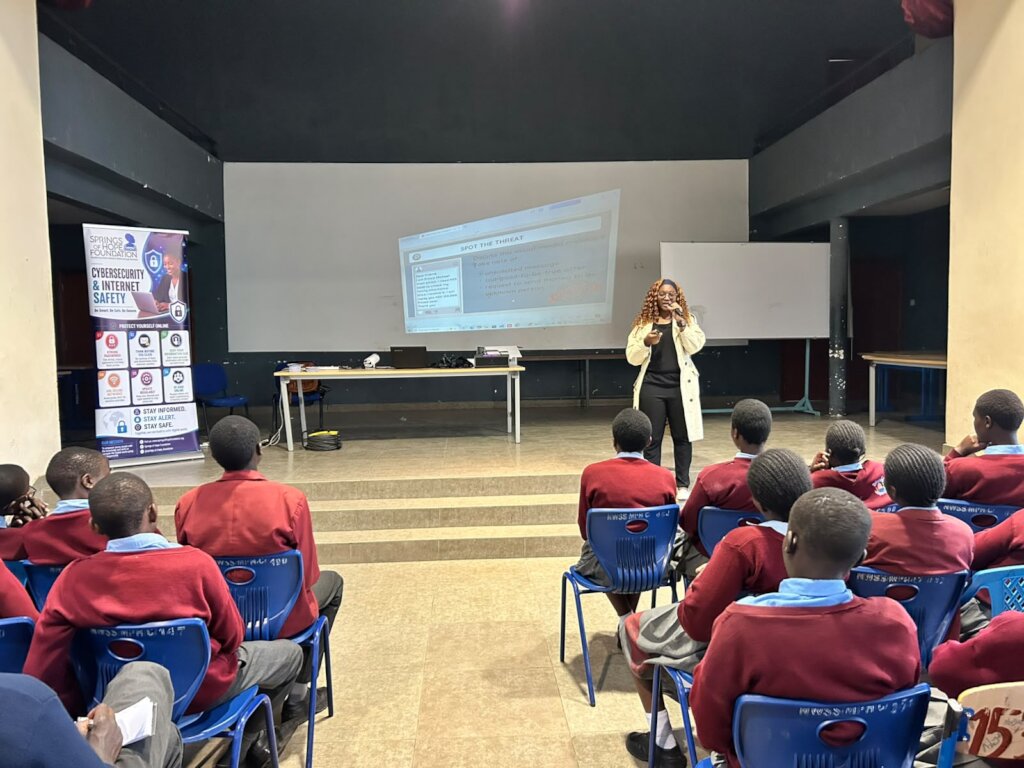
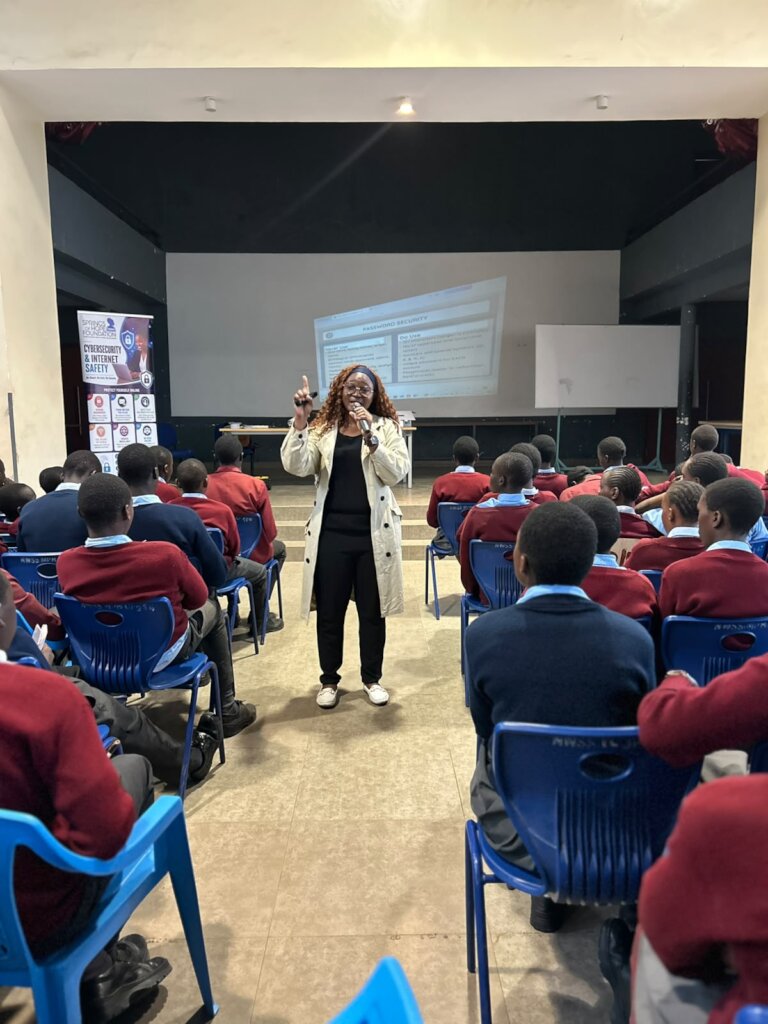
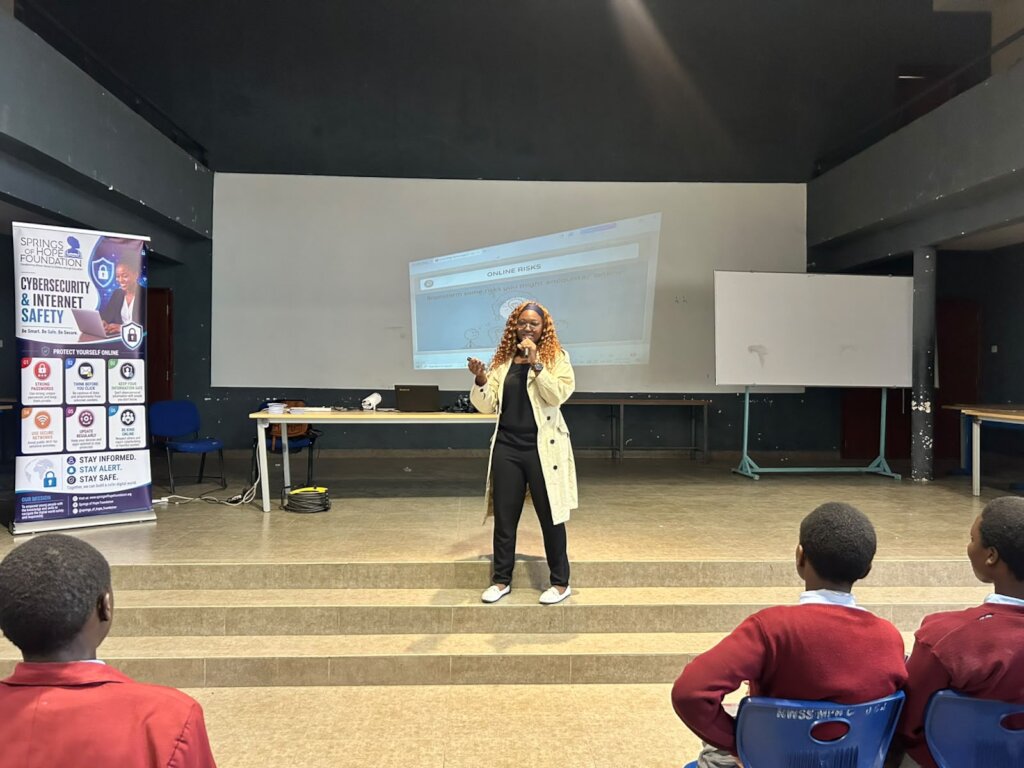
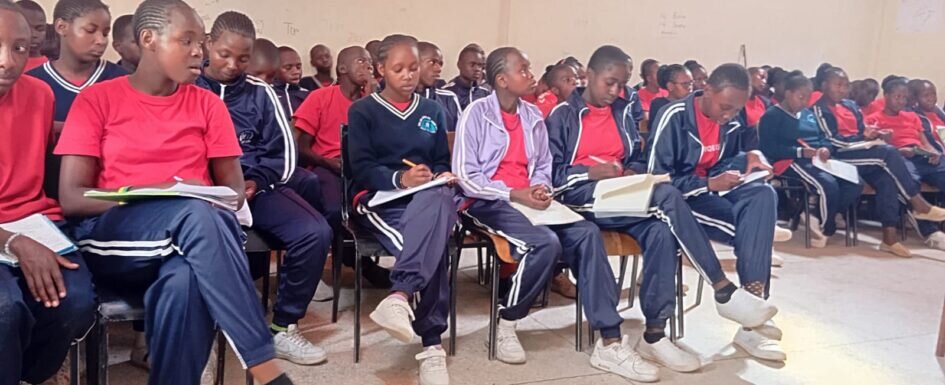
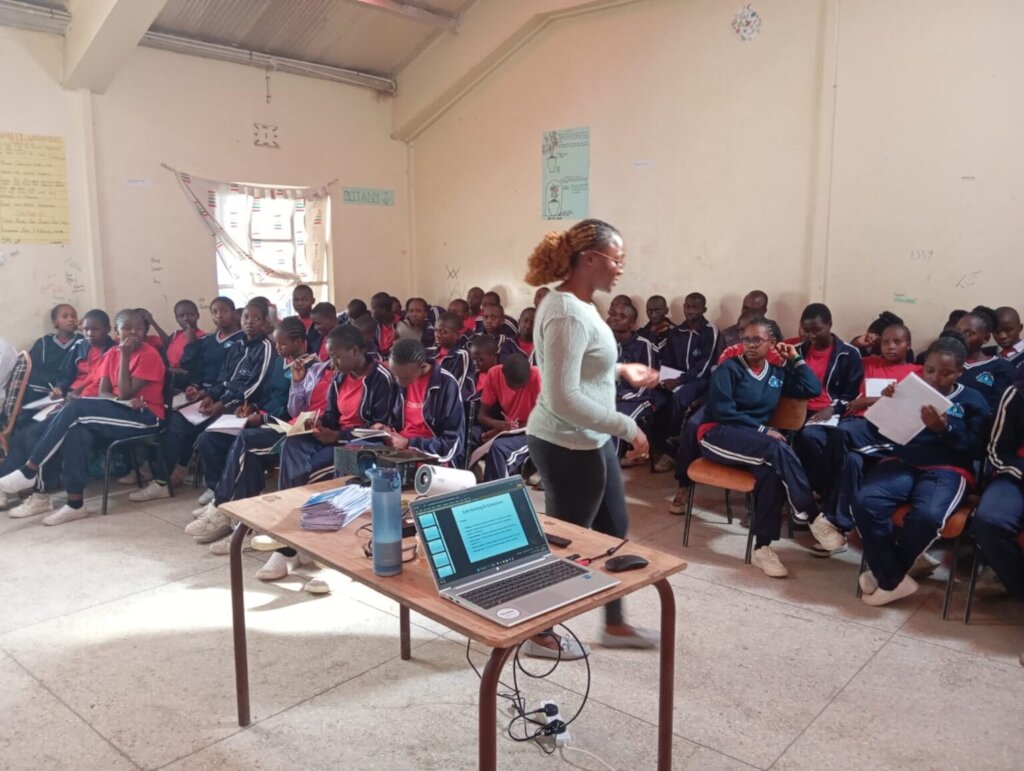
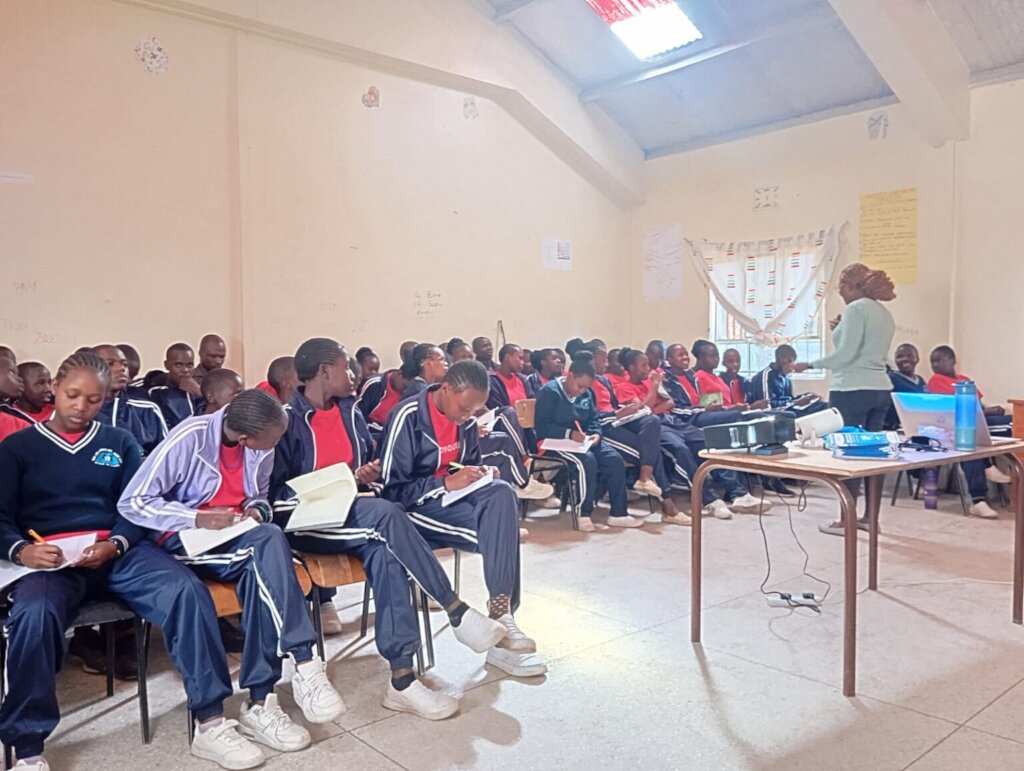
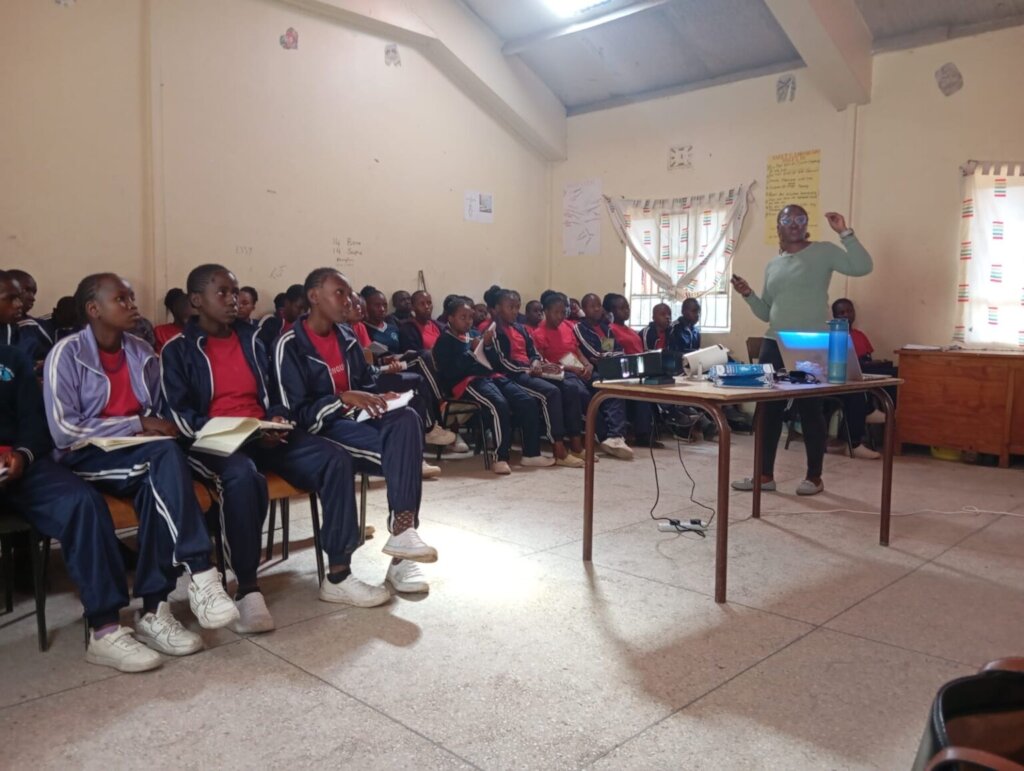
This week we conducted our first cyber safety awareness for teenagers in schools session at New Life Africa International School. I asked 90 students in Grade 8 and 9 a simple set of five questions about online safety.
Only five students answered all five correctly.
Not almost. Not close. Five out of ninety.
It is not shocking in the dramatic sense. It is worse than that as it was expected. When you spend enough time working in adolescent health and digital safety, you stop being surprised and start becoming concerned about how normal the gaps have become. These are teenagers with phones in their pockets, active on social media, moving through a digital world every single day. But most of them were doing it without the most basic understanding of how that world actually works.
Two hours later, we asked the same questions again.
Seventy-five students got all five right.
That shift is the point. Not the numbers themselves, but how quickly they change when someone finally explains what’s been missing.

What We Actually Taught: Beyond “Be Careful Online”
Most online safety talks fail because they stay vague. “Be careful.” “Don’t talk to strangers.” “Think before you post.”
That wasn’t what this was.
We broke down how digital harm actually happens in practice.
We looked at phishing, how convincing fake messages are built to trick users into giving away passwords. We talked about malware and how it spreads quietly through downloads and links that look harmless. We discussed account hijacking and why weak or reused passwords are an open door.
Then we moved into what students rarely get a structured space to talk about: online abuse.
Cyberbullying. Impersonation. Doxing. Hate speech. And sextortion, where manipulation, threats, and increasingly AI-generated content are used to coerce young people.
We also covered Kenya’s legal framework and reporting pathways. Because awareness without action is incomplete. Knowing something is harmful doesn’t help if you don’t know where to go when it happens.
And then the practical layer; password hygiene, two-factor authentication, spotting scams, managing digital footprints, and safe browsing habits.
Two hours wasn’t enough. Not even close. Some topics deserve time to sit, not just time to be mentioned.

A Student’s Experience That Changed the Tone of the Room
At one point, a student described being repeatedly tagged in explicit content by an account they didn’t recognize.
This wasn’t a hypothetical scenario. It was already happening. The room shifted immediately. The conversation stopped being general and became specific, focused, and practical.
We walked through exactly what to do in that situation and how to review tags before they appear publicly, how to adjust privacy settings, and why accepting unknown friend requests creates exposure risks most students don’t realize until after damage is done.
That moment clarified something important: these risks are not future threats. They are already inside students’ online experiences. The only missing piece is guidance.
 Teachers Are Dealing With the Same Knowledge Gap
One of the most unexpected parts of the session was the level of engagement from teachers. Four teachers attended, and their questions were just as detailed as the students’.
They wanted to understand how phishing actually works. How impersonation accounts are created. How predators use grooming tactics like catfishing to build trust over time.
That matters.
Because schools often treat digital safety as a student issue. It isn’t. It’s an institutional blind spot. Teachers are often the first responders when something goes wrong online, yet many have never been given structured training on what to look for or how to respond.
By the end of the session, one teacher, Mr. Chrisphine, was designated as the internal focal point for digital safety concerns at the school, with a clear escalation pathway to Springs of Hope Foundation.
That’s a small structural change, but it’s an important one.
 What We’re Changing Because of This Session
What this experience reinforced is that cyber safety awareness for teenagers in schools cannot be treated as a one-time talk, it needs to be continuous, structured, and embedded in school systems.
Based on what we saw, we’re adjusting our approach in three ways:
1. Longer, structured sessions
Future trainings will run longer or be split into two sessions. Topics like sextortion and coercion need time and not rushed explanations.
2. Student Cyber Safety Ambassadors
We are training selected students to continue peer-to-peer awareness after we leave. Most disclosures happen between peers, not in formal sessions.
3. Regular follow-ups
We are recommending termly refreshers so digital safety becomes continuous education, not a one-off intervention.
NLAI has already requested a return session, which we will be following up on.
 Why This Is Not Just a “Tech Issue”
It’s easy to label this as digital literacy or cybersecurity education. That framing is incomplete.
What we are actually dealing with is adolescent protection in a digital environment, where coercion, exploitation, and harassment often begin online before moving into real-world harm.
Sextortion and grooming are not separate from child protection work. They are part of it. They just happen through screens instead of physical spaces.
A teenager who cannot recognize a threat, who does not know how to report it, and who does not know which adult can intervene, is effectively unprotected, regardless of how active they are online.
This is why these sessions matter.
Not because they teach students “to be safe online,” but because they reduce the time between exposure and response.
What Comes Next
We are developing this into a structured, replicable cyber safety program that can be delivered across schools in Nakuru and beyond.
If your school, organization, or community group is working with young people and wants to run a digital safety and cybersecurity awareness session, Springs of Hope Foundation can support delivery and adaptation. Please reach out to us.
Written by Maggy June| Program Coordinator & Community Outreach Officer, Springs of Hope Foundation | BSc Public Health, Kenyatta University
Links:
Project reports on GlobalGiving are posted directly to globalgiving.org by Project Leaders as they are completed, generally every 3-4 months. To protect the integrity of these documents, GlobalGiving does not alter them; therefore you may find some language or formatting issues.
If you donate to this project or have donated to this project, you can receive an email when this project posts a report. You can also subscribe for reports without donating.



Support this important cause by creating a personalized fundraising page.
Start a Fundraiser