By LEARN Afghan Team | Head of Reporting
Introduction
LEARN Afghan continues to expand access to education for out-of-school girls across Afghanistan, with a strong focus on science, technology, digital literacy, and future-oriented skills. Since the launch of this project, the program has continued to grow despite severe restrictions on girls’ education and ongoing operational challenges.
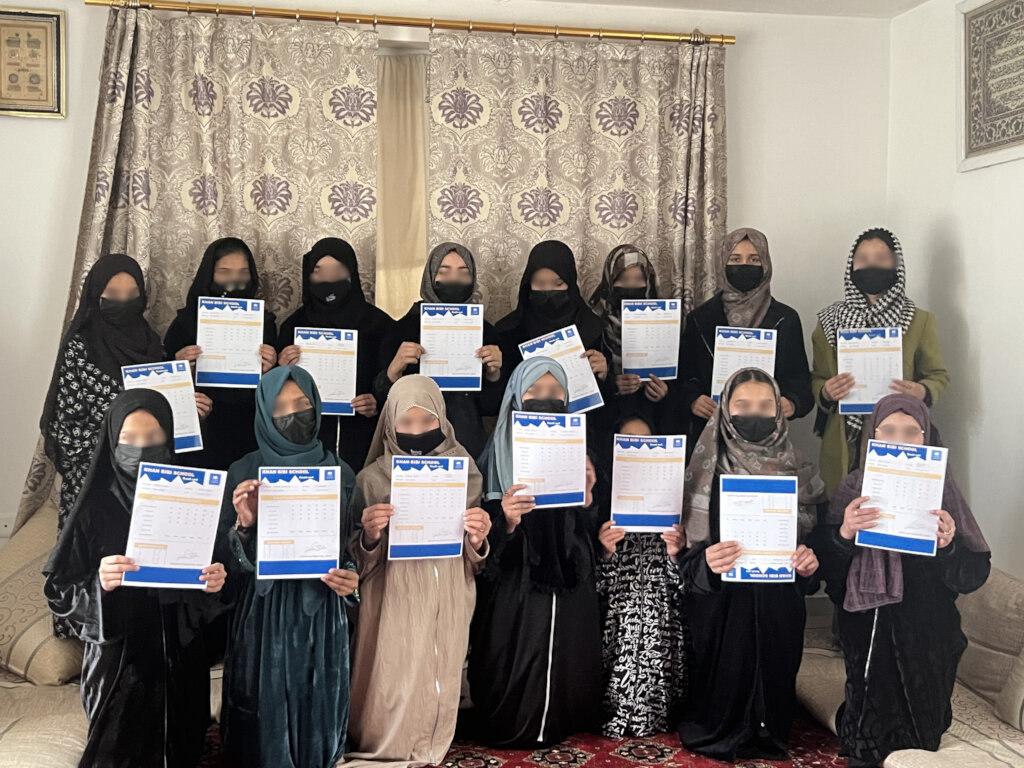
By the end of this reporting period, LEARN Afghan had reached 3,769 students across 25 school programs and 24 locations. These initiatives provide safe, structured learning opportunities for adolescent girls who would otherwise have limited or no access to secondary education.
Key Achievements and Impact
Expansion and Reach
One of the most significant achievements during this reporting period has been the continued expansion and stabilization of LEARN Afghan’s education programs. What began with a small number of schools has grown into a broad network of school programs serving girls across Afghanistan.
By the end of the reporting period, more than 3,700 girls across Grades 7 through 12 were actively engaged in structured learning. This growth reflects continued demand from families and communities, as well as the resilience of students who remain committed to learning despite difficult circumstances.
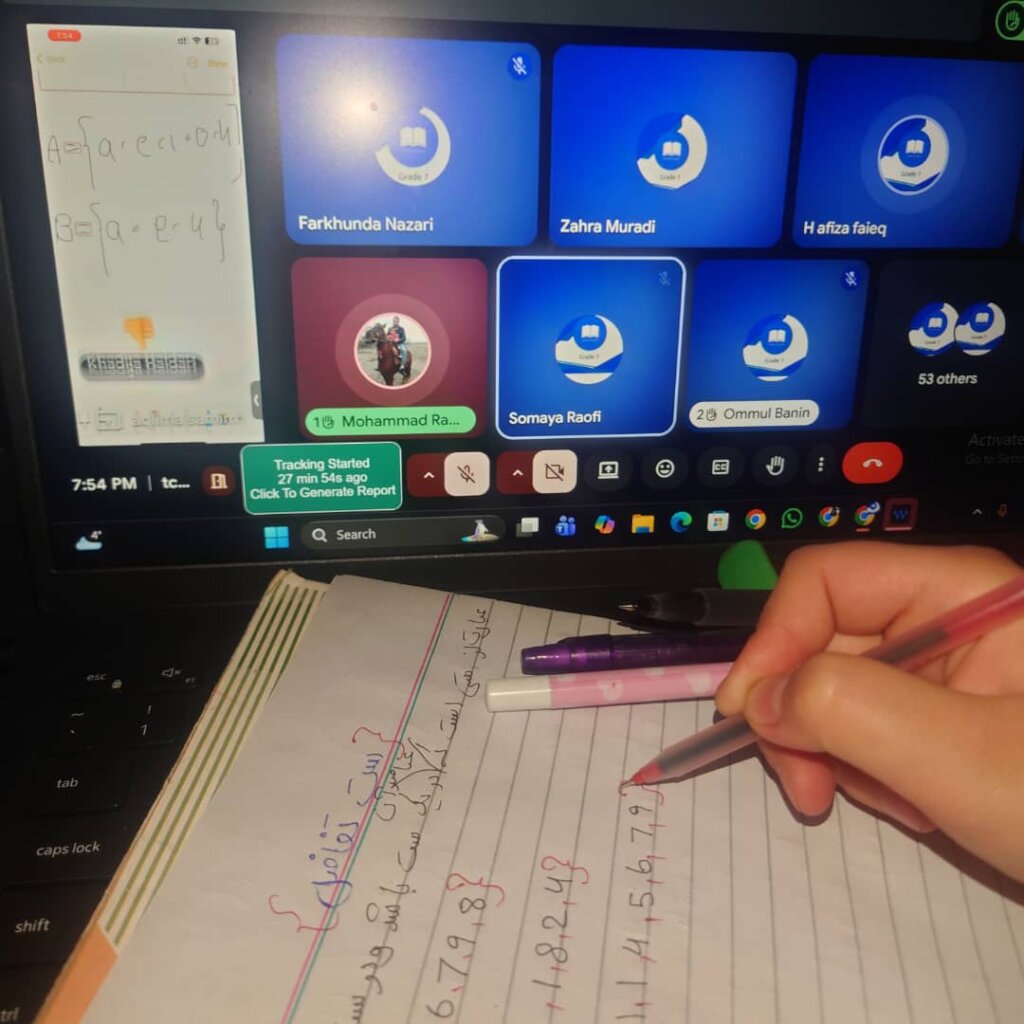
The expansion also demonstrates the strength of LEARN Afghan’s adaptable education model, which combines community-based learning, hybrid instruction, digital resources, and teacher-led support to ensure students can continue their studies.
Continuity of Secondary Education
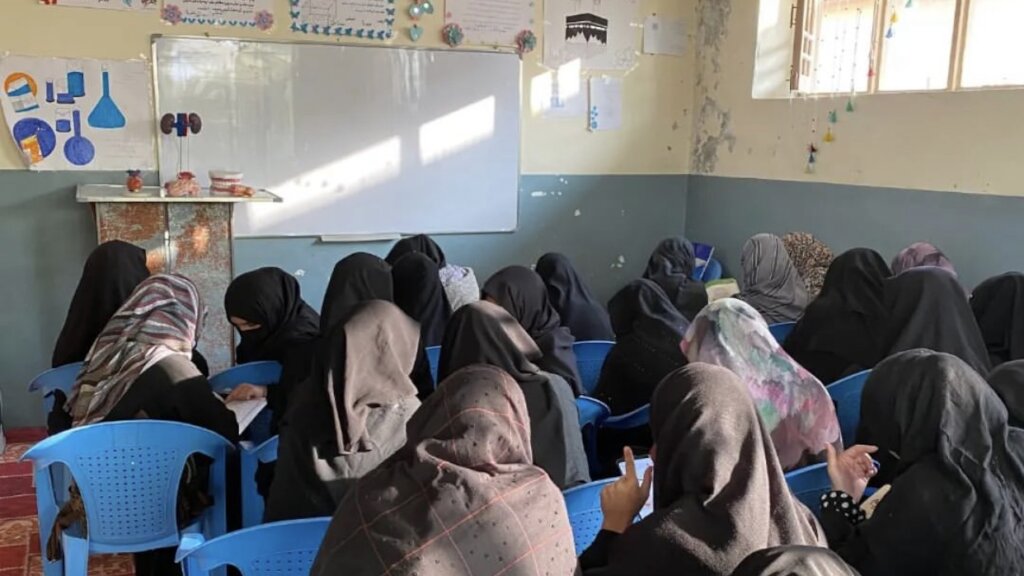
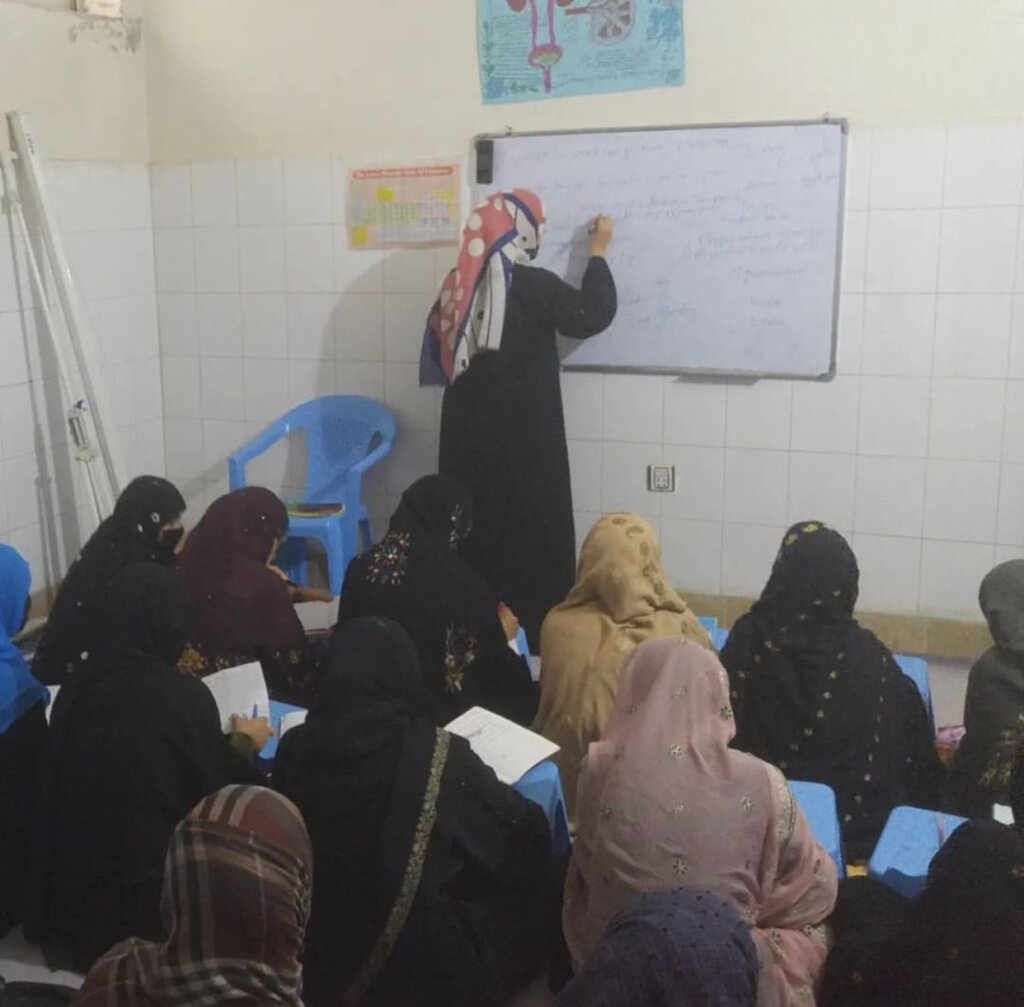
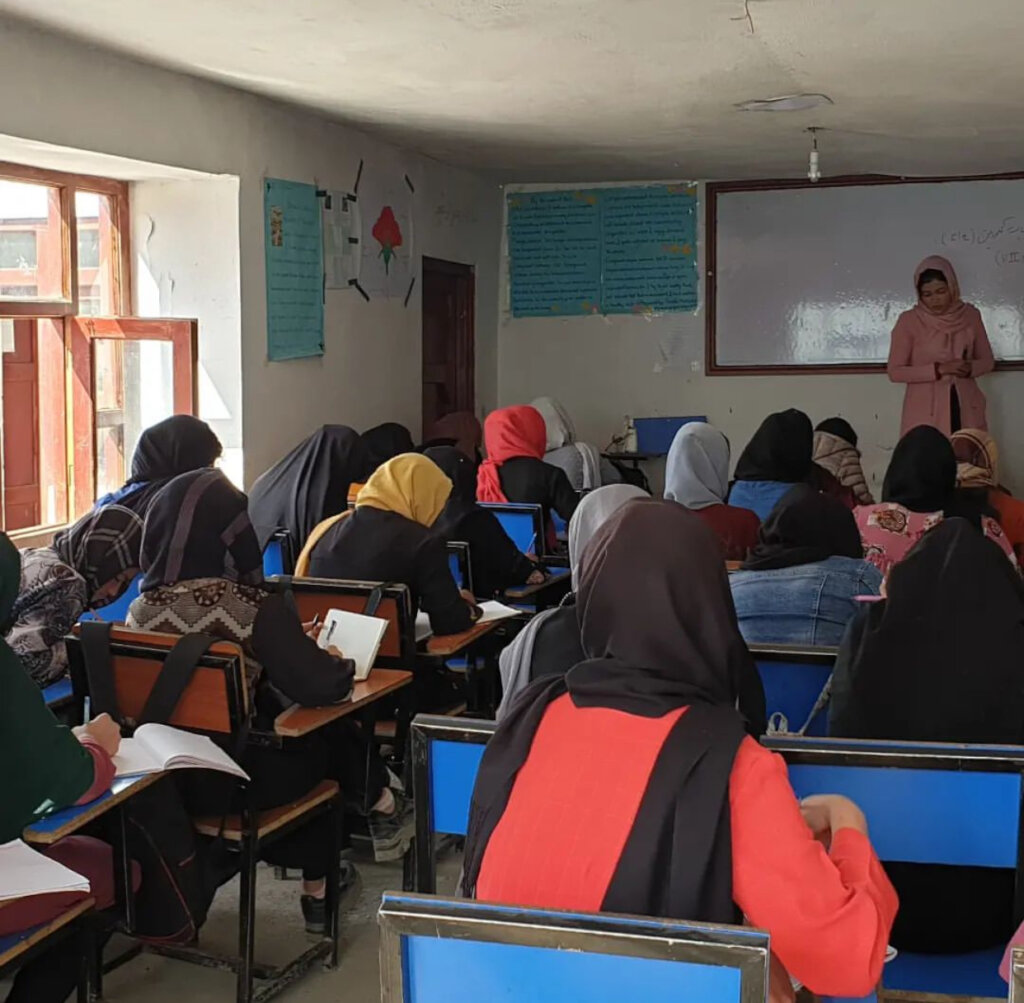
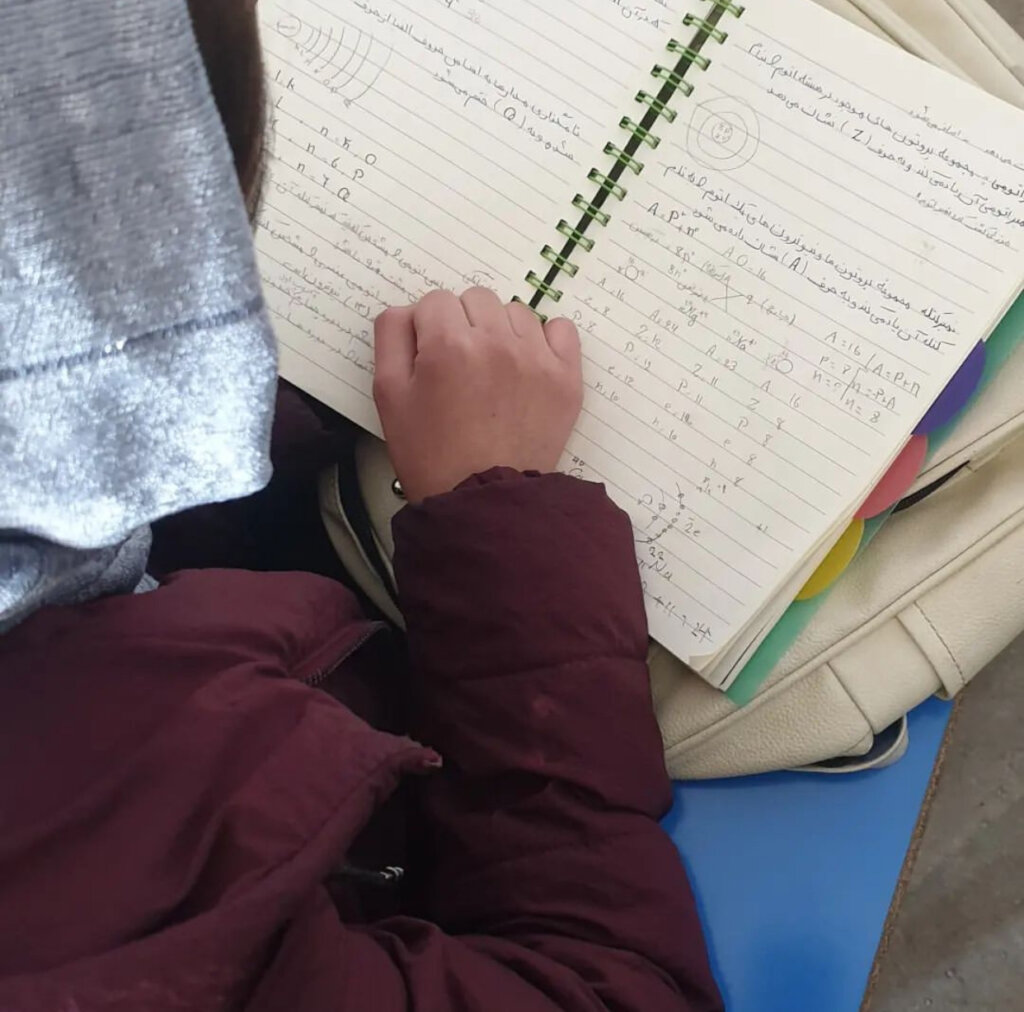
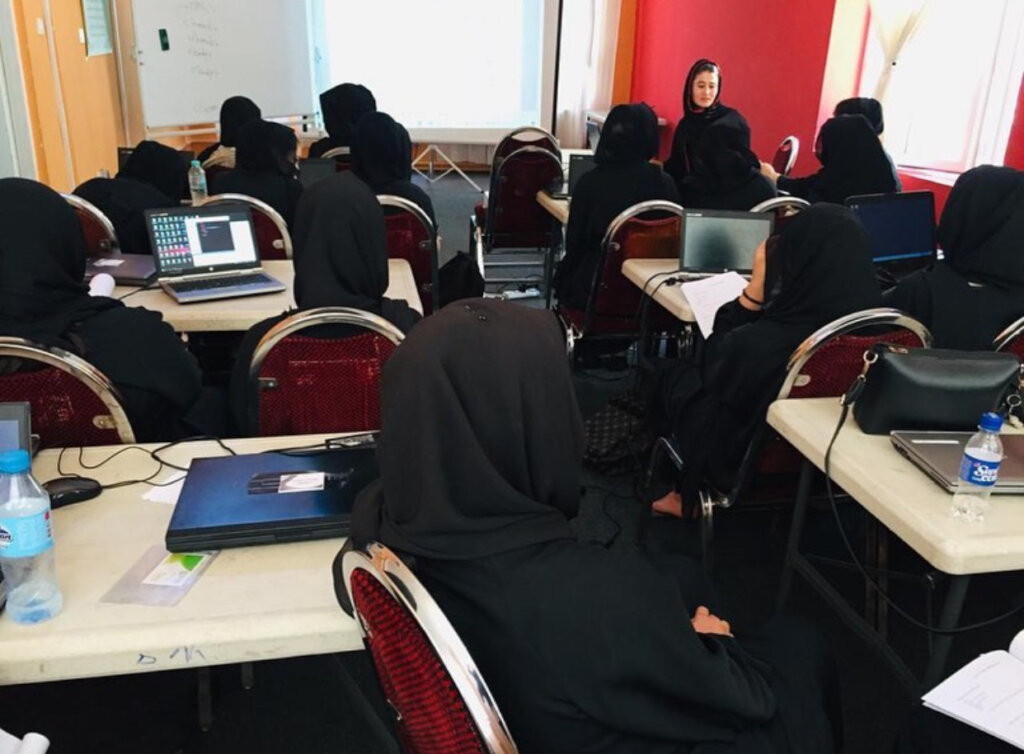
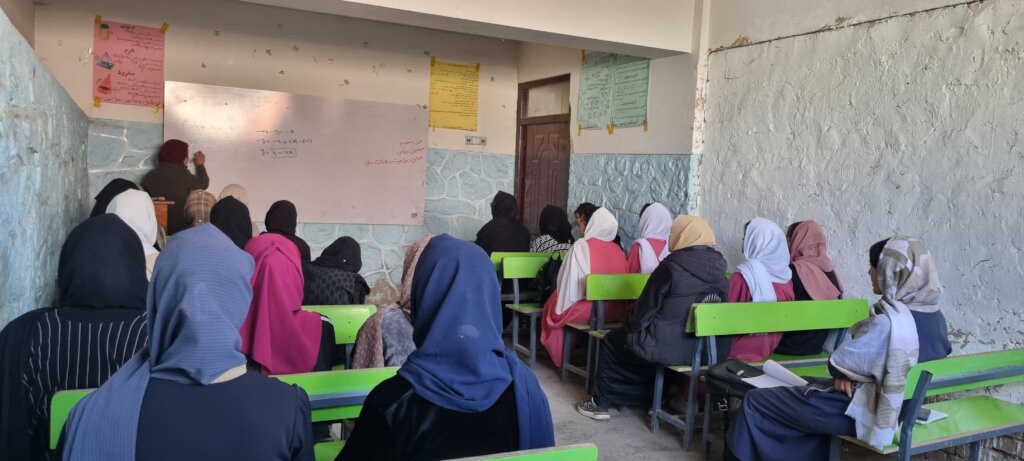
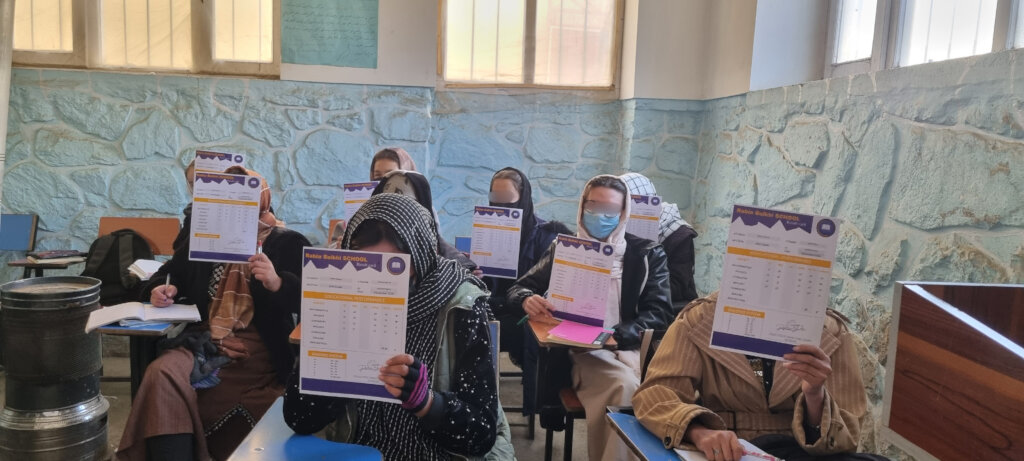
Across school programs, teachers maintained regular academic schedules and continued delivering lessons in core subjects, including mathematics, biology, chemistry, physics, English, and computer studies. Students participated in classroom instruction, revision sessions, chapter assessments, midterm examinations, presentations, and practical exercises.
This continuity is especially important for girls in lower and upper secondary grades, many of whom have already experienced interruptions in their education. By keeping students connected to structured learning, the program supports academic progression and helps girls remain prepared for future opportunities.
Several schools also used interactive teaching methods, including group work, student presentations, academic competitions, science demonstrations, and classroom projects. These activities helped students strengthen their understanding while also building confidence, communication skills, and active participation.
STEM and Specialized Learning Programs
STEM and specialized learning remained central to the project. In addition to the core secondary curriculum, students continued to access opportunities in science, technology, English language learning, computer studies, and practical skills development.
Computer and digital literacy classes helped students build foundational technology skills, including basic computer use, online learning practices, and digital communication. Web development activities introduced students to website design and technical problem-solving, while robotics-related learning encouraged creativity, experimentation, and hands-on engagement with technology.
The journalism program also continued to support students in developing communication and storytelling skills. Students practiced interviewing, note-taking, news writing, and structured reporting. These activities helped students express their ideas, think critically, and build confidence in their voices.
Together, these programs ensure that Afghan girls are not only continuing their education but also gaining skills that are relevant to future academic, professional, and digital opportunities.
Student Confidence and Wellbeing
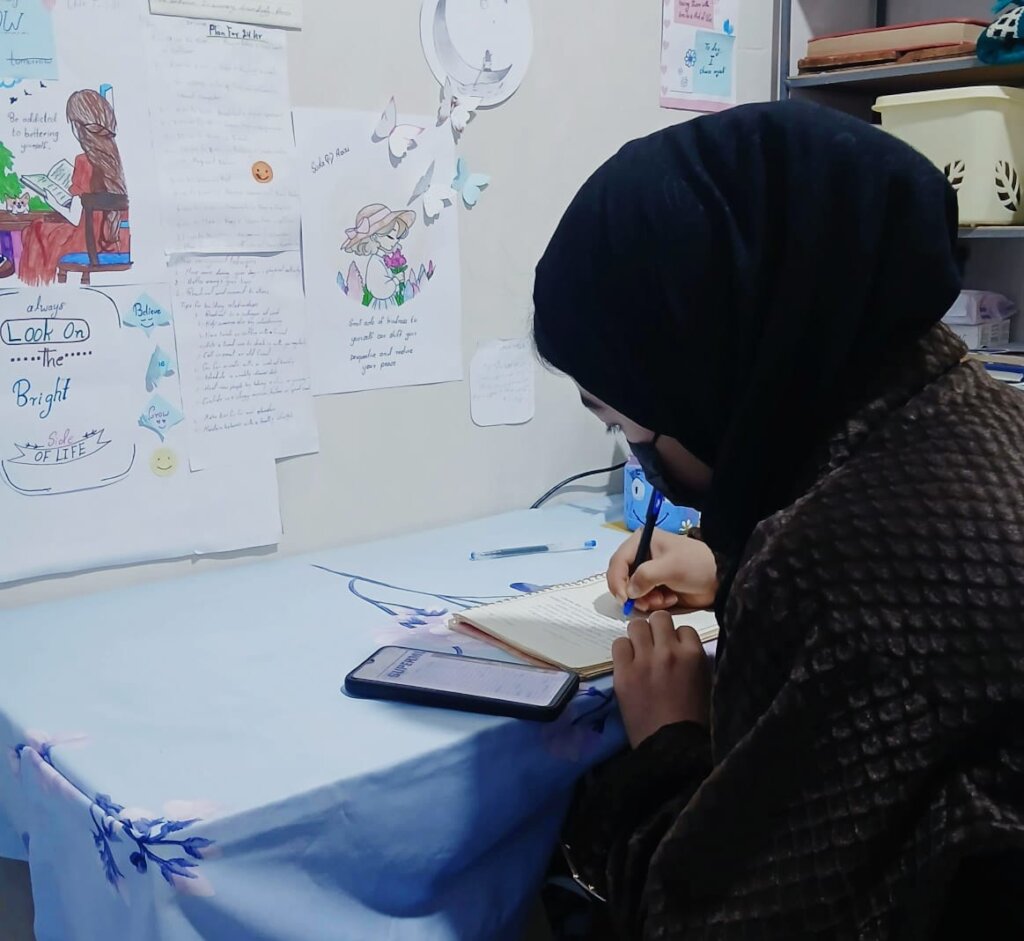
The impact of the program extends beyond academic instruction. Many students have shared that returning to learning helped restore their confidence and motivation after long periods of uncertainty. For girls who had been away from school for years, joining LEARN Afghan provided a renewed sense of possibility.
One student shared that before joining the program, she felt unsure whether she would ever continue her education. After enrolling, she became motivated to complete her studies, improve her skills, and apply for scholarships in the future. Another student described the classroom as a space that helped her move from silence and fear toward participation, confidence, and hope.
These experiences show how education can support both academic growth and emotional resilience. Through peer discussions, writing activities, clubs, presentations, and supportive classroom environments, students can reconnect with learning and one another.
Teachers and Community Impact
Teachers and facilitators remained central to the success of the program. They delivered lessons, monitored attendance, guided students through assessments, supported practical learning activities, and adapted teaching methods to meet student needs.
Families and communities also continued to play an important role. Schools maintained communication with parents and caregivers through meetings and follow-up discussions on attendance, academic progress, discipline, and learning support at home. These efforts helped strengthen trust and encouraged families to remain engaged in their daughters’ education.
For many families, LEARN Afghan’s schools have become trusted learning spaces where girls can continue studying, build confidence, and plan for the future.
Challenges
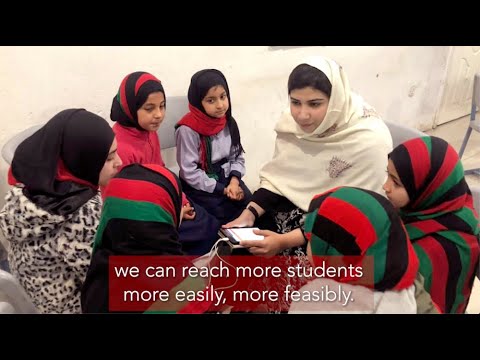
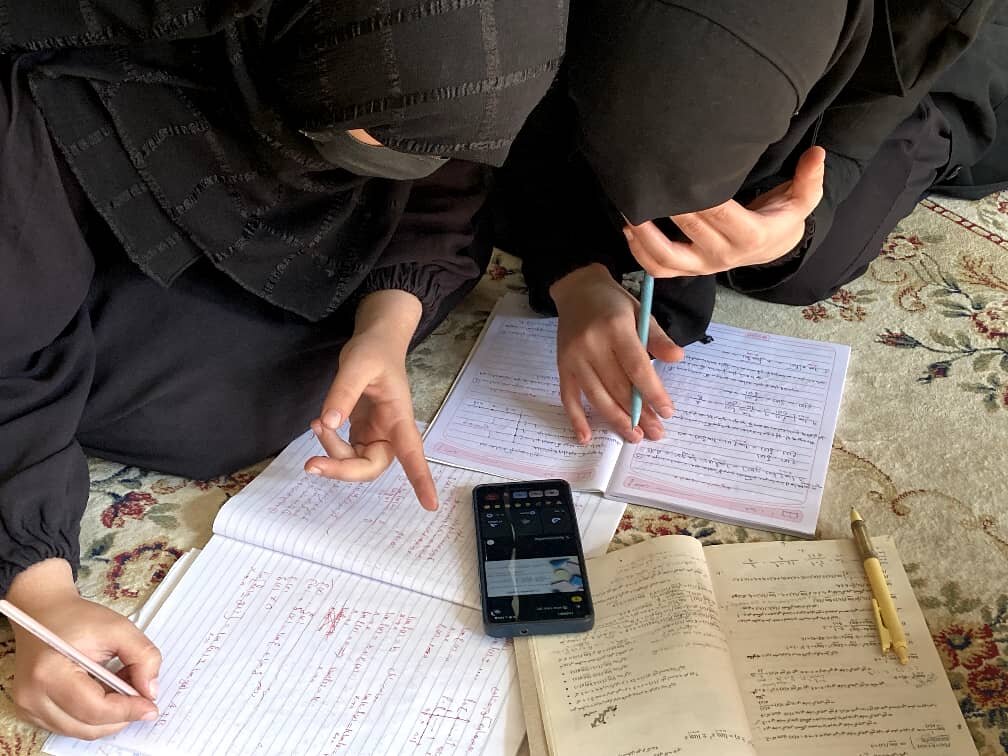
While the program made strong progress, challenges remained. Some students and teachers faced occasional difficulties with internet access, fluctuating attendance, family responsibilities, and limited learning resources. LEARN Afghan responded by using flexible approaches, including hybrid instruction, offline materials, recorded content, mobile-supported communication, and classroom-based practical activities. Teachers and facilitators also maintained regular contact with students and families to support attendance and continuity.
These adaptations helped ensure that education activities continued and that students remained connected to learning.
Looking Ahead
In the coming months, LEARN Afghan will continue focusing on quality instruction, student retention, teacher support, and practical learning opportunities. Key priorities include strengthening STEM education, expanding digital literacy, supporting student wellbeing, and helping older students prepare for future academic and professional pathways.
LEARN Afghan also remains committed to strengthening specialized programs such as English, computer studies, web development, robotics, and journalism so that girls can build both academic knowledge and future-ready skills.
Continued support from GlobalGiving donors is essential to sustaining this work and ensuring that girls in Afghanistan remain connected to education, confidence, and opportunity.
Conclusion
From an initial small network of schools, this project has grown to reach 3,700+ girls across Afghanistan. Each student represents more than a number. She represents a renewed opportunity to learn, rebuild confidence, and imagine a future beyond the barriers currently placed before her.
Through secondary education, STEM programming, digital learning, and resilient community-based support, LEARN Afghan is helping girls continue their education under extraordinarily challenging circumstances. With continued support, this momentum can ensure that Afghan girls remain connected to learning and equipped with the skills they need to shape their futures.
Links:
Project reports on GlobalGiving are posted directly to globalgiving.org by Project Leaders as they are completed, generally every 3-4 months. To protect the integrity of these documents, GlobalGiving does not alter them; therefore you may find some language or formatting issues.
If you donate to this project or have donated to this project, you can receive an email when this project posts a report. You can also subscribe for reports without donating.



Support this important cause by creating a personalized fundraising page.
Start a Fundraiser