By Khoshal Ahmad Khan | Head of Reporting
Introduction
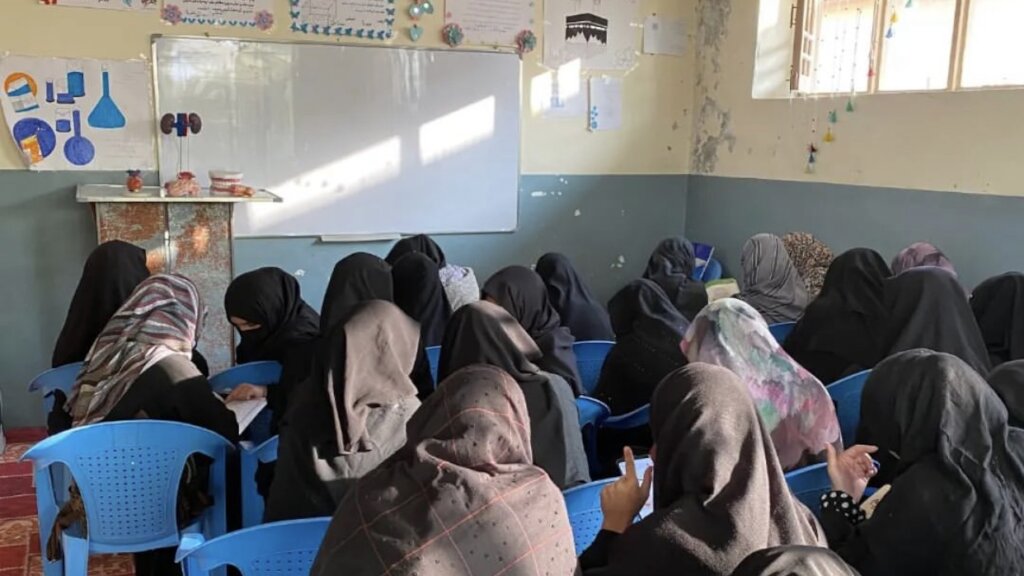
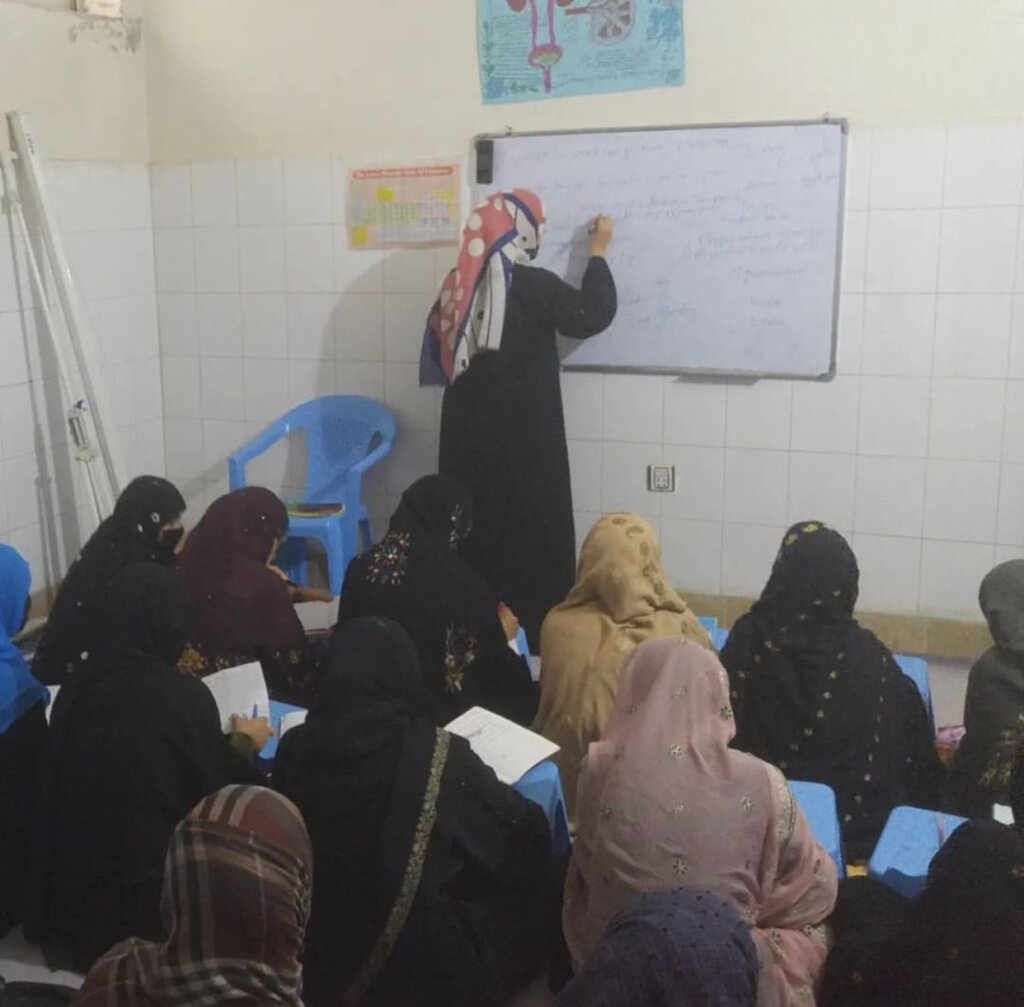
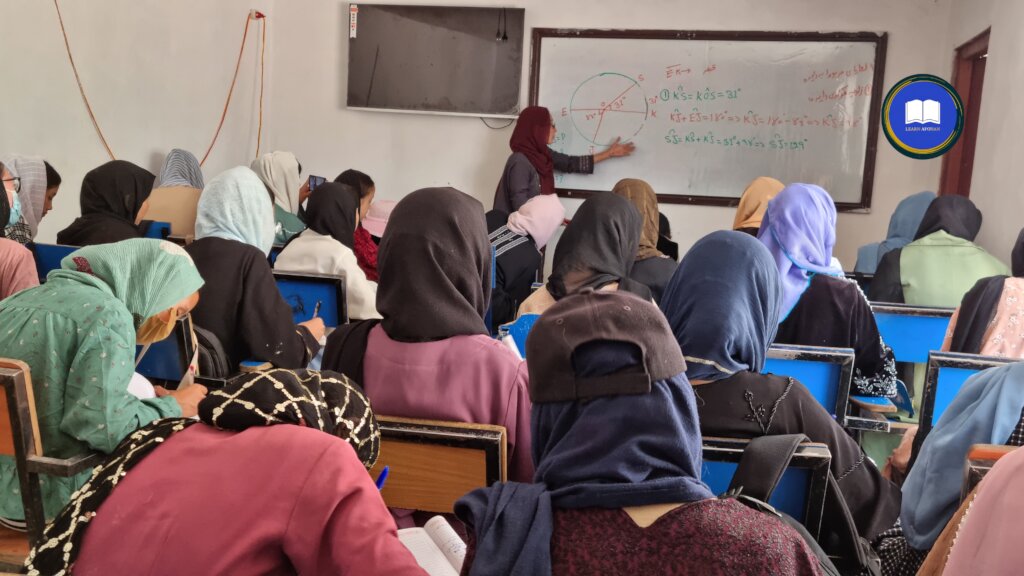
LEARN Afghan continues to expand access to education for out-of-school girls across Afghanistan, with a strong focus on science, technology, and future-oriented skills. Since the launch of this project, the program has grown steadily despite severe restrictions on girls’ education. By January 2026, the project operated across 18 provinces, reaching 2,135 students through community-based schools, hybrid learning models, and specialized STEM-focused programs. These initiatives provide safe, structured learning opportunities for adolescent girls who would otherwise be excluded from formal education.
Key Achievements and Impact
Expansion and Reach
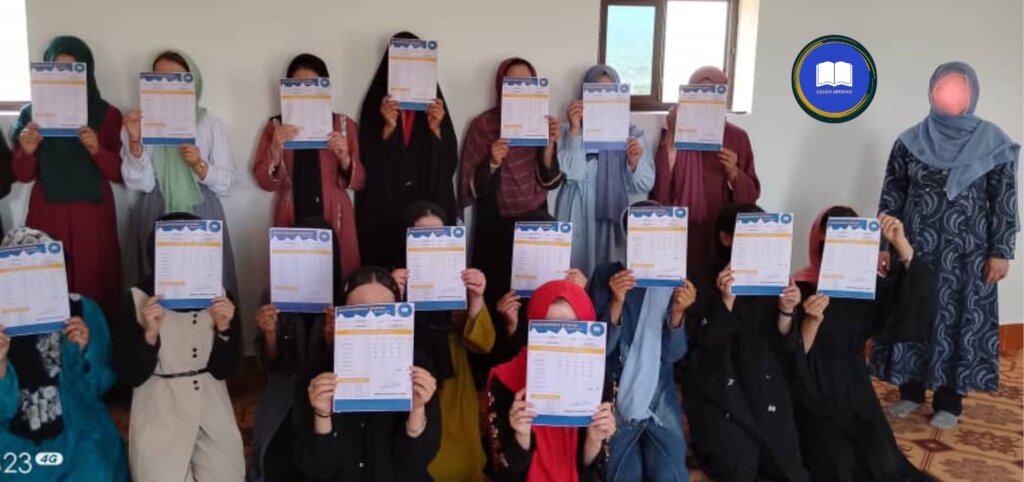
One of the most significant achievements during this reporting period has been the continued expansion and stabilization of the program. What began with schools in five provinces has grown to cover 18 provinces, including Kandahar, Bamyan, Herat, Samangan, Daikundi, Helmand, Balkh (Mazar-e-Sharif), Badakhshan, Takhar, Faryab, Ghazni, Ghor, Zabul, Kabul (two locations), Kunar, Baghlan, Parwan, and Nangarhar. By January 2026, 2,135 girls across grades seven to twelve were actively engaged in structured learning, reflecting sustained growth from earlier phases of the project and strong community demand for education.
Continuity of Secondary Education
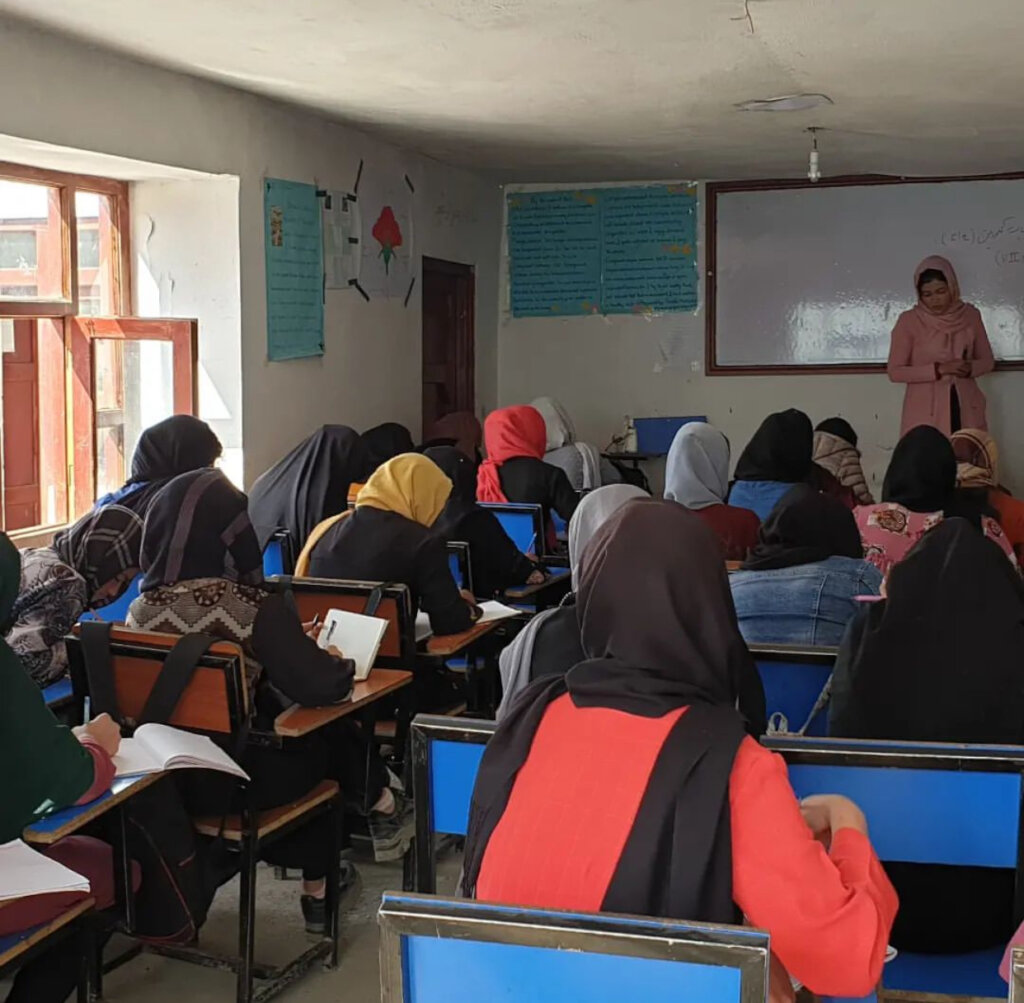
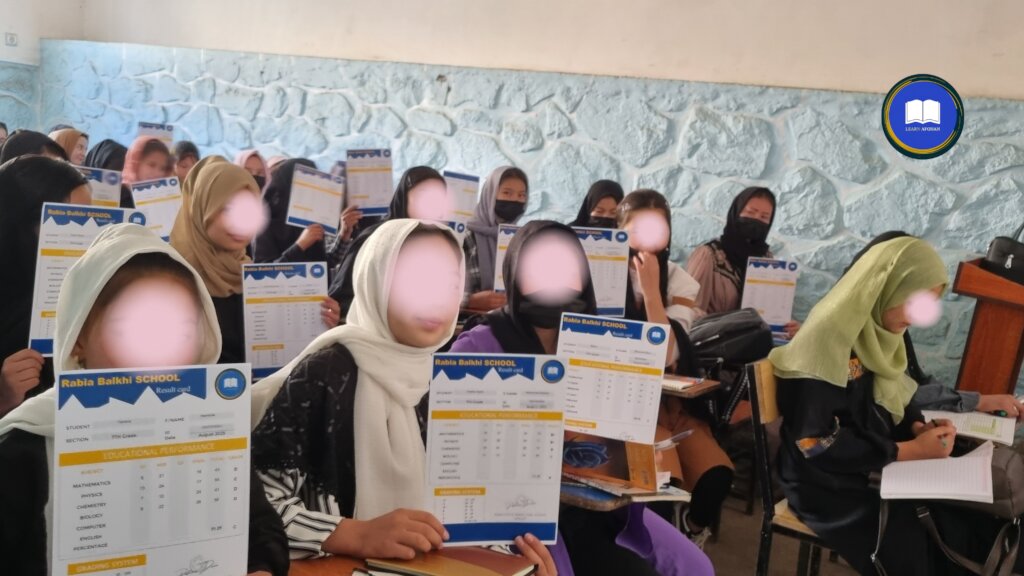
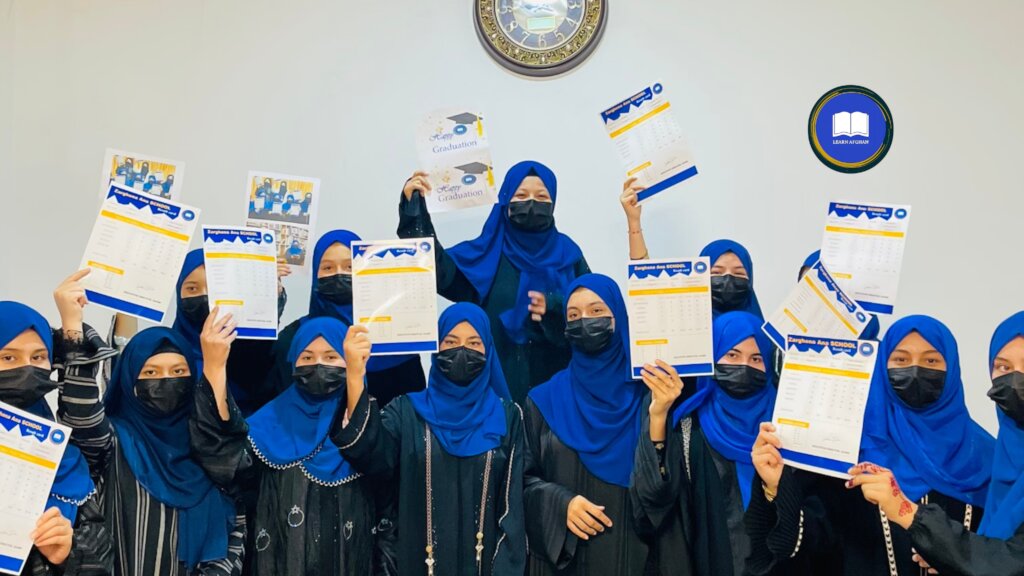
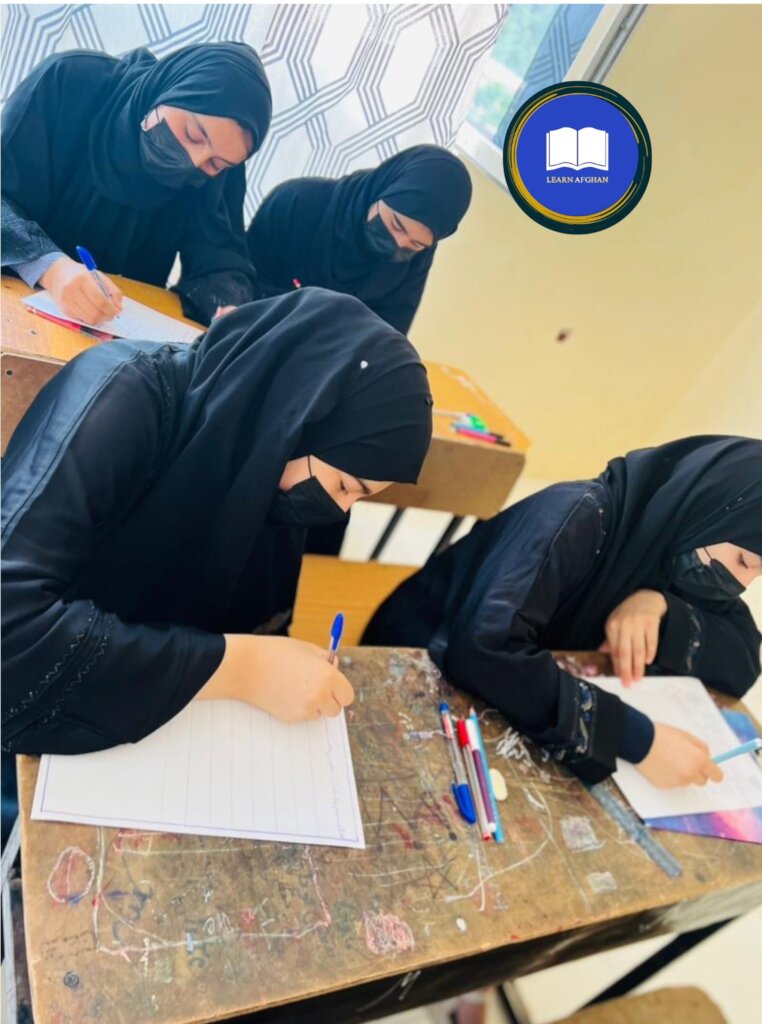
Across provinces, schools maintained regular class schedules and assessments, enabling students to progress through lower and upper secondary levels. Several schools continued offering senior grades, ensuring that girls who had already advanced in their education were not forced to stop. These efforts underscore the project’s commitment not only to access but to continuity and progression in learning.
STEM and Specialized Learning Programs
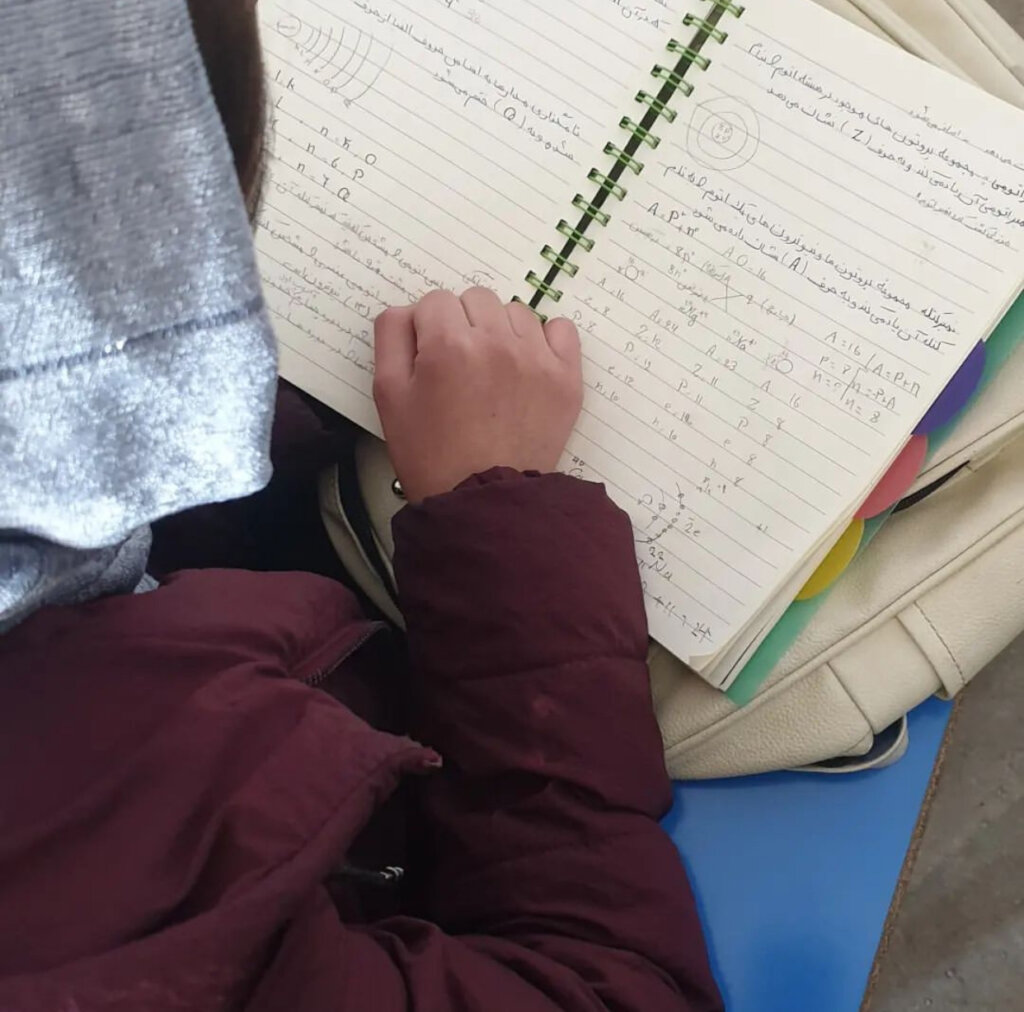
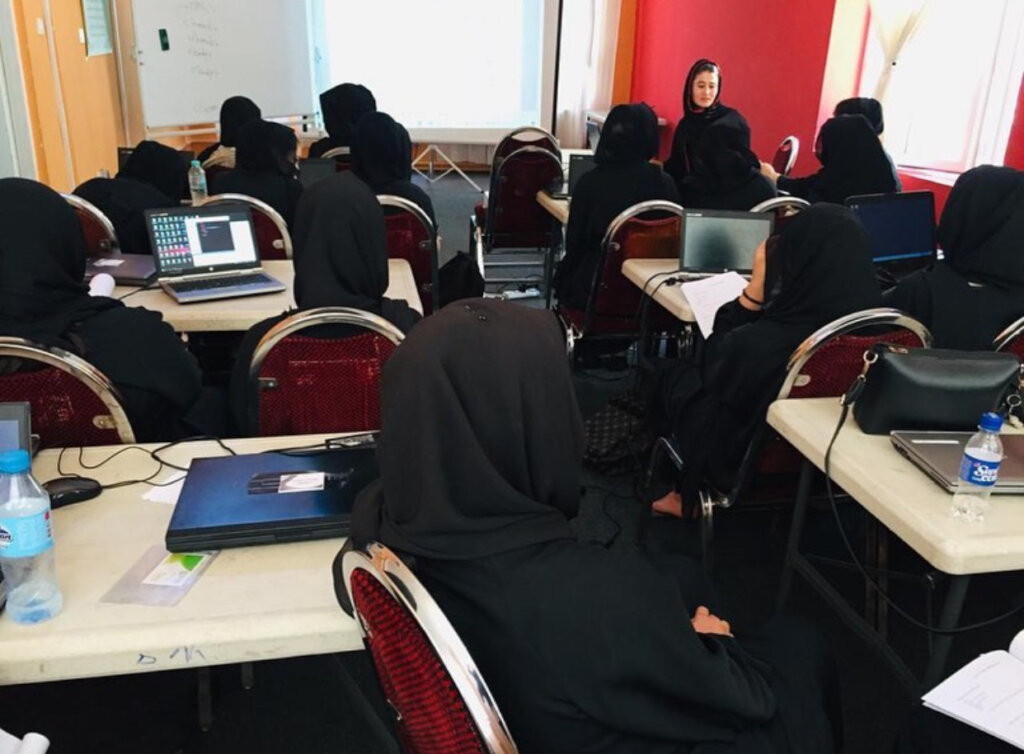
Specialized and STEM-focused programs expanded substantially during the final phase of implementation, complementing the core secondary curriculum:
Together, these programs ensure that Afghan girls are not left behind in emerging fields and are equipped with skills relevant to both local and global contexts.
Teachers and Community Impact
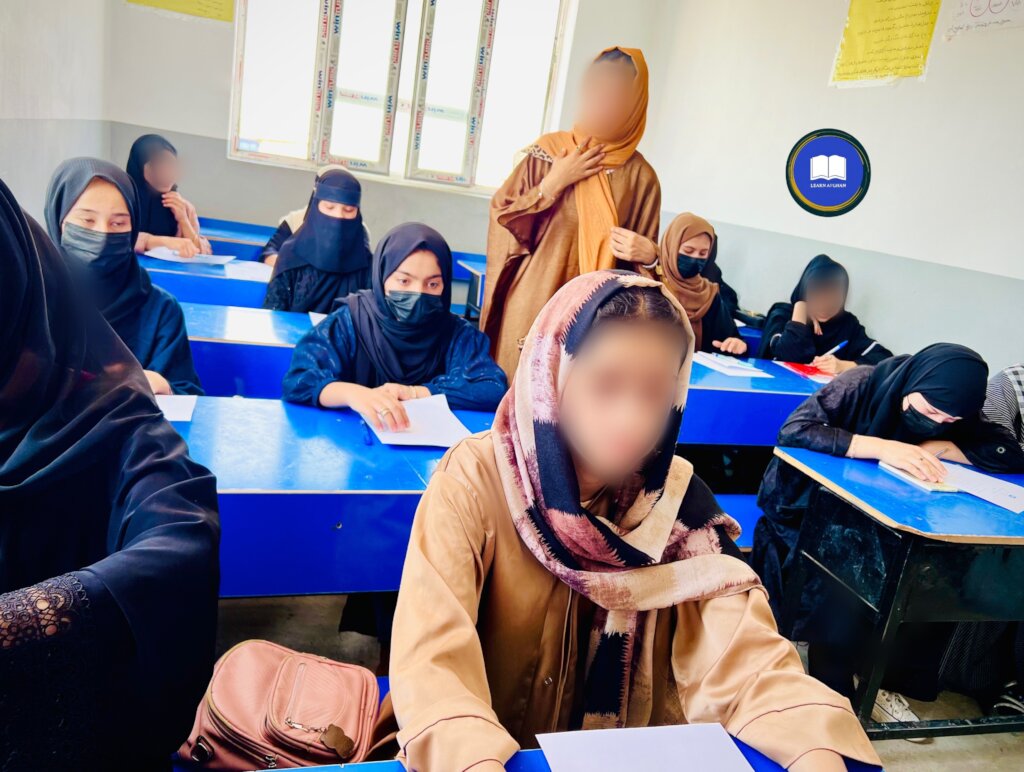
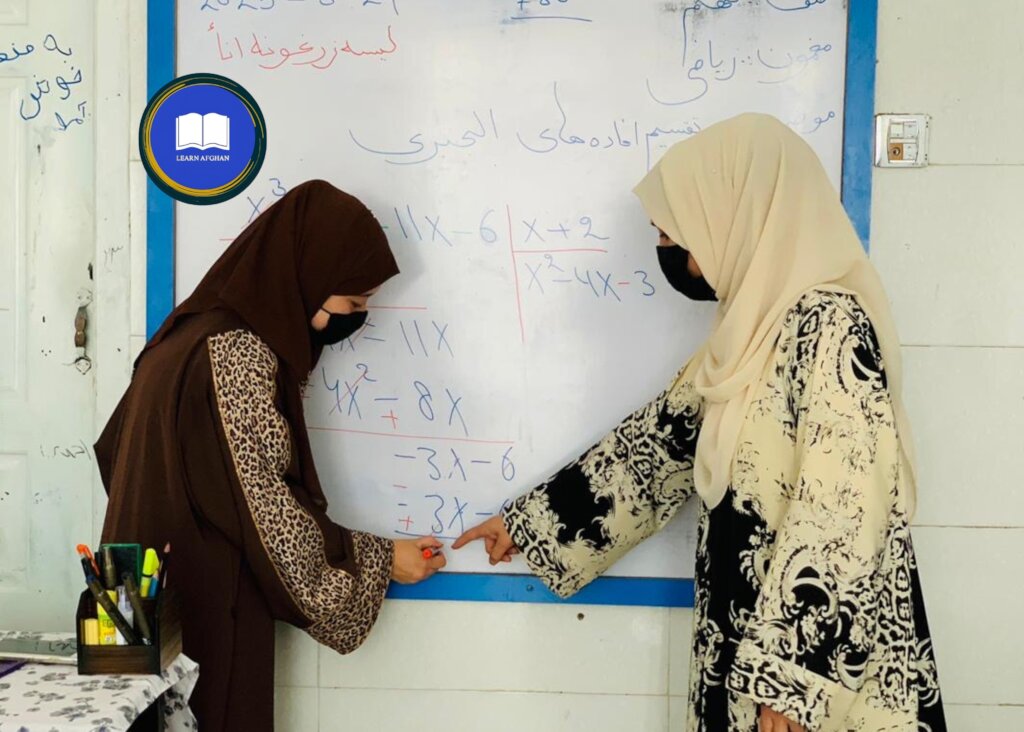
All newly established and continuing schools were staffed with trained teachers and assistants who met academic, professional, and safeguarding standards. Ongoing training supported educators in delivering both in-person and hybrid instruction effectively. The impact within communities has been profound. Families who once believed their daughters’ education had ended permanently now see them attending school regularly, gaining confidence, and planning for the future. Schools have become trusted and protective spaces where girls can learn, grow, and rebuild hope.
Students taking on roles in administration and teaching after graduation reflects a powerful cycle in our educational model. As former students return as educators and leaders, they share their knowledge and experiences, creating a sustainable system for future generations. This not only reinforces the value of education but also serves as inspiration for younger students, fostering a strong sense of community and continuous growth within the school environment.
Challenges
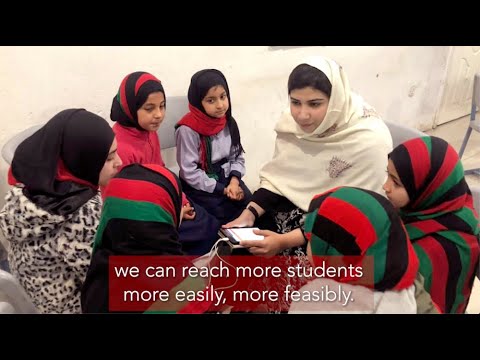
Despite substantial progress, challenges persist. Restrictions on WiFi connectivity in several provinces, including Kandahar, Herat, and Balkh, have required students and teachers to rely heavily on cellular data. While this has allowed learning to continue, the situation remains unpredictable and requires constant adaptation. Seasonal constraints, as well as social and political changes and restrictions by the de facto government, also affect attendance, though community engagement has helped mitigate these risks.
Looking Ahead
In the coming months, LEARN Afghan will focus on consolidating gains made across all provinces, with particular attention to maintaining quality in both academic instruction and specialized programs. Planned priorities include supporting academic transitions, strengthening STEM pathways, expanding psychosocial support for students, and enhancing opportunities for graduates to pursue higher education and scholarships. Where conditions and approvals allow, LEARN Afghan also hopes to continue expanding access to education with the long-term aim of reaching girls in all 34 provinces of Afghanistan. Continued investment in teacher development and hybrid learning systems will remain central to sustaining impact.
Conclusion
From an initial presence in five provinces, this project has grown to reach 2,135 girls across 18 provinces in Afghanistan. Each additional student represents not just a number, but a renewed opportunity for learning, confidence, and future potential. Through secondary education, STEM programming, and resilient delivery models, LEARN Afghan is helping girls reclaim their right to education under extraordinarily challenging circumstances. With continued support, this momentum will ensure that Afghan girls remain connected to learning and equipped to shape their futures.
Links:
Project reports on GlobalGiving are posted directly to globalgiving.org by Project Leaders as they are completed, generally every 3-4 months. To protect the integrity of these documents, GlobalGiving does not alter them; therefore you may find some language or formatting issues.
If you donate to this project or have donated to this project, you can receive an email when this project posts a report. You can also subscribe for reports without donating.



Support this important cause by creating a personalized fundraising page.
Start a Fundraiser