By Khoshal Ahmad Khan | Head of Reporting
Introduction
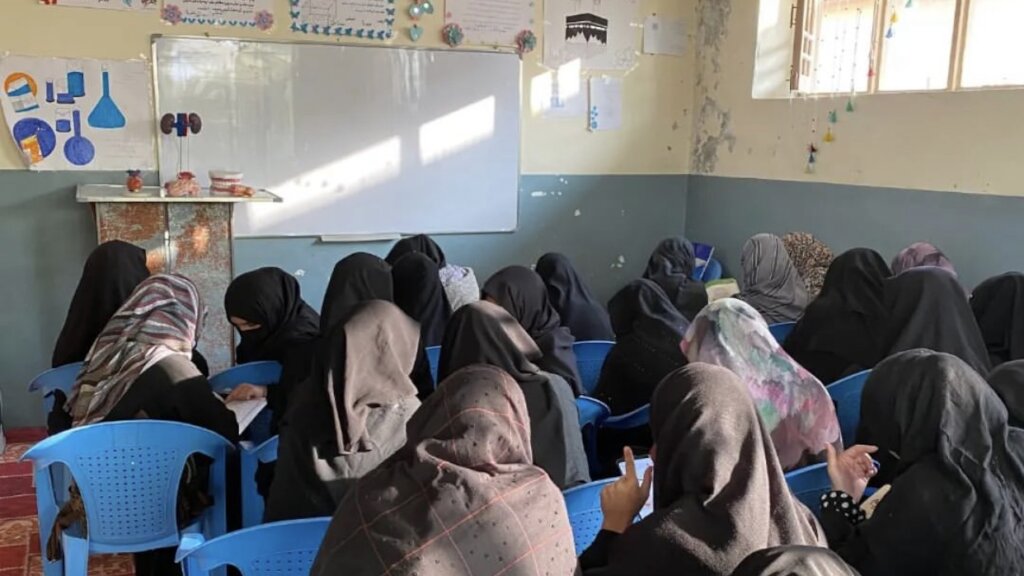
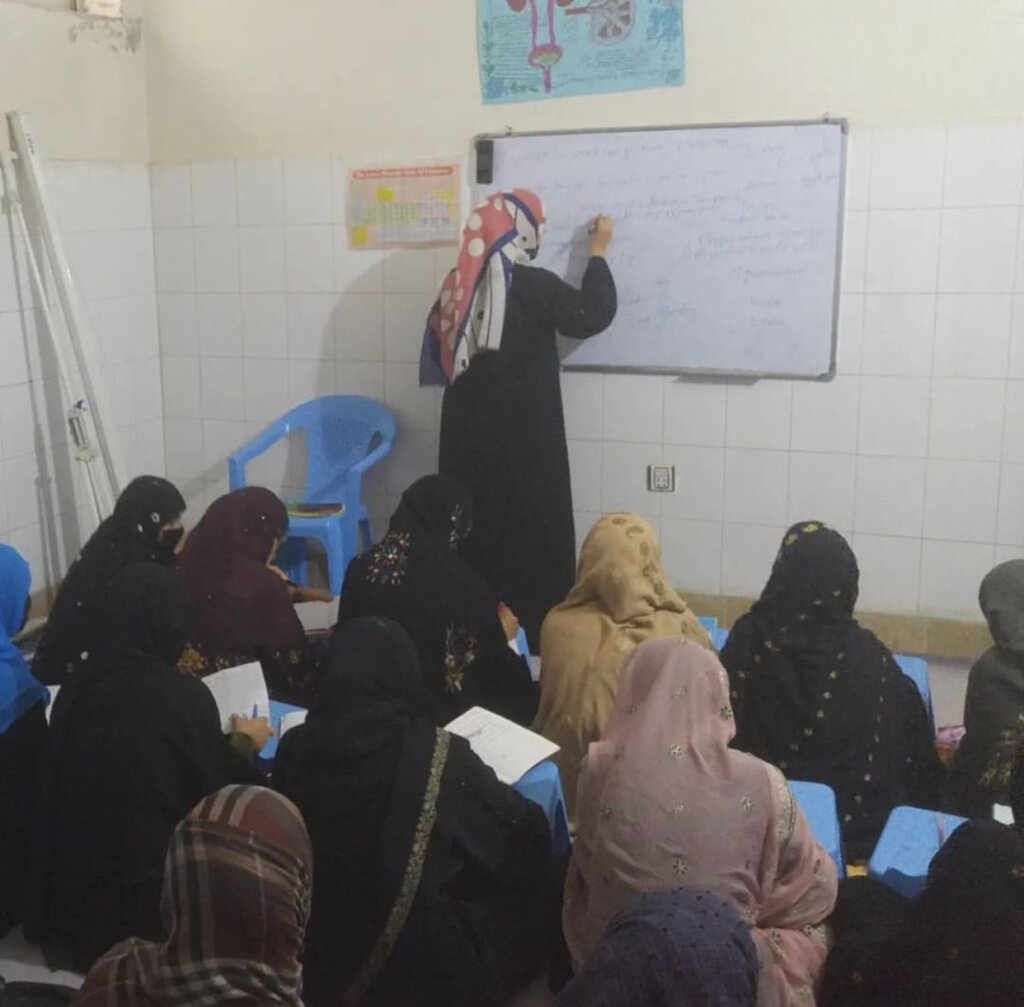
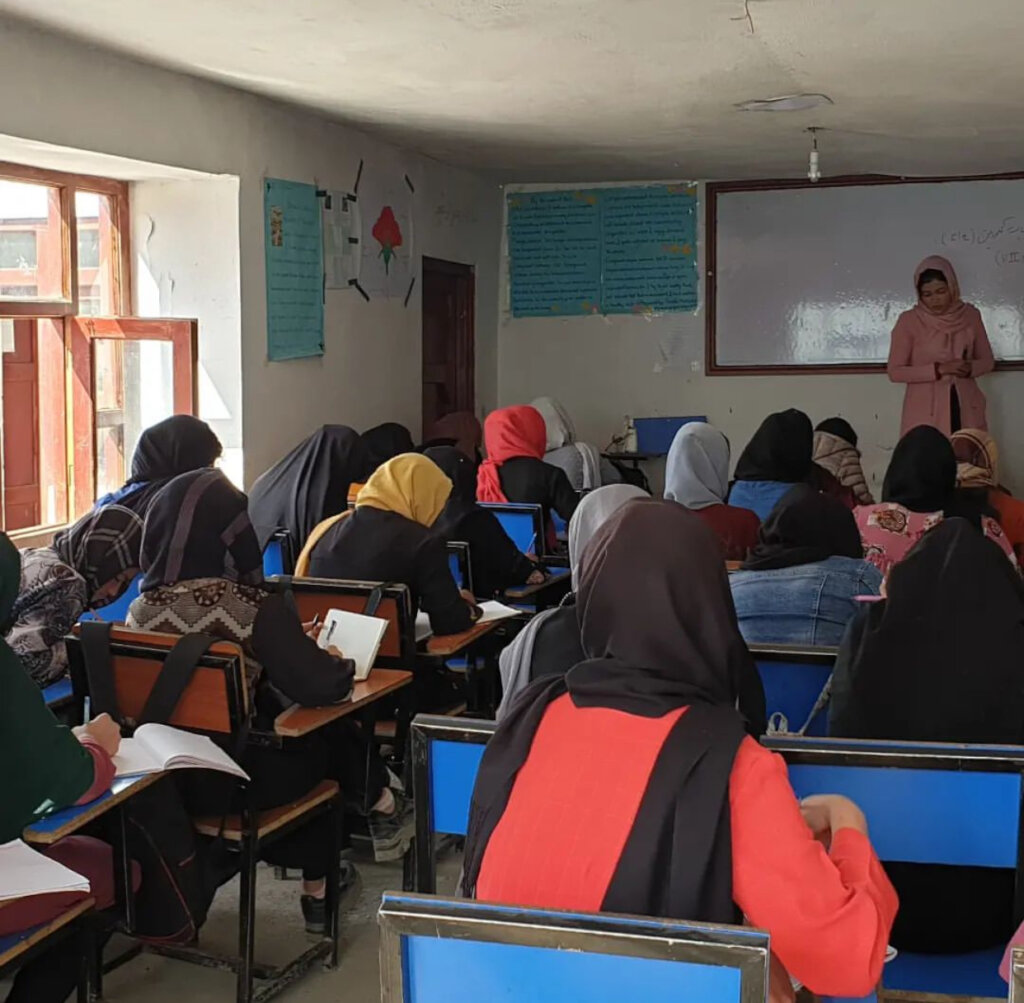
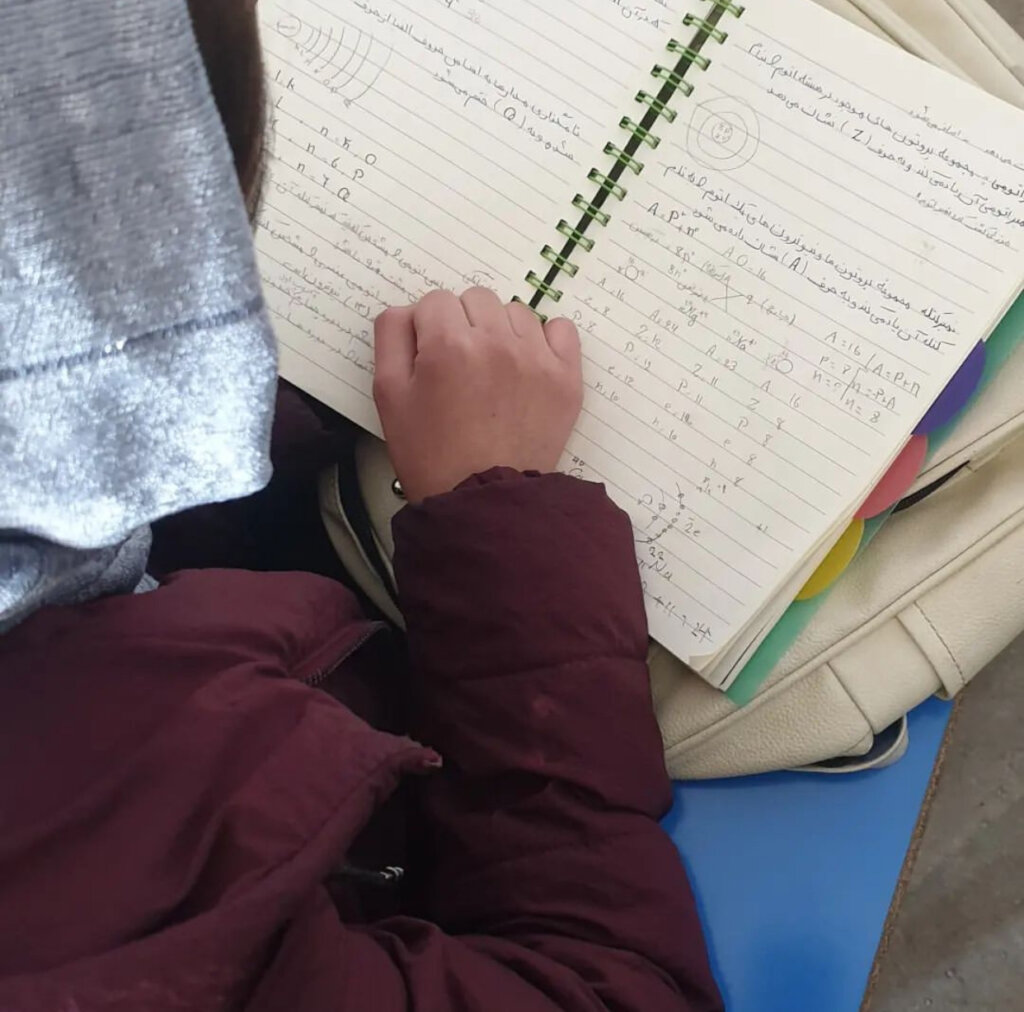
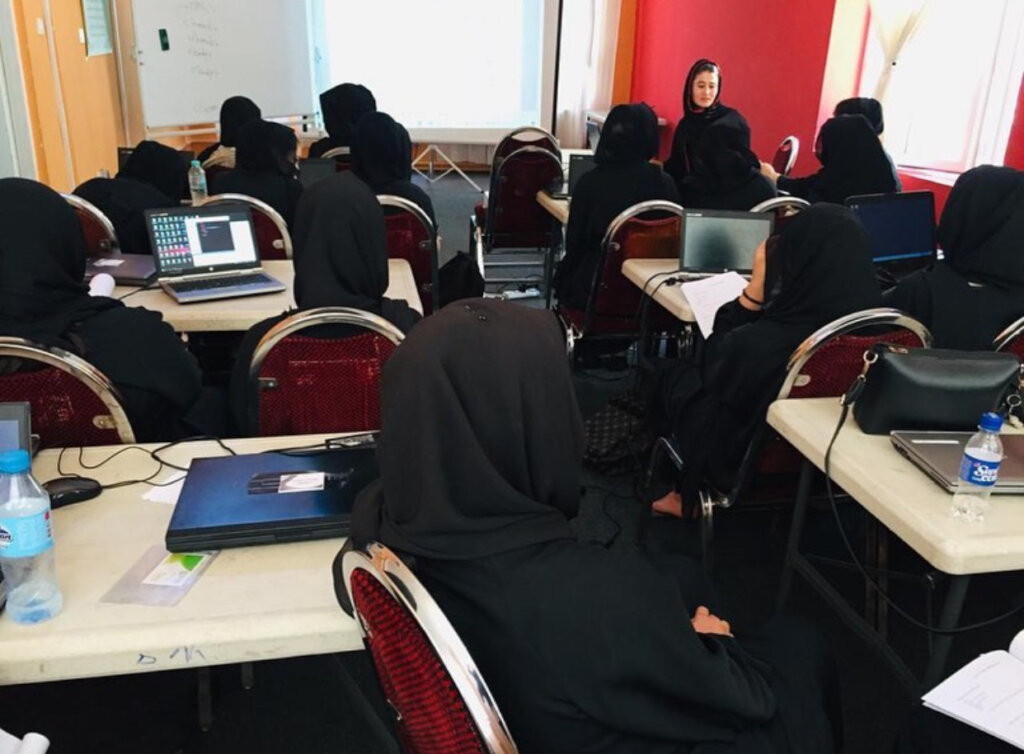
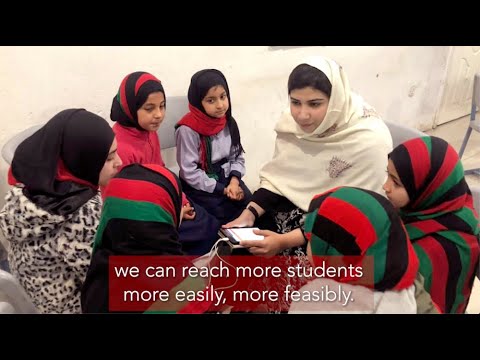
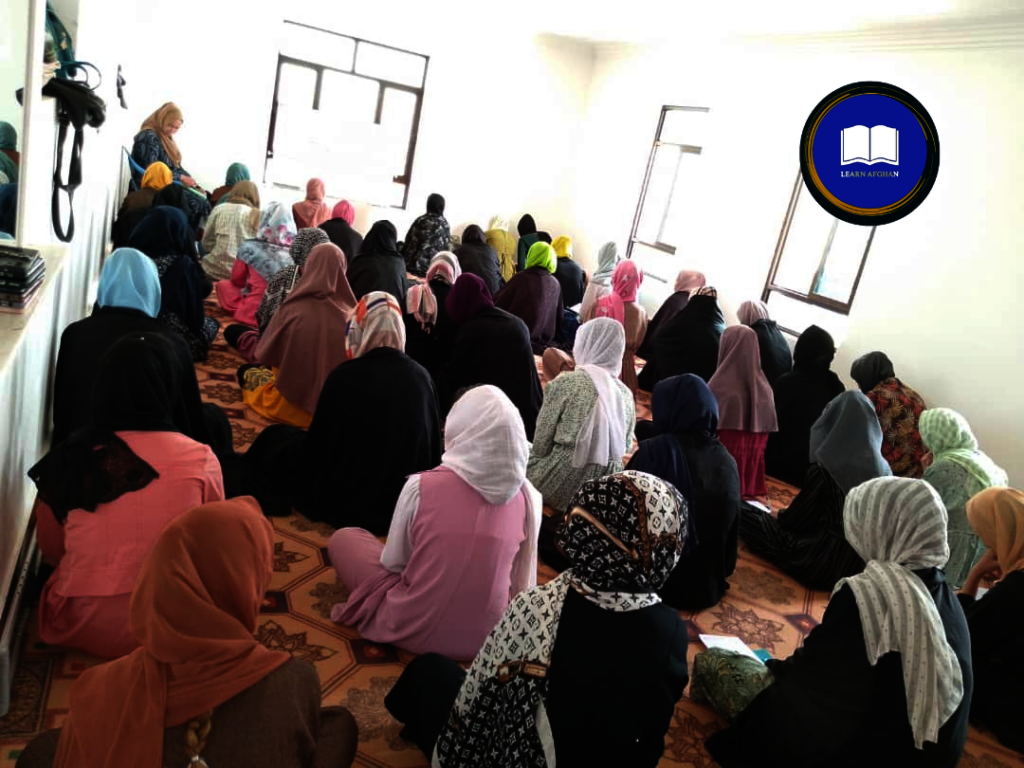
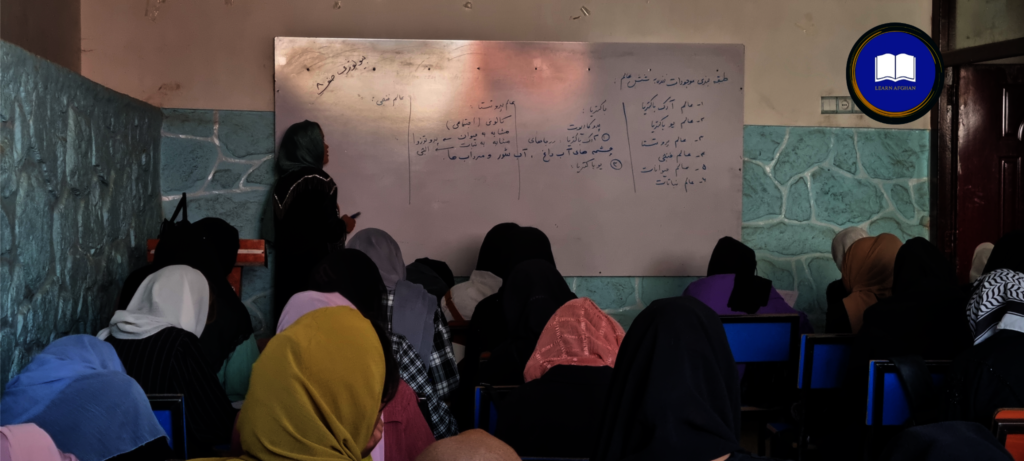
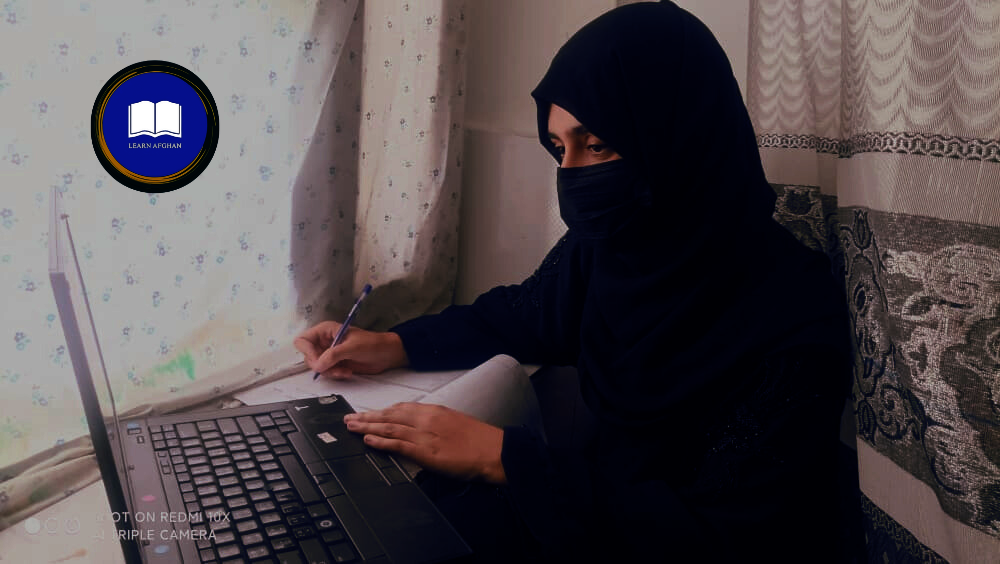
LEARN Afghan continues to expand access to education for out-of-school girls in Afghanistan. Since the launch of this project, we have grown from five provinces to seventeen by September 2025, reaching a total of 1,814 students. Through community-based schools, hybrid learning, and specialized programs, the project offers safe and structured opportunities for students who have otherwise been excluded from the formal education system.
Key Achievements and Impact
The most significant achievement over the past months has been the geographic and numerical expansion of the program. What began with schools in Kandahar, Bamyan, Herat, Samangan, and Daikundi has now grown to cover a total of seventeen provinces, including Helmand, Mazar-e-Sharif, Badakhshan, Takhar, Faryab, Ghazni, Ghor, Zabul, Kabul, Baghlan, Parwan, and Nangarhar. Together, these expansions have created new opportunities for students who were previously excluded from education. In total, 1,814 students across grades 7 to 12 are now engaged in structured learning, marking an impressive rise from the 678 students who were enrolled when the project first began.
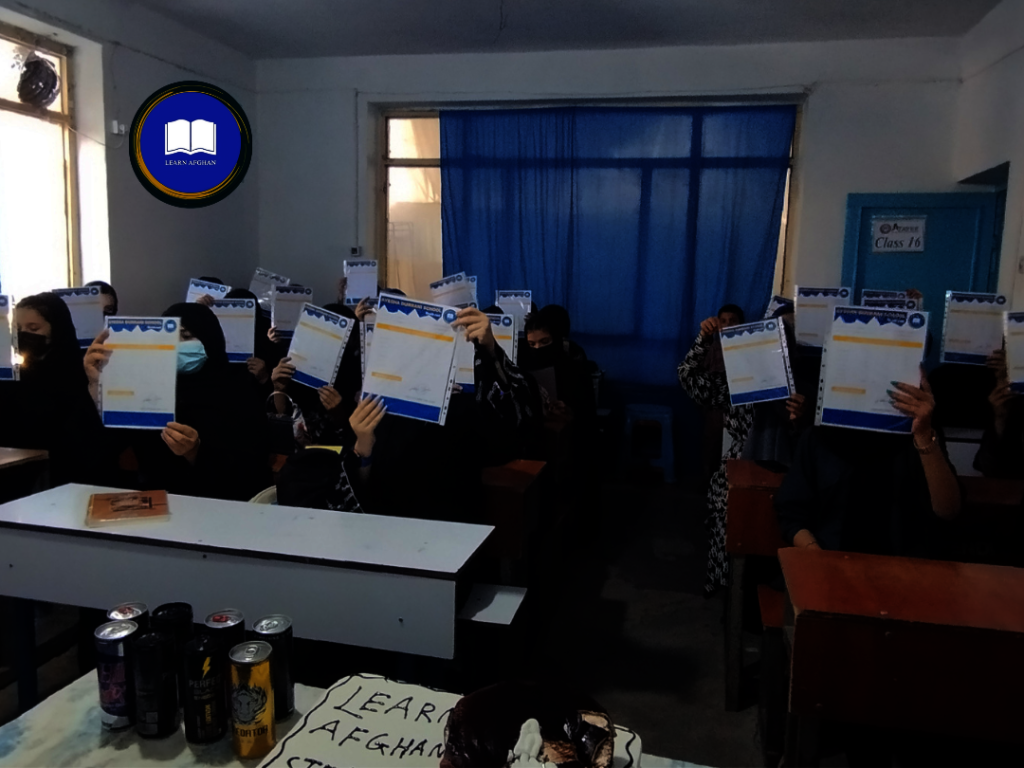
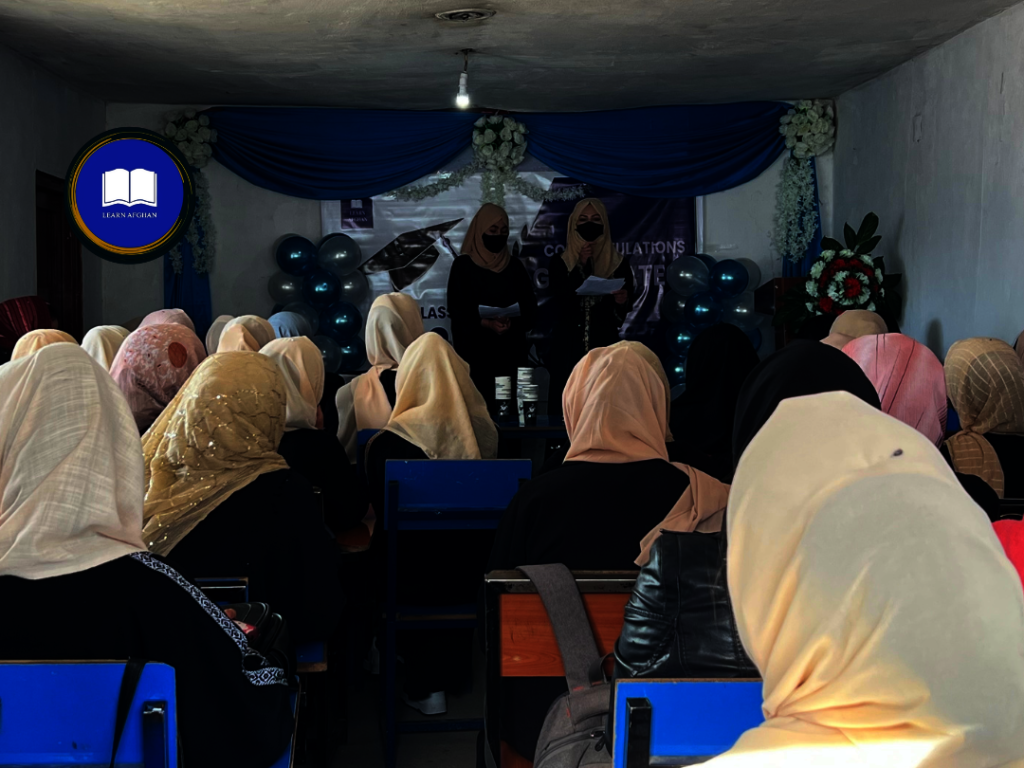
Another highlight was the graduation milestone in Bamyan, where Grade 7 students advanced to Grade 8, and Grade 8 students successfully graduated into Grade 9. This achievement underscores the continuity of learning and the program’s ability to guide students through meaningful academic transitions, despite the barriers imposed on girls’ education.
Specialized programs continue to enrich and diversify the learning experience. The English Academy now serves 140 students across Bamyan and Kandahar, while the Journalism course has 21 students actively building skills in reporting and writing. Additionally, 24 students are participating in Artificial Intelligence and Robotics classes, a crucial step in ensuring that Afghan girls are not left behind in emerging fields. These initiatives complement the core curriculum, providing students with the tools to thrive in both local and global contexts.
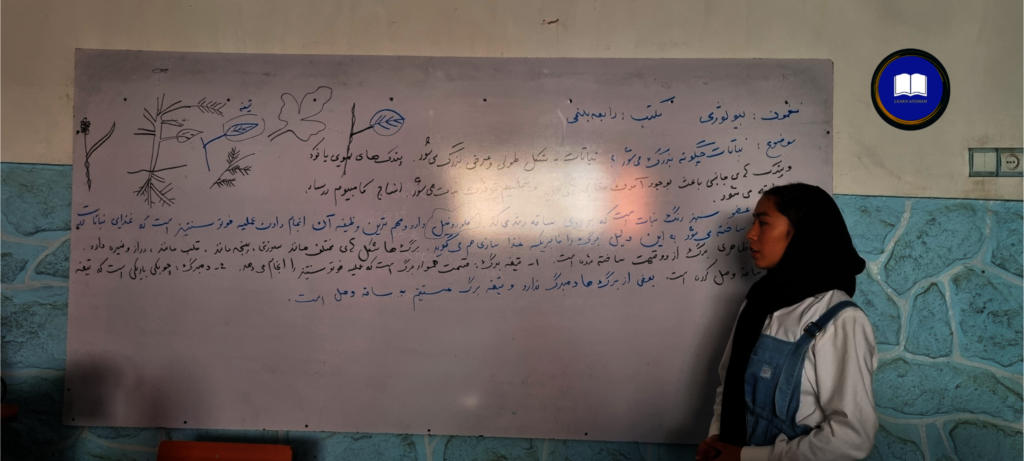
A significant focus has been placed on teacher recruitment and development. All newly established schools were staffed with trained teachers and assistants who met academic, professional, and safeguarding standards. Ongoing professional development ensures that teachers are supported in delivering both traditional subjects and hybrid learning methods effectively.
The impact within communities has been profound. Families who once believed their daughters had no future in education now see them return to school. Parents consistently report feelings of pride and hope as their daughters pursue structured learning, often for the first time in years. Schools have become safe and trusted spaces where students can focus on education, which in turn builds confidence and motivation that extends beyond the classroom.
Challenges
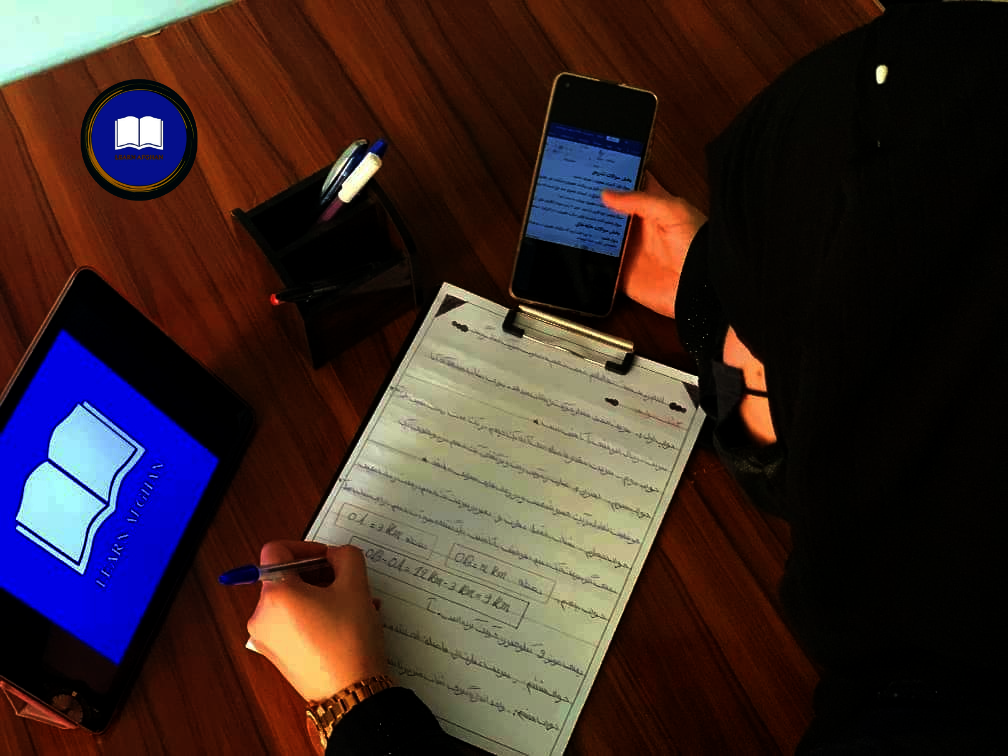
While progress has been substantial, challenges remain. The de facto government has restricted Wi-Fi services in some provinces, including Kandahar, Herat, and Balkh, leaving students and teachers reliant on cellular data. Although this workaround has allowed learning to continue, it is uncertain whether mobile data will also be restricted in the future. At this stage, the issue has not significantly disrupted operations, but it remains an area that requires close monitoring.
Looking Ahead
In the coming months, LEARN Afghan will continue to consolidate operations across the seventeen provinces, with a particular focus on ensuring quality and sustainability in newly established schools. By the end of the year, we anticipate important academic milestones, including class advancements and, hopefully, graduations for twelfth-grade students. Plans are also underway to strengthen higher education pathways and scholarship support, enabling students who complete secondary education to continue their learning. Teacher training and psychosocial support modules will also be expanded to further enrich the student experience.
Conclusion
From a small beginning in five provinces, this project has now reached seventeen, serving 1,814 students across Afghanistan. Each new province represents not just an expansion of numbers, but an expansion of hope. Families and communities are witnessing their daughters' academic and personal progress, and students are rediscovering the power of education in shaping their futures. LEARN Afghan remains committed to building on this momentum, ensuring that Afghan girls continue to have access to quality education, even in the most challenging circumstances.
Links:
Project reports on GlobalGiving are posted directly to globalgiving.org by Project Leaders as they are completed, generally every 3-4 months. To protect the integrity of these documents, GlobalGiving does not alter them; therefore you may find some language or formatting issues.
If you donate to this project or have donated to this project, you can receive an email when this project posts a report. You can also subscribe for reports without donating.



Support this important cause by creating a personalized fundraising page.
Start a Fundraiser