Project Report
| Oct 5, 2012
Back to School at Alkan University
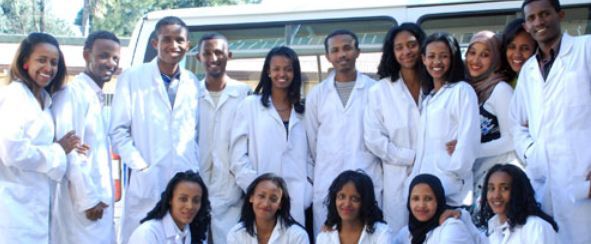
![(c) Alkan University - Staff ready for students]()
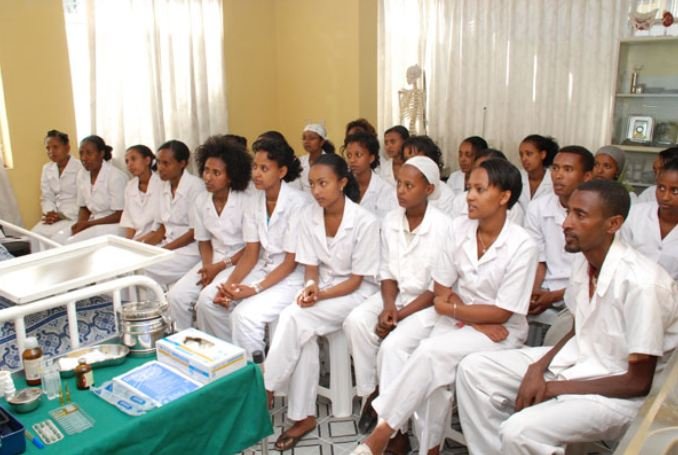
(c) Alkan University - Staff ready for students
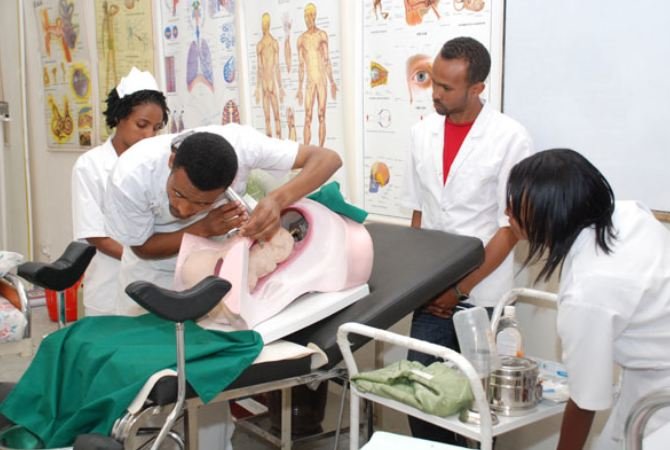
For many of us, the fall season reminds us of the end of our summer break and a return to school. At the Alkan University Health Sciences College, this is no different. The school year is underway, and students are filing into lecture halls and practical laboratories to study nursing and midwifery.
Alkan University welcomes students for programs in medical sciences, community and public health, business, and technology. It offers training programs that are from 6 months to 5 years long. Its core mission and values are to produce competent health professionals who participate in hands-on professional development activities to expand their knowledge, and who respond to societal problems through active community engagement. (Adapted from
http://alkan.edu.et)
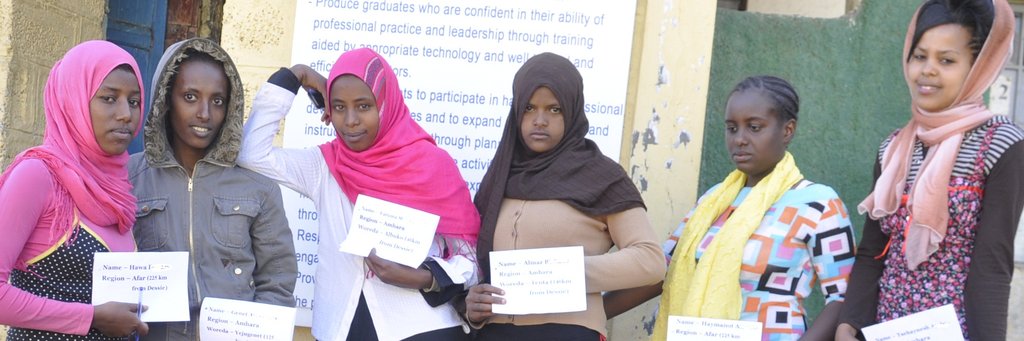
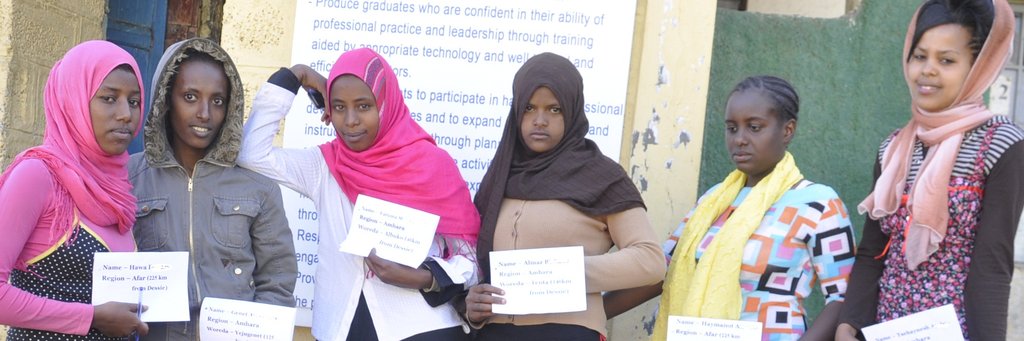
We are in the process of selecting this project's scholarship beneficiairies and will introduce you to our nursing scholars as soon as we can. Once they successfully complete their training, they will have the opportunity to join a thriving community of practice, the Ethiopian Nursing Association (ENA). In anticipation of their induction to ENA, we share some history about nursing in Ethiopia:
"Modern nursing in Ethiopia started in the later part of the 19th century by Swedish Missionaries who came to Eritrea in 1866. Years later the nursing service was extended to other parts of the country still by expatriate nurses from Sweden, Russia, and France. During this time some clinics and hospitals were opened in some parts of the country. Thus the need for nurses was felt more than ever. Around 1928 elderly women were recruited and were given short term training to serve as nurses and midwives. In 1949 the first School of Nursing (The Ethiopian Red Cross) was opened in the former Haile Selassie I Hospital (Now Yekatit 12 Hospital beginning of the modern nurses education). Students were recruited from 8th grade and the training duration was 3 ½ years. In the following years other schools of nursing were opened. One of the schools (Gonder) was training community nurses who were basically working in the community while the other schools train bedside nurses who work mainly in hospital settings.
In 1977, three years after the downfall of the Emperors regime, the nurse training was revised at a national level and a decision was made to train one category of nurse namely "Comprehensive nurse" who can function at all levels of health institutions. Thus the training of community nurses was discontinued. The academic entry requirement at this time was raised to 12th grade completion and the duration shortened to 2 ½ years. After the dawn fall of the Derge regime, since 1991, the training duration reduced by ½ years to only 2 years and the comprehensive form of training changed to specialized form of training.
The training of different types of nurses then started for two years in most training institutions and begins to train clinical nurses, public health nurses & midwives. A remarkable event to be mentioned in the history of nursing in Ethiopia is the launching of post basic baccalaureate program in nursing in 1994 in the former Jimma institute of health science (now Jimma University)." (Adapted from
http://www.ena.org.et/)
![Share on Twitter]()
![Share on Facebook]()